Only count your sunny hours …
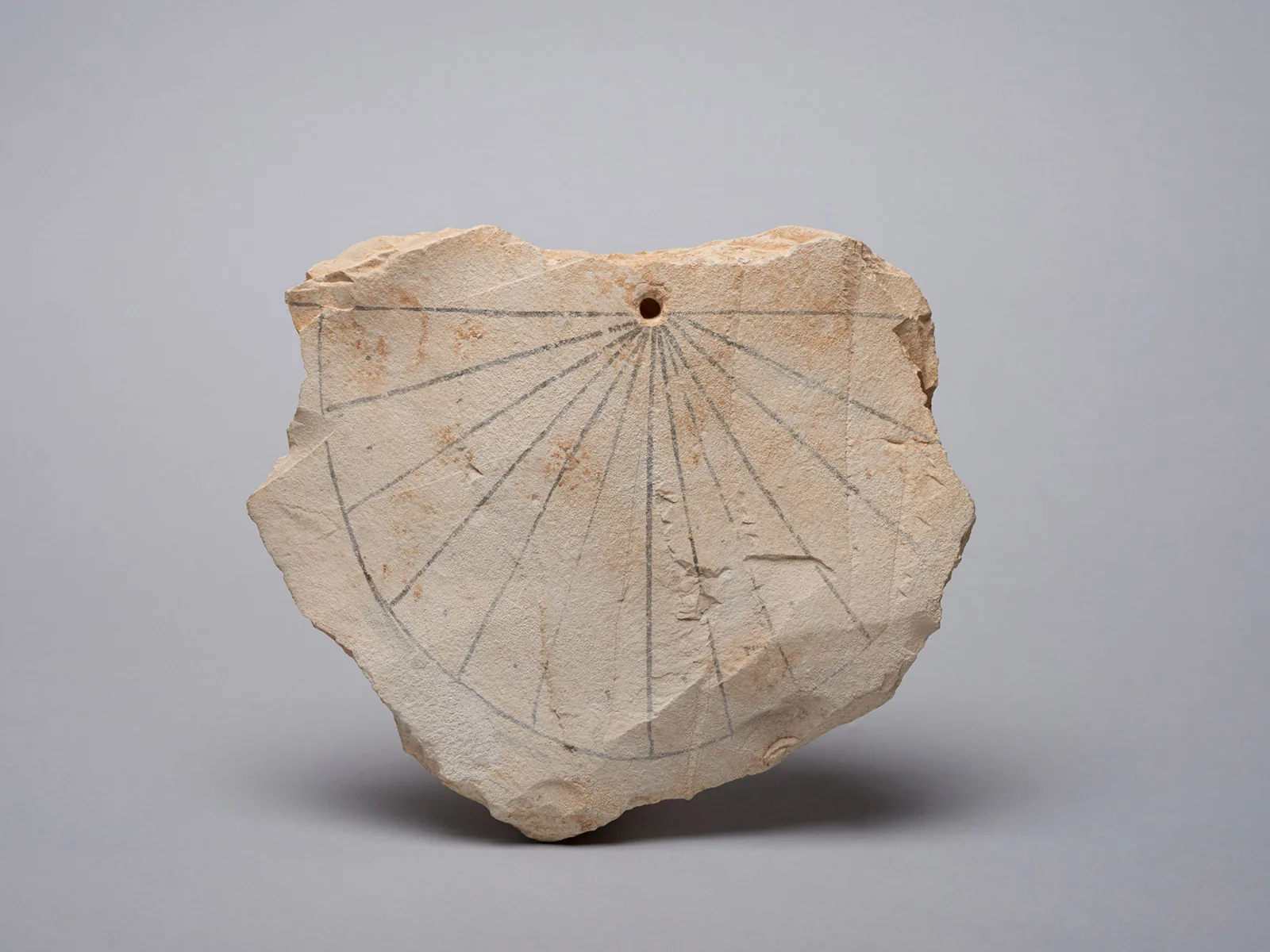
"Let others tell of storms and showers, I’ll only count your sunny hours" is a phrase that has graced countless poetry albums. Researchers from the University of Basel have now found out that the sundial has been in use for at least 3,200 years.

Thomas Weibel
Thomas Weibel is a journalist and professor emeritus of media engineering.
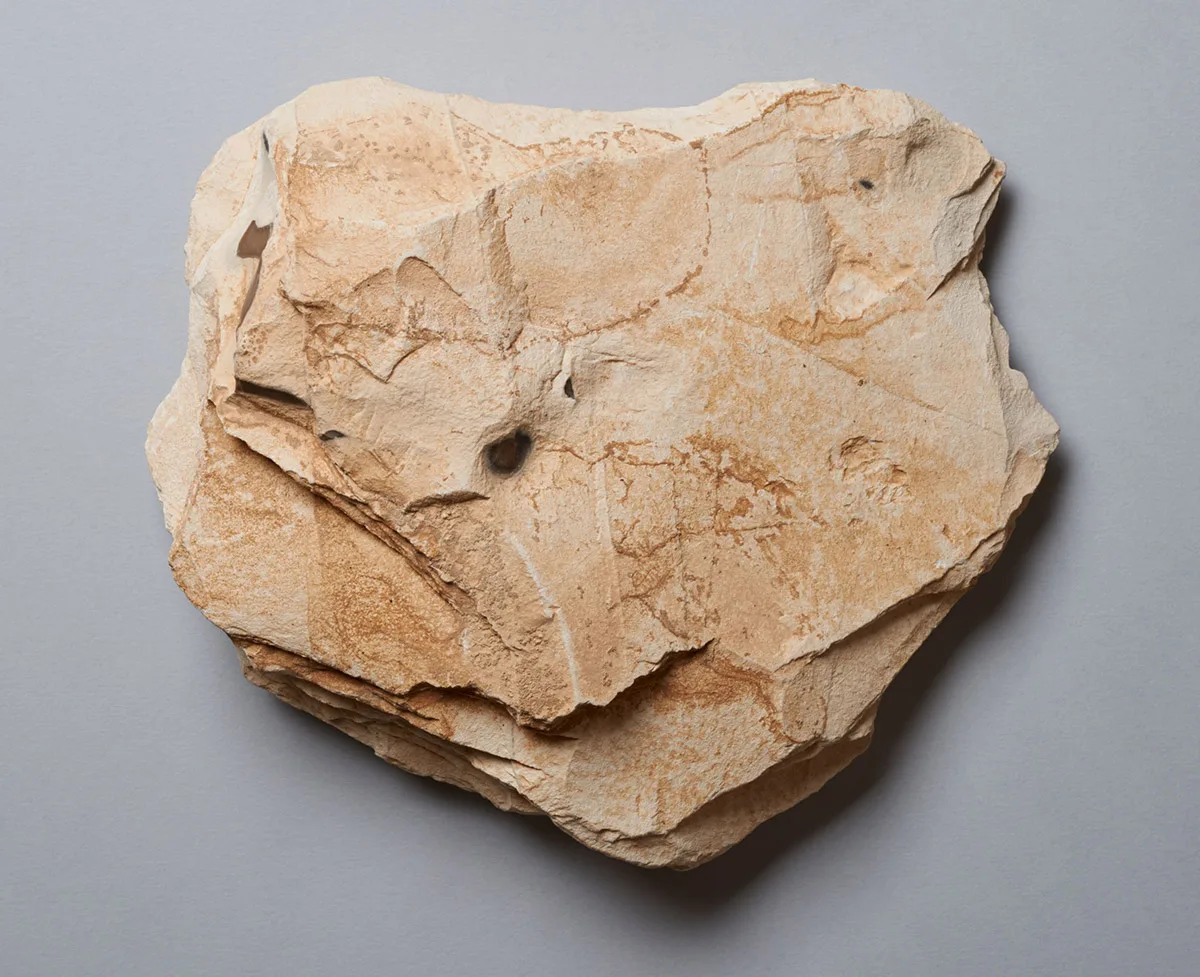
The semi-circular design on the flat, 15.5 by 17.5 centimetre stone, for which the technical term is ‘ostracon’, is divided into twelve parts representing the daylight hours. The hour lines, marked in smooth brush strokes without the aid of a goniometer or ruler, are amazingly even. The two horizontal perimeter lines at the top represent six in the morning and six in the evening; the midday line is drawn vertically from top to bottom. The sundial was portable and would have had to be mounted or placed on a south-facing surface to show the right time – it was actually found near a cliff facing to the south.
Shorter and longer hours
The shadow caster (gnomon) of the sundial from the Valley of the Kings is no longer in place. Nonetheless, there is an opening for it drilled vertically into the stone, meaning the gnomon was at a right angle to the dial face. This type of sundial is known as ‘canonical’ as it was used as a rough guide for the prayer times in medieval monasteries. However, there is an issue with these canonical sundials: the angle of the sun’s shadow at any given time depends on the season. In the Valley of the Kings, the difference between the equinoxes (21 June and 21 December) was a good five degrees at nine in the morning. To deliver reliable readings throughout the year, canonical sundials need more dials for all the months or star signs, making them not easy to read.
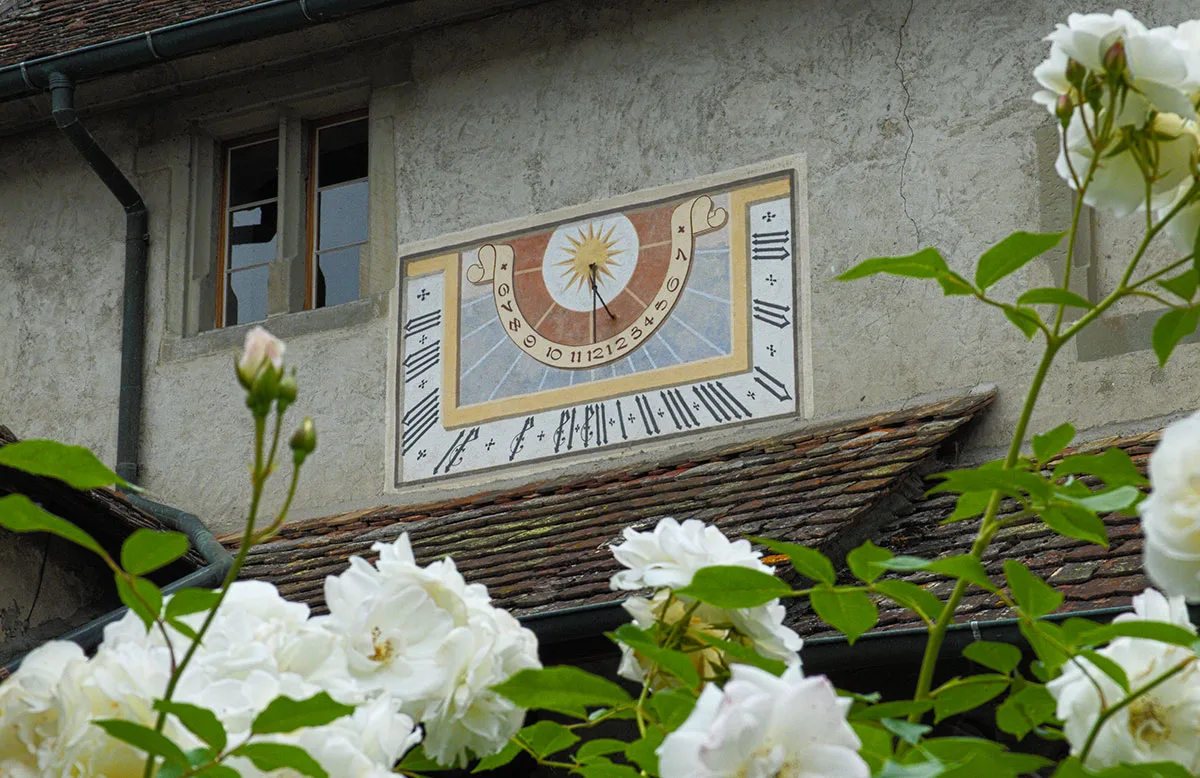
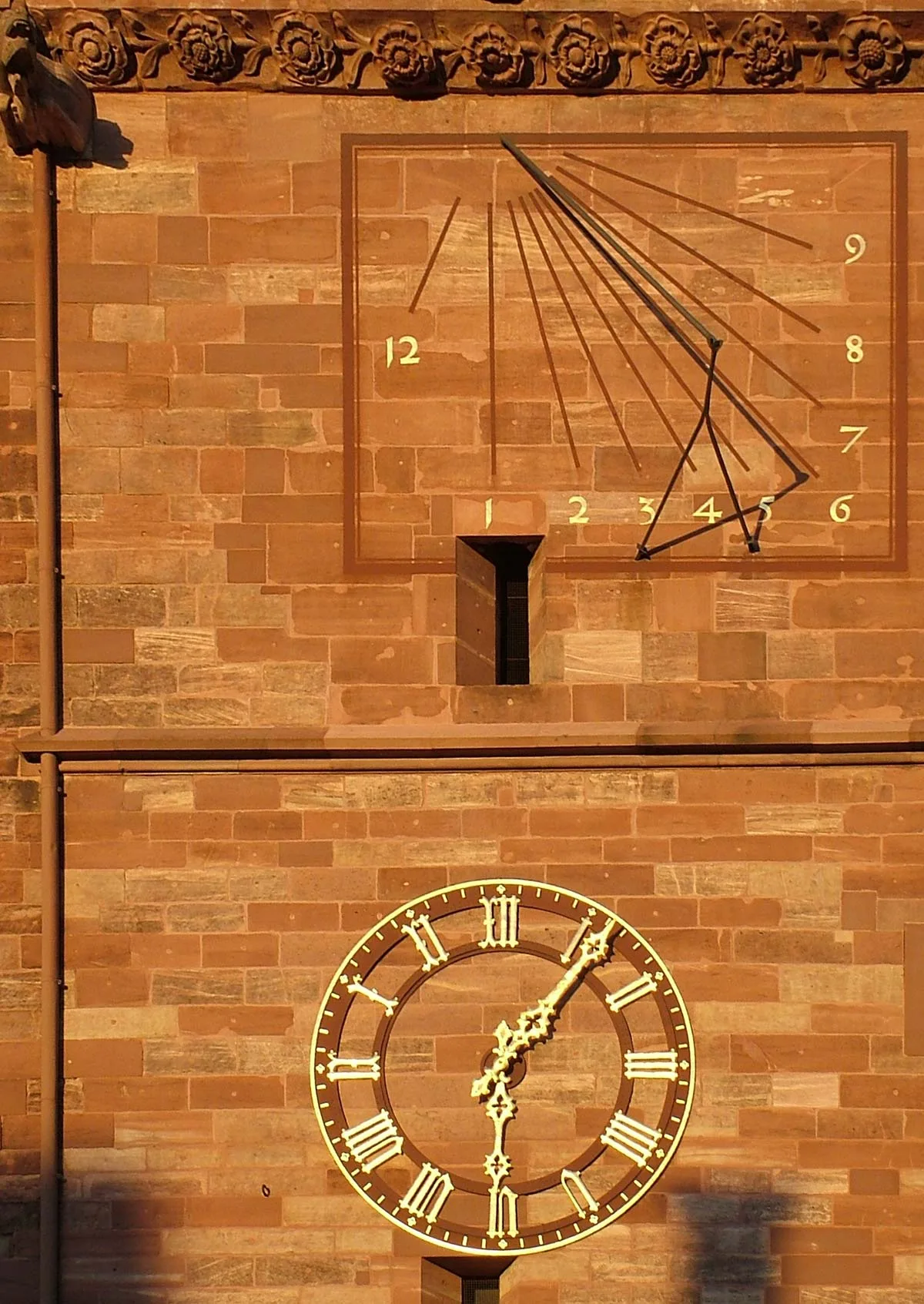
“Sundial country” Switzerland
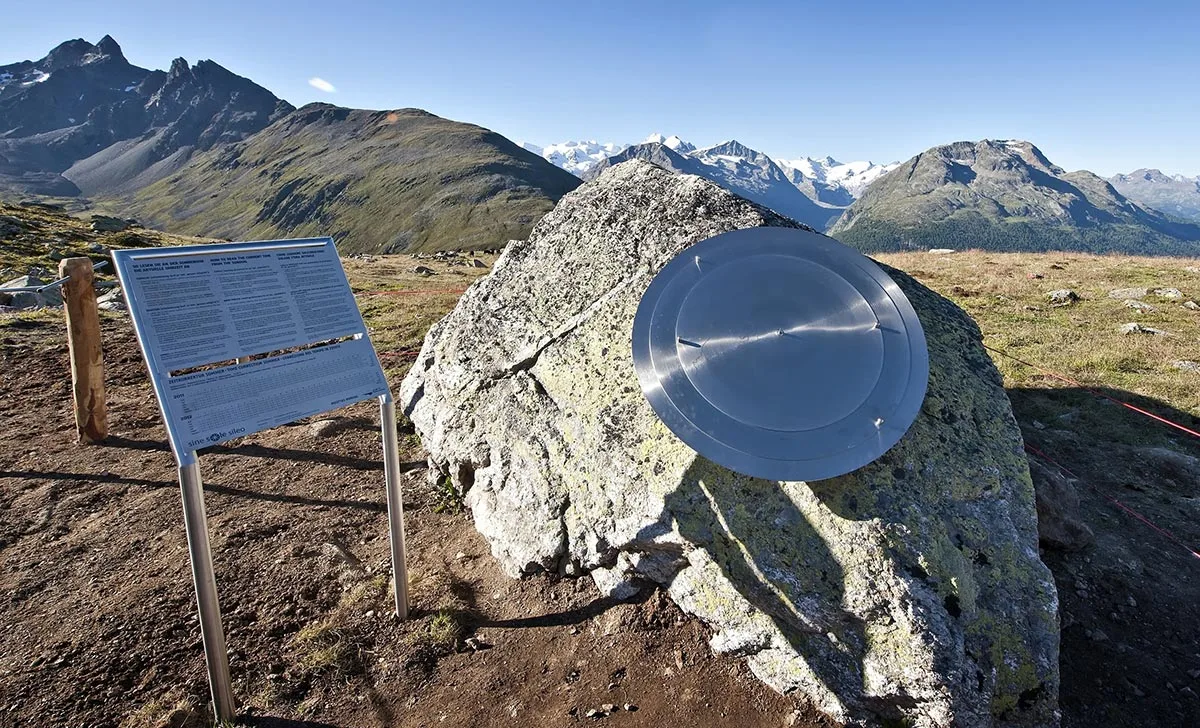
3,200 years later, the sundial constructed in autumn 2011 on Muottas Muragl in the commune of Samedan is centred on accuracy. Thanks to its finely adjustable gnomon, the “most accurate sundial in the world”, in the words of its maker Fred Bangerter, bearing the Latin name ‘Sine sole sileo’ (“without sun, I am silent”), displays the time to an accuracy of ten seconds – albeit only from 21 March to 23 September. During the winter half-year, the sun is too low to activate the high-precision sundial.