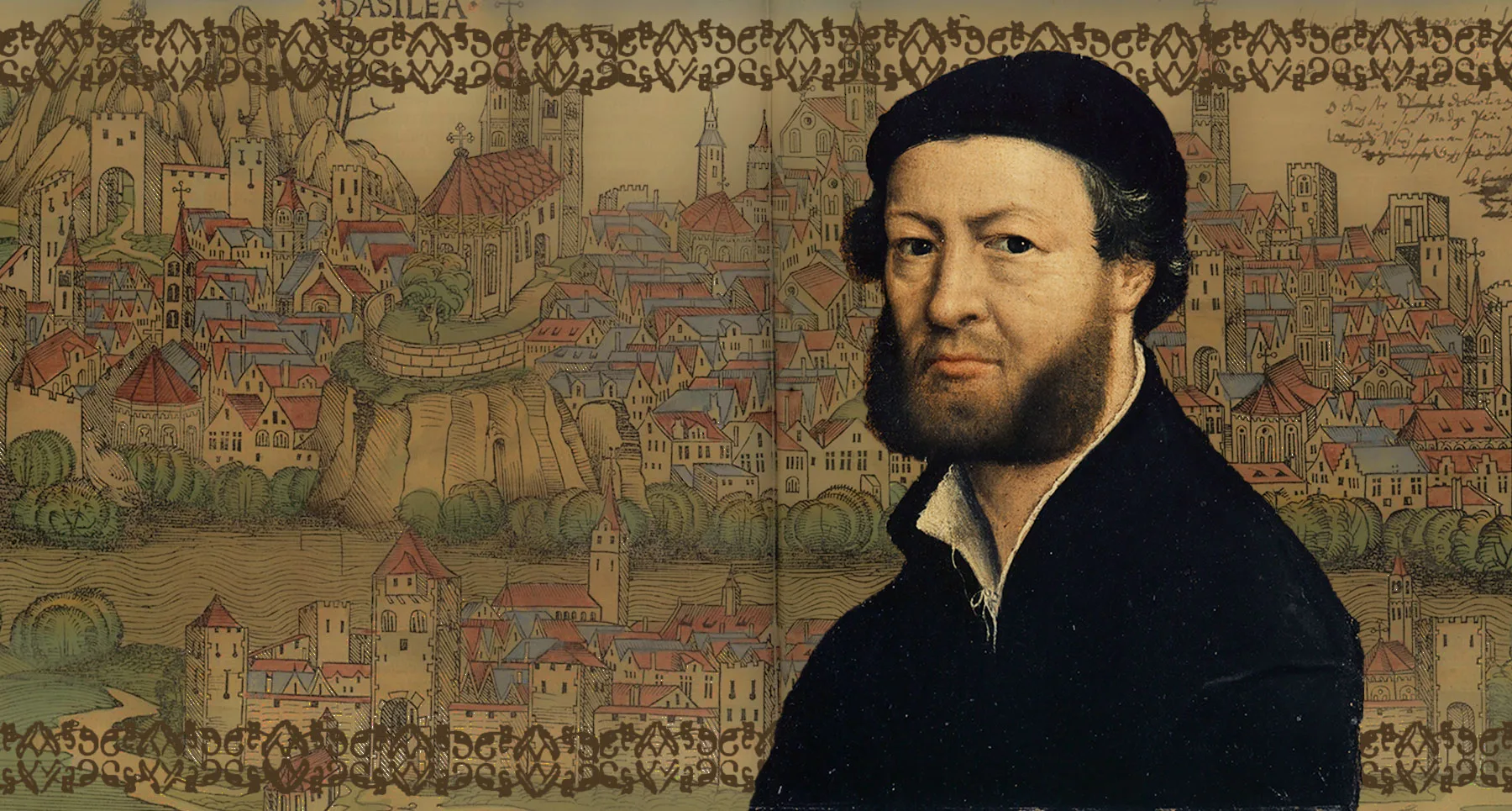
James Blake Wiener15.10.2026Hans Holbein the Younger (c. 1497–1543) came of age in an era reshaped by print culture, humanism, and religious turmoil. After settling in Basel, he created works for the city’s Renaissance elites. His years in Switzerland laid the foundation for the international acclaim he later achieved in Tudor England.
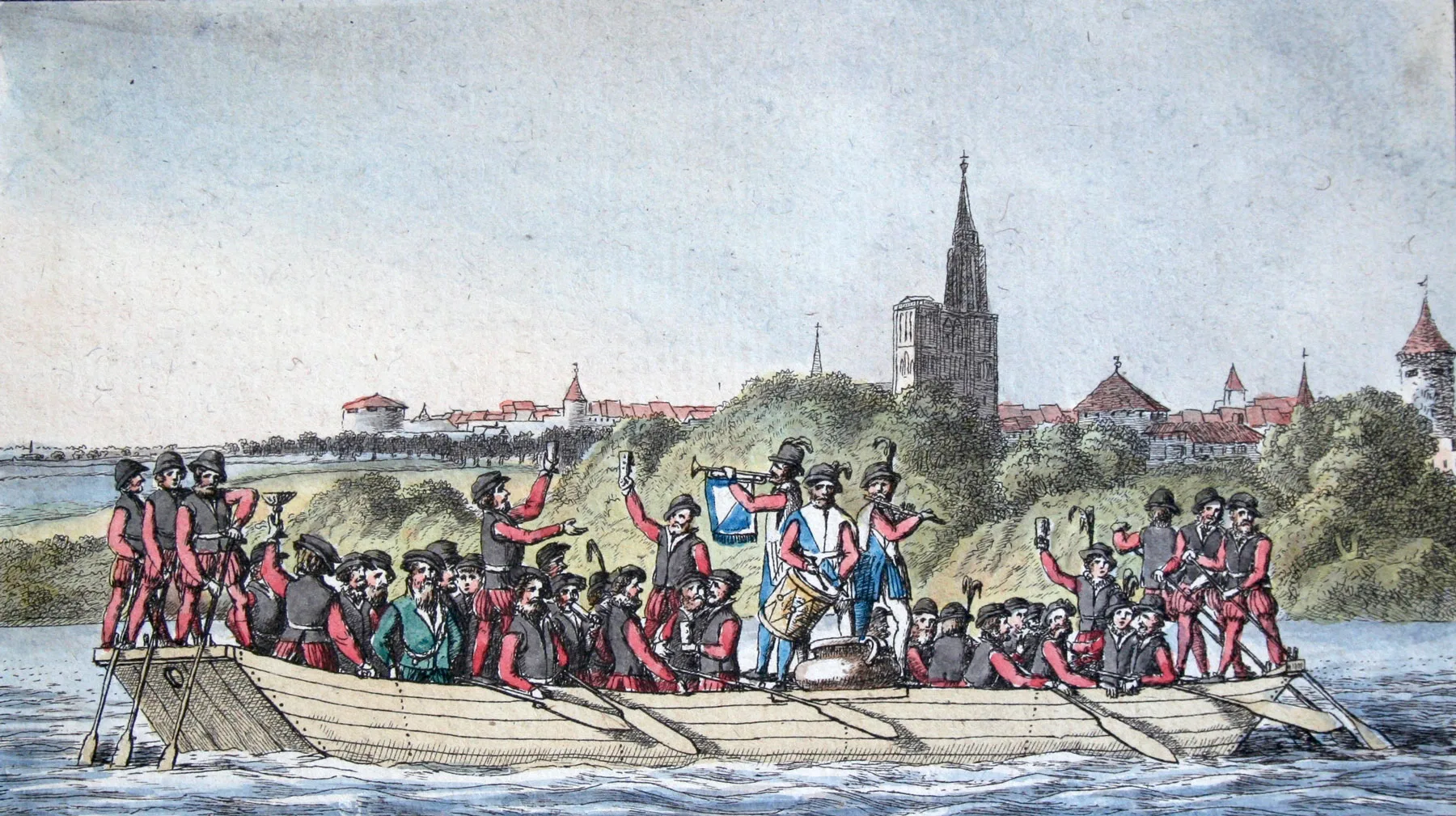
Christophe Droesch13.08.2026In 1456, a pot of millet porridge was transported by boat from Zurich to Strasbourg in a single day. It was still warm on arrival. The trip was repeated in 1576 and feted as a great achievement, but it mainly served to solidify the alliance between the two cities in a politically and religiously charged period.
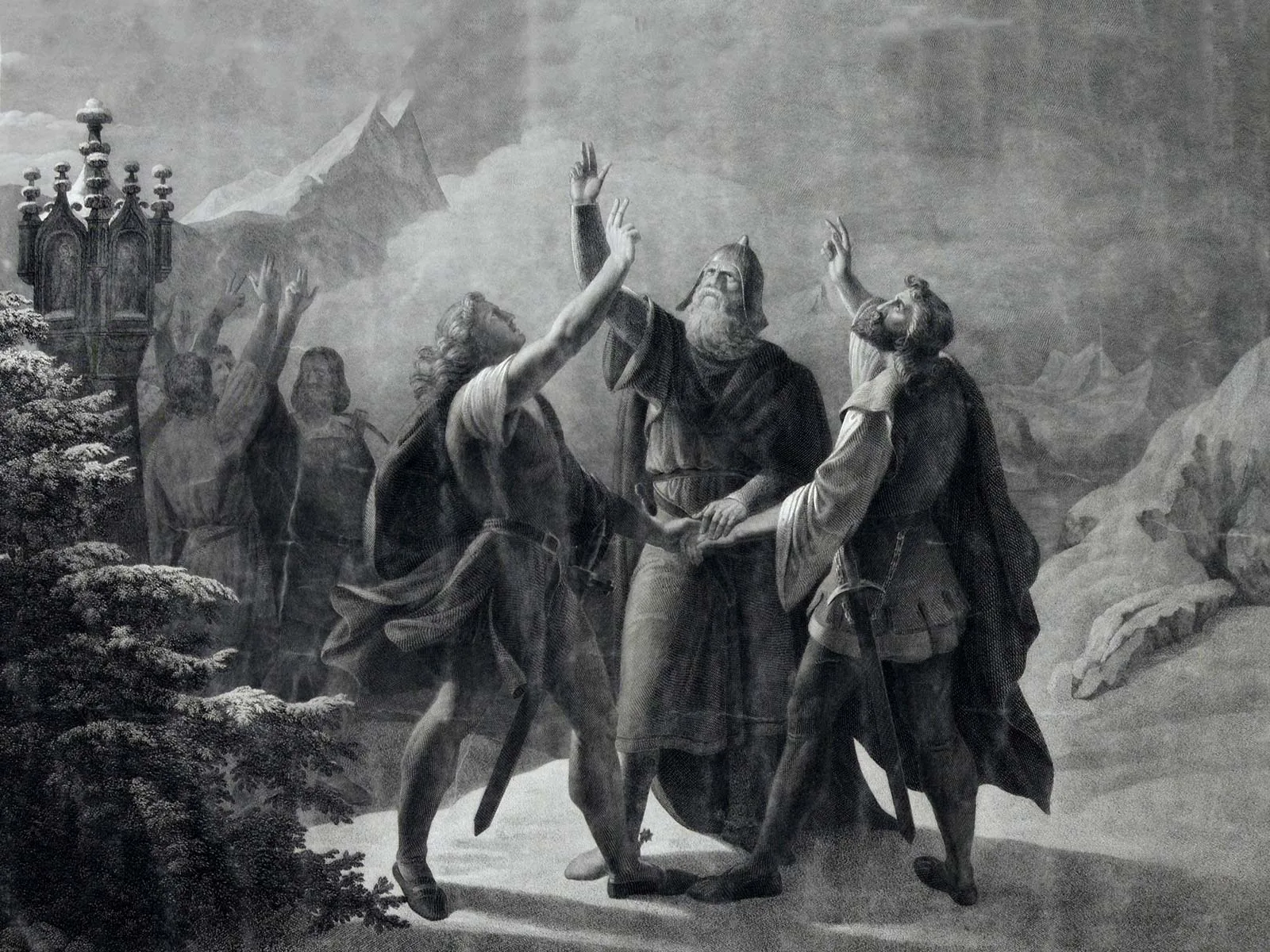
Roland Gröbli28.07.2026Religious differences between the traditionally Catholic cantons and those that embraced the Reformation prevented them from agreeing on a common wording for the oath of allegiance to the Old Swiss Confederacy. It was effectively 500 years ago, on 28 July 1526, when its members convened to swear their common allegiance for the last time.
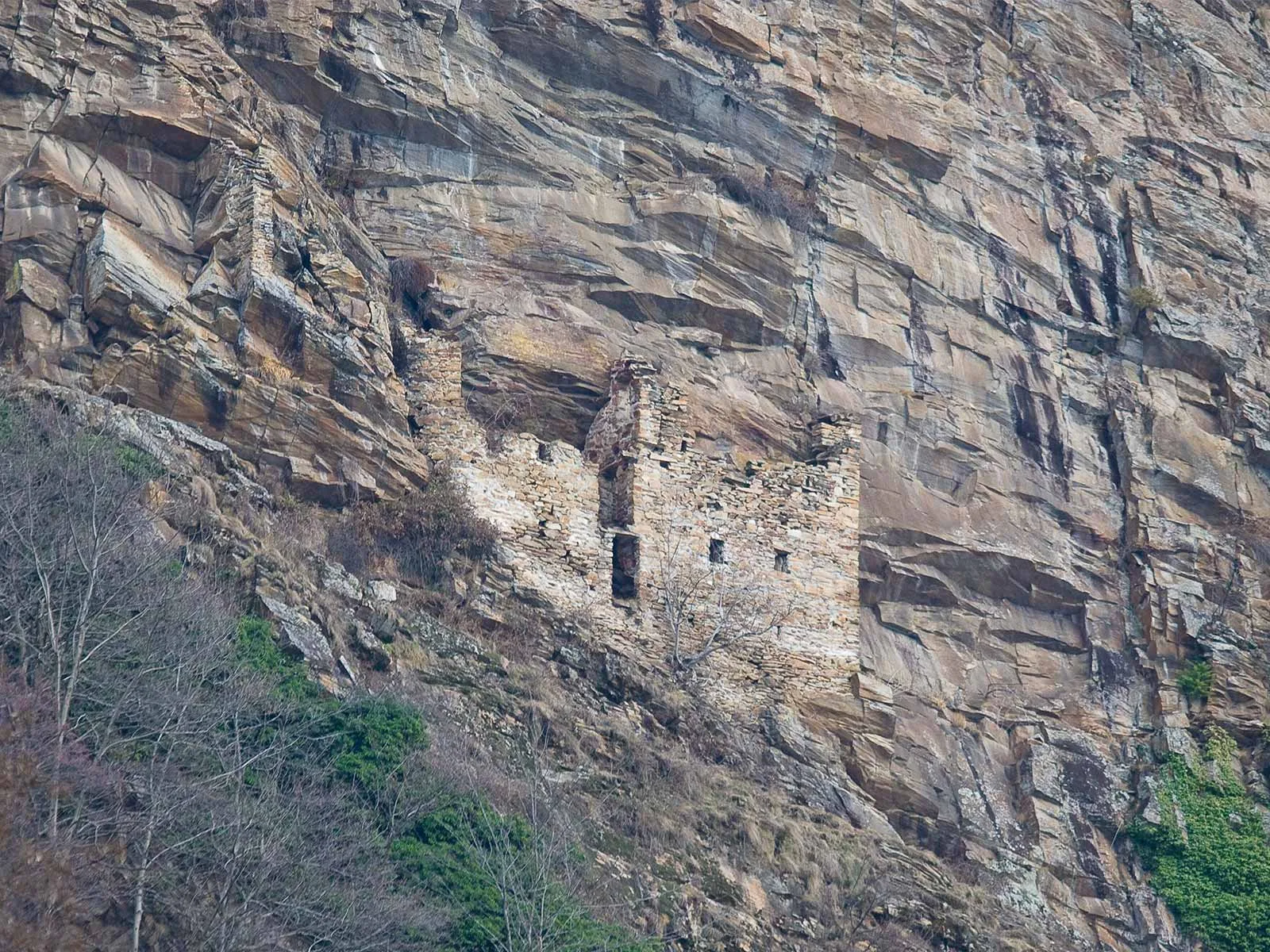
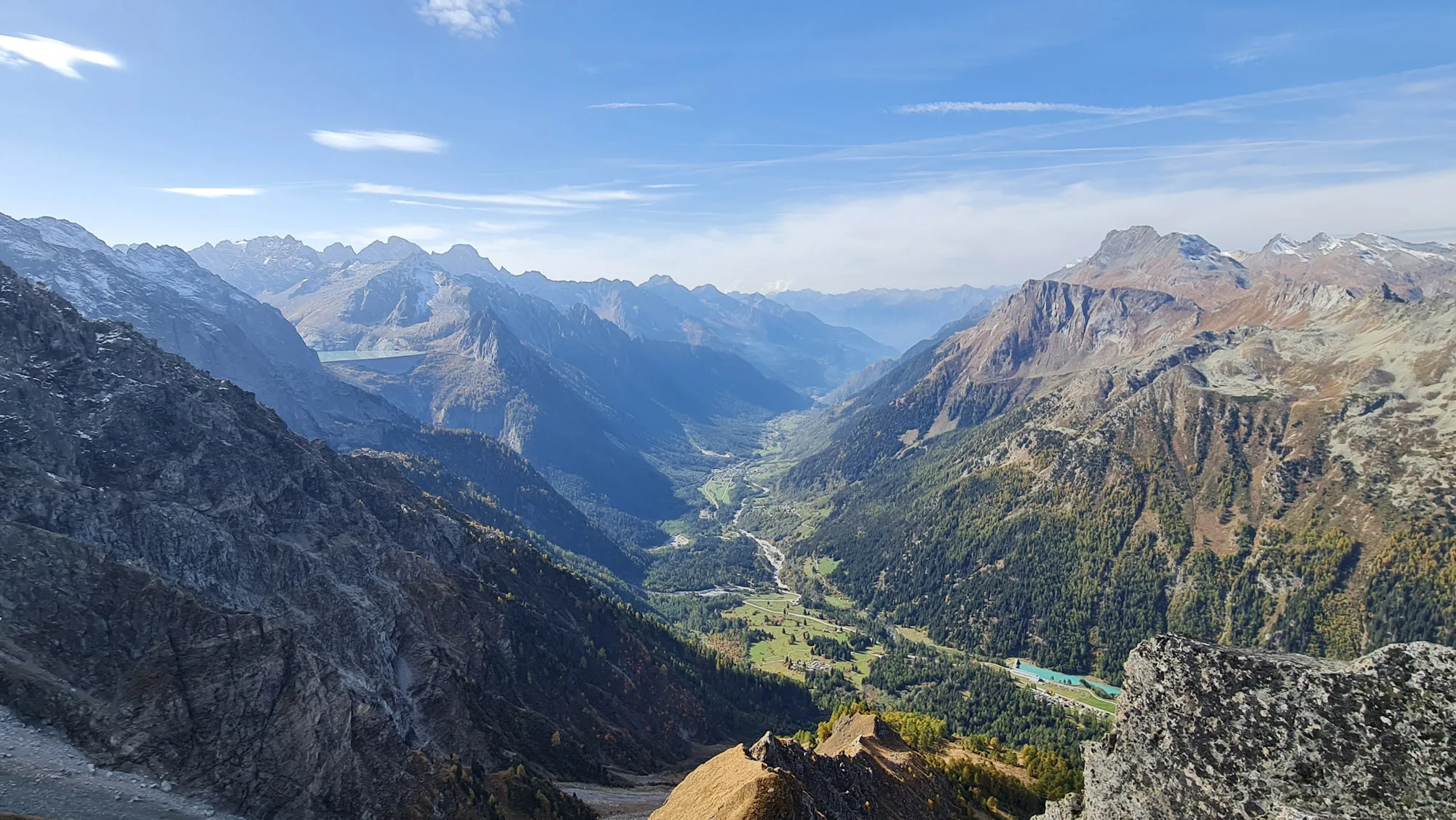
Thomas Weibel02.07.2026Ticino’s Blenio Valley is home to a series of fortified cliff dwellings known as the ‘case dei pagani’ or ‘pagan houses’. These near-inaccessible ruins are the setting of many scary stories and continue to puzzle researchers to this day.
Simon Engel11.06.2026Throughout history, rulers have used sport as a stage to present themselves and their ideals in a certain light. The practice began in Roman amphitheatres and continues to this day. Even in Switzerland.
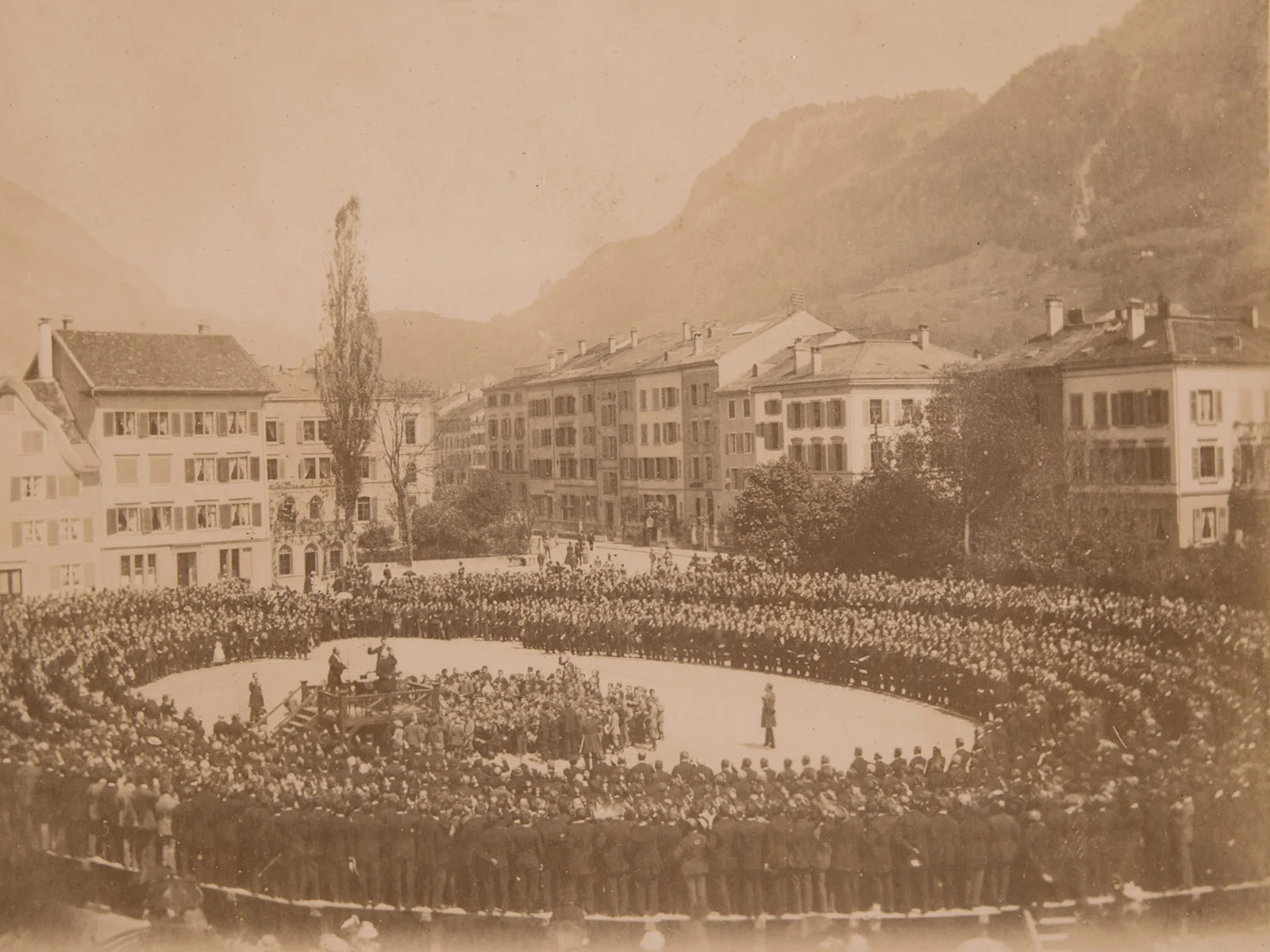
René Roca30.04.2026Glarus holds its People’s Assembly every first Sunday in May. This tradition goes back to the early days of democracy in the Middle Ages.
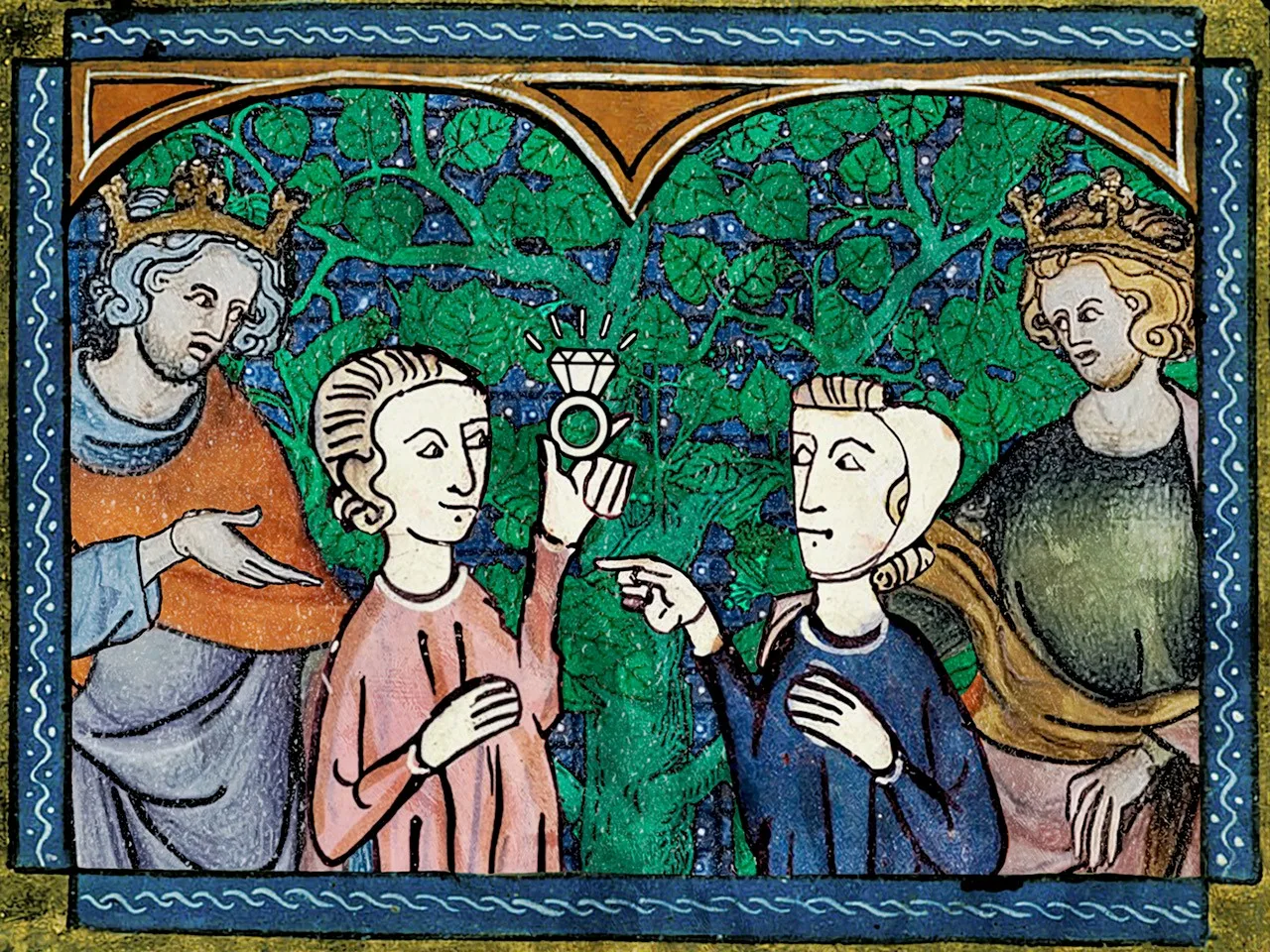
Anuska Merz07.04.2026The Lindenhof hill in Zurich was the site of a royal palace from around the year 850. Carolingian kings and rulers of the Holy Roman Empire regularly spent time there as they travelled around the realm. The Lindenhof experienced what was perhaps its finest moment in 1055.
James Blake Wiener26.02.2026Val Bregaglia (Bergell) has long been a crossroads, geographically and culturally, lying between Italian, Rhaeto-Romanic, and Germanic Europe. Characterized by trade routes, traditions of local autonomy, and religious ferment, the remote valley transformed into a unique refuge for Italian Protestants during the sixteenth century.