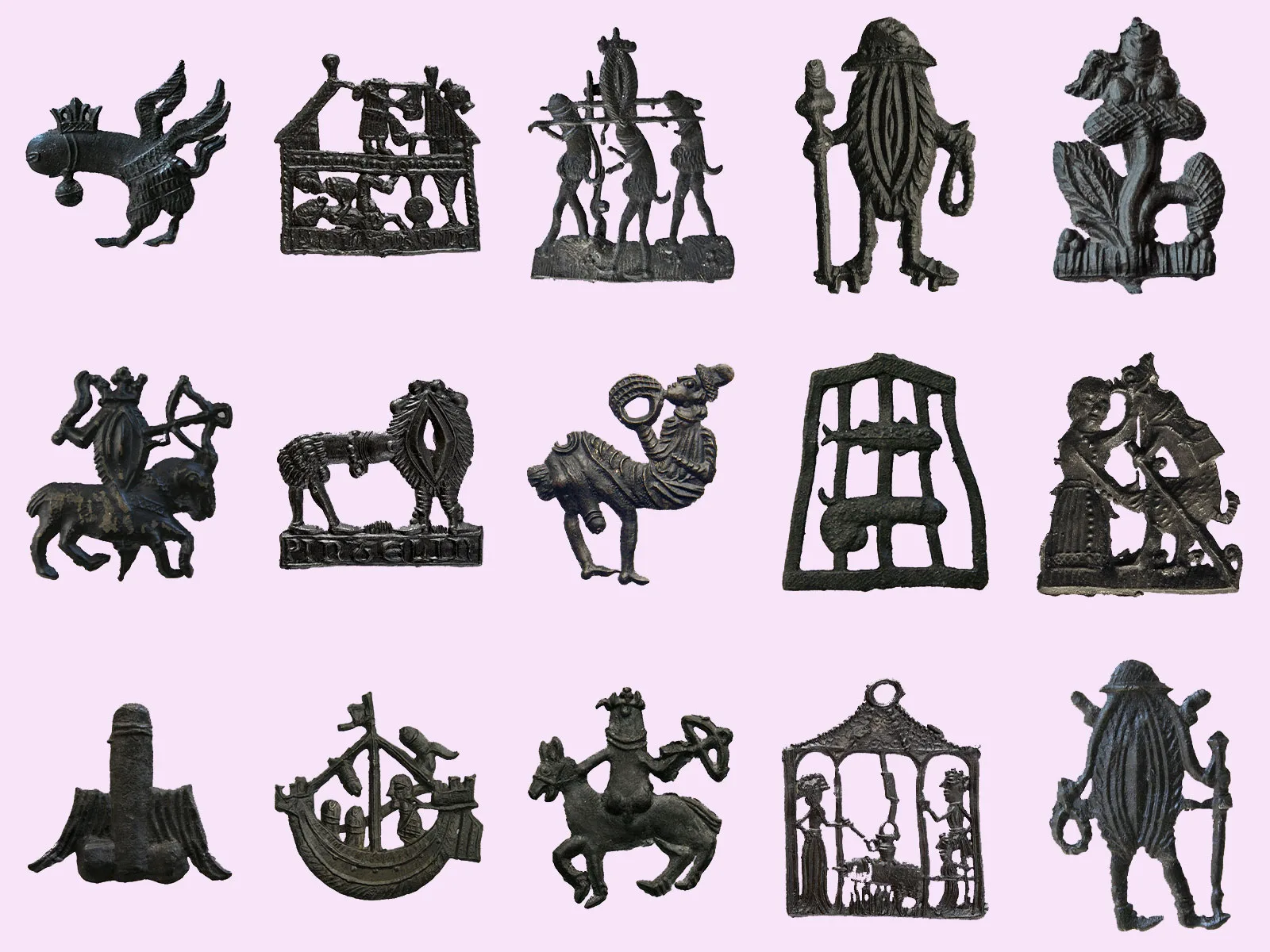
Medieval badges and their risqué designs
A look at the badges people wore in the Middle Ages reveals many designs that one would not normally associate with the period: fantastic creatures made out of genitalia call into question how prudish people really were in medieval times.

Jasmin Mollet
Jasmin Mollet is an art historian currently working as an assistant curator at Basel Historical Museum
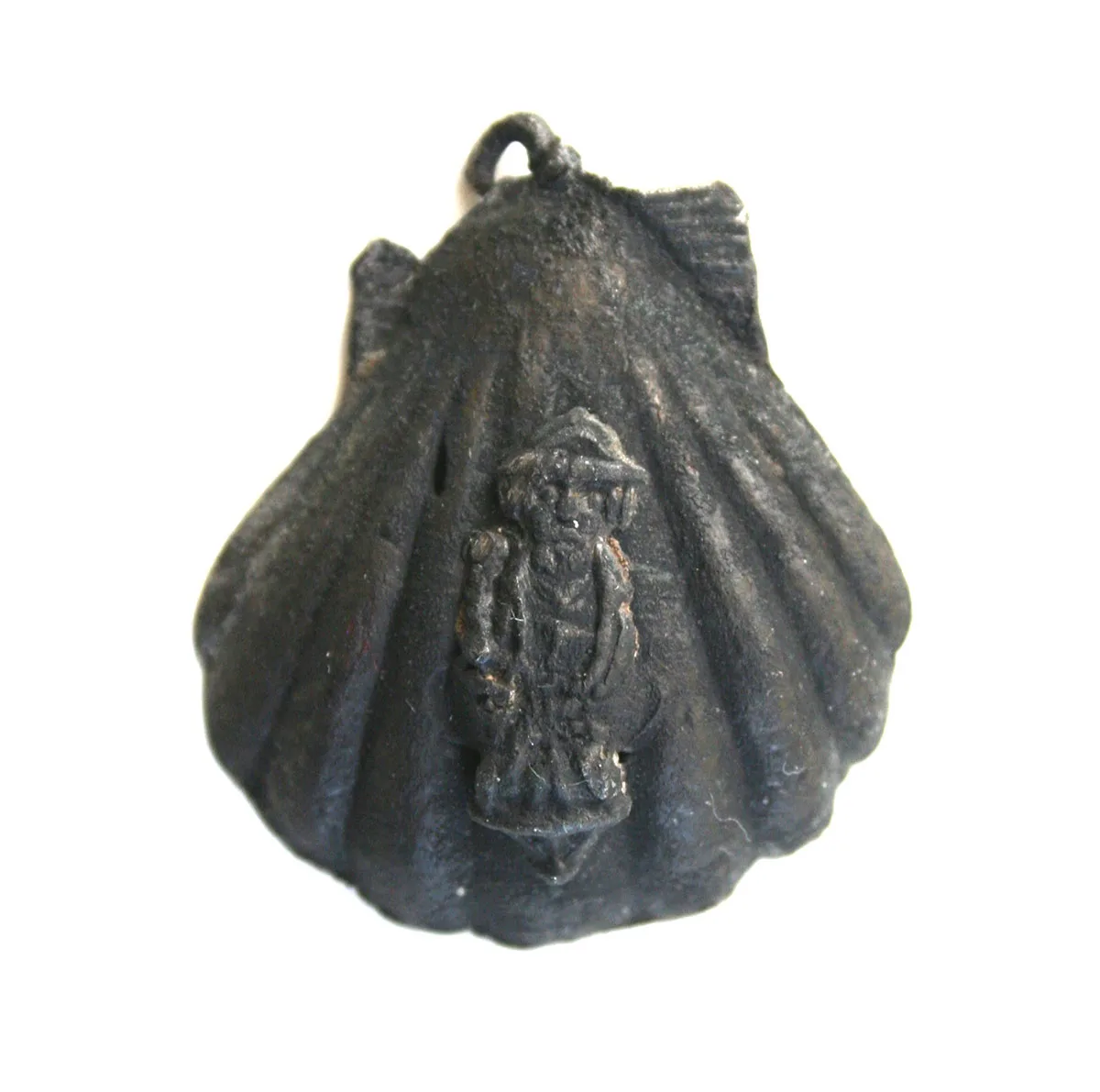
The small accessories come in all shapes and sizes. They include simple ornaments, depictions of animals or badges in the form of the scallop shell. People acquired the badges with the scallop shell or other sacred depictions at holy sites. The small tin-lead symbol reminded pilgrims of the site they had visited and revitalised them with its powers. By attaching the badge to their clothing, people carried its inherent powers up close to their body, giving them the strength to continue their journey.
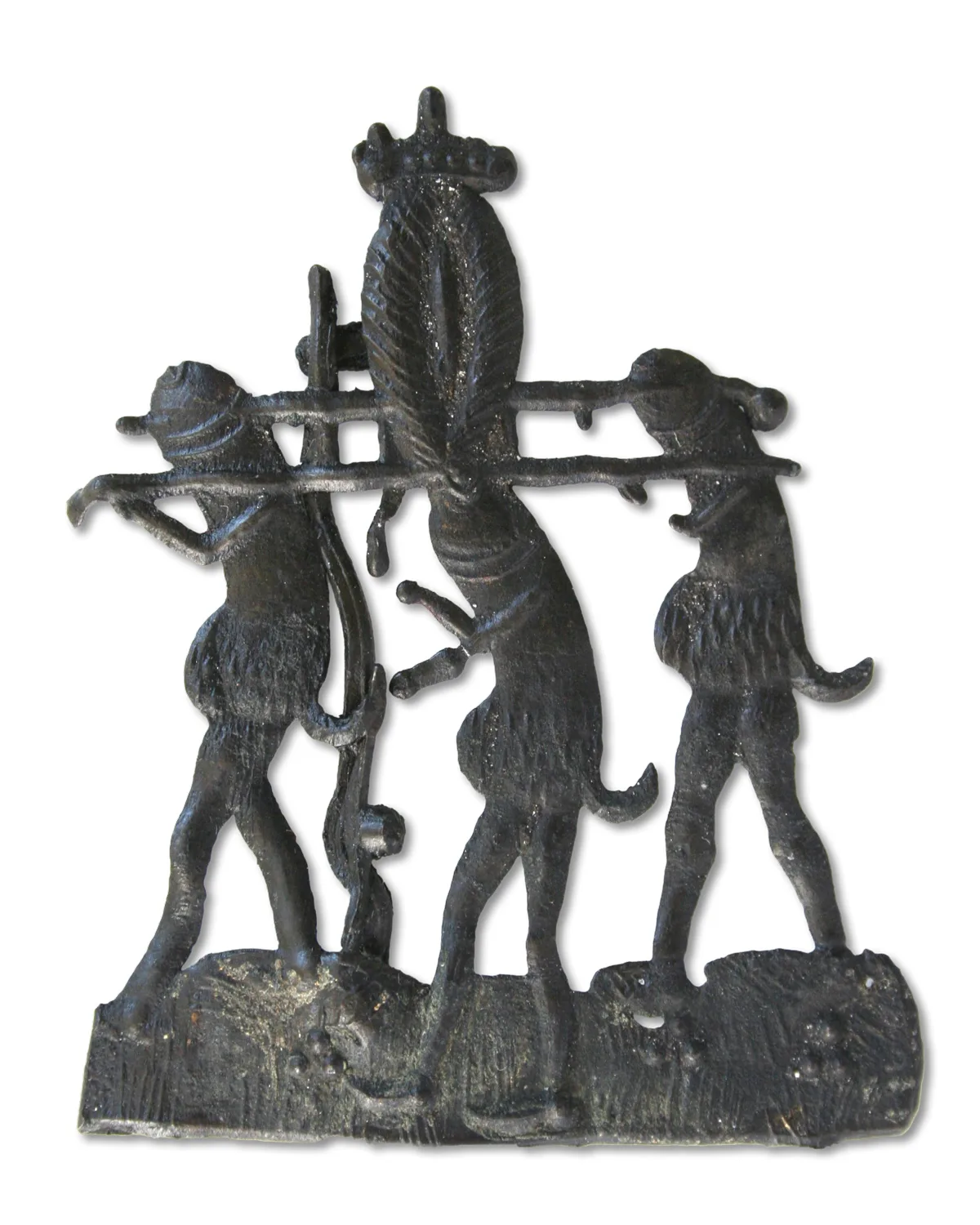
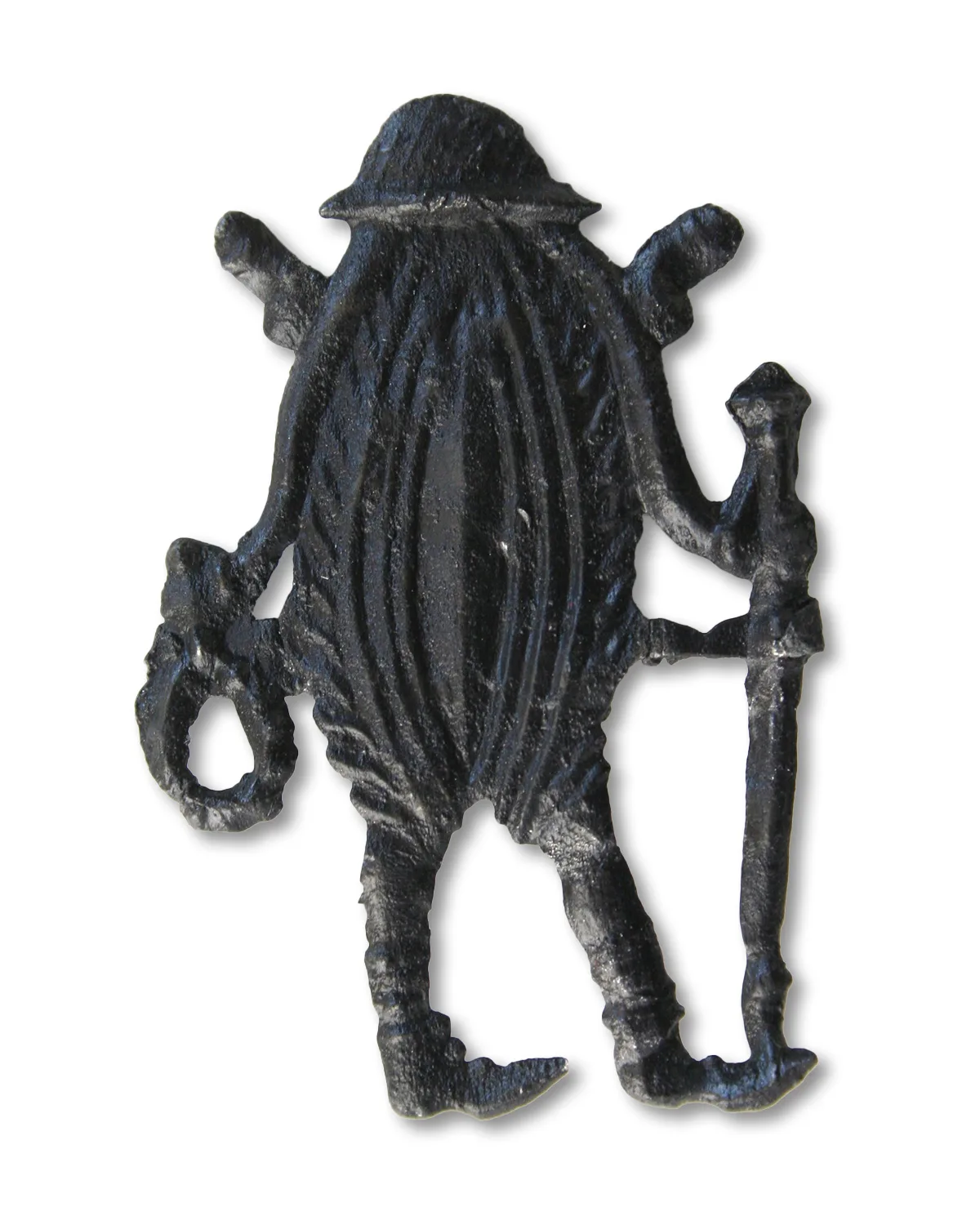
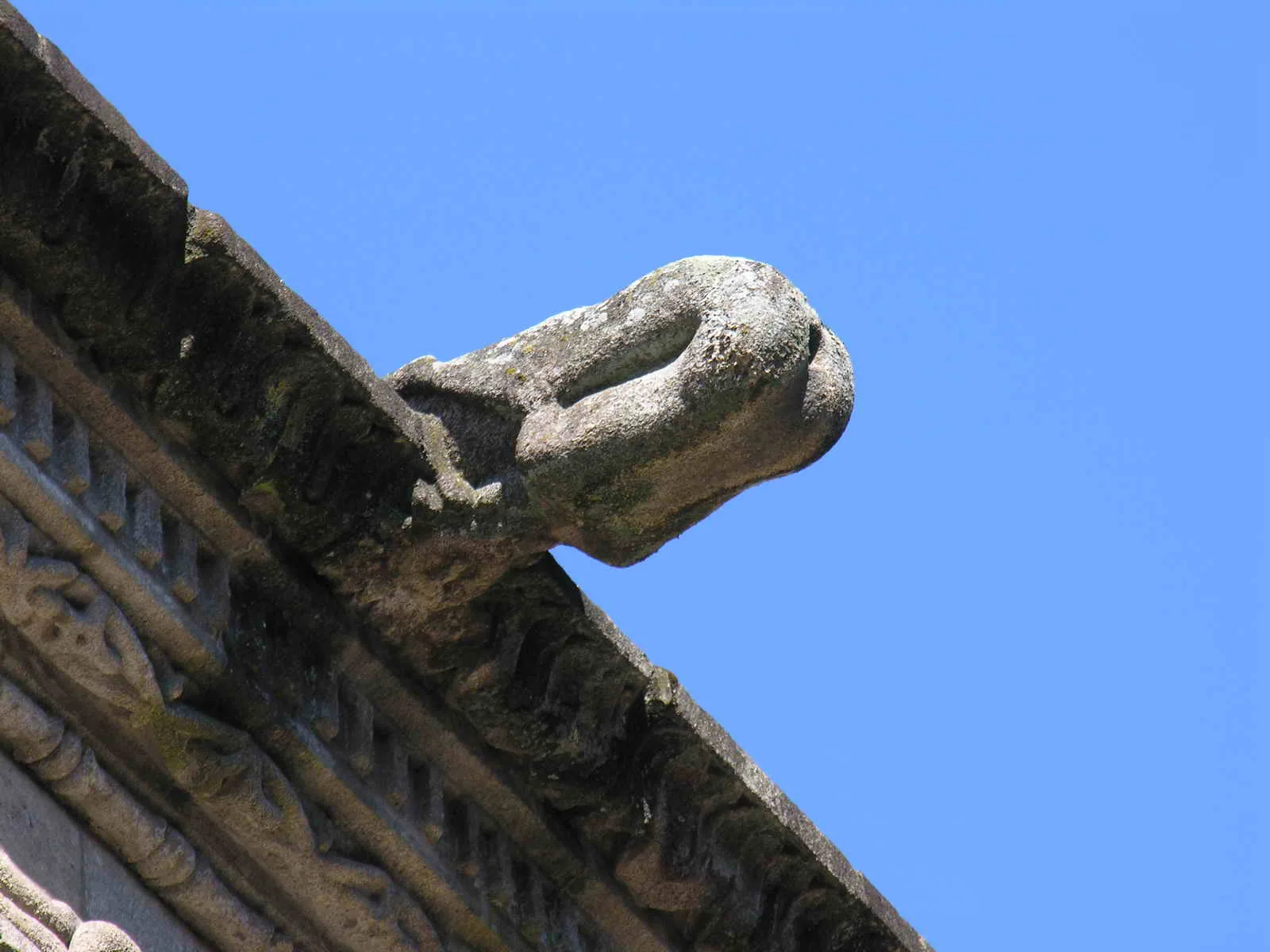
The badges are not the only objects from the Middle Ages with the power to provoke and that are present in obscene as well as in sacred settings. Many medieval churches do not only have sculptures from biblical stories, there are also naked figures, with their vulvas in full view, gargoyle waterspouts with their bare backsides sticking out or holding an erect member by hand. The prominent pudenda of the sheela-na-gigs in the United Kingdom are supposed to encourage the fertility of the land and Christian community. Meanwhile, the obscene figures in the churches on the Camino de Santiago protect the places of worship from demonic forces, using their grotesque expressions and surprising nudity to shock the demons and drive them away.
This tactic of fighting fire with fire also applies to the badges. Art historian Ruth Melinkoff even contended that the pilgrims wore the badges displaying genitalia together with the Christian pilgrim badges as extra protection against demonic forces. This position is backed up by both types of badge (religious and obscene) having been found at the same sites meaning they were made on the same premises. However, whether a demon was really shocked by a winged penis or riding vulva, which appear rather tame when compared to the grotesque church sculptures is another question. According to another theory, the genitalia are intended to satirise Christian activities, such as processions or pilgrimages. They should be seen as objects of discussion and humour and not taken too seriously.
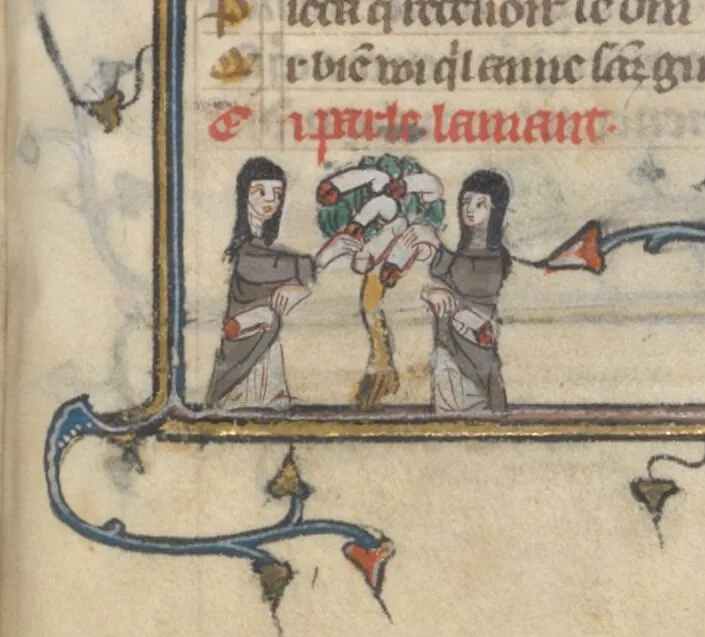
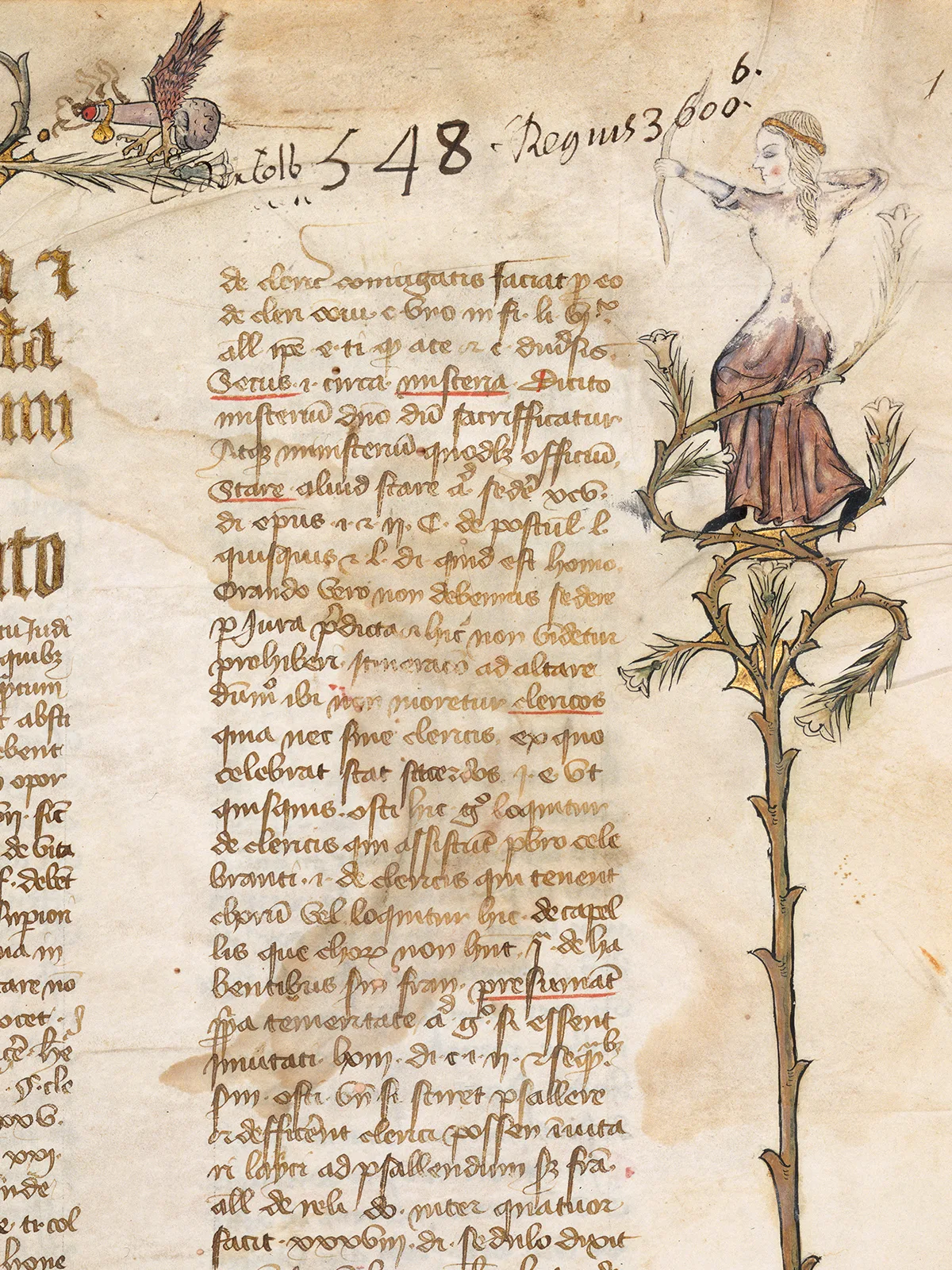
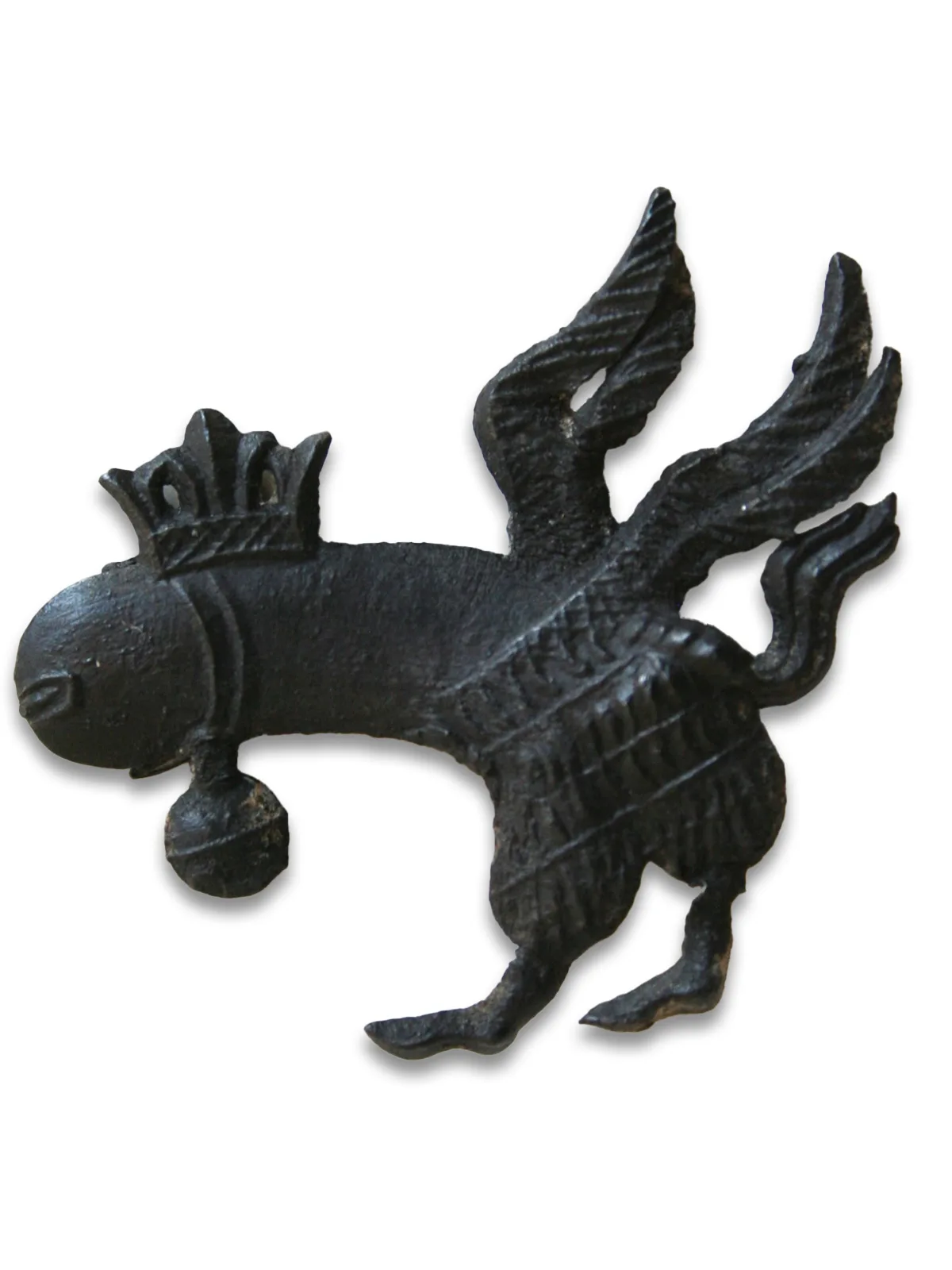
The flying phallus with wings, legs, a crown and bell around its neck exists as a badge and as an illustration in the Decretals of Gregory IX of 1392. Bibliothèque Nationale de France Bibliothèque Nationale de France / kunera.nl