When Napoleon III went to school in Thun
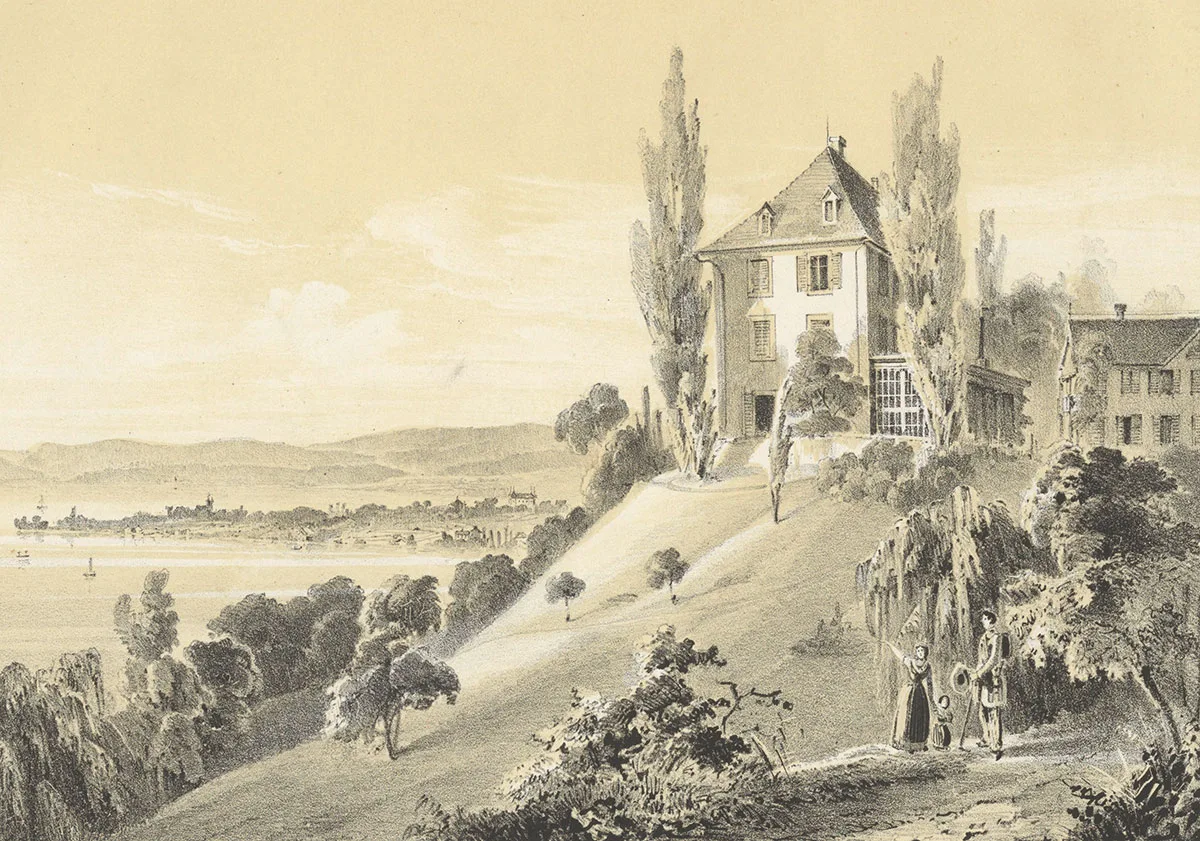
The Swiss town of Thun was a magnet for tourists in the 19th century. The future Emperor Napoleon III also came to the Bernese Oberland, though not for leisure, but to attend the military academy there.

Medea Vögeli
Medea Vögeli studies history at the University of Bern and works at Thun Castle.
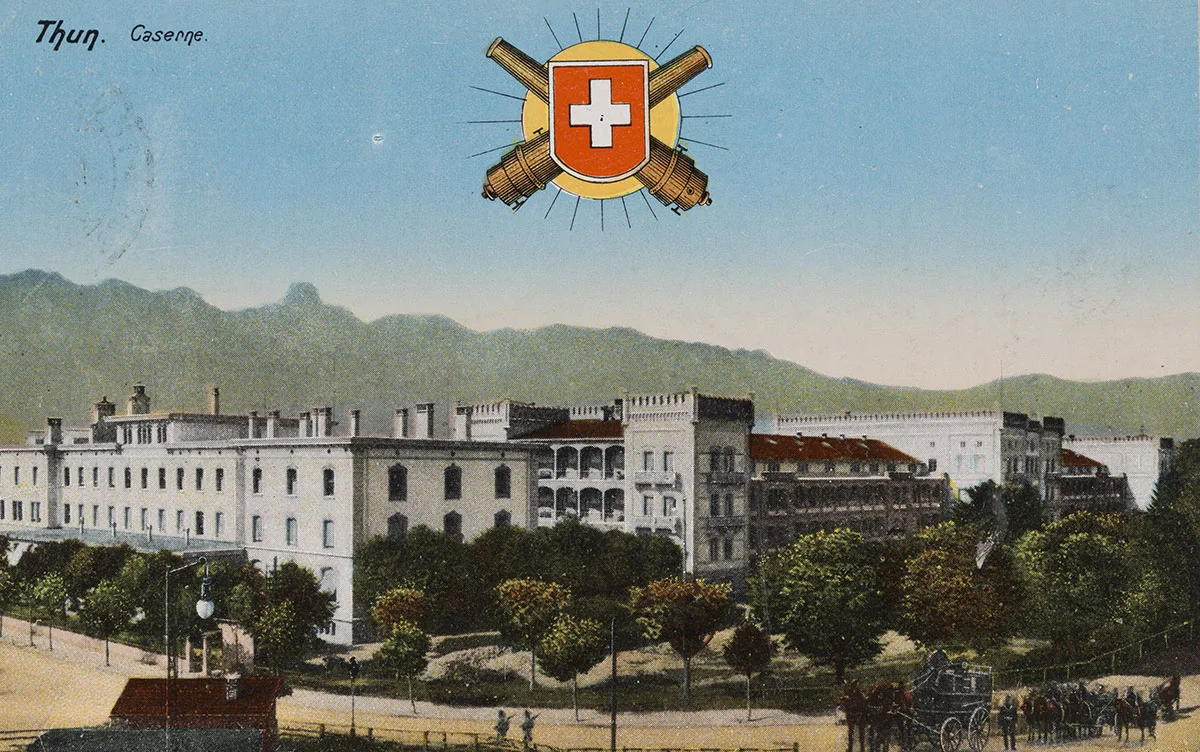
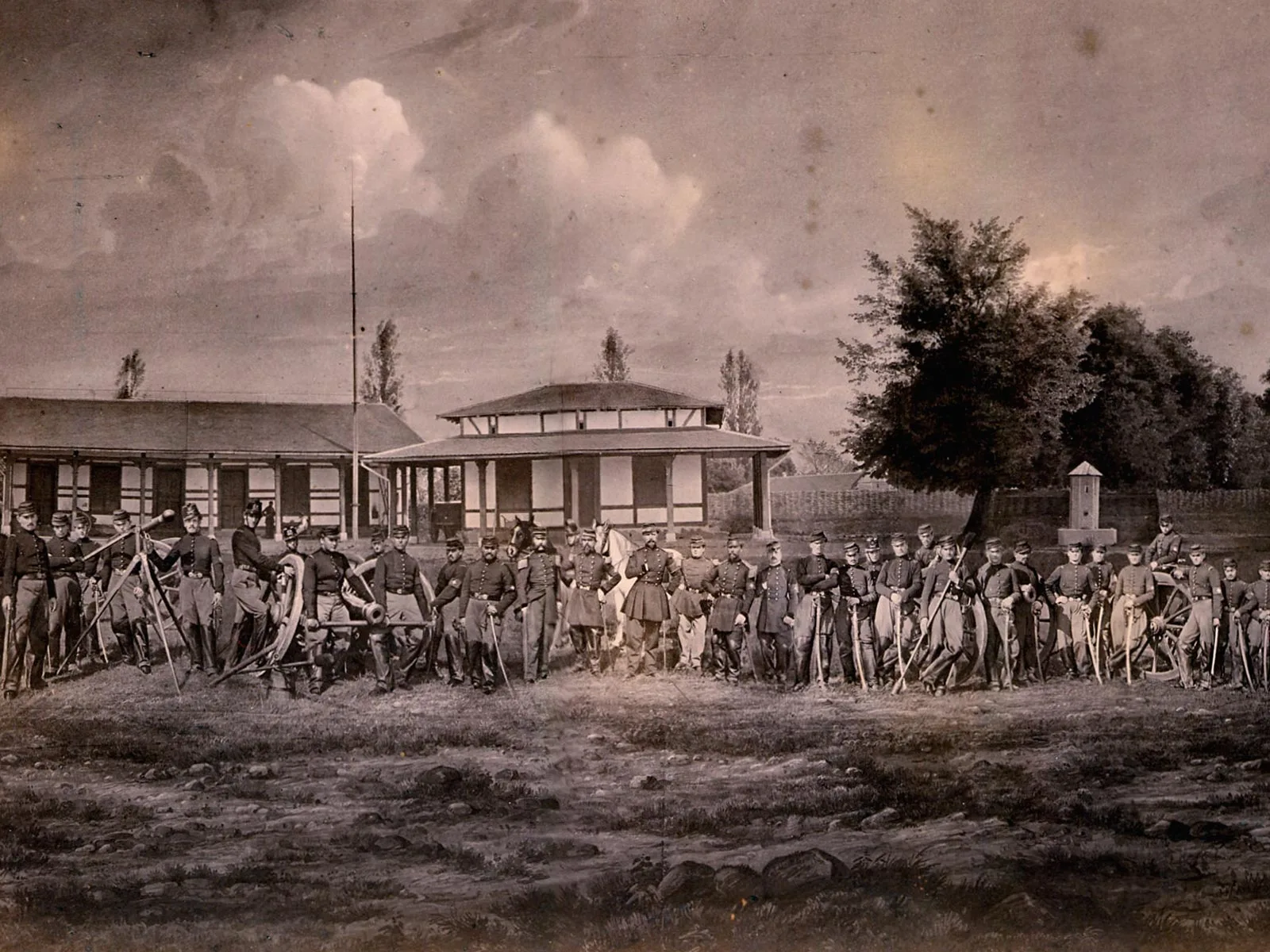
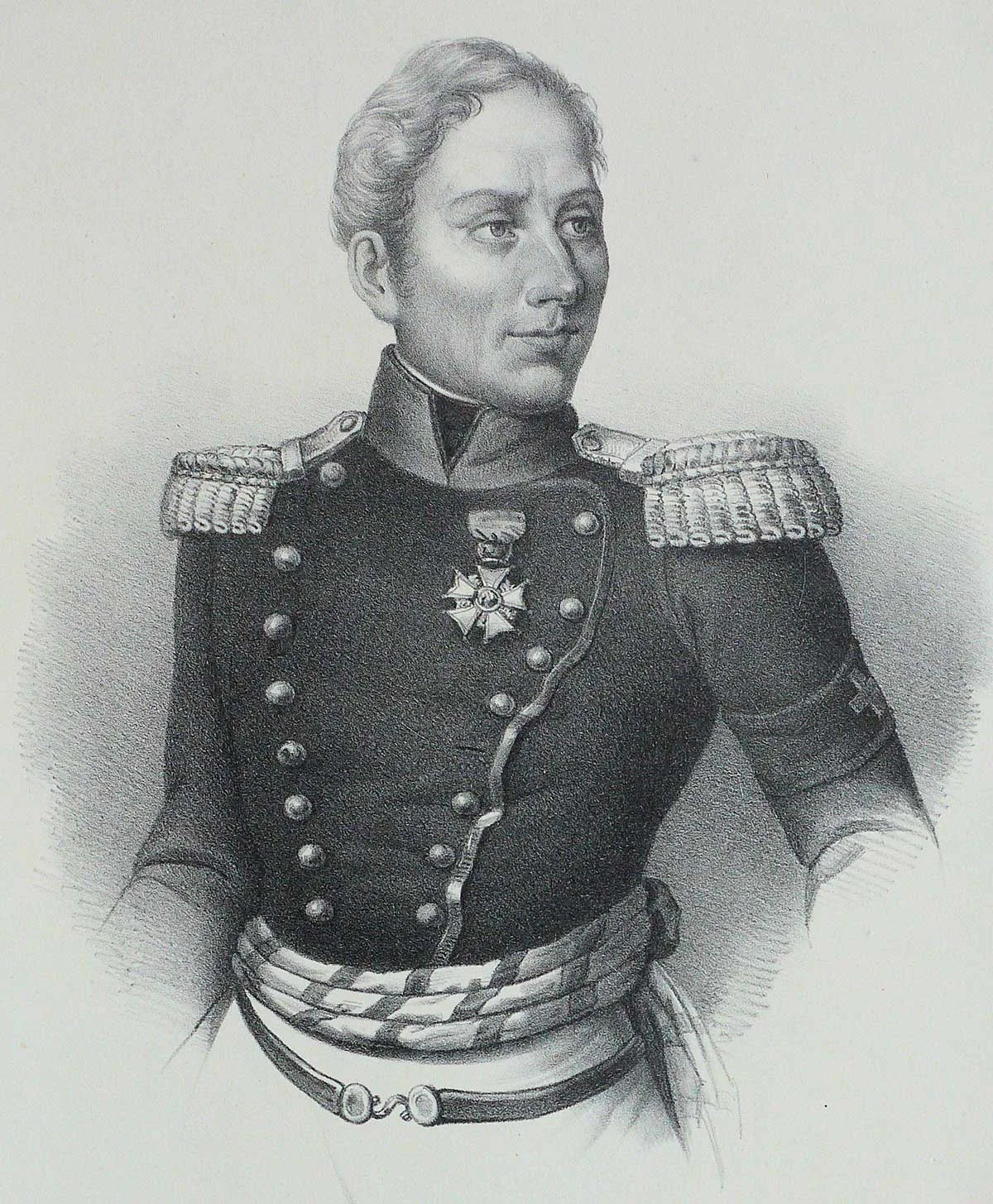
Organising military training soon pushed the cantons to their limits, with widespread shortcomings, particularly in officer training. The centralised military academy (Eidgenössische Central-Militärschule) was therefore set up in Thun in the Bernese Oberland in 1818 to hone Switzerland’s future senior military officers. The first courses were held on the piece of common ground known as the Allmend in 1819, some of which were given by Guillaume Henri Dufour, one of the school’s founding members.
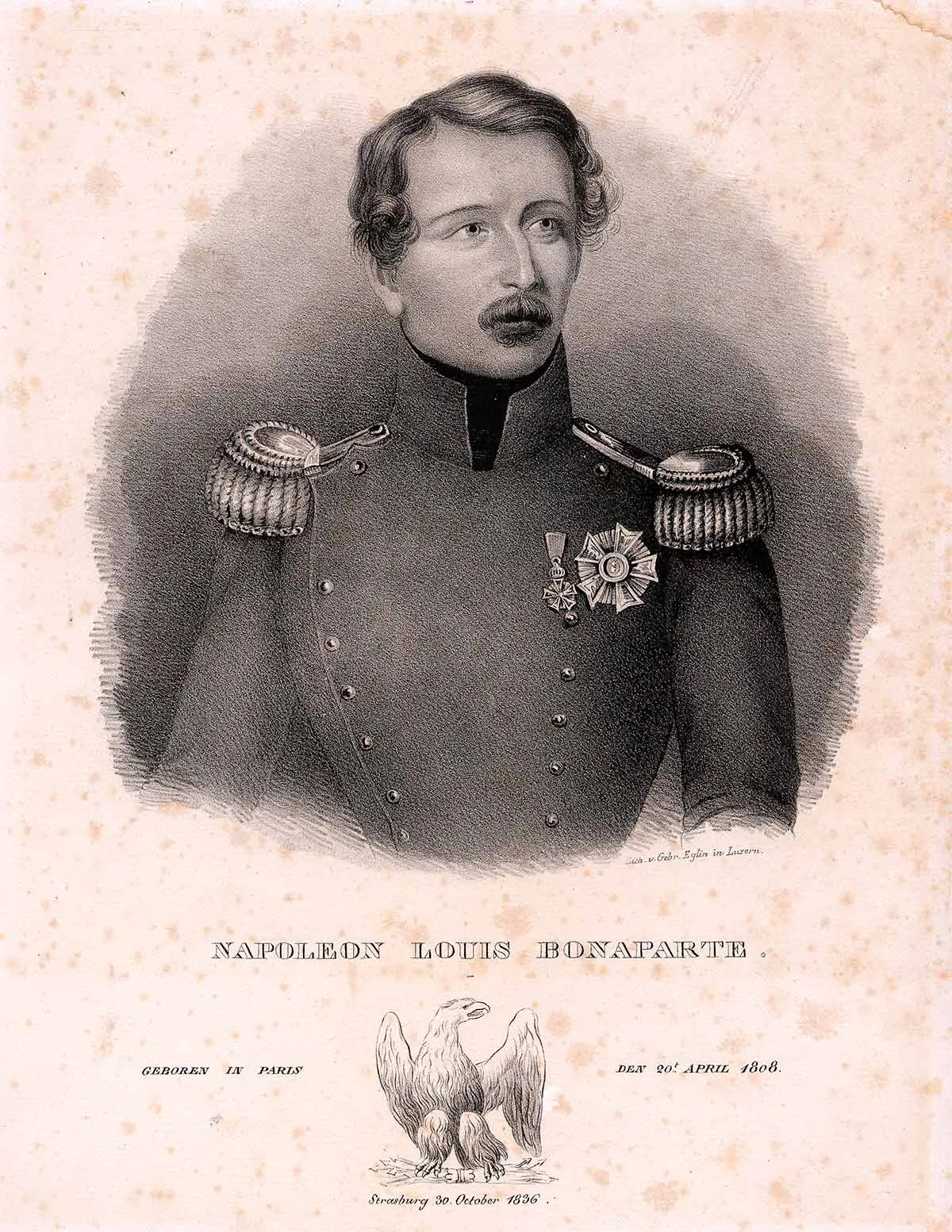
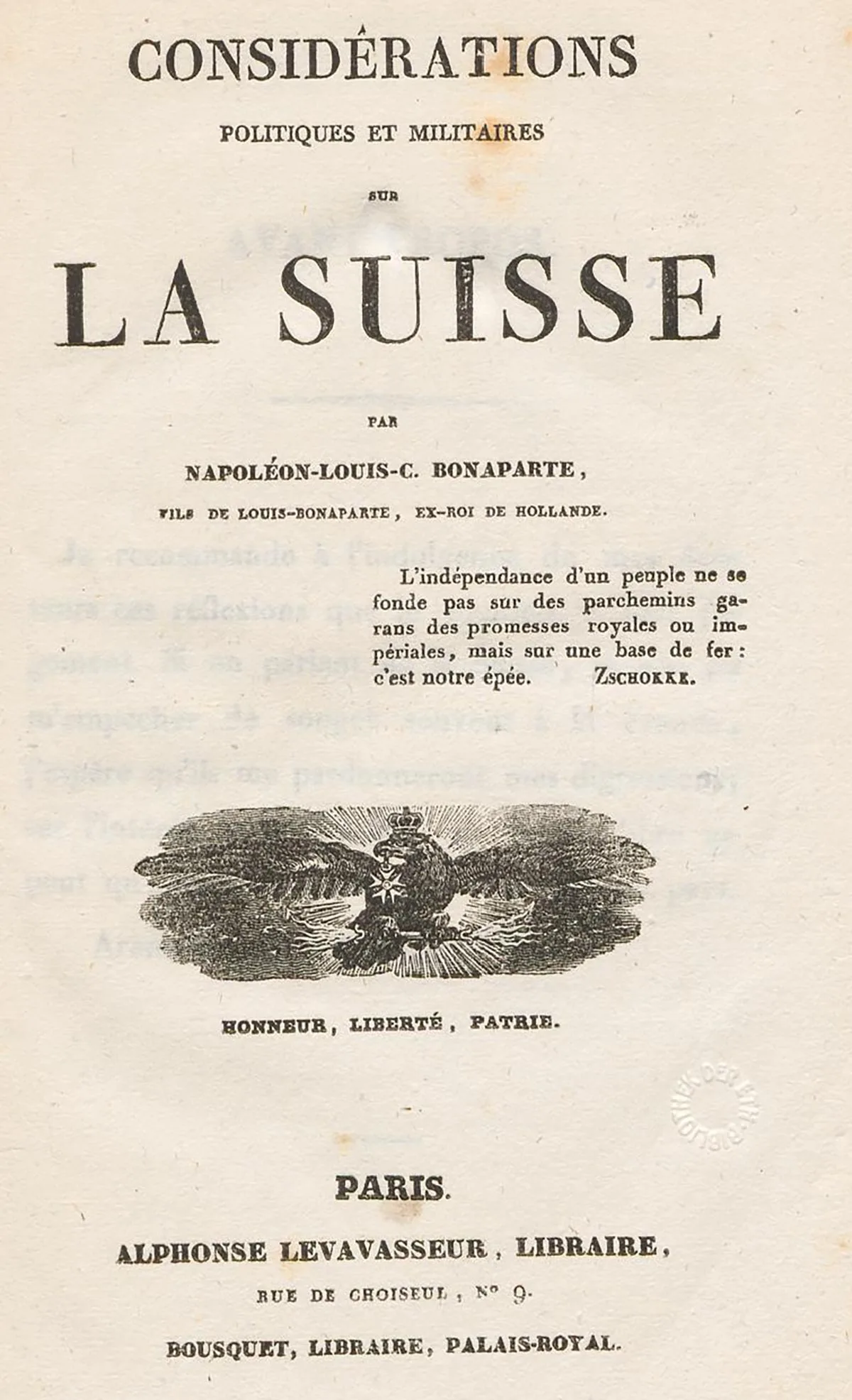
And there was enthusiasm in the east of the country, too – not about the military school in Thun but about its student Louis-Napoleon. The canton of Thurgau made Louis-Napoleon an honorary citizen in 1832, leading him to acquire Swiss citizenship. This enabled the future Emperor of the French to be appointed as an artillery captain in Bern in July 1834 and to take part in federal training camps.
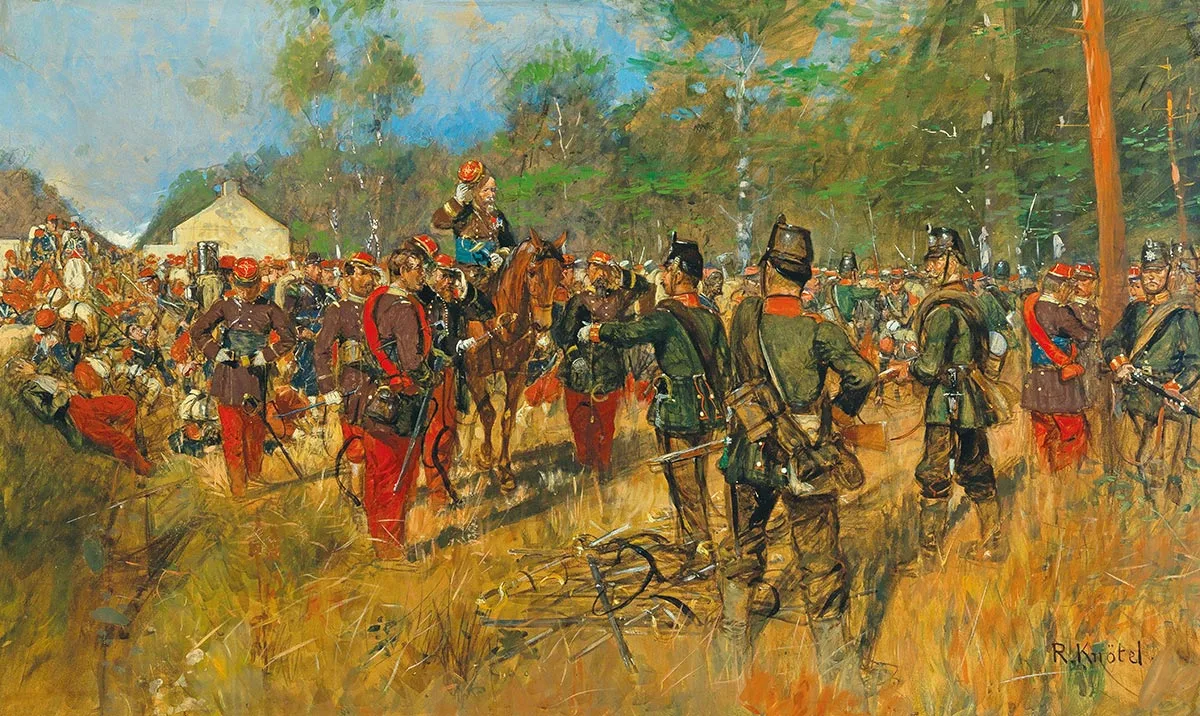
In 1848, Louis-Napoleon was elected President of France, and around four years later he was crowned Emperor of the French, like his uncle Napoleon I almost 50 years earlier. His reign came to an end after a decisive defeat in the Franco-Prussian War. Napoleon III was captured in Sedan in 1870 and subsequently exiled to England, where he died three years later.
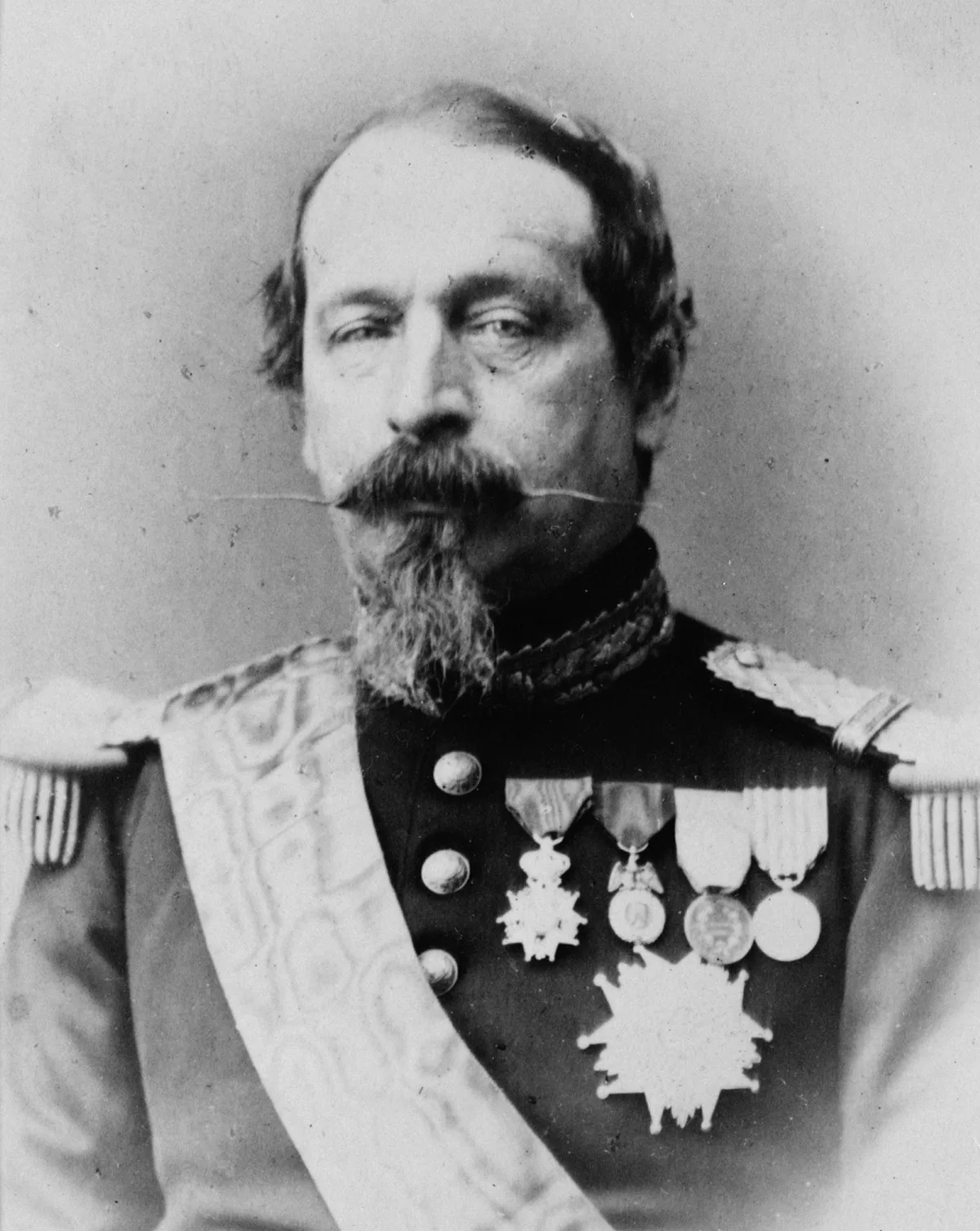
Where armed conflict could not be avoided, Louis-Napoleon took a humanitarian approach similar to Dufour’s. This was exemplified at the Battle of Sedan in 1870 when Napoleon III gave himself up in a bid to save the lives of his officers and soldiers when the French Army was surrounded. As a result, he was captured and sent into exile.