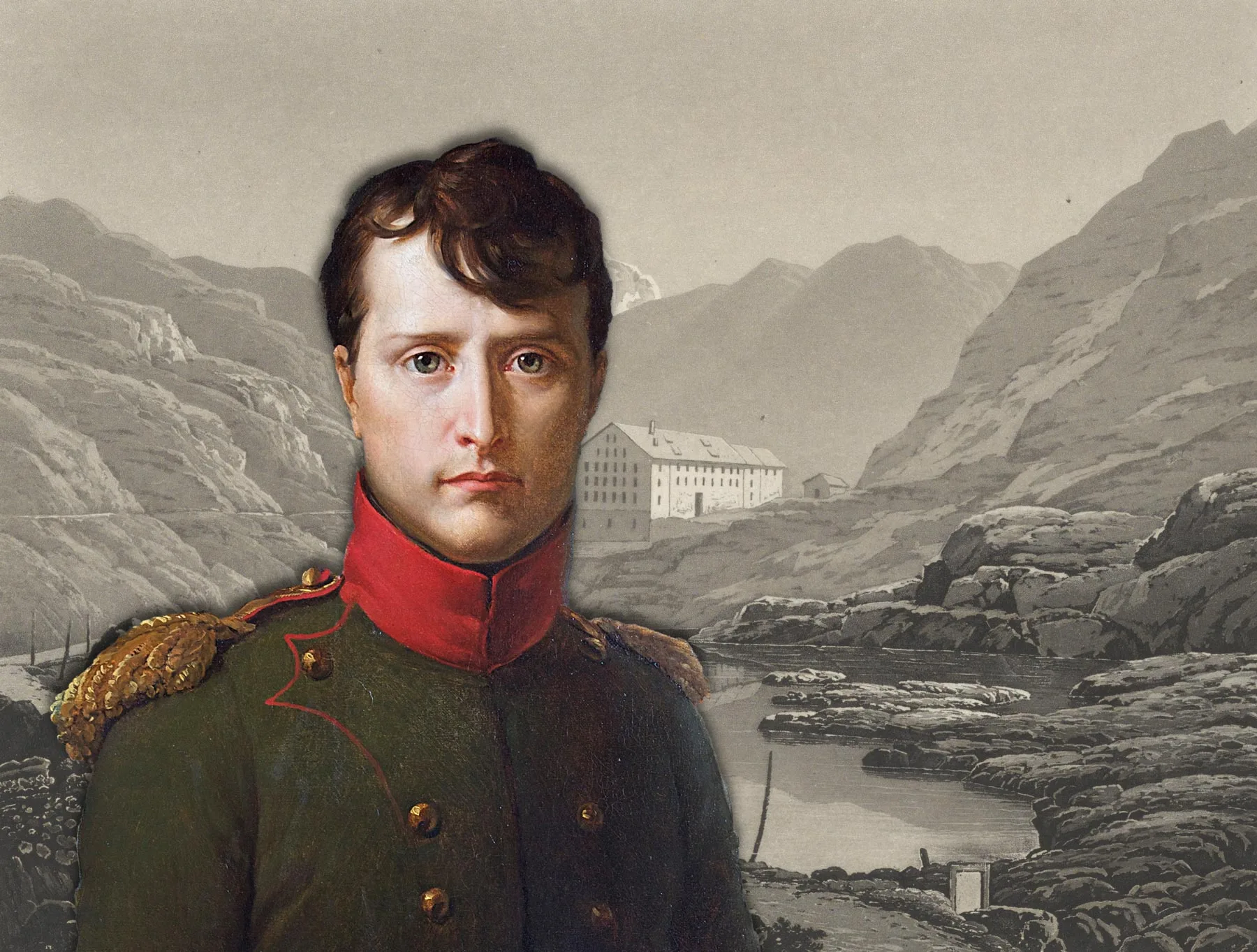
Barbara Basting10.09.2026The Great St Bernard Pass has always been known as a major alpine crossing point. Napoleon Bonaparte made skilful use of it for propaganda purposes.
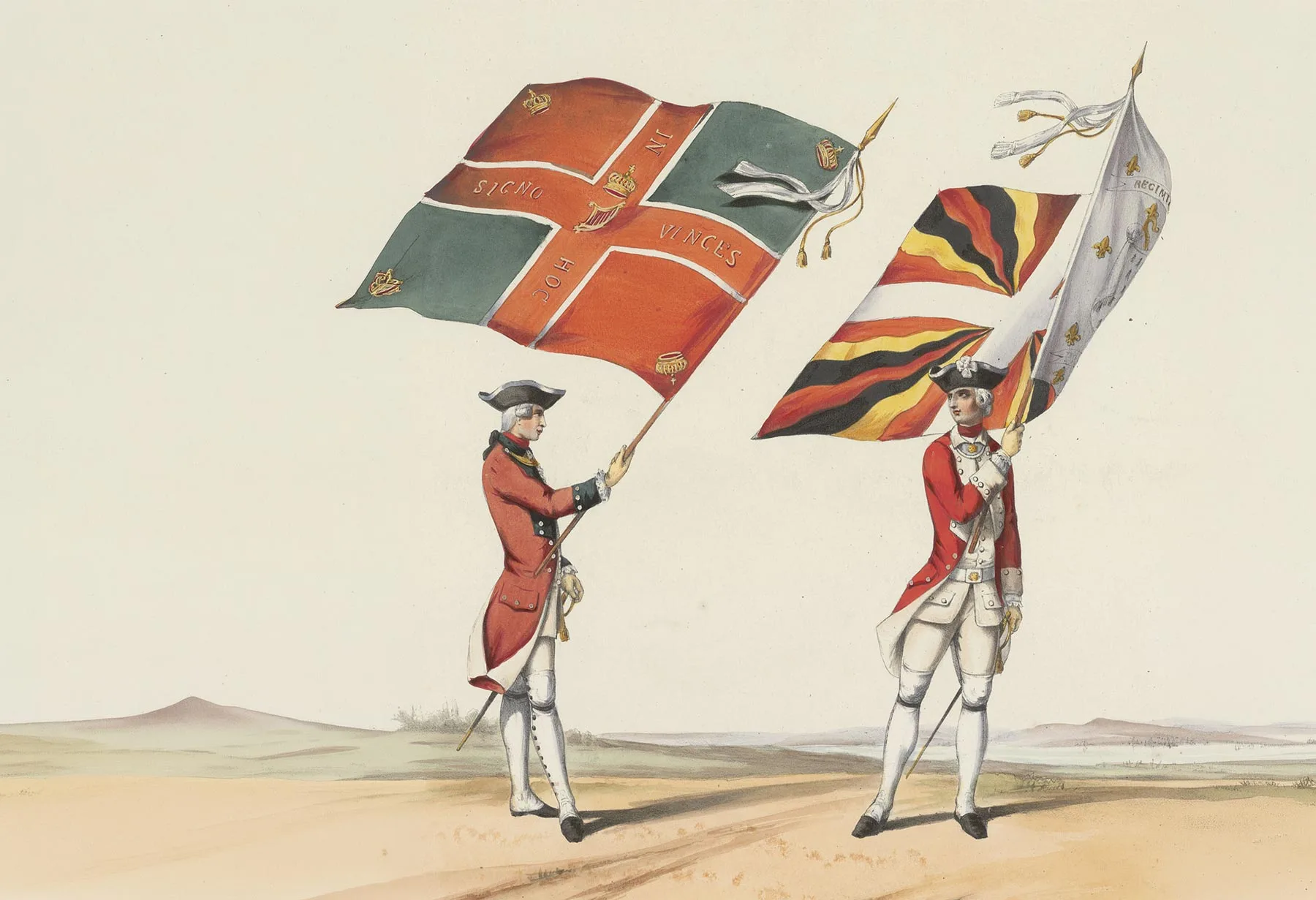
Maël Roumois01.09.2026Swiss mercenaries in foreign service, known by names such as Reisläufer (ones who go to war) or Cent-Suisse (‘Hundred Swiss’; soldiers who guarded the French king), were feared throughout Europe. They began bearing regimental flags with flame-like designs from the 17th century while in the service of France. These flags became synonymous with Switzerland’s illustrious military tradition.
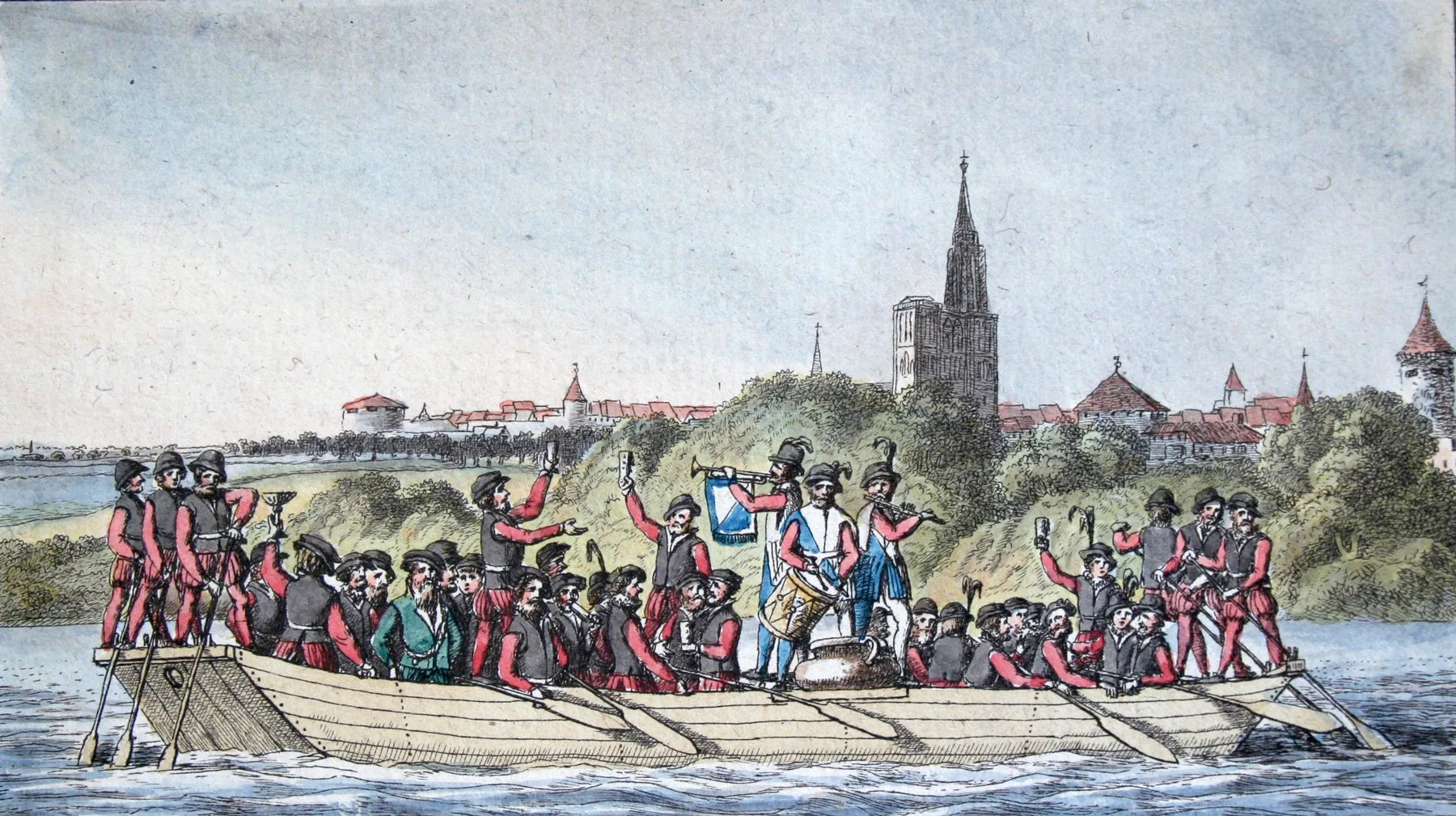
Christophe Droesch13.08.2026In 1456, a pot of millet porridge was transported by boat from Zurich to Strasbourg in a single day. It was still warm on arrival. The trip was repeated in 1576 and feted as a great achievement, but it mainly served to solidify the alliance between the two cities in a politically and religiously charged period.
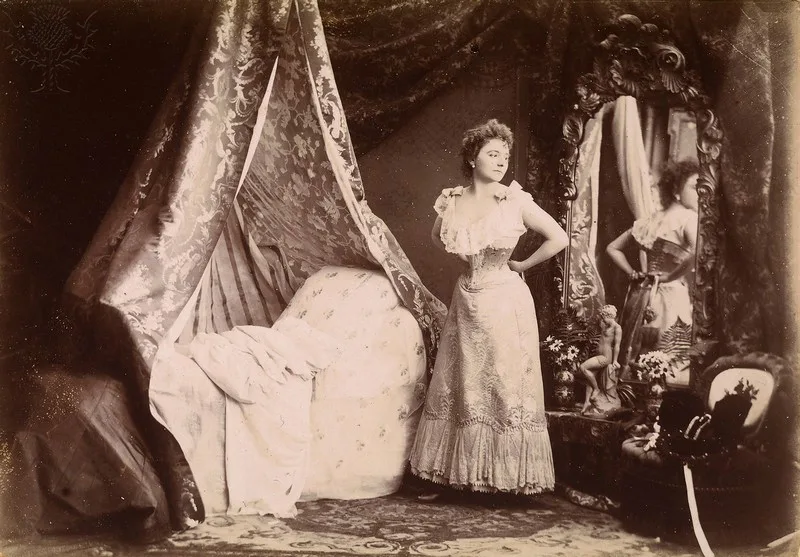
Jasmin Mollet06.08.2026In the late 19th century, the corset faced growing criticism as it was deemed constrictive and damaging to health. The women’s movement fought for the reform dress, including in Switzerland – advocating freedom of movement, emancipation and a cut that served the body, rather than forcing it to bow to fashion trends.
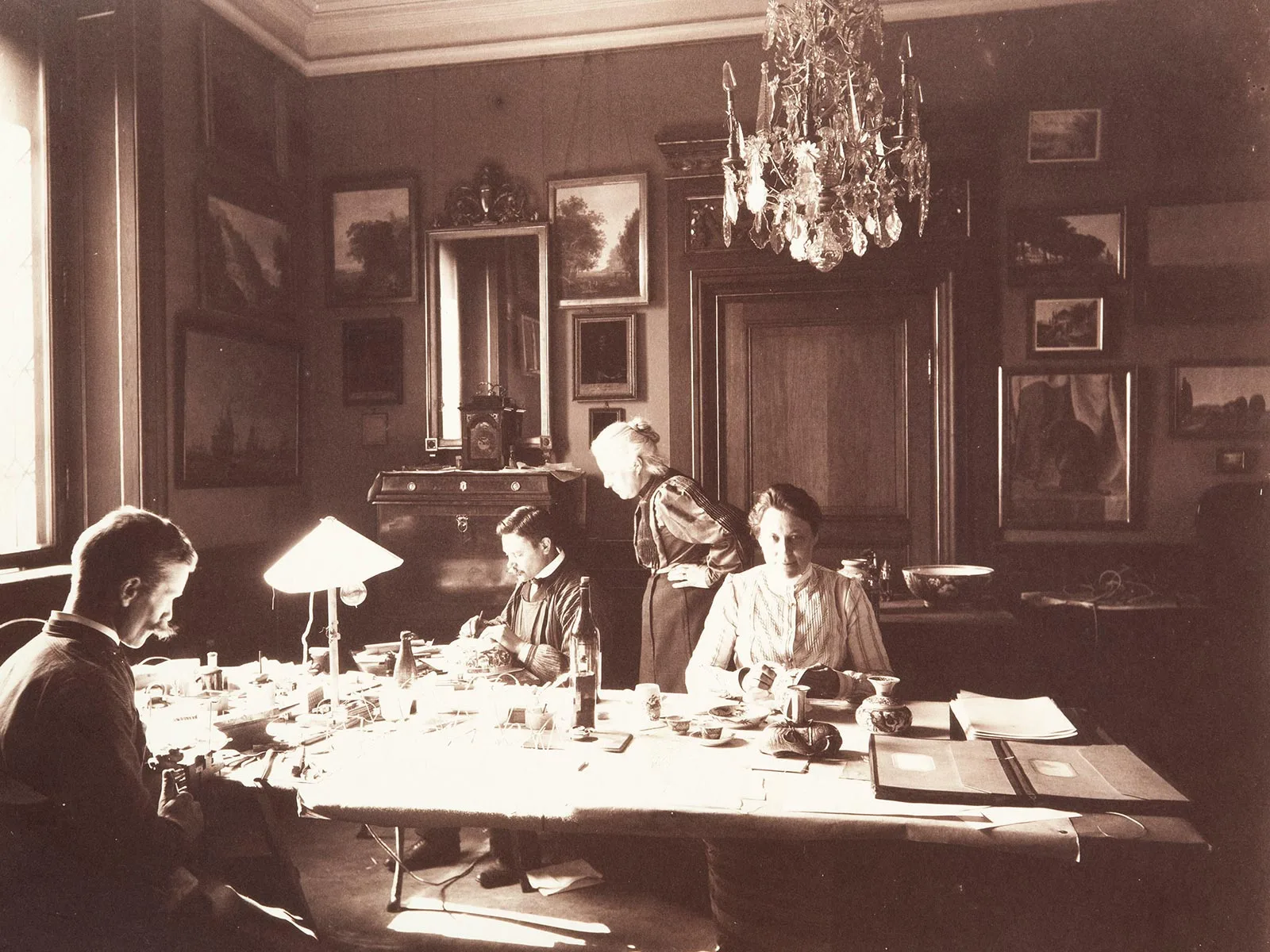
Murielle Schlup04.08.2026Around 100 years ago, a Swedish heiress secured the inheritance of the von Hallwyl family, into which she had married in 1865. The National Museum Zurich is part of that story.
Roland Gröbli28.07.2026Religious differences between the traditionally Catholic cantons and those that embraced the Reformation prevented them from agreeing on a common wording for the oath of allegiance to the Old Swiss Confederacy. It was effectively 500 years ago, on 28 July 1526, when its members convened to swear their common allegiance for the last time.
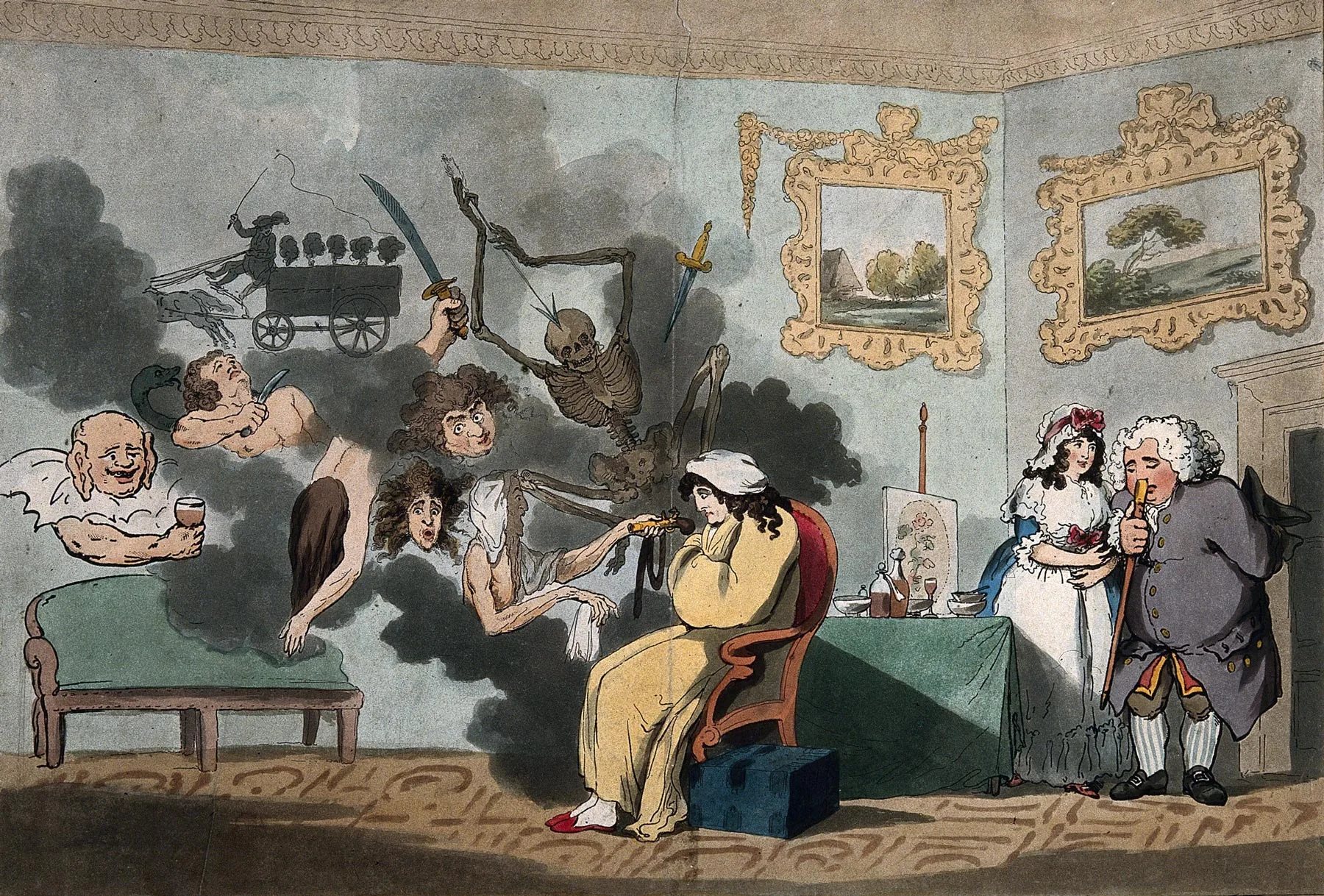
Nicole Billeter23.07.2026Melancholy was everywhere in the early modern period: in letters, reports and biographies, but also in medical tracts and theological discourse. A diagnosis is speculative, but in some of the descriptions we can recognise what today is referred to as depression.
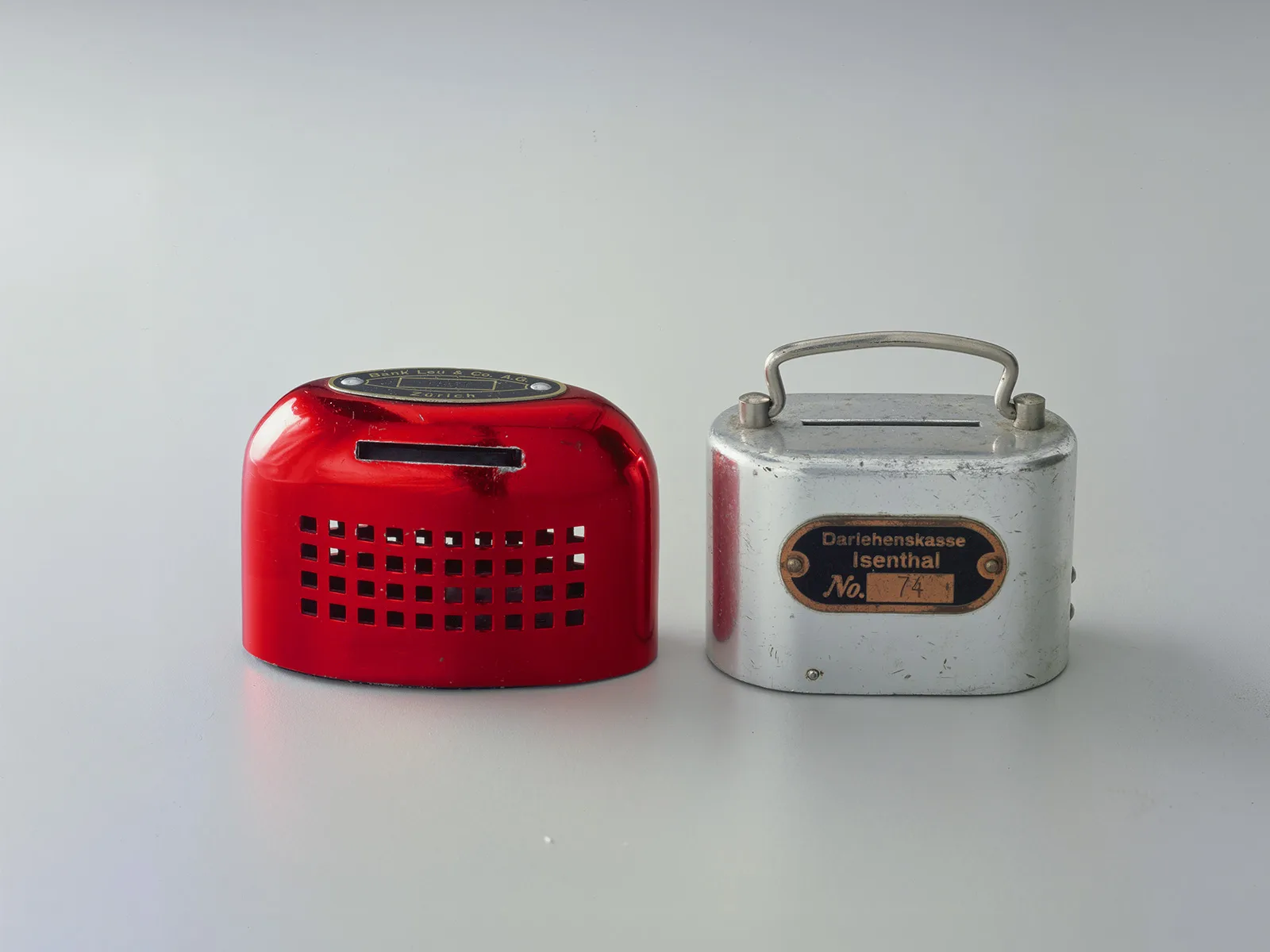
Juliane Eberhardt16.07.2026For decades, the financial behaviour of the Swiss was based on filling their Sparkässeli. Those little metal boxes where people kept their savings even shaped society’s relationship with its banks. Today they remain as contemporary witnesses of a bygone era.