Horses for courses: a symbol of masculinity or a girl’s best friend?
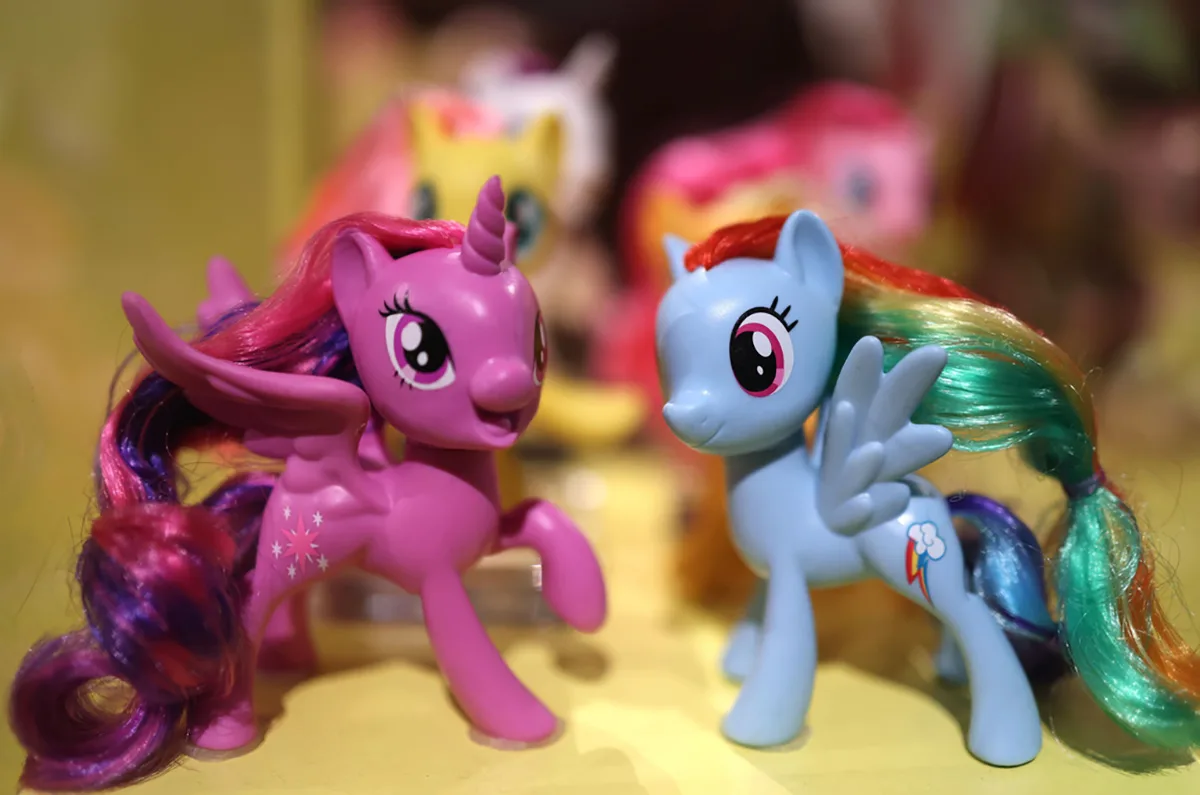
Ponies as the silky-smooth projection of feminine sensitivity; riding as a girl’s pink, heart-shaped dream. This cultural image, although common today, only emerged around the mid-20th century.

Noemi Steuerwald
Noemi Steuerwald is a historian specialising in gender and sports history.
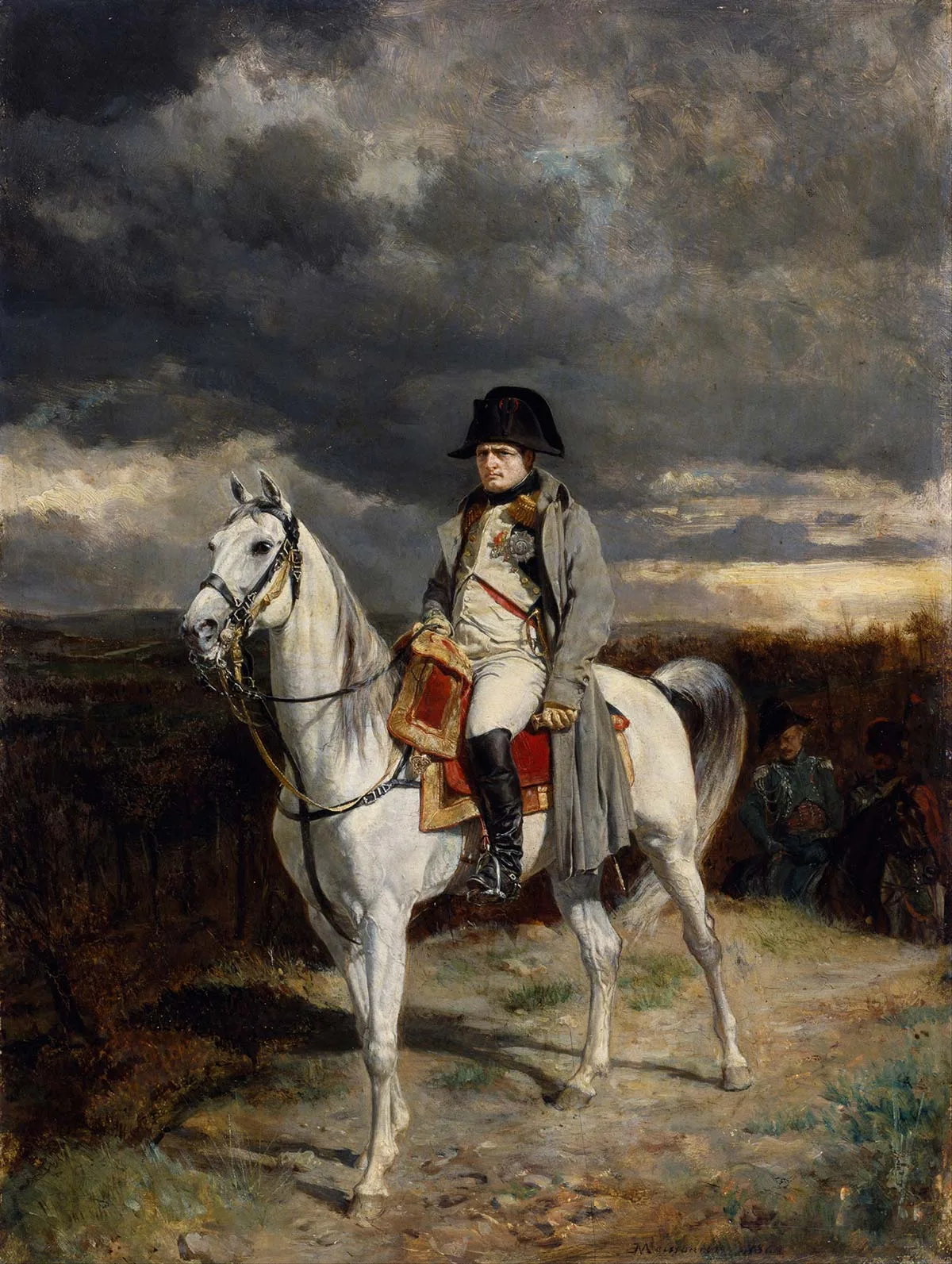
However, it also placed the onus on the military to find ways of inducing their cavalrymen to hone their riding skills to the required standard. In the event of war, the Swiss army wanted robust riders with horses that were fit for purpose and not poorly trained farmers with their plough horses. Hence the introduction of sporting tournaments. The army thus became the sole “backer of equestrian sports”, to quote the 1924 publication ‘Reiten und Fahren: ein Schweizer Handbuch’.
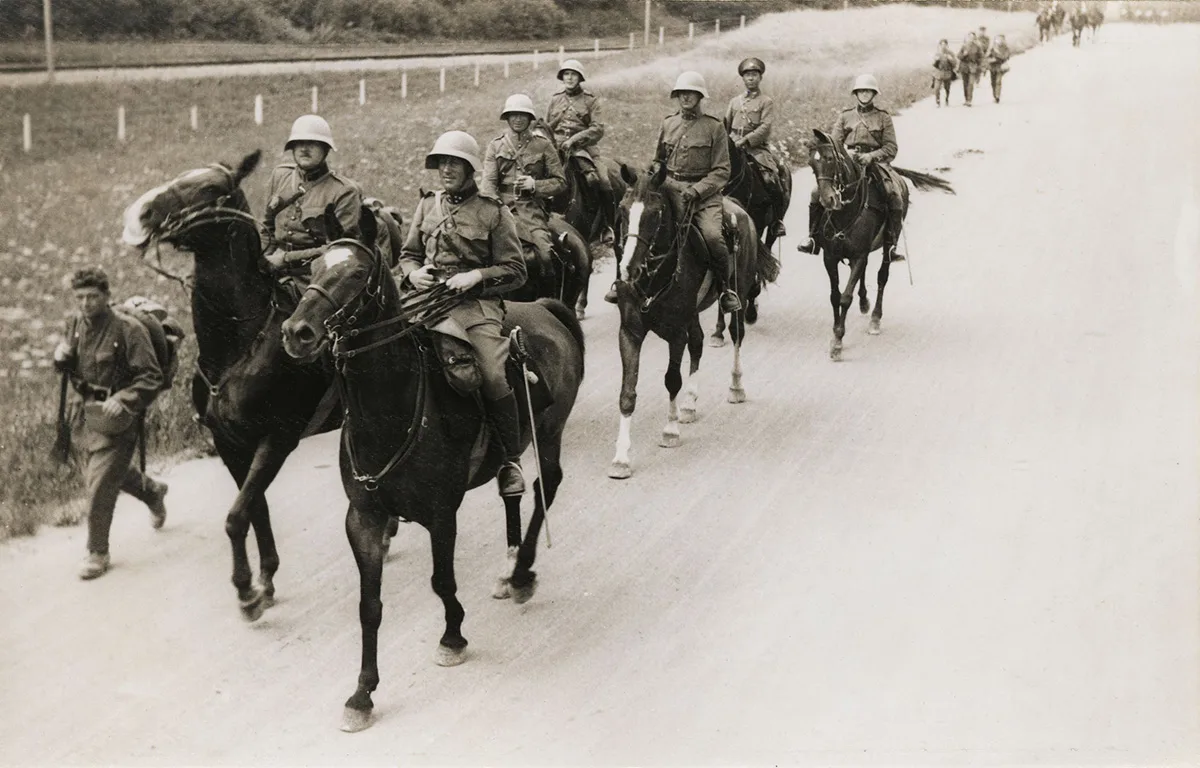
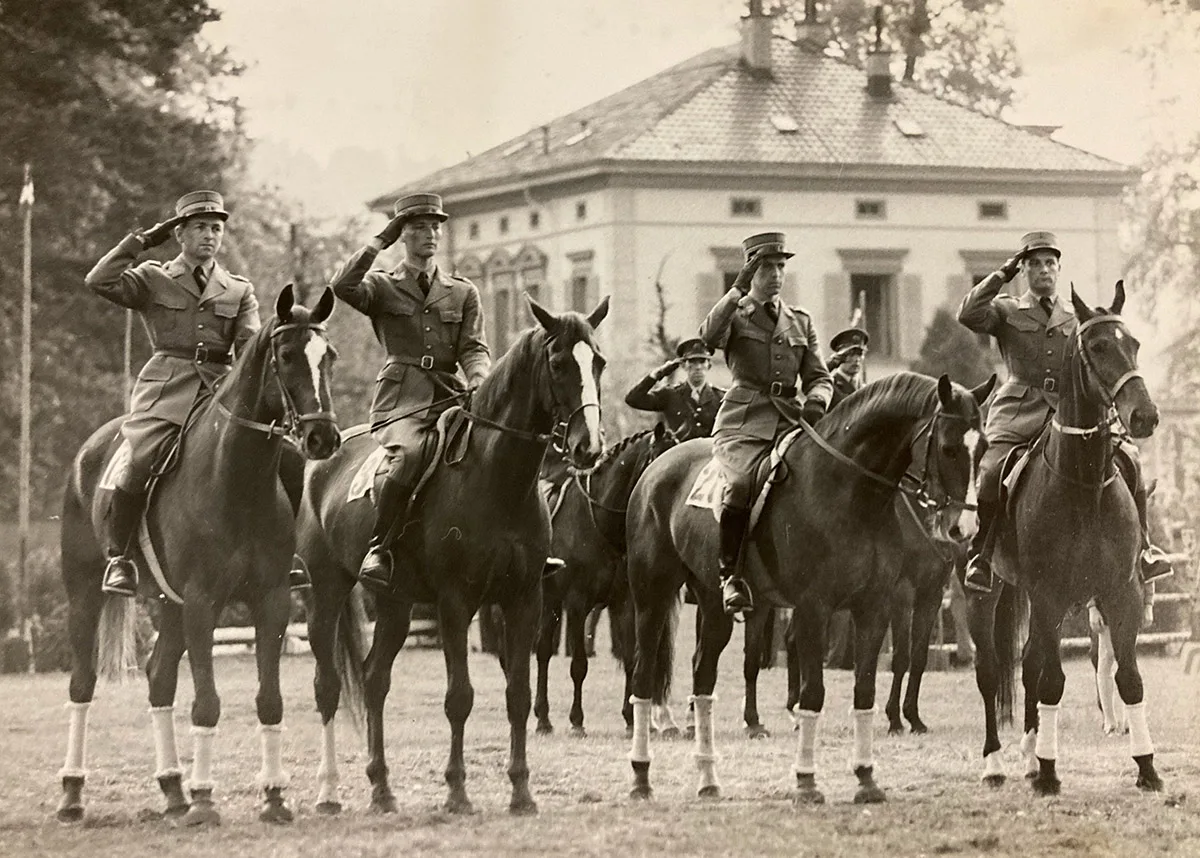
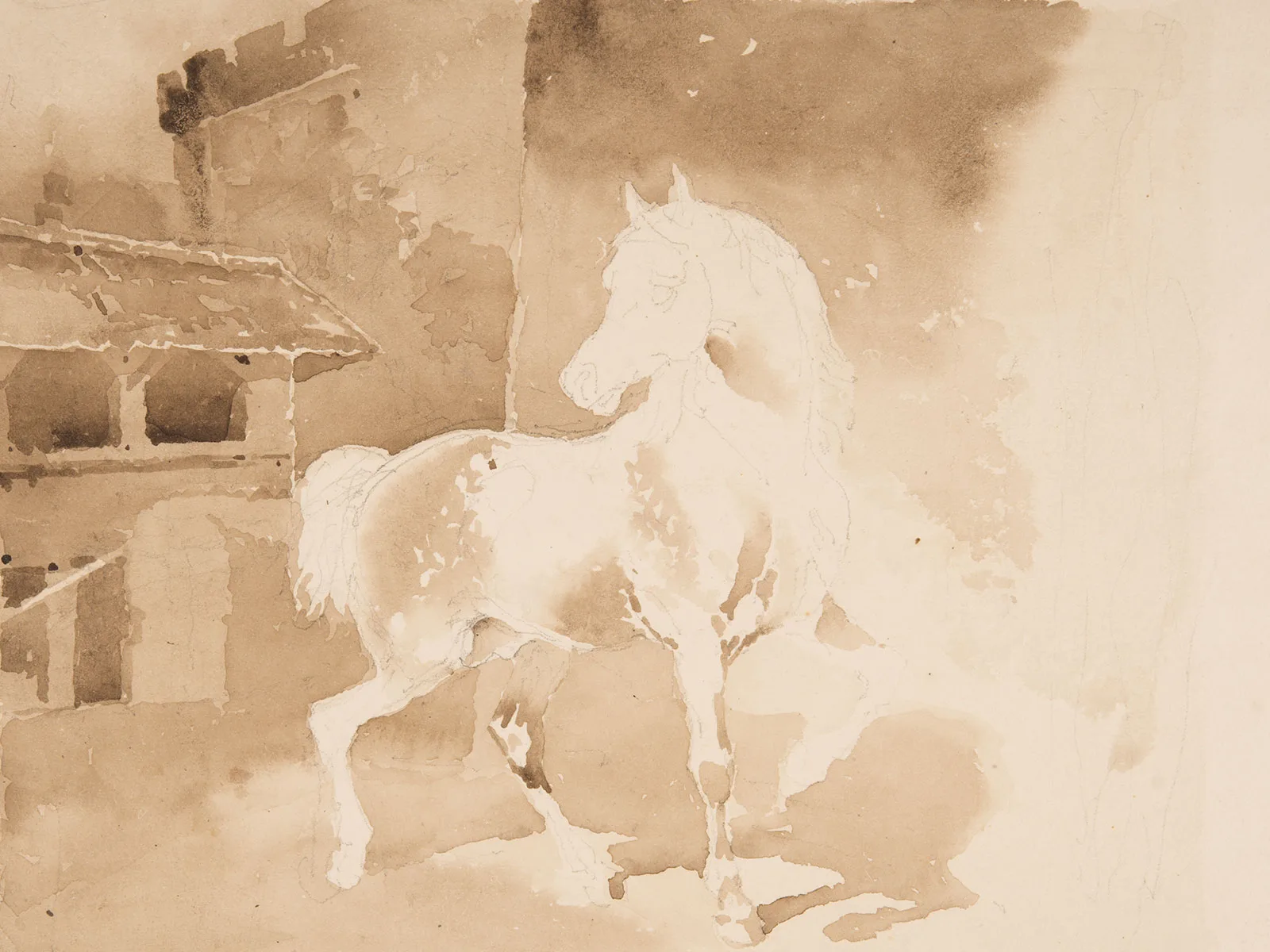
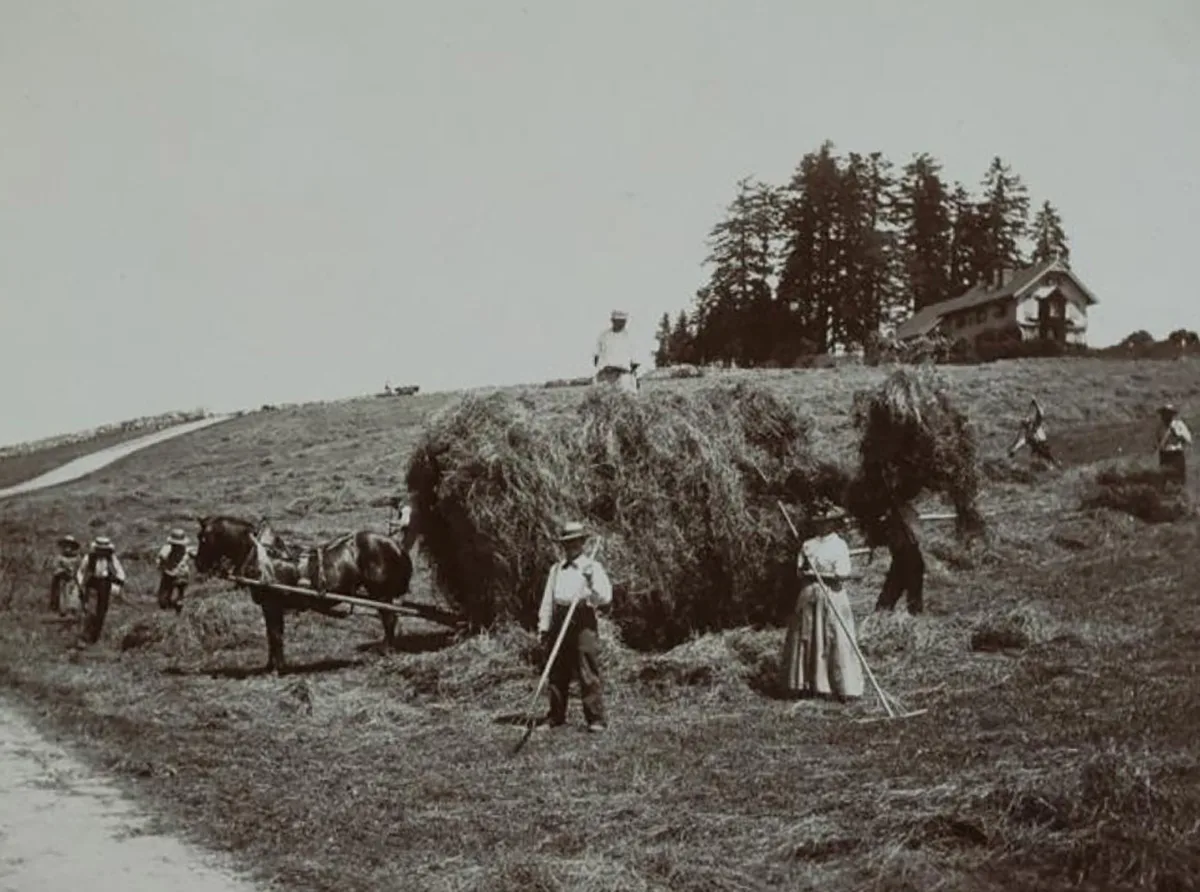
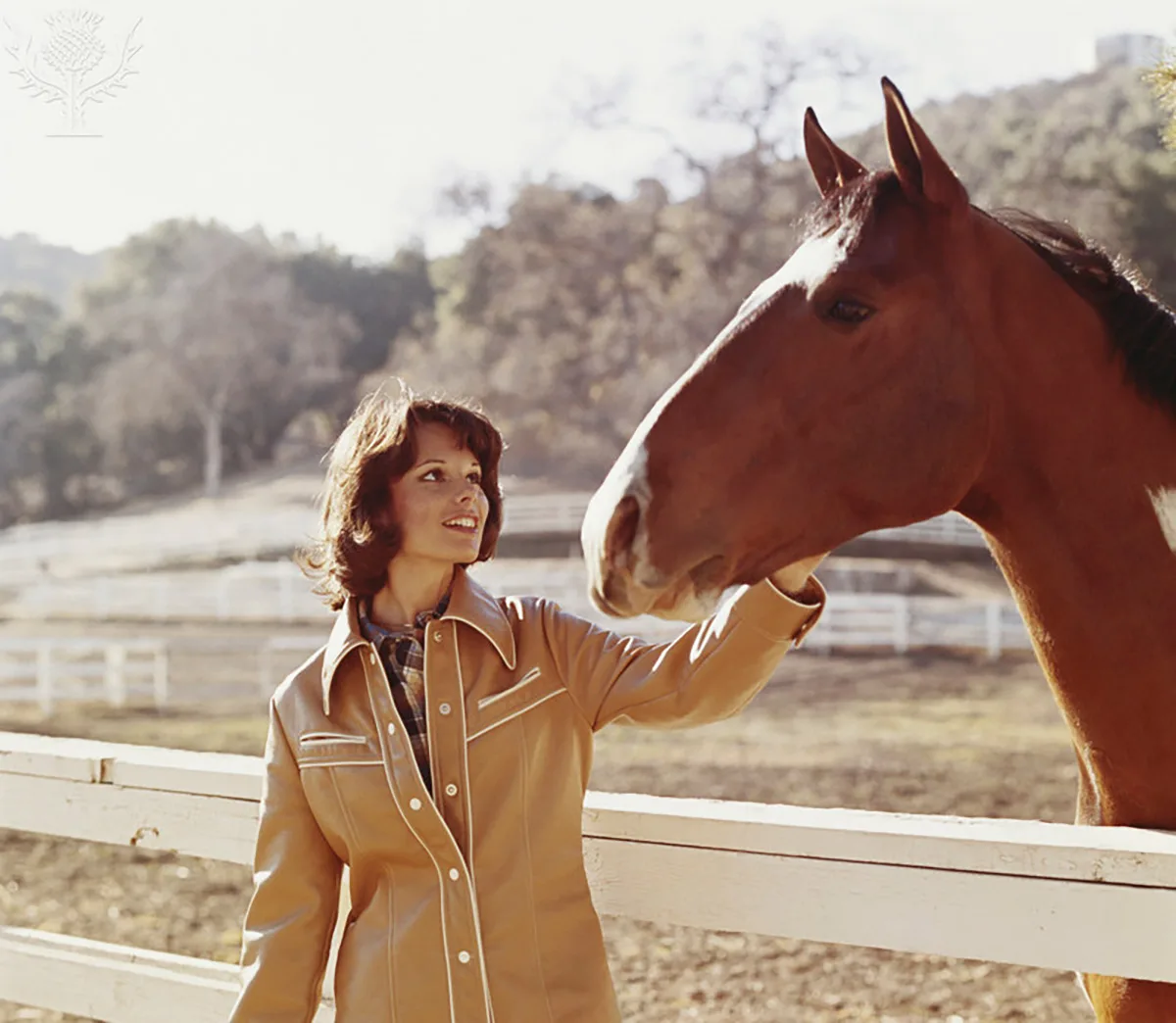
As the role of the horse during the post-war period shifted from working animal to leisure time companion, it came to be associated increasingly with traditional feminine traits. Subjugation and dominance gave way to a new ideal of trust, empathy and understanding. Instead of seeing a horse as an instrument of labour, interest grew in its emotional wellbeing, usability was supplanted by care. The nature of the relationship basically shifted from one of convenience to more of a partnership.
Swiss Sports History

This text was produced in collaboration with Swiss Sports History, the portal for the history of sports in Switzerland. The portal focuses on education in schools and information for the media, researchers and the general public. Find out more at sportshistory.ch