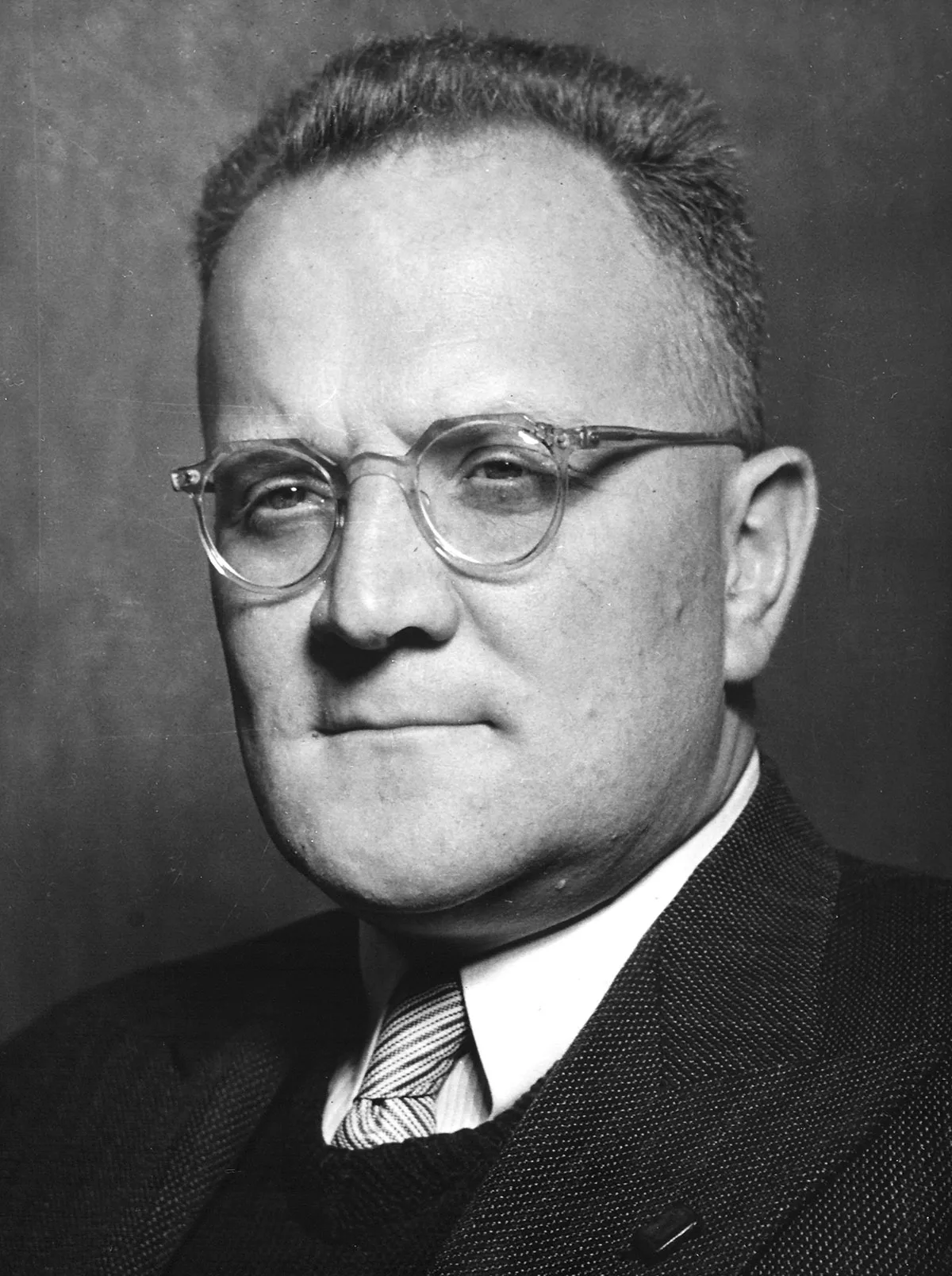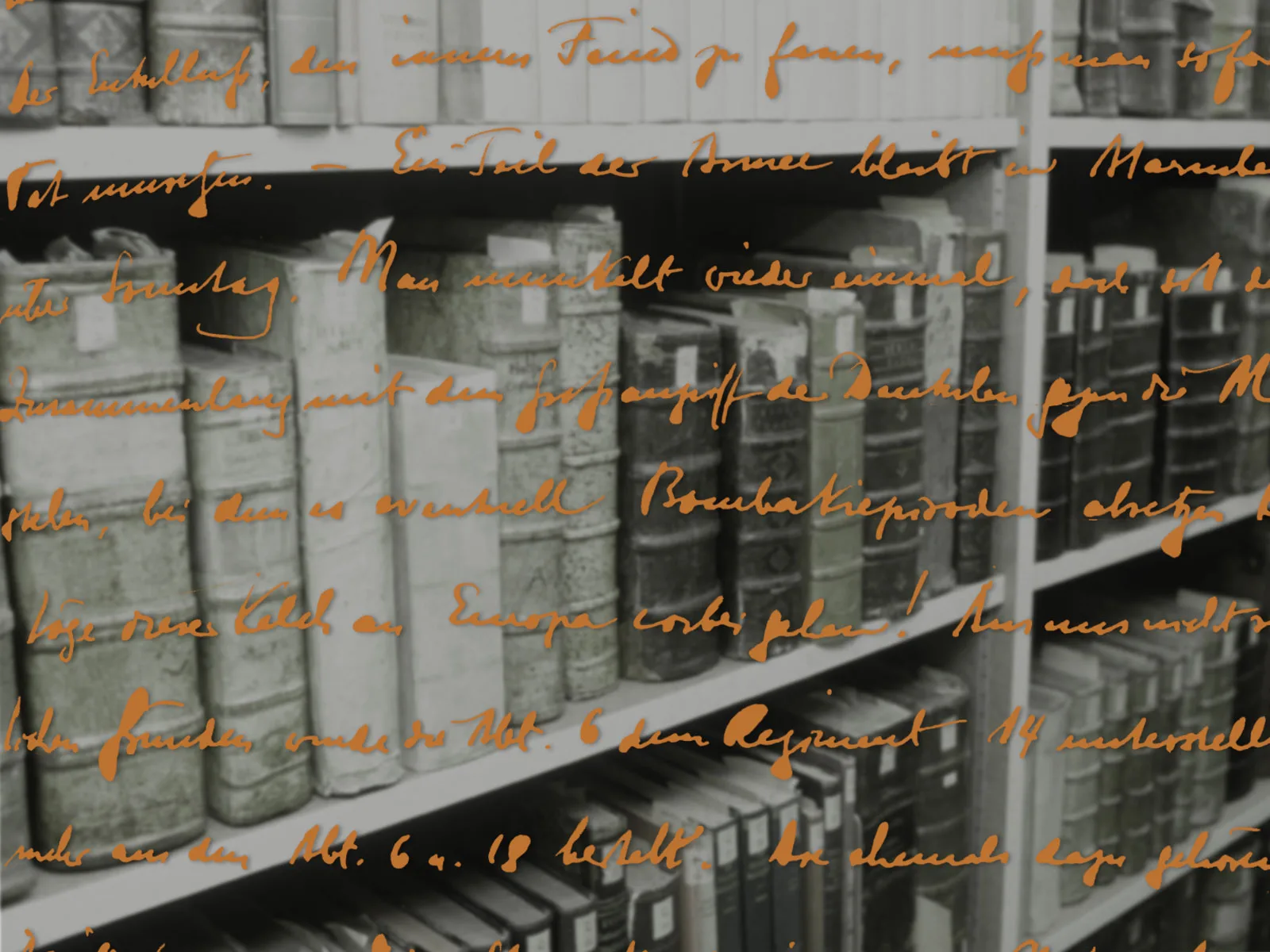
Marcel Beck worked in the National Library in Bern. That is where he formulated his thoughts and did his work during the war.
Marcel Beck worked in the National Library in Bern. That is where he formulated his thoughts and did his work during the war. Photos: e-pics, Jakob Tanner

Marcel Beck and his thoughts on the post-war order

Marcel Beck was making the case for domestic reform as early as 1940. In 1942, his diary was full of discussions on restructuring Switzerland along democratic lines.

Jakob Tanner

Jakob Tanner

Jakob Tanner is Professor Emeritus of Modern History at the University of Zurich. Between 1996 and 2001, he was a member of the Bergier Commission.

Marcel Beck started his “4th journal of a hopefully long leave” on 14 November 1940. On his return to work at the National Library in Bern, he acquired an impressive overview of the progress of the war from his extensive reading of the press plus news from his sizeable network of contacts. He expressed his thoughts on the strategic potential of the rival powers. Britain with the “great man Churchill” was his leading light, although he also noted at the end of 1940 that “Europe’s salvation may come from Russia”. On 6 May 1941, he stated that “the theory that an attack on Russia” was imminent could not “be dismissed out of hand”. Following Hitler’s attack on the Soviet Union (which Beck always referred to as Russia) in the summer of 1941, he avidly followed the growing success of the Red Army’s resistance against the German invading forces. He set up a frieze on the premises of the National Library full of articles on Allied victories as a ceremonial acknowledgement of the turning tide of the war.

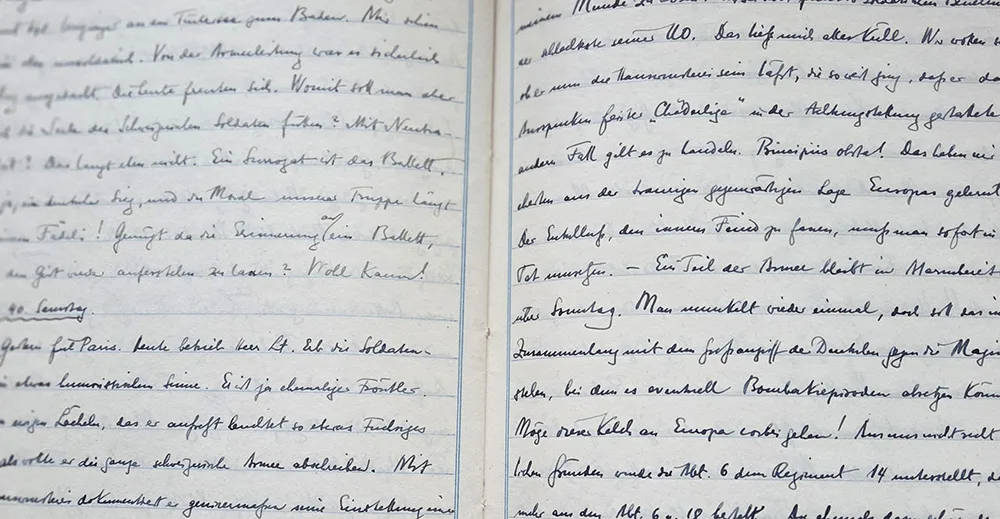
Marcel Beck’s diary

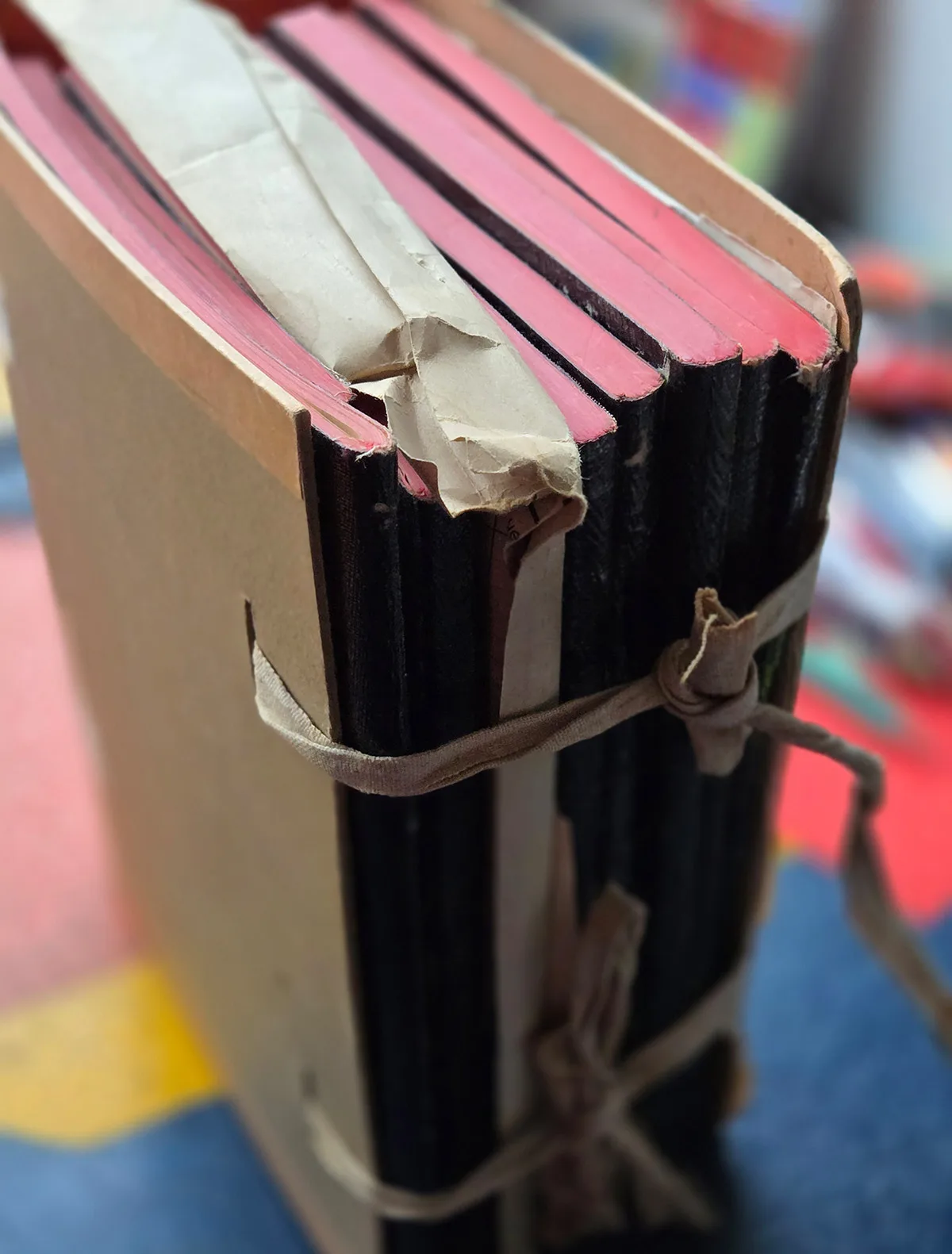
Diary of Marcel Beck.
Between 1974 and 1976, Marcel Beck published several short extracts in the Badener Tagblatt newspaper from a diary he had kept during the Second World War, and which was subsequently believed to have gone missing. It was acquired from a private owner by Jakob Tanner a few years ago. The diary consists of a total of 9 journals, whose more than 1,100 pages are covered in dense writing.

Packed full of detailed descriptions and uncensored observations, this diary, which is being presented here for the first time, differs from the many surviving war diaries kept by military units and contains no trace of what Beck referred to in 1976 as the tendency to “see the past through rose-tinted spectacles”. It offers a fascinating insight into the world as experienced by a non-conformist conscript solider, who was always seeking to understand what was happening locally (in the “microcosm”) in terms of the broader horizons of interpretation of global politics (the “macrocosm”).

The first blog article reported on Beck's everyday military life and his perception of the dramatic first year of the war. This second part deals with the period after Beck's first discharge from active service at the end of 1940 and focuses on the political projects for the future in which he was involved.
On 1 August 1941, Beck published an account of the ‘Hammer and sickle’ episode in his battery’s magazine Die Standarte with the title ‘Der Sünder wider das Kreuz’ (The sinner against the cross). Conventionalising the facts, he portrayed the event as having happened on 2 August 1940 and justified the deed of ‘Bekitsch’ (as he referred to himself in the article) as being due to a hangover from the boisterous Swiss National Day celebrations. He revealed that the “large boulder” had also had a Swiss cross and swastika painted on it besides the etching of the communist symbol. As he was seen by other soldiers removing the painted symbols and the army top brass were informed of the incident, an inquiry was launched into “communist activity”. On 11 August 1941, Beck was summoned to spend a day on active service at the headquarters of the sixth army division in Brunnen, where he was questioned at length by Lieutenant Colonel Herbert Constam himself. The “rebellious corporal’s” arguments won through. Beck wrote in his diary that Constam found “the whole thing truly laughable” and also agreed with him that “Switzerland’s clinical, business-based outlook could be our downfall”. The case was duly “closed”. Looking back on the affair, Beck called it his “most impressive experience of the war years”.

Where is the intellect that will save Switzerland?
During this phase, Marcel Beck moved further to the left of the domestic political spectrum. A year earlier, in the summer of 1940, he had pondered in abstract terms on a fundamental societal change: “I hope the people in power in Switzerland, those whose position stems from money as opposed to intellect, will surrender voluntarily so they do not have to be brought down through violence, which would be catastrophic for the country.” Should the anticipated revolution get out of hand, “I have no doubts as to where my loyalties must lie, i.e. there, where life regenerates”. Despite this moderate leaning, he could find no common ground with the Catholic-Conservative party, as it was then known. “The Swiss Ministry of Culture headed by Mr Etter is entirely controlled by papists. (…) Where is the intellect needed to save Switzerland. It’s just not there,” he lamented on 13 August 1940. He spoke of the “Swiss people and their cleverness”: “even in the remote Ursern valley, where the farmers tirelessly strive to improve their lot”, he believed the people would “no longer faithfully follow their Catholic-Conservative leaders”. Beck spoke about a broad “rift that no longer reflects true democracy”.
Marcel Beck did not think much of Federal Councillor Philipp Etter.
Marcel Beck did not think much of Federal Councillor Philipp Etter. Swiss National Museum / ASL
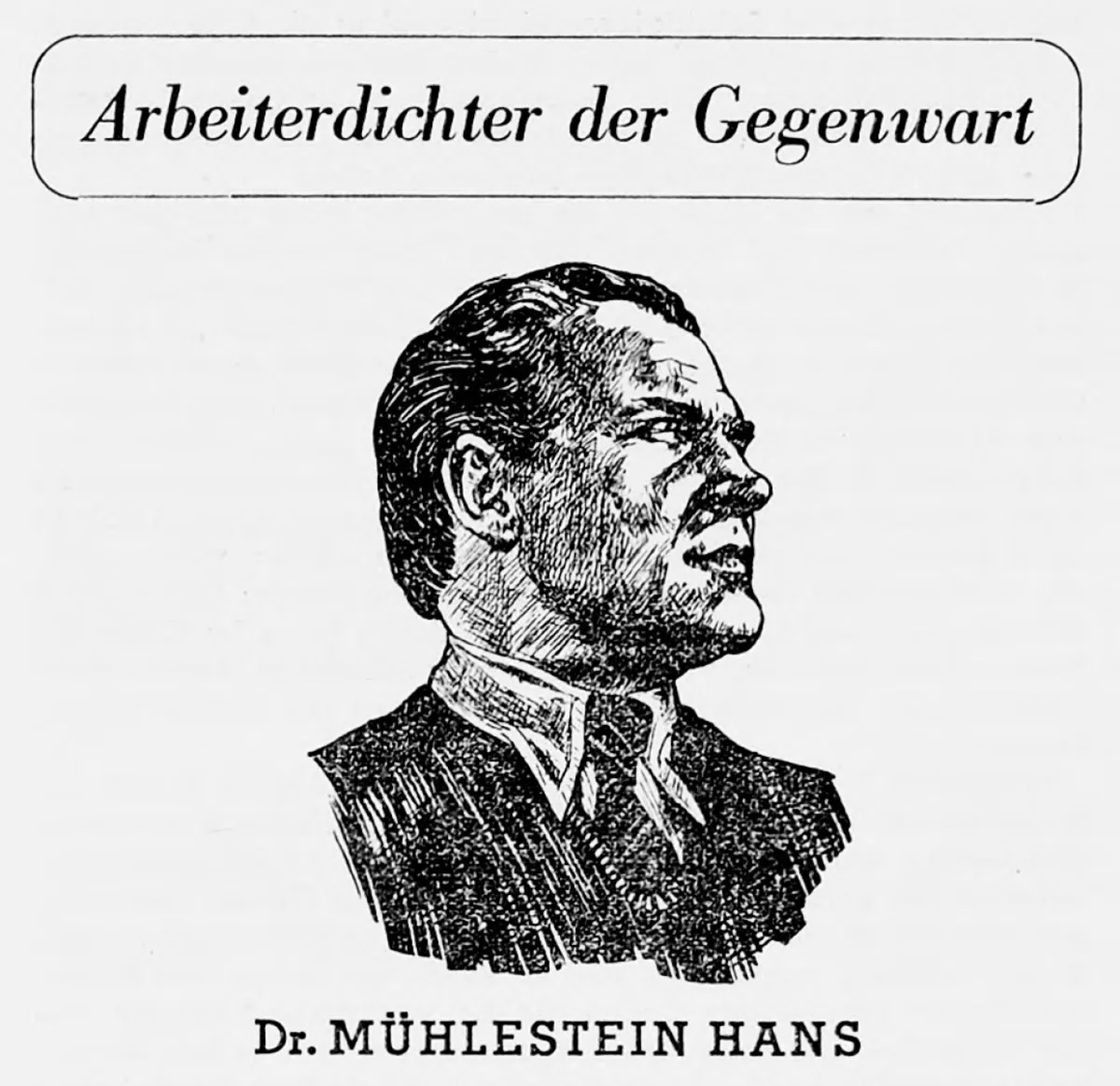
These statements testify to his transition from defender of the William Tell story to criticiser of myths. In the run-up to the 650th anniversary of the Confederation on 1 August 1941, Beck distanced himself from “Mr Etter and his accomplices,” who “just want to turn Switzerland into some kind of permanent national exhibition.” He began to lean to the left. Towards the end of the year, he mentioned the anti-fascist author and Etruscan researcher Hans Mühlestein for the first time. Their common ground shone through in Beck’s identification with the objectives of the labour movement in the spring of 1941. At the end of March, he noted that there was “furious opposition (…) to the extension of the Federal Council and the addition of two socialist federal councillors.” Such a development was elsewhere deemed “comparable with the [far-right] Volksfront” and supported by the argument, “if socialists had come to power in Switzerland (…), then we would not be free since they were against the military”. Beck’s counterargument was: “Where is this much-lauded unity? Where is the understanding for all the issues exposed by the socialist movement? A movement, which is legitimate!”
Hans Mühlestein was also known as a poet of the working classes by his contemporaries. Article from the Schweizerische Metallarbeiter Zeitung newspaper of 11 February 1939.
Hans Mühlestein was also known as a poet of the working classes by his contemporaries. Article from the Schweizerische Metallarbeiter Zeitung newspaper of 11 February 1939. e-newspaperarchives
At that time, thoughts of reform were hanging in the air. Beck distilled these ideas together with Mühlestein. At the end of May 1942, there was a “dramatic exchange” in the National Library in Bern. They both supported a group called ‘Neue Demokratie’ (New Democracy), which opposed the reactionary policy of the Federal Council and wanted to initiate domestic reform. Beck located the initiative in the “macrocosm”: Mühlestein had “ties in Moscow, that is the crux of the matter. And no-one doubts any longer that the Russians will be the ones who will save Europe from the last, pathologically aggrandised form of imperial nationalism, i.e. national socialism”.
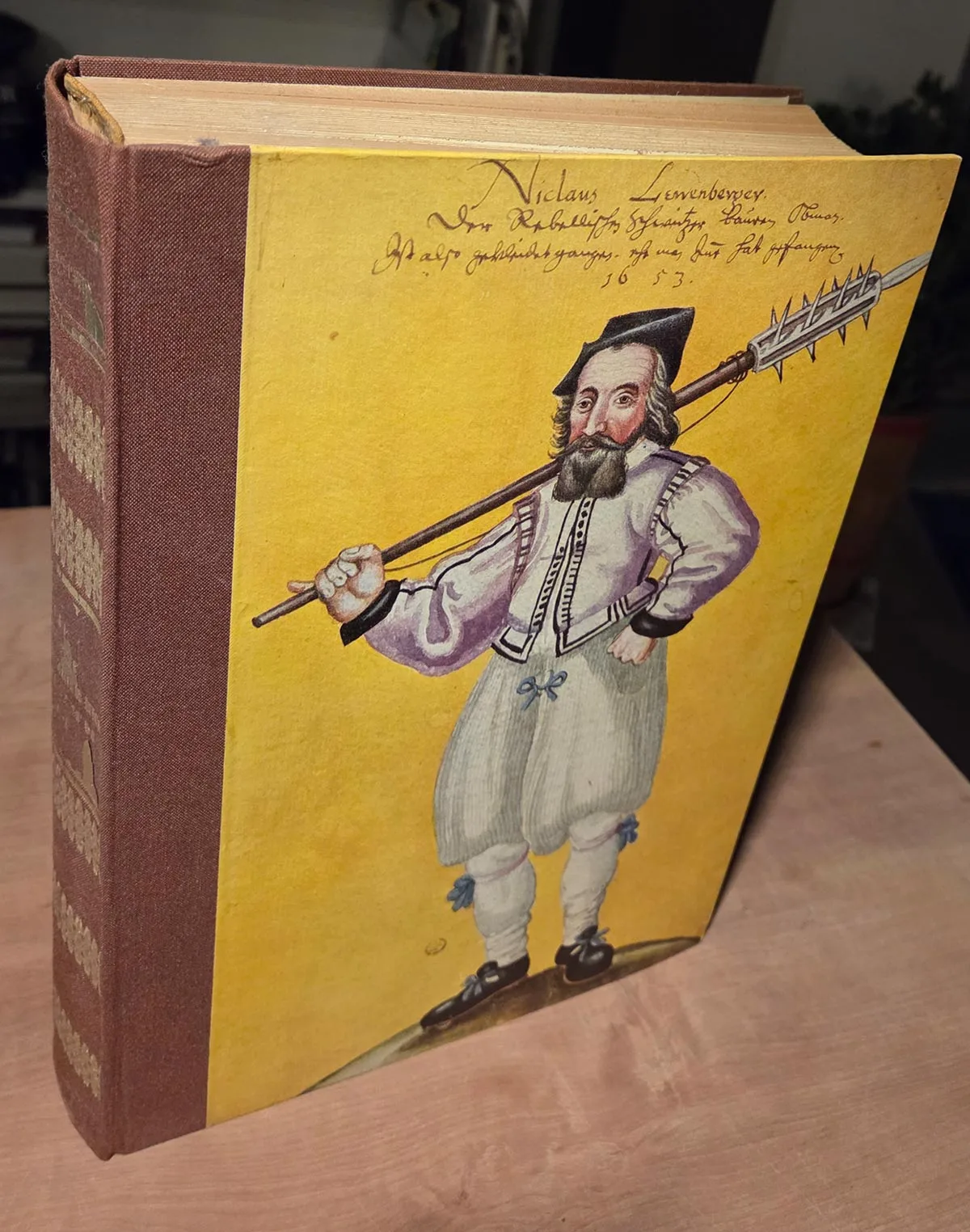
These meetings were facilitated by Mühlestein preparing for his extremely popular book ‘Der grosse schweizerische Bauernkrieg’ (The great Swiss Peasant War) to go into print. The book made the case for the rebellious peasants’ movement during the mid-17th century in the days of the Old Swiss Confederacy: “We put illustrations for Mühlestein’s work on the Peasant War on the table in front of us and talked at length about Russia. The pictures served as a suitable diversion in case people came into the library. The boss [head of the National Library] came in three times and we smoothly switched to discussing Leuenberger’s iconography,” said Beck on 11 June 1942.
Beck and Mühlestein often discussed contemporary political events.  They used their cooperation on Mühlestein’s book ‘Der grosse schweizerische Bauernkrieg 1653’ as cover, so people wouldn’t know what they were really talking about.
Beck and Mühlestein often discussed contemporary political events.  They used their cooperation on Mühlestein’s book ‘Der grosse schweizerische Bauernkrieg 1653’ as cover, so people wouldn’t know what they were really talking about. Photo: Jakob Tanner
In mid-July, Mühlestein invited typographer Karl Hofmaier to lunch in the restaurant du Théâtre. Hofmaier was secretary of the Communist Party before it was banned in 1940. It was during this “communist experience” that it was suggested Beck put together a major manifesto for the Swiss people in his capacity as a librarian of repute, as he wrote in his diary some days later. He indicated his agreement, but at the same time wanted to “avoid agitation”. He was convinced that the “further development of European society” was a pressing issue. At the same time, Beck believed that these reforms “could not be achieved through pure Marxism, which, in some respects, has long since lost any connection to reality (…)”. Beck suspected that he had been encouraged by Mühlestein and Hofmaier to write the manifesto “because, as confirmed Marxists, they are too absorbed in their ideology and would have difficulty staying away from formulaic rhetoric”. He wrote a draft in his diary full of idealistic elan, based on the defence of freedom: “We must proclaim freely and courageously what freedom is. To live in freedom means living in truth. (…) Freedom is the struggle between power and violence.”
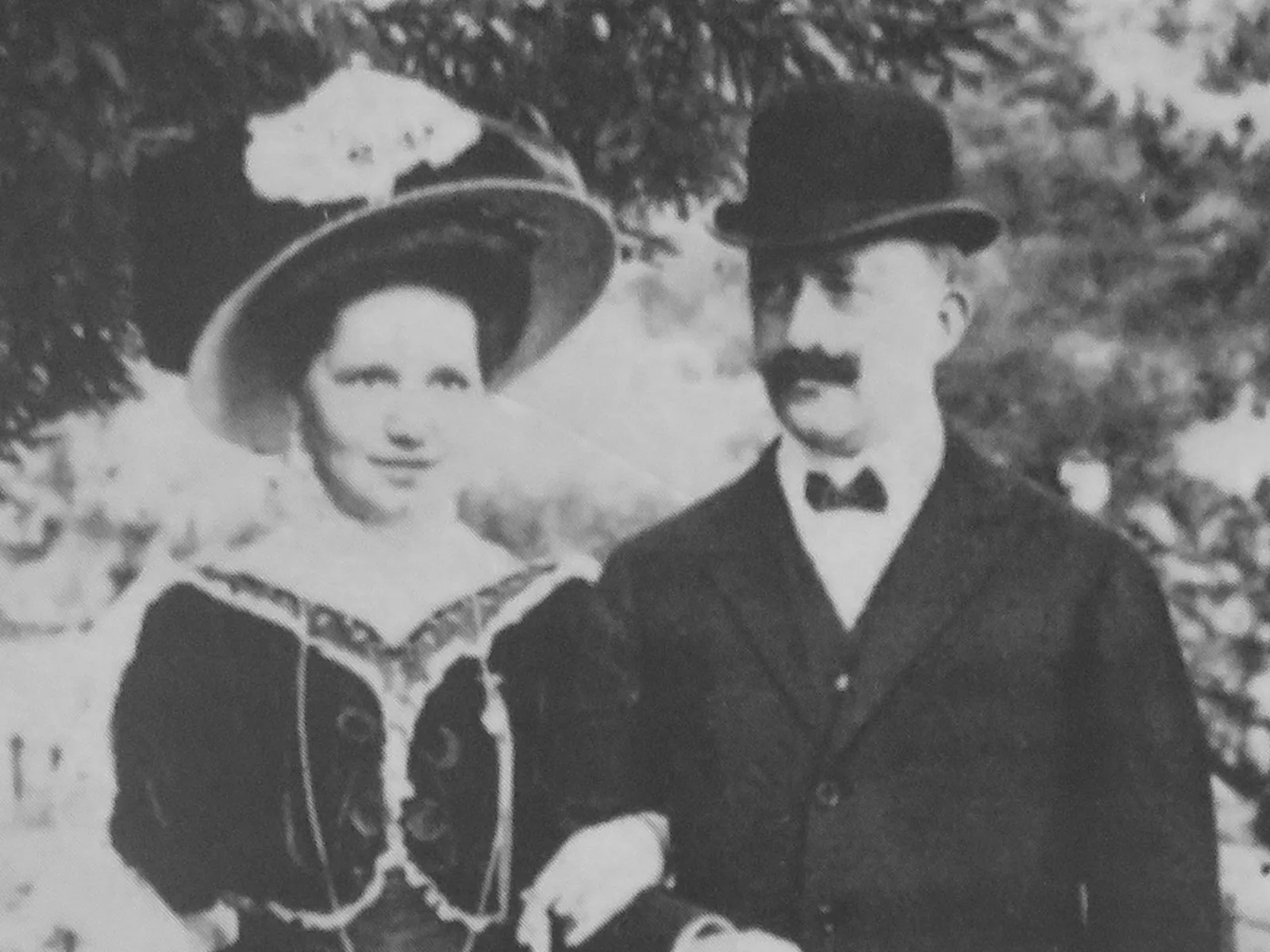
Marcel Beck did not see eye-to-eye with Karl Hofmaier. This photo dates from 1945.
Marcel Beck did not see eye-to-eye with Karl Hofmaier. This photo dates from 1945. Swiss Social Archives, F 5149-Fa-005
Those commissioning the manifesto evidently had little use for this emphasis on freedom. When another text emerged at the end of 1942 calling for “the suppressed people of Europe to rise up”, Beck could not relate to it. He broke away from the movement, which led to the founding of the Swiss Workers’ Party at the end of 1944.

Beck’s last journal

In his ninth and last journal entitled ‘Tagebuch der grossen Wende’, which roughly translates as ‘journal of the great turning point’, Beck starts by saying that Britain’s survival is ensured. “I can be calm now.” He thenceforth devoted himself fully to his professional duties at Bern National Library. In his last entry dated 17 January 1943, Beck wrote that the war was “developing in a way that fully justifies our efforts to compile an American book collection”. And so the ‘Americana’ catalogue came into being with generous financial support from the US, despite having been considered “subversive” shortly before. However, it was not mentioned in the report by the Department of Home Affairs led by Philipp Etter – for reasons of neutrality.
Despite vitriolic criticism and impulsive insubordination, Marcel Beck’s diary also hints at repressed memories. And there are some symptomatic omissions. As regards the “microcosm”, he often writes about his family and calls for a women’s edition of Die Standarte magazine emphasising “joy over the return of the men”. However, the role of the women during the years spent by the men on active service receives only the most cursory mention. He also says nothing about the military exercises with chemical grenades, which were held from the summer of 1940 and wiped out practically all the cattle in the canton of Uri. His “macrocosm” of the war bypasses the persecution, disenfranchisement and destruction of Europe’s Jews. Beck writes about his personal ties to Jews, but he doesn’t say anything about Swiss refugee policy. He had no thoughts on colonial violence either. His rich prose also displays a tendency to slip into racist territory when describing Asians and Africans.
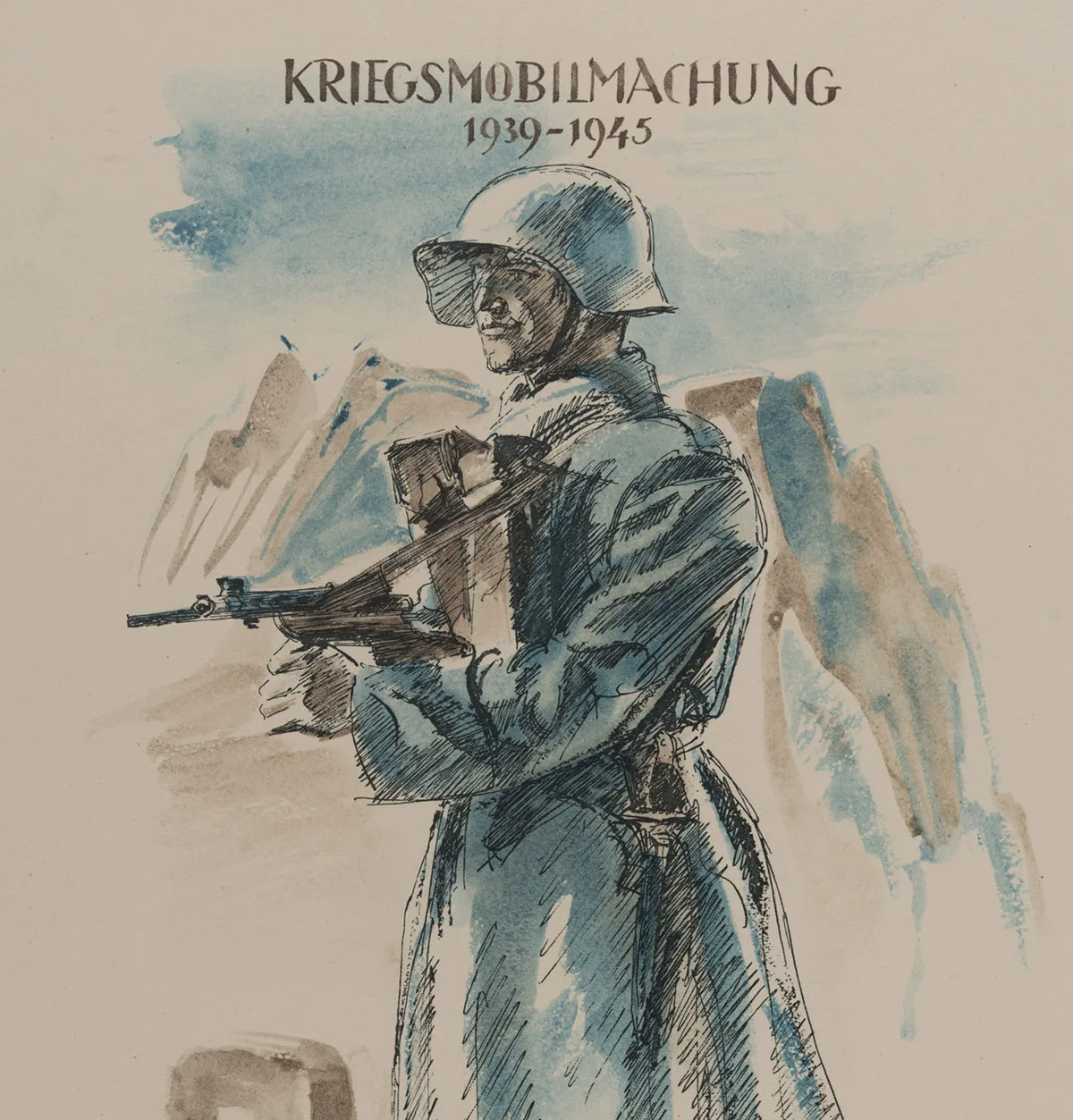
The Second World War was seen in Switzerland as ‘men’s business’. Printed commemorative document of the mobilisation.
The Second World War was seen in Switzerland as ‘men’s business’. Printed commemorative document of the mobilisation. Swiss National Museum
This narrowing of perspective and obscuring of fundamental issues were very much the proverbial elephant in the room when medievalist Theodor Mayer paid a surprise visit to Bern in late 1942. Beck had worked with him before “they parted ways in Freiburg over five years ago due to some glaring differences”. As a dyed-in-the-wool national socialist, Mayer had in the interim become head of “the war effort of the humanities” and was president of the highly regarded Reich Institute for Older German History, which included the Monumenta Germaniae Historica (MGH). The two men had a cordial meeting. “He didn’t say anything about politics, nor did we. And now the old arguments have been consigned to the past, we wasted no time getting back in touch.” He continued: “But he is a good person and very intelligent. I have a lot to thank him for.” In the midst of the war, Beck – firm in his belief of an Allied victory – could think of little else but the future of German medieval studies and the revival of the MGH. His diary entry ends with the remark: “I then assured him how pleased I was that he had come to visit. As I have taken it upon myself to seek reconciliation in Berlin after the war.”
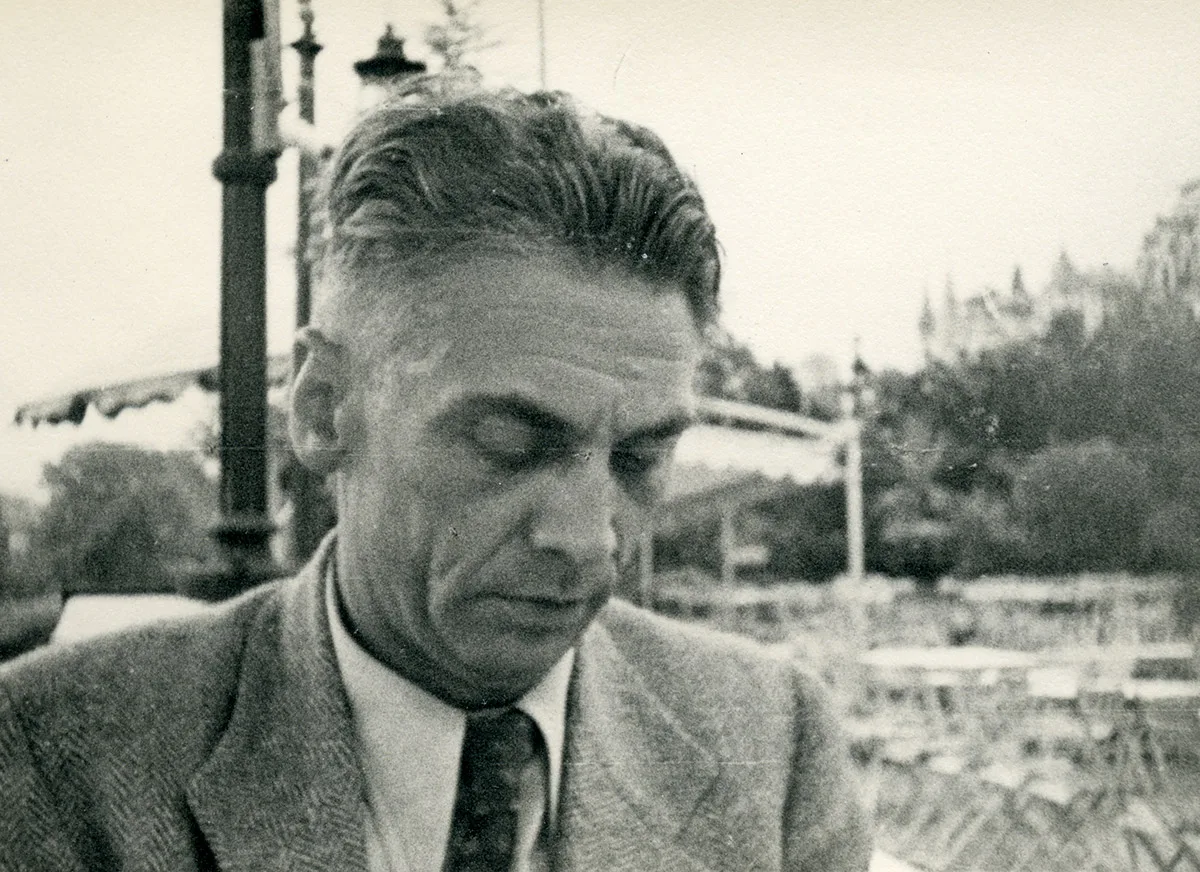
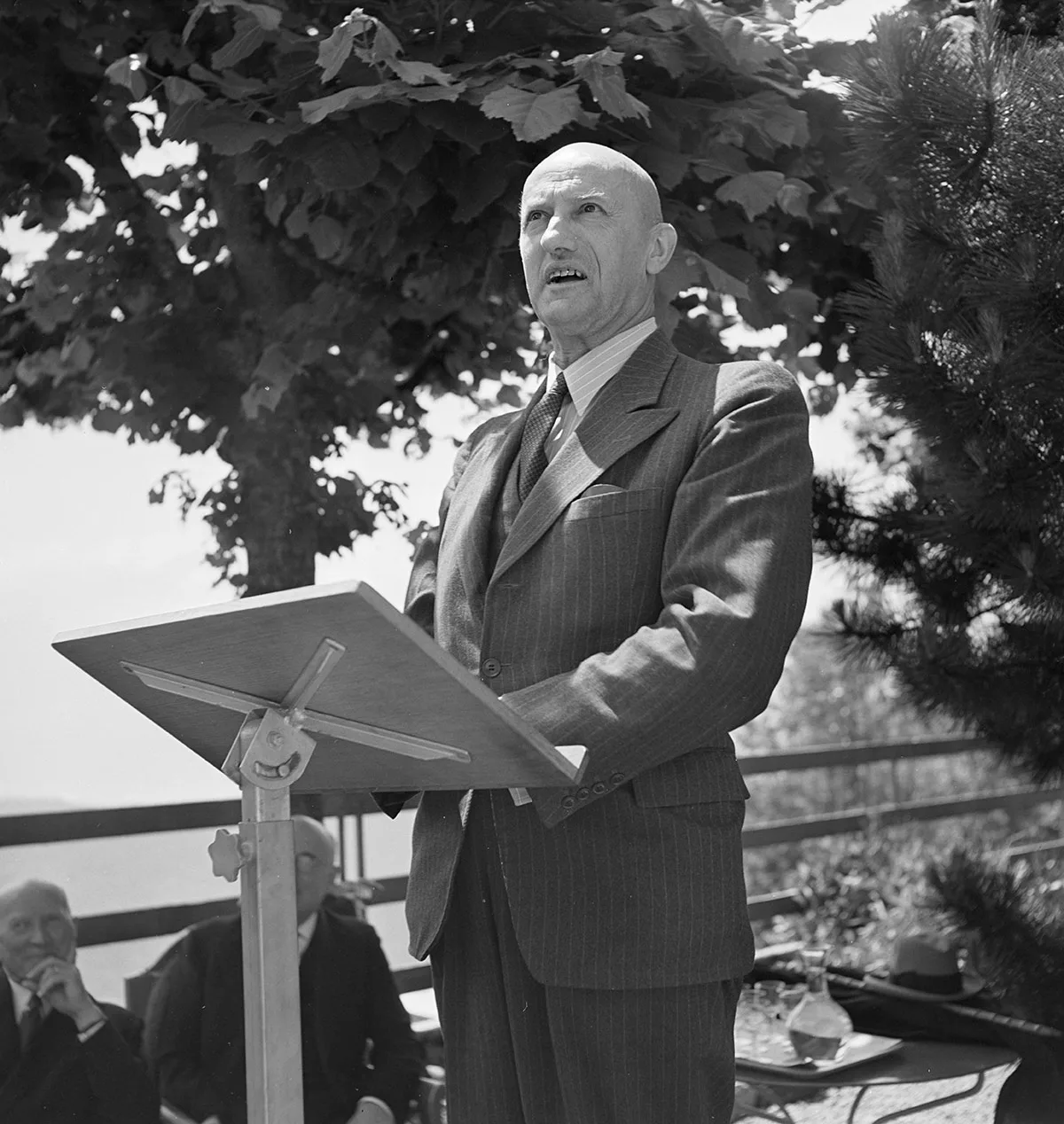
Marcel Beck, pictured here in 1965, was quick to express his hopes for a rapid end to the Second World War.
Marcel Beck, pictured here in 1965, was quick to express his hopes for a rapid end to the Second World War. Dukas / RDB
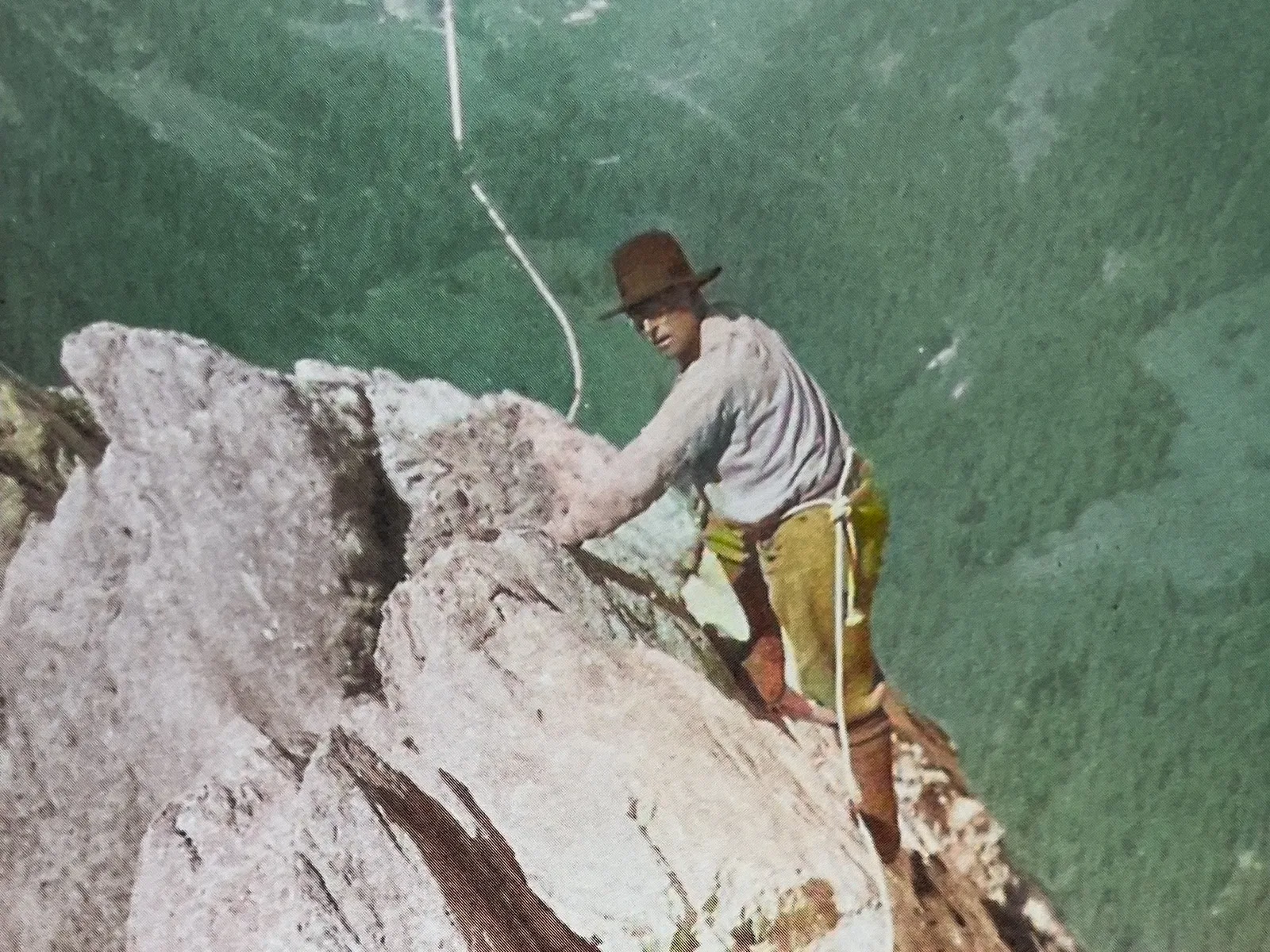
“May we remain free in our wonderful mountains,” was Marcel Beck’s entry in the guest book following his ascent to Pizzo Rotondo in early October 1940. He realised early on that Switzerland’s freedom depended on an Allied victory. His unshakeable belief in that is discernible in the confident general tone of his diary. His mantra of “Gotthard, heart of Switzerland” confirms his faith in the survival and reform of Swiss democracy and is a calming influence. By January 1943, Marcel Beck was certain about the outcome of the war and he no longer saw any need to keep a diary.
In early 1943, Marcel Beck considered the outcome of the war to have been determined and stopped keeping a diary.
In early 1943, Marcel Beck considered the outcome of the war to have been determined and stopped keeping a diary. Photo: Jakob Tanner

Further posts