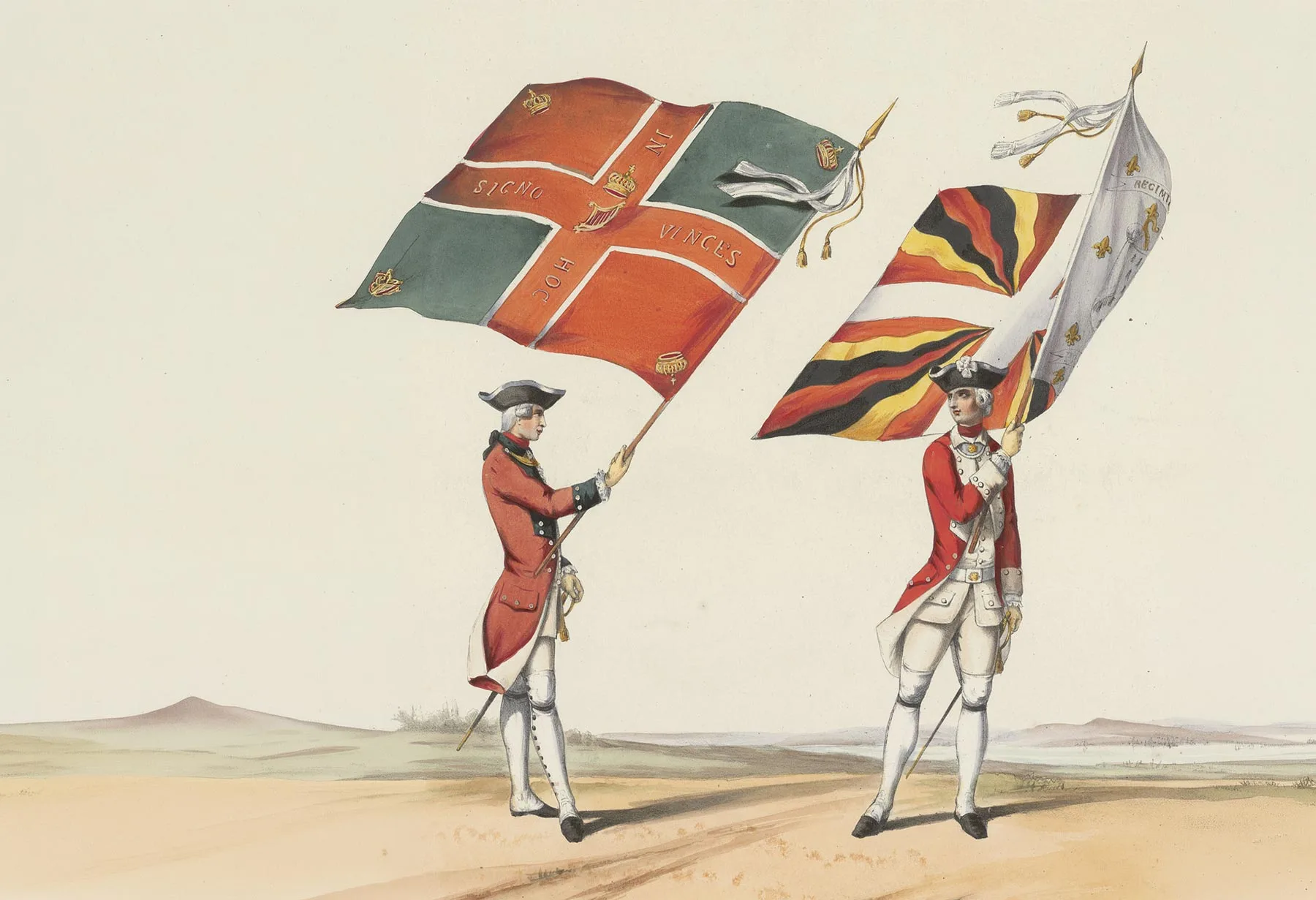
Maël Roumois01.09.2026Swiss mercenaries in foreign service, known by names such as Reisläufer (ones who go to war) or Cent-Suisse (‘Hundred Swiss’; soldiers who guarded the French king), were feared throughout Europe. They began bearing regimental flags with flame-like designs from the 17th century while in the service of France. These flags became synonymous with Switzerland’s illustrious military tradition.
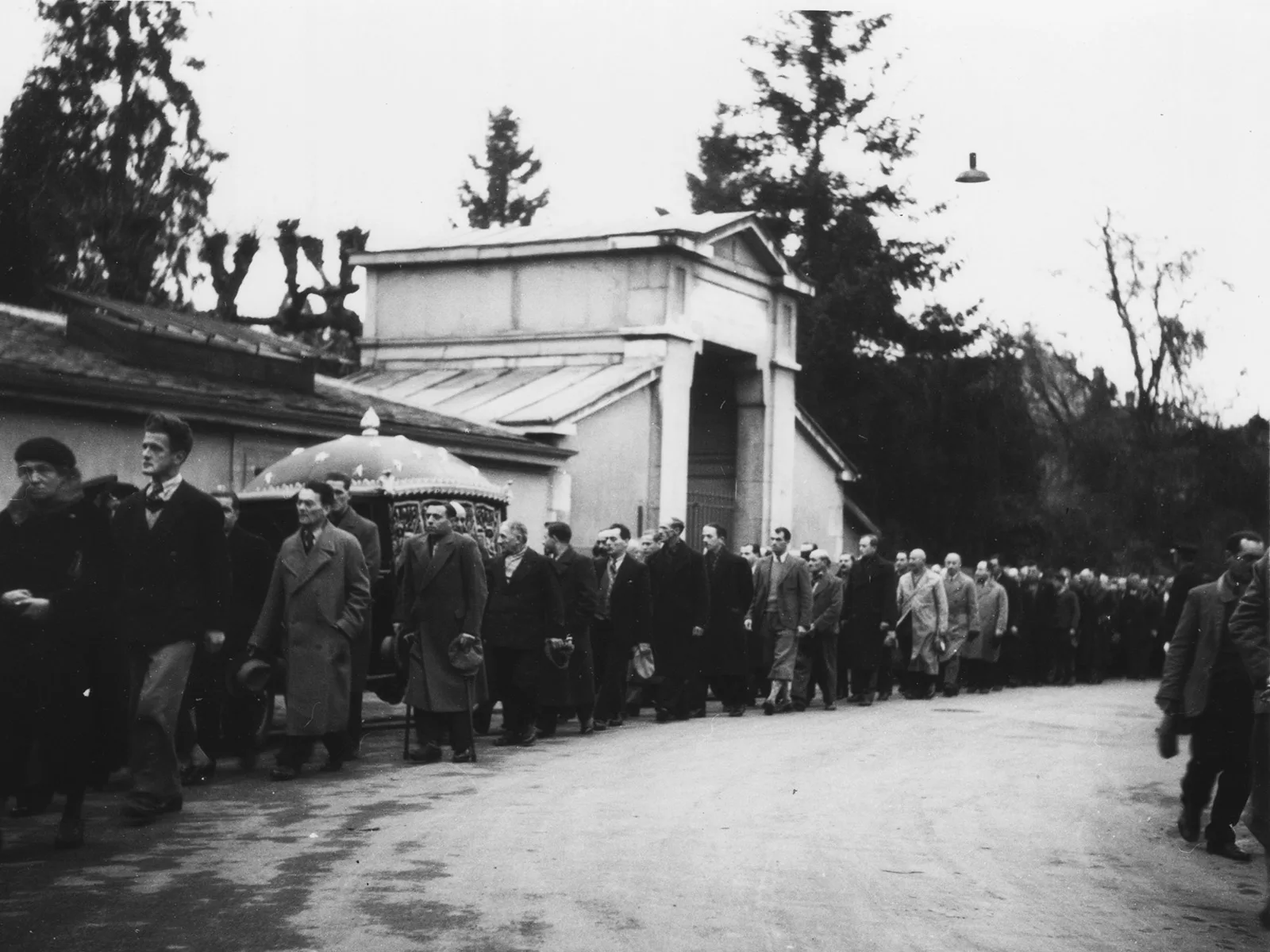
Sébastien Farré25.08.2026In early December 1936, the Spanish anarchist Ramón Mateo was laid to rest in Geneva. His funeral procession also became a public demonstration in support of the Spanish Republic.
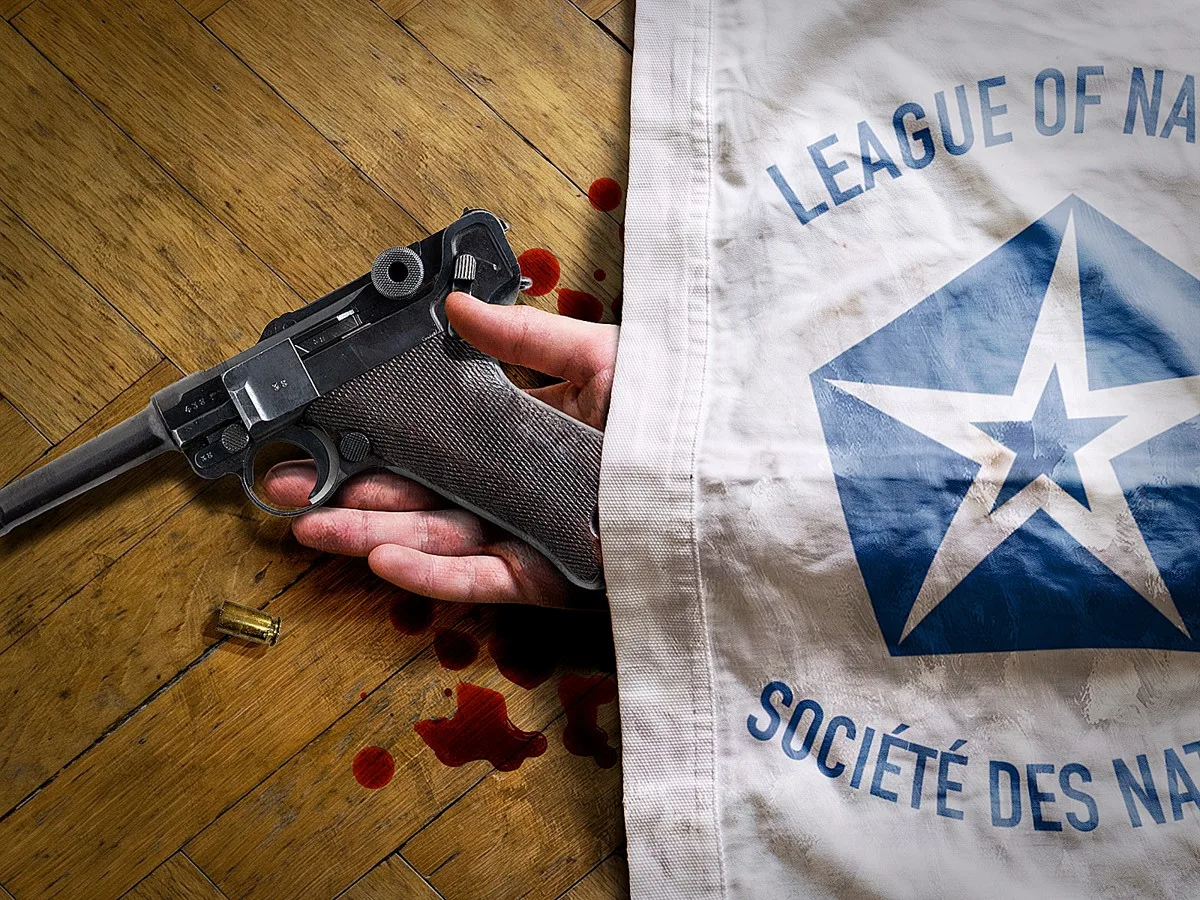
Noëmi Crain Merz20.08.2026In 1936, Stefan Lux shot himself during a plenary session of the League of Nations. He had wanted to jolt the international community into taking a stand against the politics of the Nazi regime.
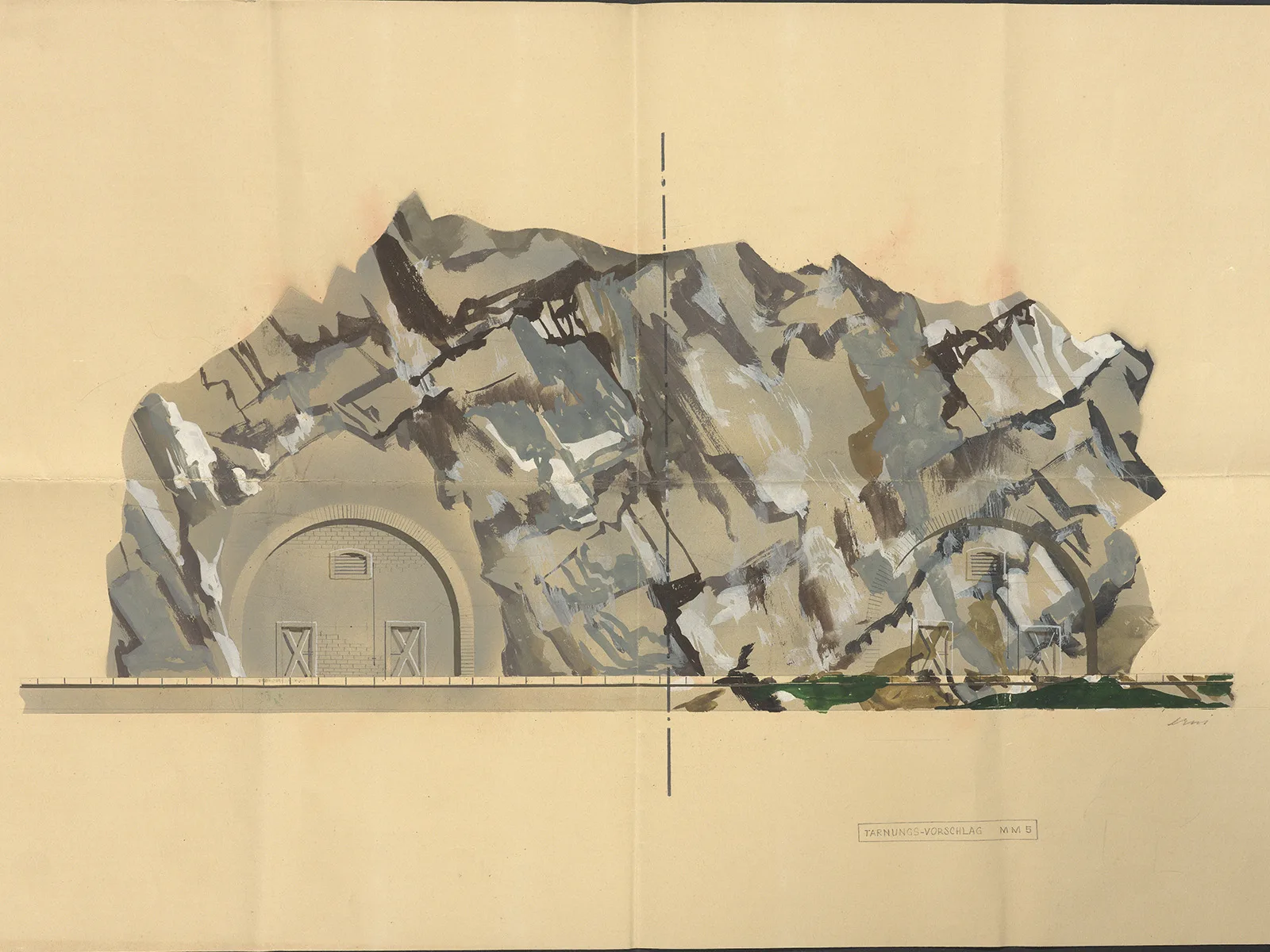
Jose Cáceres18.08.2026In 1939 Hans Erni painted the mural "Die Schweiz, das Ferienland der Völker", which was designed to showcase Switzerland to the world. A year later – during the Second World War – he helped conceal alpine military installations from the enemy. Two commissions, one artistic eye.
Rolf Löffler11.08.2026Adolf Walter fled Switzerland for the Third Reich in 1939, a fugitive from justice. On returning, he was convicted of treason and served a prison sentence. But that did not stop him from setting up in business and living life as a normal citizen.
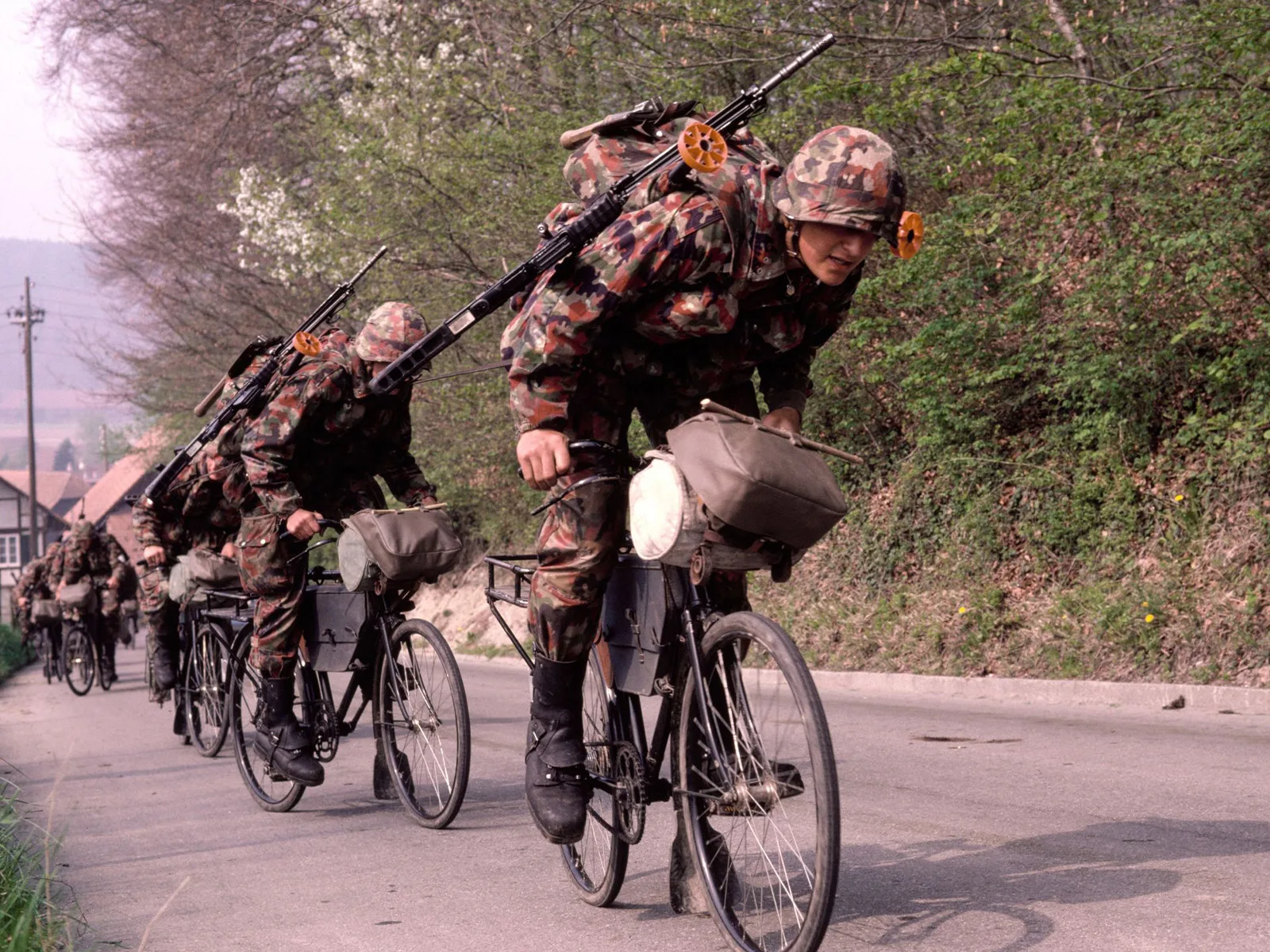
Thomas Bochet30.07.2026Few items of military equipment are as renowned for their longevity as the ‘Ordonnanzrad 05’ bicycle. It was a staple of military and civilian life for almost a century. In fact, its extensive use within and outside the military plus its legendary indestructibility have made it part of the country’s DNA.
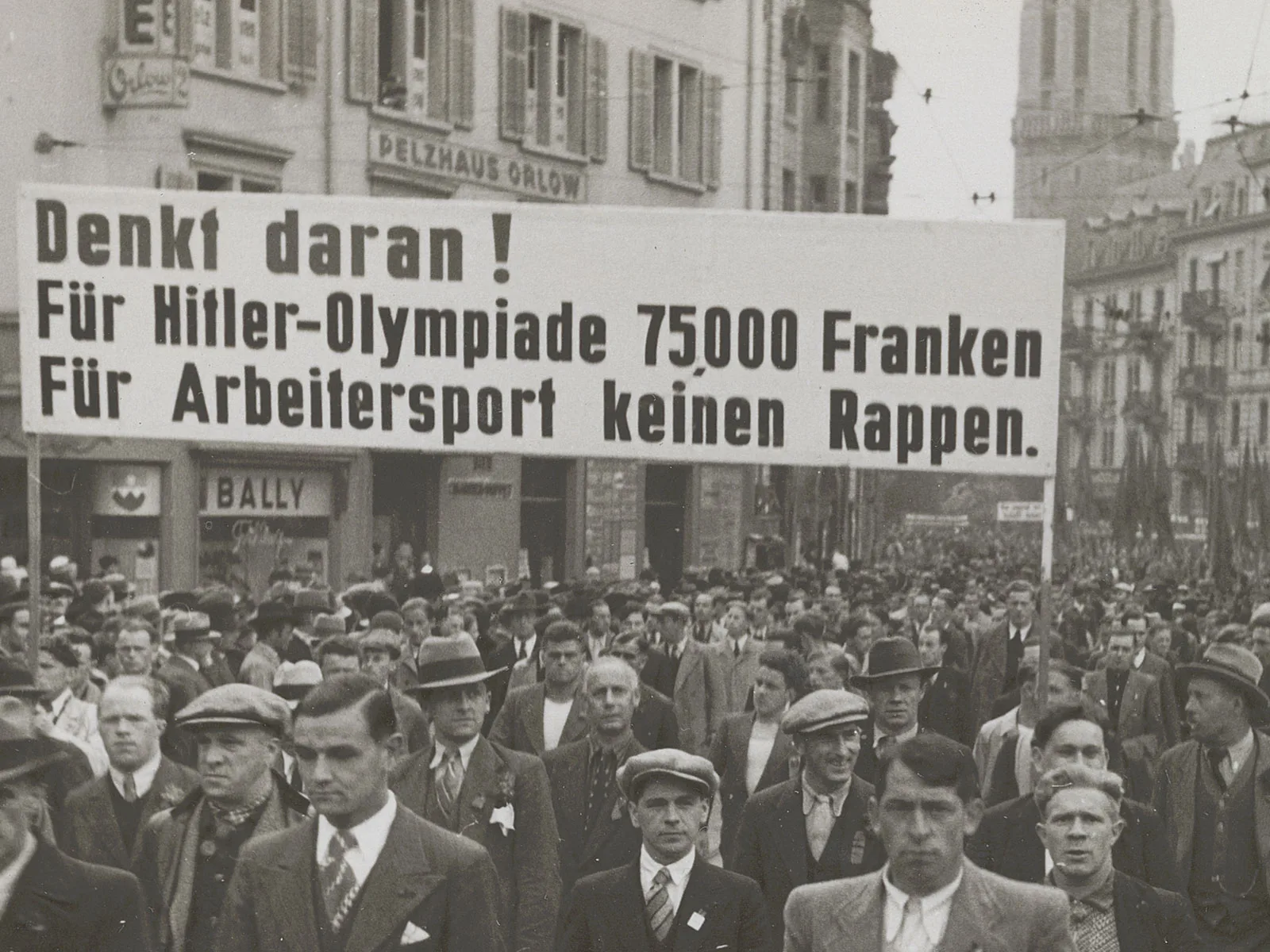
Christian Koller21.07.2026The Olimpiada Popular, or People’s Olympiad, was scheduled to take place in Barcelona in July 1936 as a form of protest against the Olympic Games in Berlin. But on the day of the opening ceremony, the Catalan metropolis became the scene of fierce fighting as the Spanish Civil War broke out. Numerous athletes joined the ranks of those battling to defend the Republic.
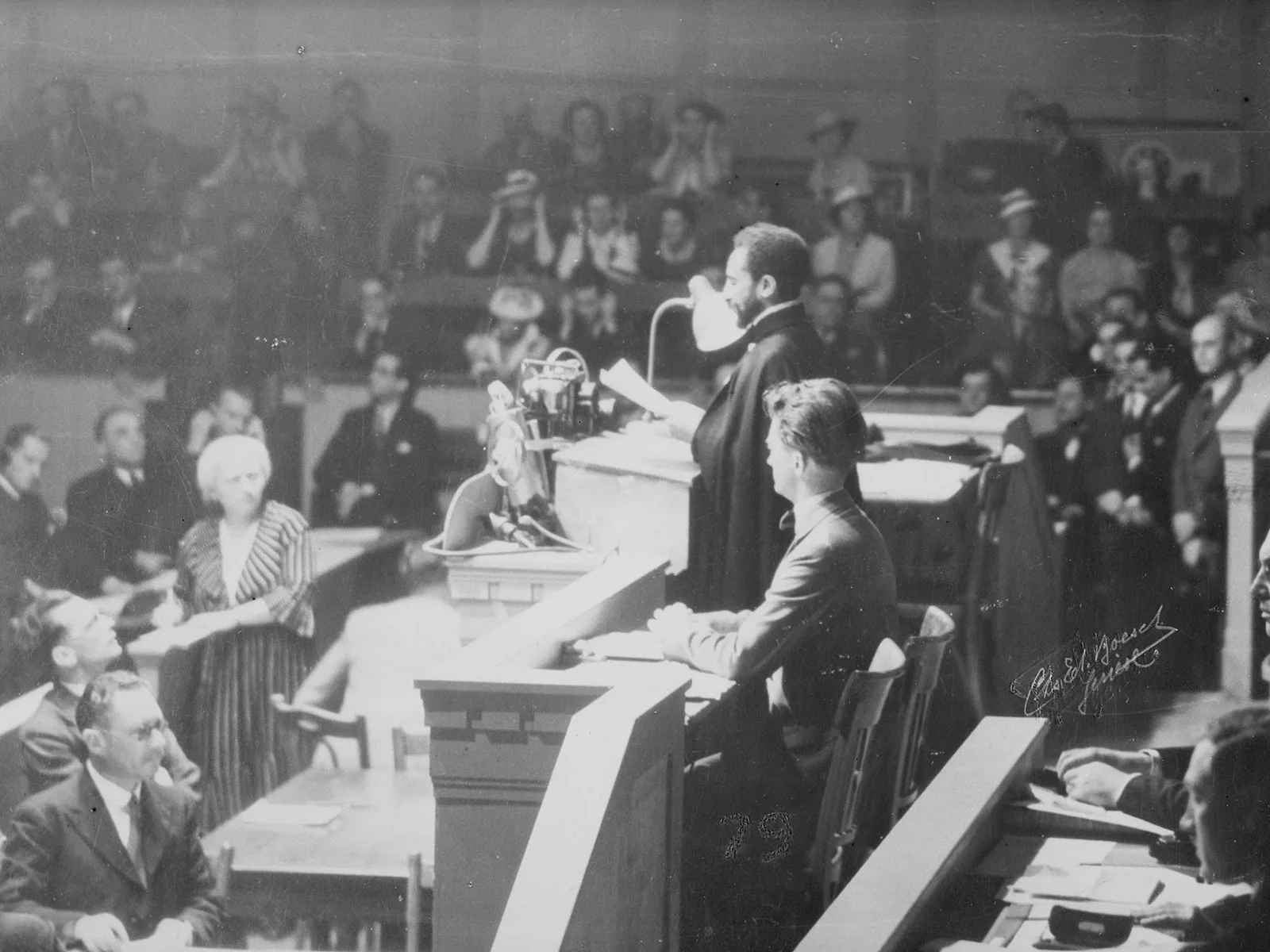
Murielle Schlup30.06.2026Following Fascist Italy’s invasion of Abyssinia in 1935, the deposed Ethiopian Emperor Haile Selassie called on the League of Nations in Geneva for support. To no avail; Switzerland regarded him as an “inconvenient guest” and refused him asylum.