Matthias Wiesmann03.09.2026“Feed your savings now or starve in old age” and similarly blunt aphorisms were printed on cards issued to Swiss schoolchildren in 1946 in an attempt to motivate them to start saving. Adults were also encouraged, by various means, to set money aside for the future.
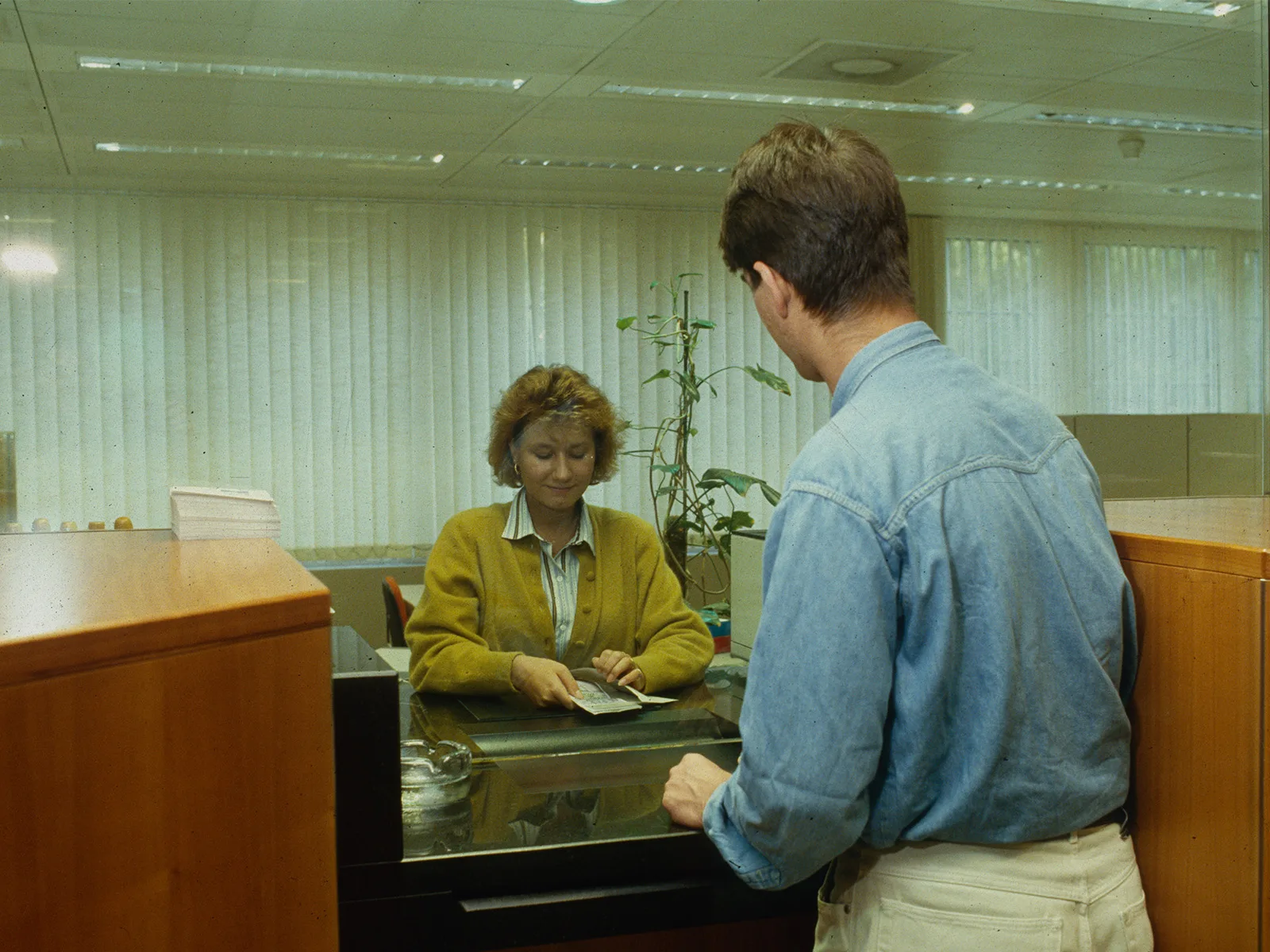
Andrea Weidemann27.08.2026Today, if we want to transfer money or check our custody account we simply reach for our smartphone. This seemingly straightforward procedure is the product of a lengthy evolution. In just a few decades, the everyday financial activities of the Swiss have moved from the physical to the digital realm: from bank counters to a device kept in our trouser pockets.
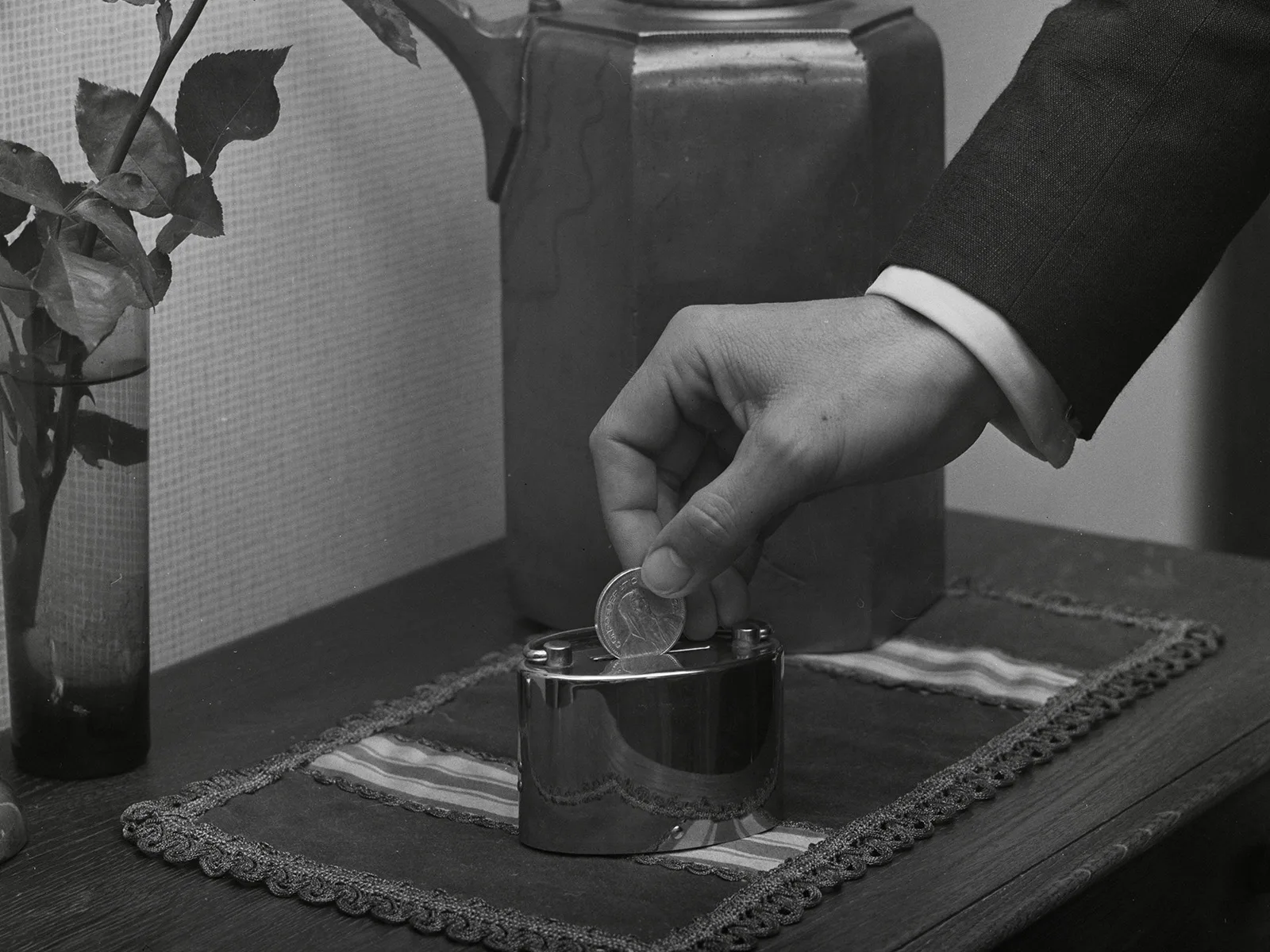
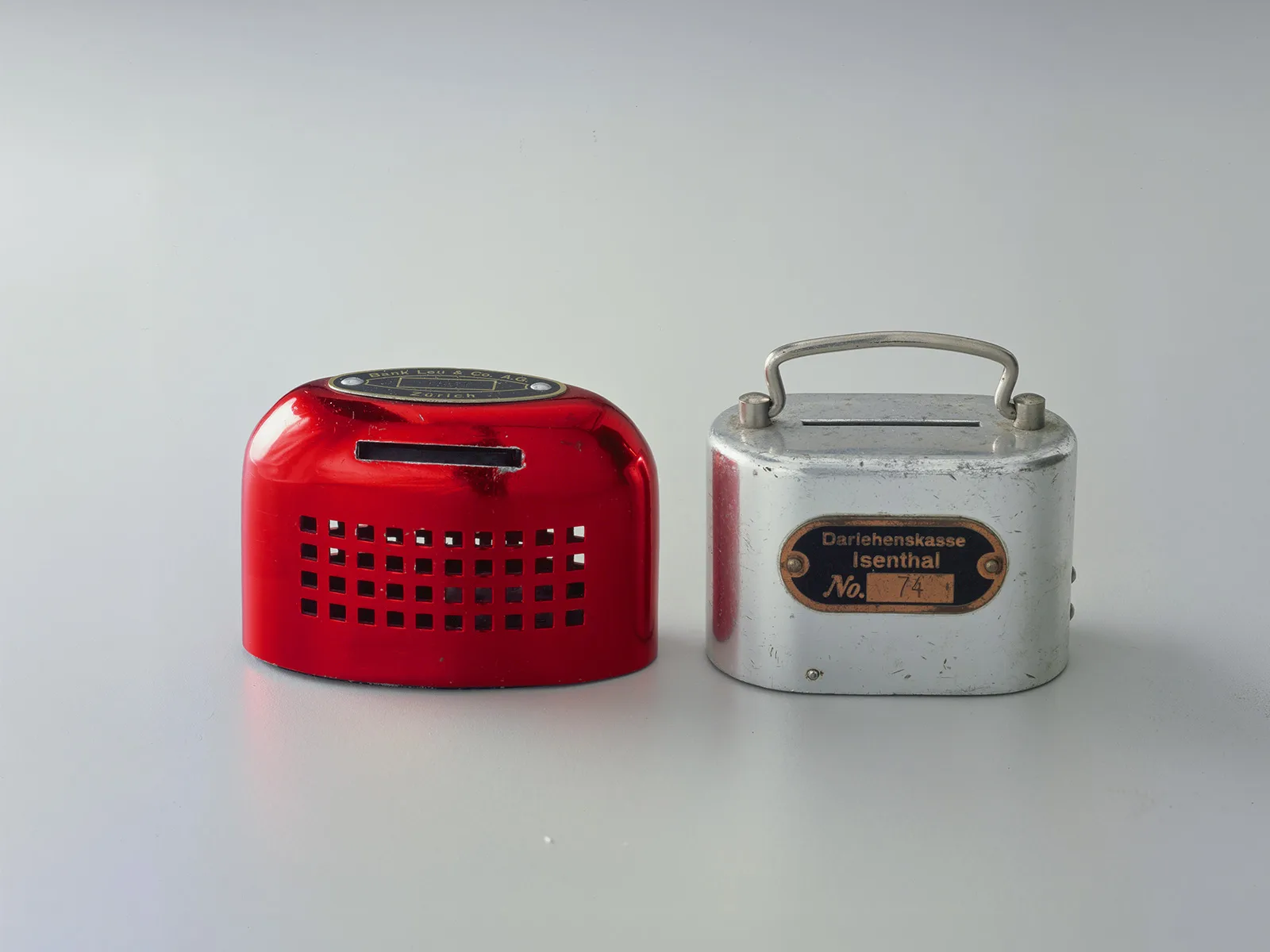
Juliane Eberhardt16.07.2026For decades, the financial behaviour of the Swiss was based on filling their Sparkässeli. Those little metal boxes where people kept their savings even shaped society’s relationship with its banks. Today they remain as contemporary witnesses of a bygone era.
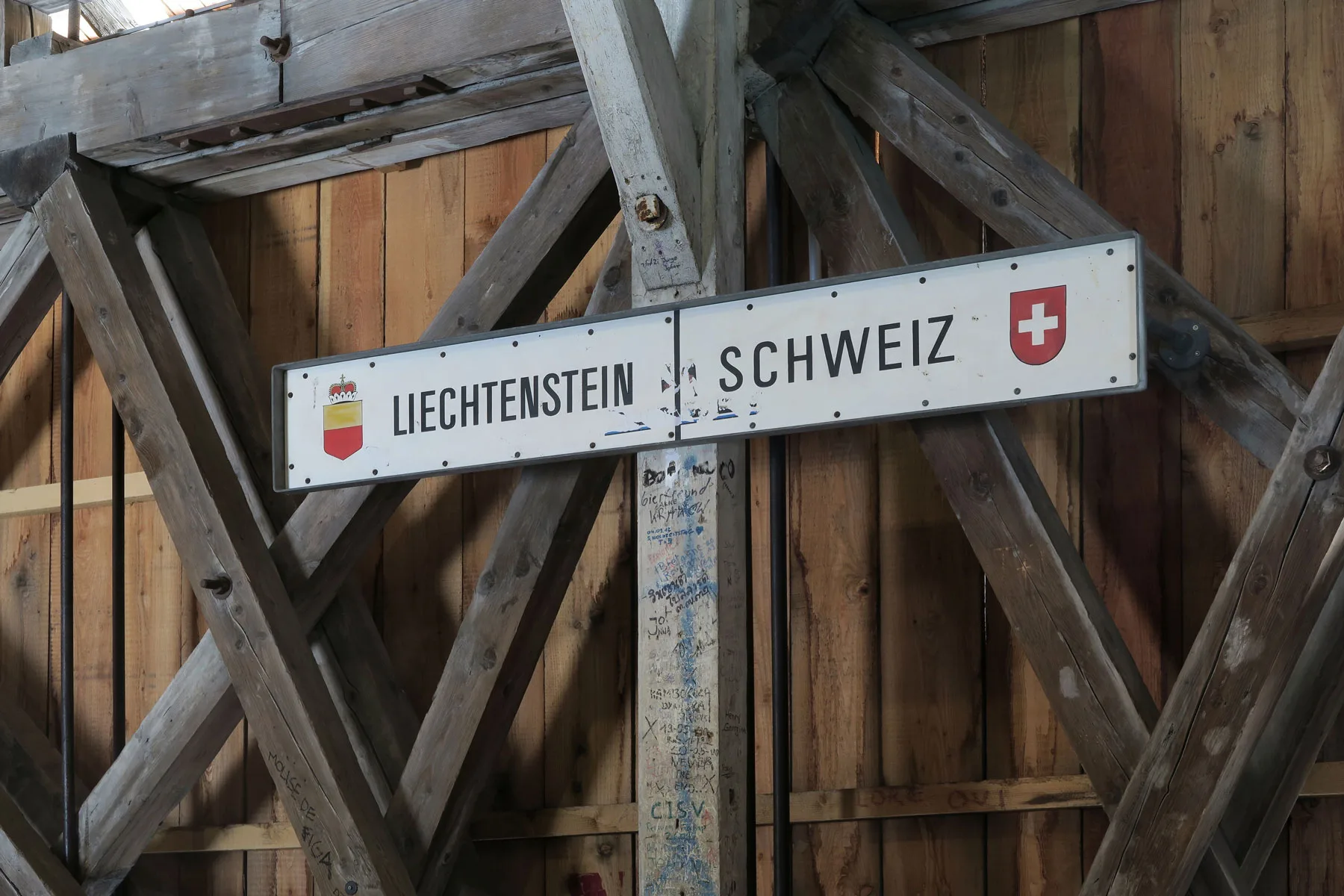
Janick Rüttimann09.07.2026Liechtenstein has evolved into an attractive location for domiciliary and fiduciary companies since the 1920s. Although politicians in Switzerland have repeatedly voiced misgivings about this, it has also been a source of profit for the Swiss financial centre. This has resulted in a close, albeit fraught relationship between the two neighbouring states.
Claudia Aufdermauer07.07.2026Around 1860, arsenic was widely known as a poison used in murder cases. Nevertheless, the authorities in Basel were initially oblivious to the potential dangers emanating from its use in dye production. The cantonal chemist alone recognised that the industrial use of the ‘King of Poisons’ could have unintended consequences for both people and the environment.
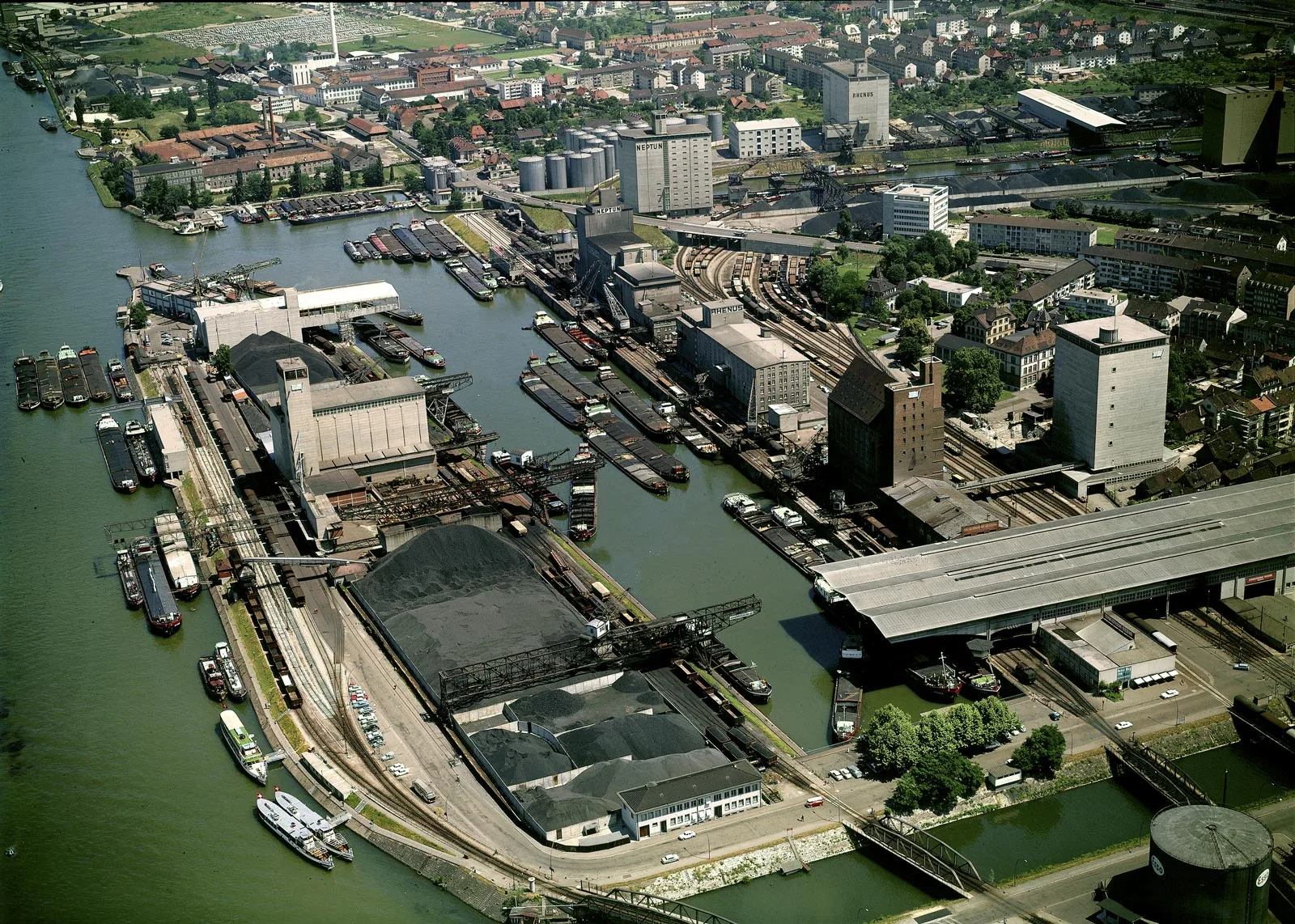
Jean-Luc Rickenbacher23.06.2026The majority of worldwide goods traffic goes by sea. Although Switzerland does not have direct sea access, it is connected to global maritime trade routes via the Rhine. The Swiss Rhine ports in Basel play a key role, as around ten per cent of all Swiss imports are handled there.
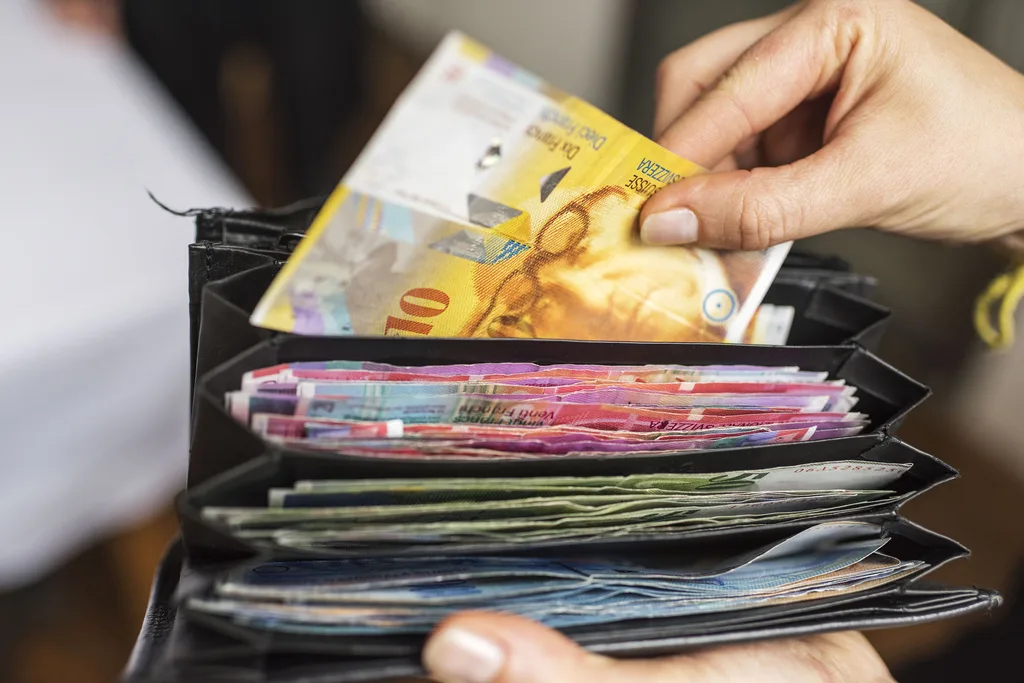
Eric Häusler und Jürgen Häusler16.06.2026Switzerland’s banknotes were given a makeover in the 1990s. The eighth series (1995–2016) not only met strict security requirements, it was also innovative in its design. A voyage of discovery through the archives and a look behind the scenes reveal how these banknotes were planned, designed and introduced to the public.
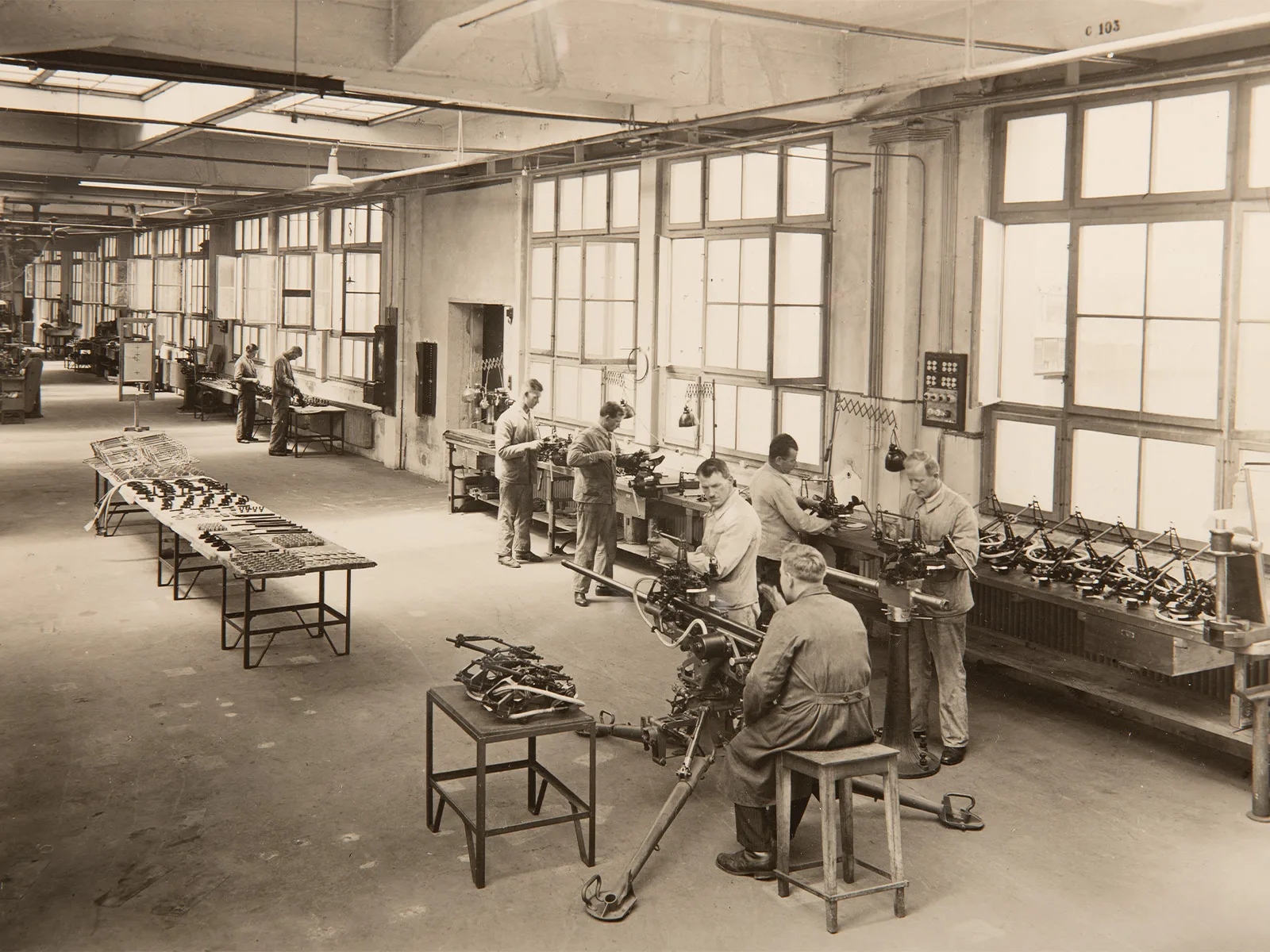
Adrian Baschung09.06.2026The arms factory Waffenfabrik Solothurn AG not only found itself on the Allies’ blacklist after the Second World War, it was also embroiled in a lengthy liquidation process. And what would happen to the arms stored there? A tempting offer came unexpectedly from Hollywood in 1951.