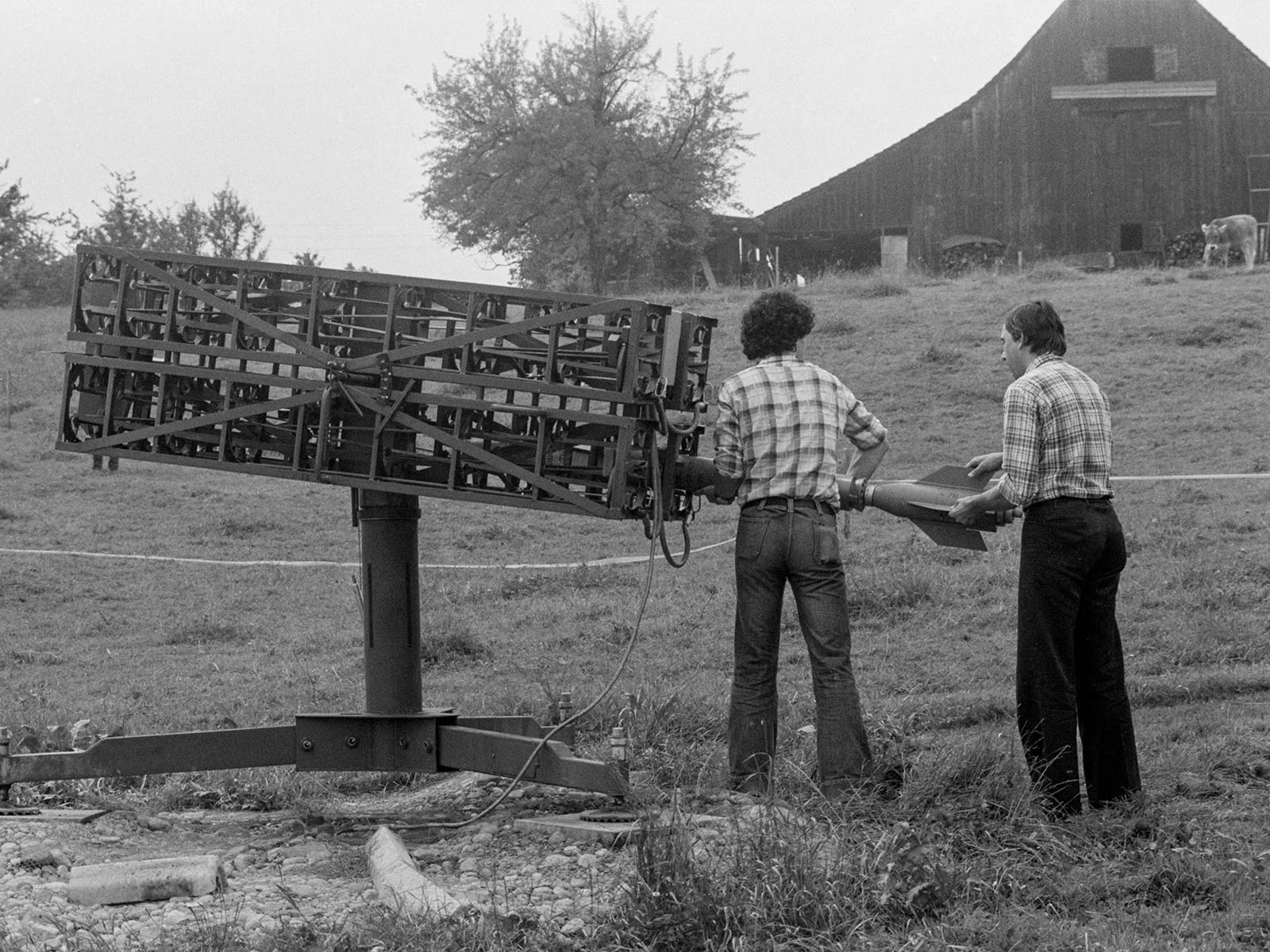
Thomas Weibel17.09.2026Hail poses an existential threat to agriculture. For decades, Swiss farmers tried to prevent damage to their crops using silver iodide rockets. In 1986, a report by ETH Zurich shattered the bold dreams of hail prevention.
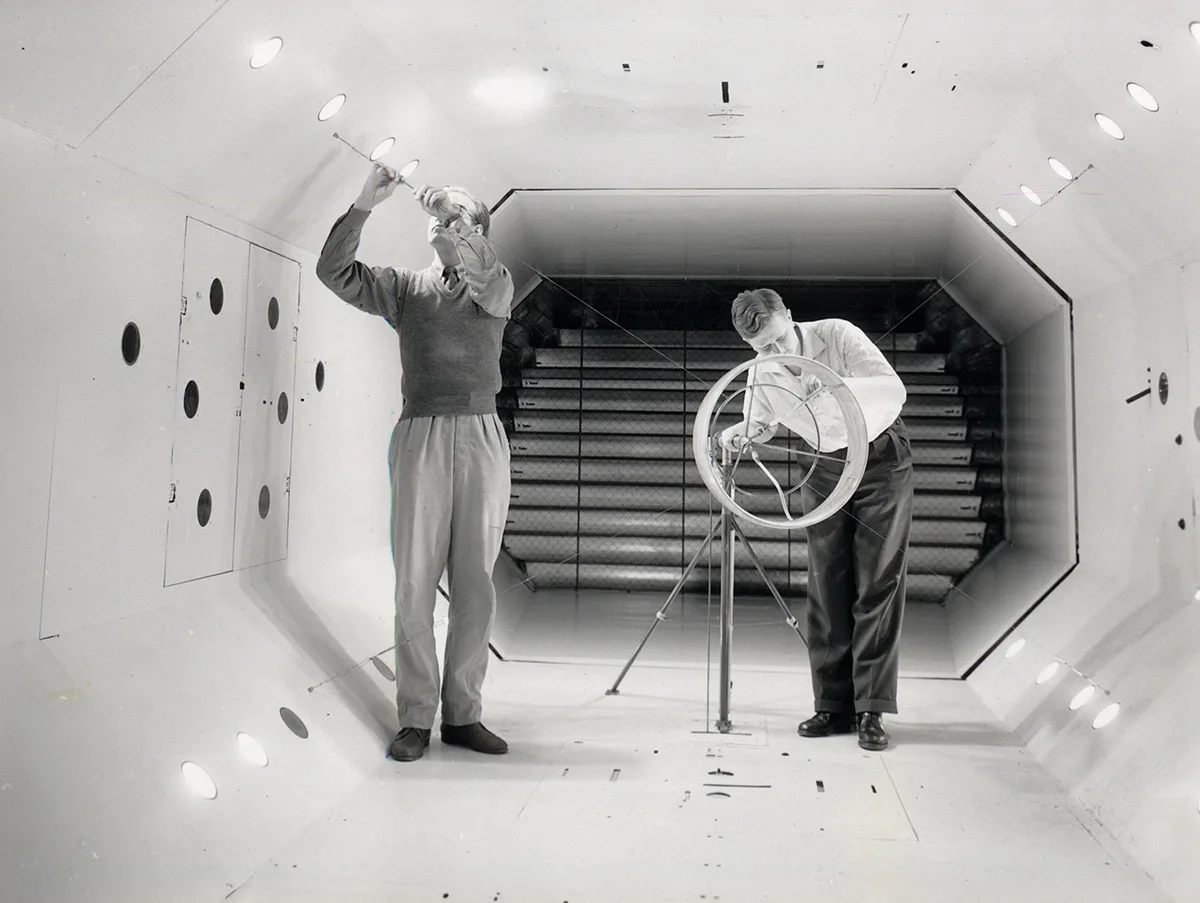
Roberta Spano / Dorothe Zimmermann15.09.2026From airplanes to wings and skyscrapers: historic scientific discoveries were made in the wind and supersonic tunnels of ETH Zurich during the 1930s. Models used for teaching and research in the two tunnels serve as reminders of a pioneering spirit, military requirements and unrealised dreams.
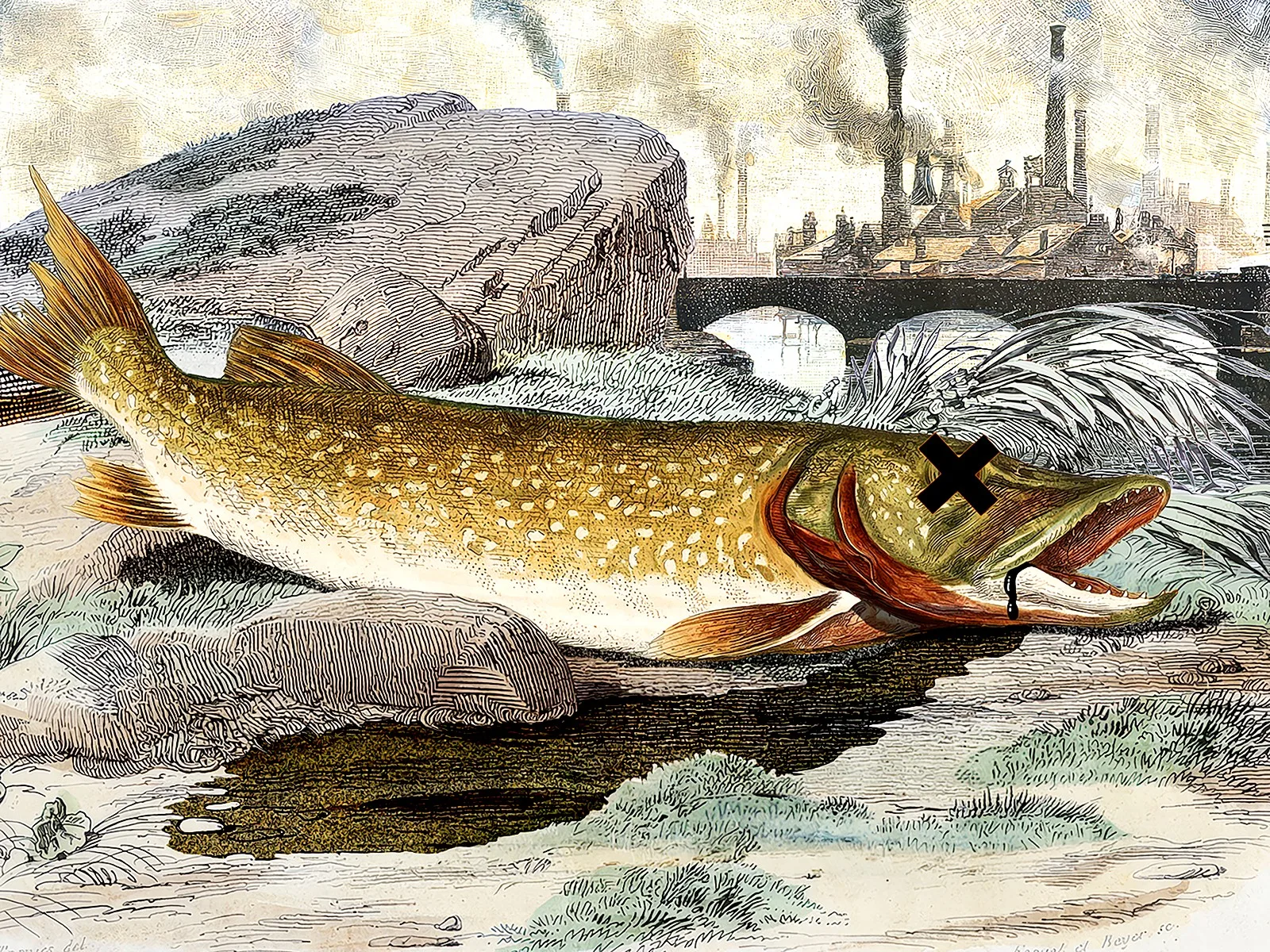
Claudia Aufdermauer07.07.2026Around 1860, arsenic was widely known as a poison used in murder cases. Nevertheless, the authorities in Basel were initially oblivious to the potential dangers emanating from its use in dye production. The cantonal chemist alone recognised that the industrial use of the ‘King of Poisons’ could have unintended consequences for both people and the environment.
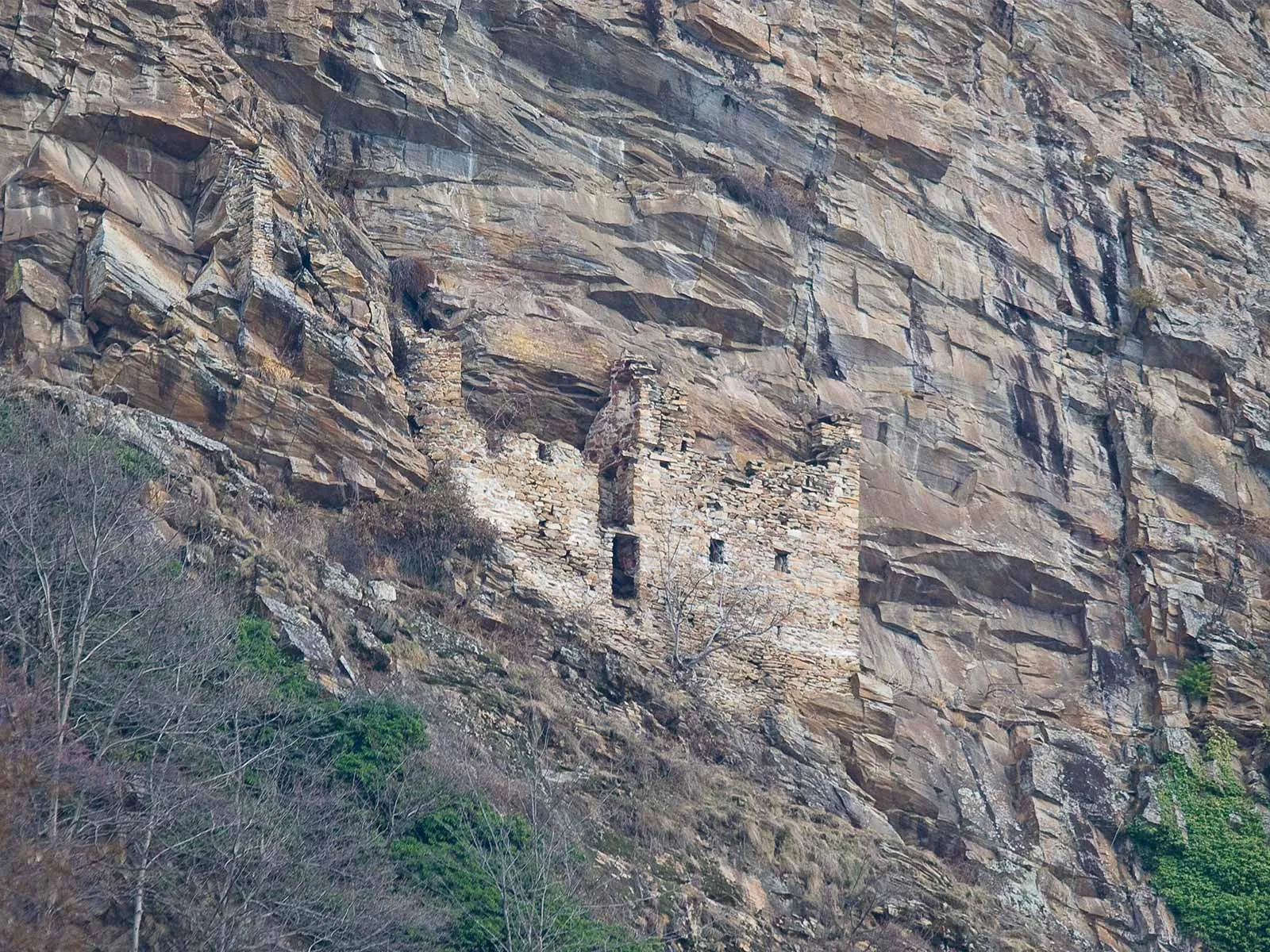
Thomas Weibel02.07.2026Ticino’s Blenio Valley is home to a series of fortified cliff dwellings known as the ‘case dei pagani’ or ‘pagan houses’. These near-inaccessible ruins are the setting of many scary stories and continue to puzzle researchers to this day.
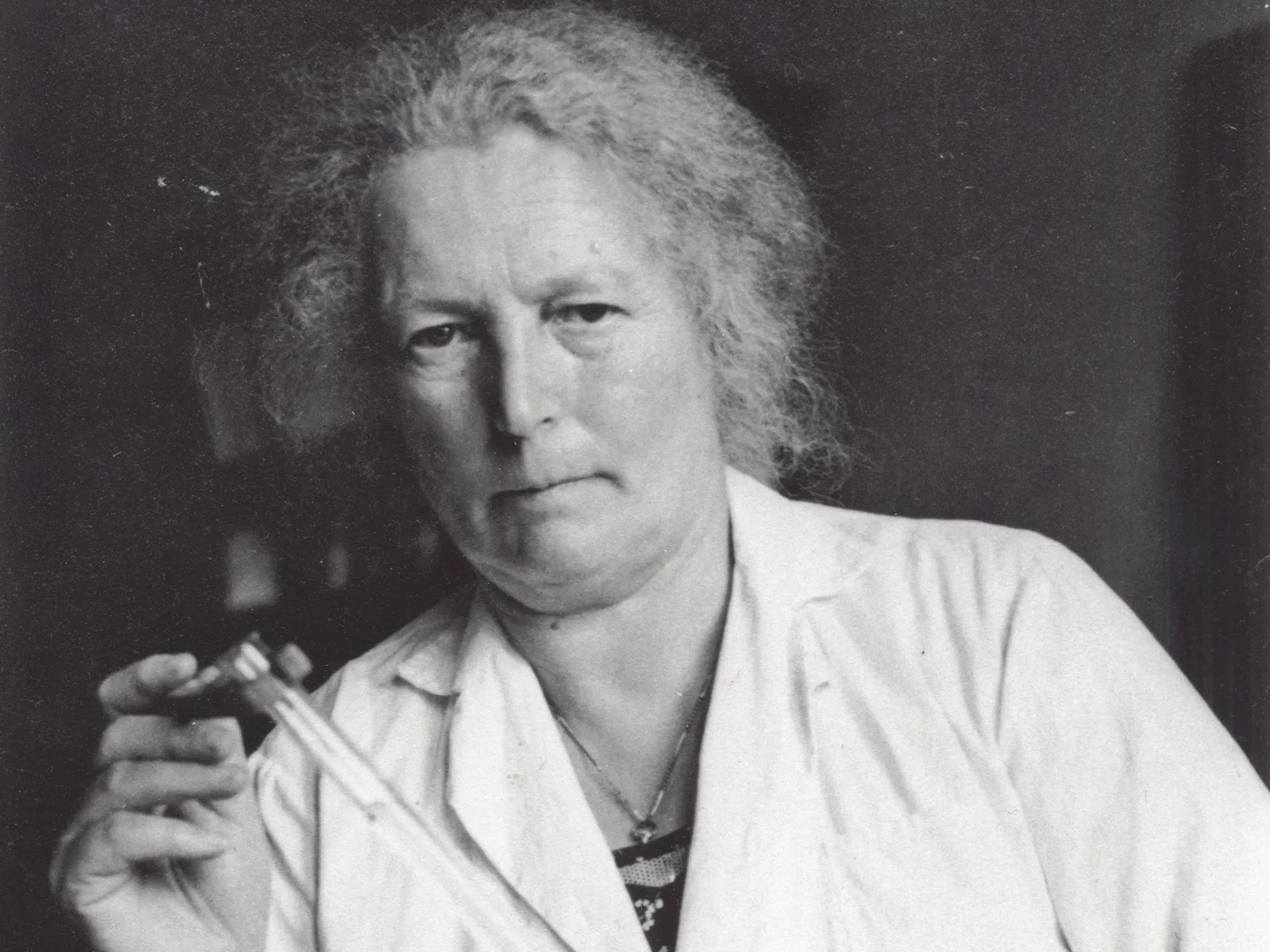
Marilyn Umurungi18.06.2026Bernese chemist Gertrud Woker was one of the first women in Europe to research the deadly effect of poison gases. She campaigned throughout her life to prevent the results of her research being used on the battlefield. An object of admiration and derision, Gertrud Woker was ahead of her time.
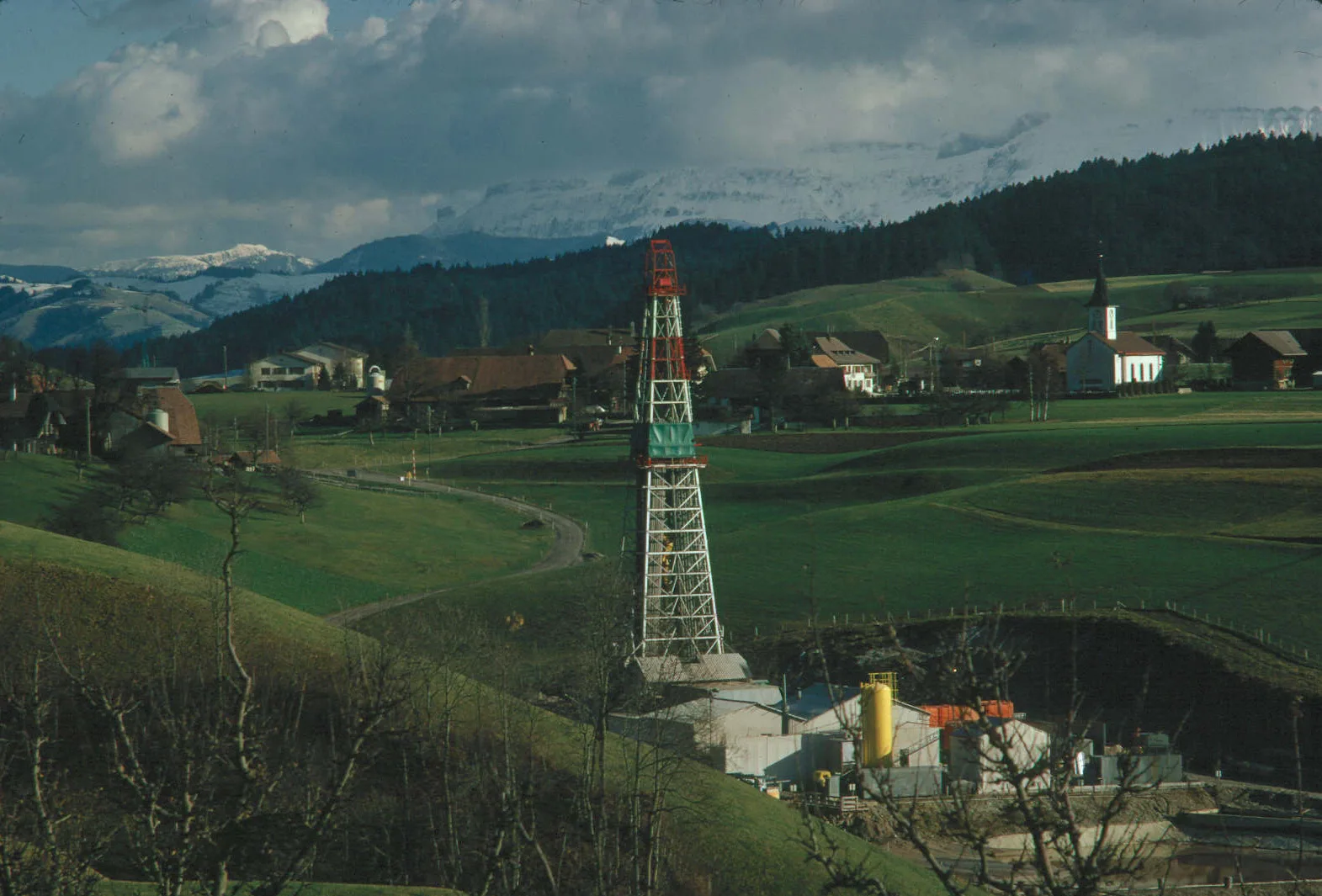
Reto Bleuer23.04.2026In the spring of 1972, a 45-metre high drilling rig was erected at the foot of the Kurzenberg hill, amid cows grazing in green pastures. Its drill head penetrated kilometres deep into the layers of rock – in search of ‘black gold’.
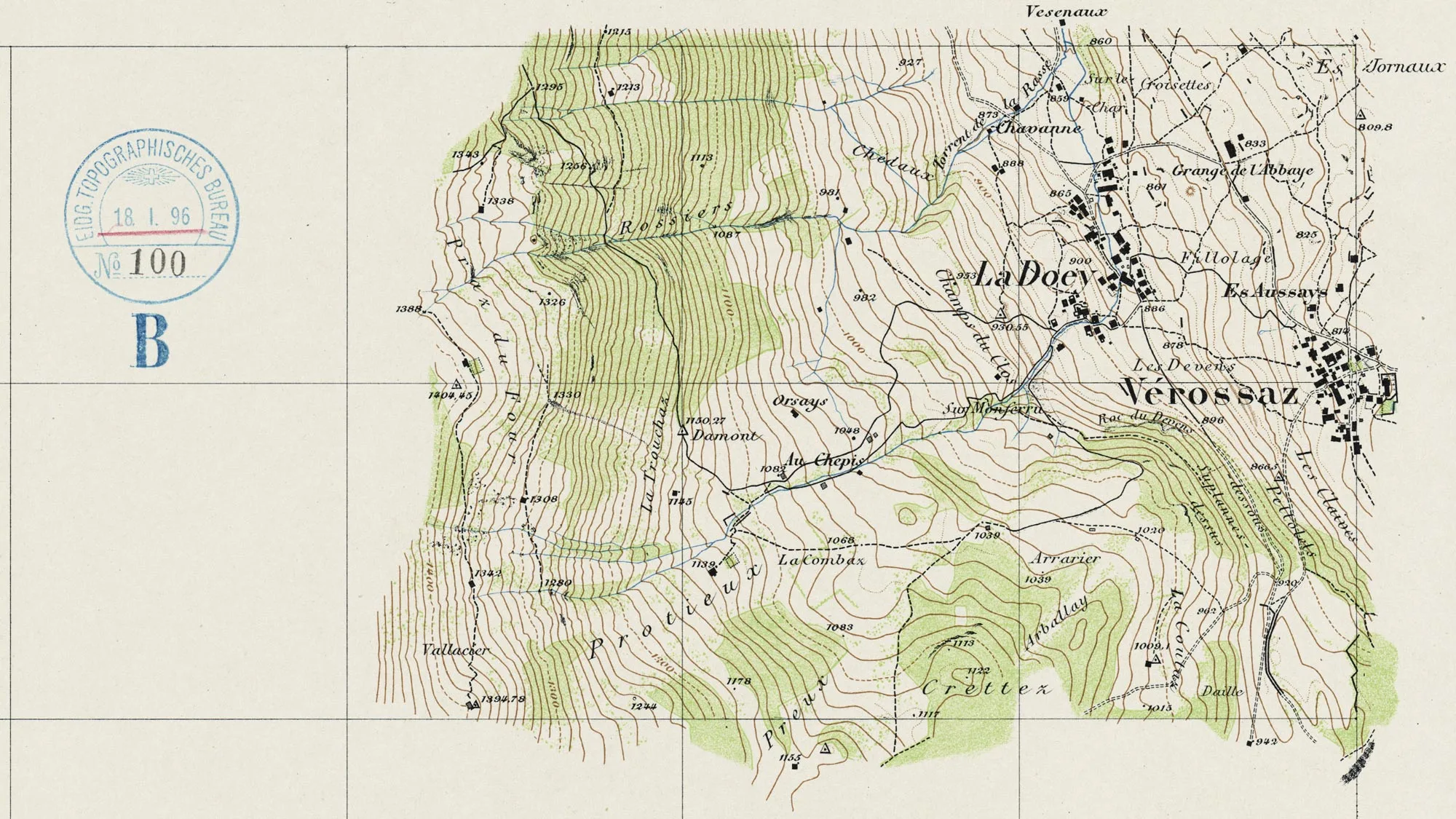
Felix Frey02.04.2026Between 1888 and 1952, the Federal Office of Topography produced secret, large-scale maps of Switzerland’s fortified areas. Based on work carried out under the most challenging conditions, these provide a fascinating insight into a hidden mountain world.
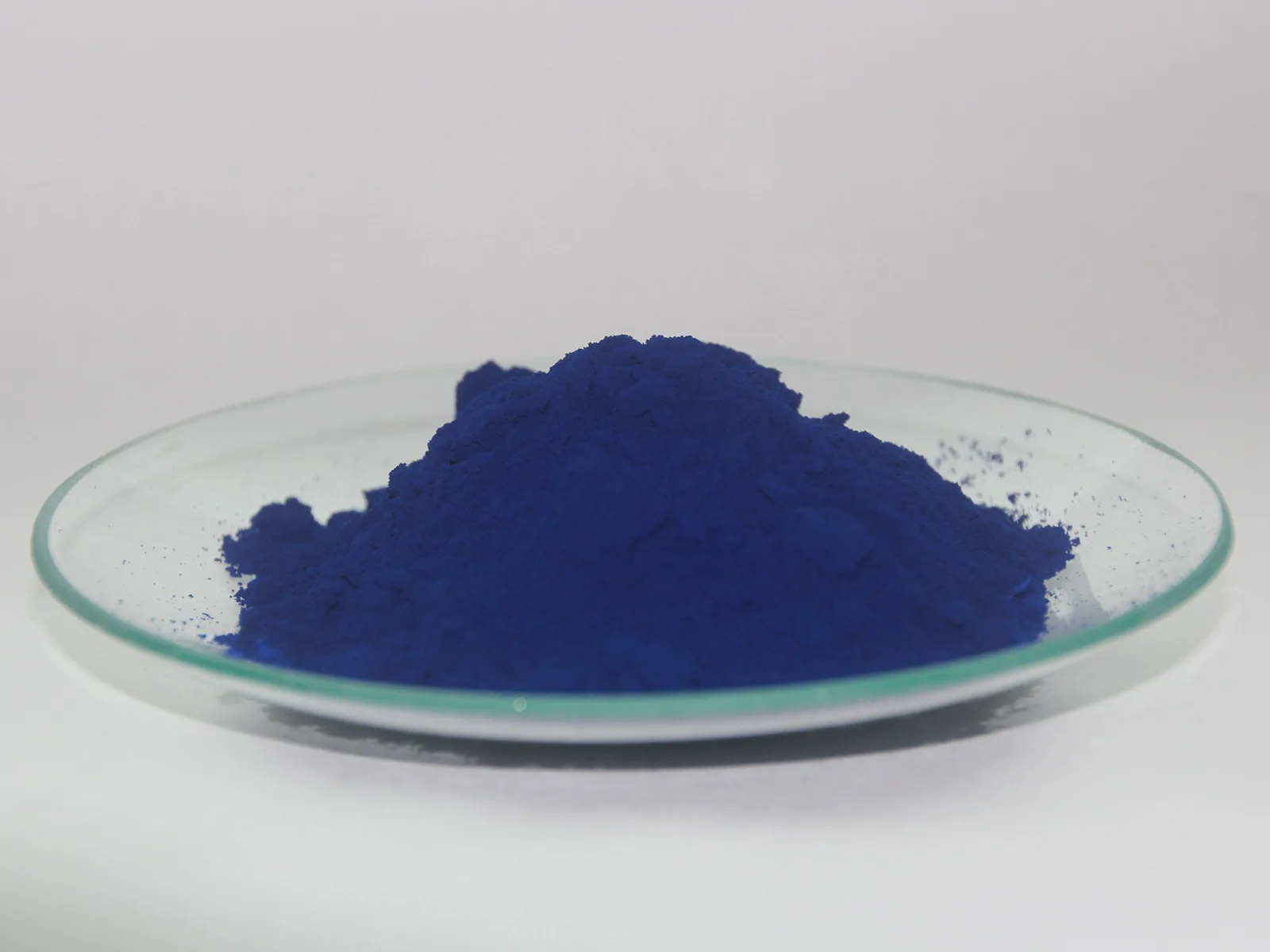
Barbara Basting19.03.2026Johann Jacob Diesbach was trying to develop a red lacquer. However, to his surprise, he came up with a vibrant blue. This is the story of a Berlin-based Swiss inventor.