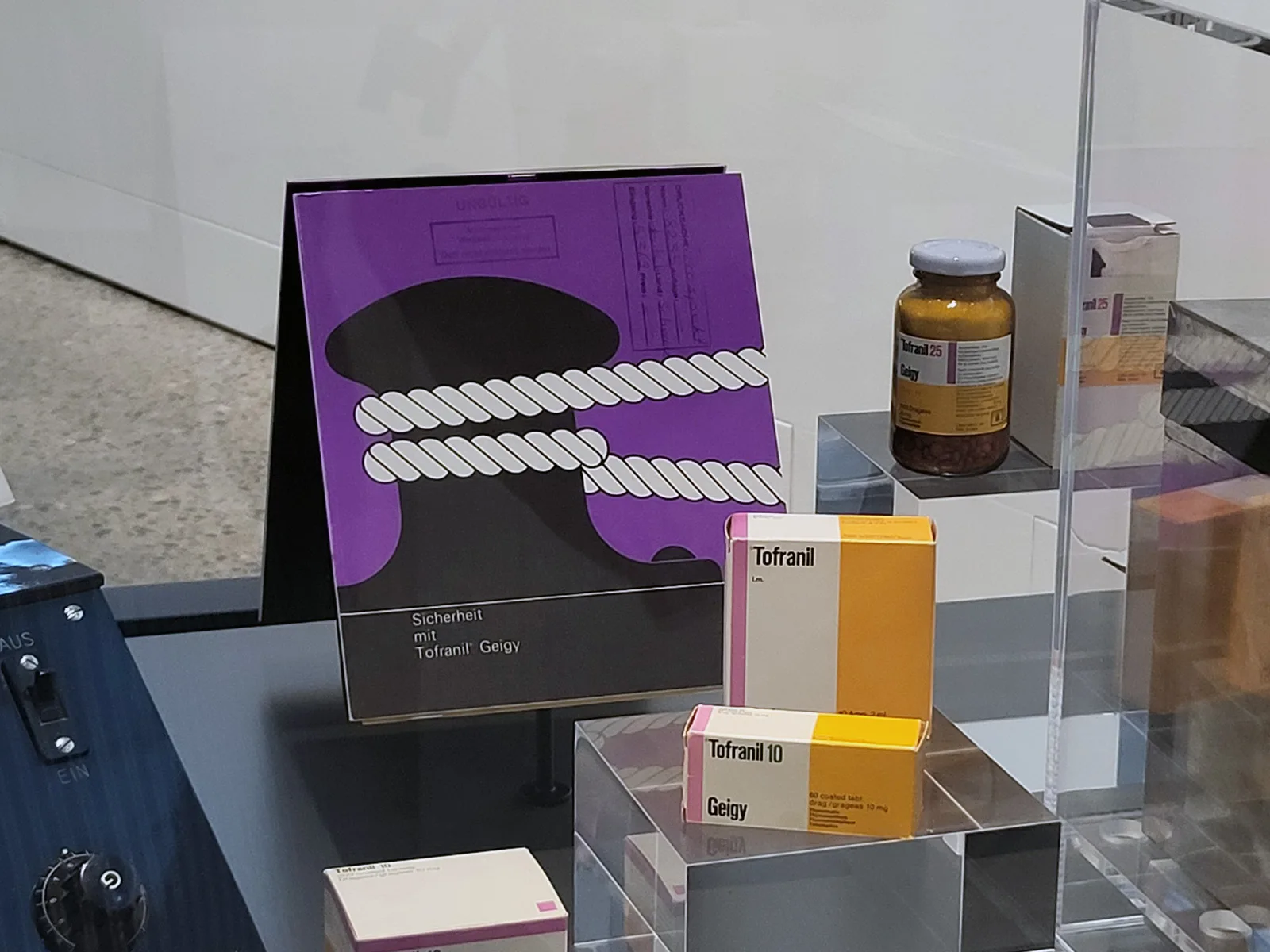
Pascale Meyer08.01.2026From LSD and Largactil to Valium, psychotropic drugs fundamentally changed the treatment of mental disorders in the 1950s and quickly became marketing-driven products. Swiss pharmaceutical companies played a key role in this.
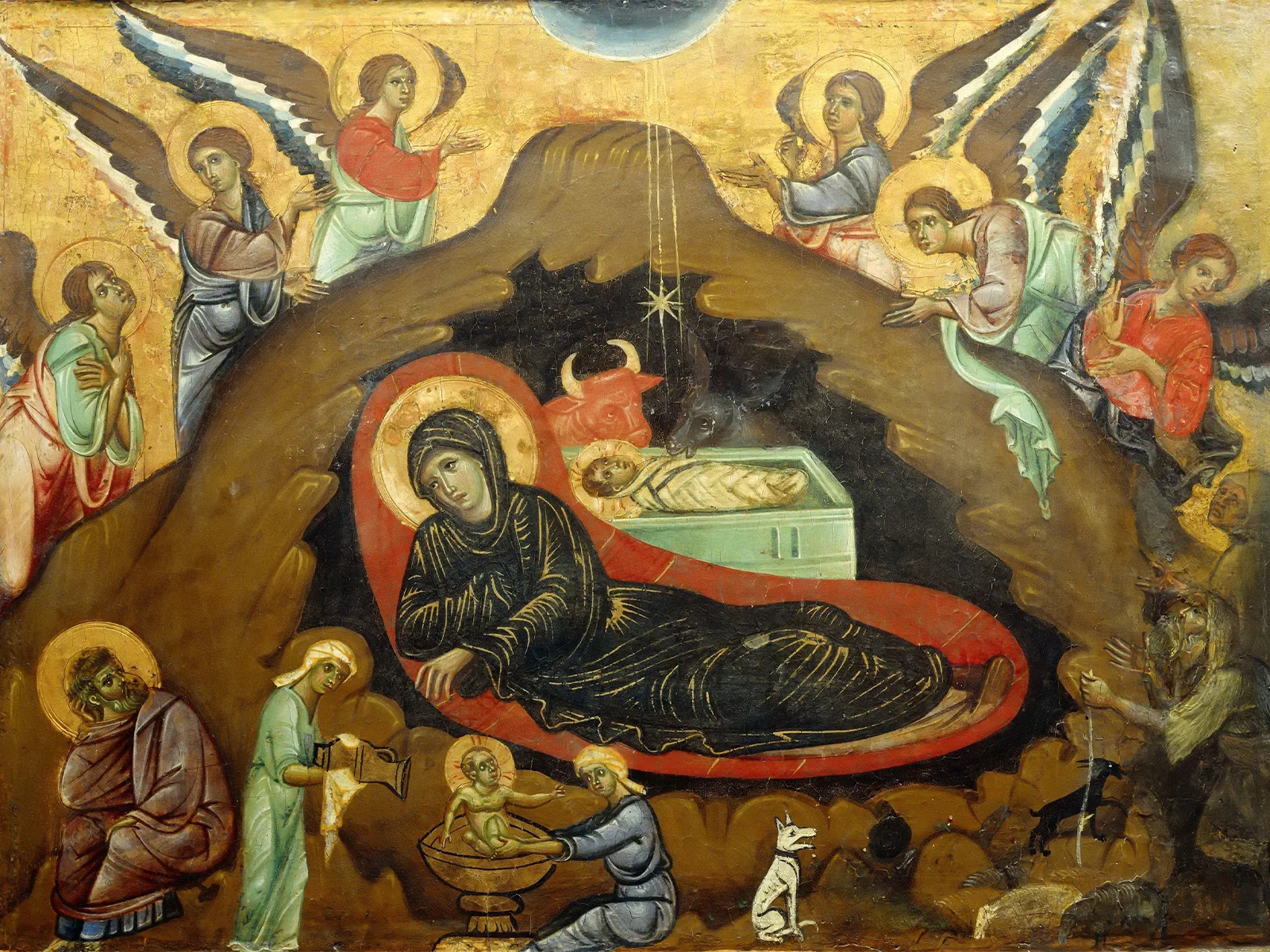
Alexander Rechsteiner11.12.2025The setting in which Jesus actually came into the world remains a mystery – but the way it has been imagined has shaped Christian Christmas culture for centuries. In art and crib building, the nativity scene has been depicted in various locations, including a stable, a cave, a ruin, and a house, in each case reflecting the values and ways of life of the respective periods.
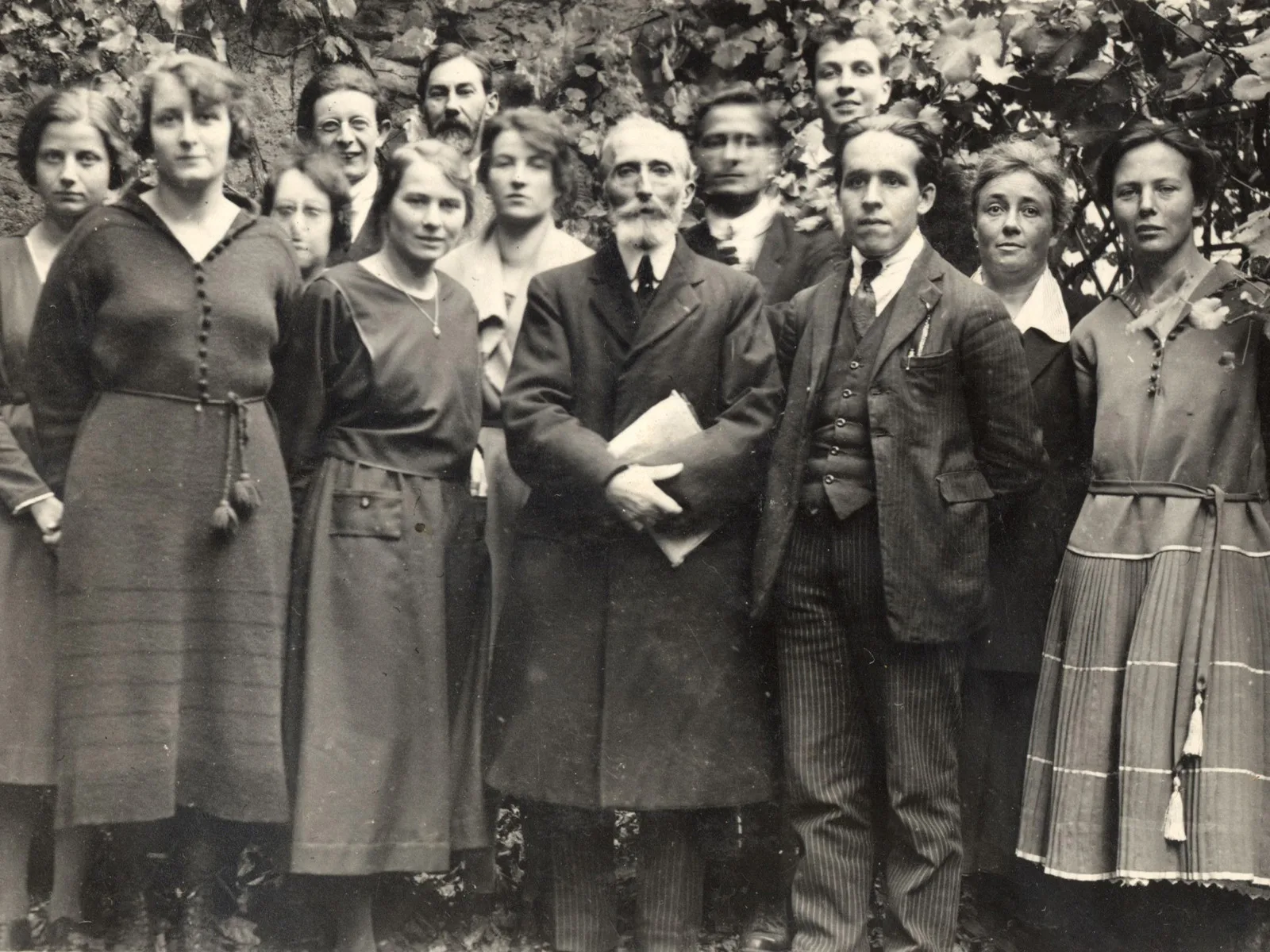
Sabine Richebächer20.11.2025The name Sabina Spielrein (1885-1942) mostly conjures up images of a very young woman who was both patient and friend to C. G. Jung before later becoming a psychoanalyst in her own right. But as well as practising as a therapist, she played a key role in shaping many theoretical and organisational aspects of the nascent field of psychoanalysis.
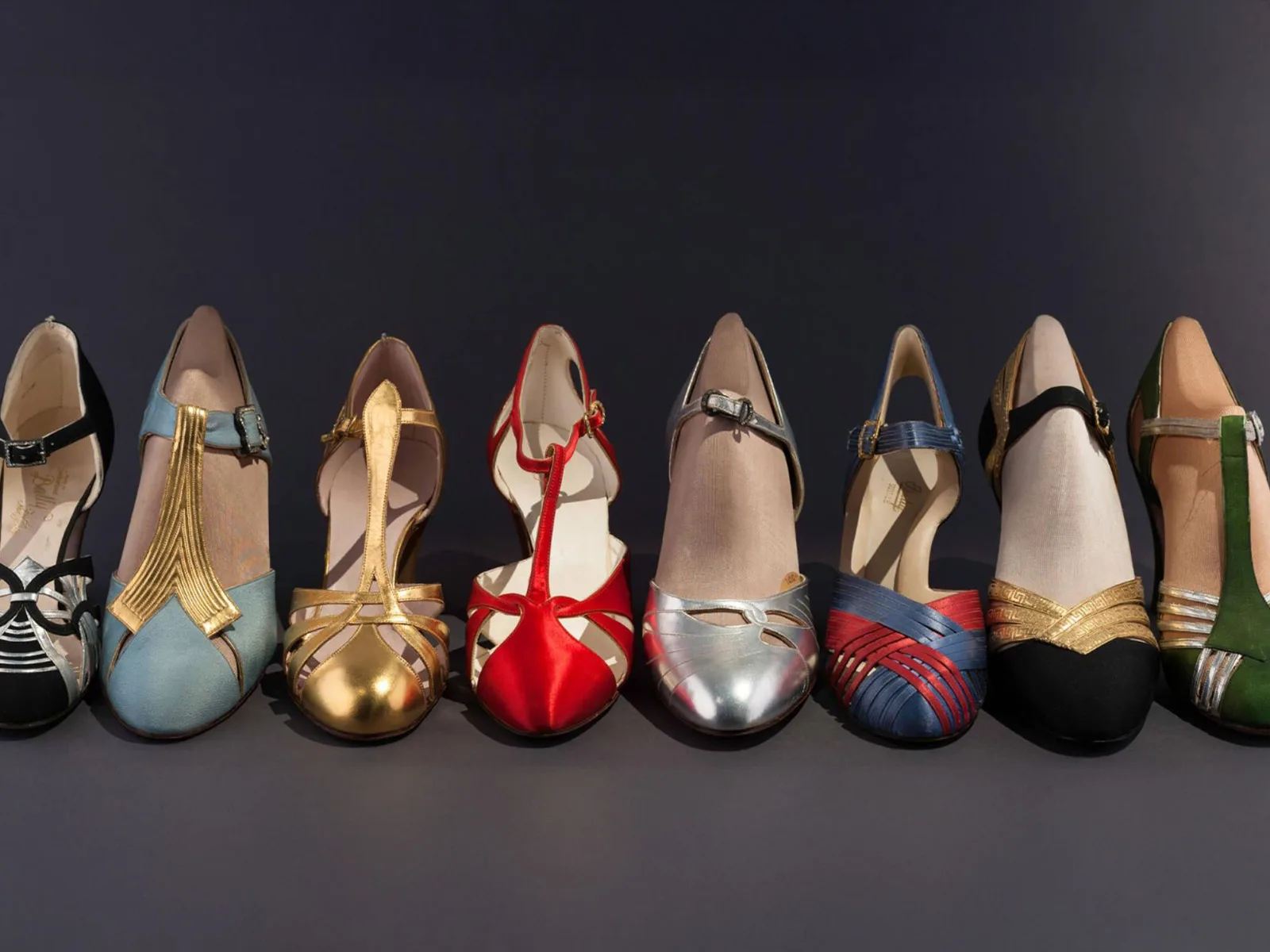
Murielle Schlup07.08.2025High heels are a perennially popular fashion accessory. Nowadays, it’s usually women who wear them as the days of men going into battle on horseback with heeled footwear are in the past. The cultural history of the high heel is a mixture of myth, modishness and might.
Michael van Orsouw11.06.2025Louis-Philippe (1773–1850), Duke of Orléans and the man who would eventually become King of the French, spent some time in Switzerland after fleeing the turmoil that followed the French Revolution. He lived in the cantons of Zurich, Zug, Aargau and Graubünden – and his story continues to inspire Swiss novelists to this day.
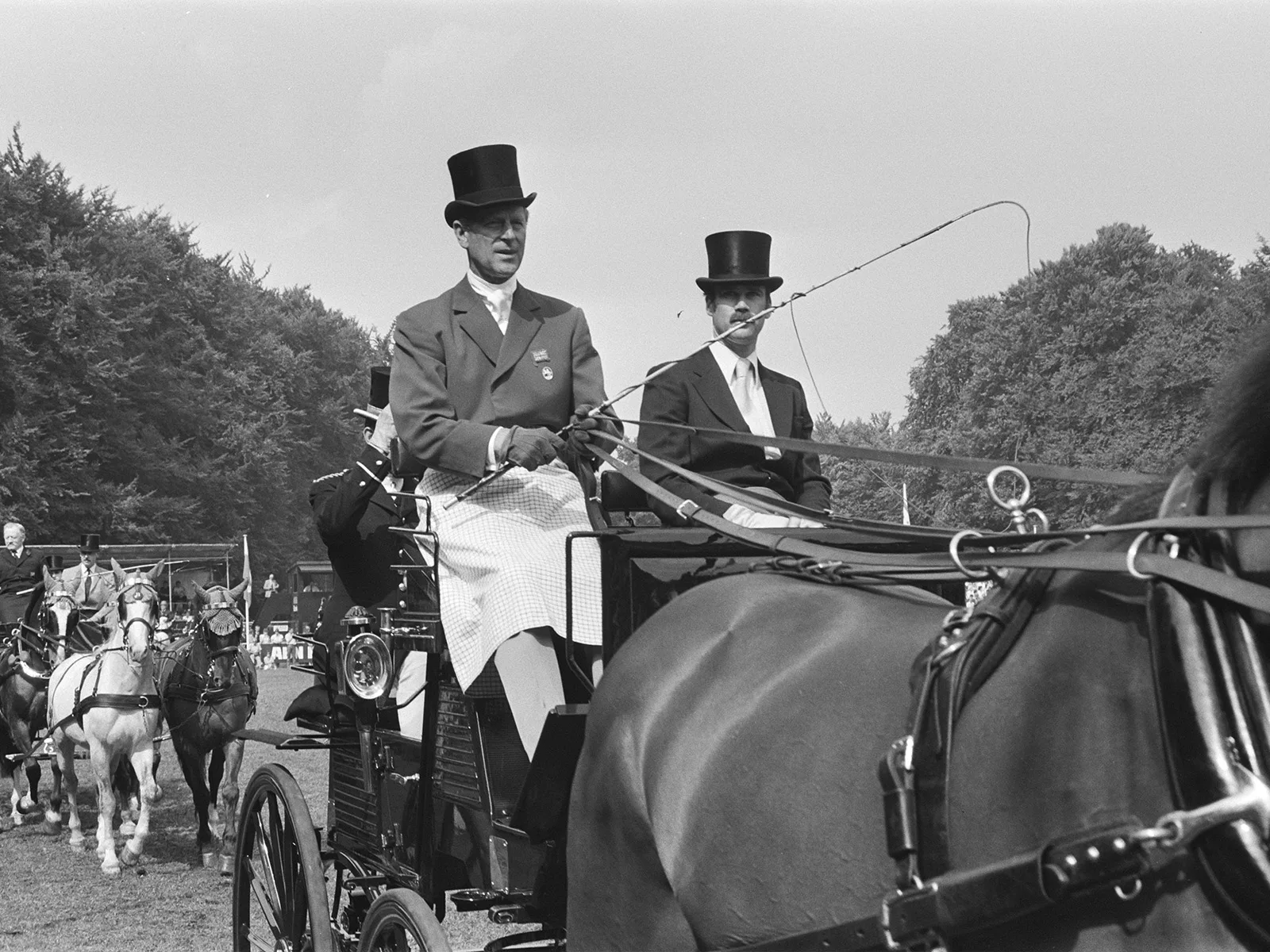
Michael van Orsouw03.06.2025Prince Philip, the Queen’s consort and father of the current British monarch, visited Switzerland many times ‒ far more often than his wife. On one such occasion, he took part in the 1981 European Four-in-Hand Carriage Driving Championship held in Zug, where his actions placed the jury in a delicate situation.
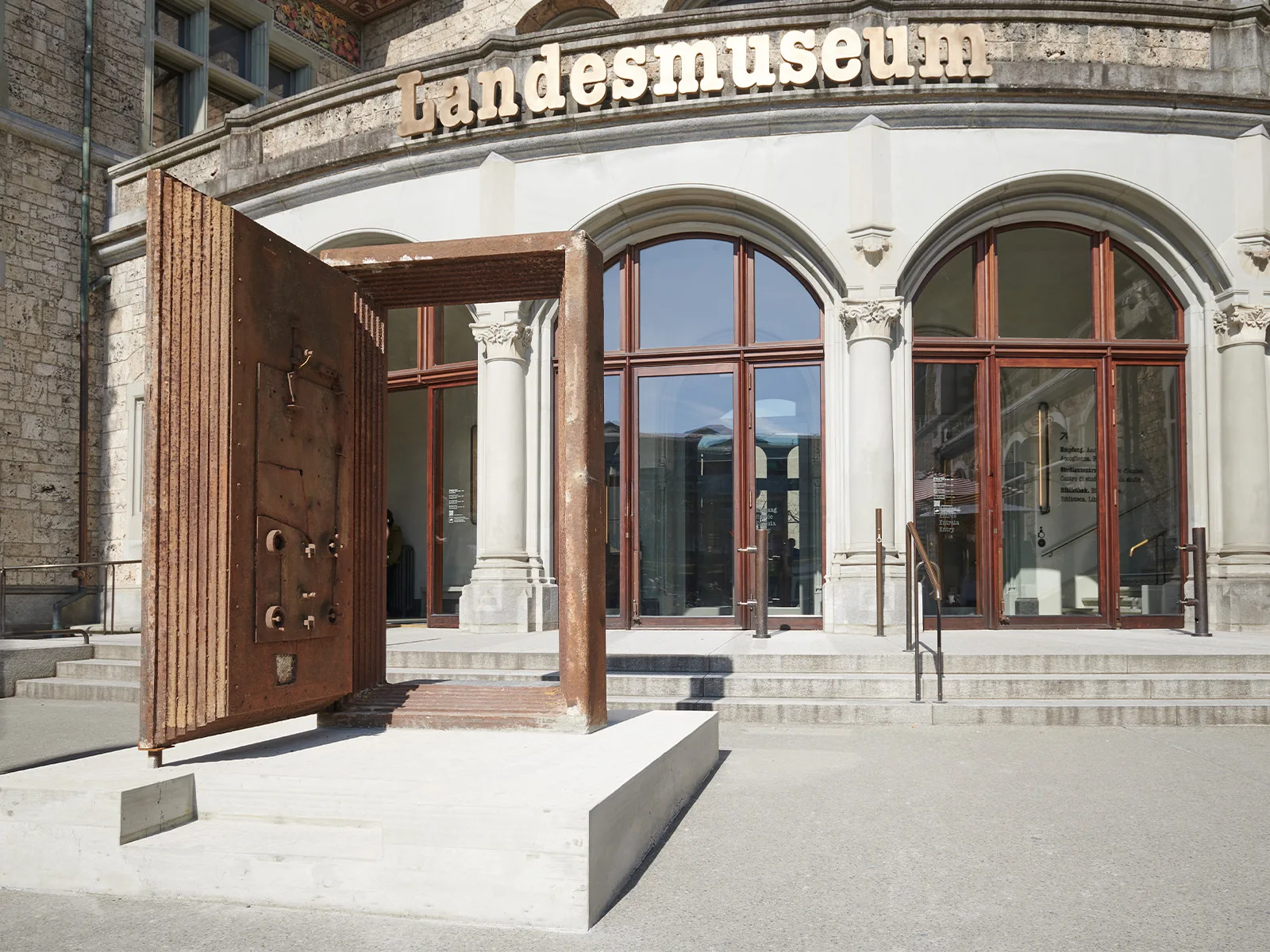
Dimitri Hegemann13.05.2025The steel door from the Tresor Club in Berlin is an icon of the city’s techno movement. At first it protected the valuables of Berlin’s well-heeled residents in the depths of the Wertheim department store, and later it was a threshold crossed by hundreds of thousands of clubbers.
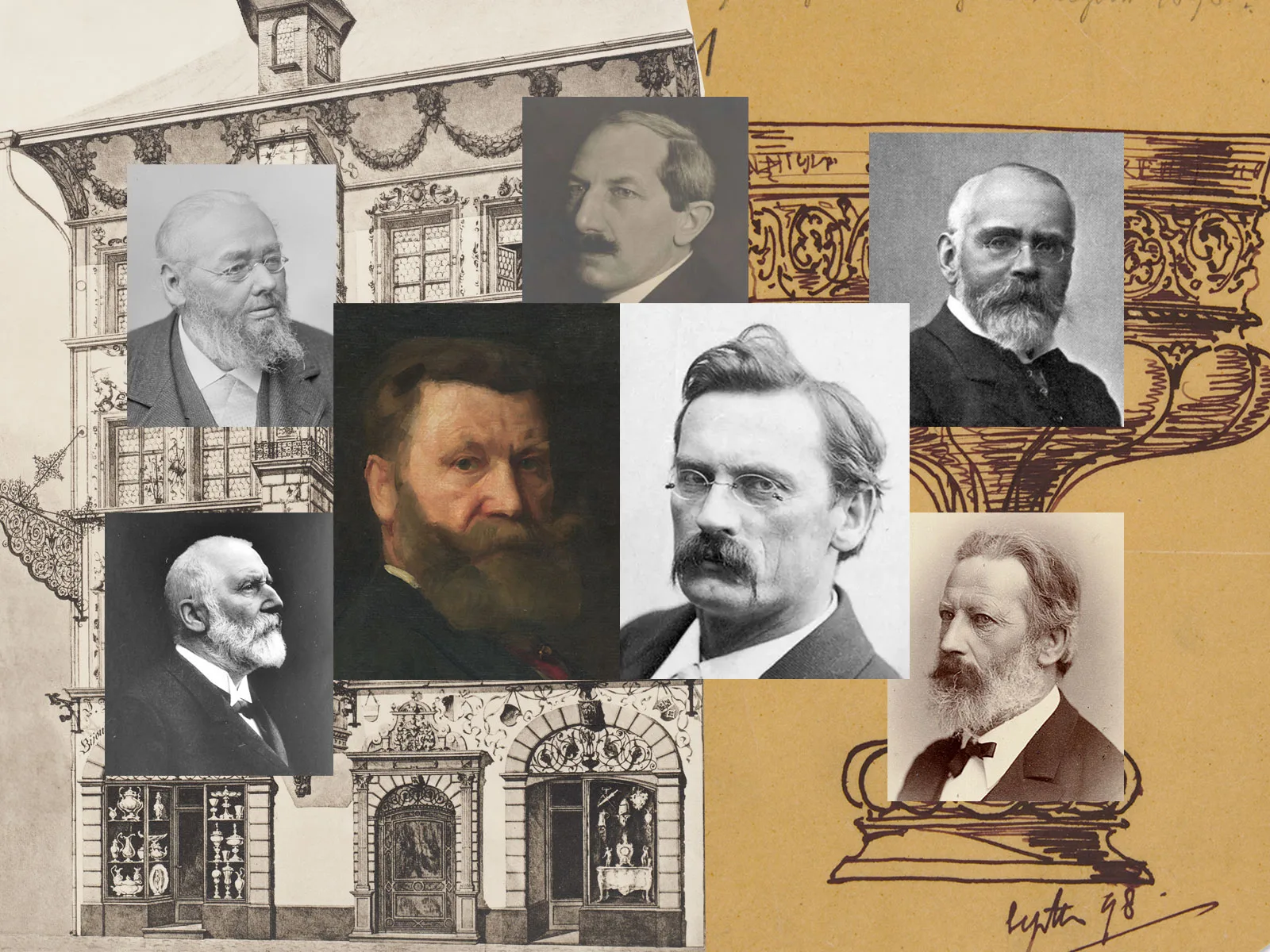
Cristina Gutbrod28.01.2025In 1898, the architect Gustav Gull (1858-1942) created designs for two cups as part of a collaboration with the goldsmith’s workshop run by Johann Karl Bossard (1846-1914) in Lucerne. That same year, the newly built Swiss National Museum in Zurich, also designed by Gull, opened its doors to the public. Gull and Bossard’s impressive networks of contacts came together in the planning and design of the museum.