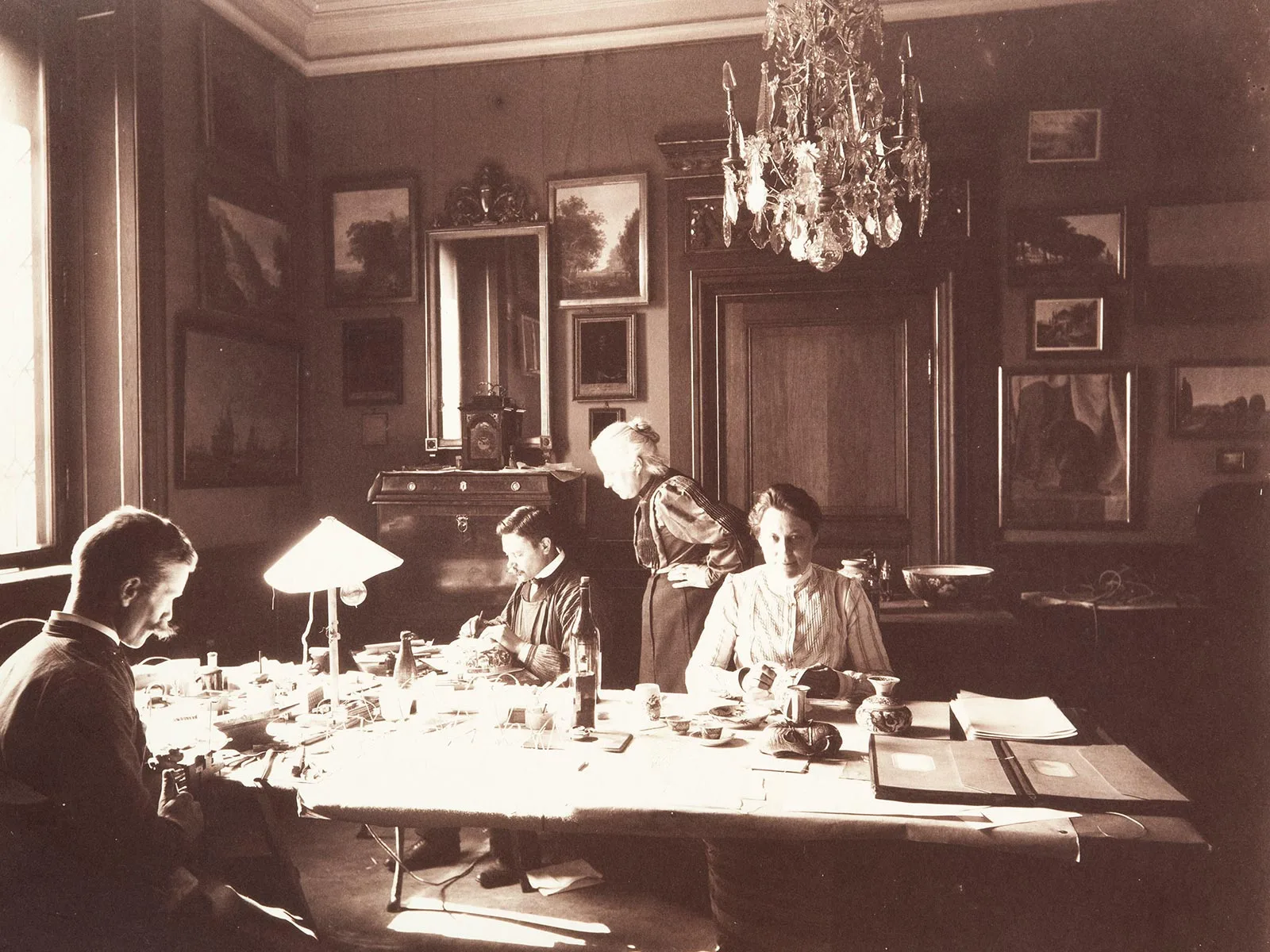
Murielle Schlup04.08.2026Around 100 years ago, a Swedish heiress secured the inheritance of the von Hallwyl family, into which she had married in 1865. The National Museum Zurich is part of that story.
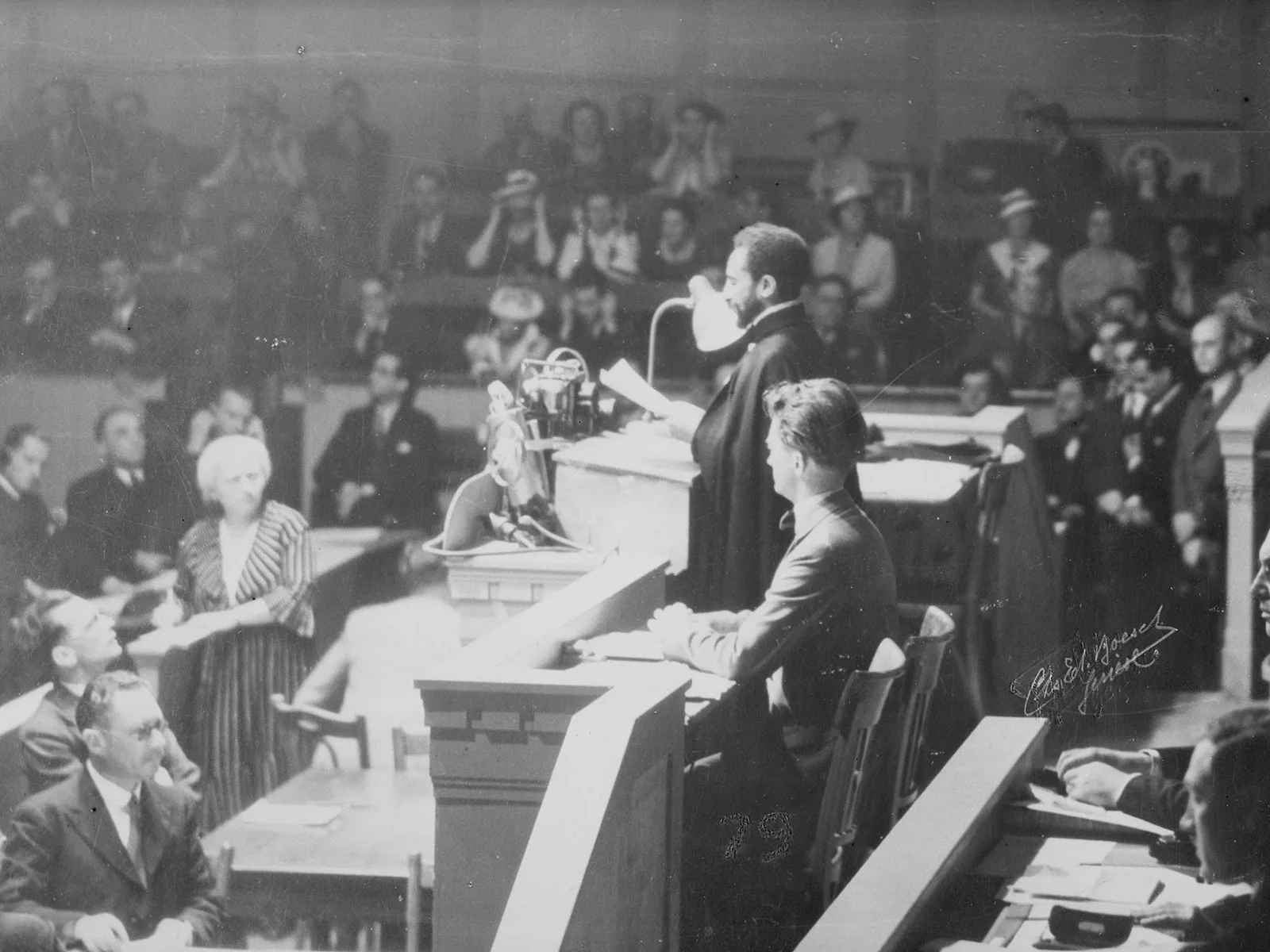
Murielle Schlup30.06.2026Following Fascist Italy’s invasion of Abyssinia in 1935, the deposed Ethiopian Emperor Haile Selassie called on the League of Nations in Geneva for support. To no avail; Switzerland regarded him as an “inconvenient guest” and refused him asylum.
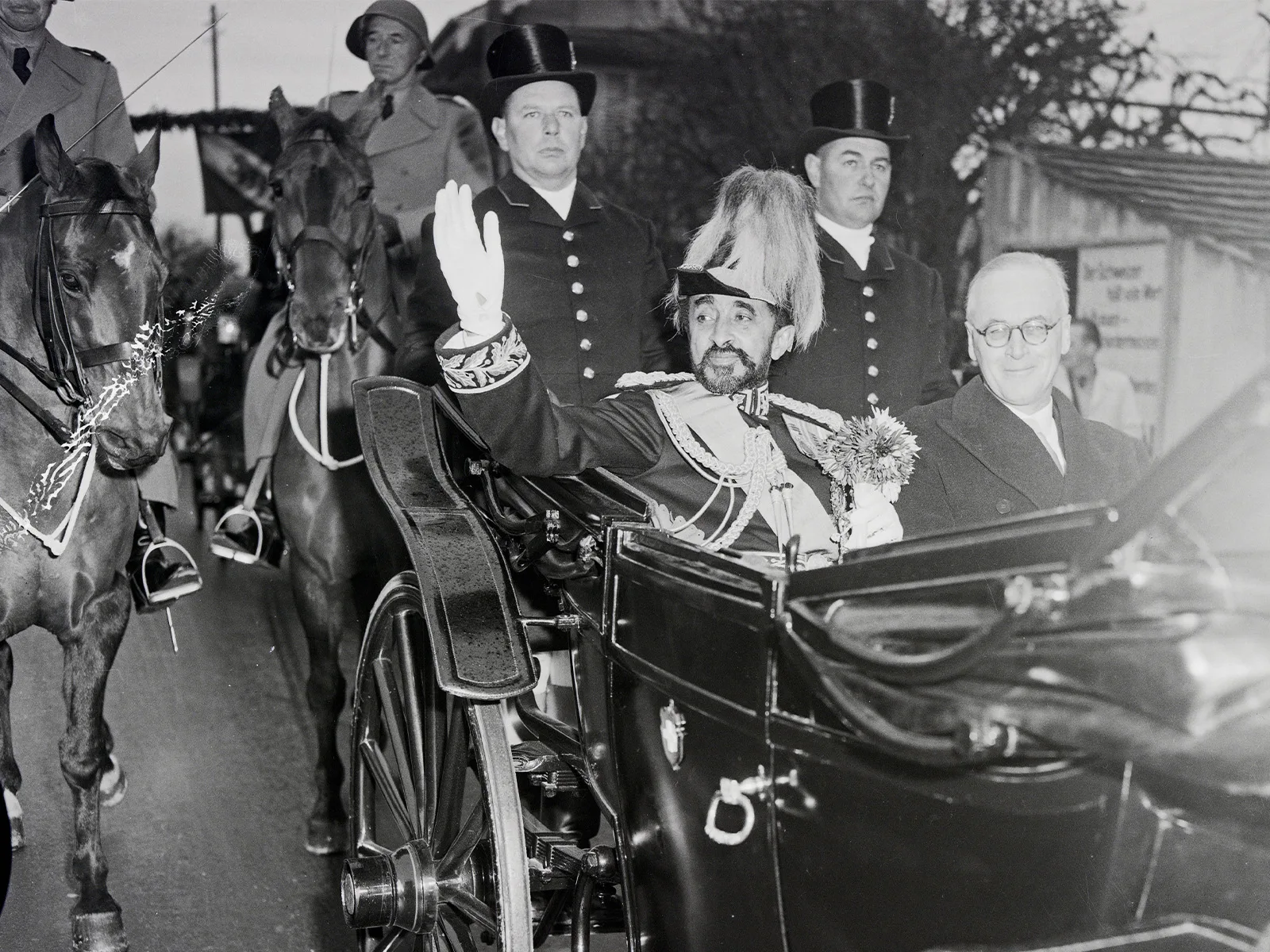
Murielle Schlup06.11.2025The 1954 state visit to Switzerland of Haile Selassie (1892–1975), the last Ethiopian emperor, caused quite a stir. Some of his gifts and a belated thank-you letter sparked irritation and gave rise to speculation.
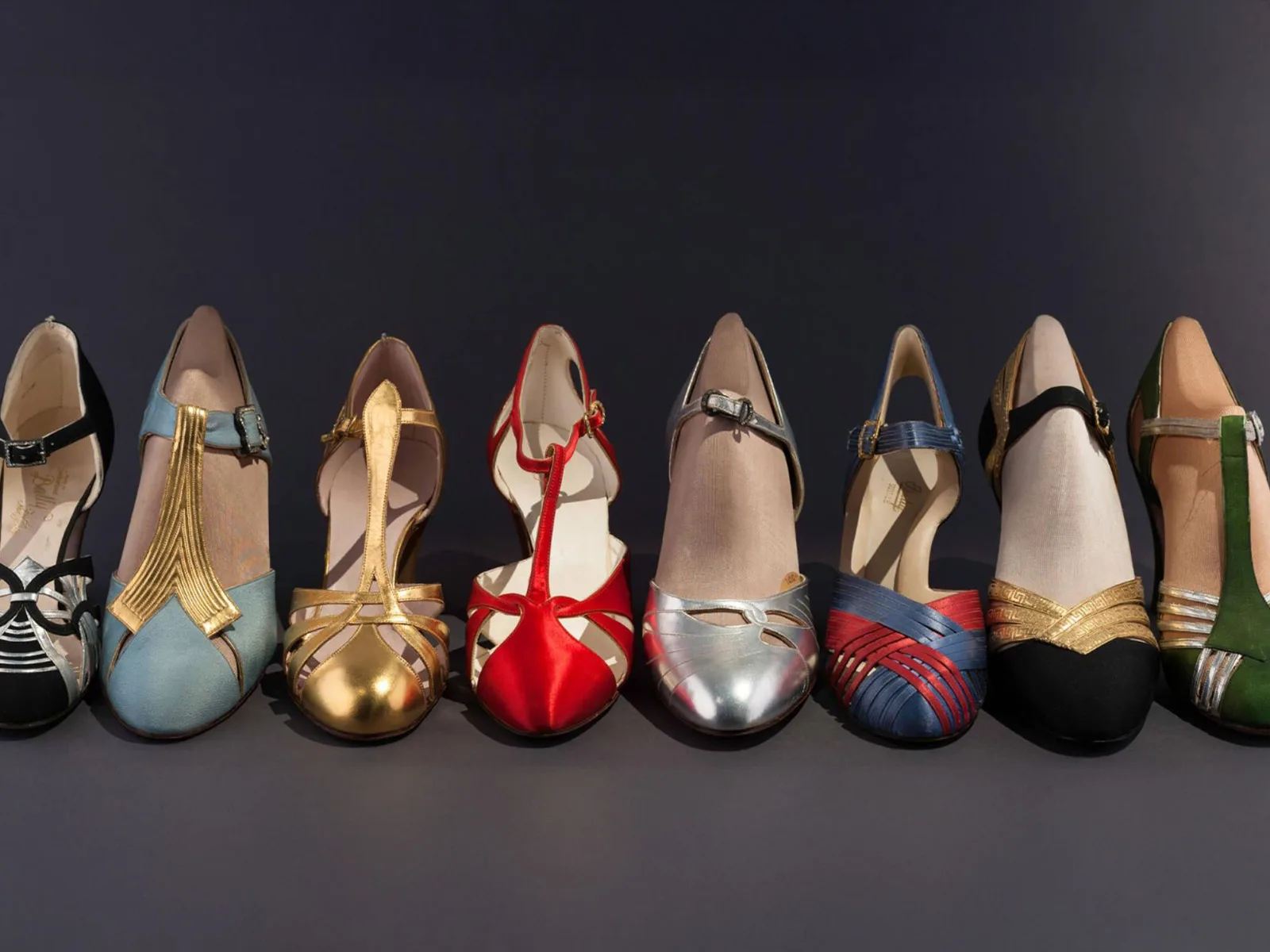
Murielle Schlup07.08.2025High heels are a perennially popular fashion accessory. Nowadays, it’s usually women who wear them as the days of men going into battle on horseback with heeled footwear are in the past. The cultural history of the high heel is a mixture of myth, modishness and might.
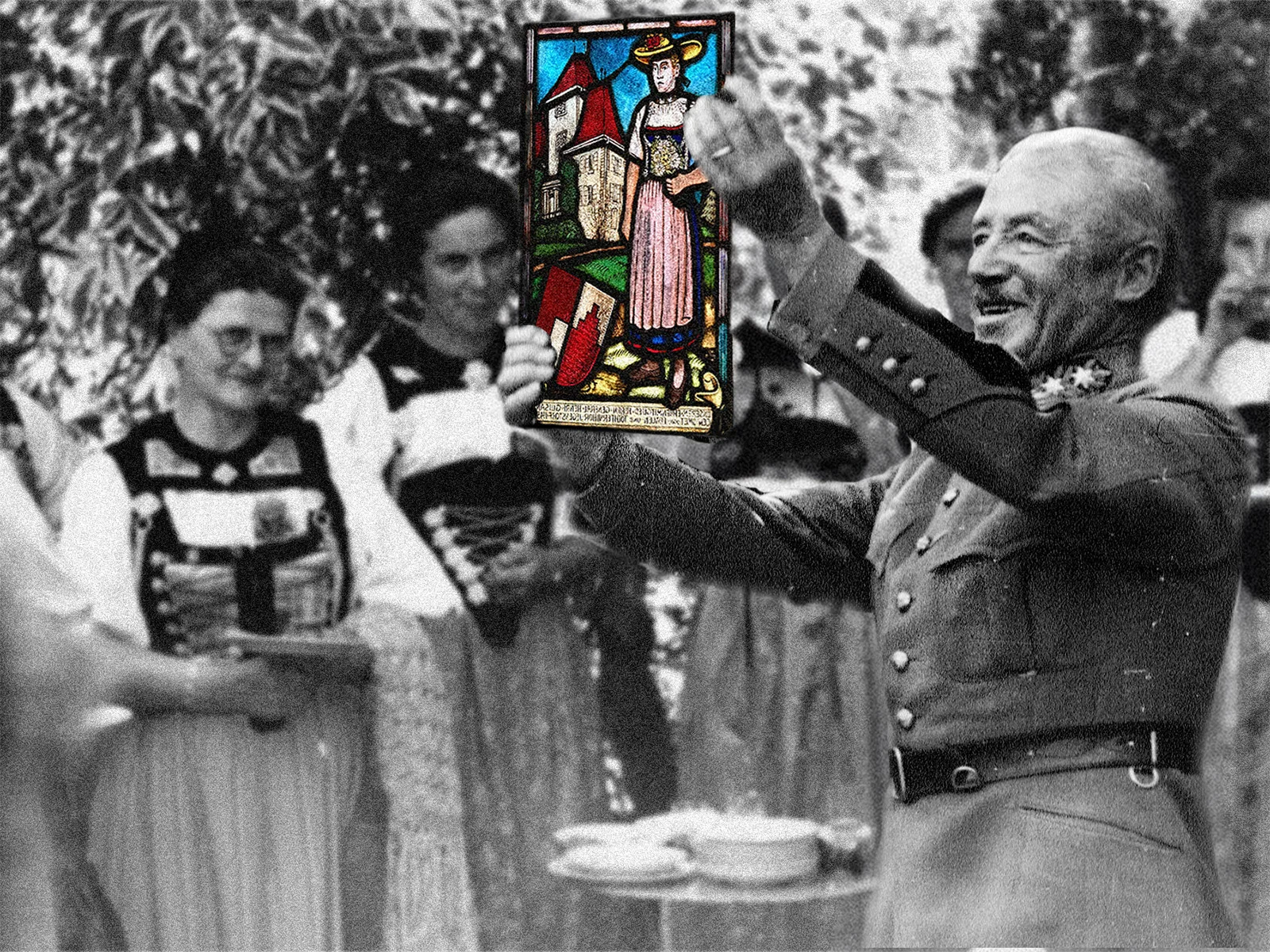
Murielle Schlup08.05.2025Jegenstorf Castle was used as a command post by General Henri Guisan during the last months of the Second World War. Performances by the local all-female choir provided him with some welcome relief from his military duties.
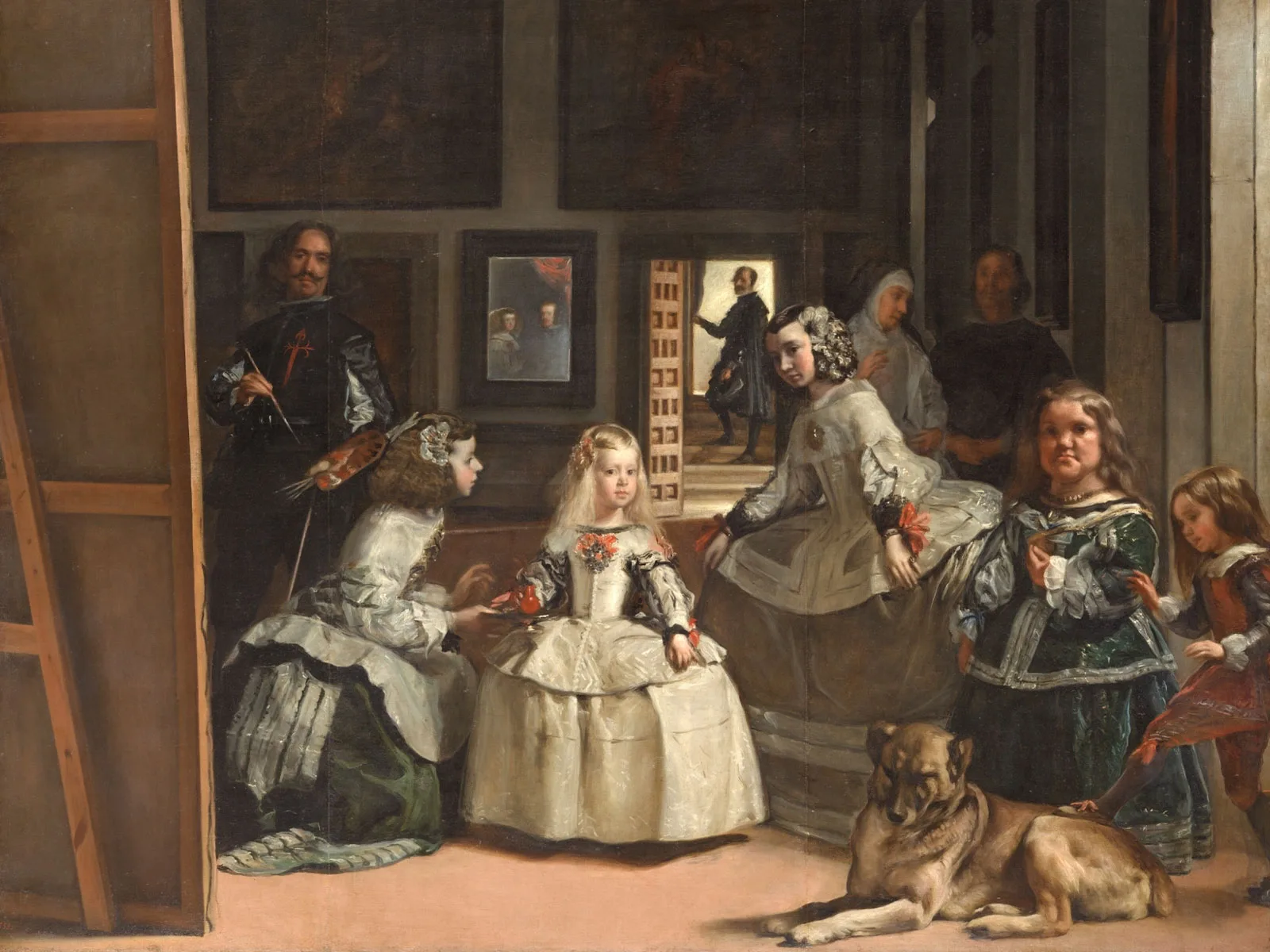
Murielle Schlup31.10.2023Thanks to digital technology, the creation and sharing of portraits is now popular, cheap, and almost obligatory. Before the advent of photography, this task was fulfilled by portrait painting. We take a look at its origins and how it evolved.
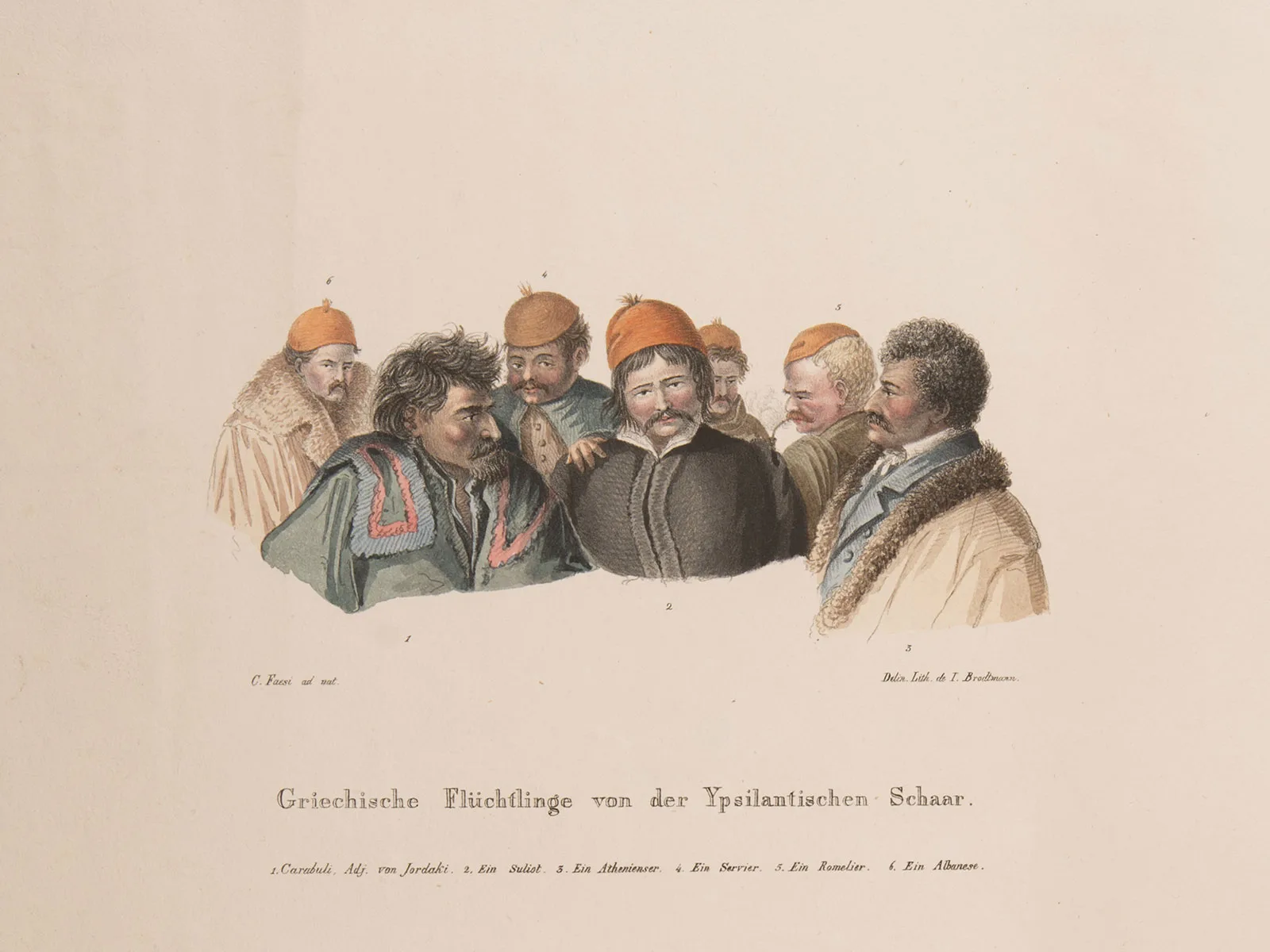
Murielle Schlup18.04.2023In 1823 around 160 Greek revolutionaries ended up in Switzerland, having been defeated and persecuted by the Ottomans. They escaped on foot on a route that took them via Odessa, Bessarabia, Poland and through German states to the border in Schaffhausen.
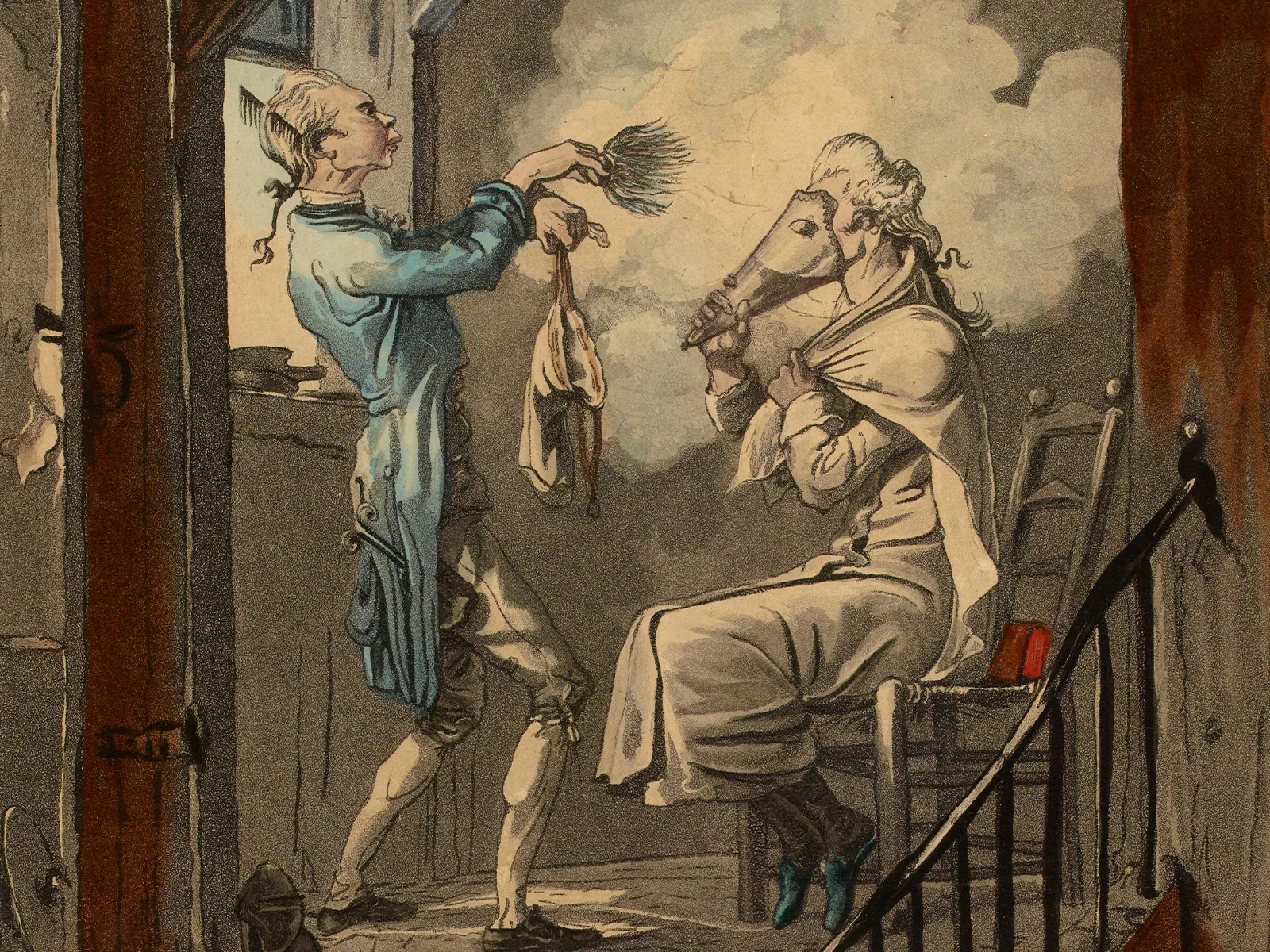
Murielle Schlup16.02.2023During the Baroque and Rococo periods no self-respecting man or woman would consider themselves properly dressed without one finishing touch: their wig. Fashionable first at the French court, their popularity then spread all over Europe. Coiffed hairpieces long served as a symbol of social status for both sexes.