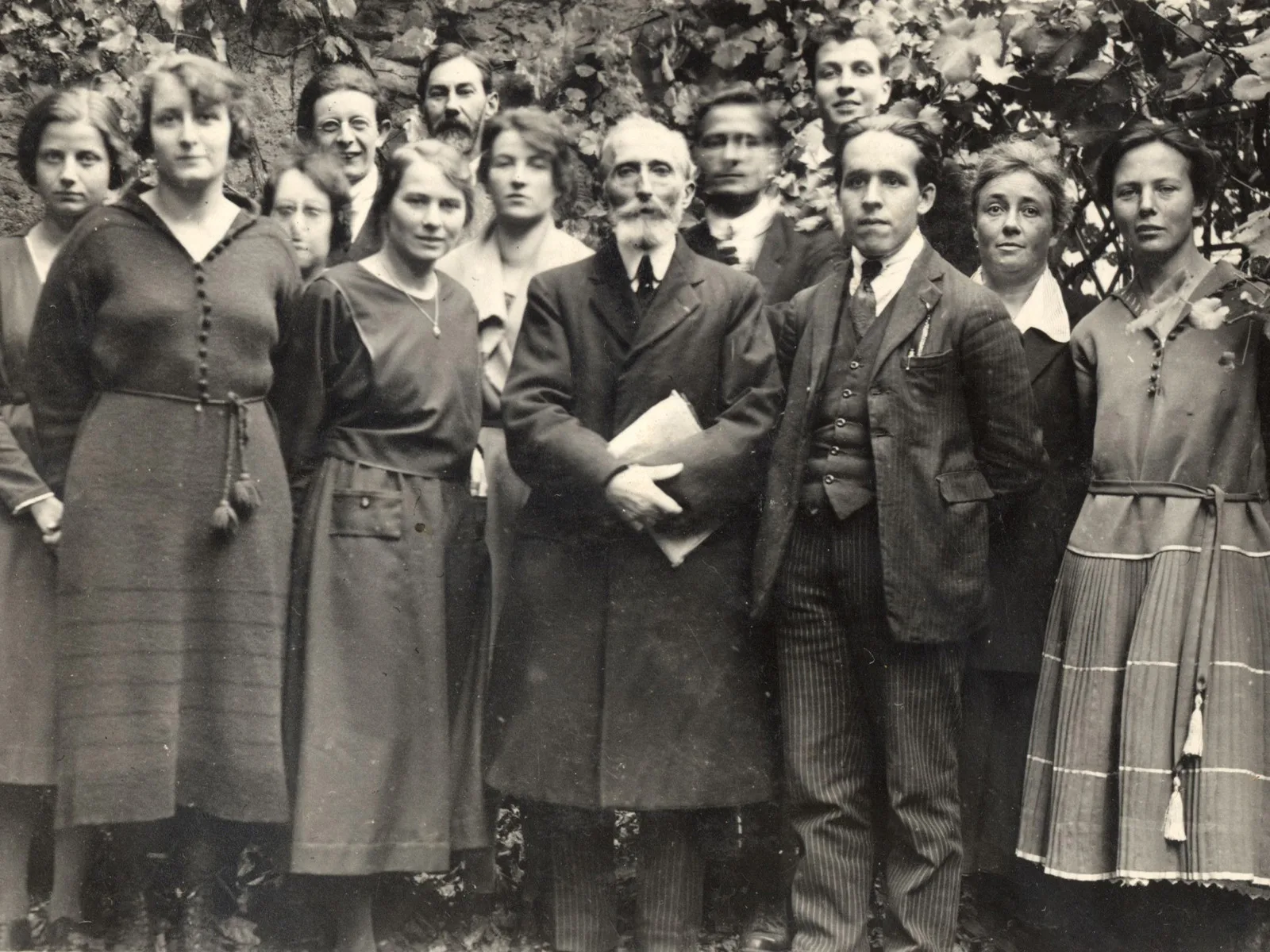
Sabina Spielrein (front row, second from left) began working at the Rousseau Institute in Geneva in 1921 – an academically productive period during which she gave lectures and talks, published papers and conducted a series of training analyses with her colleagues.
Sabina Spielrein (front row, second from left) began working at the Rousseau Institute in Geneva in 1921 – an academically productive period during which she gave lectures and talks, published papers and conducted a series of training analyses with her colleagues. Archives Institut Jean-Jacques Rousseau, University of Geneva

Sabina Spielrein – a rediscovered voice of psychoanalysis

The name Sabina Spielrein (1885-1942) mostly conjures up images of a very young woman who was both patient and friend to C. G. Jung before later becoming a psychoanalyst in her own right. But as well as practising as a therapist, she played a key role in shaping many theoretical and organisational aspects of the nascent field of psychoanalysis.

Sabine Richebächer

Sabine Richebächer

Dr. phil. Sabine Richebächer is a psychoanalyst based in Zurich. She has spent many years researching Spielrein’s life and work and published a biography on the subject.
“The Spielrein family is one of those Russian-Jewish families, one half of which was murdered during the Red Terror and the other by the Nazis.” This sentence, spoken by the author of this article while giving a talk at Moscow State University in 2009, prompted one outraged listener to leap to his feet and shout in protest. A female audience member also stood up, but spoke calmly and at length in Russian while others attempted to quieten the irate man. The lecture and discussion then continued as normal. This episode highlights the delicate nature of delving into history in the present day Russian Federation, especially when that history involves the victims of Stalinism and the Holocaust ‒ an area of research that has now come to a complete standstill. What prompted the reaction of a single individual in 2009 has meantime become the dominant myth peddled by Putin: that of Stalin as a caring father figure, despite all attempts to educate people otherwise.
Sabina Spielrein, a forerunner of psychoanalysis and child analysis, was forgotten by history for many decades, during which the more than 30 works she had authored languished unnoticed in old copies of psychoanalytic journals. That all changed suddenly at the end of the 1970s when renovation work was carried out at the Palais Wilson in Geneva, the former site of the Institute of Psychology where she had worked. A suitcase was discovered. It was full of Spielrein’s personal papers, including her lengthy correspondence with C. G. Jung and Sigmund Freud. The discovery that Jung had had a love affair with his erstwhile patient caused a stir that attracted attention far beyond the immediate discipline itself. The three-way relationship between Spielrein, Jung and Freud has gone down in literature as a chronique scandaleuse, films have been made of the subject and plays written for the theatre.
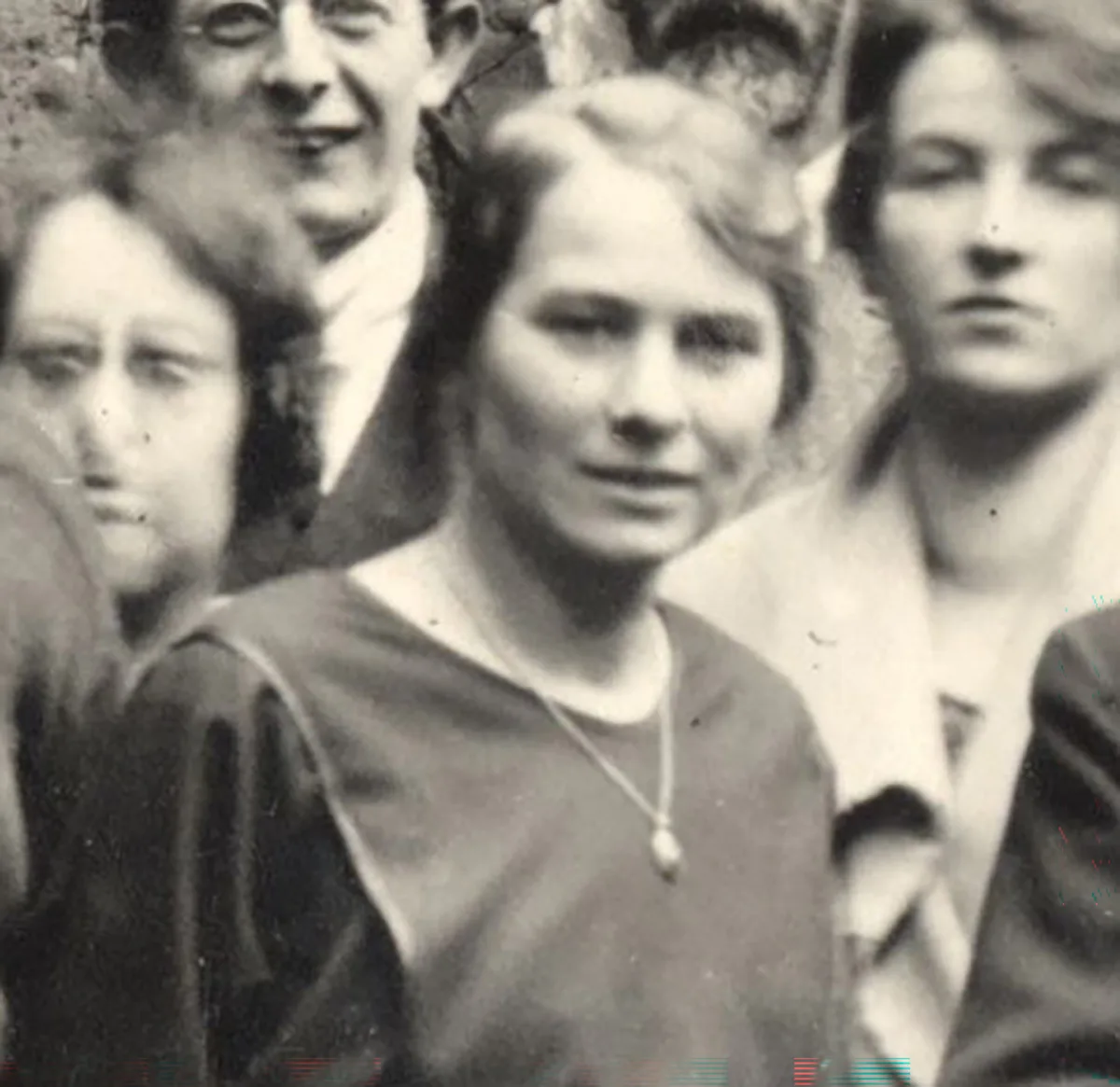
Sabina Spielrein, 1921 (detail).
Sabina Spielrein, 1921 (detail). Archives Institut Jean-Jacques Rousseau, University of Geneva
A little background information can help us understand Sabina Spielrein’s life and achievements. She was born on 25 October 1885 in Rostov-on-Don, a city in southern Russia, as the eldest child of wealthy Jewish merchant Nikolai Spielrein and his wife Eva Lublinskaya, a dentist and one of the first women to study at university level. Sabina had three brothers, Jan (Jascha), Isaac and Emil, and a sister, Emilia (Milotschka), who died of typhoid at the age of six. Spielrein attended the Ekaterininskaya Gymnasium, a local secondary school for girls, from 1896 to 1904, graduating with the gold medal.
Women and Jews were not permitted to study in Tsarist Russia and Spielrein suffered a major breakdown as an adolescent. Her family took her to Western Europe to seek treatment ‒ a common practice among rich Russians at the time. After all manner of detours and disappointments, the young woman was finally admitted to the Burghölzli psychiatric hospital in Zurich, where she became what C. G. Jung described as his “psychoanalytic test case”. Her stay as an inpatient at Burghölzli marked a turning point in Spielrein’s life. She would subsequently go on to study medicine in Zurich and become a pioneer of psychoanalysis and child analysis. But these first attempts at psychoanalysis by Jung were not the great triumph he hoped they would be: doctor and patient fell in love and the therapeutic relationship was never brought to a proper close. After moving to Munich, Spielrein wrote a paper entitled ‘Destruction as the cause of coming into being’ (1912), in which she introduced the ‒ hitherto unimaginable ‒ concept of the destructive drive into psychoanalysis. She then lived in Vienna, Berlin, Lausanne and Geneva, before returning to Russia in 1923. By that point, she had already published 25 papers in German and French in journals of psychoanalysis.
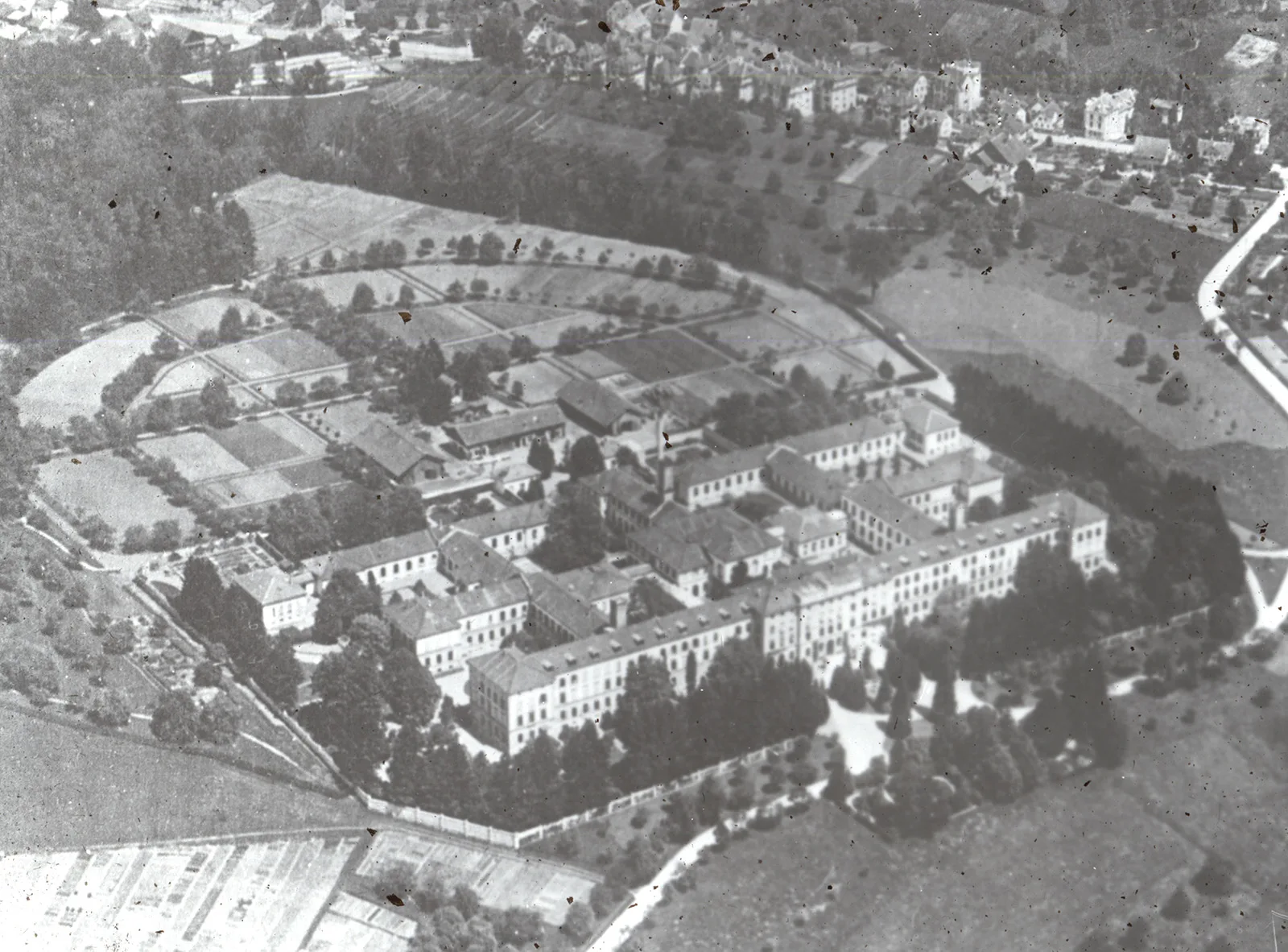
Undated aerial view of the Burghölzli clinic in Zurich.
Undated aerial view of the Burghölzli clinic in Zurich. Psychiatriemuseum Bern
Freud, Jung and subsequent young, left-leaning analysts like Otto Fenichel thought highly of Spielrein, seeing her as a creative thinker with a great flair for the unconscious as well as a talent for asking stimulating questions and designing original research. She never wrote a textbook or developed a theoretical system. She was a pioneer, a thought leader who dared to put forward fresh perspectives on concepts that no-one else was addressing at the time and to raise new questions in fields as varied as ego and female psychology, development psychology and child analysis, linguistics and neuropsychology. Spielrein was one of the first in the profession to show an interest in language development in children and to investigate the links between their speech and thought processes.Her work inspired Sigmund Freud, C. G. Jung, Melanie Klein, Jean Piaget, Lev S. Vygotzky and Donald W. Winnicott to pursue their own research.
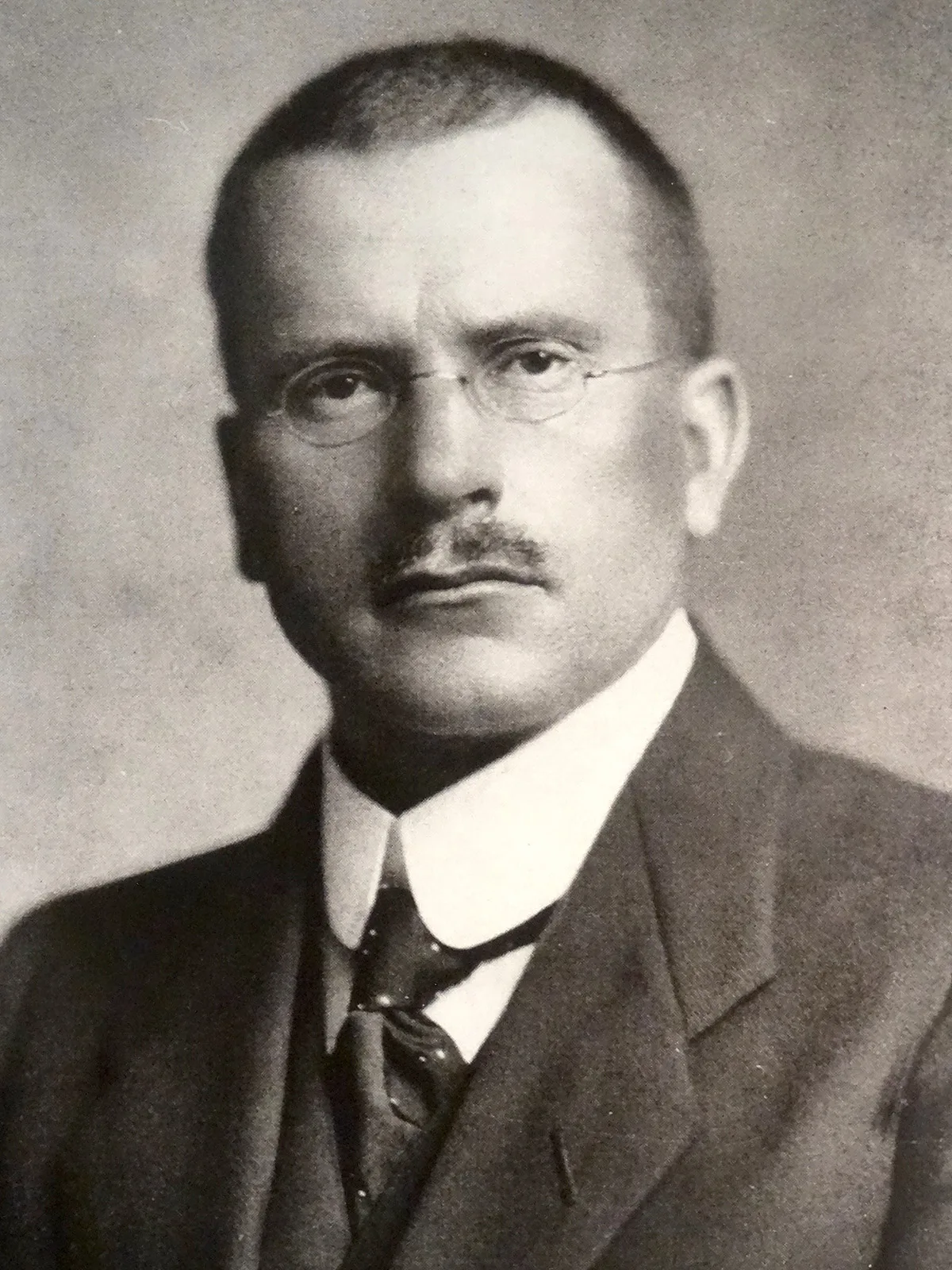
Carl Gustav Jung circa 1915.
Carl Gustav Jung circa 1915. Ortsmuseum Zollikon
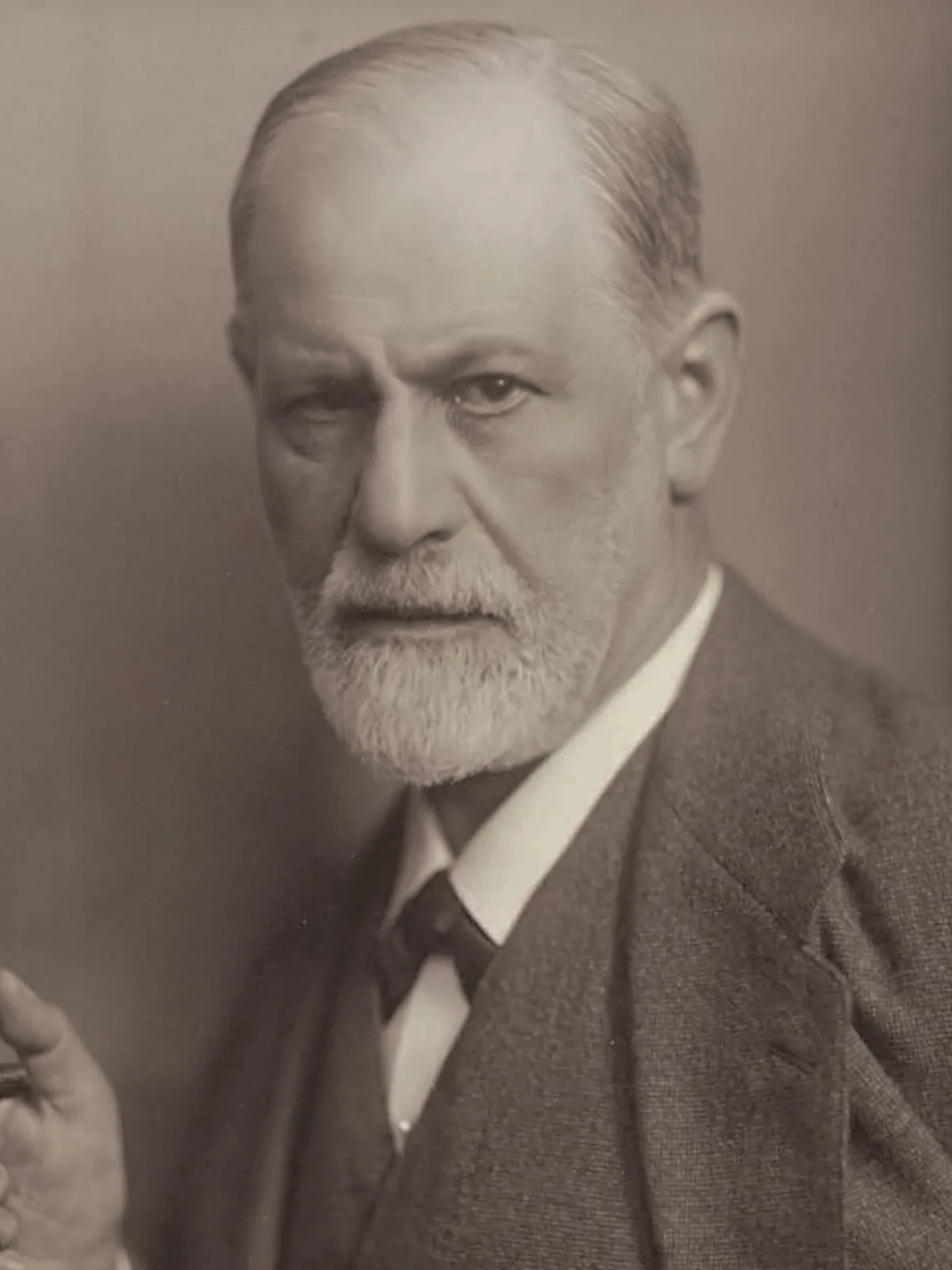
Sigmund Freud circa 1921.
Sigmund Freud circa 1921. Wikimedia
Spielrein returned home to Russia in autumn 1923 with her daughter Renata, but had mixed feelings about the move. The February and October revolutions of 1917 had swept aside the repressive Tsarist regime. And Lenin had announced his vision of a new social order in January 1918, one that would “free the earth from all exploitation, violence and servitude”. However, in 1923 it was not yet clear how things would end. Nikolai Spielrein had been stripped of his property, but had found ways to work for the new Bolshevik government and thus, as he hoped, to take part in building a new and better society. Sabina’s brothers Jan and Isaac had already returned to Russia and were forging ahead with their careers in Moscow, while Emil, the youngest, would become a professor at the University of Rostov.
When Sabina Spielrein arrived in Moscow, the Russian Psychoanalytic Society was still a fledgling organisation. She joined the staff of the State Psychoanalytic Institute, through which she became involved in the ‘International Solidarity’ Experimental Children’s Home. She was a member of the institute’s five-strong board, sat on all the main committees and shared responsibility for scheduling its academic courses. Together with Ivan Ermakov and Moshe Wulff, she ran the psychoanalytic policlinic and a children’s outpatient facility. Spielrein attended her last meeting of the society in April 1924, shortly before returning to her native Rostov and rejoining her husband Pavel Scheftel. The couple would go on to have a second daughter, Eva.
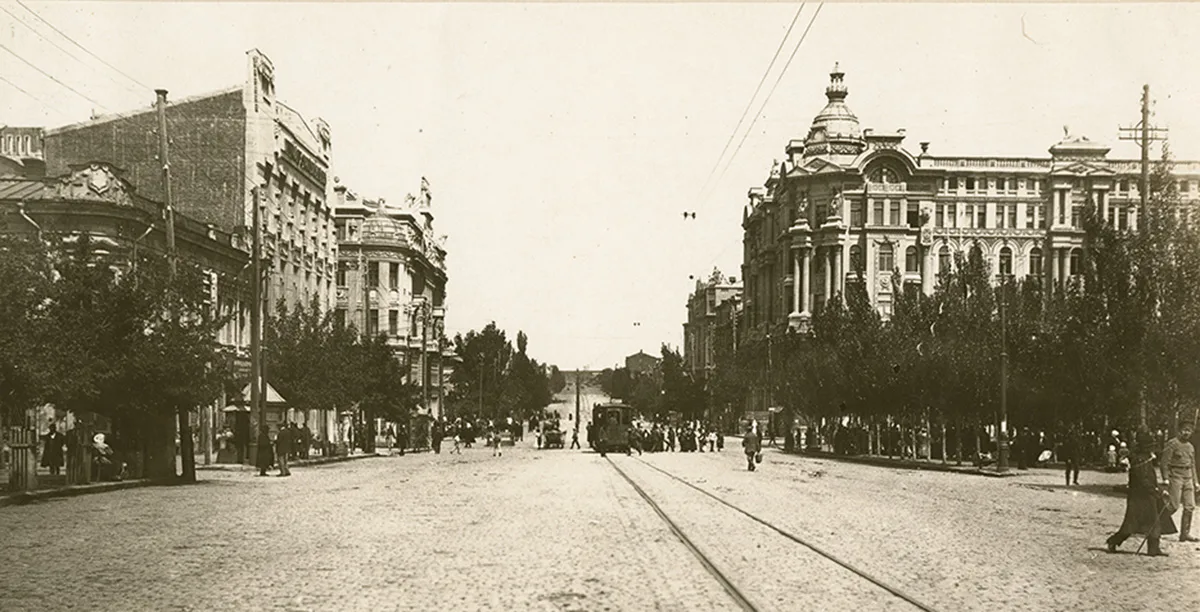
Rostov pictured circa 1918.
Rostov pictured circa 1918. DeGolyer Library, Southern Methodist University / Wikimedia
Rostov was almost 2,000 kilometres from Moscow, the centre of political power struggles. Initially, Spielrein pursued a diverse range of activities, including working as a paedologist at the city-run school walk-in clinic. Paedology is the term used to refer to the study of children’s development, a practice-based, interdisciplinary field that had taken over from psychoanalysis at a time when the latter was coming under increasing political pressure. Spielrein’s tasks included screening large groups of nursery school children in order to detect developmental disorders at an early stage. She continued to champion psychoanalysis in public, in both talks and publications. Spielrein explained her own personal view of where society had gone wrong at a 1929 conference, stating that she considered Freud’s teachings to be “more far-reaching than the teachings of all his enemies and followers” – a risky confession to make.
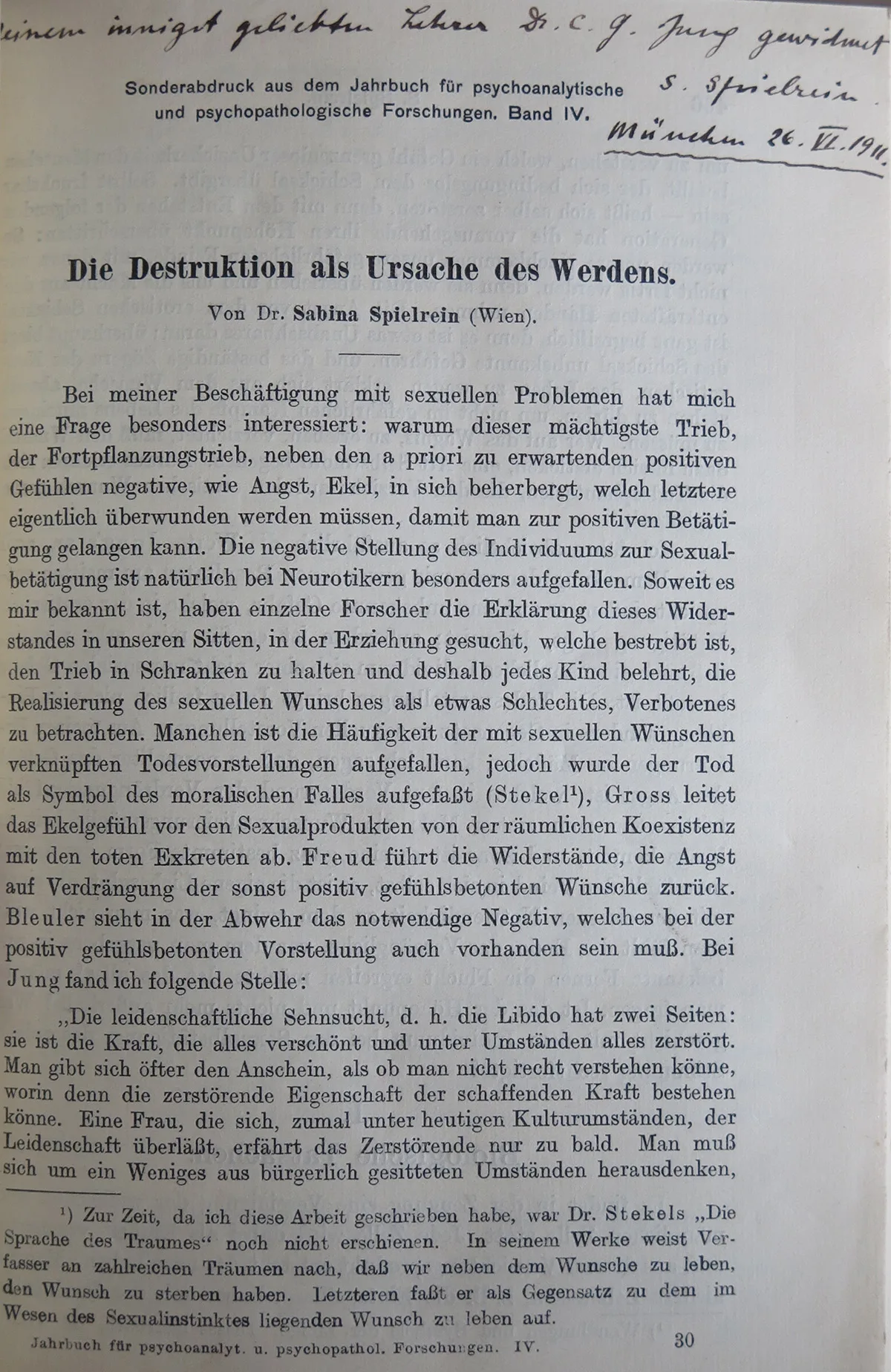
“The passionate yearning, i.e., the libido, has two sides: it is the power which beautifies everything and under certain circumstances destroys everything.” In this essay, Sabina Spielrein was the first person to introduce the concept of an autonomous, destructive drive to psychoanalytic thinking. At the top of the page she has inscribed “Dedicated to my most dearly beloved teacher Dr C. G. Jung. S. Spielrein, Munich 26.VI 1911.”
“The passionate yearning, i.e., the libido, has two sides: it is the power which beautifies everything and under certain circumstances destroys everything.” In this essay, Sabina Spielrein was the first person to introduce the concept of an autonomous, destructive drive to psychoanalytic thinking. At the top of the page she has inscribed “Dedicated to my most dearly beloved teacher Dr C. G. Jung. S. Spielrein, Munich 26.VI 1911.” Sabina Spielrein
1930 saw the launch of debates on introducing Marxism-Leninism across the board into all academic disciplines and endeavours. Psychoanalysis was denounced as a reactionary theory; an unprecedented wave of measures against scientists, engineers and artists began to gather momentum. The Russian Psychoanalytic Society was disbanded and psychoanalysis banned outright from 1933. The ruling party adopted a resolution in 1936 condemning paedological distortions in the education system, which led to Spielrein losing her position. Her three brothers Isaac, Jan und Emil were arrested, shot and thrown into a mass grave as part of the Stalinist Great Purge of 1937/38.
Rostov-on-Don was occupied by German troops in the Second World War. Between 11 and 14 August 1942, Sabina Spielrein, her daughters Renata and Eva and all the city’s Jews – 30,000 people in total – were rounded up by SS special unit 10a, driven outside the city, shot or gassed and buried in a mass grave.
Today, Sabina Spielrein’s story is frighteningly topical. With the war against Ukraine, the suppression of a critical culture of remembrance, and the banning and criminalisation of independent archives and NGOs like Memorial in Russia itself, it continues to have a direct impact. Psychoanalysis is under attack once again. Rostov-on-Don, once Spielrein’s home and the place she was murdered in August 1942, is once more in the spotlight, exemplifying the divisions in society and the consolidation of totalitarian structures.

Landscapes of the Soul. C.G. Jung and the exploration of the human psyche in Switzerland

17.10.2025 15.02.2026 / National Museum Zurich
Switzerland has been home to a number of soul searchers over the years, such as Jean-Jacques Rousseau, Friedrich Nietzsche and Carl Gustav Jung. Their work had a major impact on the development of psychiatry and psychoanalysis. To mark the 150th birthday of C. G. Jung, the exhibition presents the history of psychoanalysis in Switzerland. The main exhibit is Jung’s ‘Red Book’, supplemented by contributions from Johann Heinrich Füssli, Louise Bourgeois, Rudolf Steiner, Meret Oppenheim, Thomas Hirschhorn, Heidi Bucher and many more.

Further posts