Goethe’s Heart Throb for Young Miss Herzlieb
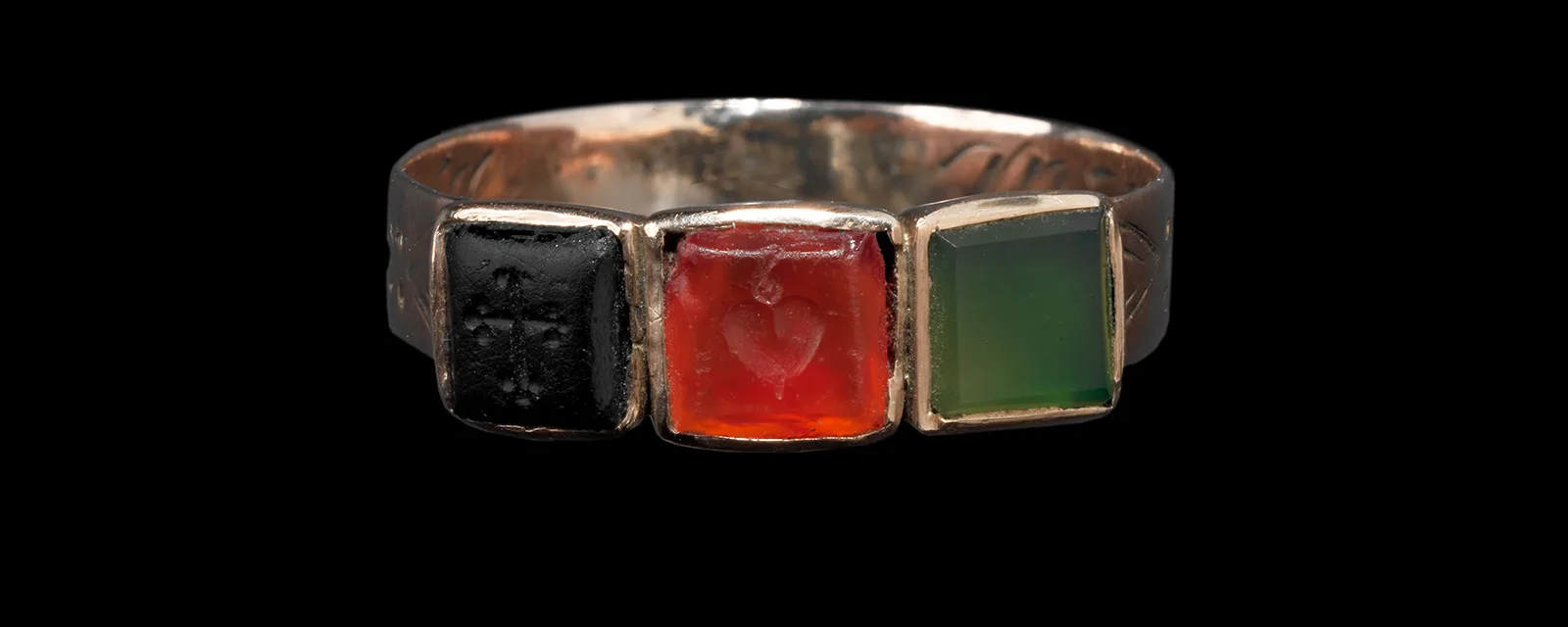
What does a poet do when his lyrical wooing falls on deaf ears? He presents his queen of hearts with a ring. Alas, this too did not change Wilhelmine Herzlieb’s mind. The rare jewel, however, survived.

Andrej Abplanalp
Historian and communications chief of the Swiss National Museum.
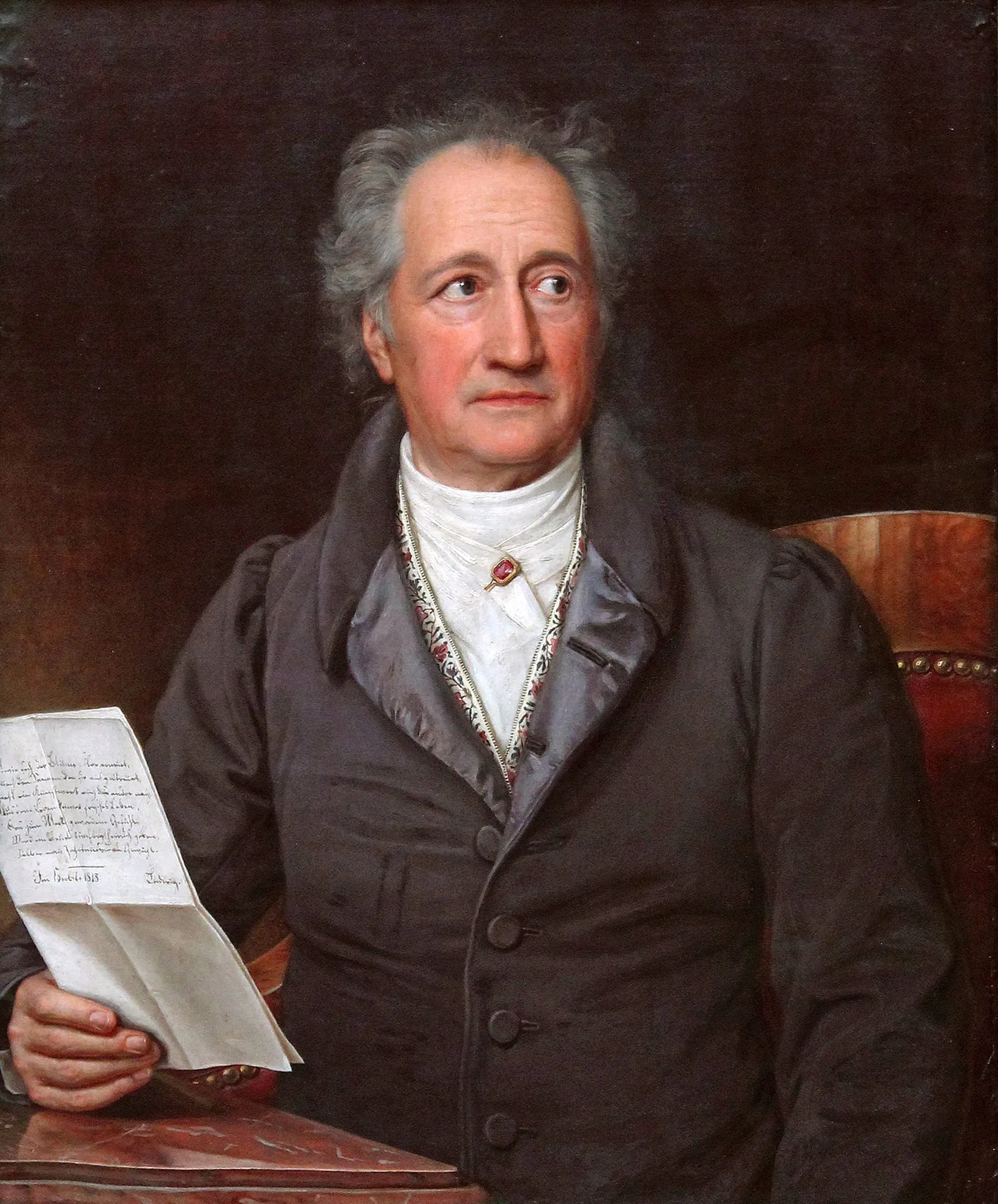
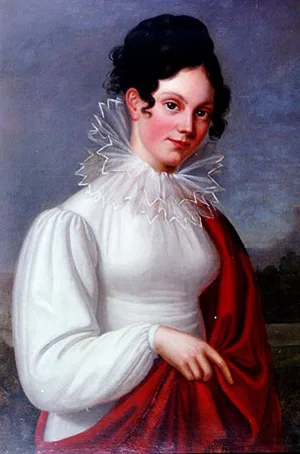
In his younger years, Johann Wolfgang von Goethe was a passionate and impetuous lover, but this changed in the course of his Italian Journey (1786 to 1788). He became quieter and more focussed on stability. However, in the autumn years of his life, his Sturm und Drang side resurged. In 1807, well over fifty, Goethe fell in love with Wilhelmine “Minna” Herzlieb and attempted to sweet-talk her with the aid of one or two sonnets. However, the young woman ignored his reveries in ink. Did this prompt the ageing poet to declare his love in a more tangible form?
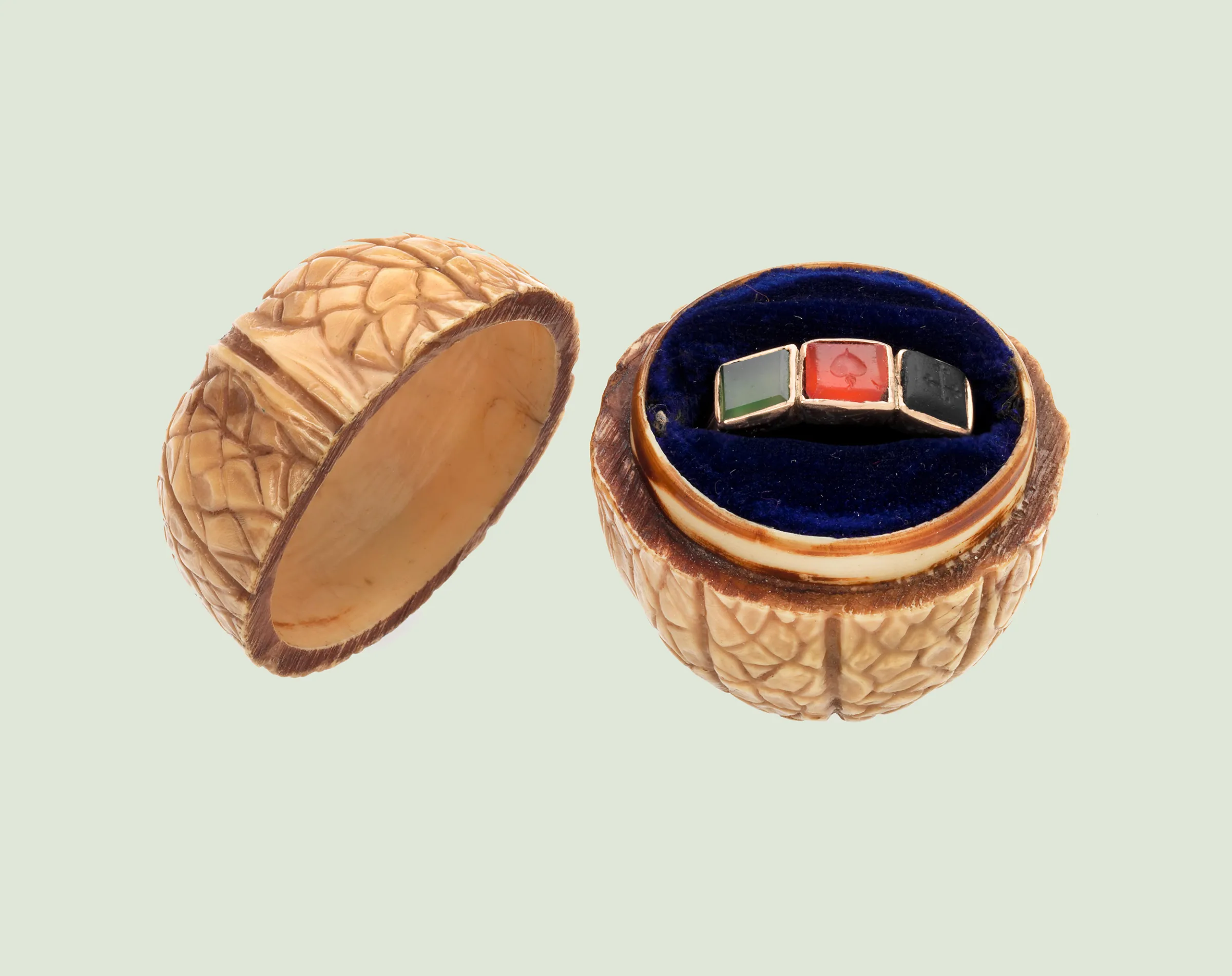
In 1820, Goethe gave Wilhelmine, 40 years his junior, a ring made of red gold, adorned with three stones of different colours, incised with the symbols of Faith, Love and Hope. Unfortunately, the latter remained unfulfilled since Minna Herzlieb failed to raise any enthusiasm for Johann Wolfgang. Later she gave the ring as a present to her best friend, Auguste Wittig, and went on to marry the German professor of law, Karl Wilhelm Walch. It was a marriage of convenience and ended tragically for Wilhelmine Herzlieb. She fell into a deep depression and died many years later in a mental hospital.