Finger rings from the time of the Napoleonic Wars
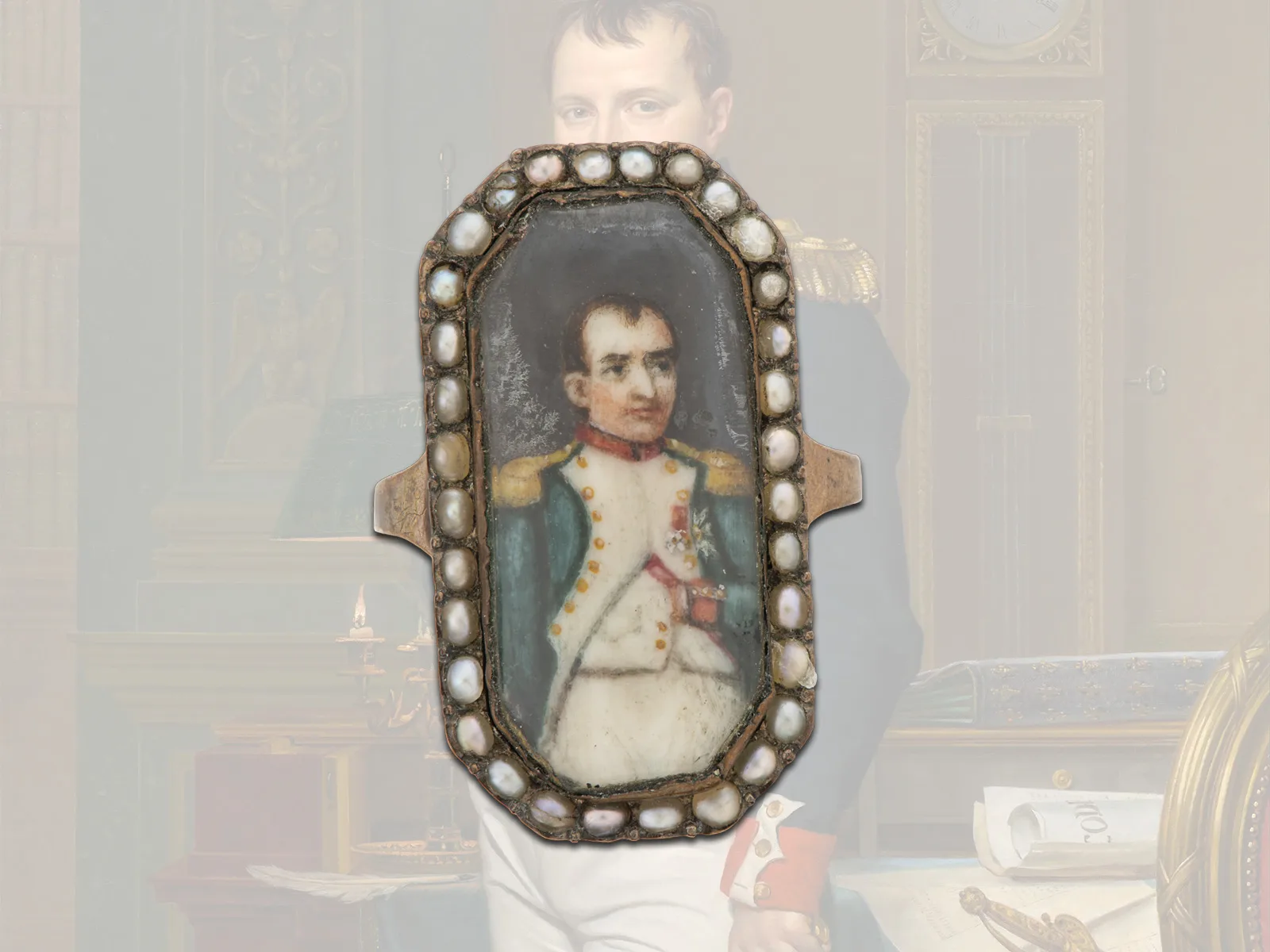
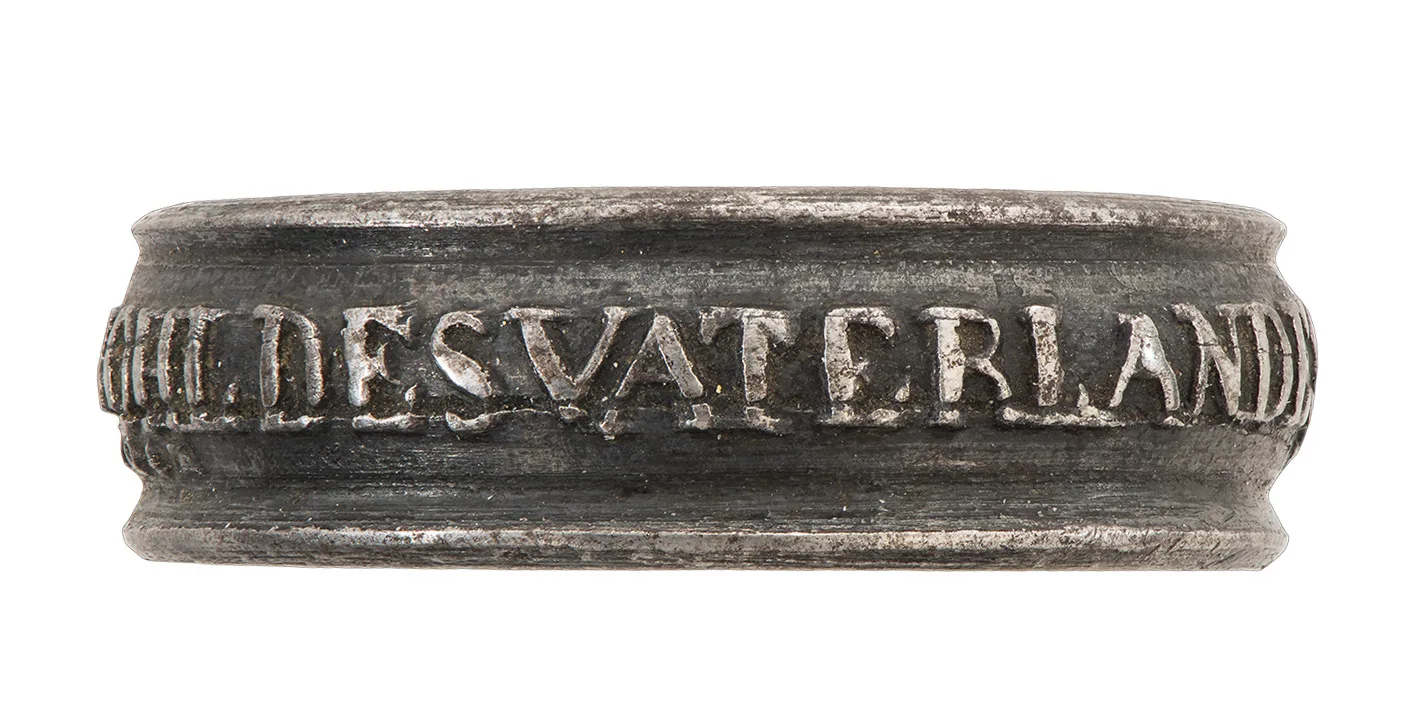
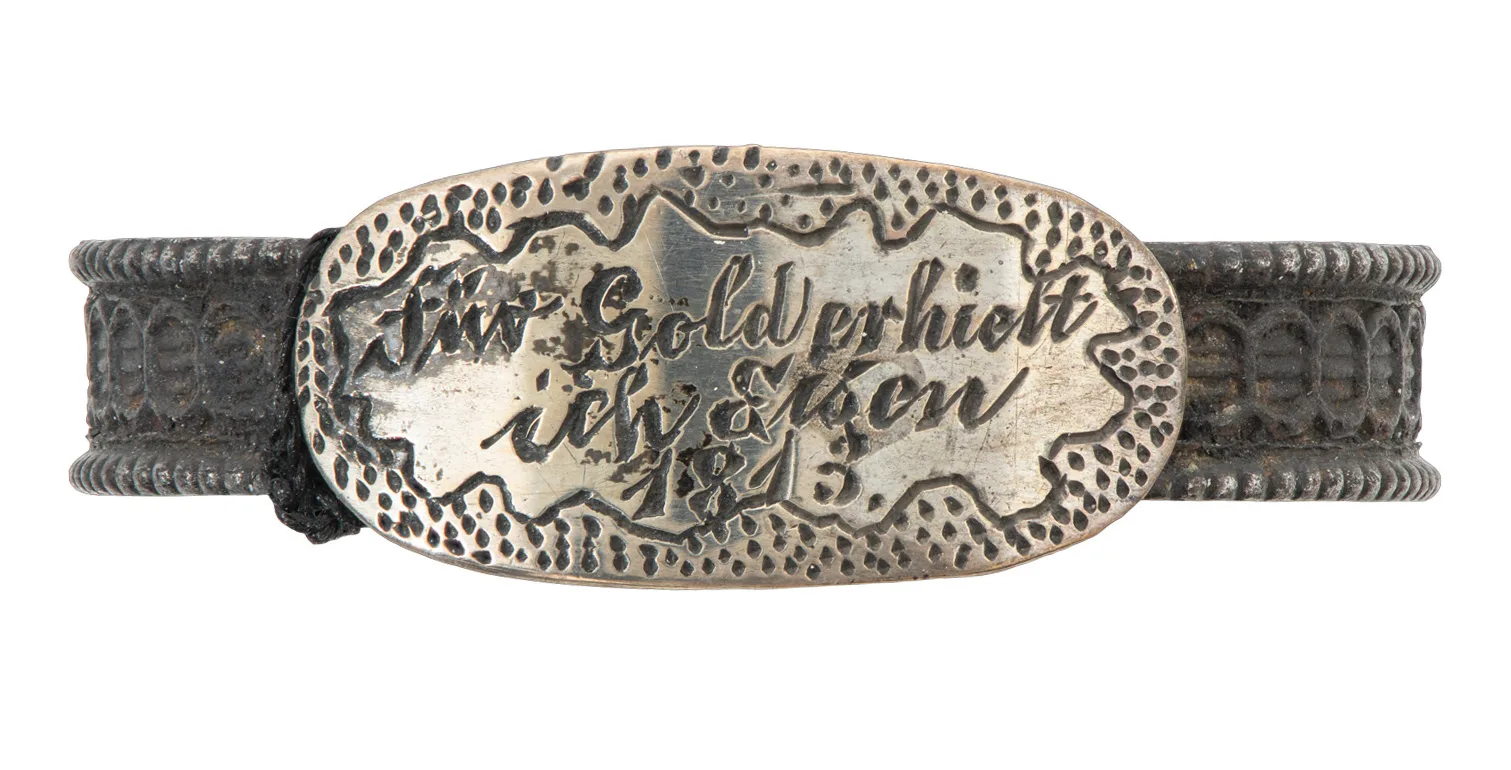
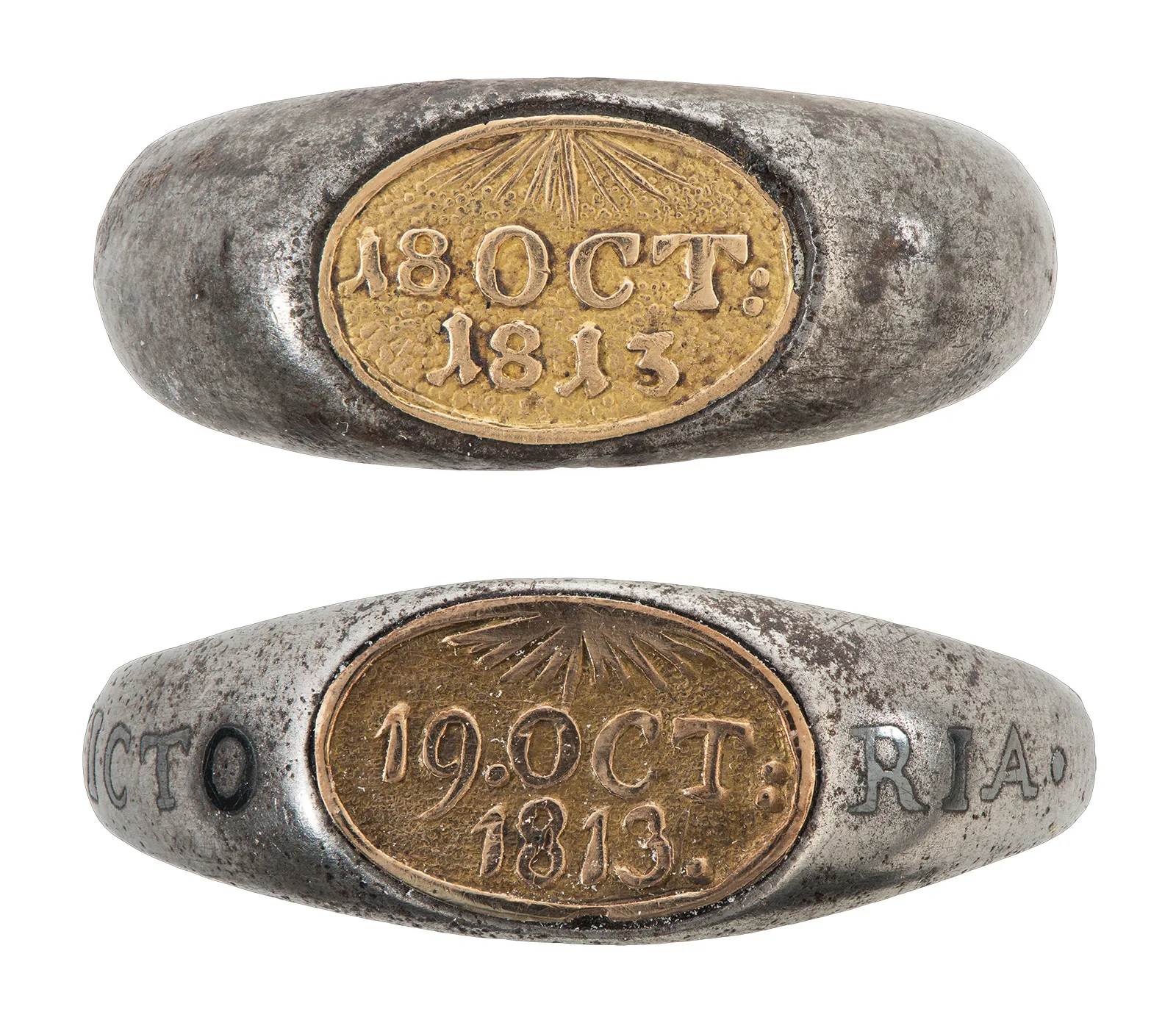
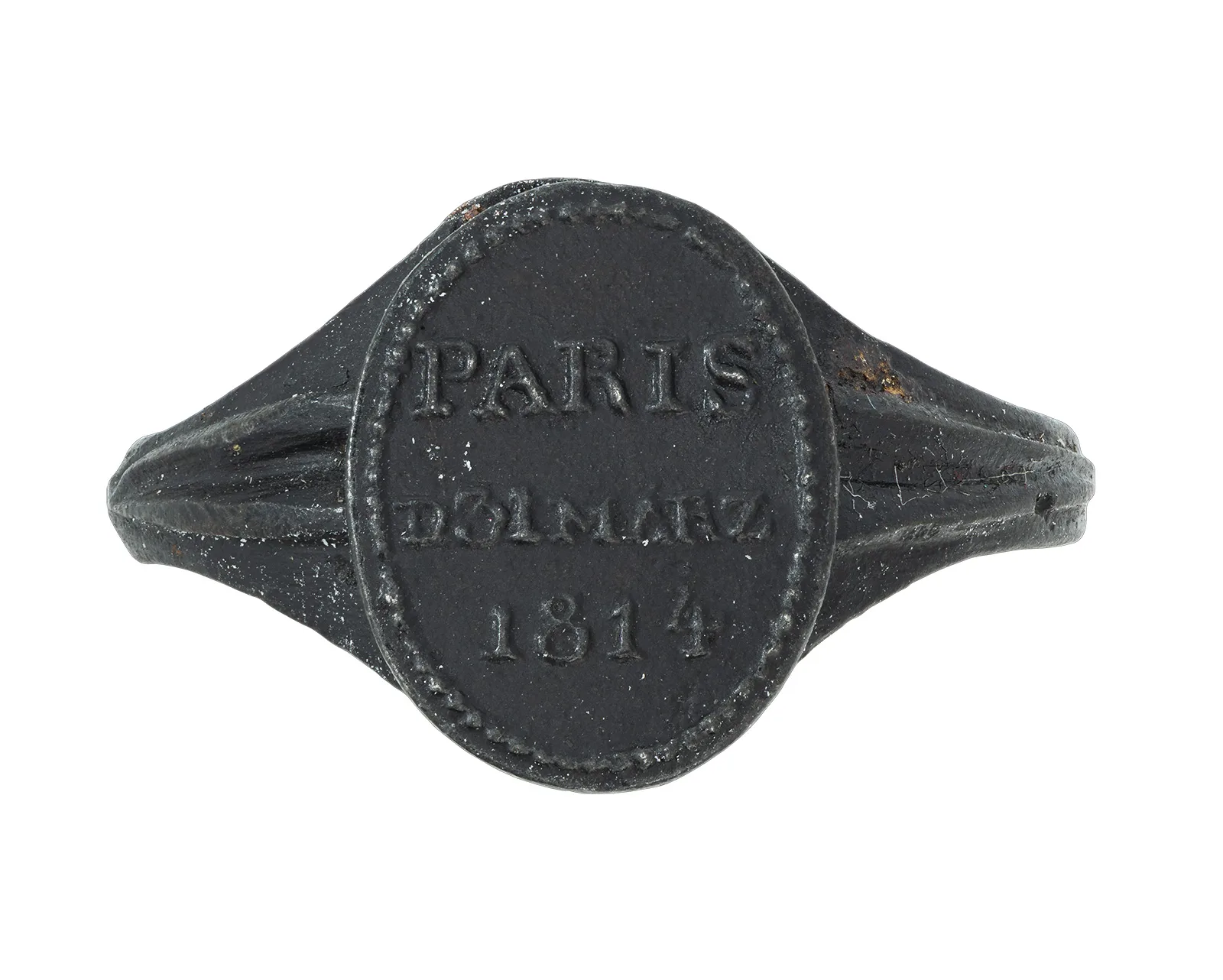
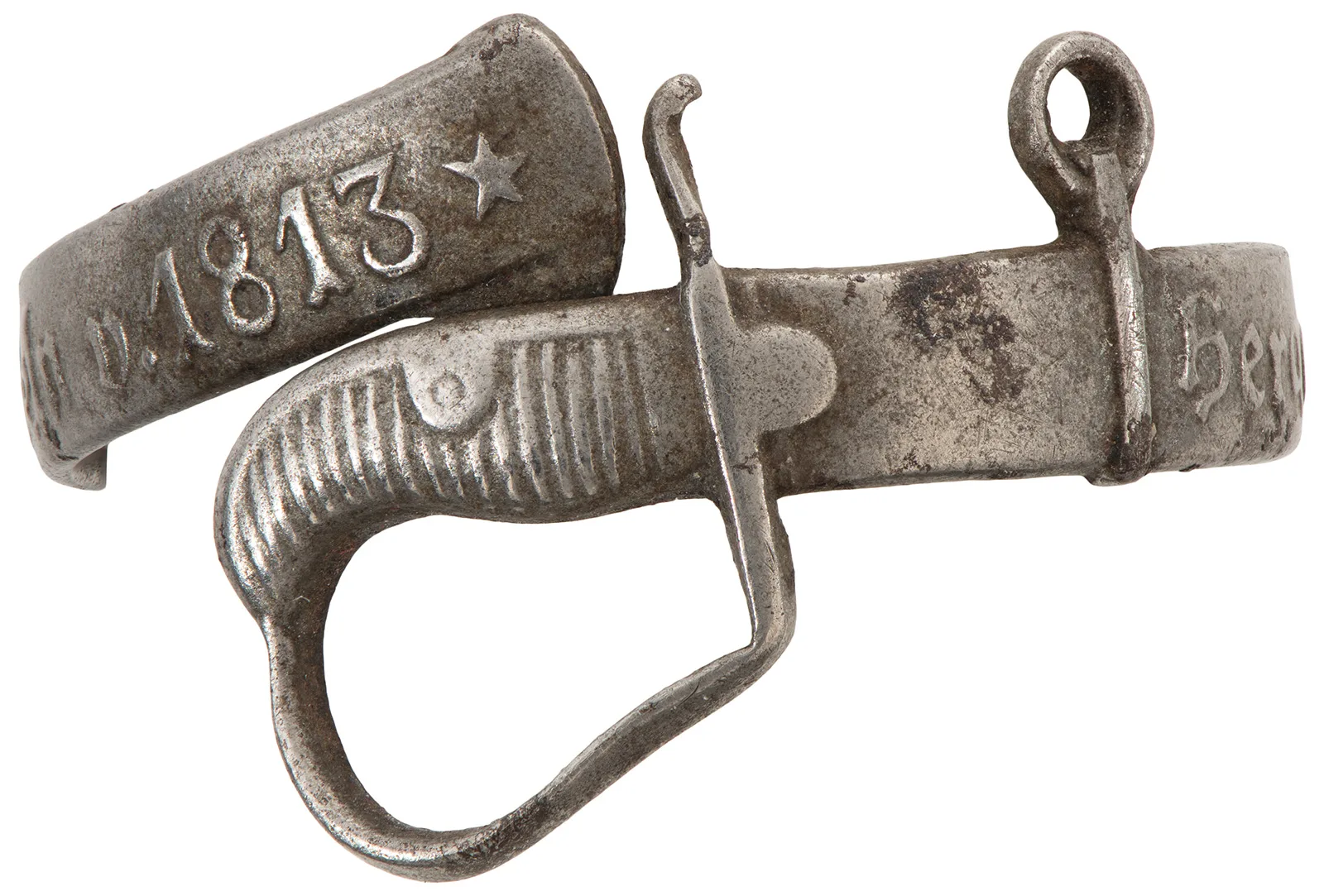
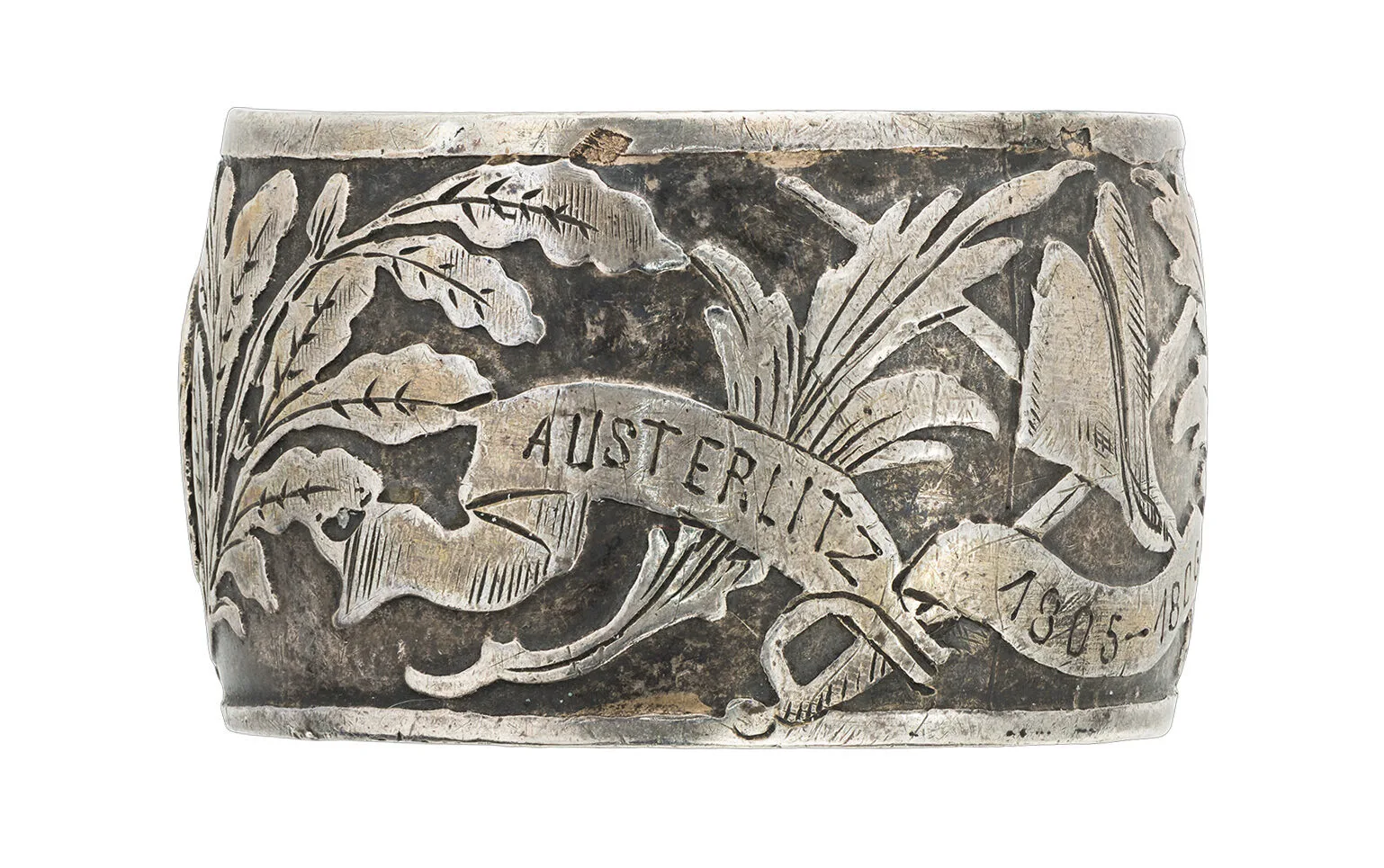
Jewellery can reach beyond its purely decorative function to consciously document historical events. Alice and Louis Koch's extensive collection of rings includes several specimens that reflect the events of Napoleon's tumultuous time.

Beatriz Chadour-Sampson
Based in England Beatriz Chadour-Sampson is an international jewellery historian. Her publications range from Antiquity to the present day, such as 2000 Finger Rings from the Alice and Louis Koch Collection, Switzerland (1994) of which she continues to be a consultant for the Swiss National Museum.
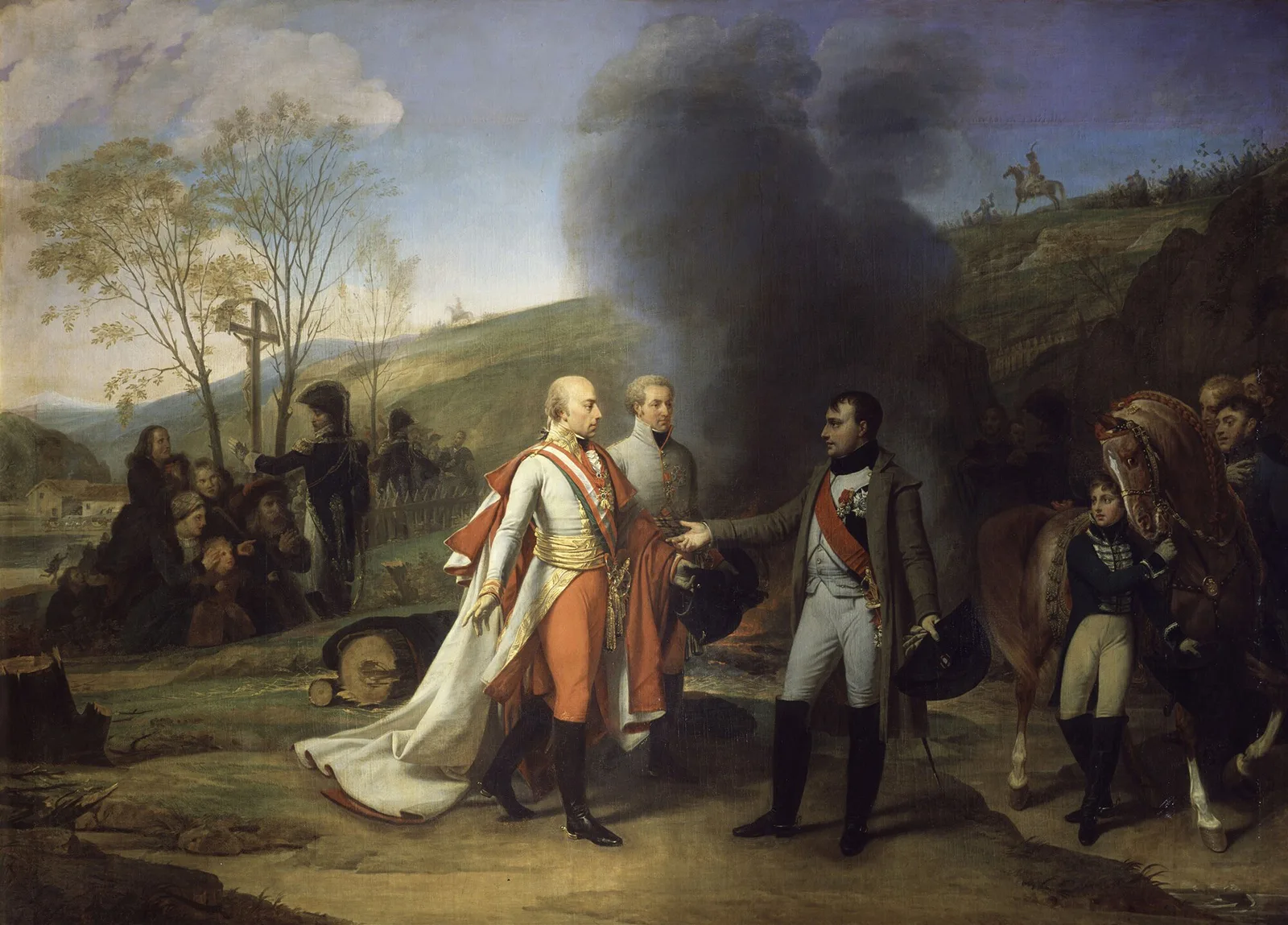
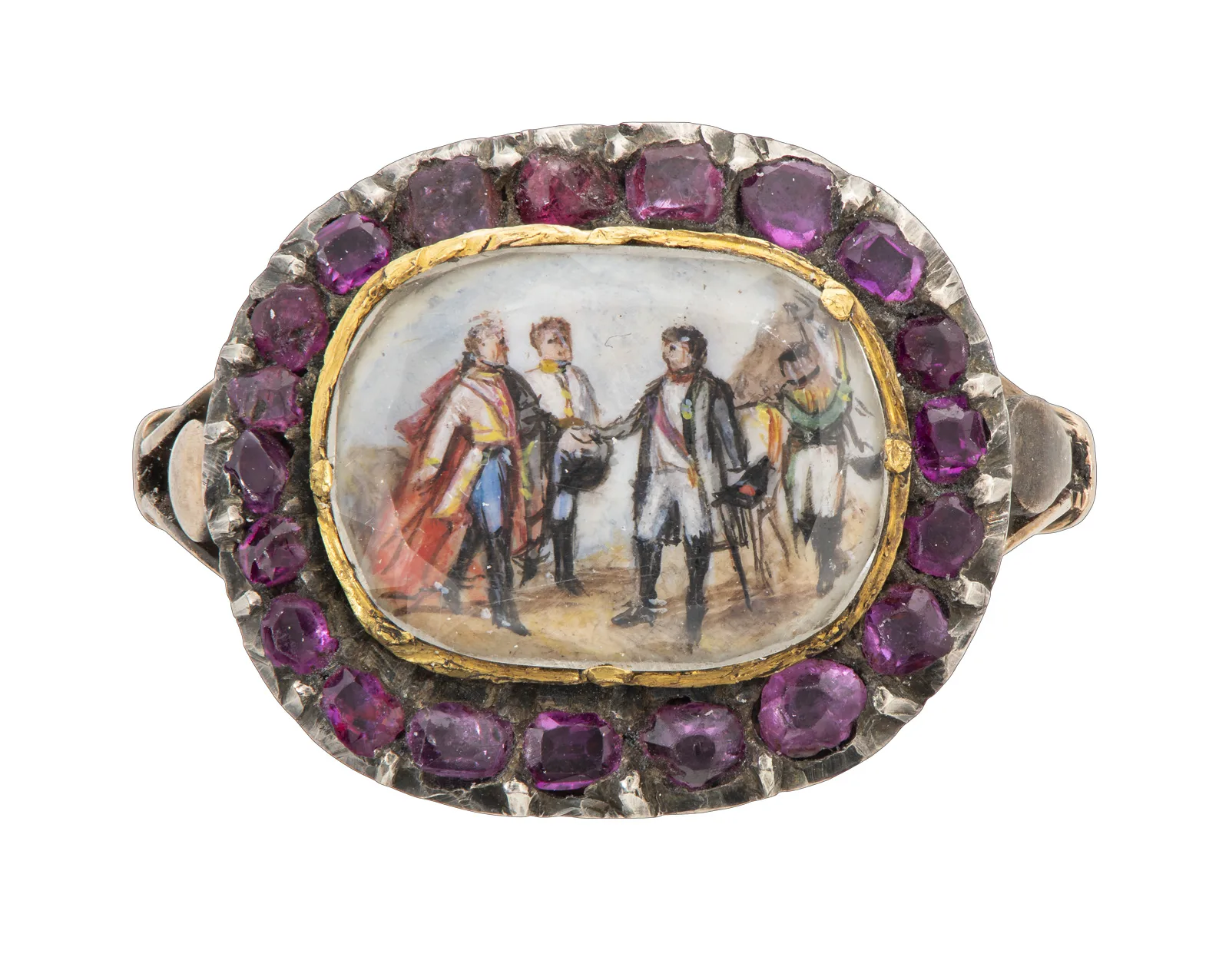
One of the collection’s earliest pieces is a colourful ruby-studded gold and silver ring, made after 1808, celebrating Napoleon Bonaparte’s greatest military victory, the Battle of Austerlitz in 1805. Following the end of the French Revolution in November 1799, General Napoleon Bonaparte (1769-1821) had engineered a rapid rise to power. In 1799 he quickly staged a coup d’etat, overthrew the republican rule of the Directory and appointed himself First Consul. In 1804 he was proclaimed Napoleon I, Emperor of the French, a title which lasted until his exile in 1814. His rule transformed the political and economic status of France through major reforms which formed the basis for the modern-day state but he is more widely remembered for his insatiable military ambitions. These led to a campaign by the French Empire and its allies against a varying coalition of states including Austria, Prussia, Russia, Sweden and Britain. The Battle of Austerlitz took place in Moravia, part of the Austrian Empire, where Napoleon decisively defeated the Austrian and Russian armies. The ring bears a painted miniature of the meeting between Napoleon and Francis II of Austria on the 4th December 1805 when they agreed to end hostilities and precipitated the retreat of Russia. The scene is after a large-scale painting of c. 1806-1815 by the Romantic painter Antoine-Jean Gros (1771-1835) in the Musée du Versailles.
The collection
The exhibition showcases more than 7,000 exhibits from the Museum’s own collection, highlighting Swiss artistry and craftsmanship over a period of about 1,000 years. The exhibition spaces themselves are important witnesses to contemporary history, and tie in with the objects displayed to create a historically dense atmosphere that allows visitors to immerse themselves deeply in the past.