A bloodbath in God’s name
Gripped by religious hysteria, a group of believers killed two women in Wildensbuch in 1823. The blood-soaked deed still has the power to shock today.

Katrin Brunner
Katrin Brunner is a self-employed journalist specialising in history and chronicler of Niederweningen.
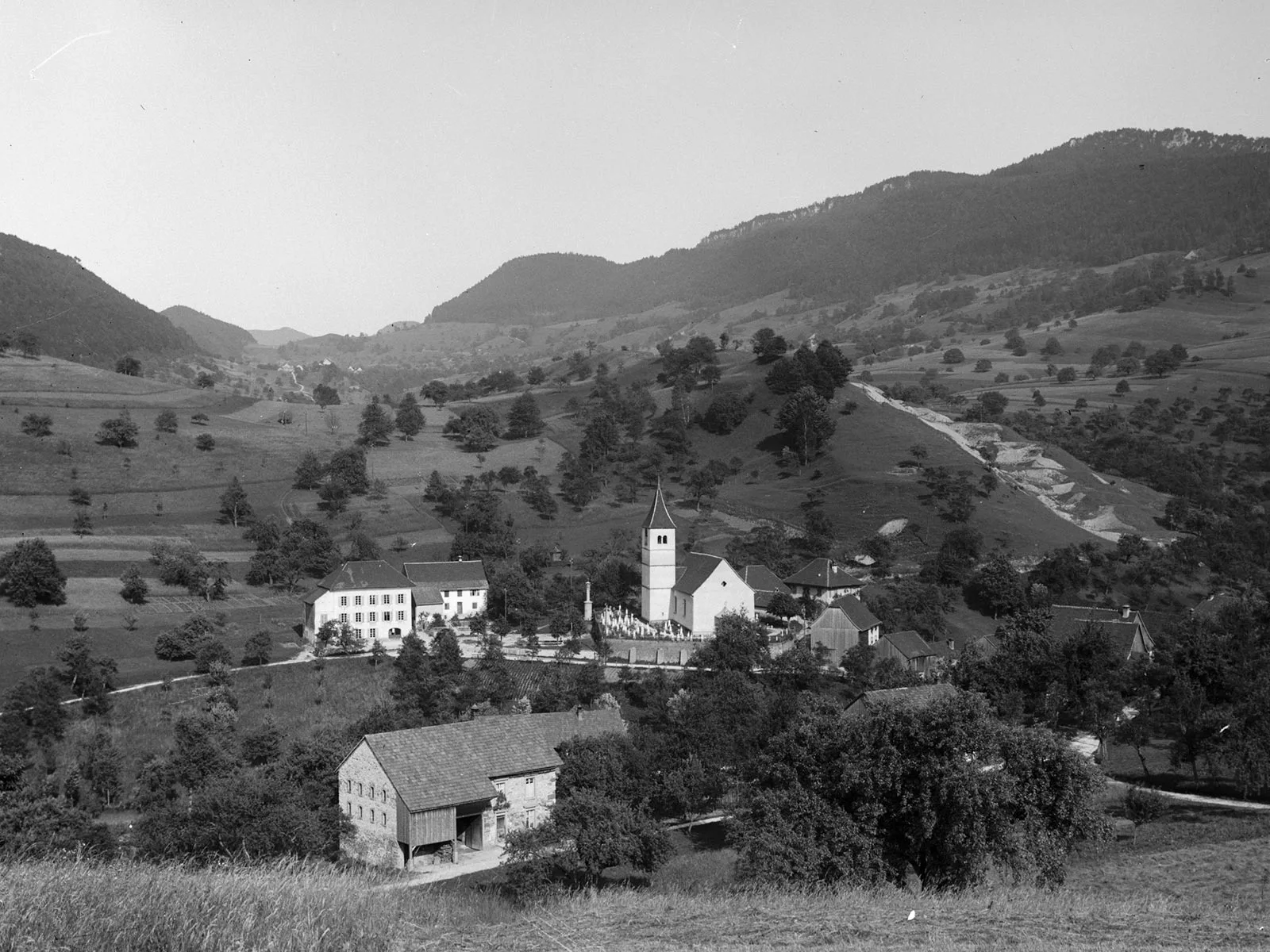
Hence, the lives of the Peters, their servants and their handful of friends were shaped by their belief in God. The youngest daughter Margaretha was passionate about her religious learning. A lively and clever child, she soon knew how to win people over. And that was not all. As a young woman, she began having visions that attracted the attention of others. The faithful came from far and wide to her home in Wildensbuch in the canton of Zurich. She was named ‘Holy Gret’ and referred to as a ‘divine being’. Her links with the Revivalist community became closer.
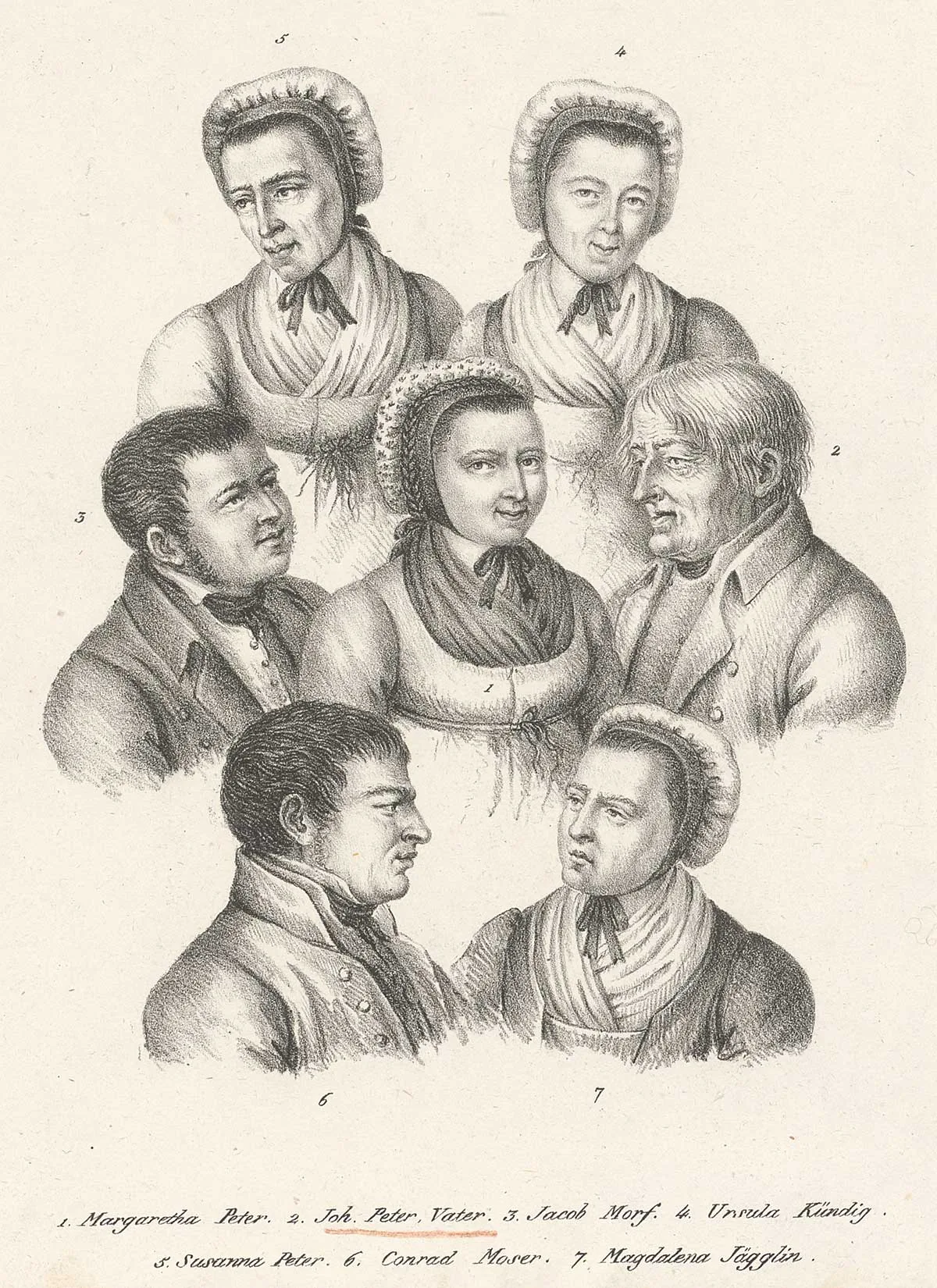
Nevertheless, Morf’s wife began caring for the child and was even willing to pass her off as her own ‒ on condition that the Peter sisters were to leave immediately. It was a solution amenable to both sides, as Margaretha had no interest in being a mother. She and her sister returned to Wildensbuch. The baby girl was christened shortly thereafter as a child born in wedlock to the Morfs.
‘Beating back’ the Devil
There, the young woman exhorted her followers to throw themselves to the floor or to kneel and join her in prayer. In the evening, sheets were hung over all of the windows and wooden blocks, wedges and hammers were brought into the room. In an action symbolic of beating back the Devil, they began to hack away tirelessly at the pieces of wood. Amazingly enough, those involved took time out between praying and battling the Devil to sit down to supper together.
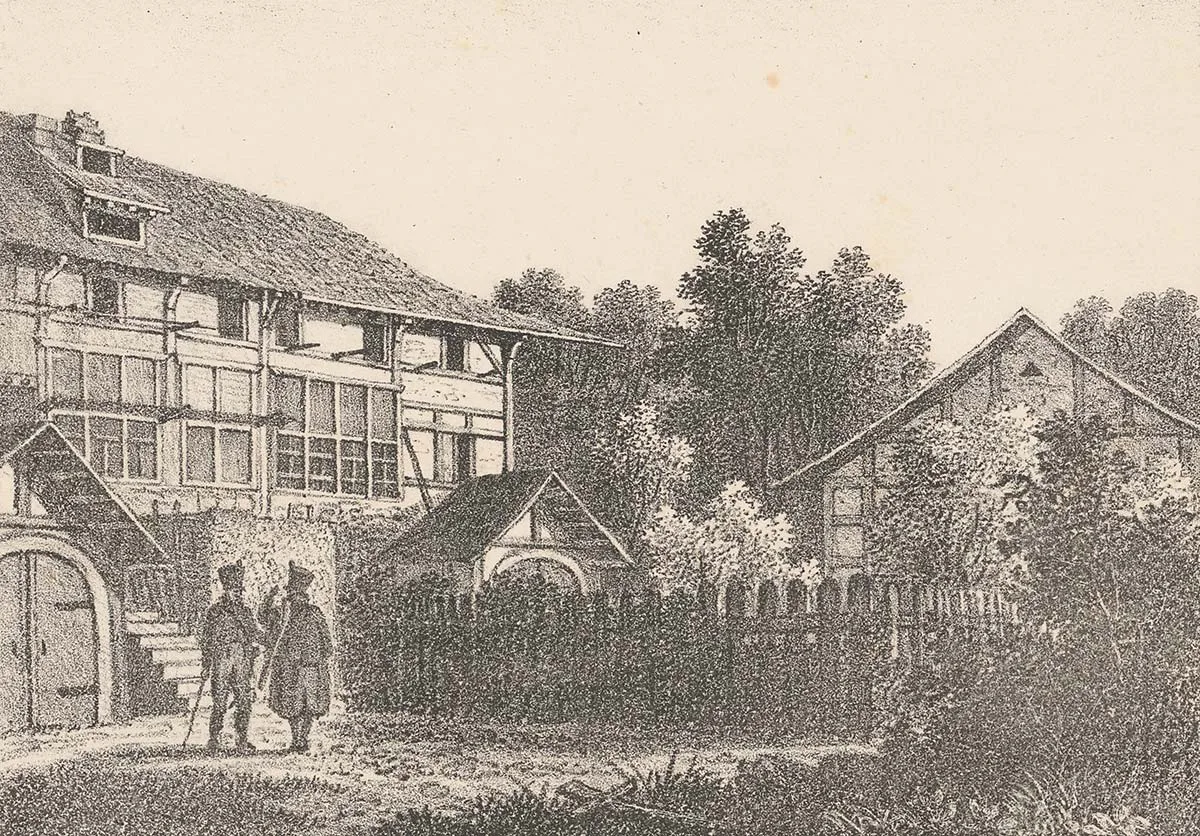
Meanwhile, Holy Gret’called for the final battle with the Antichrist to commence. To assist her, she entreated her followers to smash everything to pieces. Now, wooden blocks were no longer the only objects being attacked: blows rained down on the walls and floors in a wild frenzy until the entire room had been destroyed.
But this was still not enough for Margaretha Peter, who insisted that a greater sacrifice was expected of them. The young woman declared that “Whoever loses their life for Christ will find it. But whoever wants to save their life will lose it”. By this time, a large crowd of curious onlookers had gathered in front of the house, but they did nothing to intervene. It was not until that evening that a local policeman came by and demanded to be let in. On being turned away, with the family citing their right as householders to determine who should be allowed or denied access, he alerted the authorities. The chief bailiff then turned up with a group of law enforcers. However, on finding the house all quiet, they decided not to take any action at that time.
“Unrestrained violence” in the Peter family home
For those outside able to catch a glimpse of proceedings through the windows, the scene must have appeared very peculiar. Everyone was hitting everyone else. The local police finally smashed down the door to the house and the door to the upstairs chamber, and broke up the group. The subsequent questioning failed to shed any light on the matter: the detainees either spouted fanatic nonsense or provided evasive answers.
The father – Johannes Peter, one of the most zealous of the lot – was told to make sure that the commotion now came to an end. However, the police did not follow their initial impulse to have Elisabetha and Margaretha admitted to an asylum. All too soon, this would turn out to be a mistake.
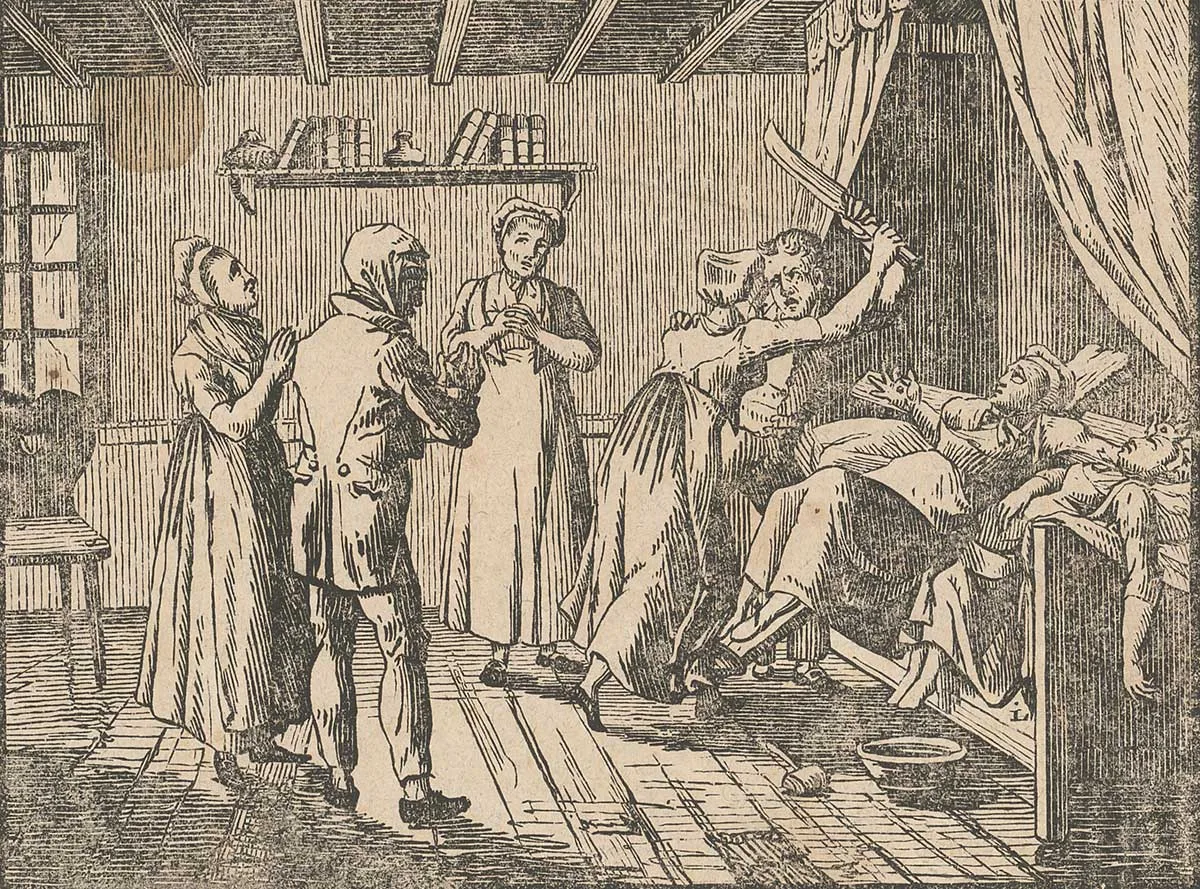
“Blood must flow”
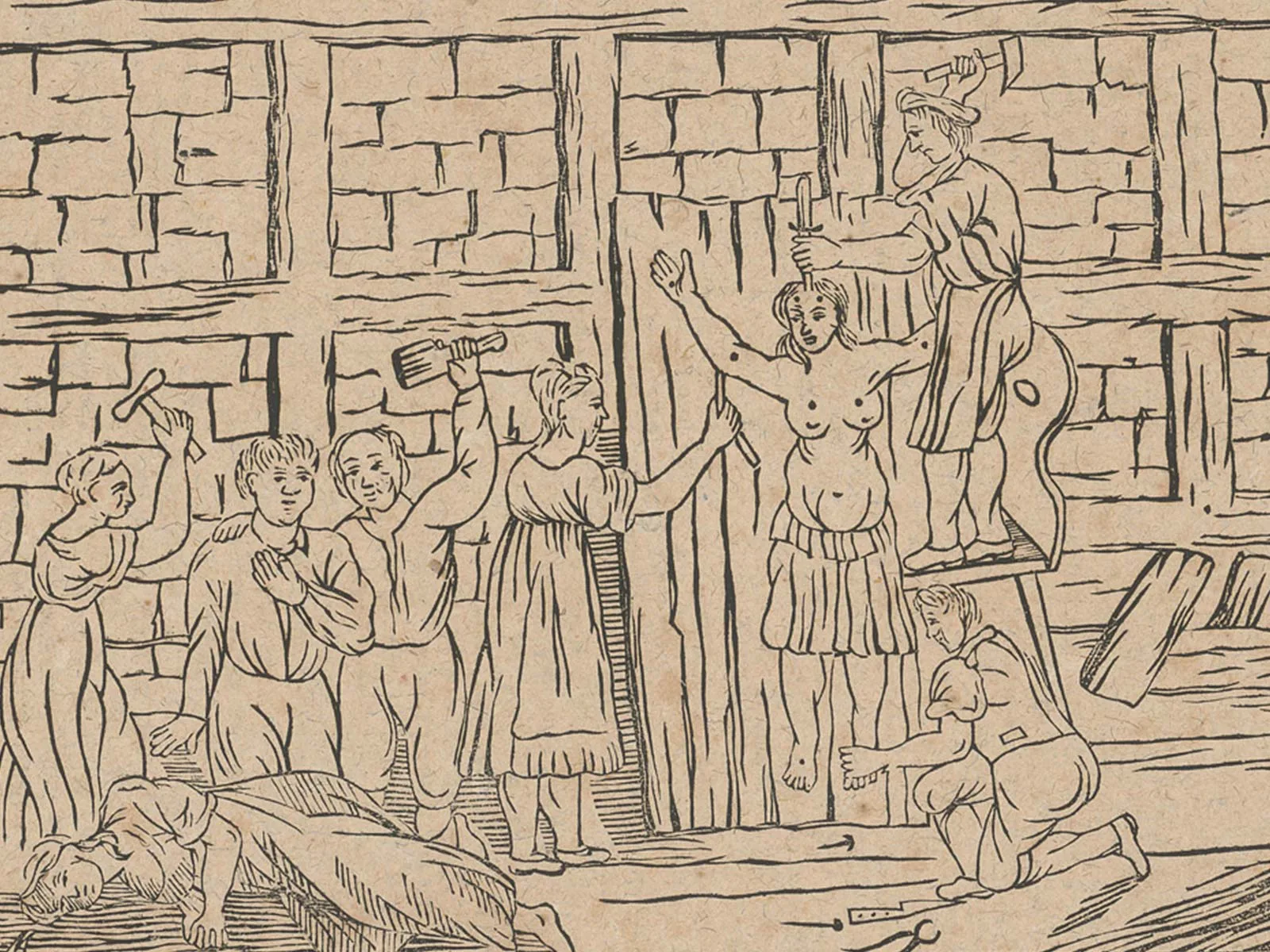
And during this whole time, the members of the party continued to inflict injuries on one another in the belief that they were doing good. Margaretha also began bludgeoning herself with a metal object and urged her friend Ursula Kündig to join in. Things ended with Margaretha Peter insisting on being crucified, firmly believing that she would rise from the dead three days later. The others gave in to her demand, and she was nailed to a wooden board. Conrad Moser finally killed Holy Gret by delivering a blow with a crowbar. According to the post mortem report of 22 March 1823, she was pregnant once again.
Three days then passed and the two sisters failed to rise from the dead. Only now did their father inform the local pastor that two of his children had died. Those involved in the drama received prison sentences, and the house in which the Peter family lived was levelled to the ground. The court had ruled that “no other human habitation should ever be built on this spot”.