Margret Hottinger of Zollikon in her own voice
Members of the Anabaptist movement in and around Zurich were persecuted and executed for their convictions during the Reformation. They continue to be disparaged and stereotyped to this day. But a look at the historical sources reveals a different picture ‒ that of a defiant movement in which women also played a key role.

Joël László
Joël László is an author and translator who works at the University Library Basel.
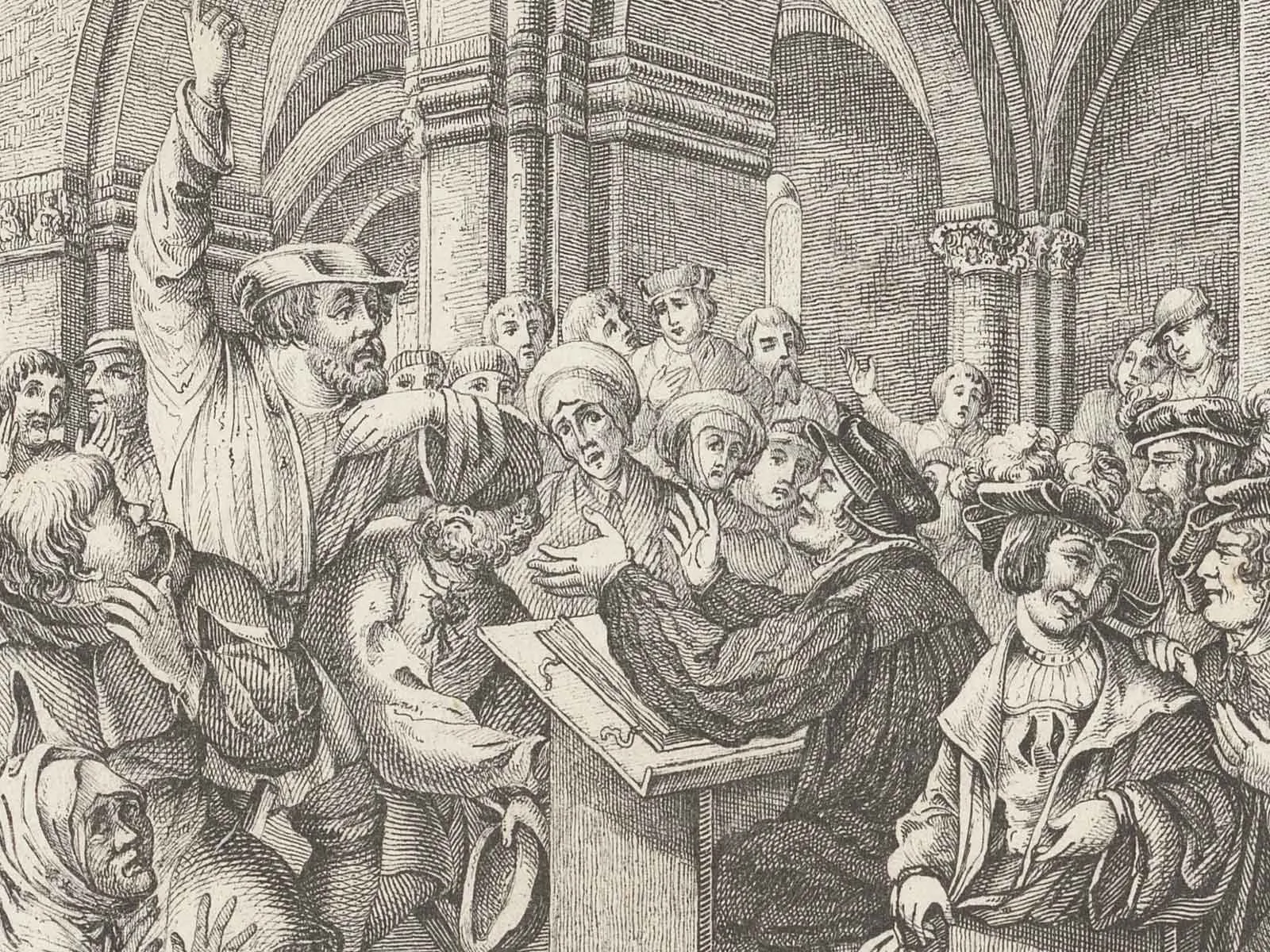
Anabaptism has its origins in the reformation movements of the 1520s. Adherents of the various denominations of Anabaptism share a common opposition to infant baptism, believing instead that baptism should represent a free profession of belief in Christ and, therefore, be performed as an adult. In Switzerland, a number of Ulrich Zwingli’s erstwhile supporters and students broke away to form their own Anabaptist community.
From the records of interrogation
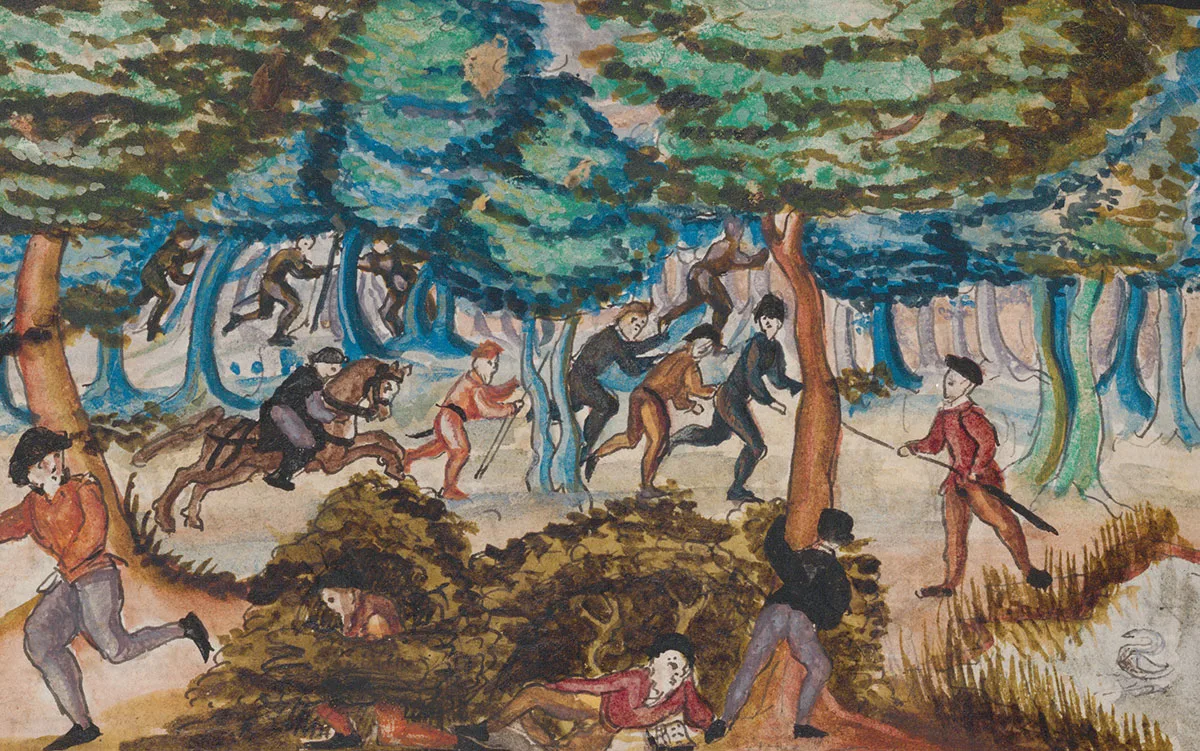
The first of Margret Hottinger’s testimonies comes from the records of interrogation kept by Zurich’s city council. She and all of the city’s notable Anabaptists were arrested at the end of 1525, thrown into prison and interrogated. She was given a choice: recant, pay a fine and be set free, or stand firm and be thrown into the Wellenberg Tower, on a diet of bread and water. Other prominent members of the movement such as Martin Linck and Michael Sattler backed down. Margret Hottingerin von Zollikckenn – the sources tell us – gitt ir antwurt [Margret Hottinger from Zollikon gave her answer]. And, in today’s language, that reply sounded something like this: “I cannot say who exactly induced me to be baptised. Conrad Grebel and Felix Manz came to Zollikon and read from the Bible. No one had been baptised until Jörg Blaurock came; he was the first. So, I too asked to be baptised. But I know nothing of any conspiracies or intrigues.”
Margret Hottinger remained steadfast. The interrogation continued throughout that winter. In the next set of transcriptions we read:
If you can prove to me that infant baptism is legitimate, then I will recant. Then and only then.
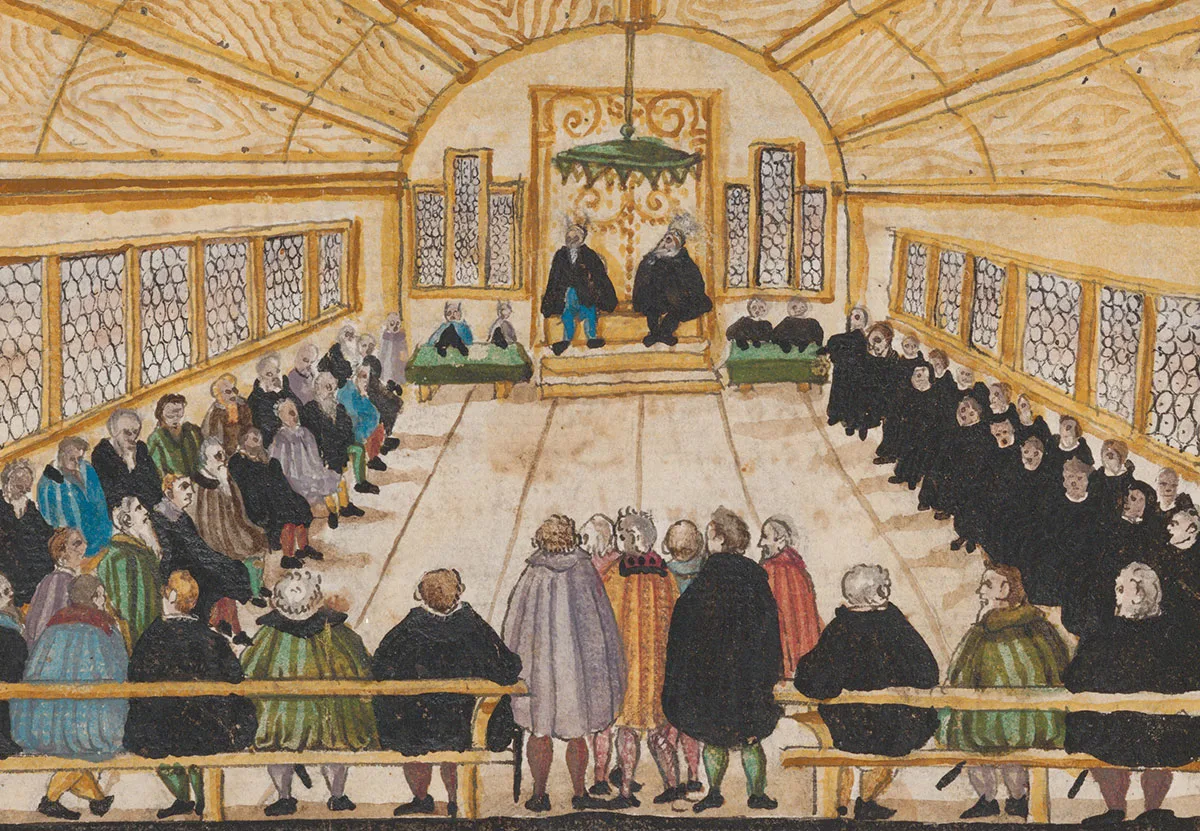
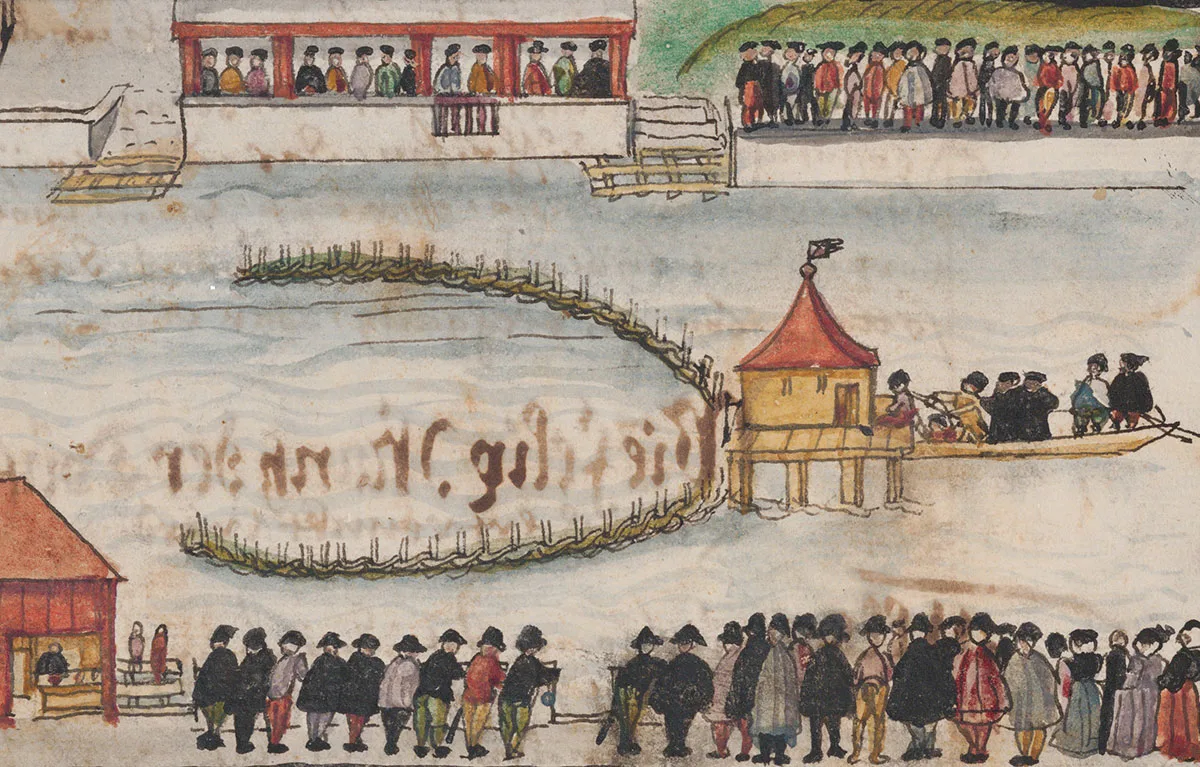
Two days later the city council tightened the screws when it issued a new judgment: “The Anabaptists (…) are to be placed together in the New Tower prison and given nothing more than bread and water to eat, and bedded on straw. The guard who watches them must swear an oath not to allow anyone in or out. Thus let them die in the tower and be left to rot. Let it then be the business of each one to forsake their opinions and errors and be obedient.”
Margret Hottinger, together with other Anabaptists, continued to resist the pressure for almost two months before finally turning, admitting the error of her ways and being released. However, this did not mean that she had abandoned her faith. Margret and her brother Jakob immediately moved on to Eastern Switzerland, accompanied by Winbrat Fanwiler.
The words of women from the mouths of men
In his Chronicle of St. Gallen, Johannes Kessler testifies that Margret Hottinger “lived a very disciplined way of life, so that she was deeply loved and respected by the Anabaptists”. However, the tone changes abruptly in the very next sentence, becoming more hostile. Kessler writes that Margret Hottinger proclaimed “I am God!” aloud in St. Gallen. He goes on to state that she forgave the sins of others with the words: “He who prays, sins.” He also claims that she spoke in tongues, as if directed by God.
Kessler’s chronicle devotes several pages solely to the words and deeds of women. Winbrat Fanwiler, who shared a prison cell with Margret, also makes an appearance but has now suddenly changed her name to Martha. He writes of one Verena Burmerin that she foamed at the mouth, spoke in a chilling voice, shook and proclaimed openly: “I must give birth to the Antichrist!” A certain Barbara Mürglen then joined the fray, crying “Woe is me!” before falling to the floor. Recovering, she reportedly exclaimed: “What have we done, oh what have we done!” Her face shone and she was perspiring so heavily that the others had to undo her belt and remove all her clothing until she was left completely naked.
In another scene from the chronicle, Barbara Mürglen and Verena Burmerin are preaching in the nude before a group of men. We learn from Kessler that one of these men, casting a glance at the women’s private parts, wished to himself that they would cover them up. But Verena Burmerin was able to read his mind and so went to him and punished him.
Zwingli gets involved
Zwingli goes on to report how he came to hear that five Anabaptist men had been burned at the stake near Appenzell after committing homosexual acts. He closes his version of the event with the words: “Look where that gets you!”
We can see traces of the momentous impact of these derogatory and stereotyped images of the Swiss Anabaptist women in the recent Zwingli biopic. And we encounter them all too clearly in Gottfried Keller’s novella on the subject, Ursula. On the one hand, we cannot fail to note the Zwingli kitsch, a monument to his statesmanship, such as when reference is made to the reformer’s “bright, pleasant Toggenburg dialect” and his “agile use of language”. But what happens when the Anabaptist Ursula opens her mouth? A “sensual fire” glows in the woman’s eyes, a fire that is at the same time “the flame of delusion” And her words? They remain wholly unintelligible.
Thus, it is high time that we paid far more attention to how Margret Hottinger – along with many other Anabaptist women – gave her answer. The scandalmongering sources make it only too easy for us to lose sight of the fact that, during the early days of the Anabaptist movement in Zurich, people at lower levels of the hierarchy nevertheless resoundingly succeeded at times in carving out more freedom to speak and act.