The Swiss ‘magician of iron’
Engineer Maurice Koechlin created some of the icons of engineering prowess: the Statue of Liberty, the Eiffel Tower, and numerous bridges. Yet others reaped the glory.

Helmut Stalder
Helmut Stalder is a historian, publicist and book author specialising in economic, transport and technical history.
Karl Culmann’s star pupil in graphic statics
One of his most important professors and mentors was Karl Culmann, the inventor of graphic statics. This new, graphical method was used to analyse forces on beams and framework structures. The method experienced a boom, particularly in the construction of railway bridges. Koechlin was Culmann’s most gifted student and completed his studies in 1877, coming top of the class.
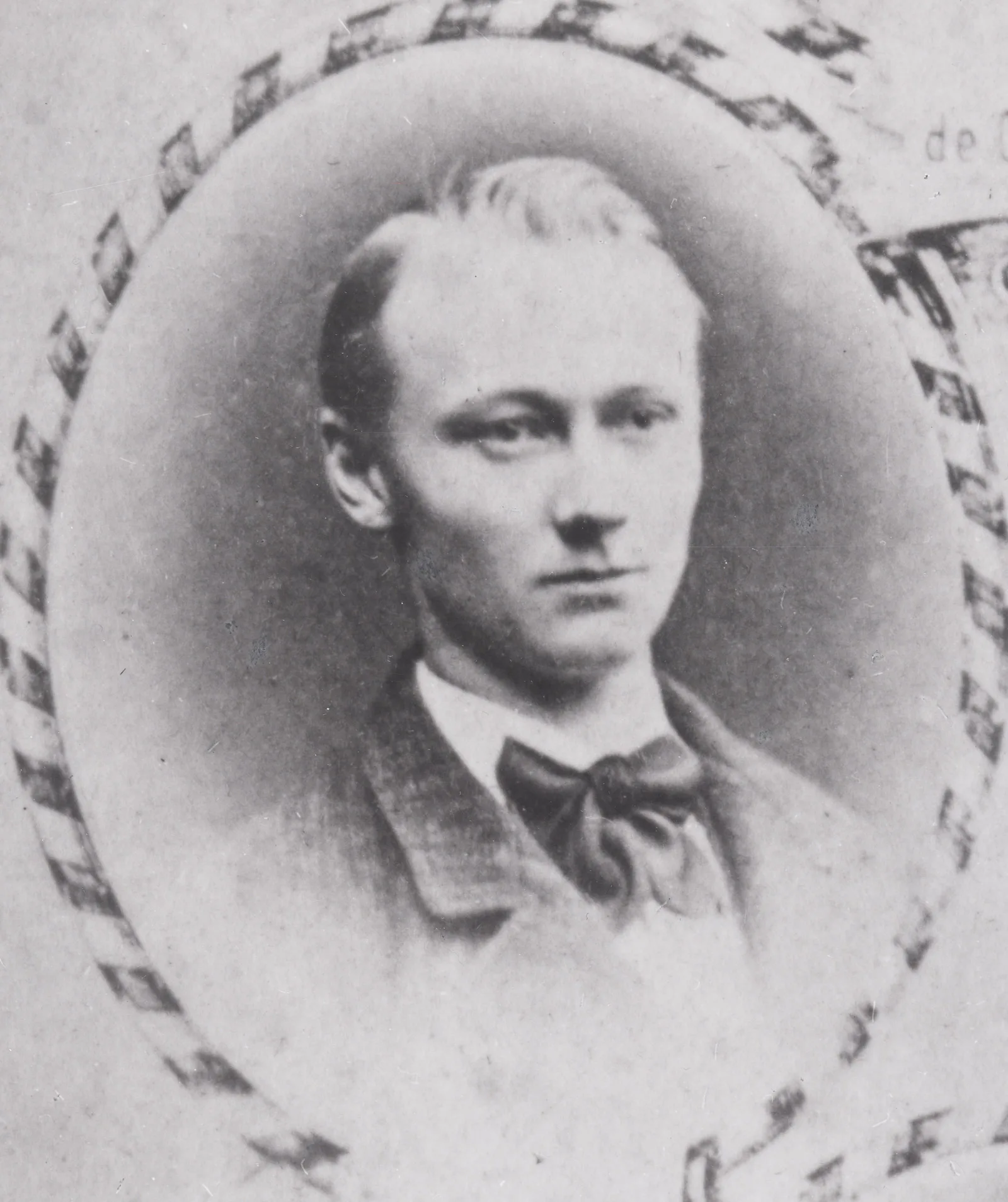
Talented engineer recruited by Gustave Eiffel
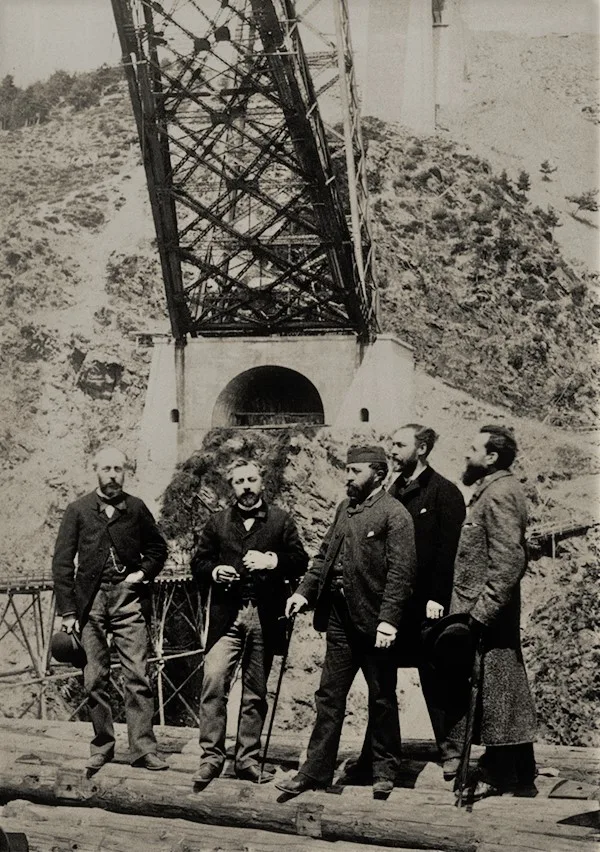
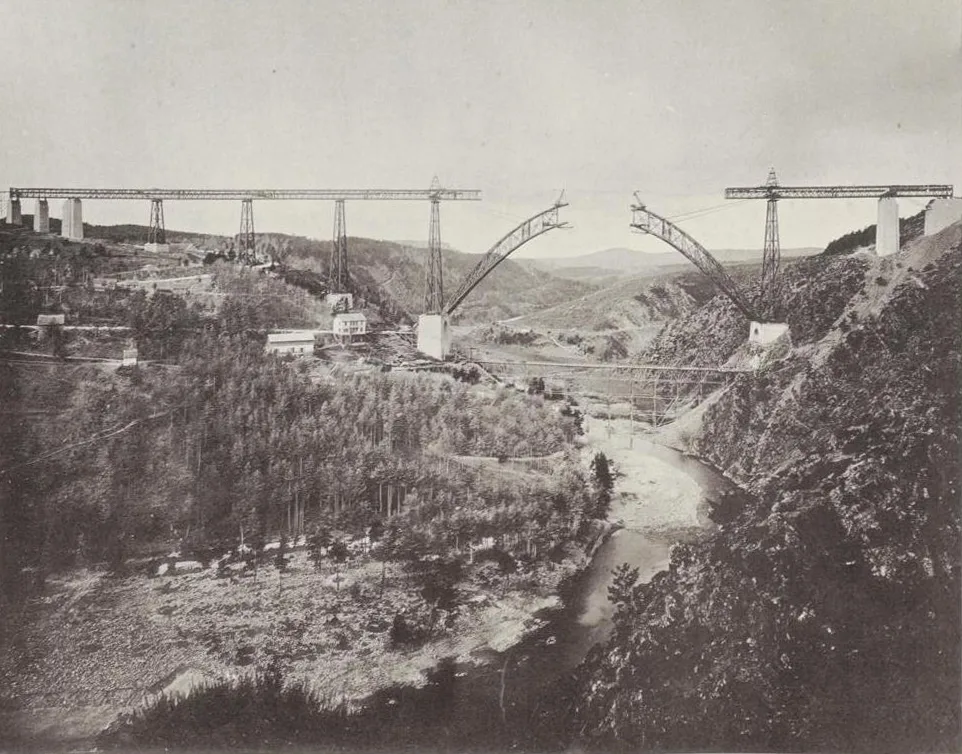
In November 1879, Koechlin, then aged just 23, started working as chief engineer at Eiffel’s firm. Koechlin and his boss were very different in character, but they complemented one another. The ambitious and extroverted Eiffel was something of a social butterfly, had political ties, a keen business sense and managed to secure some spectacular projects. The reserved and publicity-shy Koechlin, on the other hand, worked away on the sidelines and solved tasks with innovative ideas and technical flair.
Inside the Statue of Liberty
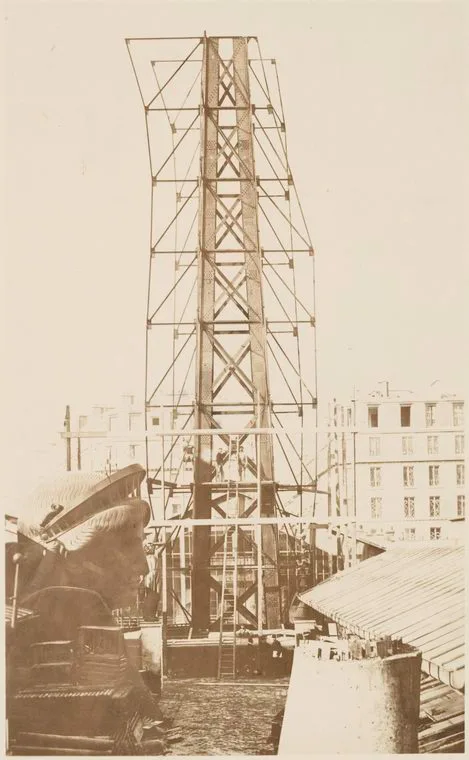
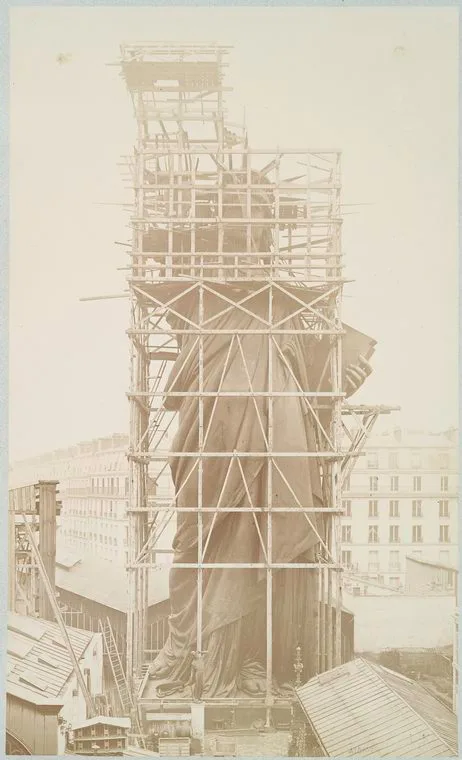
The contracting authority then contacted Eiffel, who in turn entrusted the task to Koechlin. In the same way as for a bridge, the engineer designed a structural framework consisting of four strutted columns and a double spiral staircase, as well as a projecting framework structure for the right arm. Instead of a rigid structural framework, Koechlin’s design featured a flexible lattice skeleton. This flexibility proved game-changing as the copper coating that was mounted on it allowed the statue to withstand temperature fluctuations and changing wind loads.
Early sketches produced on the living room table
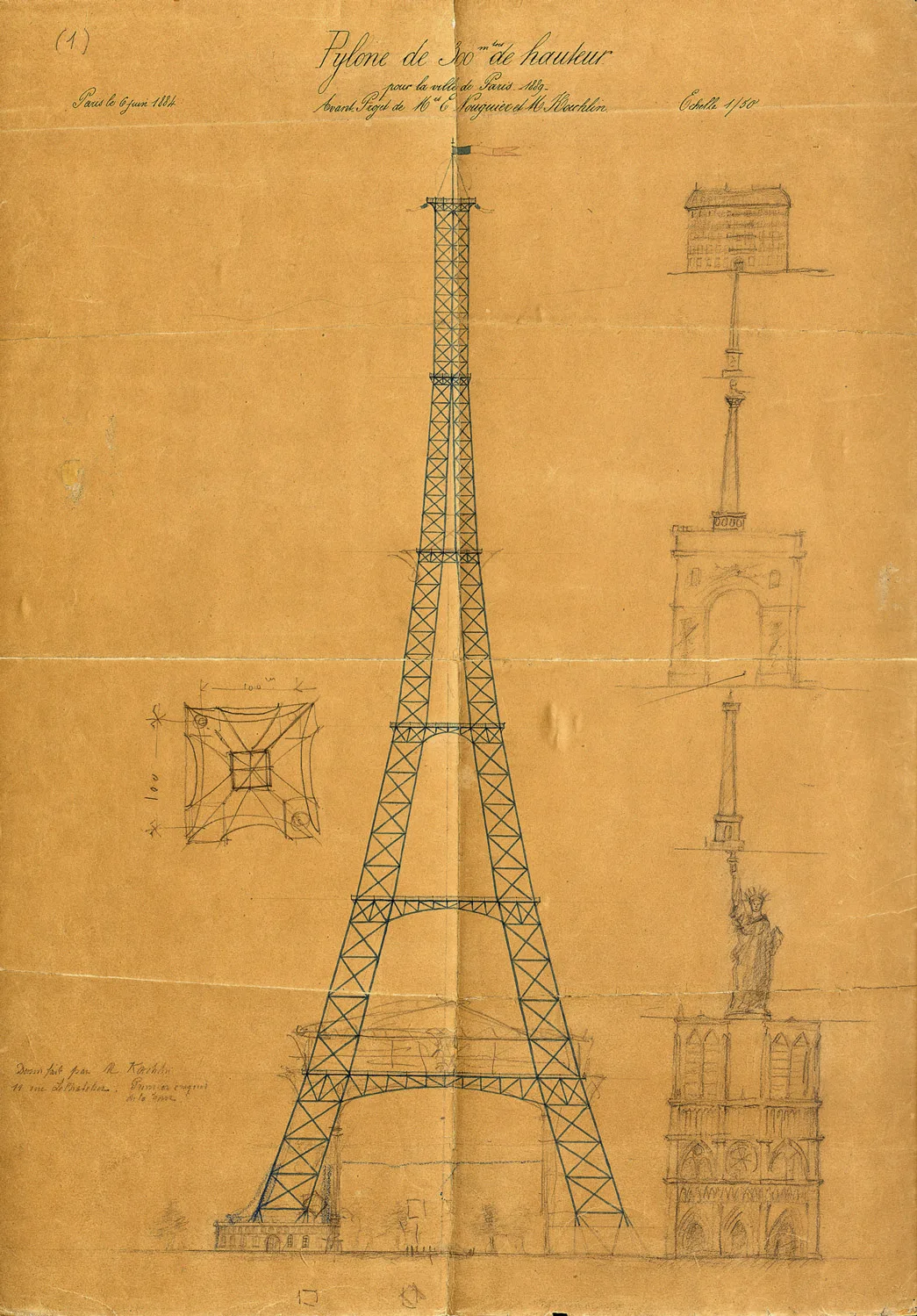
Eiffel hesitant before jumping on board
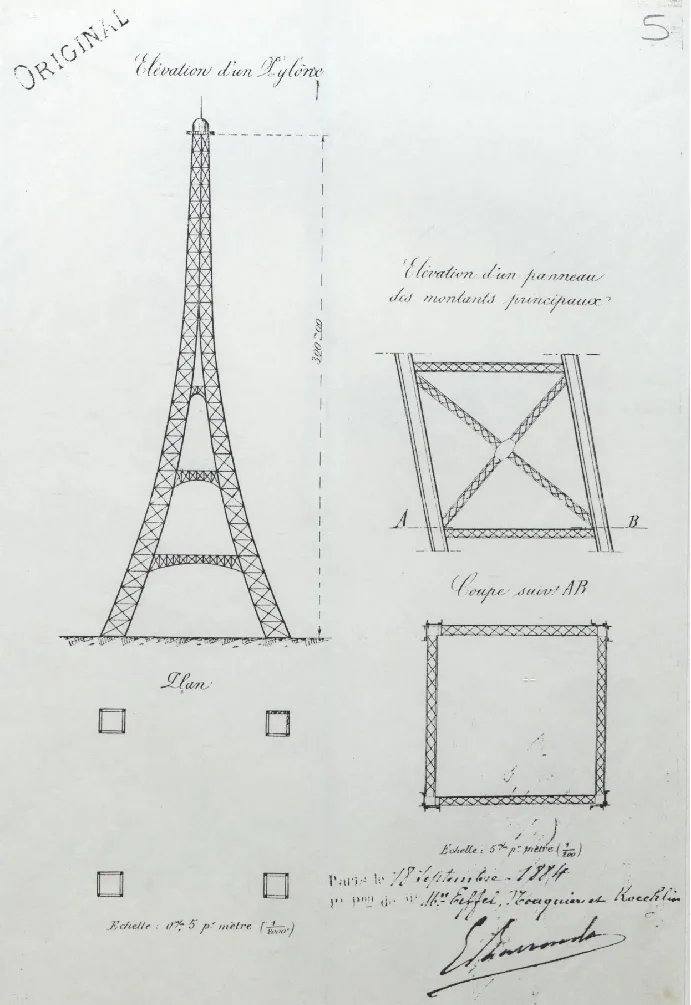
“An eyesore”
But there was some resistance to the construction of the “useless and monstrous Eiffel Tower in the heart of the French capital”. People dubbed it “an odious column of bolted metal” that would rise above Paris like a gigantic, black smokestack, crushing all the city’s monuments under its barbaric bulk.
Eiffel went ahead with the project – and Koechlin worked with around two dozen technicians to produce over 700 overall plans and 4,000 detailed sketches. By the time it opened in May 1889, public enthusiasm was high. The Eiffel Tower by then represented a terrific achievement by Gustave Eiffel.
“The idea and the calculations were mine”
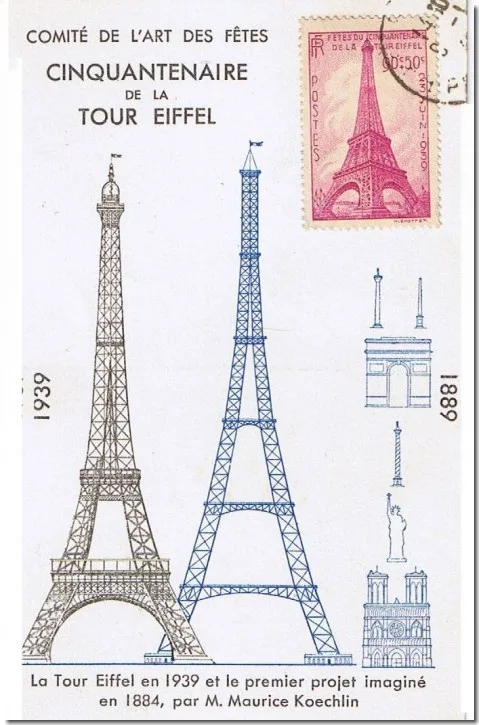
Thanks to the Eiffel Tower, Gustave Eiffel became world renowned as the ‘magician of iron’. Maurice Koechlin is commemorated by a waxwork in the Eiffel Tower, a small monument and a primary school in Buhl, and three streets named after him in French villages. Meanwhile, in Switzerland, there is no monument to the Swiss ‘magician of iron’, the genius in Eiffel’s shadow.