Water protection from the bottom up
For a long time, Switzerland's watercourses were severely affected by wastewater, chemicals and hydropower. It was not until the 1950s that a water protection movement developed. How did it achieve its goals?

Noah Businger
Noah Businger is a historian and a PhD student in Early Modern Swiss History at the University of Bern.
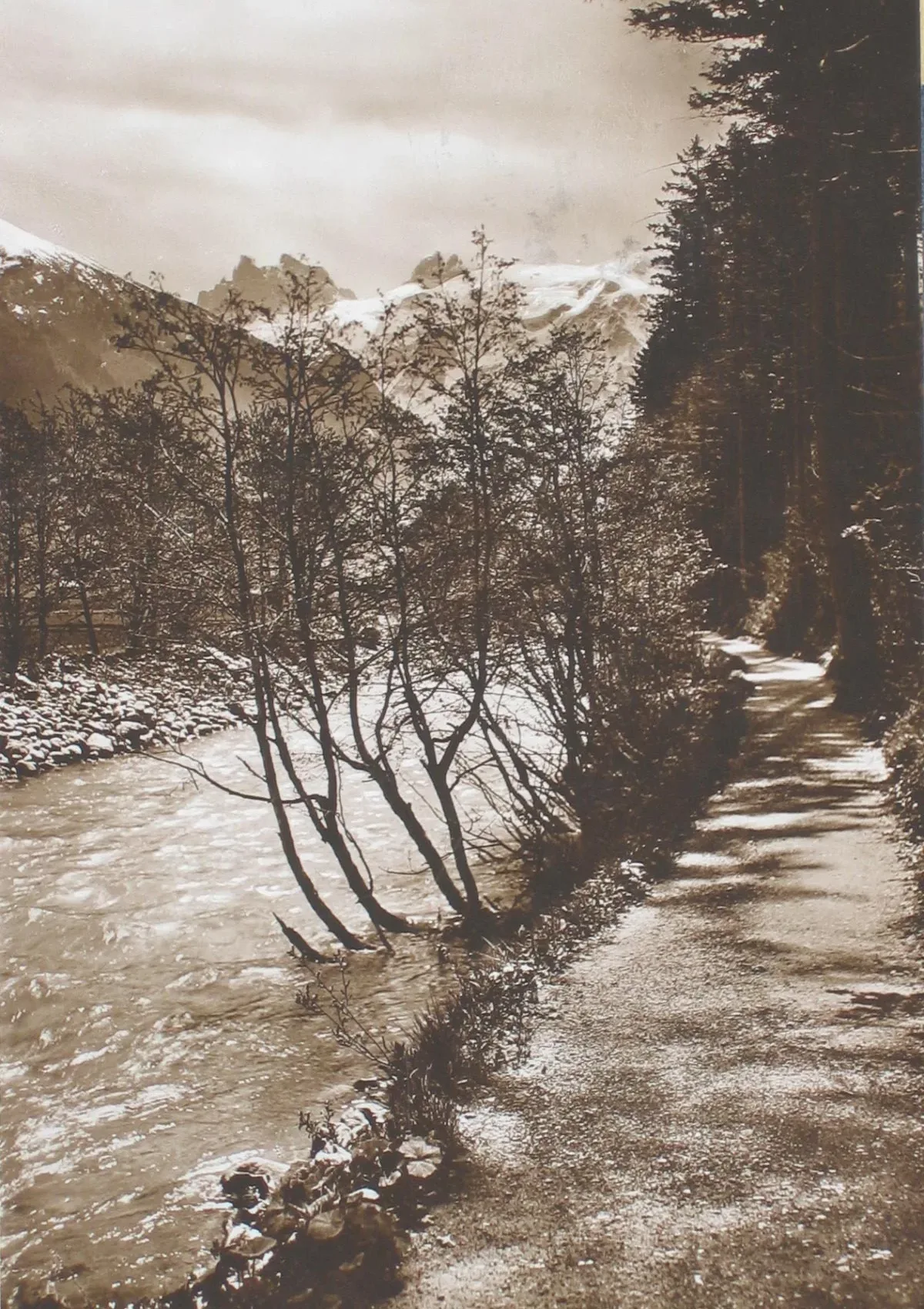
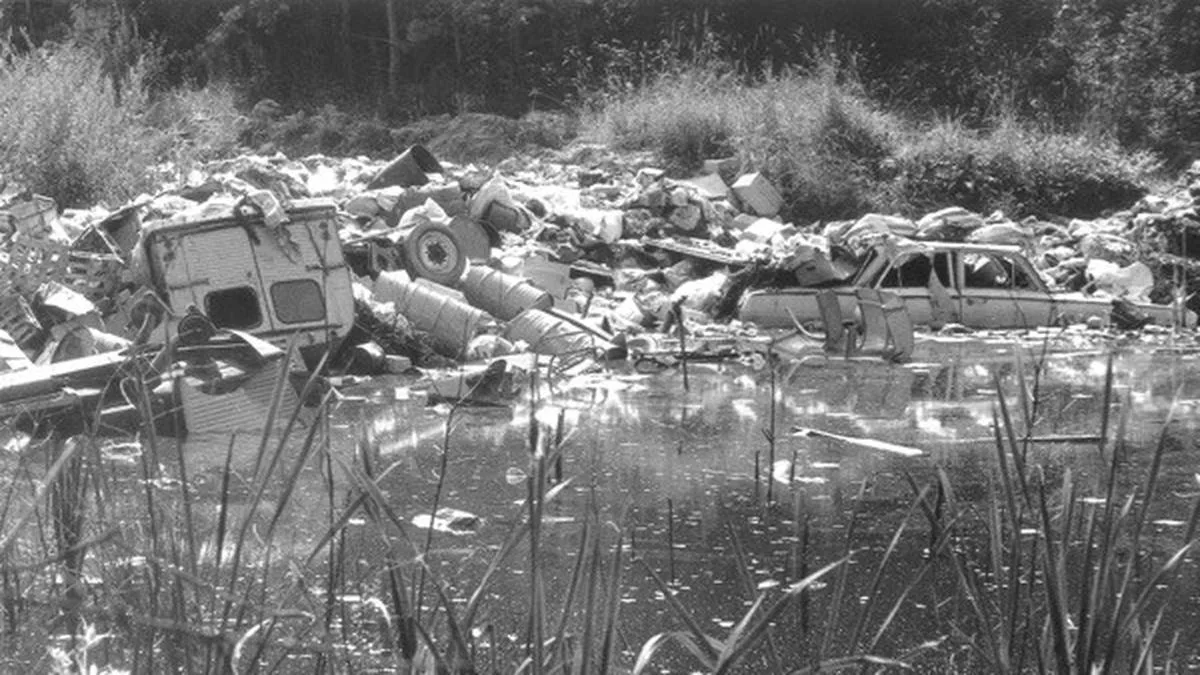
However, the commune of Engelberg didn’t see an issue as the waste was not deposited in trout territory, so it didn’t impact commercial fishing. The fact that the contaminants from the waste moved downriver into Lake Lucerne where they wiped out or decimated fish populations did not enter into the equation, at least as far as the commune was concerned.
This type of water contamination was widespread throughout Switzerland until the 1950s. The situation has improved markedly since then and the waters are now much cleaner and healthier. How did this come about and what actual steps were taken to improve water protection in Switzerland? Which actors took the lead in making this happen? And what did the recreational fishing community do, like the club in Obwalden, for example?
Taming and using the waters
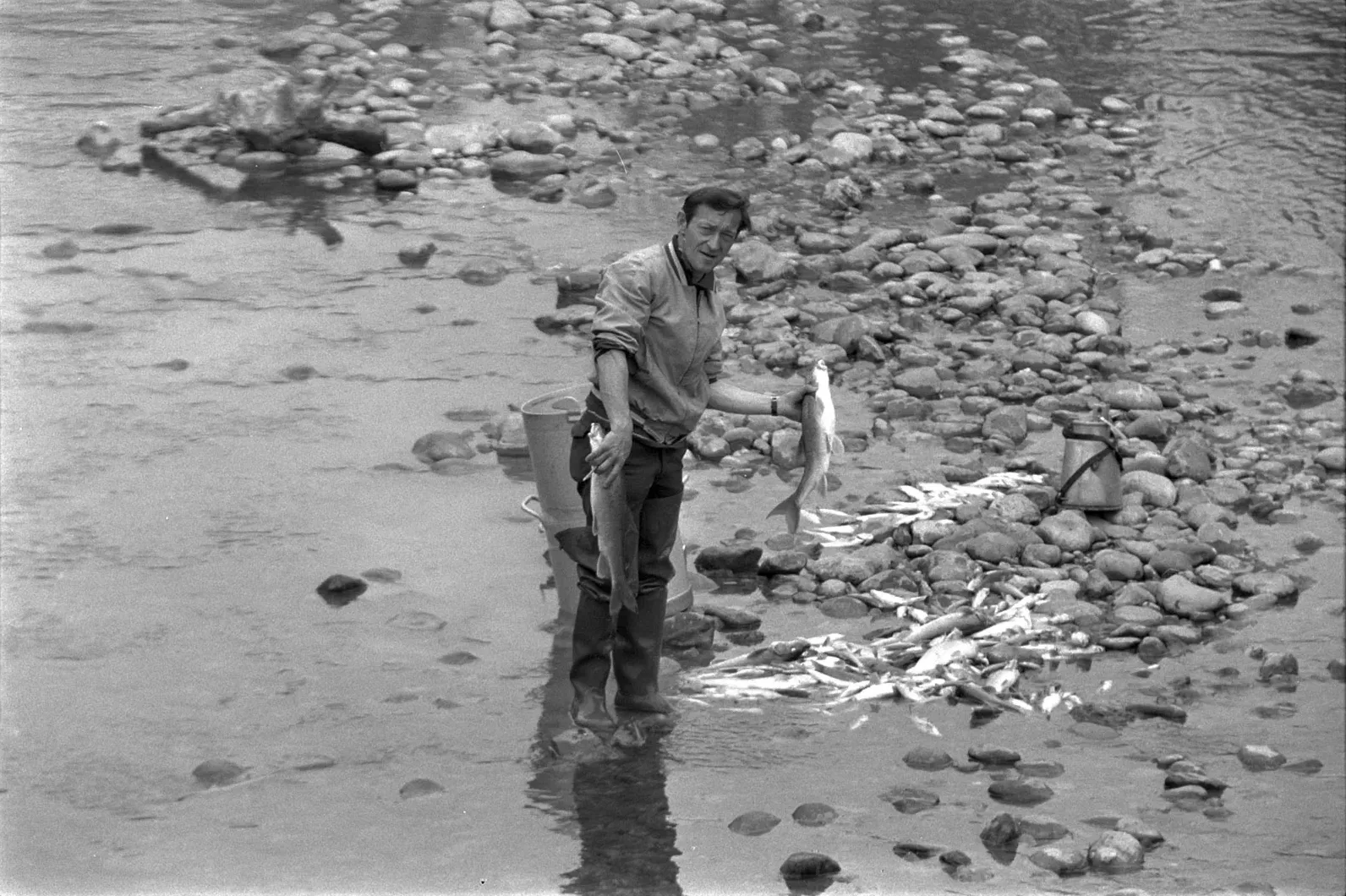
Although the revised Act on Fisheries of 1888 banned the disposal of harmful substances and industrial waste in water bodies, many rivers and lakes in Switzerland were incapable of sustaining an ecosystem in the 1950s. Power plants and other structures prevented fish from migrating and fish were dying every day from toxic substances in the water.
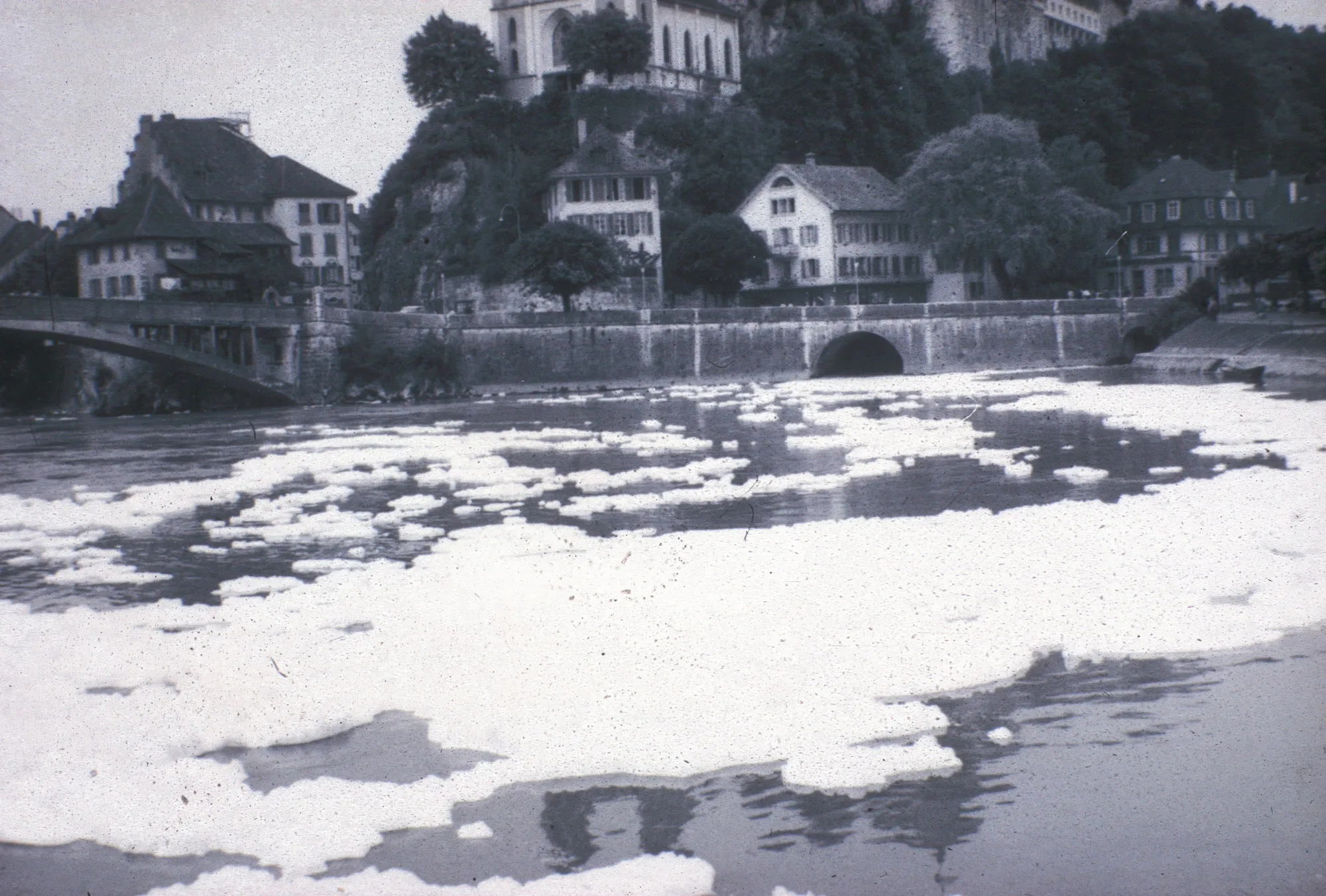
The Federal Act on Fisheries […] had obliged the cantons for over 70 years to keep fishing waters clean. Unfortunately, the provisions of this law […] remained largely unfulfilled.
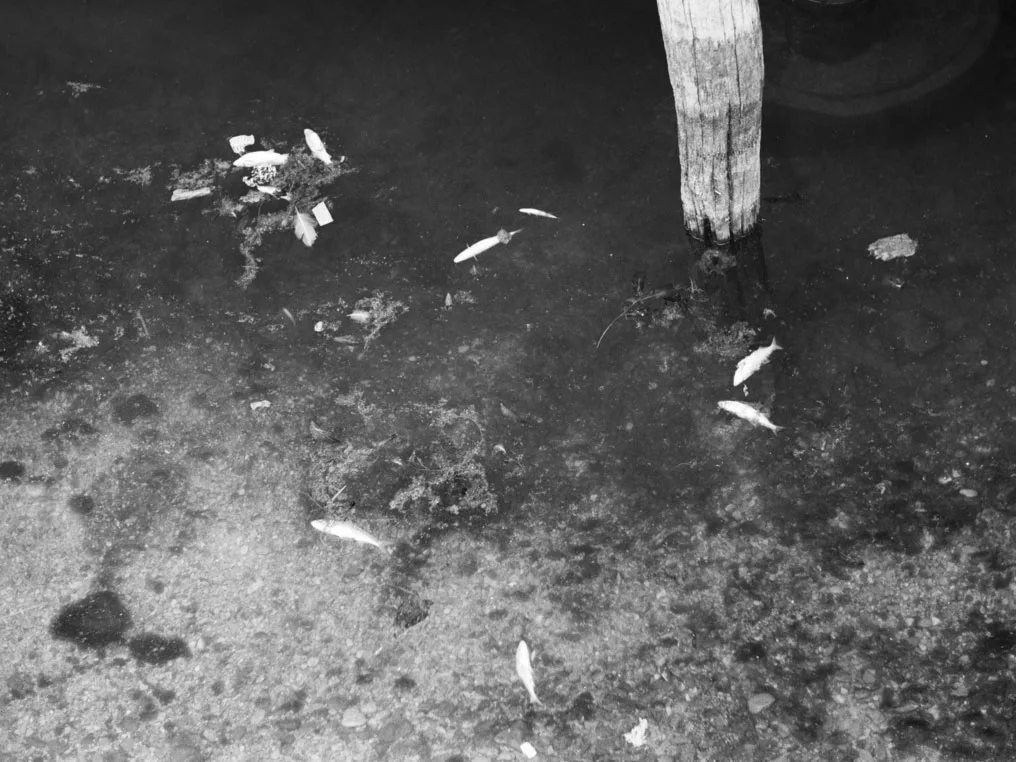
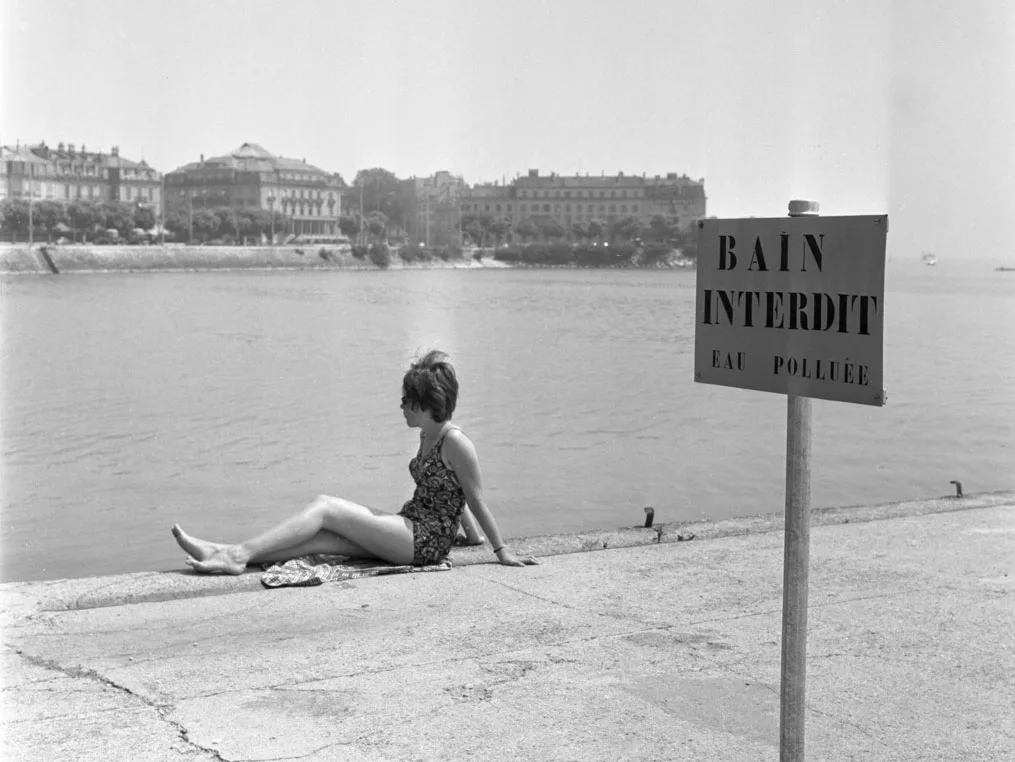
Fish dying in polluted Lake Neuchâtel in 1964. The influx of pollutants and nutrients led to a proliferation of algae, which upset the biological balance and lowered the oxygen content of the water. Swimming in the lake was completely banned. Keystone / Keystone
Technology-based water protection
The Nature and Cultural Heritage Act (1967), the second Waters Protection Act (1972) and the third Act on Fisheries (1975) conferred additional powers on the Confederation and facilitated the upgrading of wastewater treatment plants with massive subsidies. These measures significantly reduced water pollution. So, how did it come about that the Confederation suddenly assumed responsibility for water protection? Which actors pressed for more public money for clean and healthy waters?
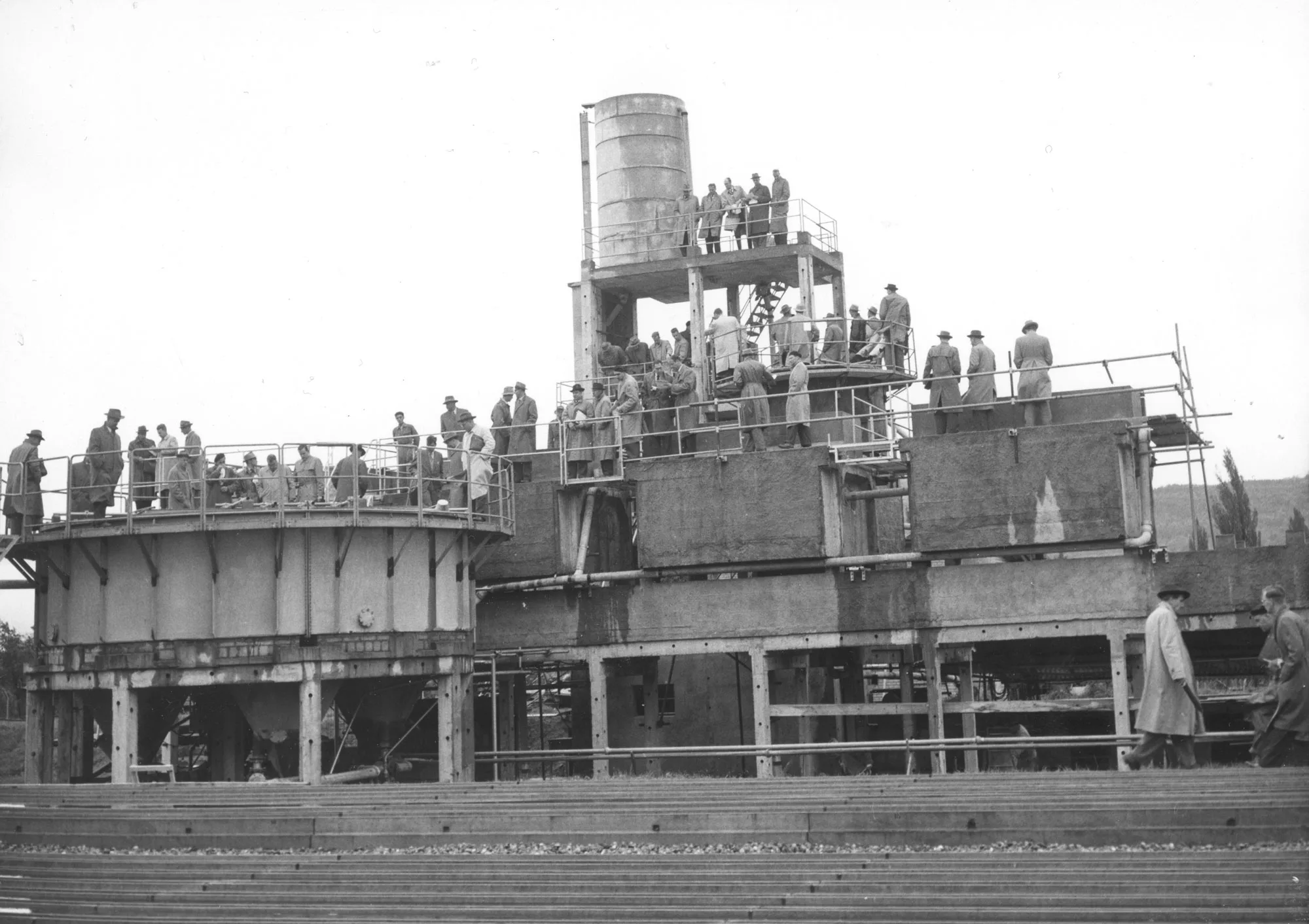
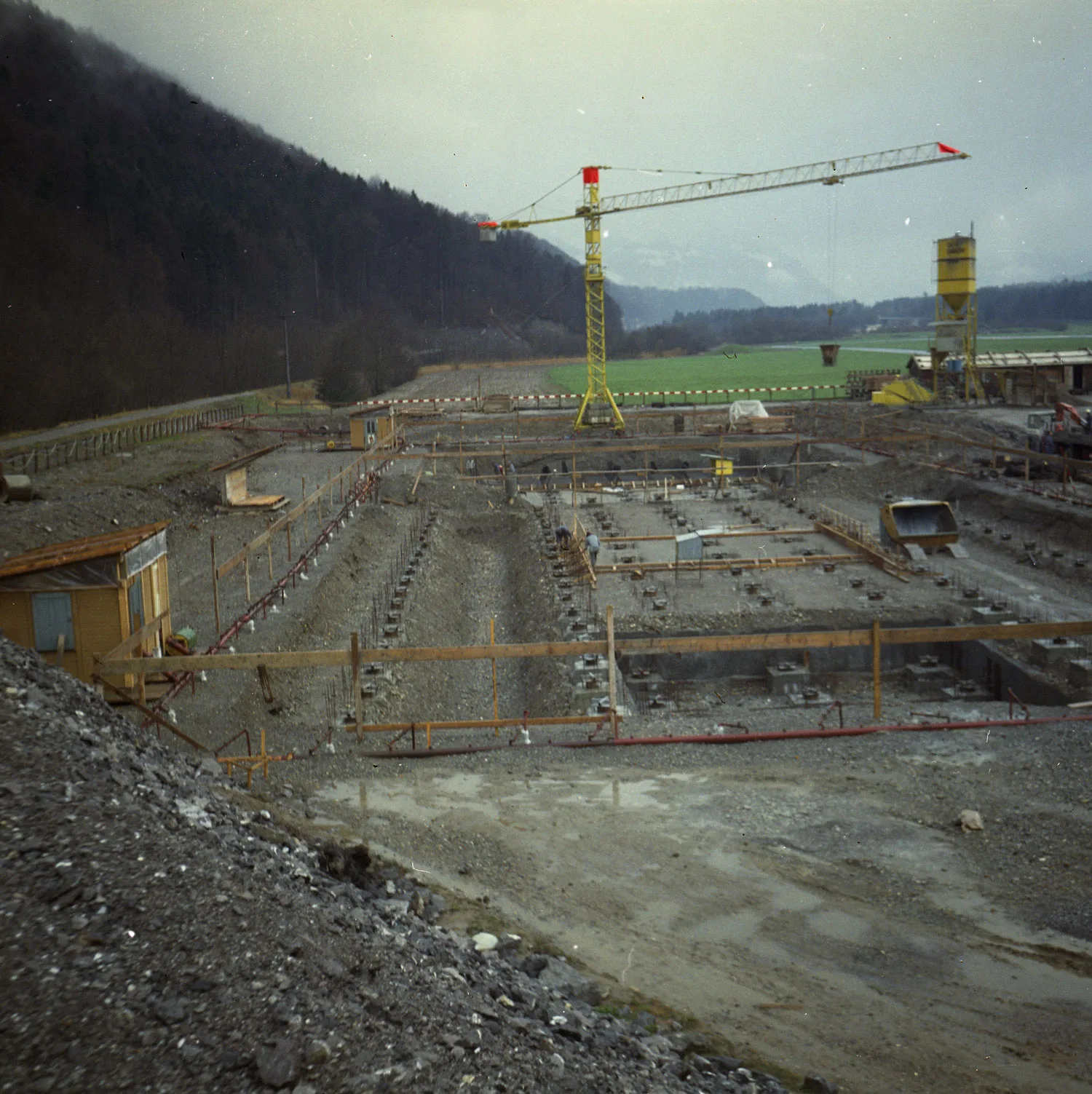
Just like our forests, our still and flowing waters are part of our homeland, which we must cherish and nurture and protect from harm with all the means available to us.
An integral approach to water protection
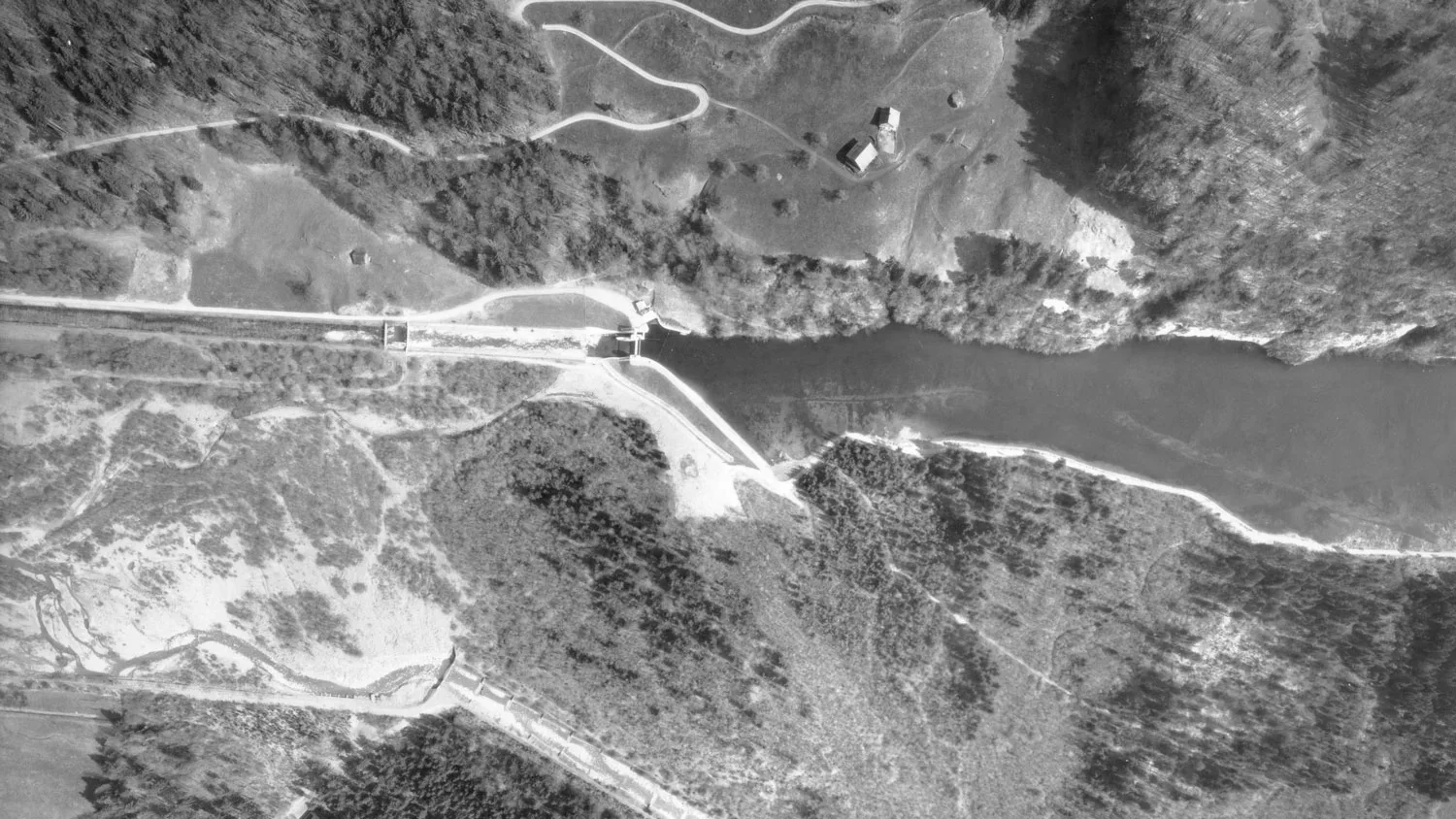
Since 1955, there has been a hydropower plant at the Sarner Aa river between Sarnen and Alpnach, which cuts off the flow to Wichelsee lake. The plant’s hydropower generation dried up the river below the dam for ten to eleven months a year. Before the plant was built, ‘Sportfischerverein Obwalden’ demanded an adequate residual water flow and the construction of a fish ladder to enable the fish to migrate from the lake. All in vain, as the hydroecological demands of the fishing club came second to the commercial benefits of maximum utilisation. There was no residual water flow, the Sarner Aa was an ecological dead zone and the main migration route for the Obwalden fish was cut off.