The Geneva-based anti-communist movement
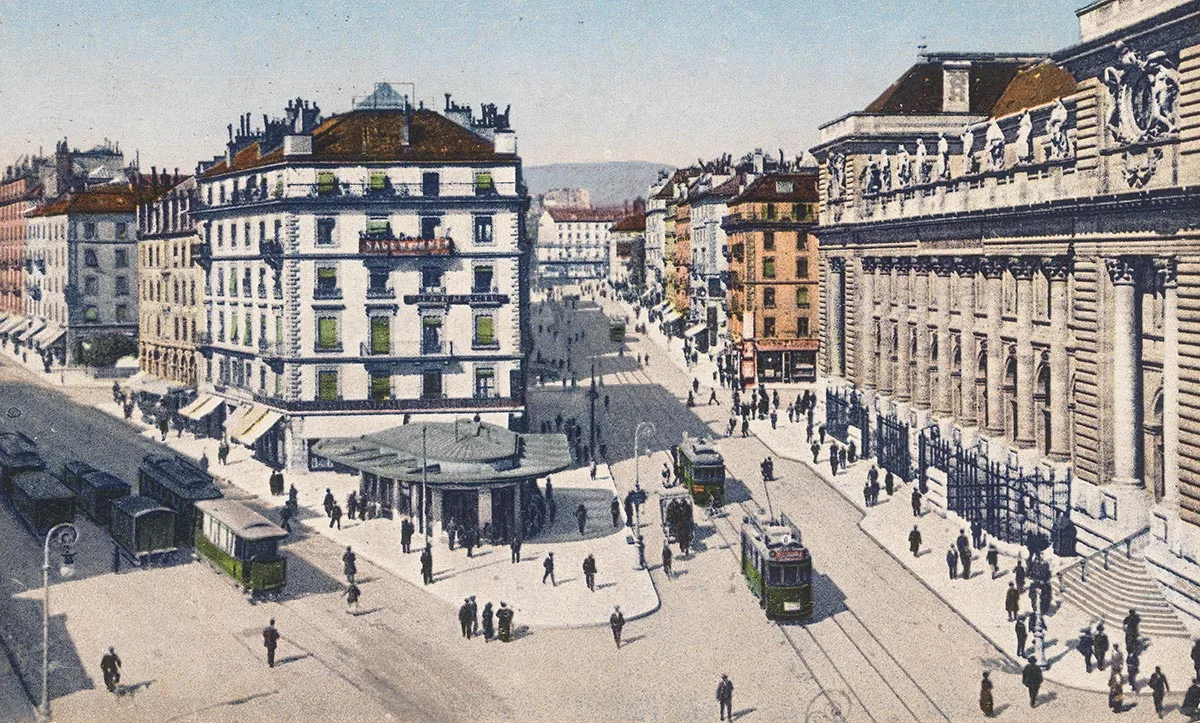
Genevan lawyer Théodore Aubert was the driving force behind the International Anticommunist Entente. The organisation was based in the city in western Switzerland and its influence extended into the highest political circles.

Christophe Vuilleumier
Christophe Vuilleumier is a historian and board member of the Schweizerische Gesellschaft für Geschichte (Swiss Historical Society). He has published a number of articles on 17th and 20th century Swiss history.
The Third International
The Third International, also known as Comintern (Communist International), was a global association of communist parties. It was founded in Moscow in 1919 with the aim of spreading the ideas of the Russian October Revolution internationally and supporting communist governments. The organisation was dissolved in 1943 so as not to jeopardise the cooperation between the Soviet Union and the Western Allies in the fight against Nazi Germany.
This sensational verdict and the rapid dissemination of Aubert’s summation by the media emboldened him to start an international crusade against Bolshevism. He was supported in this endeavour by Georges Lodygensky, the former representative of the Tsarist Red Cross.
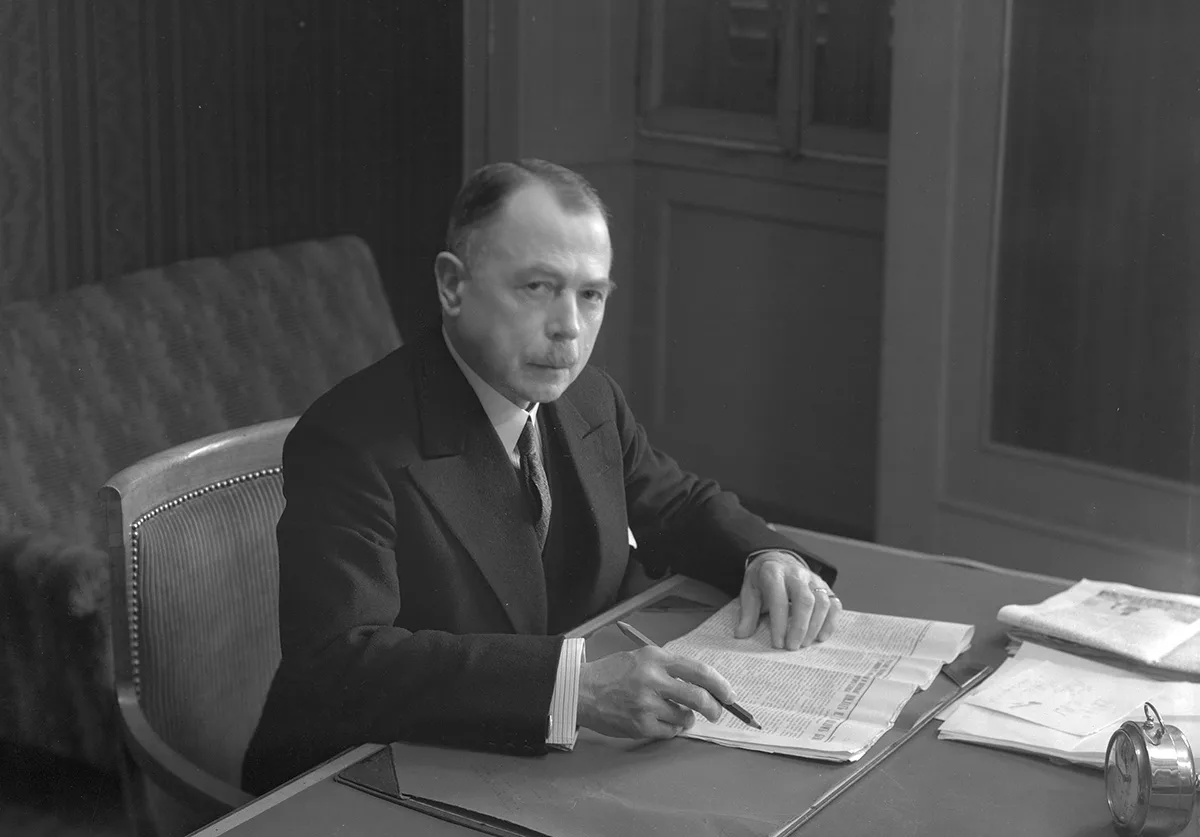
From its Geneva headquarters, the EIA sought to set up cells in different countries, usually by recruiting sympathisers from bourgeois and nationalist circles. Aubert addressed figures from the elite echelons of conservative Geneva society and from 1926 enlisted the services of Colonel Alfred Odier as a contact with direct access to the General Staff of the Armed Forces. In under ten years, Théodore Aubert managed to win over a large number of people advocating bourgeois rights from all over Switzerland to the Entente. His supporters included Zurich banker Hans de Schulthess, Brigadier General Guillaume Favre, Vaud National Councillor Jean de Muralt and, from 1936, the Swiss Minister in Rome, Georges Wagnière, who also became a member of the ICRC in the same year.
An influential network
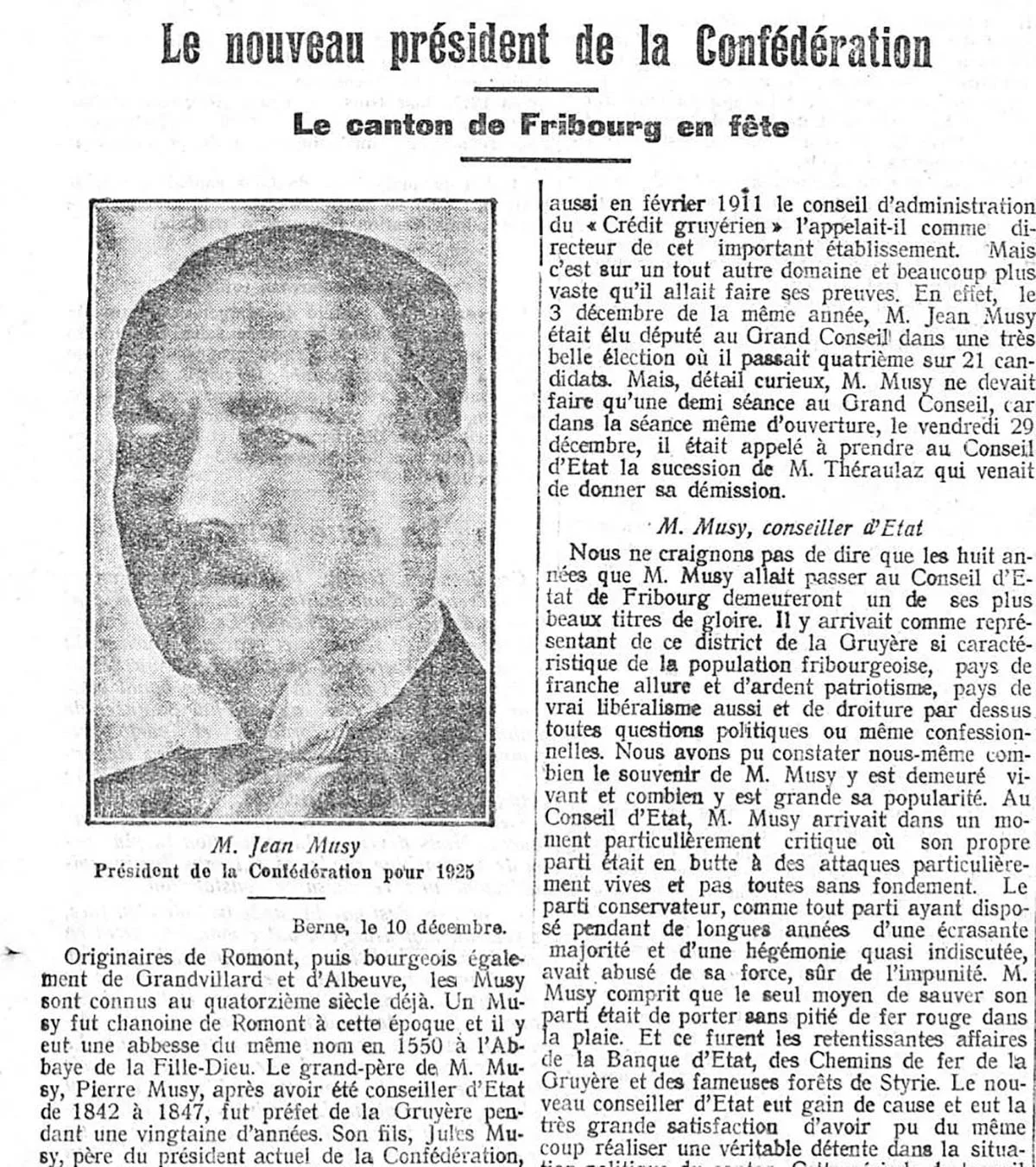
The EIA also worked to gain influence in the Swiss parliament. In 1931, Jean de Muralt organised a group of anti-Bolshevik national councillors, including Henri Vallotton and Pierre Rochat. In November 1935, Aubert was elected as a member of parliament representing the National Union, a fascist and anti-Semitic Geneva-based party. From 1929, Aubert cultivated a close relationship with Jean-Marie Musy, a federal councillor and head of the Finance and Customs Department; a person with whom he shared an antipathy to the Bolshevik regime.
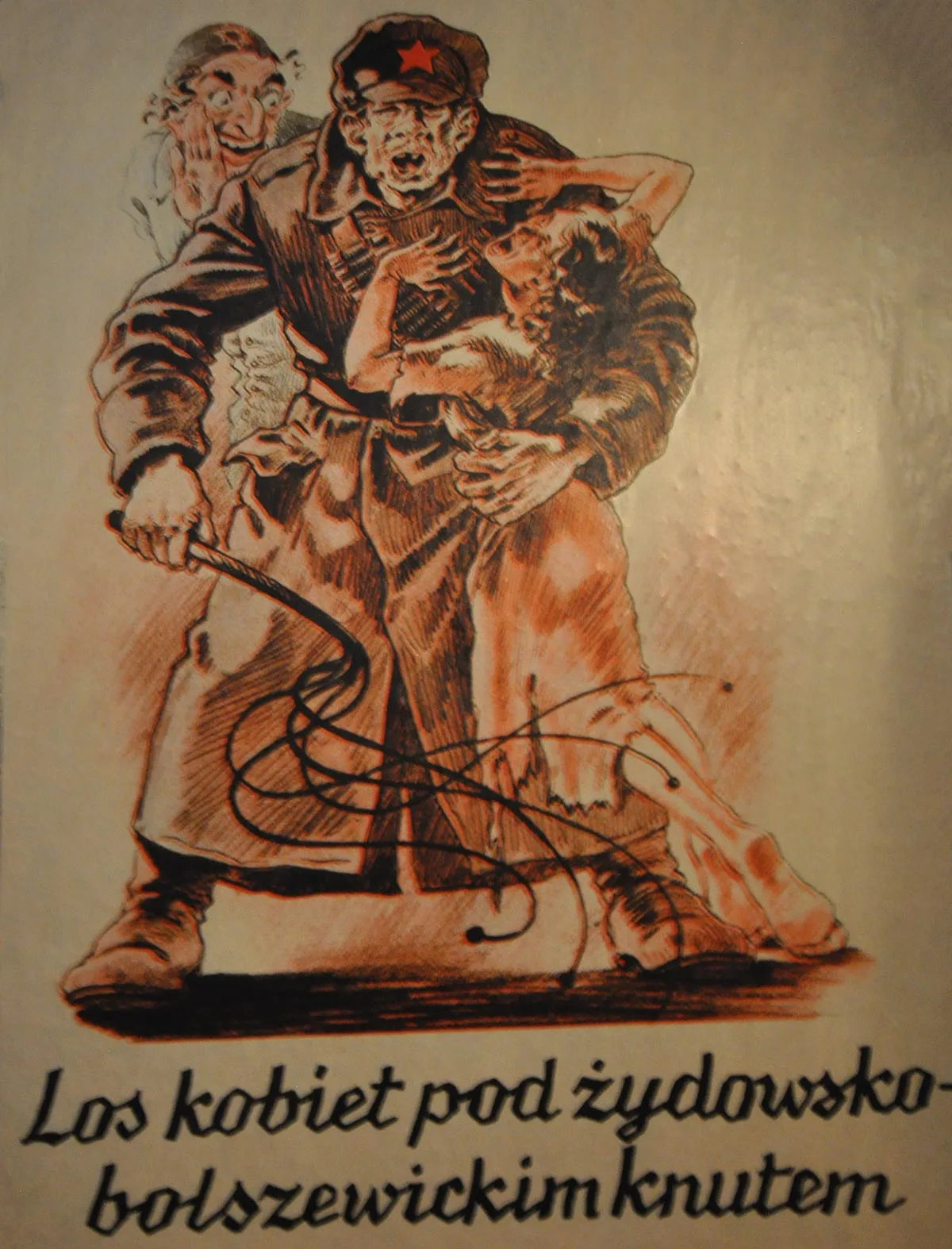
As a result, the EIA was able to conduct major propaganda campaigns right up until the first years of the Second World War, in the Balkans for example, led by the anti-communist movement in Rome. During the Spanish civil war, which involved half of the globe between 1936 and 1939, the EIA ran propaganda campaigns in support of General Franco, presenting the conflict as a fight by Christian civilisation against Bolshevik barbarism.
Following the Second World War, the Entente found itself on the sidelines, not just due to the role of the Soviet Union in the fight against Nazi Germany, but mainly as a result of Switzerland’s recognition of Moscow. Moreover, the US became the predominant anti-communist force in the post-war order. Théodore Aubert and Georges Lodygensky decided to close down the organisation and turned its library and archives over to Geneva Library, having carefully vetted all the documents first.