Sketches of love
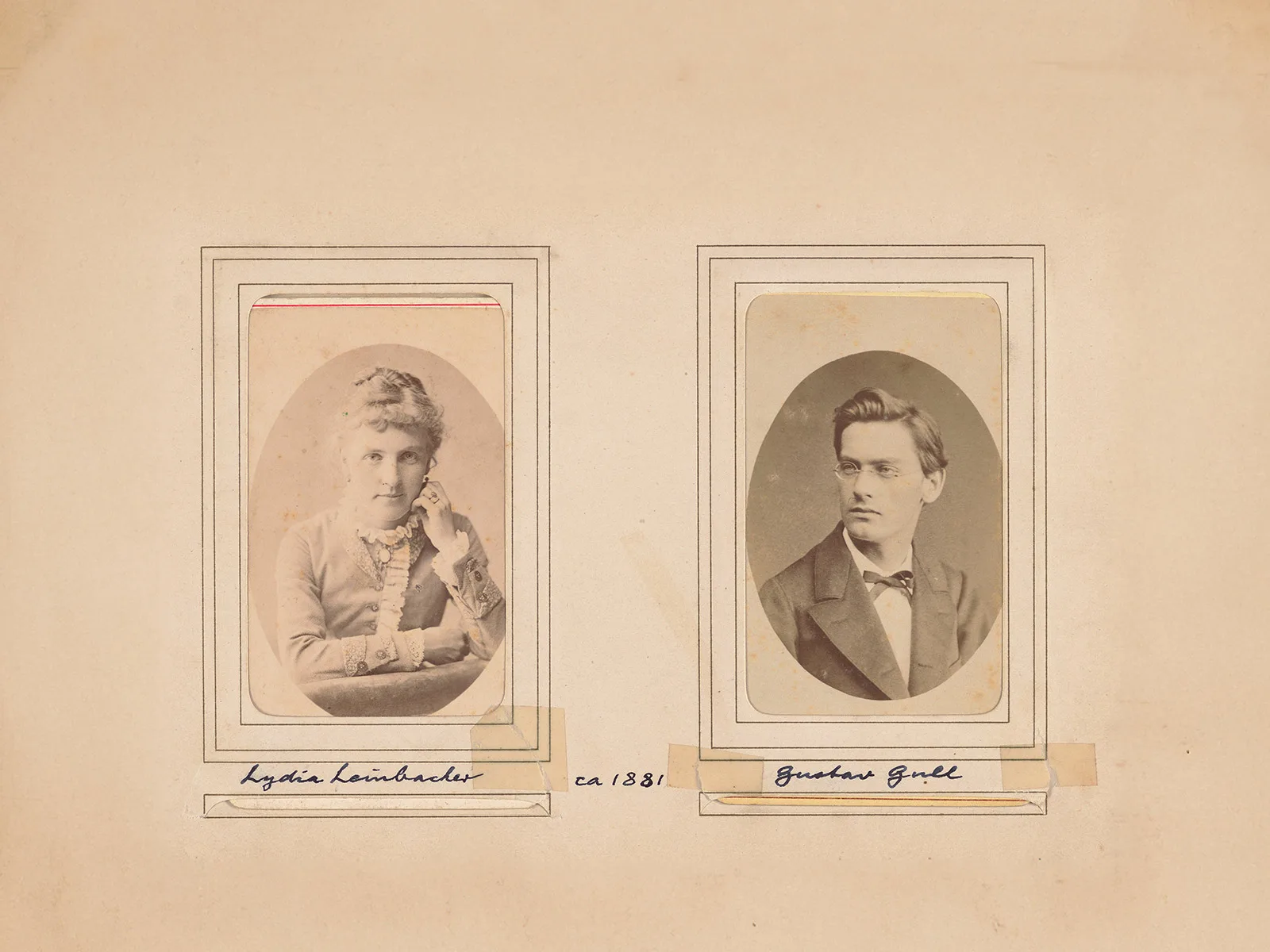
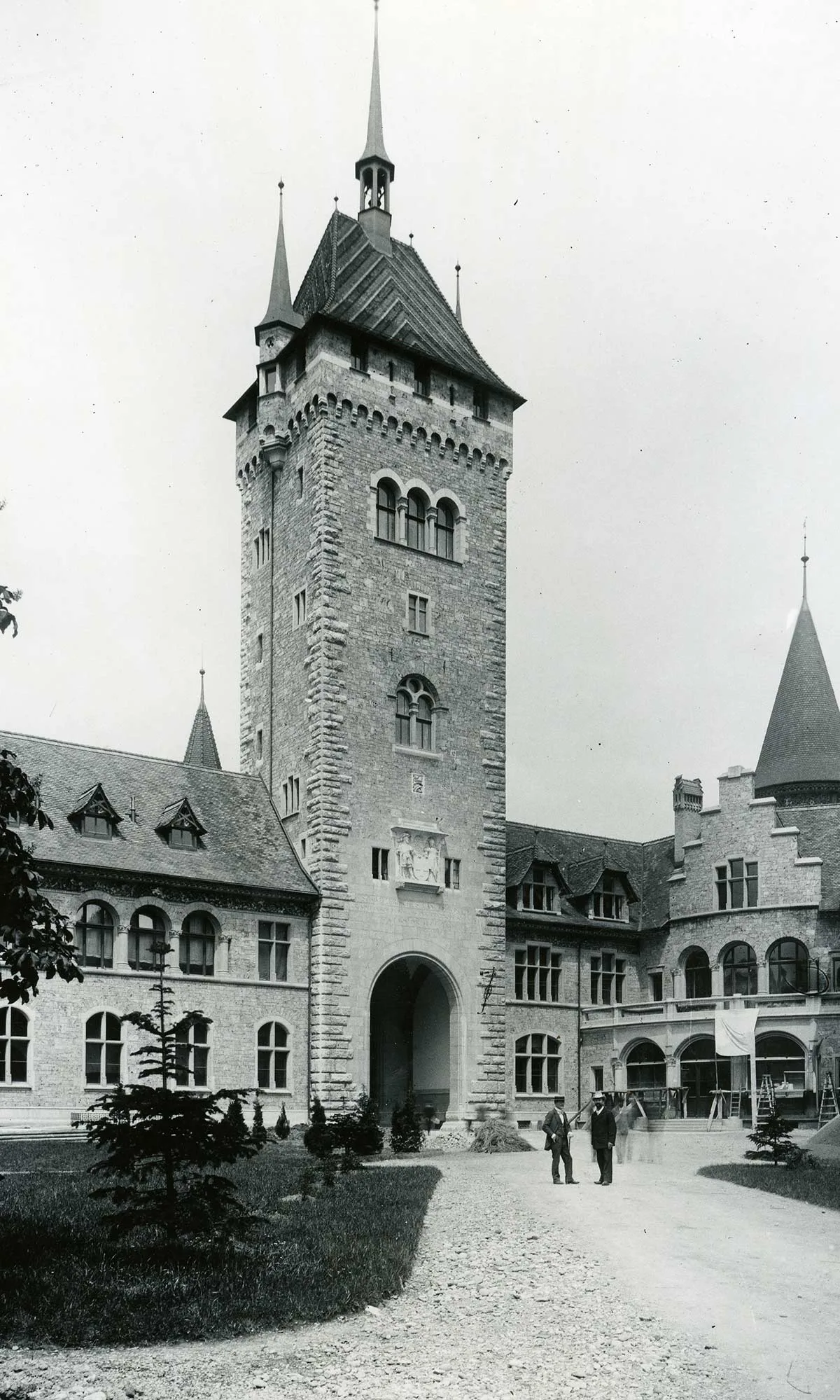
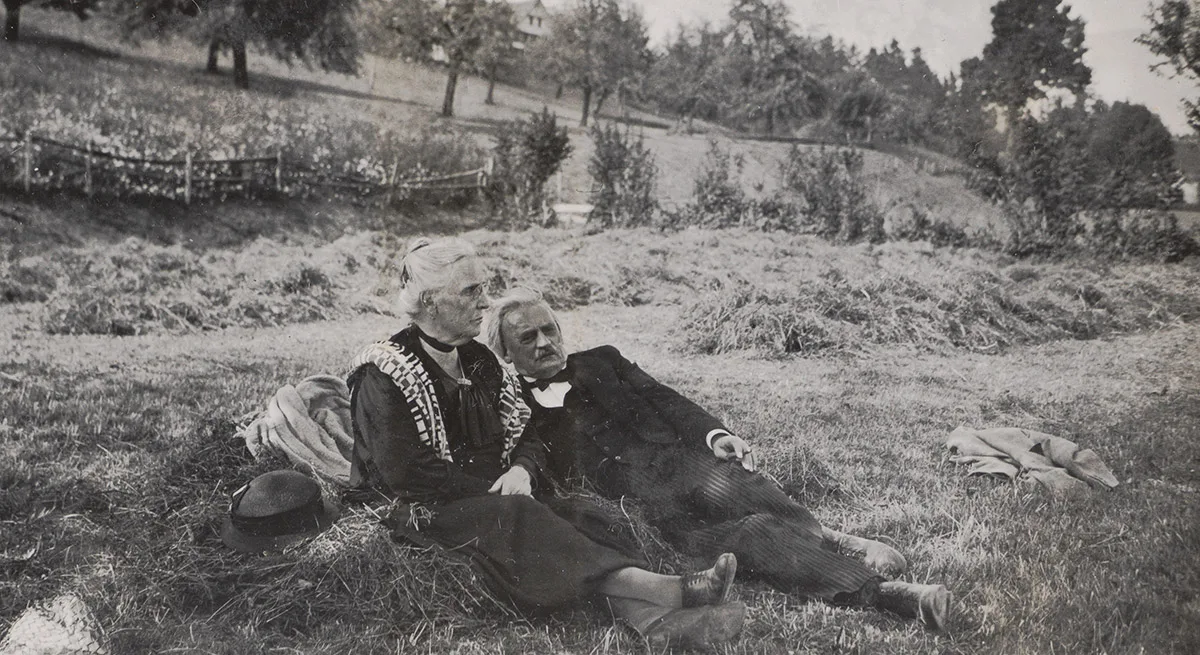
Gustav Gull made a double portrait of himself and his wife Lydia for the façade of the National Museum in Zurich. The reliefs were not the only architectural declarations of love made by the star Zurich architect to his wife.

Cristina Gutbrod
Cristina Gutbrod is a freelance architectural historian and cultural mediator at the National Museum Zurich.
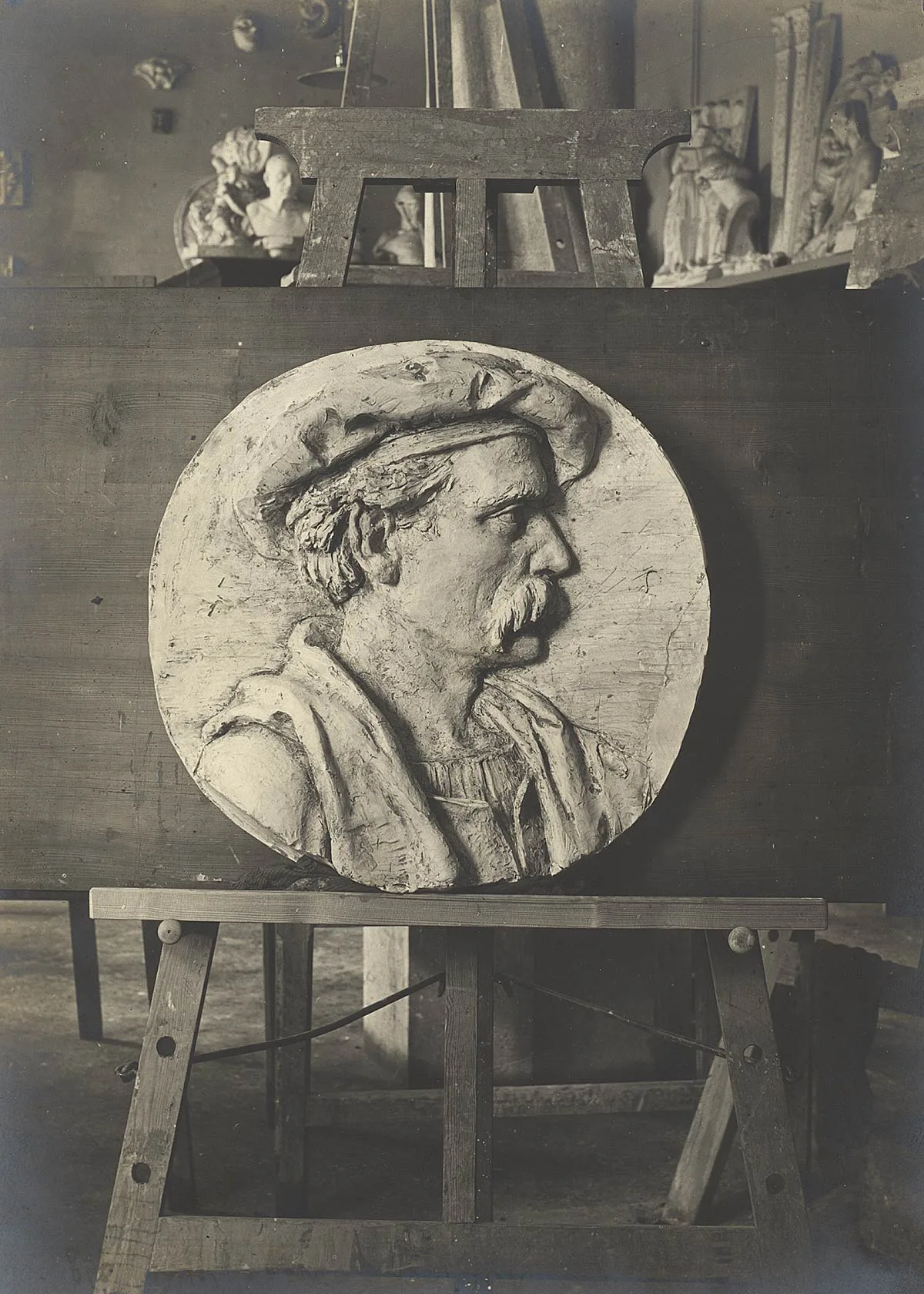
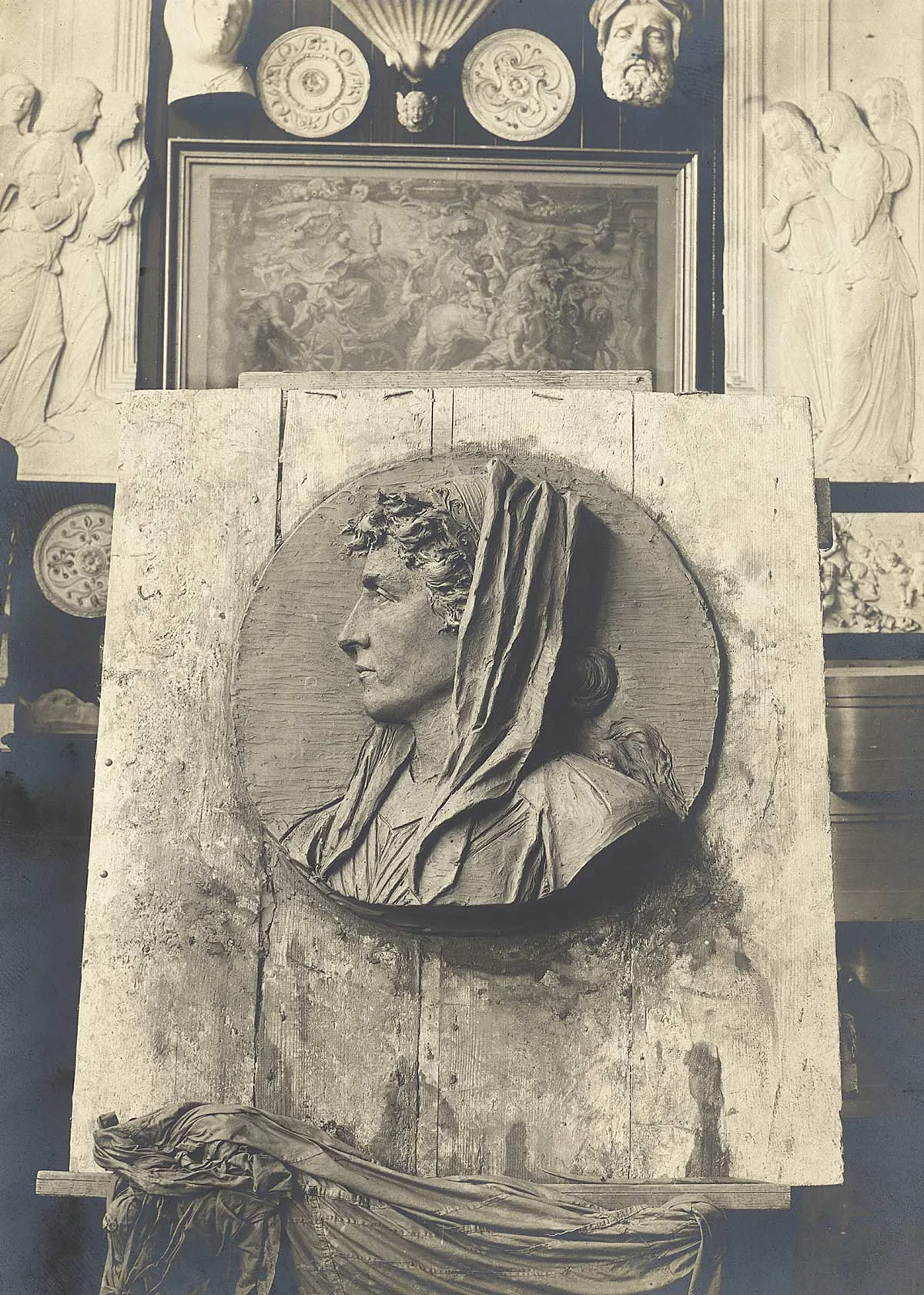
Gustav Gull immortalised his love for Lydia Leinbacher in the West Wing of the National Museum in Zurich in the form of two portrait medallions. The museum façade was designed by Joseph Regl. gta Archiv / ETH Zürich, Nachlass Gustav Gull / gta Archiv / ETH Zürich, Nachlass Gustav Gull
Inspired by love
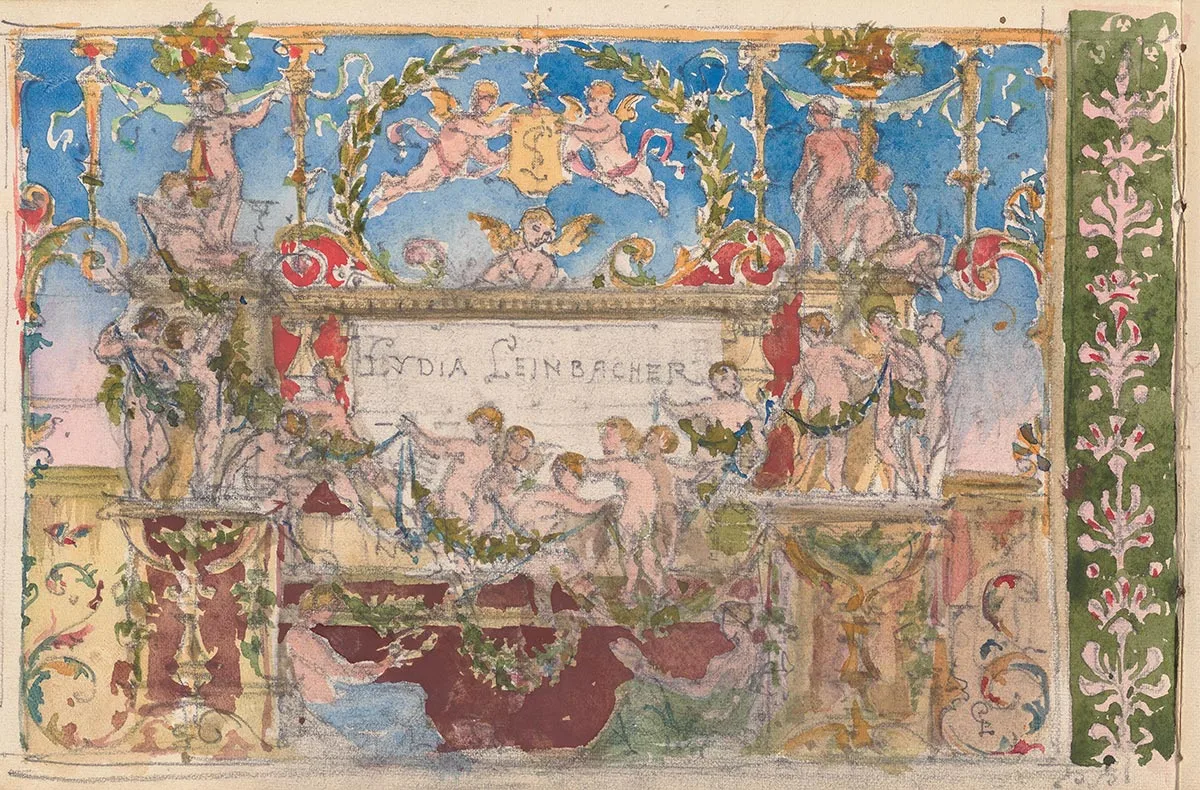
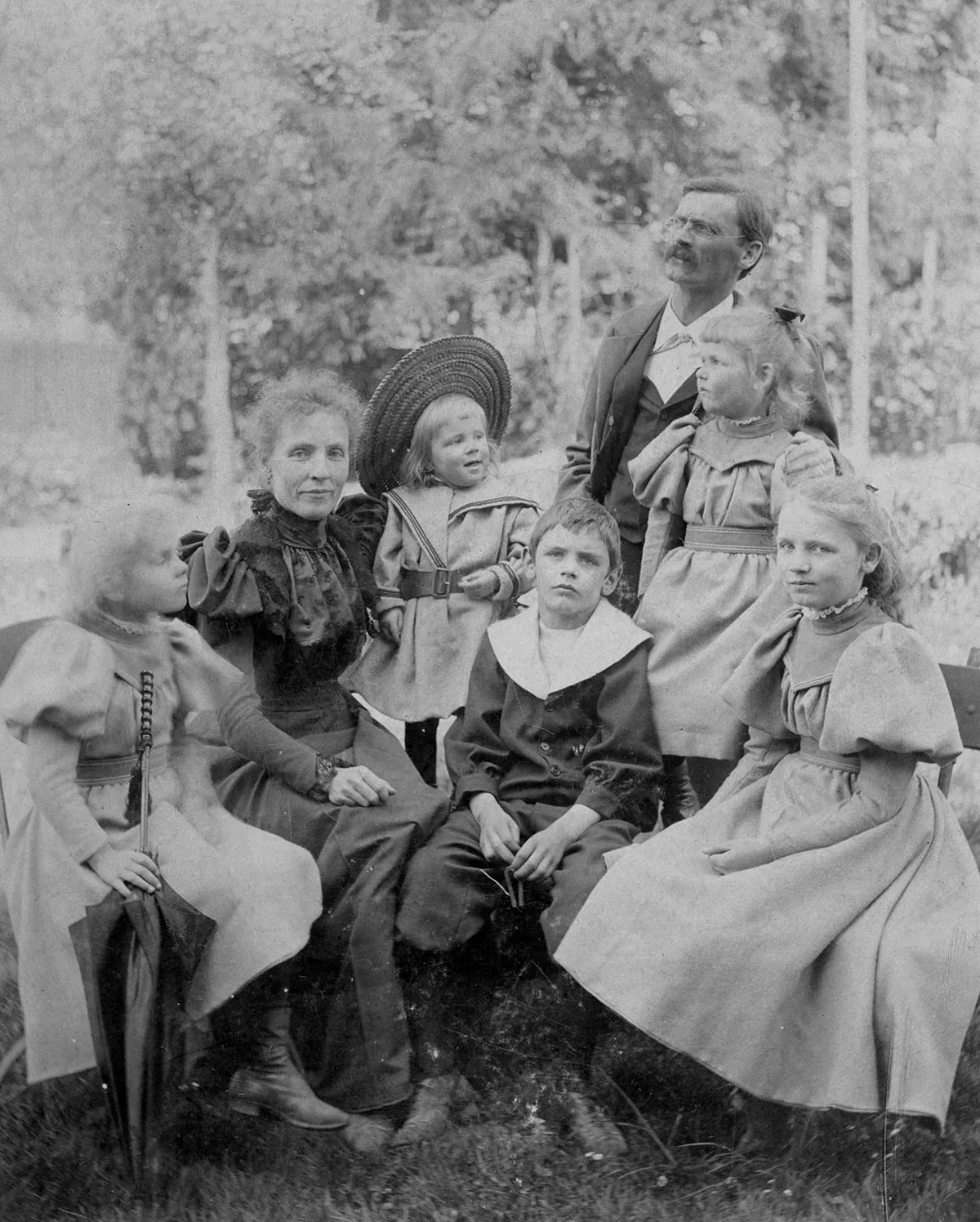
The young lady encouraged the architect to pursue his career, while she took a back seat: she did not want to hinder Gull’s professional advancement; instead she would wait patiently for the wedding, as she wrote in a letter. Gustav Gull meanwhile included Lydia Leinbacher in his vision of life as an architect: “One of my favourite thoughts has long been that you could join me and come with me to work to see what I do and help with my projects. Then it wouldn’t feel like it was just anyone who was with me. It would be you, the one who brings out the best in me.”
The long-distance relationship captured in hundreds of letters
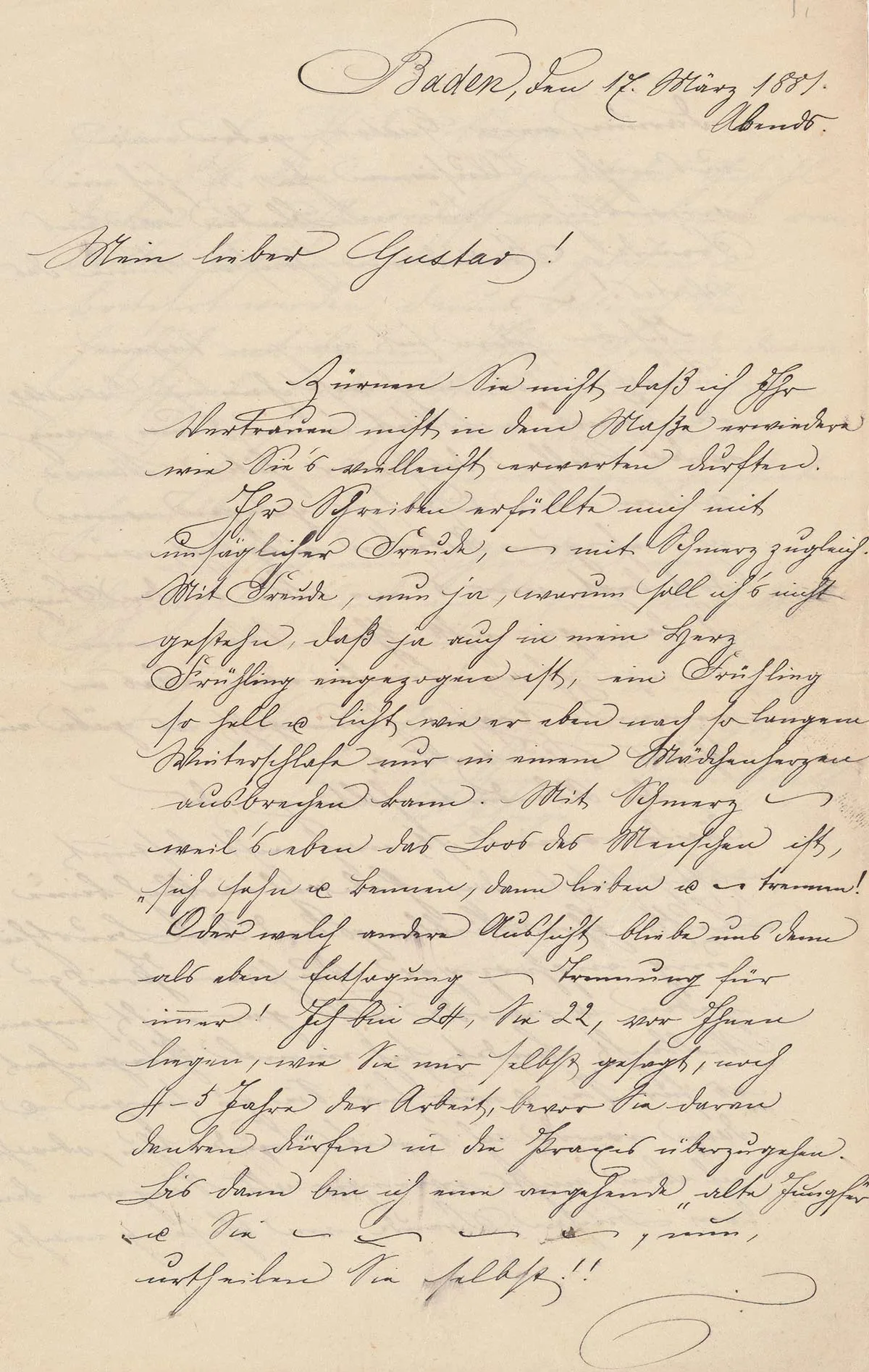
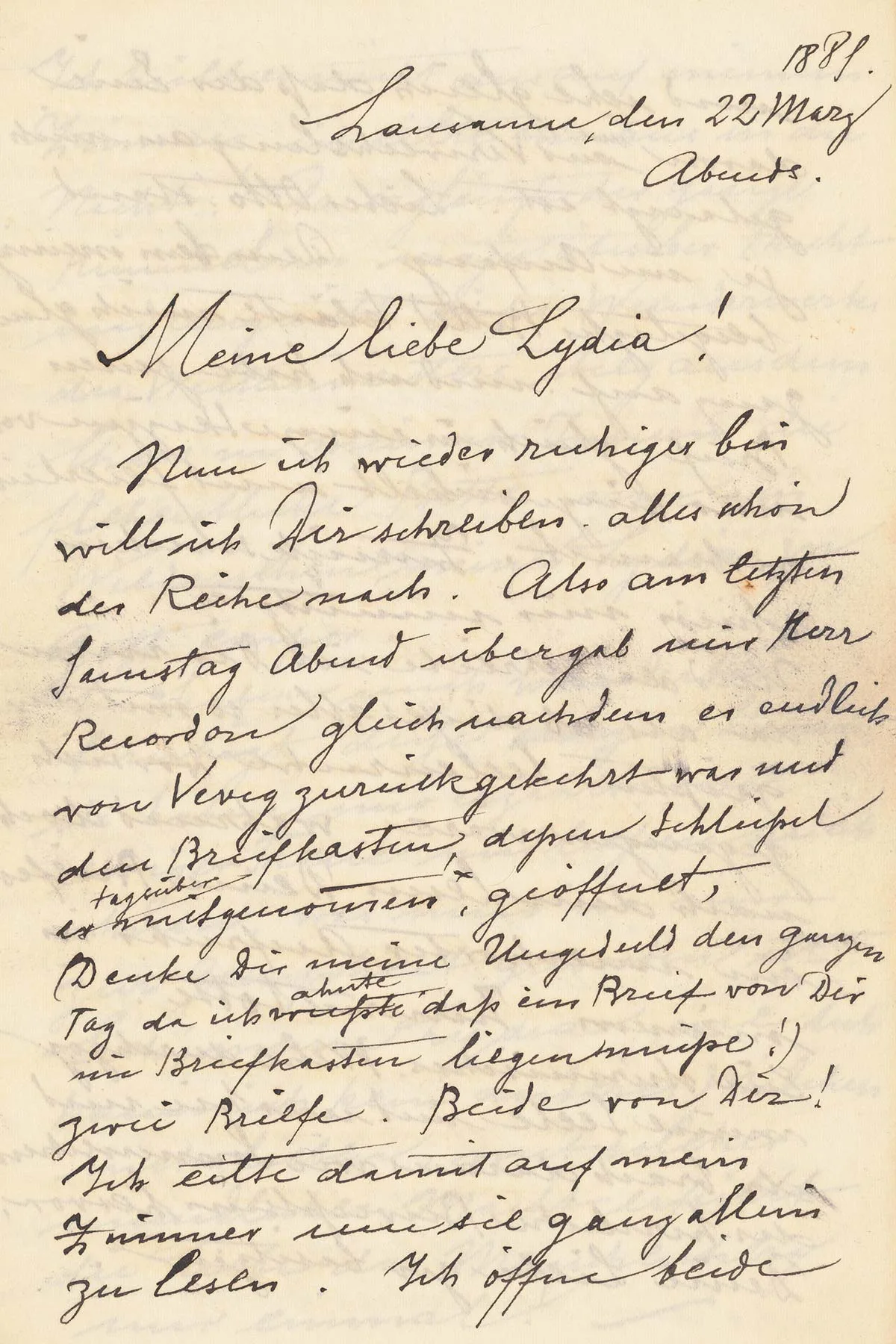
Gustav and Lydia expressed their love in countless letters. gta Archiv / ETH Zürich, Nachlass Gustav Gull / gta Archiv / ETH Zürich, Nachlass Gustav Gull
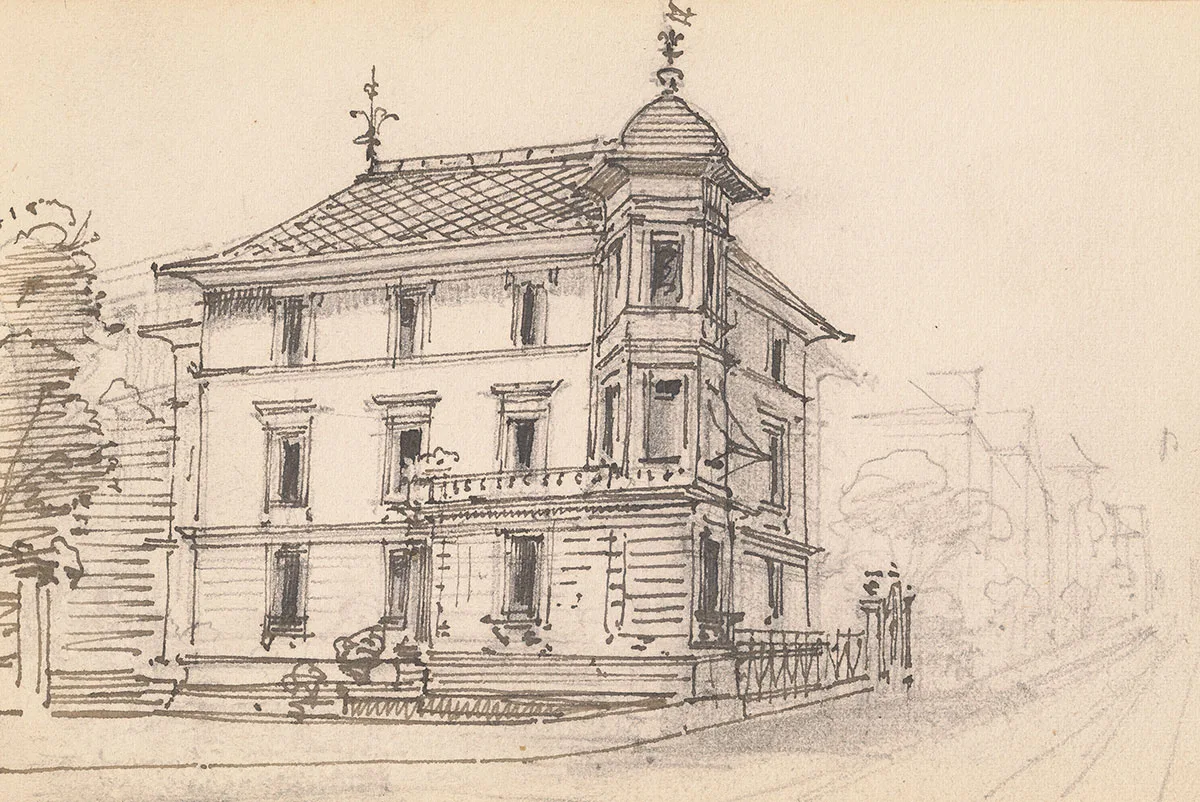
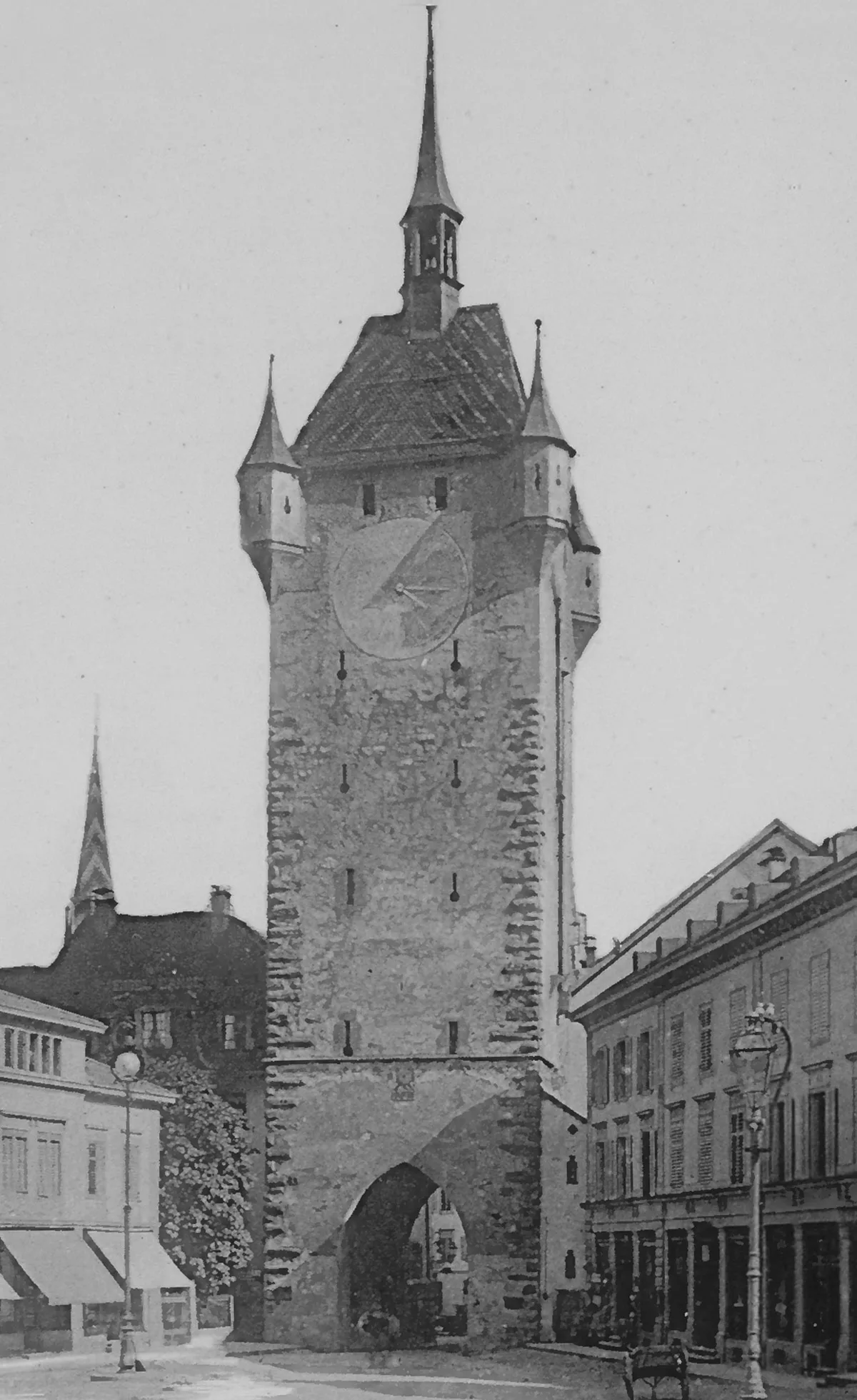
The family home
The architectural styles of ‘Rosenegg’ closely resemble the Swiss National Museum – the building with which Gull had launched his career and that served as a landmark for his designs in the municipal architecture department. The uphill part of the Gull family’s house has a broad clipped gable roof facing the turn in the road. Gustav Gull had used the same roof type, a feature of medieval secular buildings, for the northwestern corner of the National Museum, where the portrait medallions of him and his wife are on the same side as the park. The frieze on the beams and ceiling in the ‘Rosenegg’ dining room is reminiscent of late-Gothic flat cuts, and the design of the window alcove in the style of late-Gothic secular buildings is similar to the rooms from Fraumünster abbey transplanted into the National Museum. Gull’s dining room also displayed the ‘Alpaufzug’ (1881) painting by Gull’s friend Rudolf Koller, as well as Lydia Gull’s small worktable, designed by Gustav for his wife in 1901. The ‘Rosenegg’ house reflects Gustav Gull’s understanding of architecture, his social standing and the ideal family life he shared with Lydia Leinbacher. The architecturally distinct ‘Rosenegg’ is not just the centre of family life, it is also the calling card of the National Museum architect. Gustav Gull’s studio was in the attic. As in the portrait medallions at the National Museum, family and working life blend into one in the architecture of their ‘Rosenegg’ home.
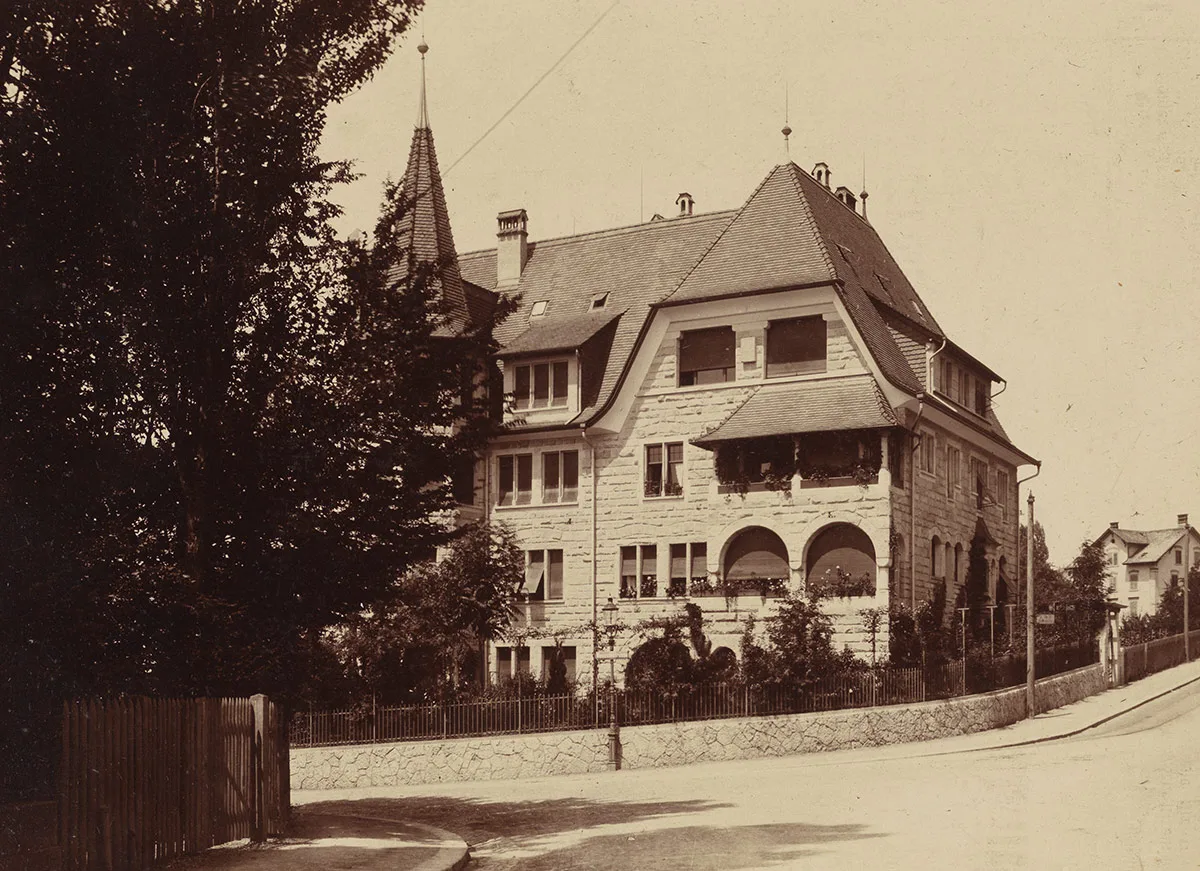
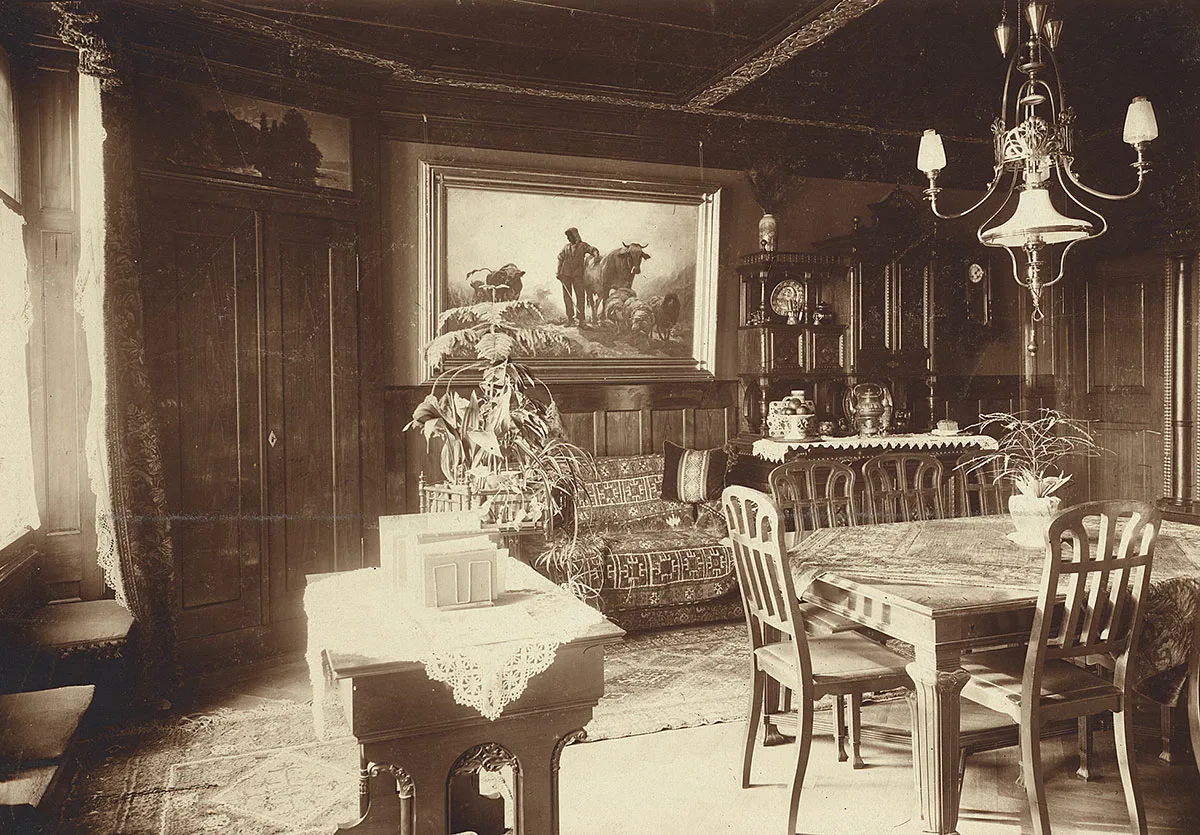
Between 1901 and 1902, Gustav Gull built a house ‘Rosenegg’ in Zurich-Fluntern for his family. He had also designed a small worktable for his wife Lydia. It stood in the dining room. Photos: gta Archiv / ETH Zürich, Nachlass Gustav Gull / Photos: gta Archiv / ETH Zürich, Nachlass Gustav Gull
Architekt, Städtebauer, Visionär
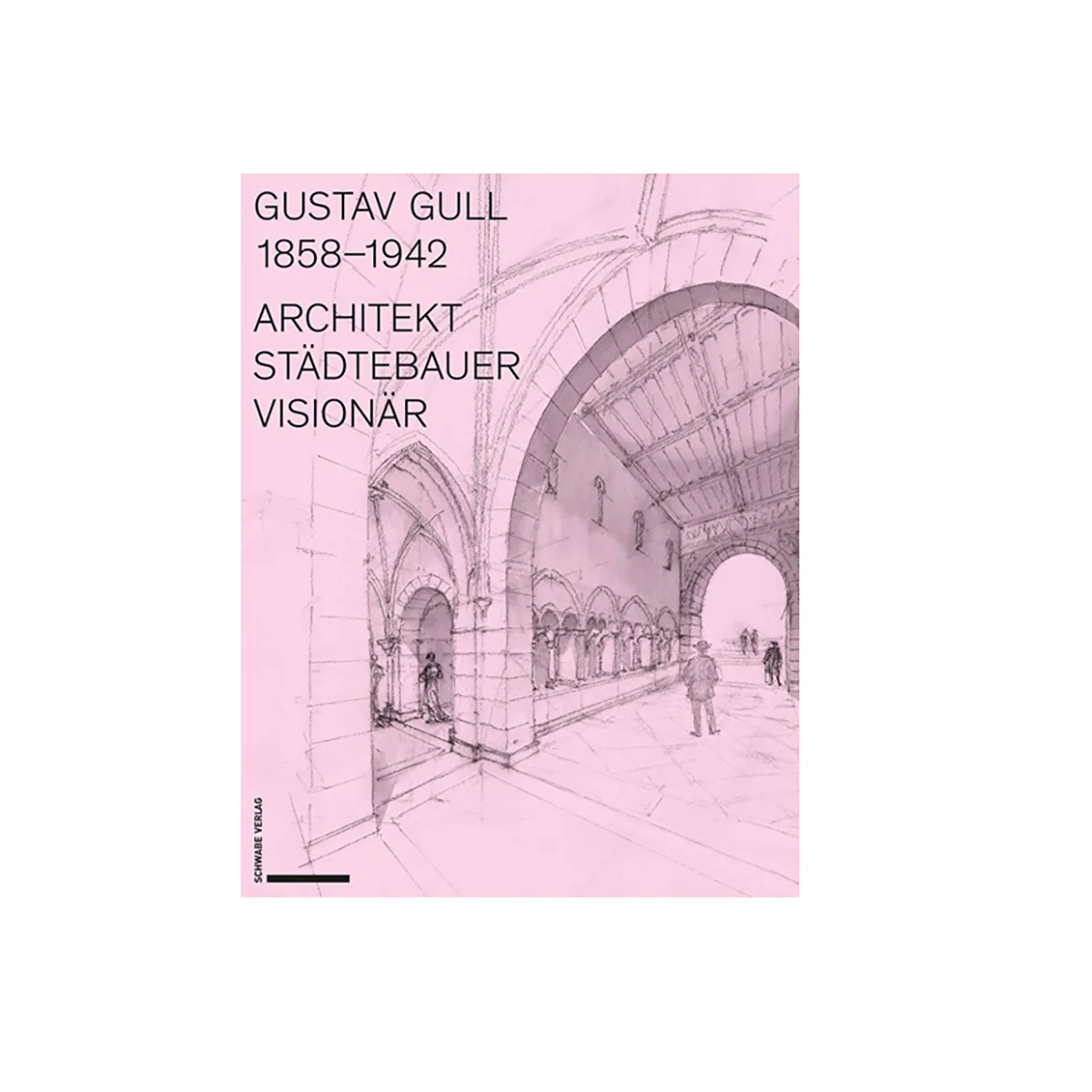
Mit der Publikation von Cristina Gutbrod liegt erstmals eine Monografie zu Gustav Gulls Gesamtwerk vor. Seine Bauten und Entwürfe werden auf Zürichs Stadtgeschichte bezogen und in den architekturhistorischen Zusammenhang eingeordnet. Das reich bebilderte Buch enthält Zeichnungen aus dem Nachlass des Architekten, ergänzt durch historische Pläne und Fotografien. Gulls Hauptwerke, seine herausragende Architektenkarriere und seine visionären städtebaulichen Entwürfe für Zürichs grossstädtische Entwicklung werden umfassend dargestellt. Das Buch ist im Schwabe Verlag erschienen.