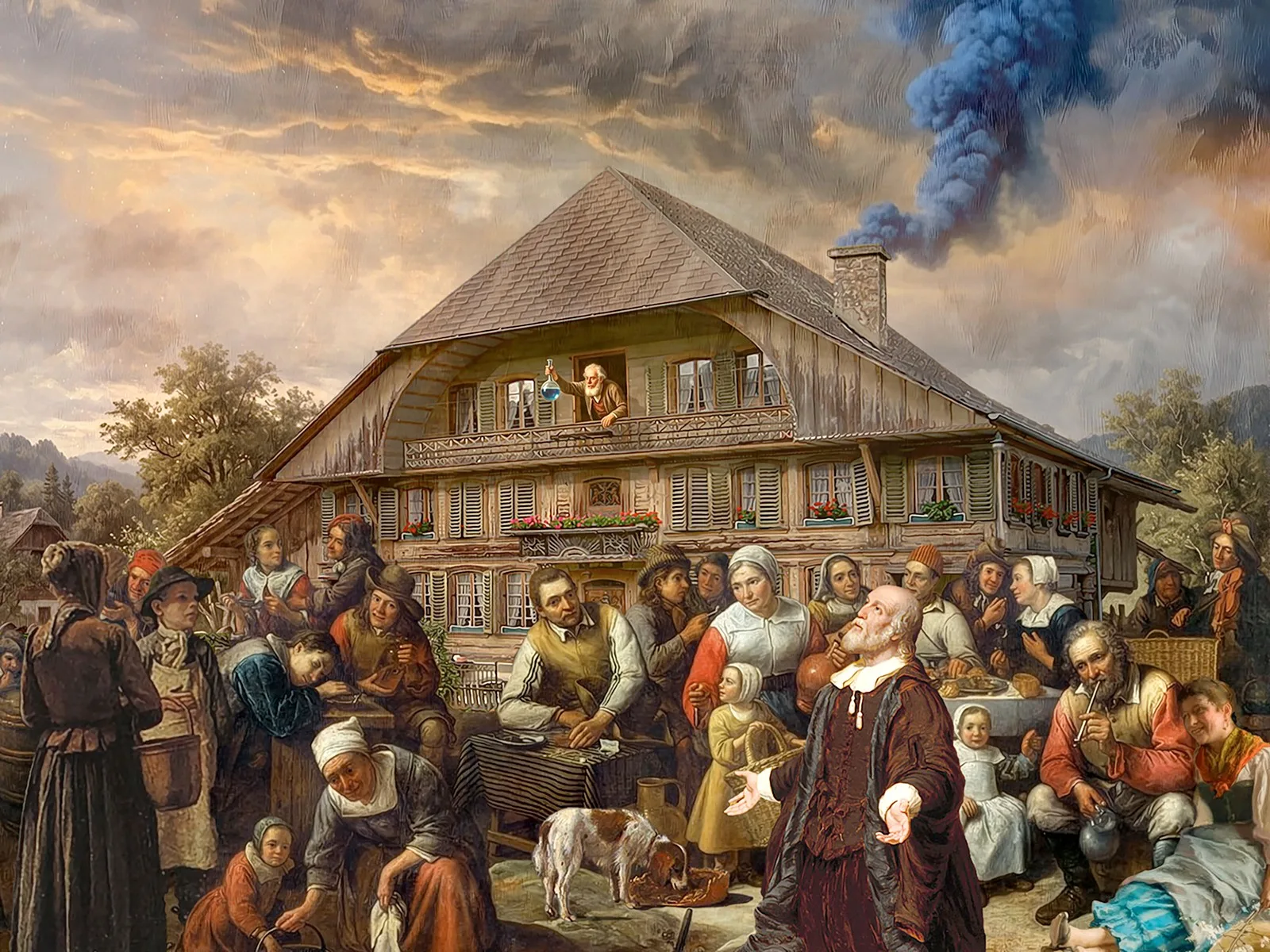
In 1853, a murderer of women spread fear and terror throughout the Zurich region. When he was caught, he strangled himself. Illustration by Marco Heer

The Zurich strangler

In 1853 the hunt was on for a man who killed two women in the Zurich area. He had strangled them. The criminal investigation was a major test for Zurich’s fledgling police force, the "Zürcher Polizeikorps".

Patrik Süess

Patrik Süess

Patrik Süess is a freelance historian.
The first victim was discovered early in the morning of 11 February 1853 by the entry to a barn in Enge near Zurich. The communal authorities were immediately alerted and carried out an initial onsite inspection. According to the inspection report, the victim was a woman between 20 and 24 years of age with reddish-brown hair, freckles and a “broad nose”. She was dressed like a poor person and wore two brass rings on her fingers, her pockets contained a thimble, a piece of chalk, two sugar lumps and two pieces of rye bread. The district doctor clearly determined strangulation as the cause of death. Despite the manner in which the killer had left the victim (“clothes pulled up over her body, legs spread”), there was no sign of sexual assault. The murderer seemed to have only taken her purse and jacket.
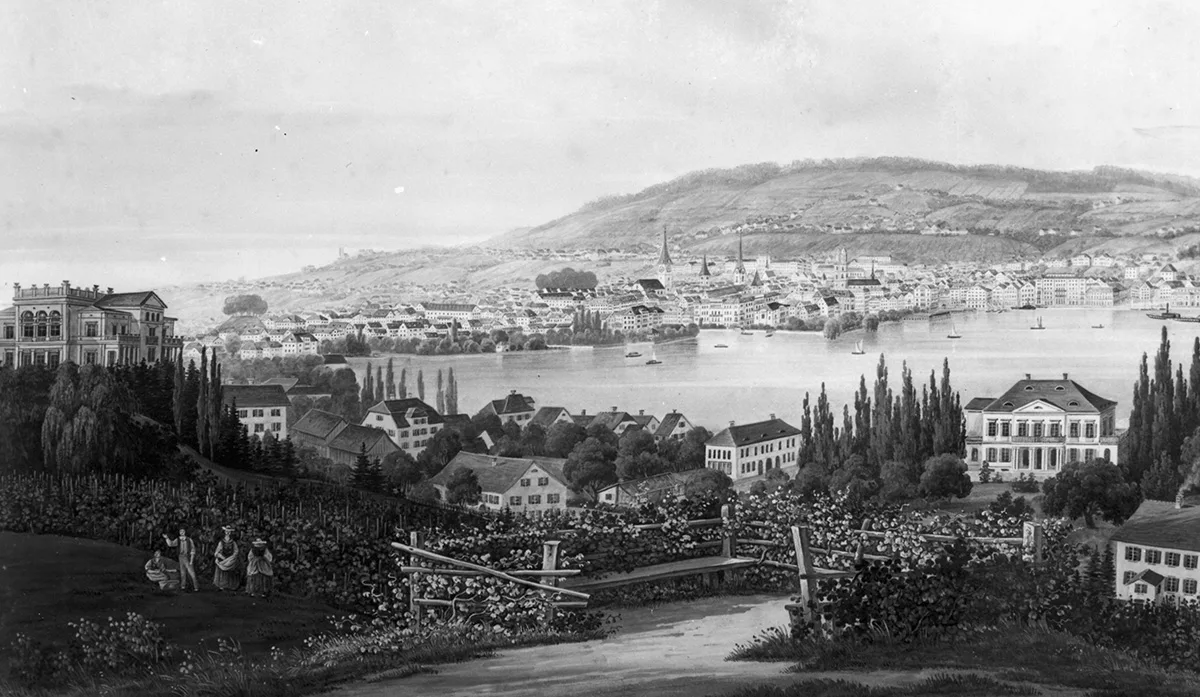
A print of the commune of Enge from 1860. It was incorporated into Zurich in 1893.
A print of the commune of Enge from 1860. It was incorporated into Zurich in 1893. Baugeschichtliches Archiv Zurich
The subsequent criminal investigation was a matter for the police as, according to the Rechtspflegegesetz (a law on the administration of justice) passed just one year previously, they were responsible for “investigating criminal offences and gathering associated evidence”. That was a new development in the canton of Zurich. Until 1852 the courts had been fully responsible for investigating crime. The police were only required to intervene in the event of immediate danger. There had been intermittent calls during the Restoration and Regeneration to “leave the investigation of every punishable offence entirely to the police as that was the only way to combat crime”. However, the courts, especially the Cantonal Supreme Court, stubbornly resisted this reallocation of competencies, not least because the judges had serious reservations about the abilities of the police.
The courts were not alone in their scepticism. The general public had little confidence in the police around the mid-19th century, as noted by the Zurich cantonal government: “Although the job of police officer is second to none in terms of respectability, some capable young men are still staying away from the force due to false preconceptions.” However, it is questionable whether this bad reputation was due solely to prejudice. The cantonal Landjägerkorps was founded in 1804. The main job of the Landjäger, armed with sabres and loaded rifles, had initially involved detaining “alien beggars, vagabonds, itinerant travellers, foreign soldiers and deserters” and expelling them from the area they patrolled. Recruited from the lowest social strata and usually without any professional training, the Landjäger were basically hired muscle. Their inappropriate behaviour and poor discipline also led to many complaints from the public. Moreover, the police force had been downsized since the Regeneration and some of their weapons dated back to the Helvetic Republic.
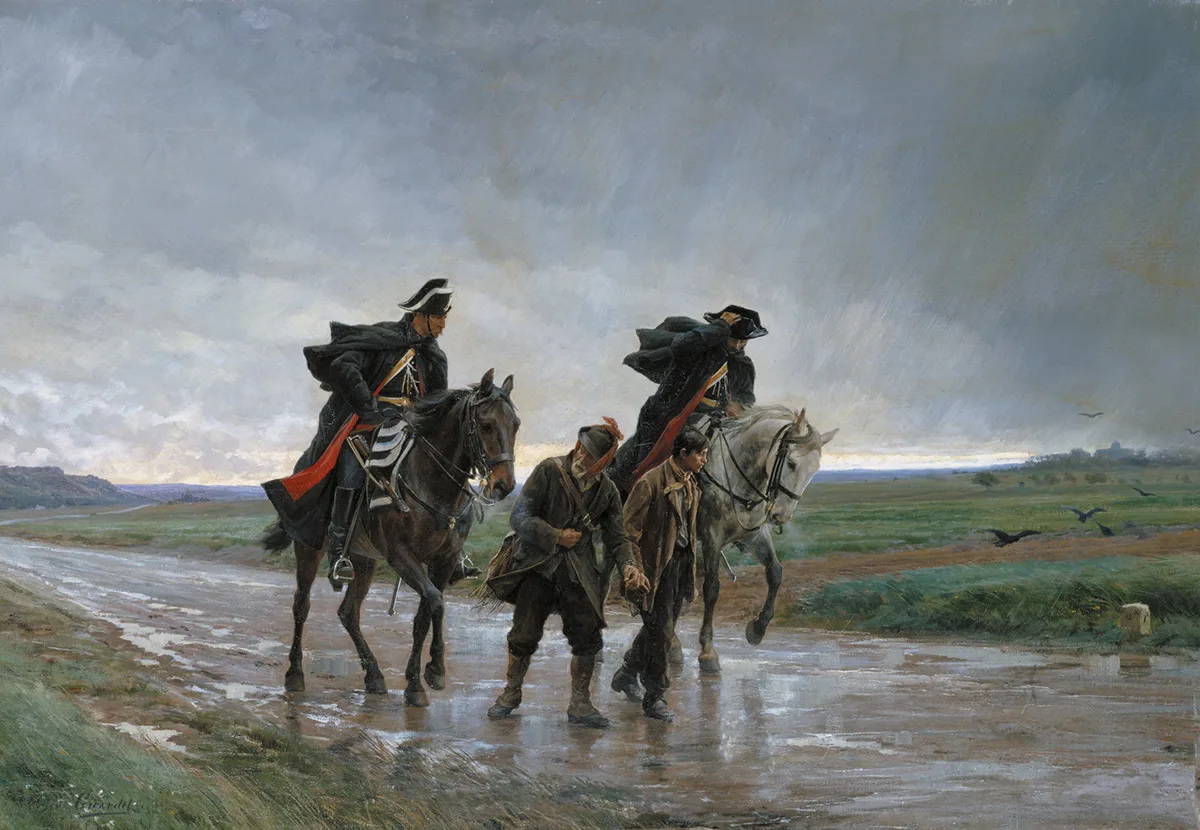
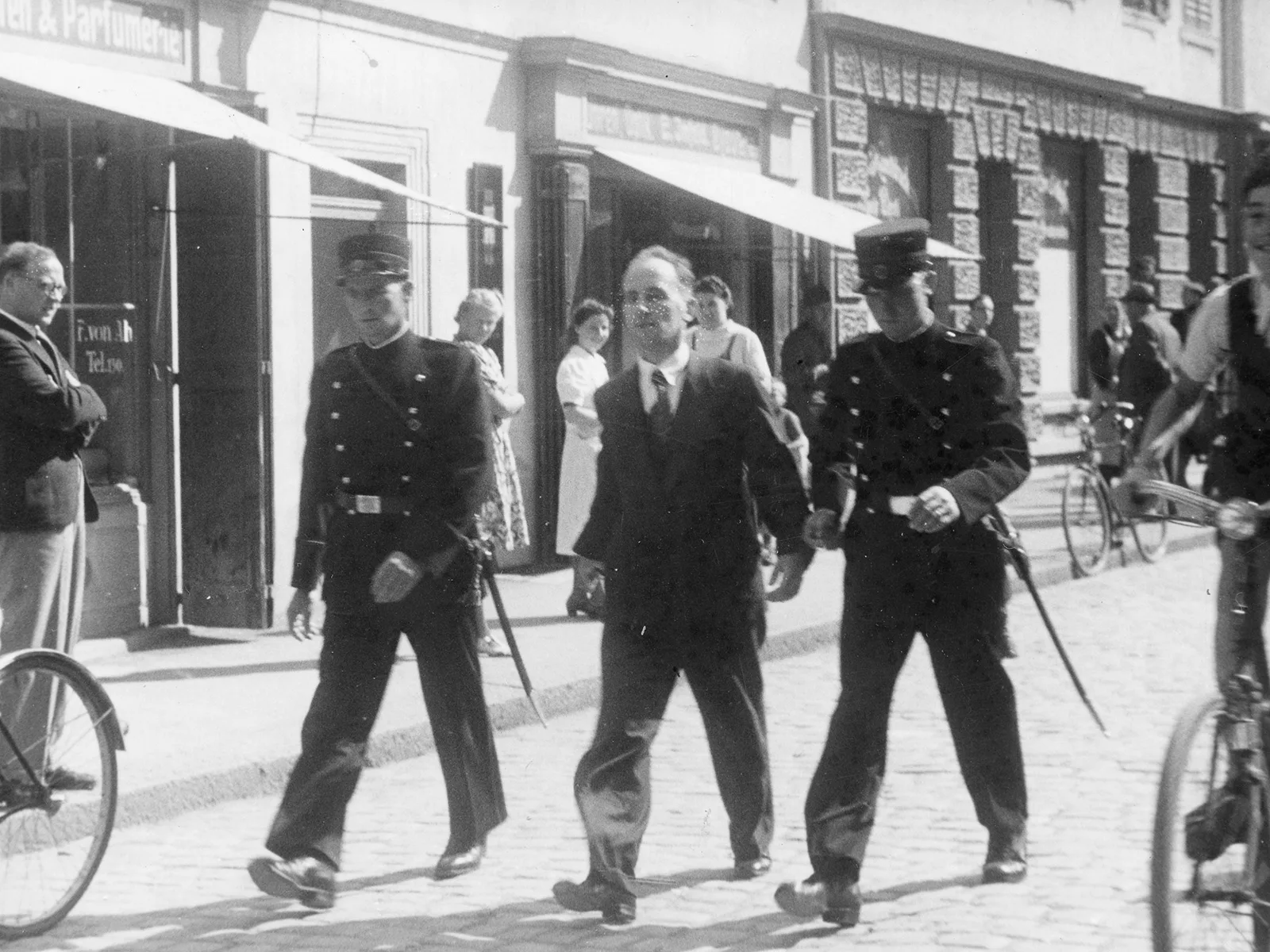
The Landjäger were initially hired muscle. They rounded up beggars, vagabonds and deserters to expel them. The picture ‘Les gendarmes’ by Eugène-Alexis Girardet clearly shows that.
The Landjäger were initially hired muscle. They rounded up beggars, vagabonds and deserters to expel them. The picture ‘Les gendarmes’ by Eugène-Alexis Girardet clearly shows that. © Museum of Fine Arts La Chaux-de-Fonds, photo: Pierre Bohrer, Le Locle
Johann Kaspar Nötzli was instrumental in modernising the Zurich police. Its commanding officer since 1848, he reorganised the force, successfully negotiated higher pay and acquired better uniforms and weapons. He dismissed 38 unsuitable officers from a body of 120 men and introduced a three-month training programme. The only eligible recruits were men whose “character offers sufficient assurance of the qualities required by a capable police officer.” In a nutshell, Nötzli had decided to do everything to “make the corps fit for purpose in every respect”, as the role had moved on from “arresting and transporting vagabonds to contributing towards the general security and welfare of the country, especially with regard to anything that might pose a threat to the collective and the individual.” The investigation into the series of attacks on women, which shook Zurich in 1853, was therefore a baptism of fire for the new police force.

The murder victim wore traditional dress
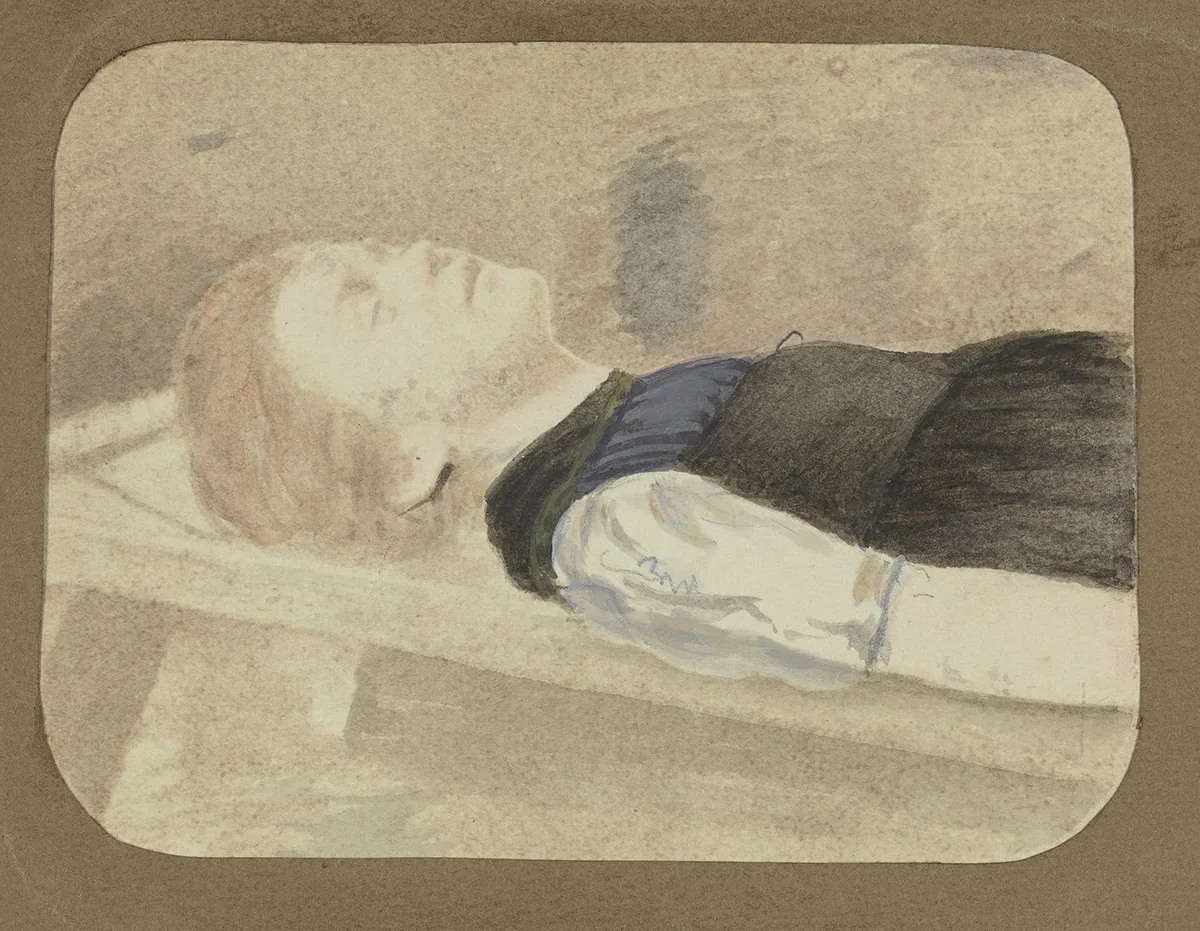
The first job was to identify the deceased. As she was wearing traditional rural dress and was found around Candlemas (2 February) ‒ new servants were usually hired in February ‒ she may have come to Zurich to find work. The commanding officers broke the investigation down and formed different working groups for each task: one team was to use photography (a new technology at the time) to locate witnesses who had seen the woman when she was still alive on 10 February. Another team questioned makers of traditional costume about where the victim’s outfit came from. It emerged that the costume was typical of the protestant areas of Aargau. After a few false starts, the deceased was finally identified after two-and-a-half-weeks by widower Joseph S. from Bremgarten as Verena Meier, 28 years old. She was from a poor background and had worked for him as a maid. Due to “giving birth in secret” ‒ the child was the offspring of one of her employers, a vet ‒ she had spent a year in prison and subsequently been expelled from Bremgarten. On 9 February, she had travelled to Zurich with a friend Barbara B. to find work and they had gone their separate ways the following day. That was all the police were able to determine about her movements on the day of the murder. The identity of the murderer also initially remained a mystery.
Police picture of the corpse of Verena Meier. The photograph has been retouched and is one of Switzerland’s earliest police pictures.
Police picture of the corpse of Verena Meier. The photograph has been retouched and is one of Switzerland’s earliest police pictures. Staatsarchiv des Kantons Zürich
And then on 7 March, again early in the morning, a second victim was discovered, this time by the  sawmill in Stadelhofen. It was another case of strangulation and the killer had again thrown the victim’s undergarments up over her lower back, while her “legs were spread as widely as possible”. This time the victim was identified quickly: it was 45-year-old Maria Josepha Bühler from Grosswangen in the canton of Lucerne. According to police records, she was a “vagrant and prostitute”, who had led a “decadent vagrant lifestyle” since splitting from her husband in 1834 and had borne several children out of wedlock.
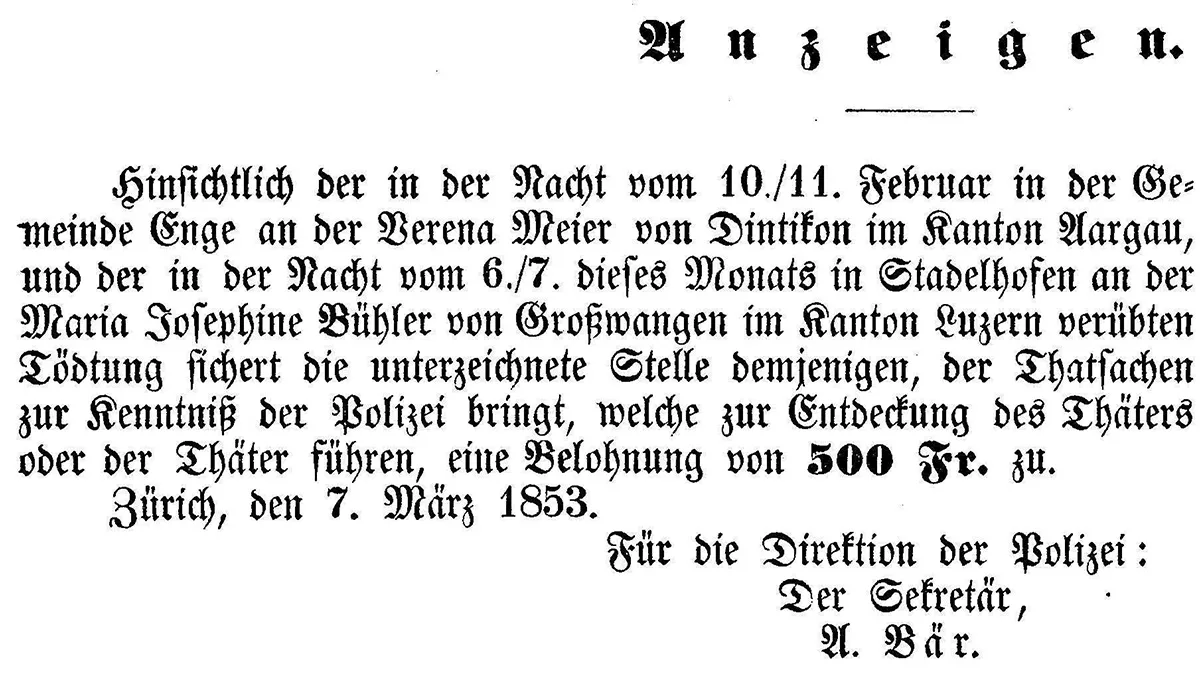
This second murder caused the police to devote more resources to the case, with most of the beat officers and some of the back office staff assigned to the case. As easy as it had been to identify the victim, finding witnesses proved so much harder as the sawmill near Stadelhofen was much frequented by prostitutes and their clients in the evenings. One porter seemed to remember having seen Bühler with a locksmith or mechanic but was not able to identify anyone in a line-up (he was presented with “lots of ironworkers”). The 12-year-old Johannes S. was sure he had seen a man in a black overcoat and broad cloth cap near Bühler at around 8pm. A suspect called Jakob R., who was notorious for “pestering [the prostitutes near Stadelhofen] to distraction” and robbing them, had an alibi. The only certainty was that the murderer had stolen the victim’s scarf, neckcloth, purse and a small knife. The police offered a generous CHF 500 for information that could lead to the identification of the killer.
A CHF 500 reward for information leading to the identification of the murderer was placed in the Eidgenössische Zeitung newspaper of 8 March 1853.
A CHF 500 reward for information leading to the identification of the murderer was placed in the Eidgenössische Zeitung newspaper of 8 March 1853. e-newspaperarchives

Suspect finally found

Events then took a decisive turn that very day. The Office of the District Examining Magistrates was informed that 42-year-old straw weaver Marianna Meier had been attacked by a man in broad daylight. The offender, an acquaintance of her son, was accompanying her to the bakery when he suddenly punched her in the face three times, ripped off her jacket and undergarments and began strangling her. Meier was saved by a passing delivery sled: her assailant released her and fled.
The investigators were sure that this attacker and the murderer of Verena Meier and Maria Josepha Bühler were one and the same person. Asked about his friend, the straw weaver’s son only knew that his name was Eichmann and he worked near Neumühle. However, no-one knew of anyone by that name working round there. It was sergeant F., who “following extensive enquiries” finally found out that Eichmann was a pseudonym for a locksmith called Johannes Meidel. The 28-year-old already had three convictions (for theft, misappropriation and causing bodily harm). He had left his wife and child and was living with his lover in Oberleimbach. He had worked in Neumühle up to 10 February but had been dismissed for repeated absences. It quickly emerged that he had been in Zurich on the days of the murders.
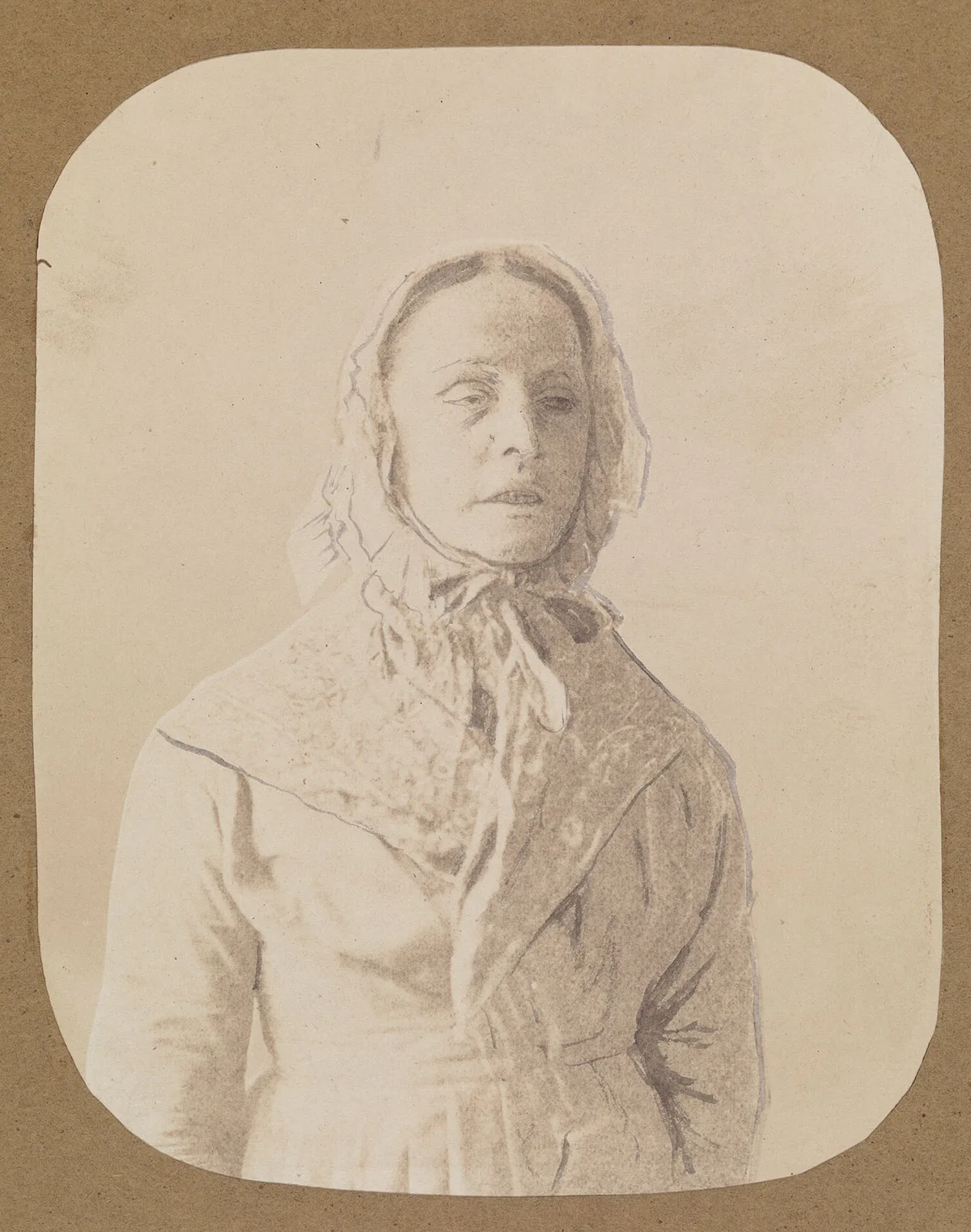
Police image of Josepha Bühler. The murder victims were most likely photographed in a sitting position.
Police image of Maria Josepha Bühler. The murder victims were most likely photographed in a sitting position. Staatsarchiv des Kantons Zürich
When the police searched Meidel’s lodgings in Oberleimbach, they found Verena Meier’s blue merino pinafore and black jacket (Meidel had given the jacket to his girlfriend as a present) as well as the scarf, green leather purse and small knife belonging to Maria Josepha Bühler. On 11 March, Johannes Meidel was arrested by officer S. at his new workplace in Richterswil and brought in handcuffs to Horgen jail. Marianna Meier identified him as her attacker and Johannes S. identified him as Bühler’s companion on the evening in question. The last part of the puzzle fell into place when a key was found in Meidel’s coat pocket, which opened the lock of Maria Josepha Bühler’s suitcase.
The police work was thus completed. Police Chief Nötzli stressed in his concluding report that: “the whole team proved willing in every respect and worked very hard on the case”. Only officer Frehner had been unable to “complete his [duties] with the required promptness”, as he had been “rather inebriated”. “There was a fair in Horgen”, the police department clerk added by way of explanation. Cantonal Supreme Court judge Eduard Suter also noted that: “the authorities, called on to rise to a difficult challenge presented by the crime in question (…), had worked diligently and their success shows their task is not always a thankless one.”

Motive: “complete absence of morals”
What was the motive behind these murders? The Cantonal Supreme Court found that despite the lack of proceeds from the crime (Marianna Meier was only carrying CHF 0.43), robbery “had definitely been the ultimate goal” behind the killings and that there had been no “sexual assault”, even if it may initially have looked that way. The reasoning behind this verdict would not hold water today. The investigating magistrate said that such “refined lust” would only be felt by a criminal of higher social station. Cantonal Supreme Court judge Suter concurred, saying that “such bizarre aberrations are less common” among “people of lower social standing.” Suter was satisfied with the verdict of “complete absence of morals” and the “languid licentiousness” of the murderer.
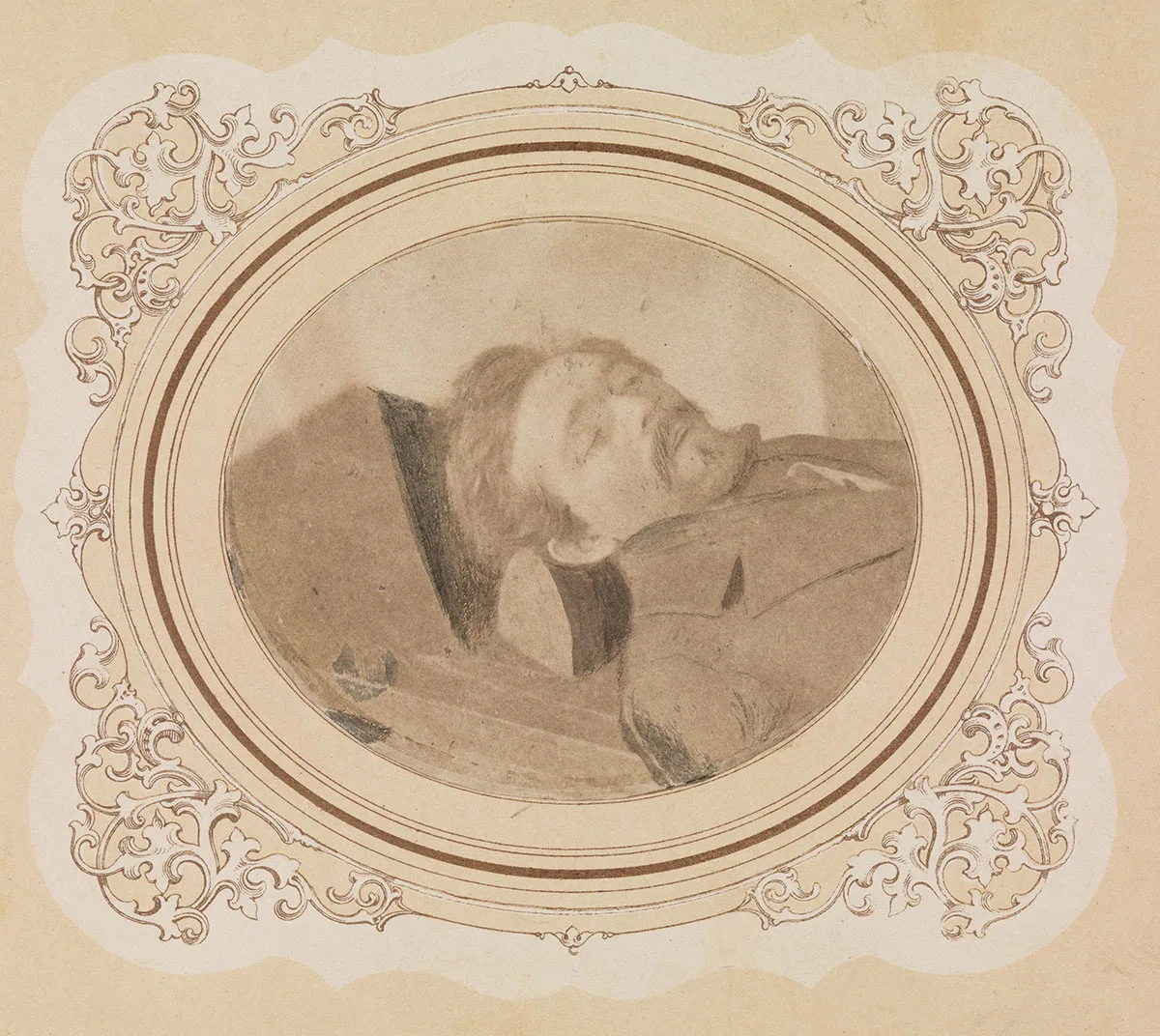
In any case, Meidel was unavailable for further questioning as he had killed himself in his cell just two hours after his arrest. He was found kneeling in the doorframe of his cell, having hanged himself with the silk neckcloth stolen from Maria Josepha Bühler. Cantonal Supreme Court judge Suter’s closing remarks were: “The disdain for his own life shown following his detention was equalled only by his disdain for the life of others.”
Police image of the deceased Johannes Meidel after hanging himself in his cell.
Police image of the deceased Johannes Meidel after hanging himself in his cell. Staatsarchiv des Kantons Zürich

Further posts