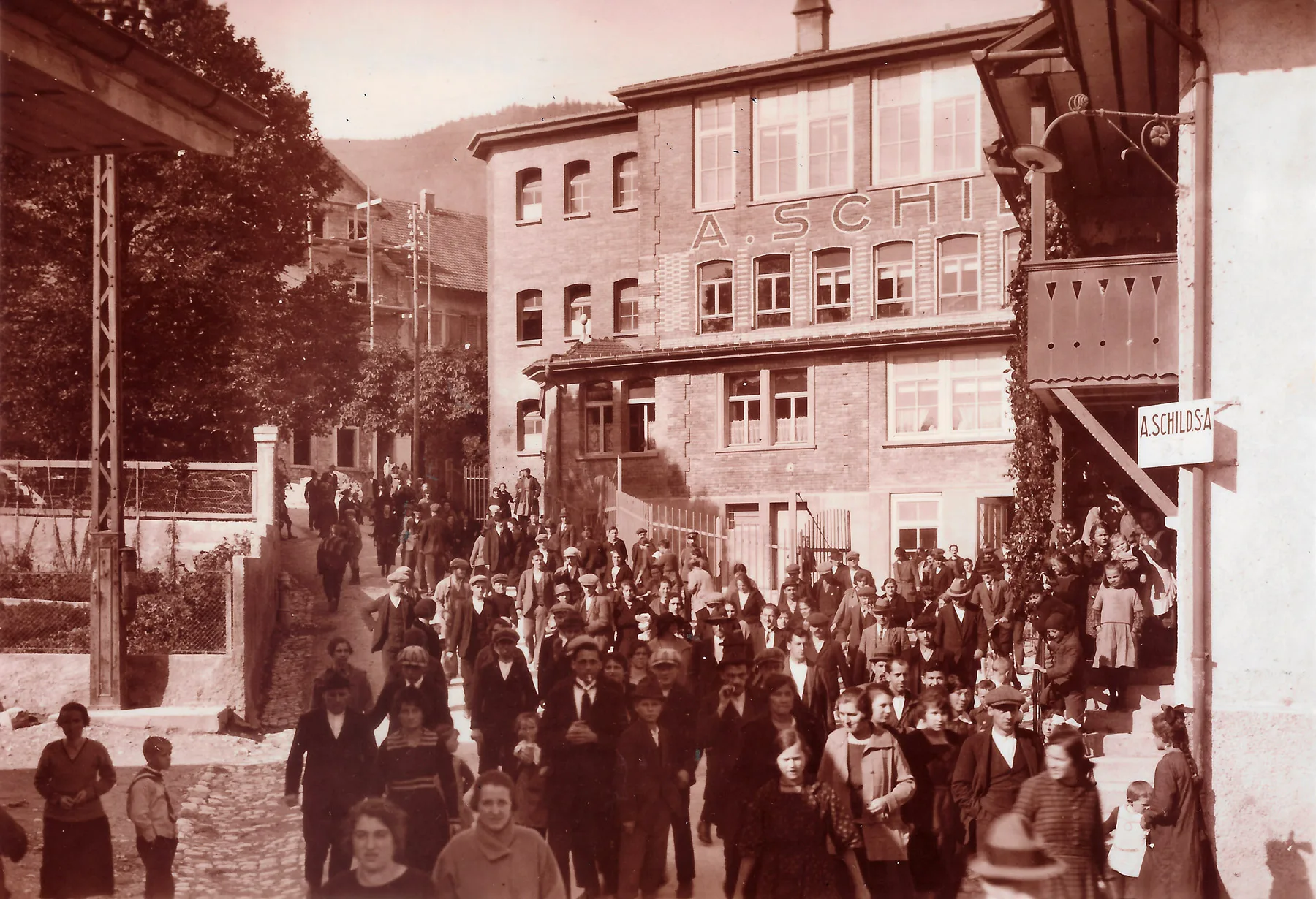
Watchmakers at A. Schild SA (Assa) leaving the factory at the end of their shift. Photo from 1924.
Watchmakers at A. Schild SA (Assa) leaving the factory at the end of their shift. Photo from 1924. Stadtarchiv Grenchen, F.00.3_Dig385

Bread rolls and painkillers for breakfast

Instances of kidney disease spiked in the Jura mountains during the 1960s. This was the legacy of the local watchmakers’ decades-long penchant for painkillers.

Bettina Kurz

Bettina Kurz

Bettina Kurz is a research assistant at the Kultur-Historisches Museum Grenchen.

The factory sirens in Grenchen first sounded at 6.45 am. The watchmakers were being called to work. They streamed in their hundreds from Bahnhof Nord station into the town centre. Grenchen emerged in the 1850s as a stronghold of the Swiss watchmaking industry. Factories and housing for the workers replaced the village’s wooden houses and farms. The rural setting made way for famous industrial enterprises, such as ETA, ASSA, Baumgartner Frères and A. Michel S.A.
 
The workers had 15 minutes to reach their workplace after the first siren call. The factory doors closed at 7.00 am on the dot and anyone who arrived late had to pay a fine. The street from the station to the town centre was replete with small shops, bakeries and restaurants and the watchmakers popped in for their cigarettes and rolls on the way to work. The painkillers which were widely available in those days at any kiosk or even from vending machines were also in high demand. Saridon tablets made by Basel-based pharmaceutical company Hoffmann-La Roche were especially sought after, as was Kafa powder and Contra-Schmerz. People would order a coffee in the restaurant and stir in the medicinal powder or crush their pills and sprinkle them over their breakfast rolls. Moreover, it was no coincidence that the ‘Saridon sandwich’ proved such a hit among the watchmakers.
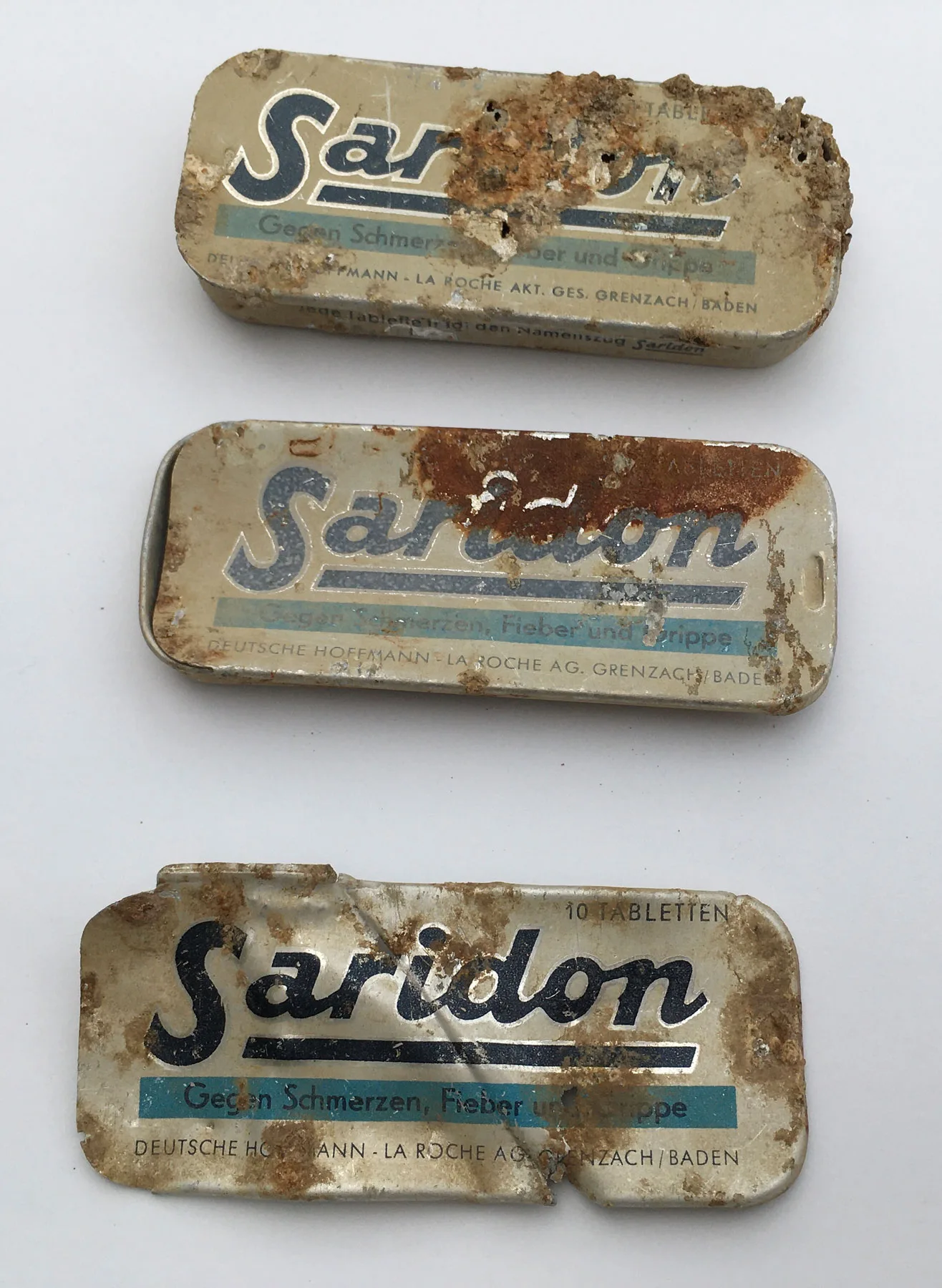
The painkiller Saridon was popular among watch factory workers.
The painkiller Saridon was popular among watch factory workers. Wikimedia
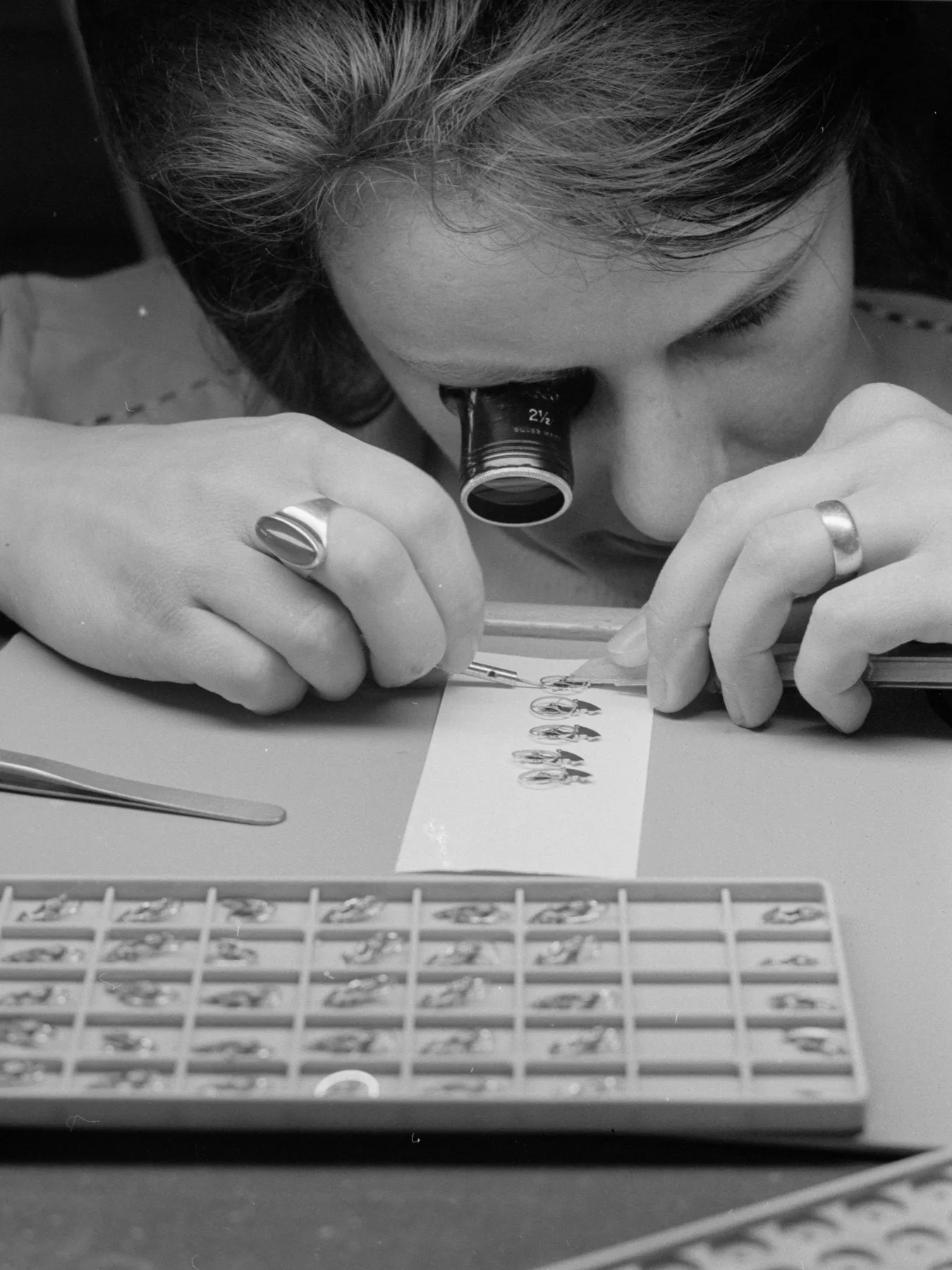
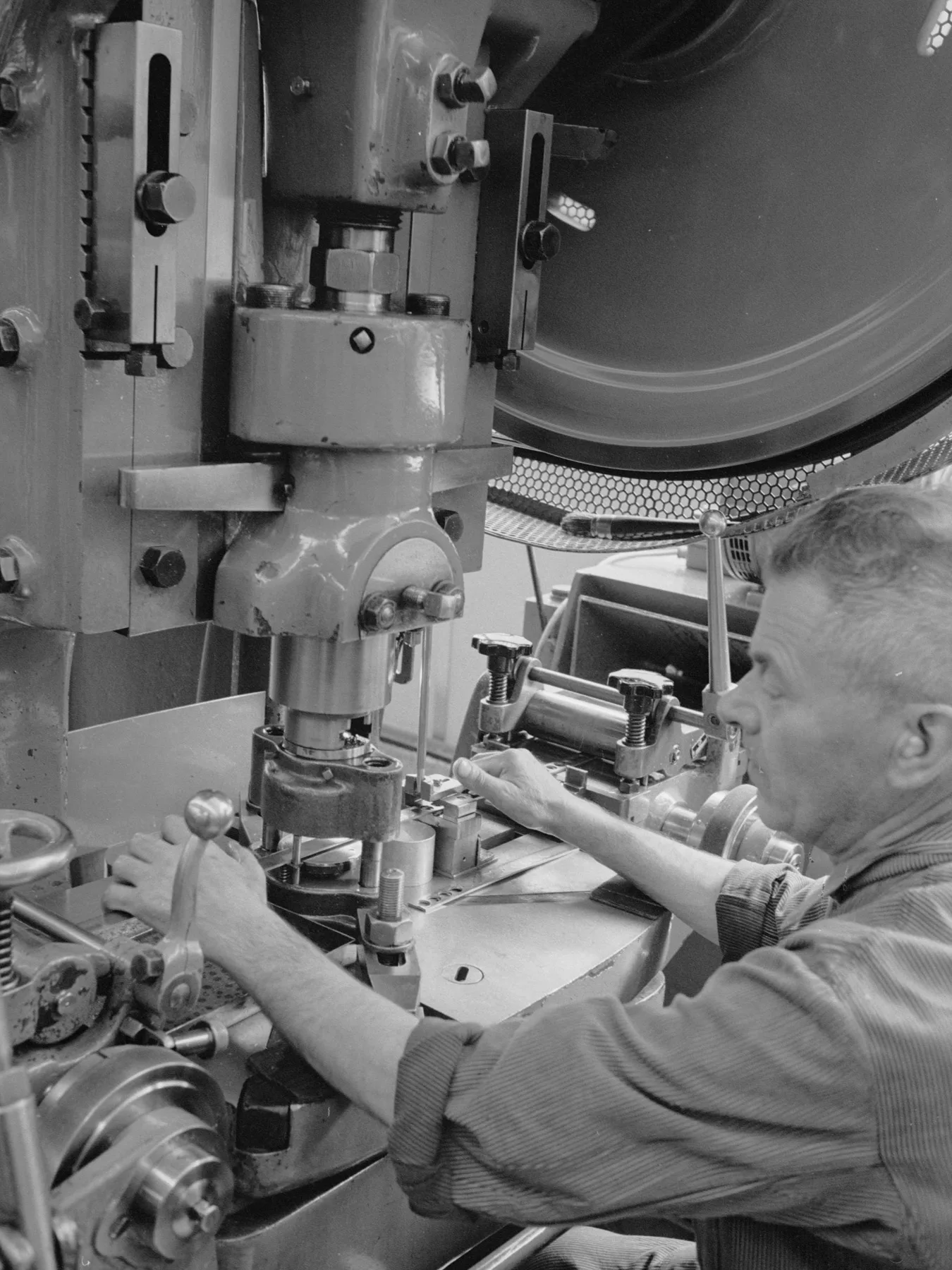
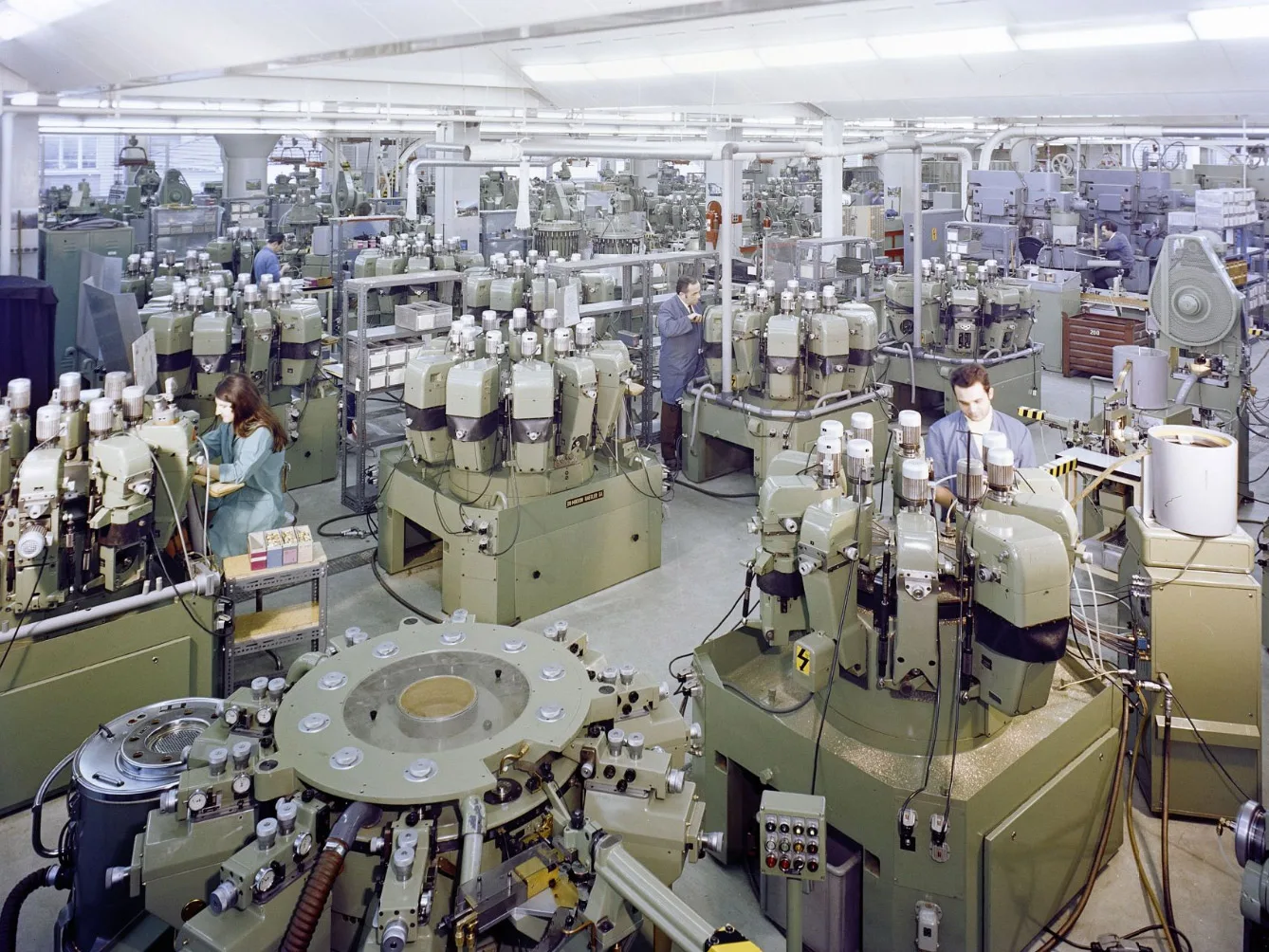
The factory work was extremely demanding and the hours were long. Watchmaking was traditionally divided into different stages. One person would spend all day performing the smallest operation in the production line, such as cutting slits into tiny little screws. The work was not only very monotonous, it also required a high level of concentration: a one-tonne punching press could easily crush a finger after just a moment’s inattention. Besides that the tiny watch parts had to be treated with maximum precision, usually with the help of a monocle to magnify the piece to between ten and twenty times its size. The work placed a great strain on the eyes and quickly caused headaches, especially with the bright light that was needed for this work. The deafening noise from the machines and stuffy factory air also played their part. In addition, the grinding process produced brass dust that went everywhere and the smell of machine oil and cleaning fluid was so unmistakeable and unpleasant that people in Grenchen associated it with factory work, saying “es fabrigelet” (it smells of factory) when they smelt it.
Work in the watchmaking factories was often monotonous, physically demanding and not without risk. Photos from the Eterna factory, 1965.
Work in the watchmaking factories was often monotonous, physically demanding and not without risk. Photos from the Eterna factory, 1965. e-pics / e-pics
And that’s not all, the factory workers were often paid by the number of completed watches. So anyone with a family at home to provide for was under enormous pressure to work as quickly and effectively as possible. The constant financial pressure hung over them like the sword of Damocles. Factory bosses also took every opportunity to deduct fines from the workers’ wages, for example when they were late or if arguments broke out.
 
A fondness for painkillers was especially prevalent among the female factory staff. It was their coping mechanism for the considerable double burden of running a home and working. They were allowed to leave for their lunch break at 11.00 am, earning them the nickname “Öufi-Frauen” (11 o’clock women) in Grenchen. However, they had to do the shopping and have lunch ready for midday when the family came home, all within one hour. These women never really got to switch off, whether at lunch time or after work. They also tended to do the relatively unskilled – and therefore the most monotonous – work, which was reflected in their pay. The women often only received half the salary of a qualified male employee.

Up to 30 tablets a day
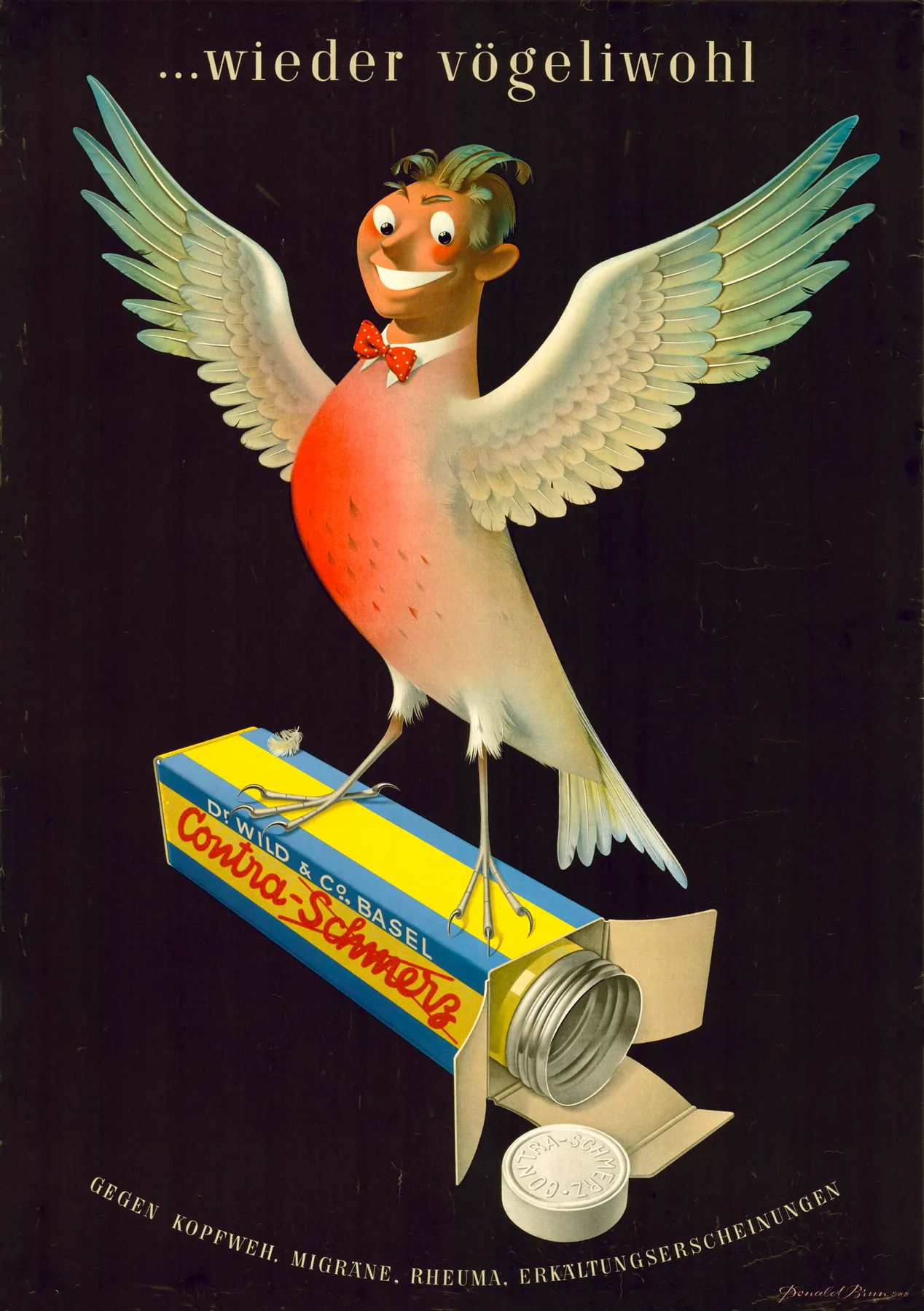
In view of the great strain they were under, it is not surprising that many watchmakers wanted to relieve their headaches and improve performance. Like most painkillers at the time, Saridon, Kafa and Contra-Schmerz contained paracetamol to relieve pain and fever, and phenacetin, a substance that was later found to be harmful. However, as the tablets also contained caffeine and sedatives, they had a stimulating effect, calmed the nerves and thus helped improve productivity, at least in the short term. However, it wasn’t long before the comedown kicked in. Once the tablet’s stimulating effect waned, it was often replaced by an even stronger headache and greater tiredness than before, leading to the consumption of more painkillers. Caught up in this vicious circle, the workers often took between 10 and 30 tablets daily. They were also readily available and many factories even supplied them through the in-house medical officer: because focused workers meant happy bosses. In 1958, the head doctor at Bürgerspital Solothurn, who was one of the first to denounce painkiller consumption in the watchmaking industry, coined the phrase “Tablettomanen” in reference to the workers who couldn’t function without their painkillers.
Advertisement for Contra-Schmerz, 1944.
Advertisement for Contra-Schmerz, 1944. Swiss National Museum
Watchmakers were actually consuming painkillers before 1900 as combination products with phenacetin were already on the market in 1887. However, it wasn’t until the 1950s that questions started to be asked as increasing evidence emerged of a connection between above-average painkiller consumption and kidney damage and urinary tract tumours. It started with a huge increase in diagnoses of kidney disease, especially in the Jura mountains where there was a large watch industry presence. It emerged that the phenacetin in the tablets was particularly problematic, as it was damaging to the kidneys and the resulting condition became known as ‘phenacetin sickness’: a chronic inflammation of the renal tissue. This can exist symptom-free for years and then shut down the kidneys almost from one moment to the next. There was also an increase in urinary tract tumours, which was again connected to painkiller consumption.
 
The outbreak of kidney disease in the Jura mountains suggested a connection with watchmaking, and the first socio-medical surveys on tablet consumption in watch factories were conducted in the early 1960s. Looking back on it now, it seems obvious that working conditions in the factories, living conditions, financial pressures and painkiller consumption were all part of the same story. The data from that time also seems to bear this out: it was established that about four-fifths of people who regularly took painkillers in the watch industry were women. It was also the factory workers as opposed to the office staff in the same factory. People who did piece work also took more analgesics than employees on an hourly rate. Another correlation was established between more demanding work and a lower level of qualification and higher painkiller use. Nonetheless, at the time there was no talk of a causal relationship between working conditions and drug consumption. Researchers attributed the phenomenon instead to the “speed and stress” of modern life in the 1960s or “peer pressure at a young age”. The precarious working conditions in the watch industry thus flew under the radar. The Swiss National Accident Insurance Fund (SUVA), Labour Inspectorate and unions all failed for a long time to act to improve the watchmakers’ lot.
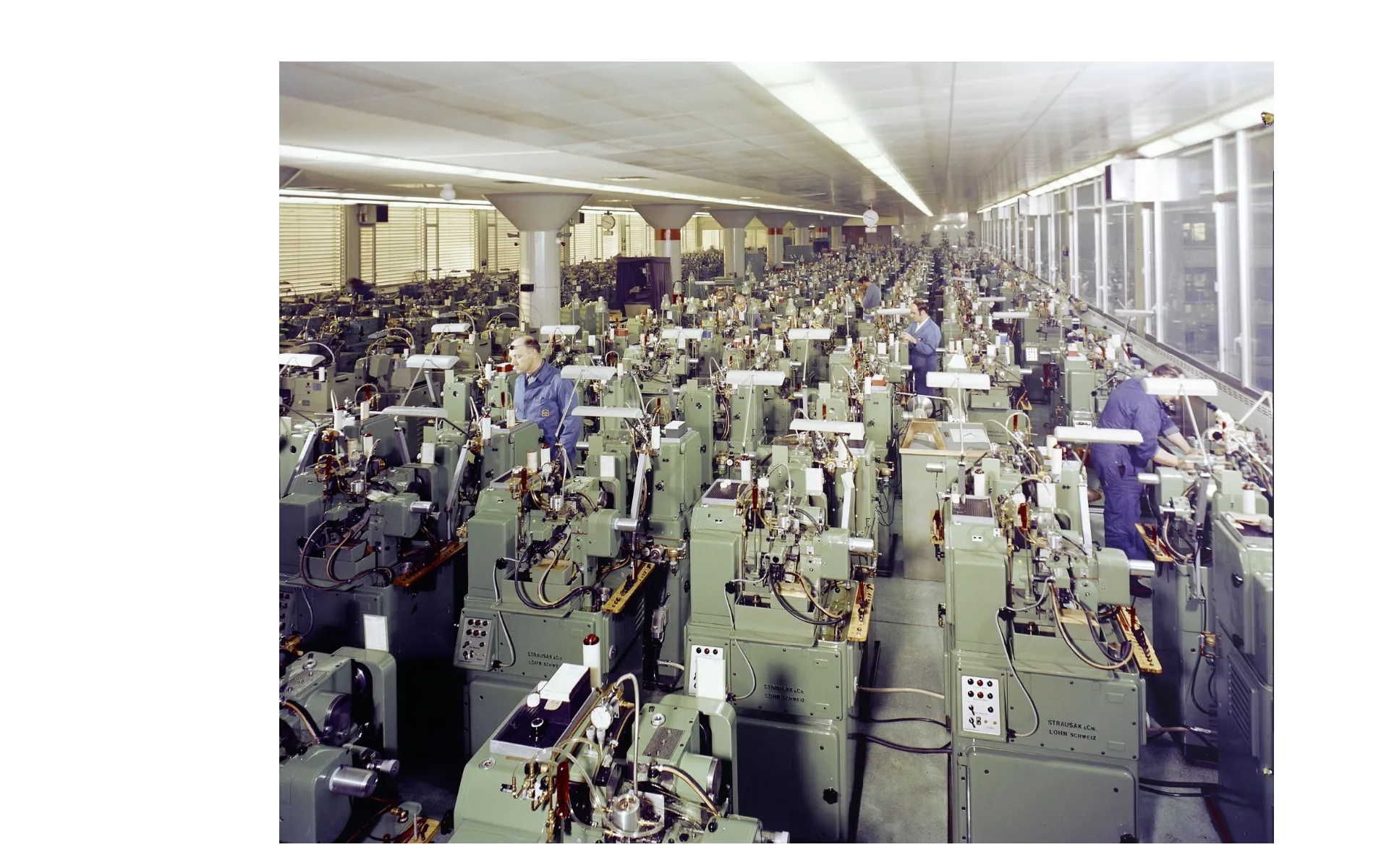
The factory floor at ETA, ca. 1960.
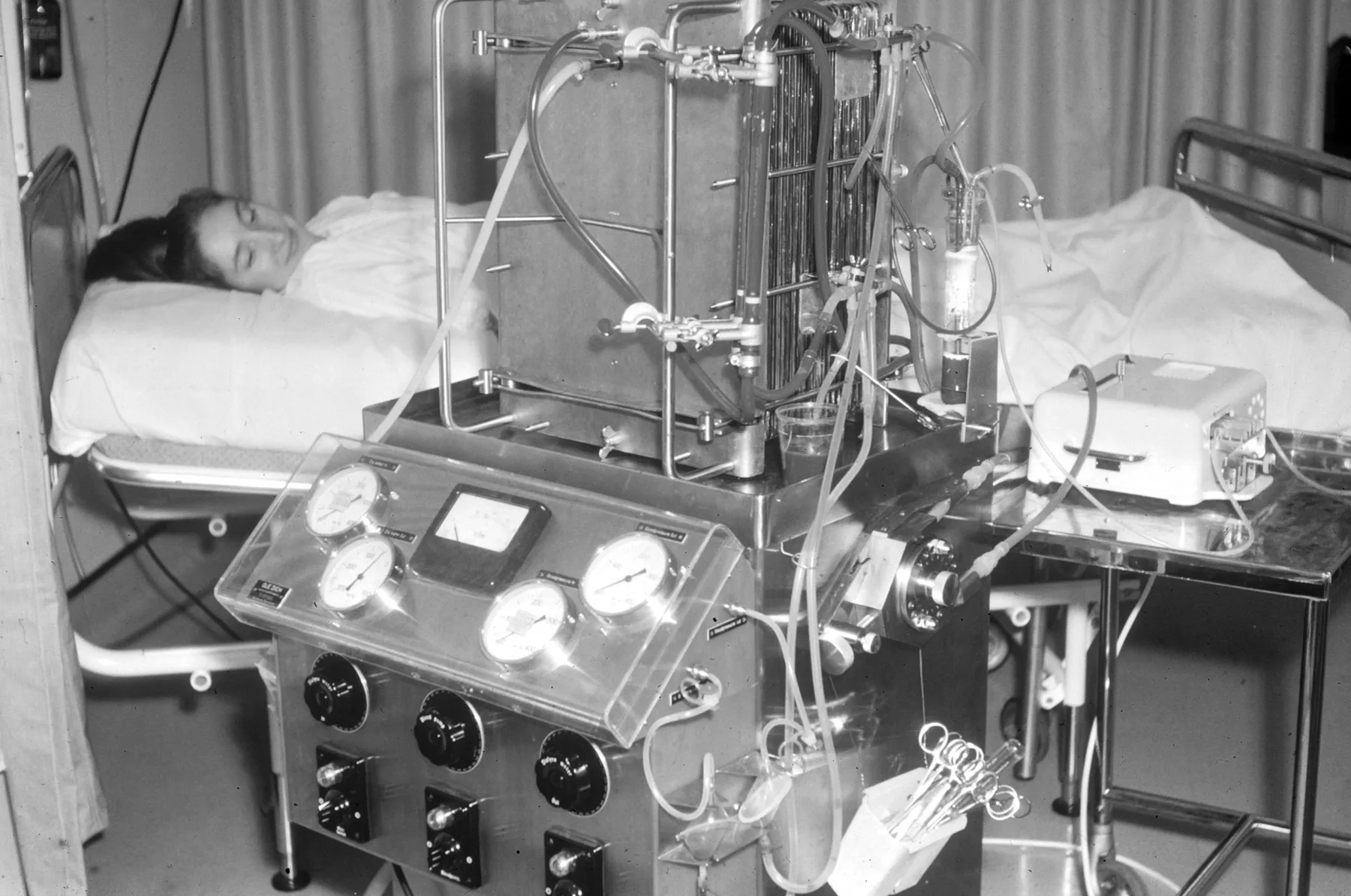
While some medical associations did recommend making medicines with phenacetin available only on prescription, it was actually the rising cost of treatment that solved the problem. The number of patients with severe kidney damage had gone up fivefold since the 1940s. The first dialysis stations began to appear in Swiss hospitals in the 1960s. In the Jura area these clinics often had to accommodate a disproportionate number of patients. Biel and Bern had particularly large treatment wards. The advent of this renal replacement therapy was particularly cost-intensive, which quickly attracted the interest of health insurers and the business community. Combination products with phenacetin were banned in Switzerland in 1983 and Hoffmann-La Roche changed the composition of its Saridon tablet.
Patient undergoing dialysis in Geneva, 1963.
Patient undergoing dialysis in Geneva, 1963. Dukas by RDB
The big watch crisis of the 1970s and its impact on Grenchen had solved the problem by then anyway. The entry of cheaper quartz watches to the market caused the price of the mechanical Swiss timepieces to fall. Thousands of jobs disappeared in Grenchen. Many watch factories and suppliers had to close, and the industry lay dormant until Nicolas Hayek started Swatch at the ETA building in Grenchen in 1983. Phenacetin-based painkillers were already a thing of the past in Switzerland by then.

From a Farming Village to an Industrial City

The permanent exhibition at the Museum Grenchen takes visitors on a fascinating journey through time, exploring the history of the Grenchen region – from a farming village to a city of technology. It highlights the development of the watchmaking industry and its impact on the region.

Further posts