Who calls the shots?
In 1744, a robbery in Bucheggberg on the border between the cantons of Bern and Solothurn turned deadly. But the question of who was to deliver judgment was far from clear-cut as Bern and Solothurn shared jurisdiction in the region. The case sparked a dogged tug-of-war for power and authority.

Géraldine Lysser
Géraldine Lysser studied history and business administration and works in communications at the Swiss National Museum.
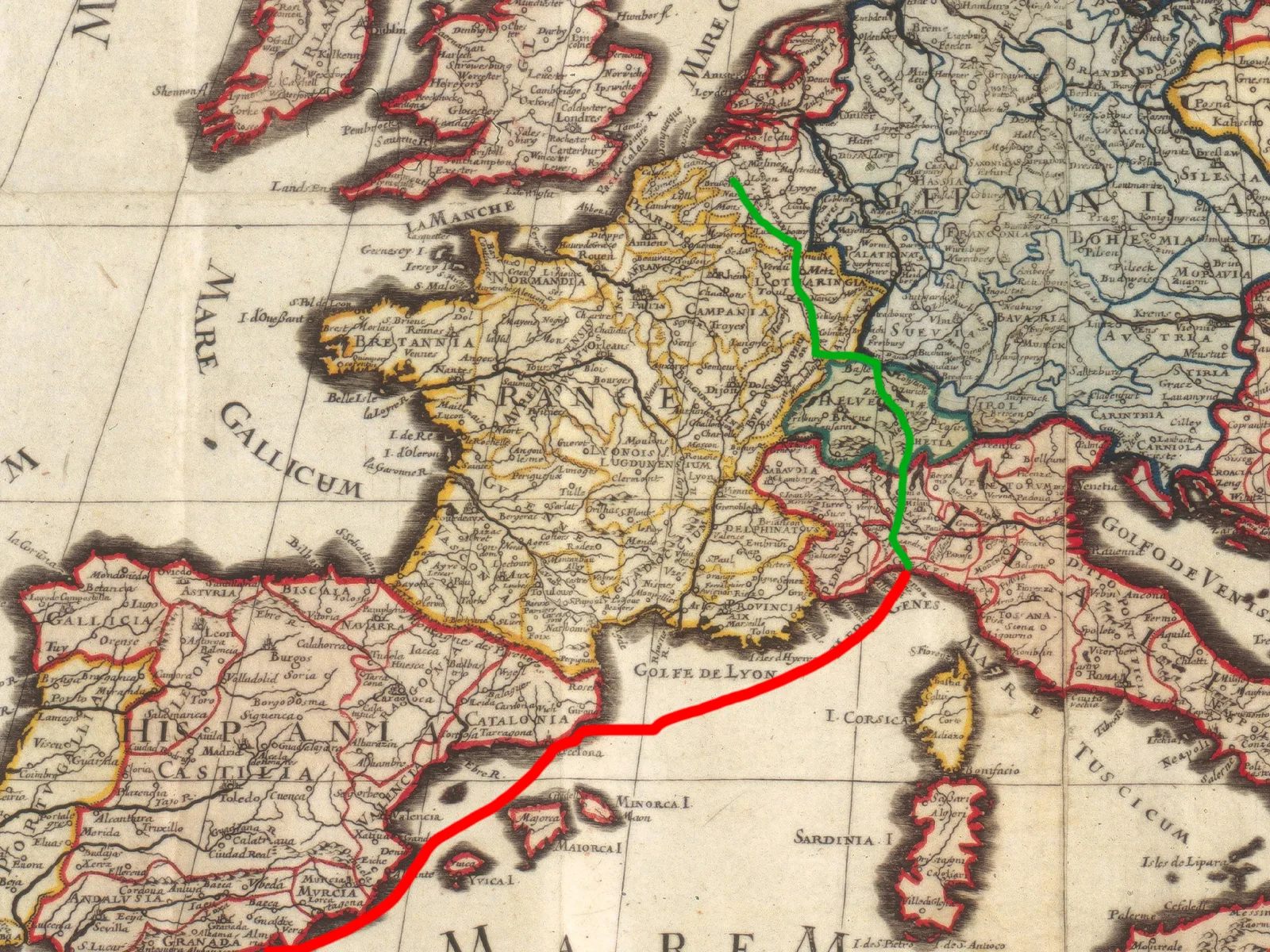
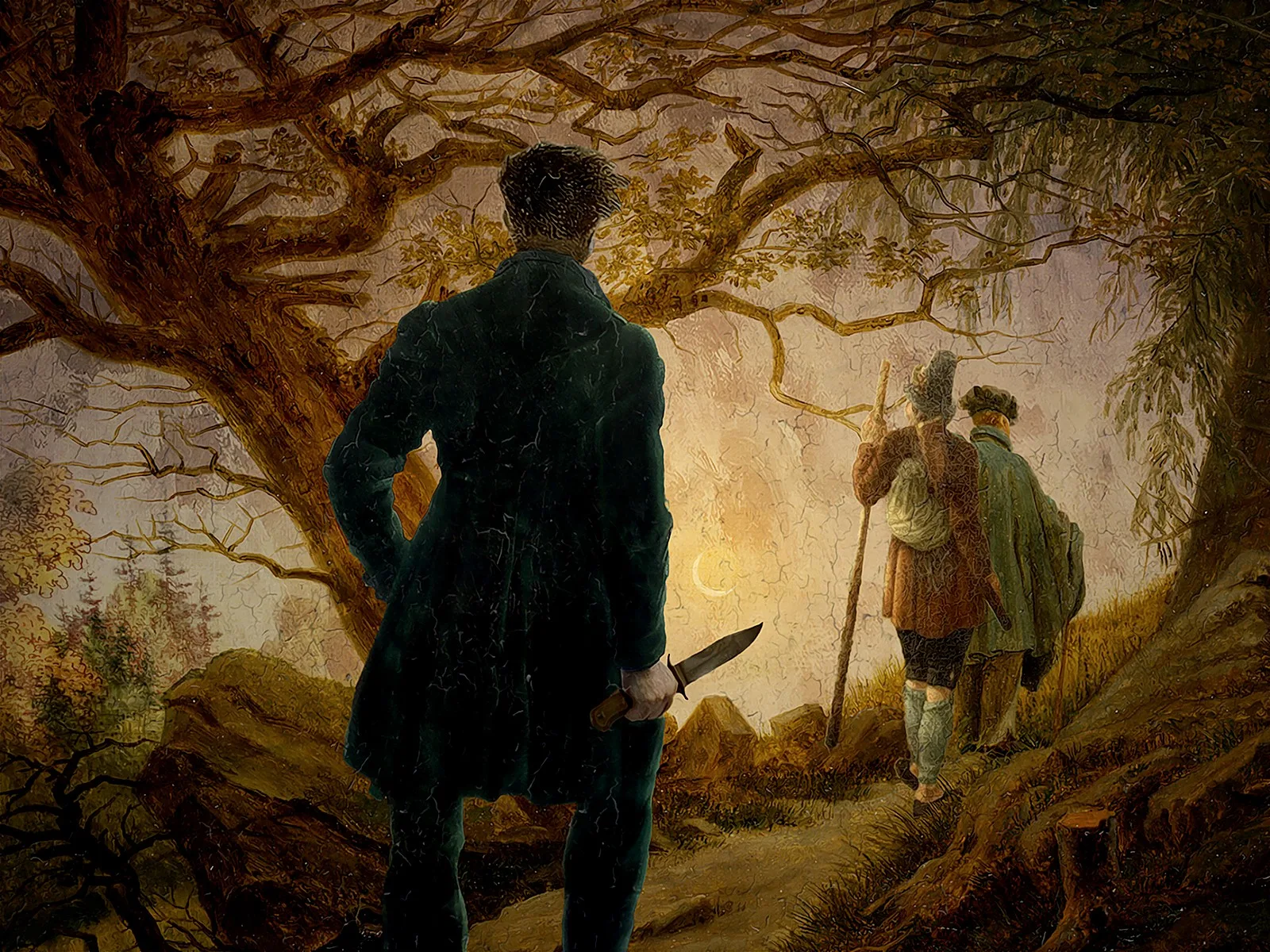
A one-and-a-half-hour journey on foot was meant to bring the pair to their destination. But in the next village, they took a wrong turn and ended up in Lüterswil, which, like Bibern, belonged to the Solothurn bailiwick of Bucheggberg. They stopped at a tavern to ask for a guide who knew the local area, but decided it was too expensive and so set off alone as dusk fell.
But the authorities in Solothurn also got involved. They sent in the chief bailiff of Bucheggberg as representative of the Solothurn authorities, responsible for administration and safeguarding their rights of lordship, who also carried out judicial duties. At the scene of the crime he inspected Hans Emch’s corpse and quizzed witnesses about what had happened. In the end he reported back to Solothurn that the body should be handed over to the relatives and a search should be started for the two “French speakers” who, he believed, had murdered Hans Emch.
The next day, the chief magistrate of Büren arrived on the scene. He issued strict instructions that the body was not to be moved without his permission. When, that same evening, innkeeper Bendicht Emch came to collect his brother’s body as authorised by the council in Solothurn, he was refused. This marked the beginning of a power struggle between Bern and Solothurn, which had long been fighting over authority in Bucheggberg.
A sale with consequences
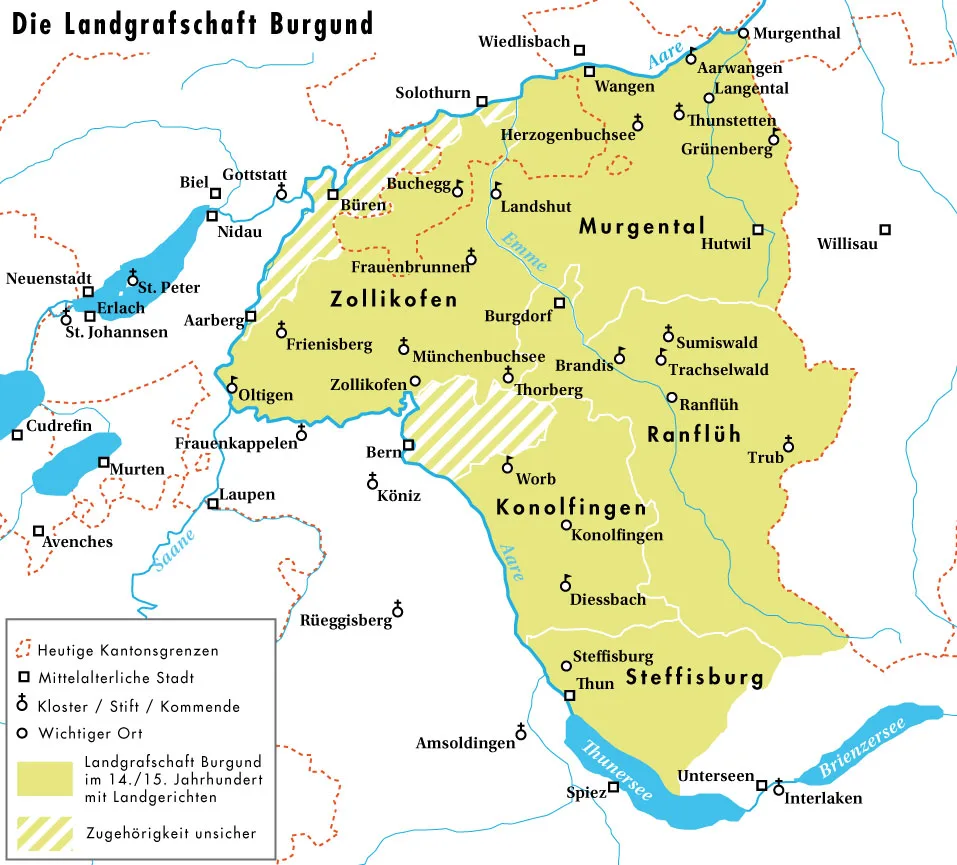
The Counts of Buchegg had handed over the landgraviate fief to the House of Neu-Kyburg back in 1313. With the decline of the House of Neu-Kyburg, the landgraviate passed to Bern. Shortly afterwards, the dukes of Austria gave up their feudal overlordship of the area, and Bern assumed territorial rule. As a result, Bern claimed high justice over the bailiwick of Bucheggberg, while low justice remained with Solothurn. In practice, this division repeatedly led to conflict over where Solothurn’s jurisdiction ended and where Bern’s began.
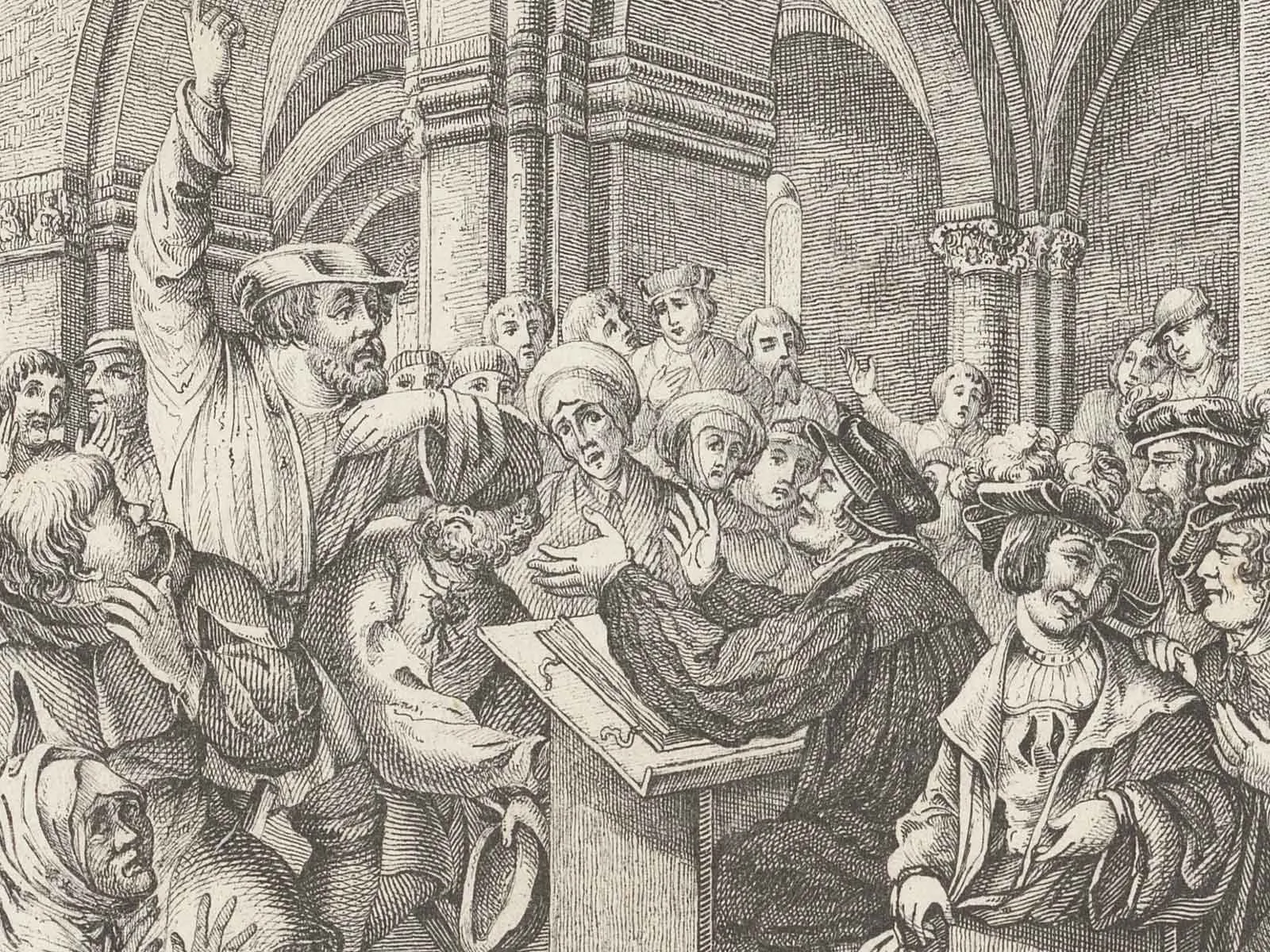
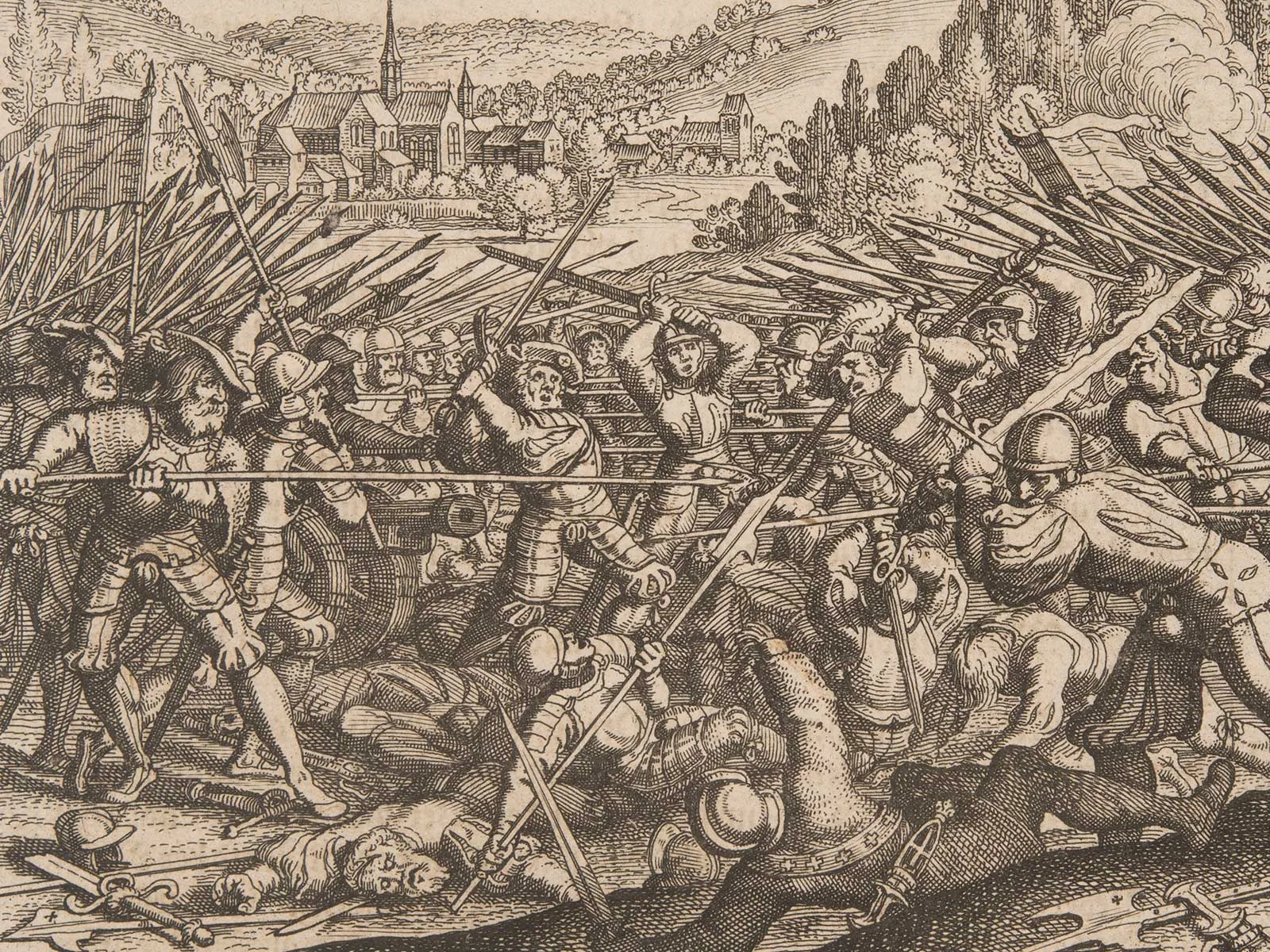
This came to a head after the Reformation. Bern and also Bucheggberg moved to the new faith, while Solothurn remained Catholic. Whenever the confessional tensions of the Old Swiss Confederacy mounted – for example during the Thirty Years’ War and the Peasants’ War – the shared jurisdiction quickly became a source of conflict.
The jurisdiction problem
In principle, serious crimes such as theft, robbery, murder, homicide or arson came under high justice. However, in the Old Swiss Confederacy, there were many different jurisdictions and the boundaries between high and low justice were blurred. Even where the same cantons of the Confederacy shared jurisdiction over different territories, the arrangements were not the same. When there was a court case, the agreements often had to be consulted and investigations carried out into how things had been conducted in similar cases in the past.
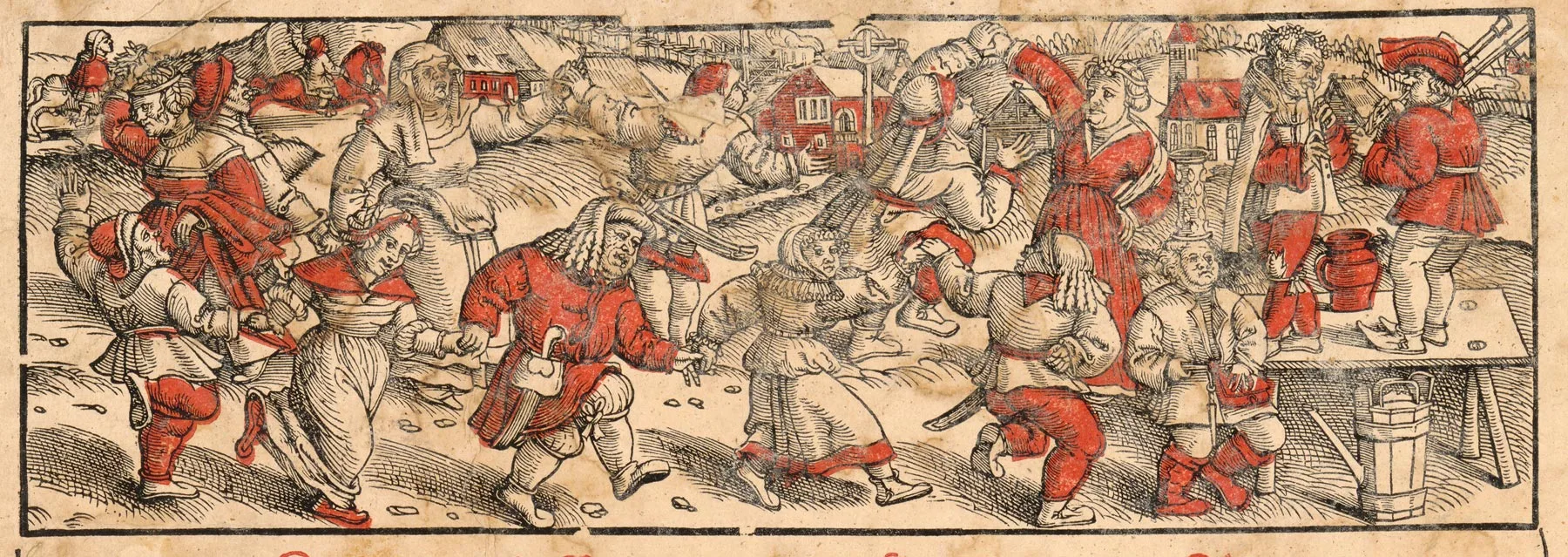
Being caught between two powers also had its advantages. People would take their complaints wherever they thought they would get a better outcome. And if they weren’t satisfied, they would contact the other authority. They were also able to preserve traditions that ran counter to Reformed moral strictness. For example, Bern complained that on ‘Kilbenen’ – a church consecration festival of Catholic origin – people in Bucheggberg danced, cursed and swore. To strengthen ecclesiastical discipline, Bern therefore wanted to introduce moral courts – but Solothurn saw that as an encroachment on its sovereignty and successfully resisted.
A judicial power struggle
Twelve days later, Bourgeois was transferred, escorted by a surgeon from Bern who was treating his wounds. According to the instructions from Solothurn, the surgeon was not to remain in the prison itself and could only look in on his patient if a colleague from Solothurn was in attendance. In addition, the Solothurn authorities did not agree to the request from Bern for the bodies of Emch and Guinchard to be temporarily buried in the forest due to the heat. Instead, the bodies were to be “placed in a coffin, lowered into the ground covered with earth [...] until the conclusion of the case and the delivery of a proper verdict.”
The to-ing and fro-ing then caused the Neuchâtel authorities to step in. Armed with letters of recommendation from them, the son of Jean Guinchard, who had been killed in the accident, appeared in person before the council in Solothurn and asked for his father’s body to be handed over. But Solothurn didn’t want to entertain the idea before the court hearing. Consequently, the Guinchard family themselves paid to hire a watchman – a man from Bern who could guard the body from the nearby Bern border. But the guard got bored and joined the Solothurn guards, rifle in hand, to smoke a pipe with them. His armed border crossing was seen by the authorities as provocation.
The arguments also influenced the court hearing, which was meant to determine the extent to which the case fell under the high justice of Bern. Solothurn appointed a particularly experienced judge who was well versed in Bucheggberg’s complicated situation. Bern tried to bring in as many of its own people as possible for the trial in order to secure an advantage. But in the end, an equal number from both sides were approved.
Despite protests from Bern’s side, the court ruled that Bourgeois and Guinchard had acted in self-defence, and were therefore subject to the low justice of Solothurn. For Hans Emch, however, Bern was responsible as the high-justice authority. Emch’s body was excavated and buried without ceremony on Bern soil. His assets were liquidated and what remained was paid to Bern.
And that brought the knotty case to an end. Many of the problems of jurisdiction between Bern and Solothurn in Bucheggberg were resolved about half a century later with the demise of the Ancien Régime. Bern remained involved in church and school matters, but the area was definitively assigned to the canton of Solothurn.
The legacy of Bucheggberg’s interlaced history can be felt to this day, when schools stay closed on Catholic public holidays, but local businesses stay open. And a Kilbi (church fair) is still held.