A journey across Switzerland in 1608
Drinking and bathing habits, fashion preferences, dealing with death: the astonishing observations of English traveller Thomas Coryat (1577-1617) in early 17th-century Switzerland.
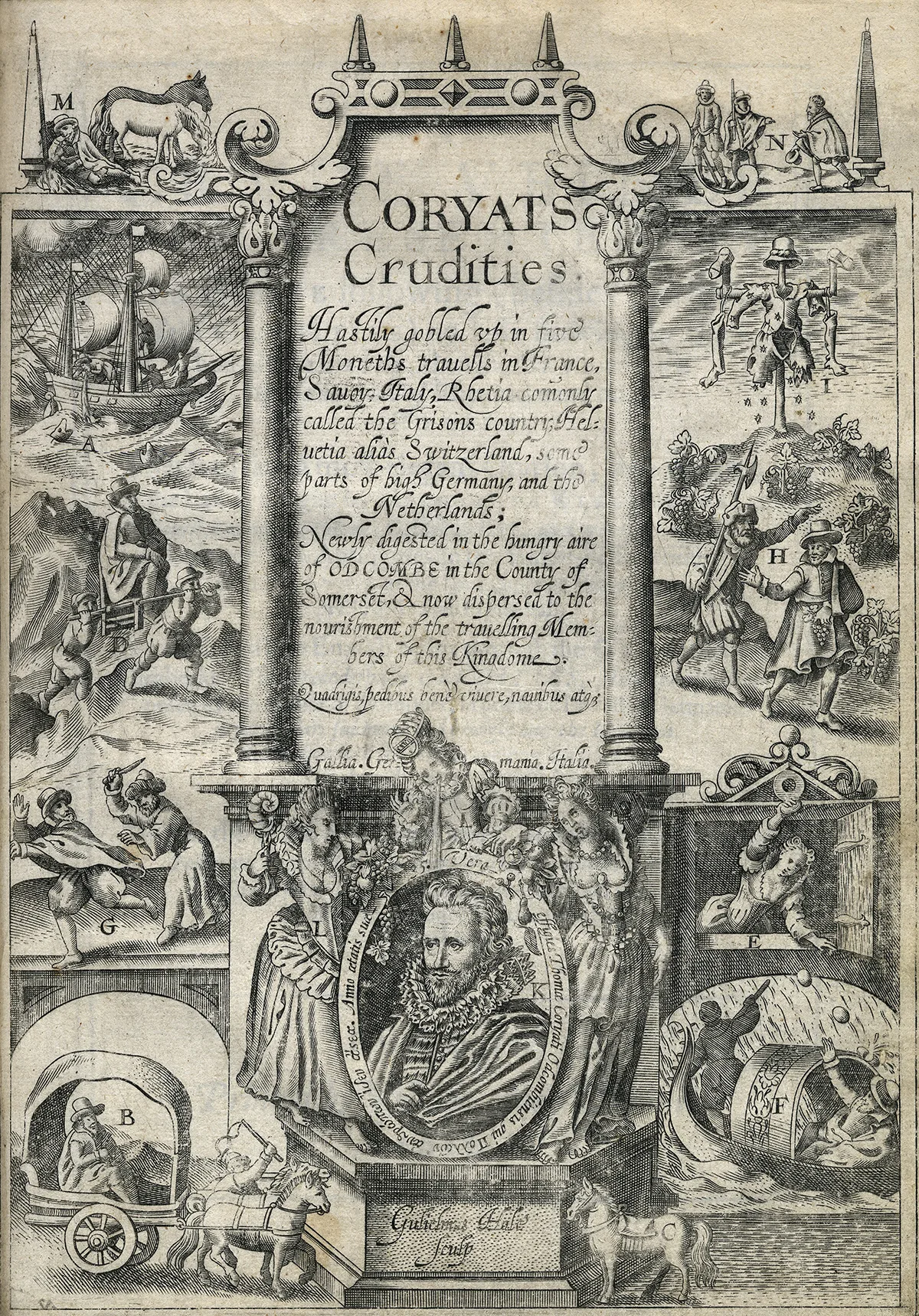
But there were individual pioneers who, driven by curiosity and a thirst for adventure, set out to explore unknown lands. One such early traveller was Englishman Thomas Coryat (1577-1617), who visited the Swiss Confederation on his wanderings across Europe in 1608. We are informed of his observations by an entertaining account of his journey that bears the impressive title Coryat’s crudities: Hastily gobled up in five moneths travells […]. The account, published in 1611, was dedicated to his patron, the English Prince Henry Frederick.
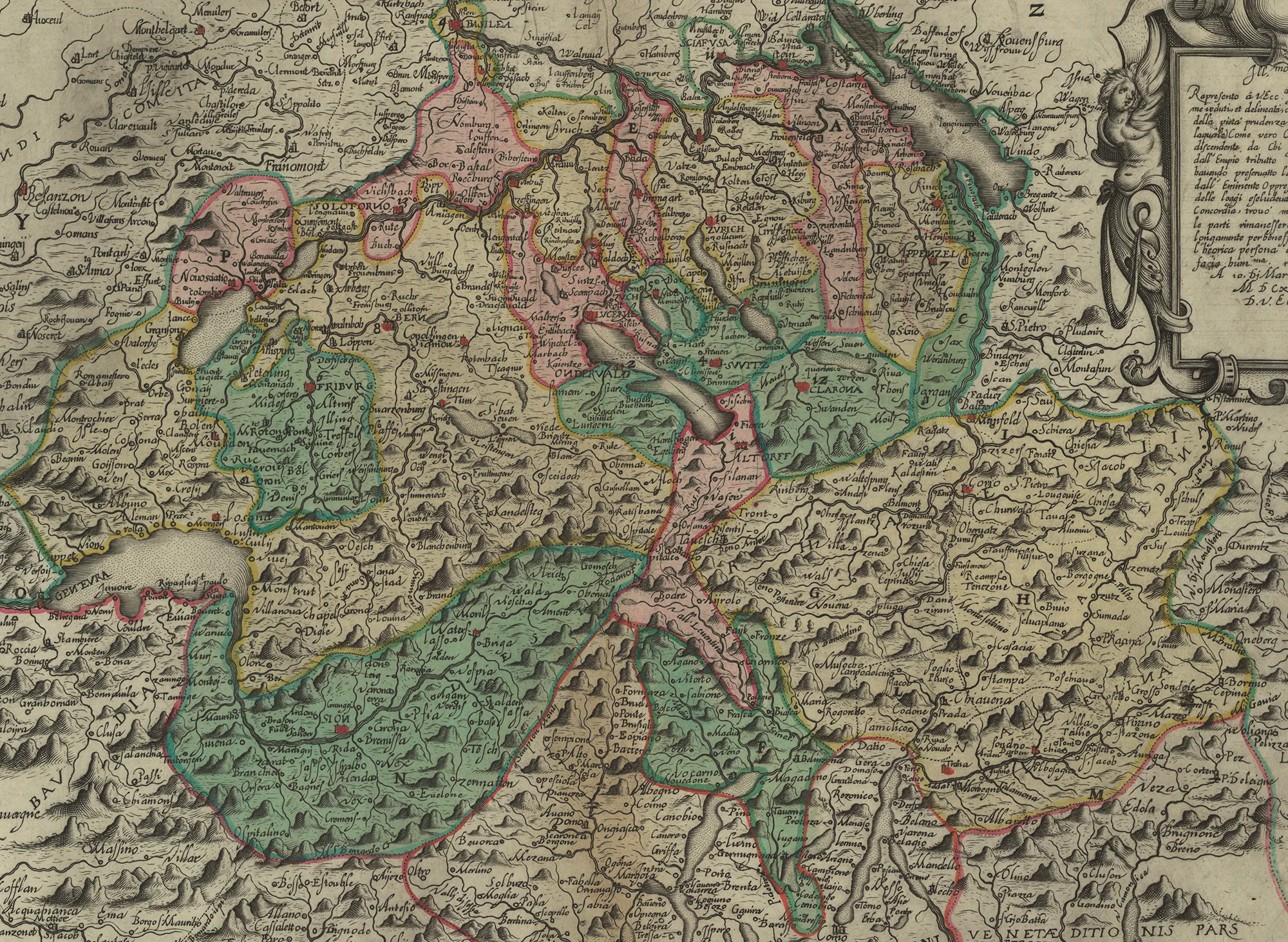
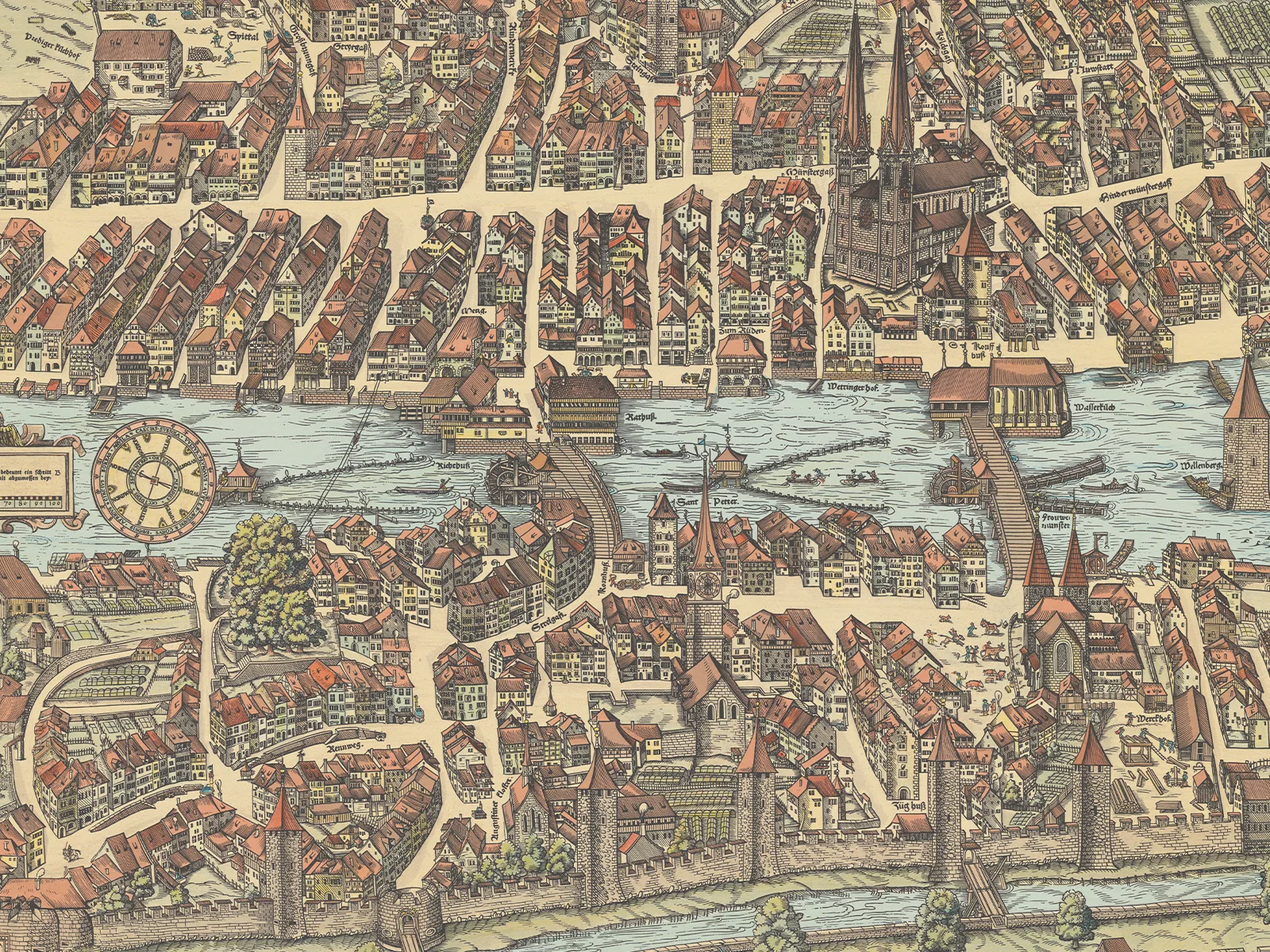
Switzerland was just a speck on Thomas Coryat’s big map of the world. He spent just ten days in the Swiss Confederation and the Graubünden region, and his notes are limited to the main centres through which he passed on his journey: Chur, Walenstadt, Zurich, Baden, Rheinfelden and Basel. Unlike later travel writers Coryat was interested not in the untamed beauty of the natural landscape, but in the everyday lives of the Swiss people.
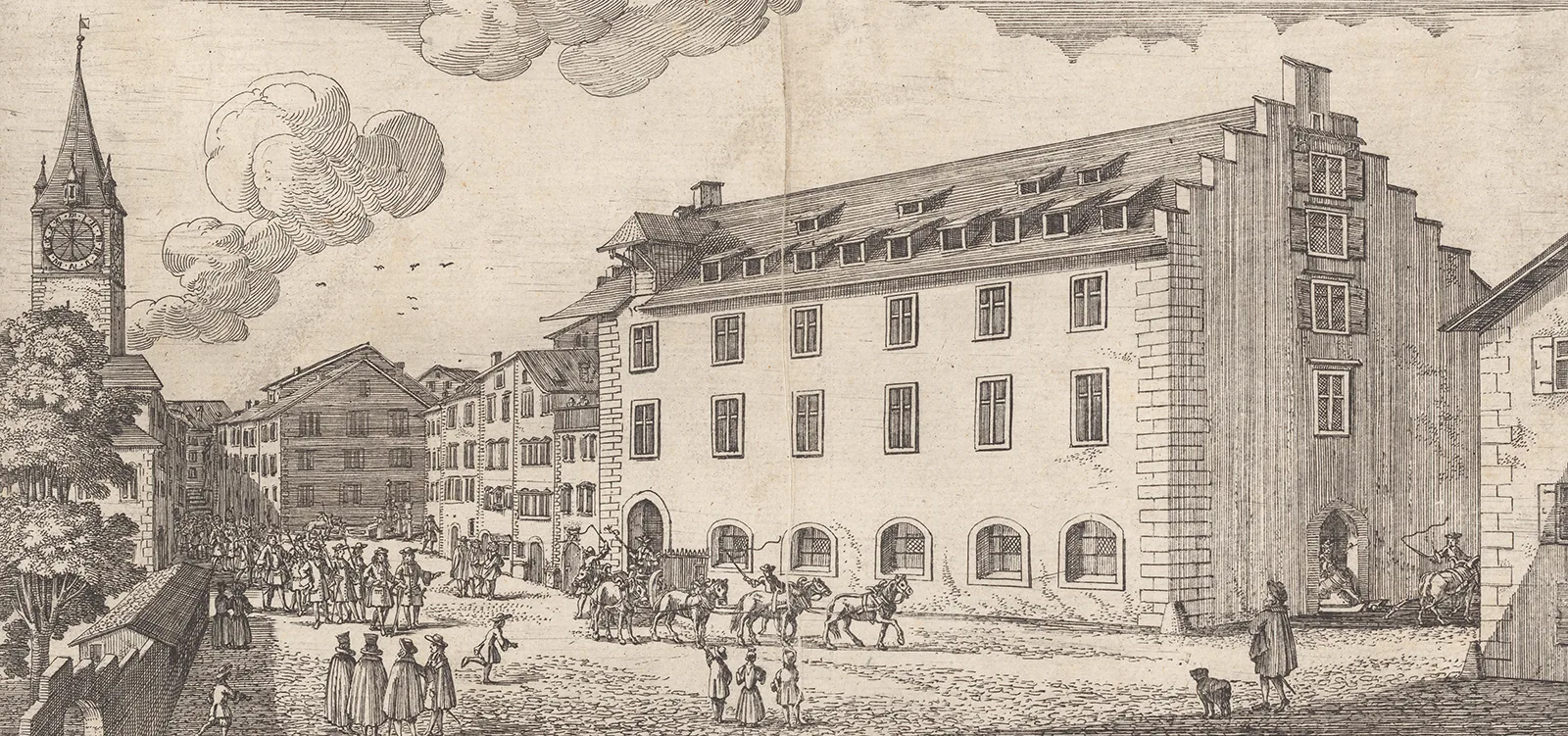
Coryat tells one particularly well-known story in connection with a visit to the Zurich armoury. A student acted as his guide and, in addition to the weapon inventory, showed him some “antiquities”. The Englishman was shown not only arrows, banners and ensigns which the Helvetii tribe were said to have used in their battles against Julius Caesar, but also William Tell’s sword. It was a pretty stunning collection that the armoury had to offer, considering that only a handful of relics from the 1st century BC have survived and that William Tell is a mythical figure. Whatever it is that was shown to the credulous Englishman, it seems to have made a powerful impression. Coryat felt moved at this point to retell the Swiss foundation myth, including the shooting of the apple and the Rütli oath – the first rendering of the Tell saga in English. Nevertheless, he did have one piece of criticism: instead of Tell’s sword, he would rather have seen the arrow with which the hero shot dead the tyrant Gessler.
Me thinks it had beene much better to have reserved the arrow with which [Tell] shot through the tyrant, then the sword that he wore.
A man may live as cheape here as in any City of Switzerland or Germanie.
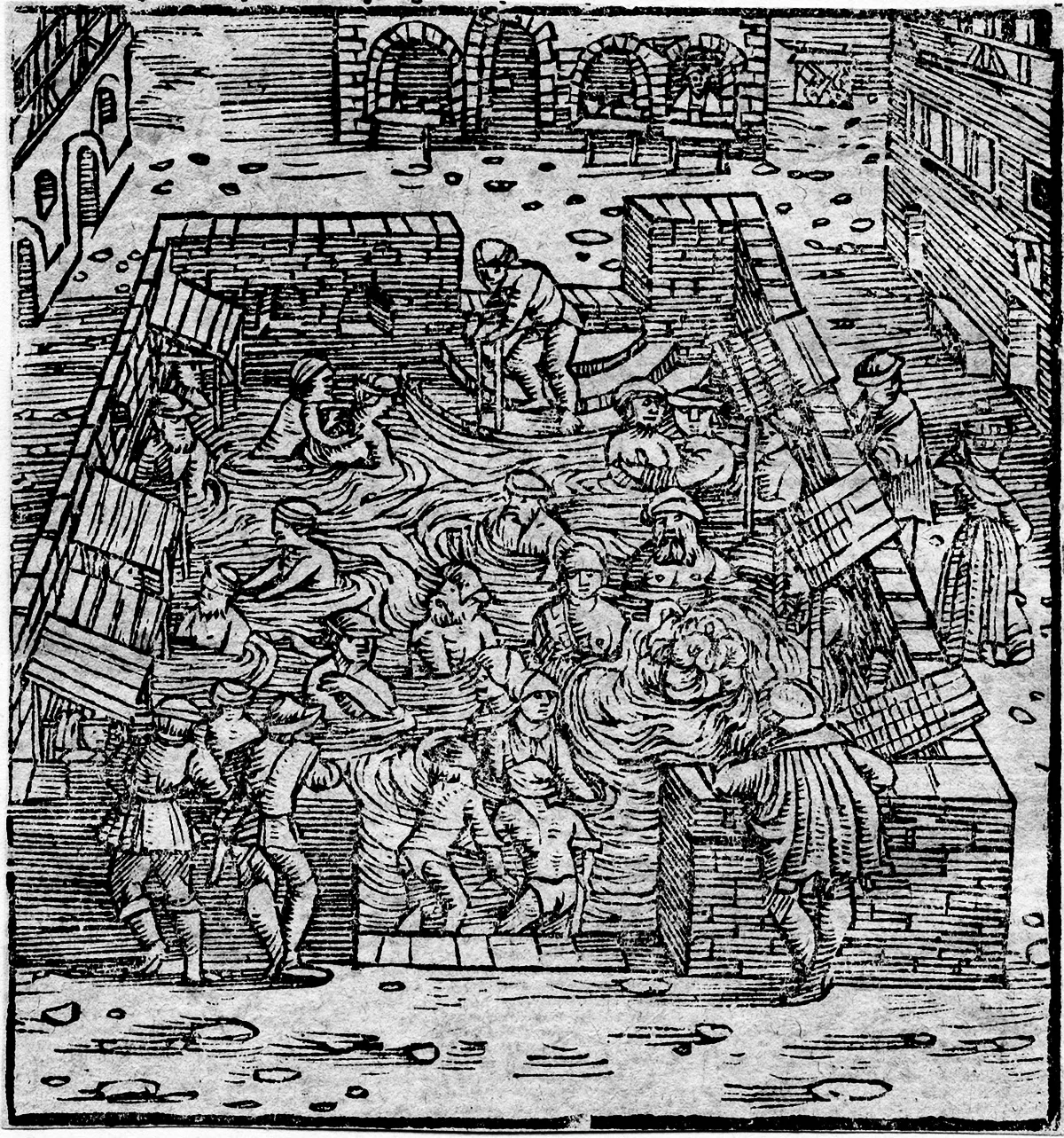
Men and women bathing themselves together naked from the middle upward in one bathe: whereof some of the women were wives (as I was told) and the men partly bachelers, and partly married men, but not the husbands of the same women.
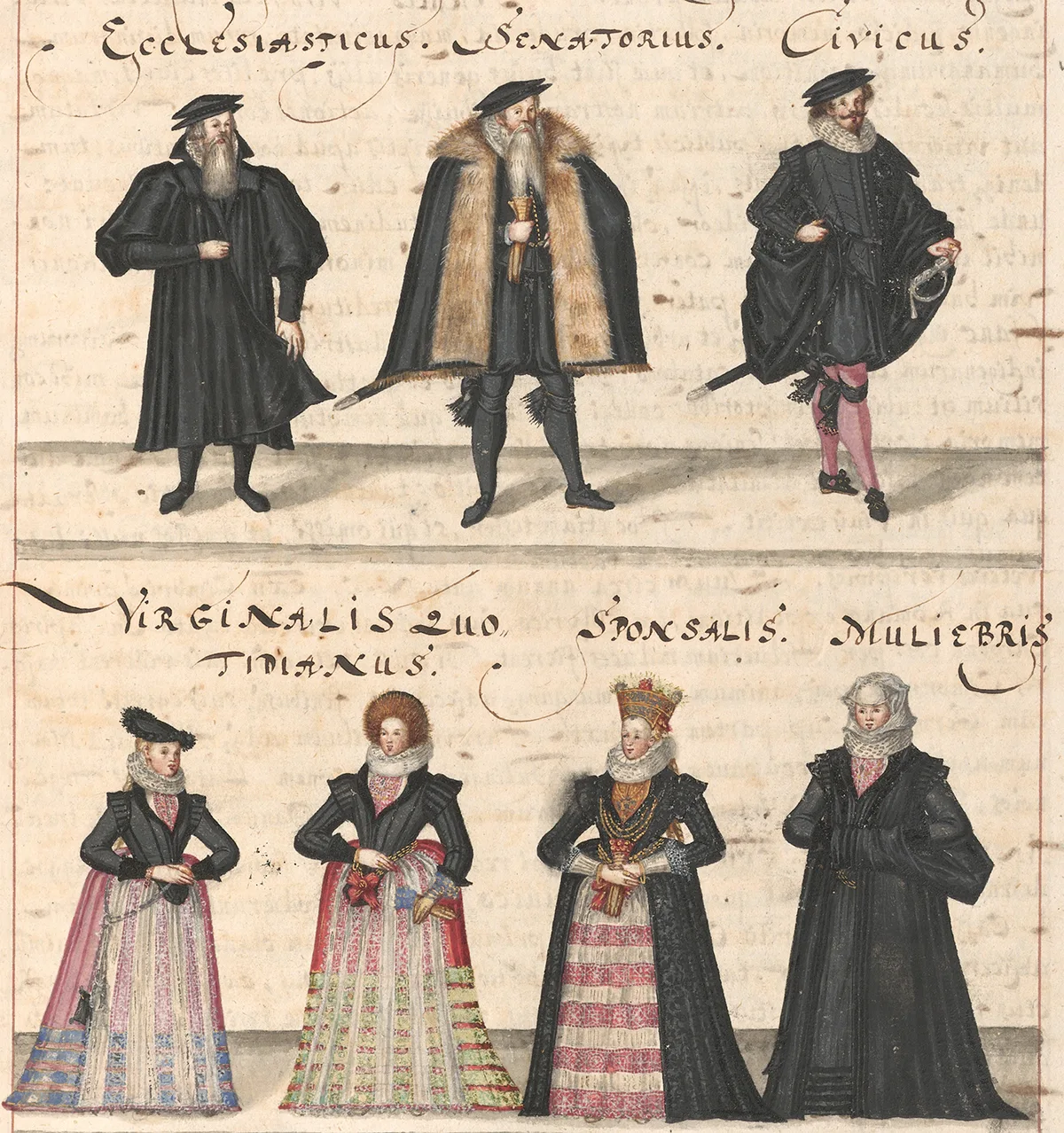
I observed many women of this Citie to be as beautifull and faire as any I saw in all my travels.