The crossbow: A weapon for assassins and freedom fighters
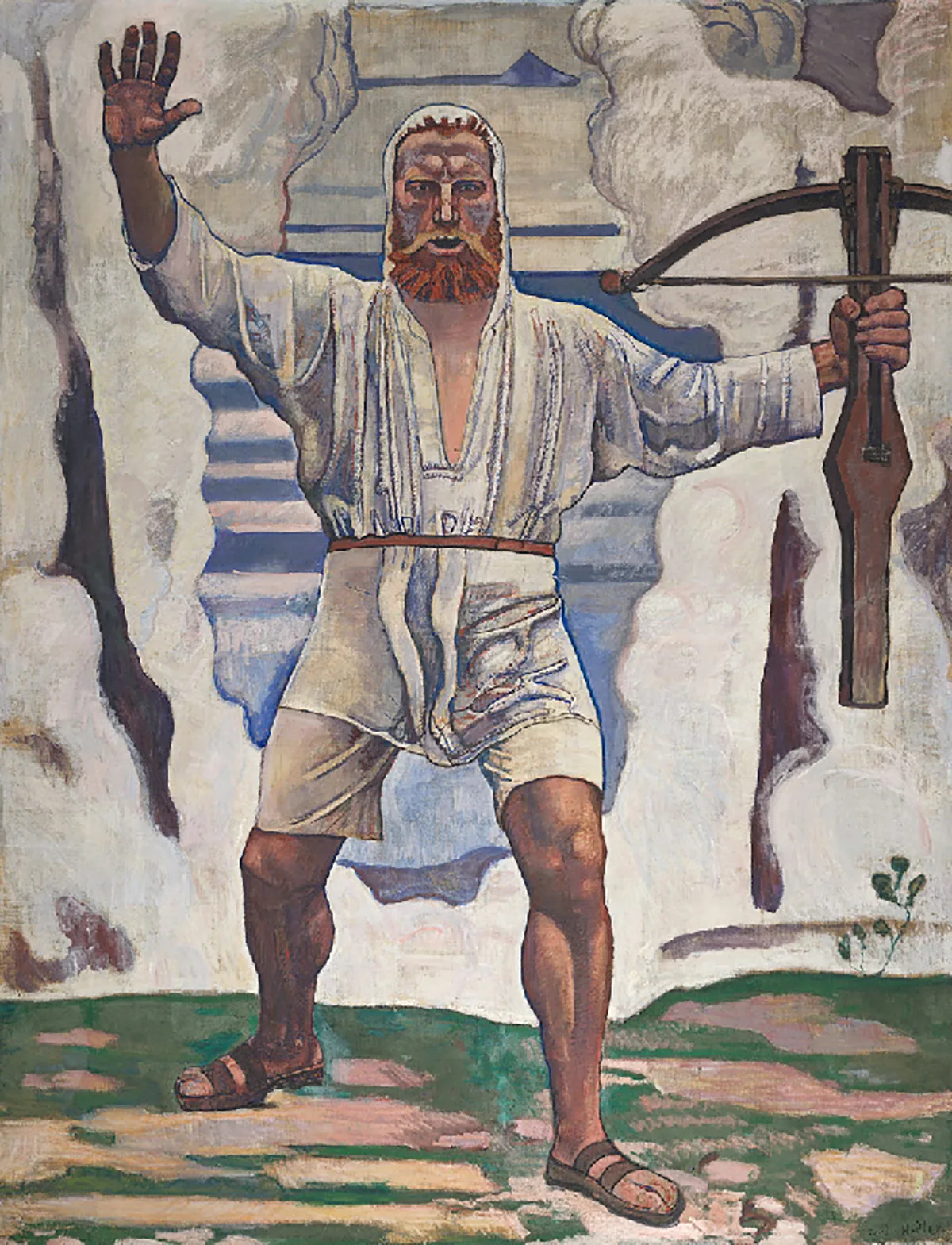
Wilhelm Tell’s crossbow is, so to speak, the national weapon of Switzerland. In actual fact the weapon has its origins in ancient China, and although superior to the bow the crossbow didn’t have the best reputation.

Thomas Weibel
Thomas Weibel is a journalist and professor emeritus of media engineering.
Walterli: Yes, my lord! My father will shoot an apple for you off the tree at a hundred paces. (...)
Gessler: Then, Tell! Since at a hundred yards thou canst bring down the apple from the tree, thou shalt approve thy skill before me. Take thy bow – Thou hast it there at hand – and make thee ready to shoot an apple from the stripling's head! But take this counsel – look well to thine aim, see that thou hittest the apple at the first, for, shouldst thou miss, thy head shall pay the forfeit.
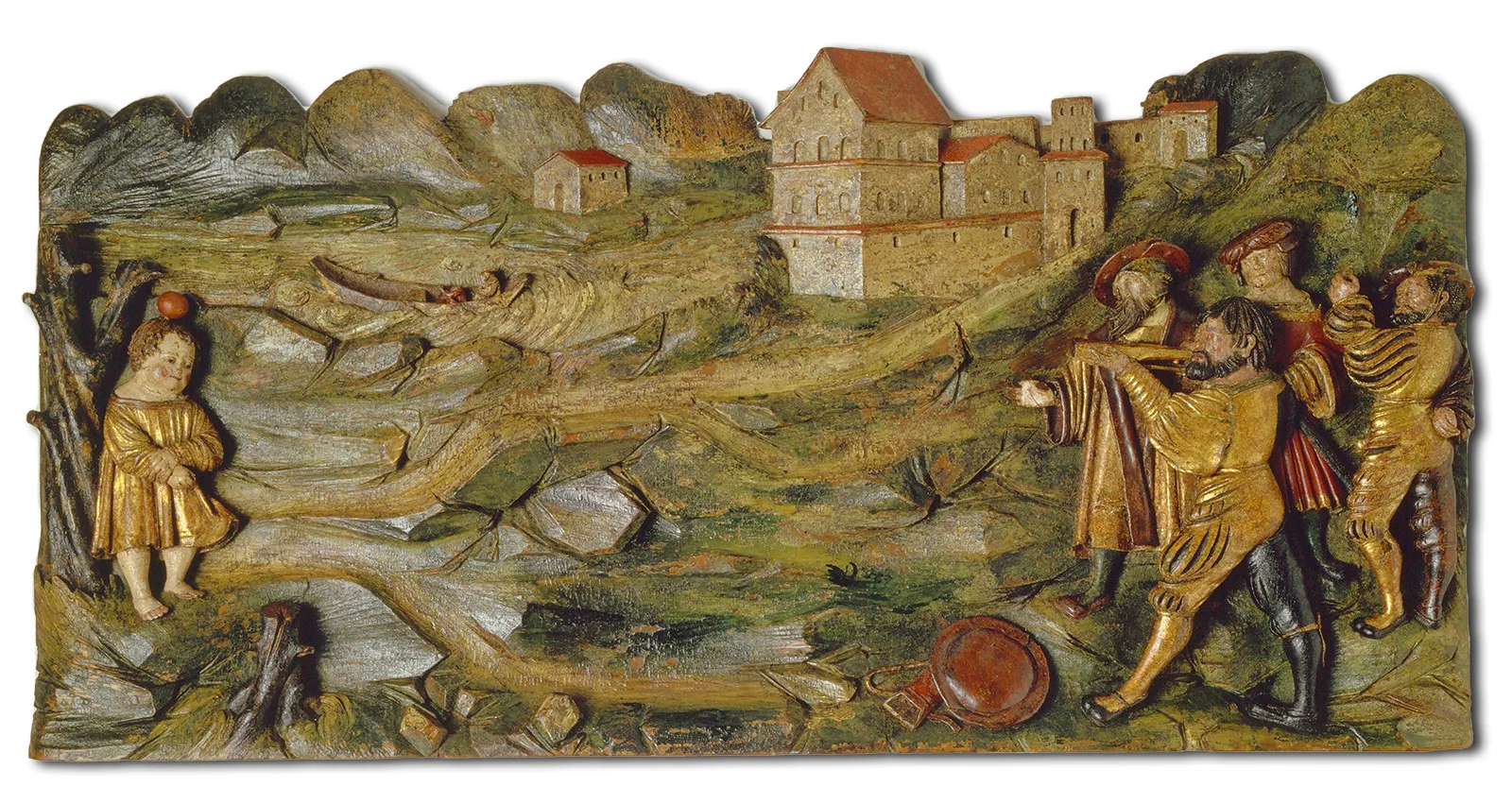
Friedrich Schiller’s final drama made the crossbow the embodiment of Swiss fighting spirit. It is the assault weapon of the Middle Ages, and as a logo it also stands for Swiss reliability and precision. But the crossbow isn’t a Swiss invention at all; instead, it has a Latin name and comes from ancient China.
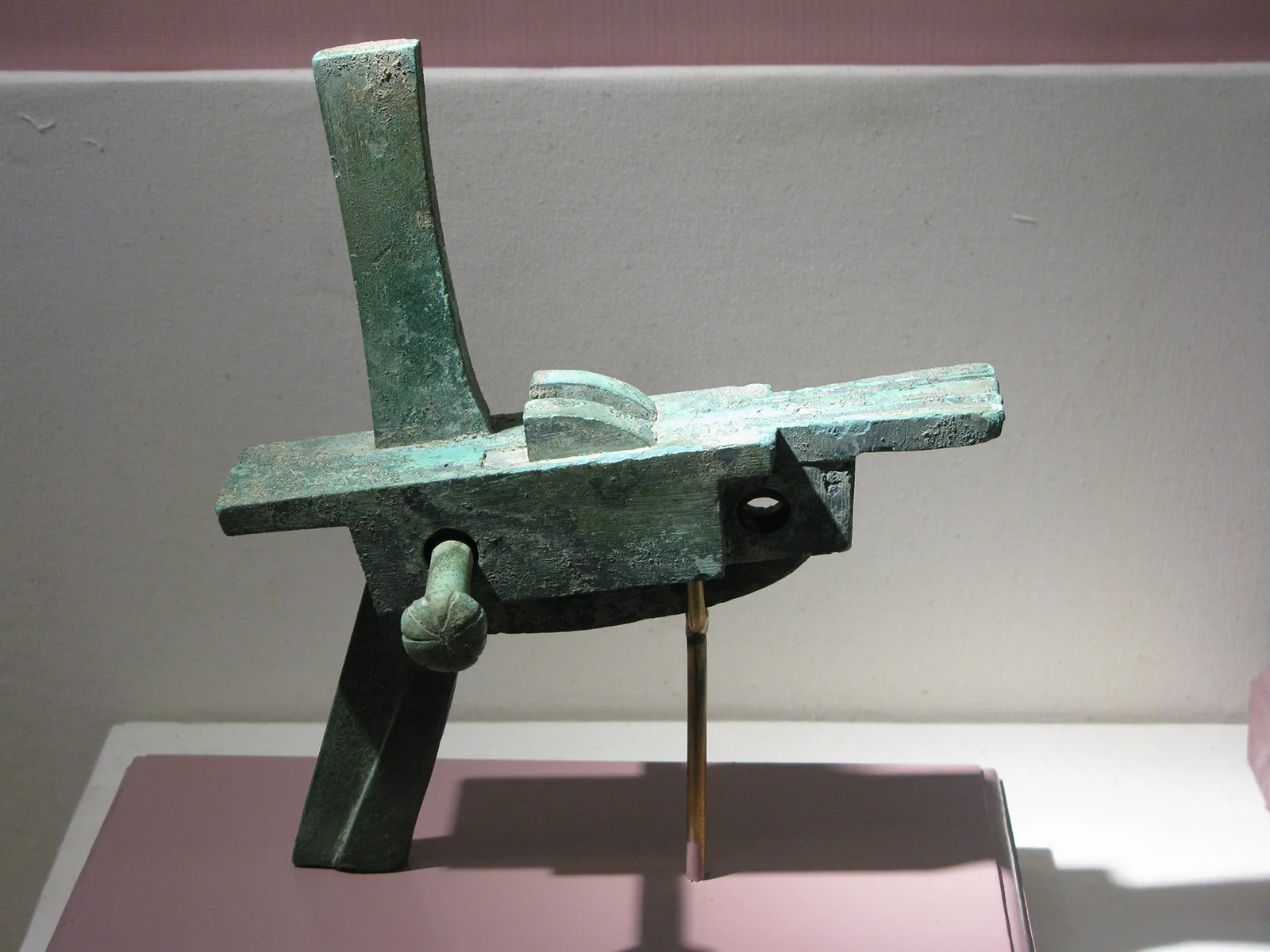
The word “arbalest” [in German, “Armbrust” – “arm” and “chest”] has nothing to do with the body of the shooter, although he uses his arm to press the device to his shoulder when firing. “Arbalest” comes from the Latin “arcuballista” (from “arcus”, bow, and “ballista”, catapult). Remains of crossbows, triggers and bolts dating from the 7th, 6th and 5th centuries BC have been found in Chinese tombs in Qufu in Shandong Province, and in Yutaishan in Hubei Province. Technological advances in bronze casting made the mass production of crossbow triggers possible in ancient China; individual specimens of these triggers are outstandingly well preserved despite being more than 2,000 years old.
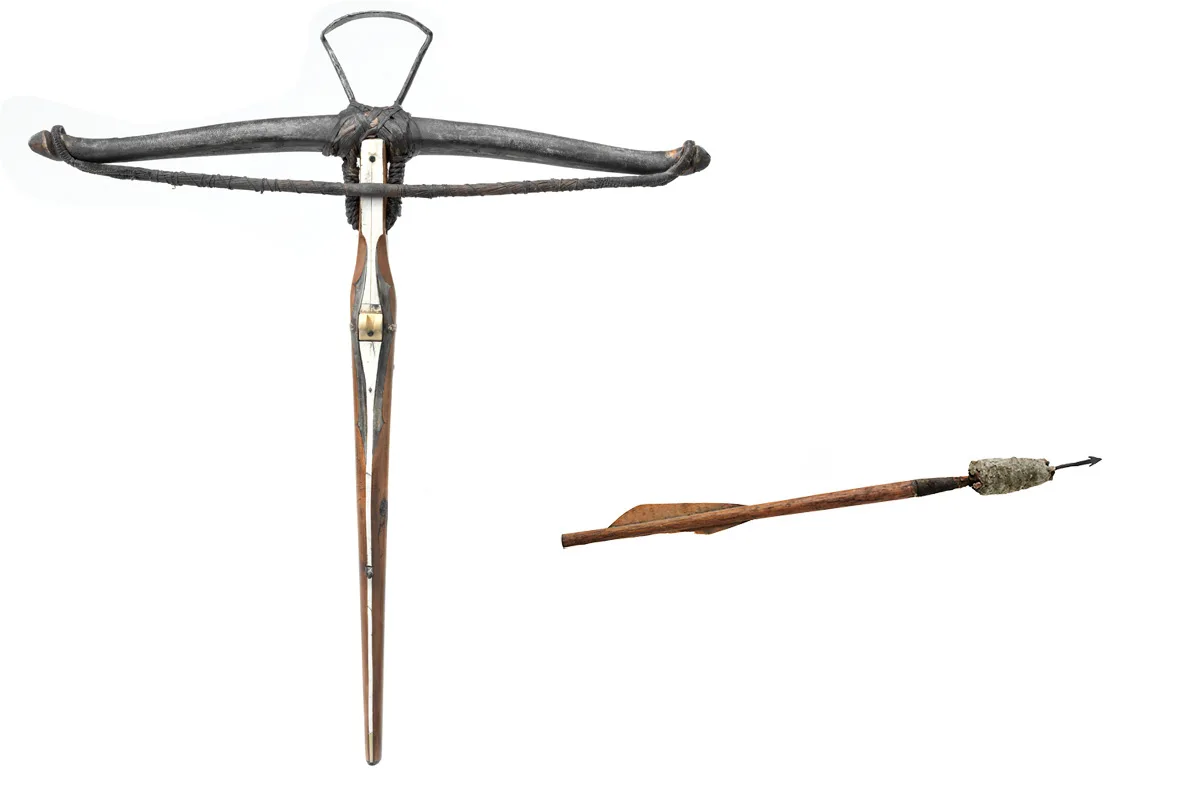
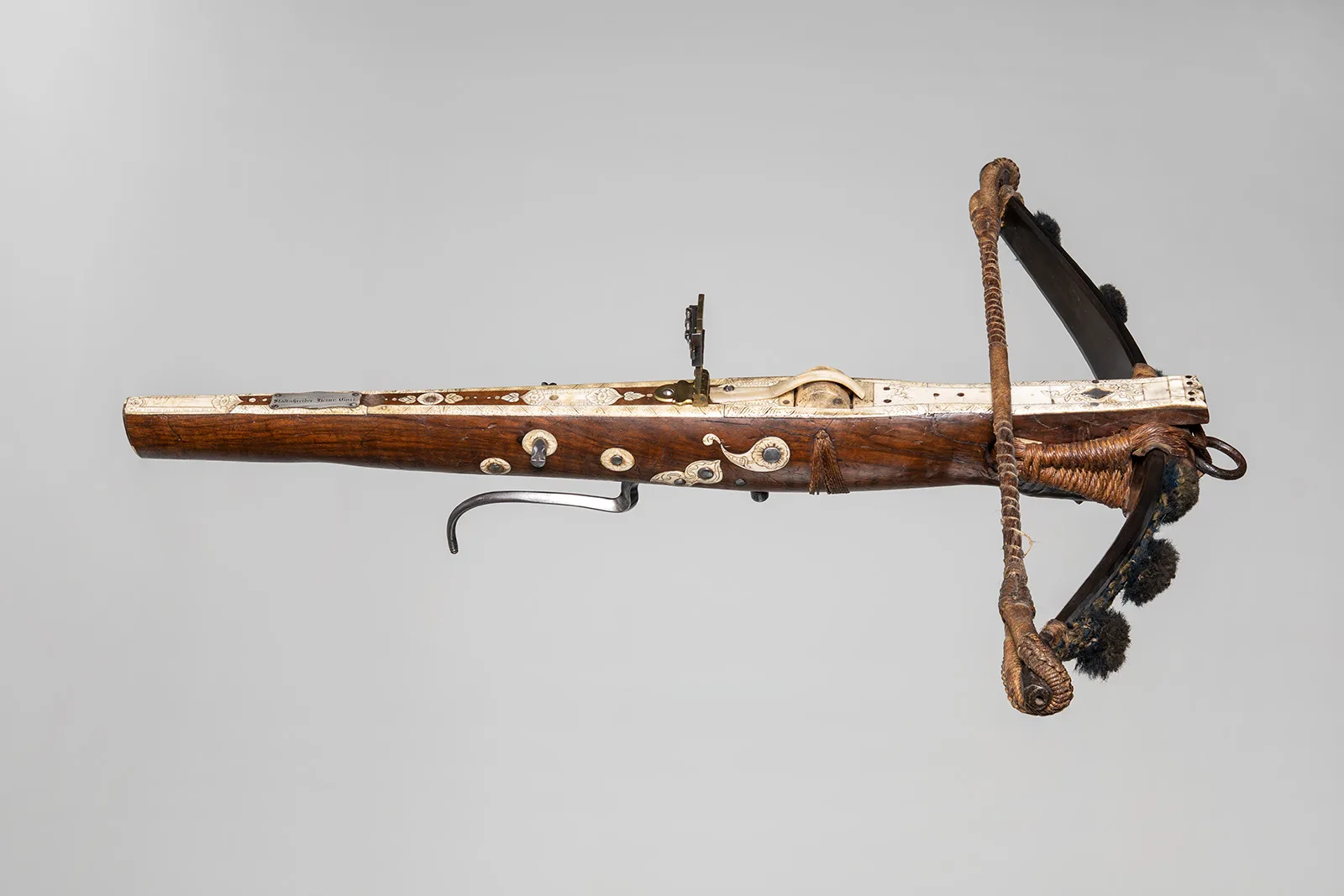

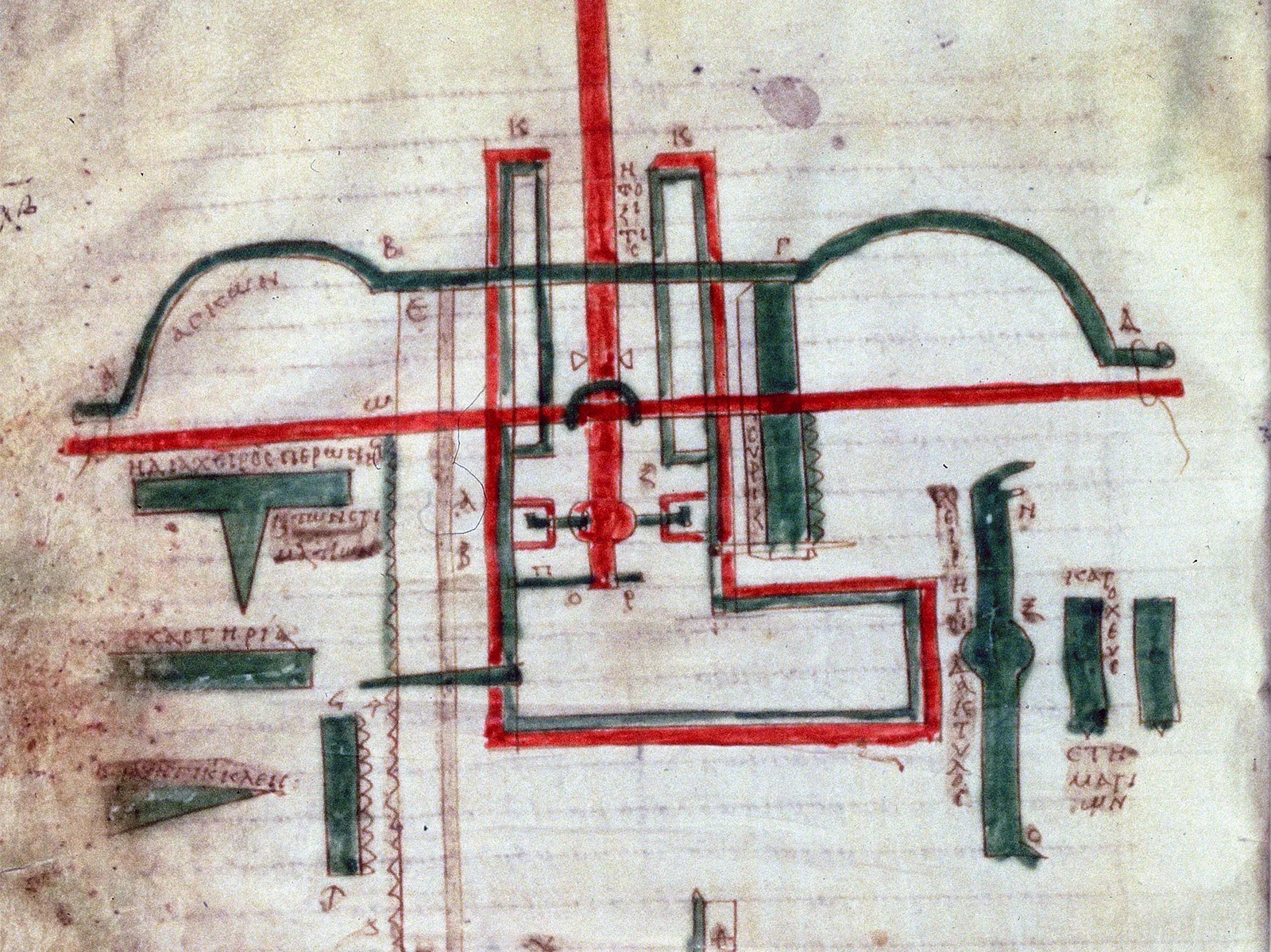
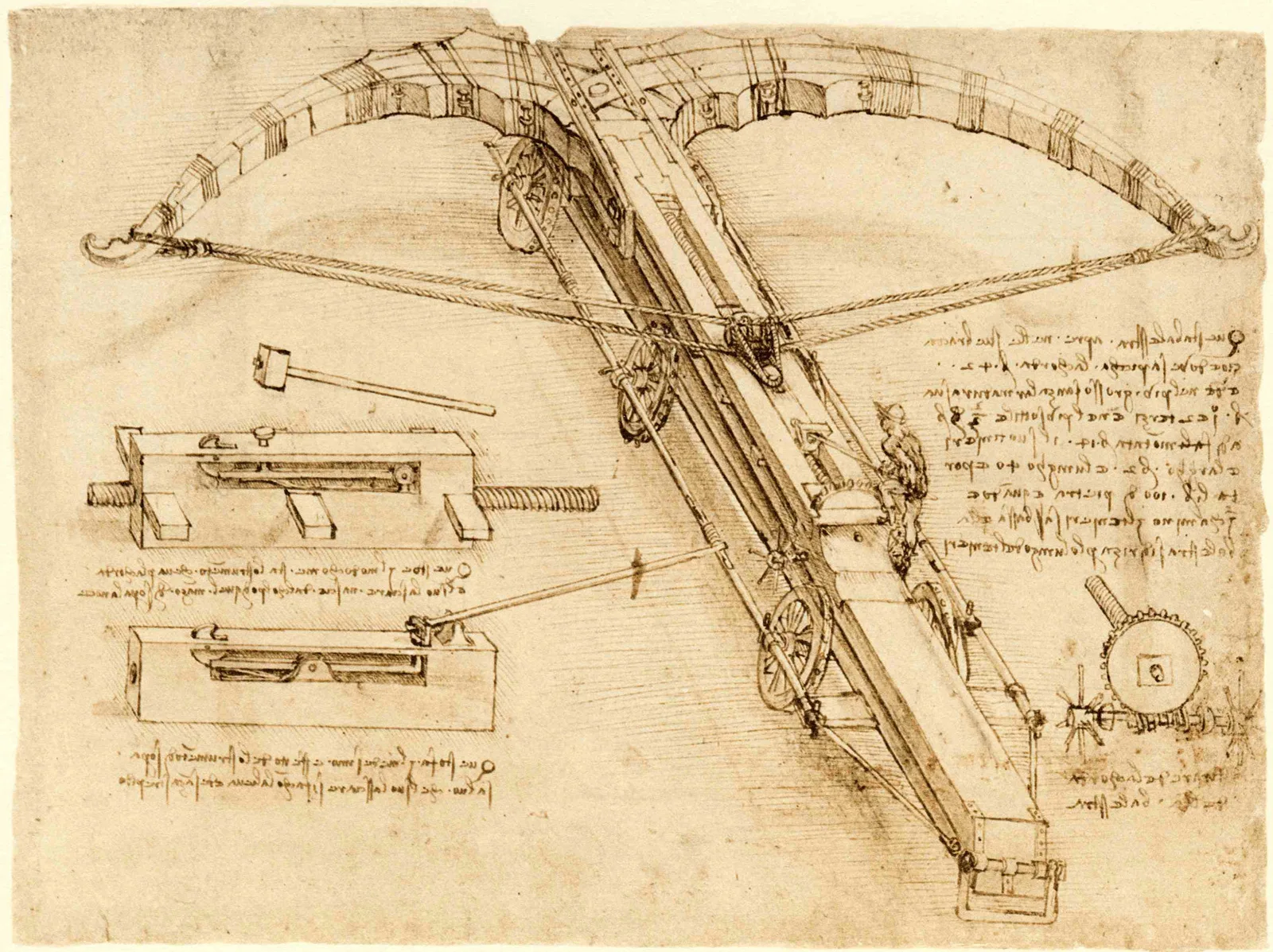
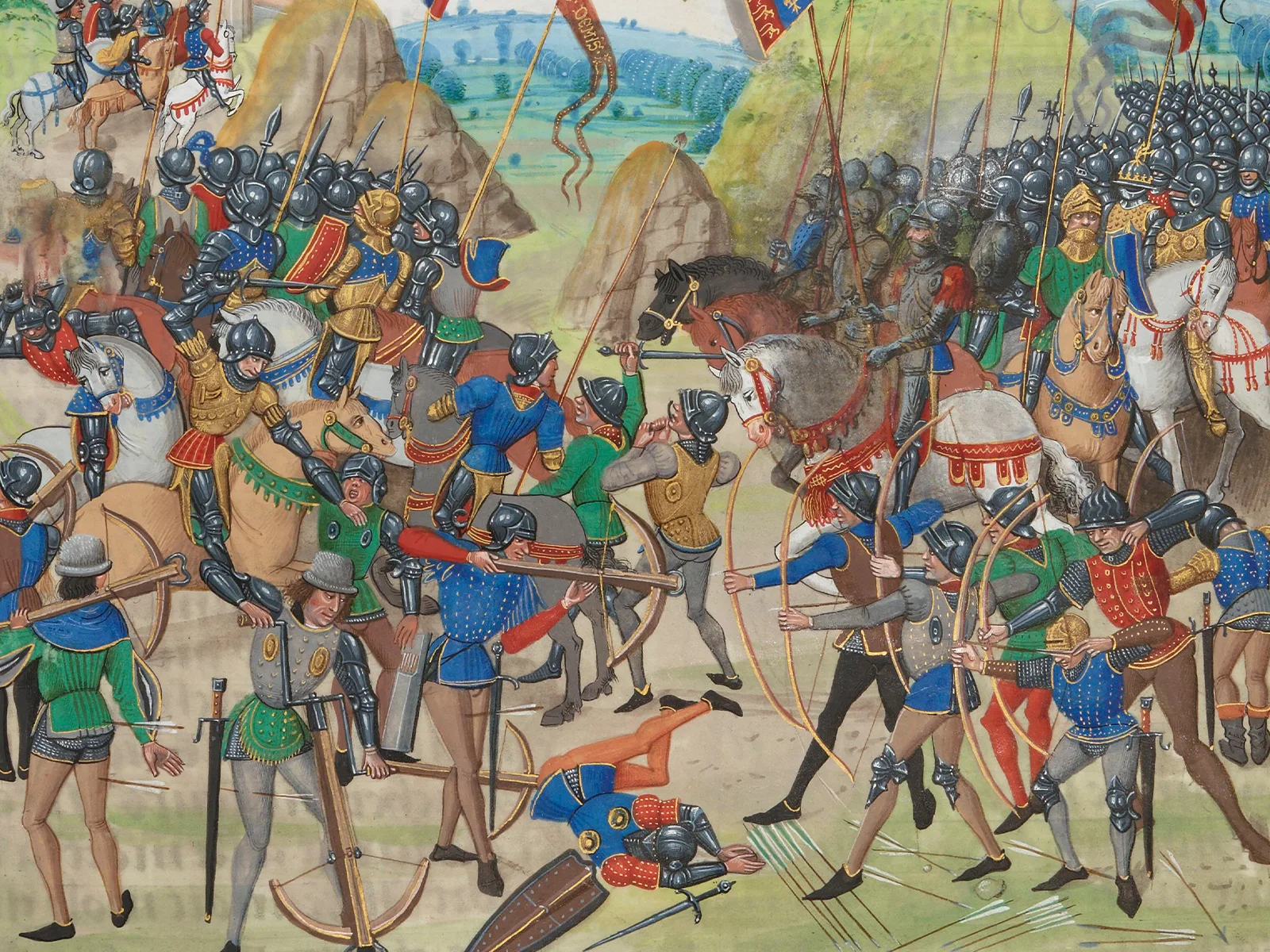
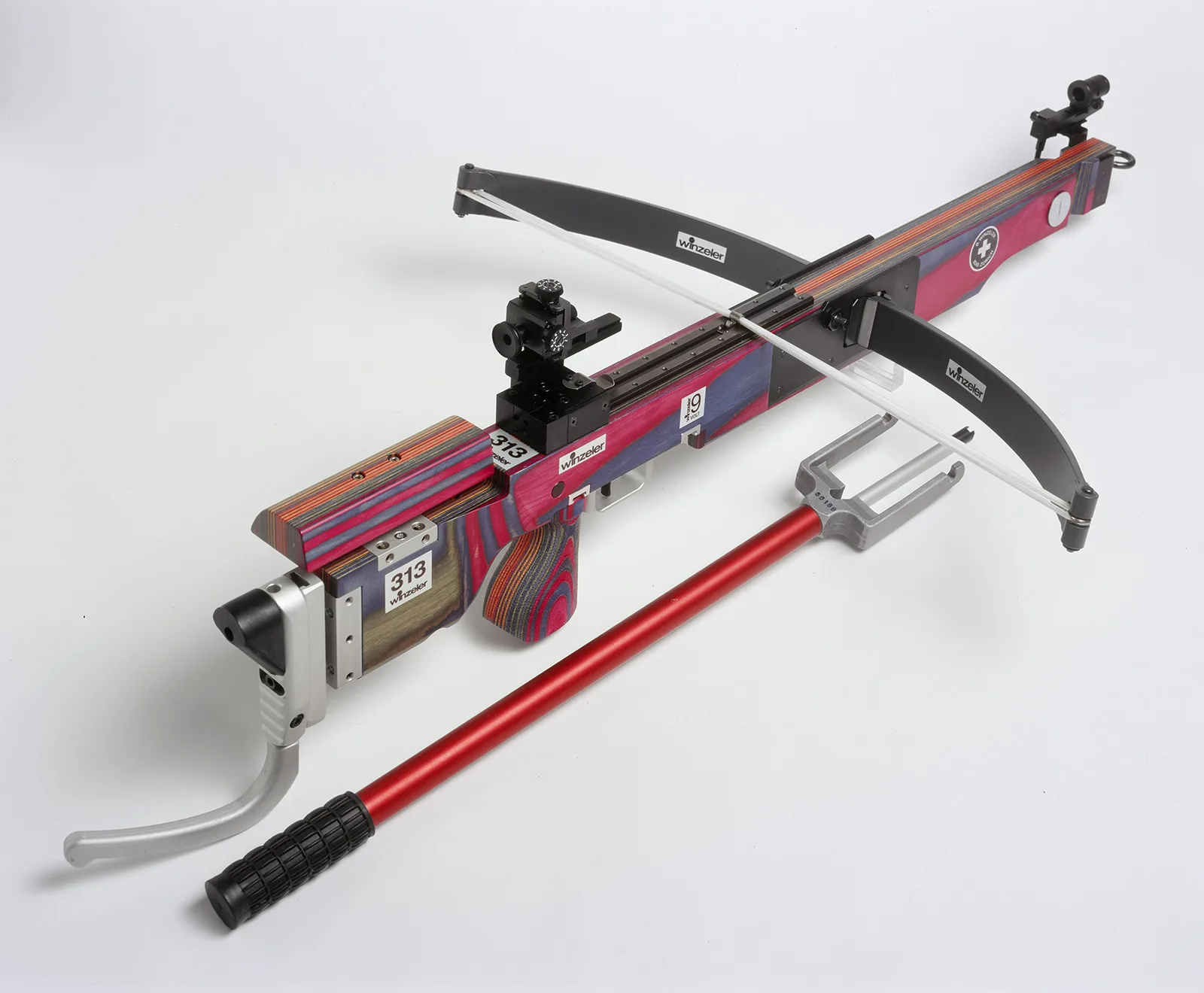
Meanwhile, the crossbow was also undergoing continuous further development from a technical angle. The earlier composite bow made of horn or wood was replaced by a much more powerful steel bow, which could only be tensioned using a windlass embedded in the crossbow body. Modern crossbows are truly high-tech weapons. They are lightweight at less than four kilograms, their metal or carbon bolts can reach speeds of up to 150 metres per second – almost half the speed of a pistol bullet – and telescopic sights are used for sighting.
Walterli: Shoot, Father, I’m not afraid.
Tell: It must be!
(...)
Stauffacher: The apple’s down!
Rösselmann: The boy’s alive!