Of Monks and Monsters: The Schaffhausen Vita Sancti Columbae
The Schaffhausen Municipal Library is home to a manuscript of great significance: The Hiberno-Scottish saint’s life of Columba of Iona provides insight into a period of history about which little is known. It also contains the oldest account of a monster in Loch Ness.

Chris Findlay
Chris Findlay studied History and English at the universities of Freiburg i.Br. and Cambridge and works as a freelance journalist. He is a bibliophile and passionate about manuscripts and paleography.
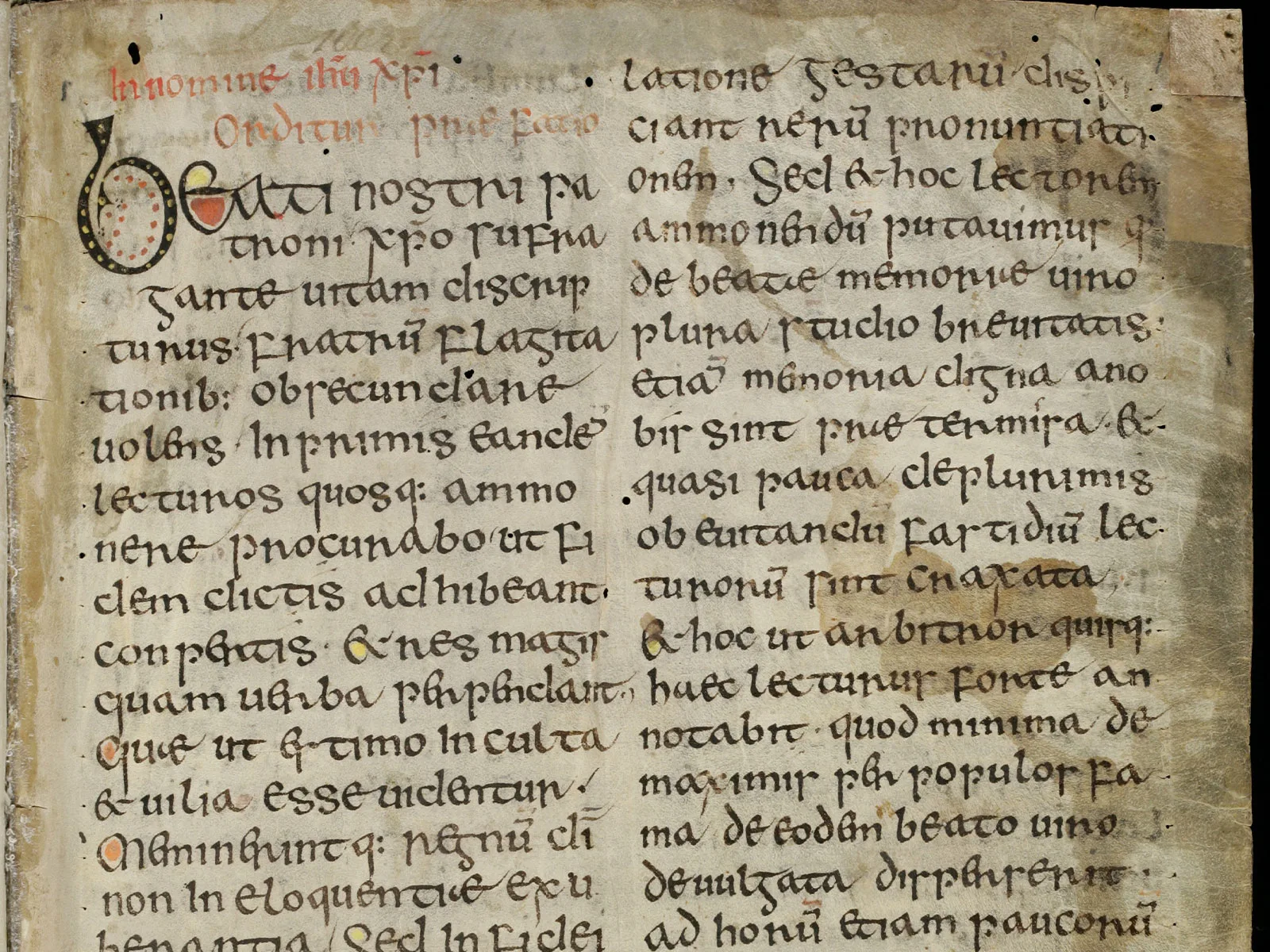
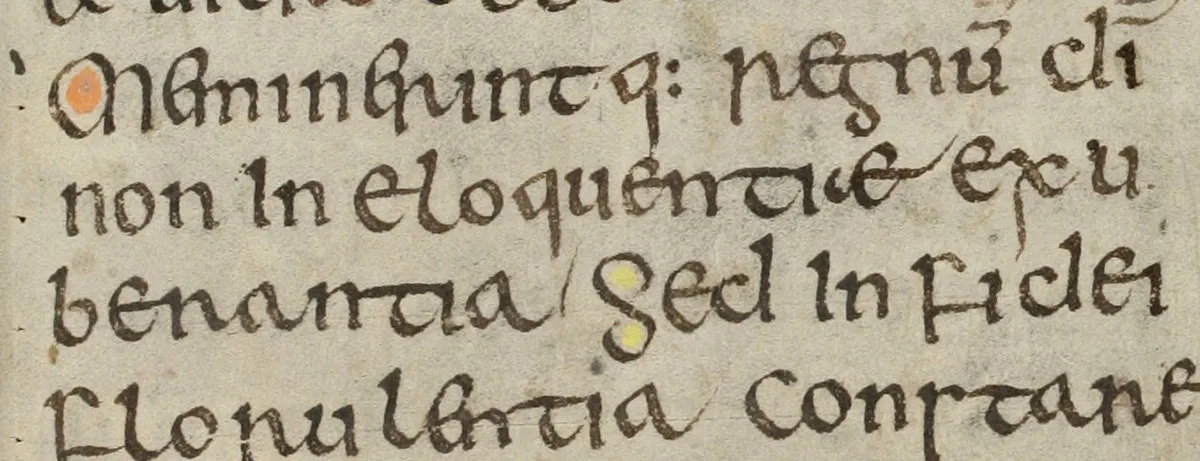
First, a few observations on its external properties: With a format of 29 x 22.5 cm, the codex is approximately A4 size, and it was written on 71 sheets of parchment produced from calfskin (vellum). The book was last rebound in 1941. The copyist, who names himself as Dorbbéne in the colophon, uses the Irish half-uncial, a roundish script developed at the beginning of the 7th century. At the same time, there are also recognizable emergent elements of the later insular minuscule, namely the ligatures between individual letters and, above all, the use of scribal abbreviations, with words or parts of words being replaced by space-saving contractions or symbols in a feature characteristic of Irish manuscripts. Another innovation is the use of word spacing, first introduced around this time for better readability by the Irish scribes, for whom Latin was a foreign language. Thus, the Vita is an important datable milestone in the development that would later produce the Carolingian scripts.
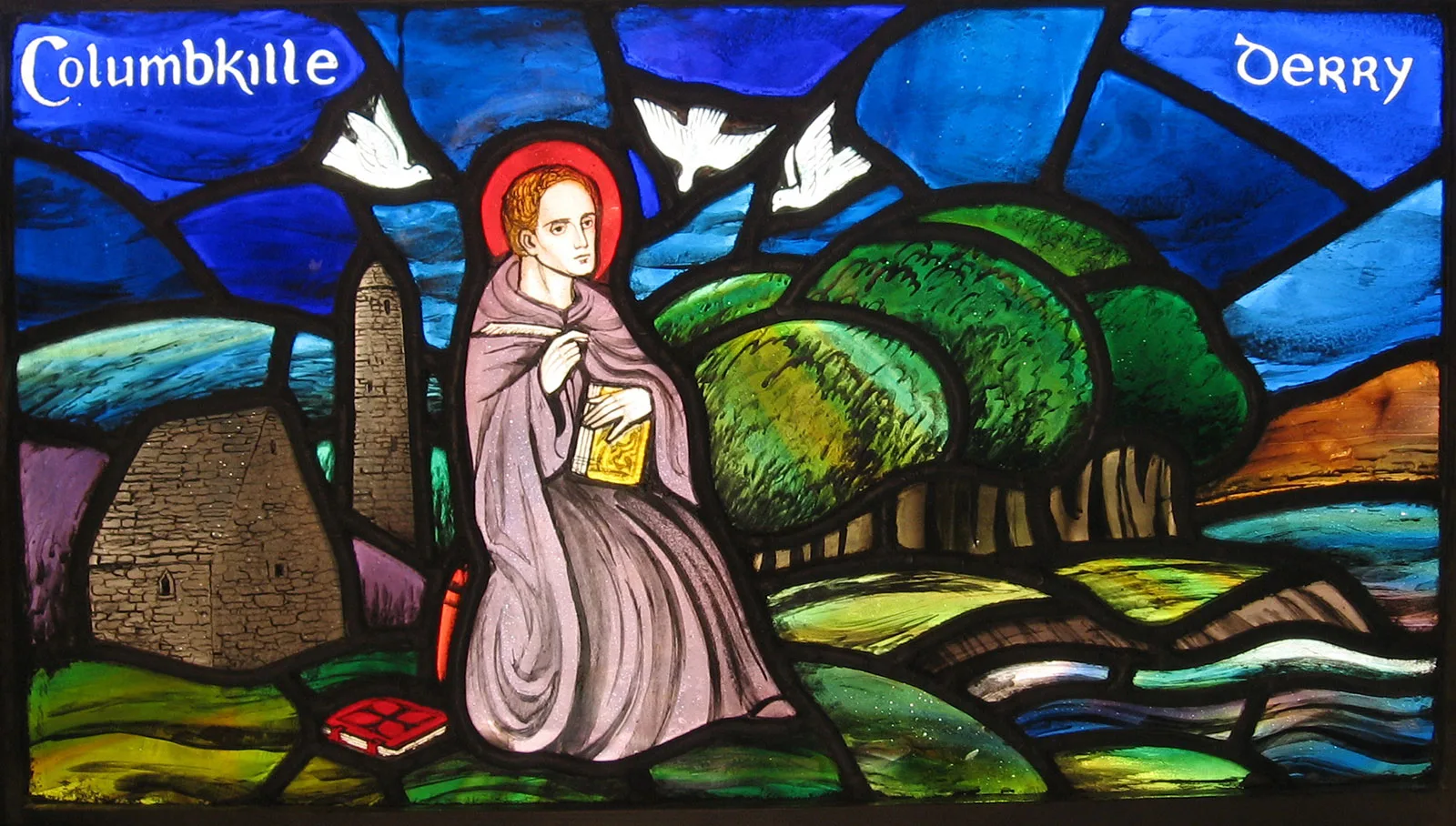
Columba is able to predict storms and knows whether travelers will arrive safely – a useful gift in the Hebridean island world of the North Atlantic, where the weather changes quickly and the monks' small leather-covered curragh boats could easily be engulfed by a whirlpool. In a beautiful episode, he prophesies the arrival of an exhausted and famished guest: A heron has been blown off course over the Irish Sea by a gale. The bird is nursed back to health by the monks for three days before returning to “that lovely part of Ireland” that is also Columba’s home.
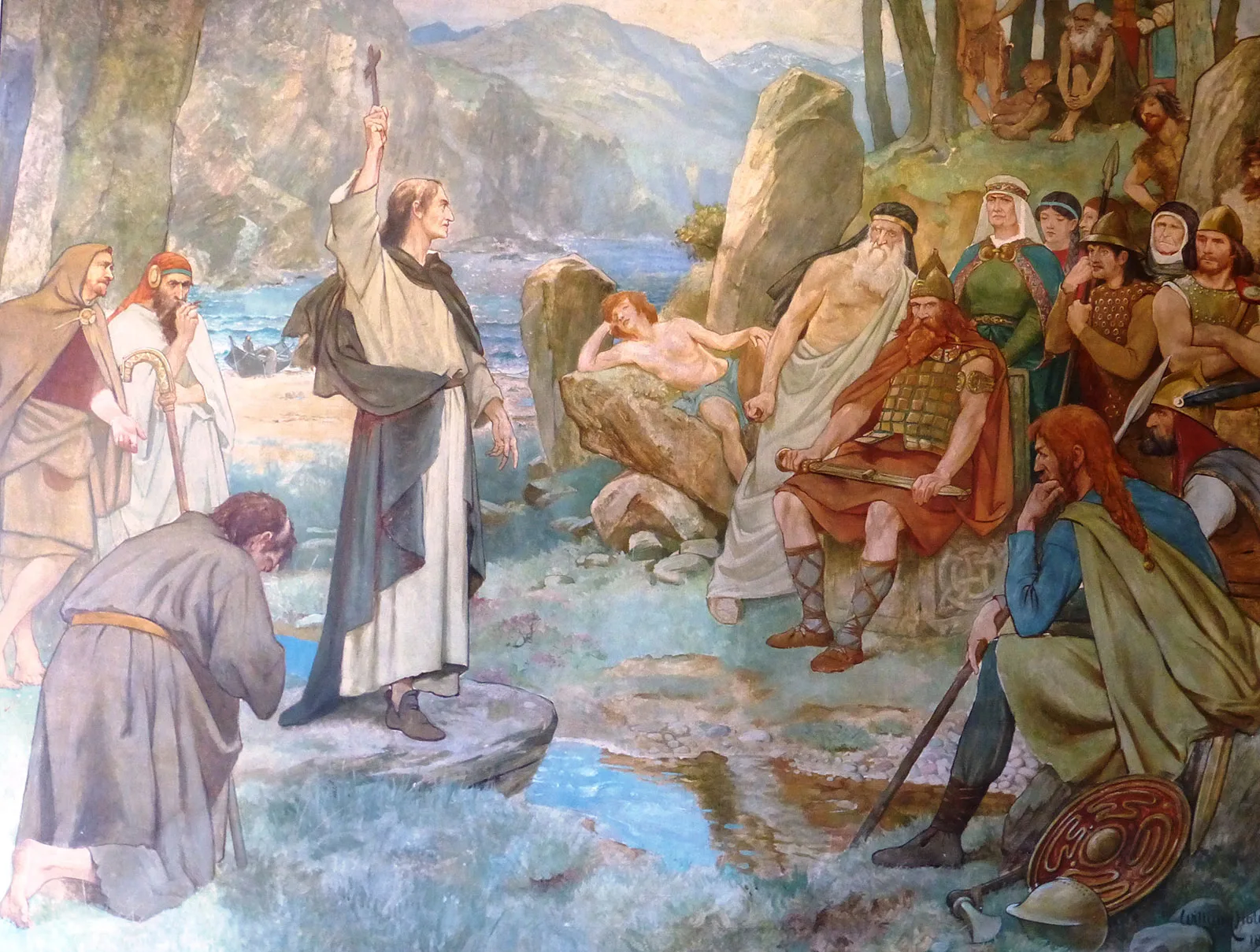
His encounter with a water beast (“aquatilis bestia”) is particularly noteworthy: As the saint and his companions pass by the banks of the River Ness, they come upon the funeral of a man who has just fallen victim to the attack of the monster. The beast – “whose appetite had not been appeased, but only whetted” – resurfaces and wants to devour Columba. He, however, makes the sign of the cross and orders the beast to back off, which it does, to the astonishment of the Picts present. Thus, the Schaffhausen manuscript contains the first written mention of a monster being sighted at Loch Ness.
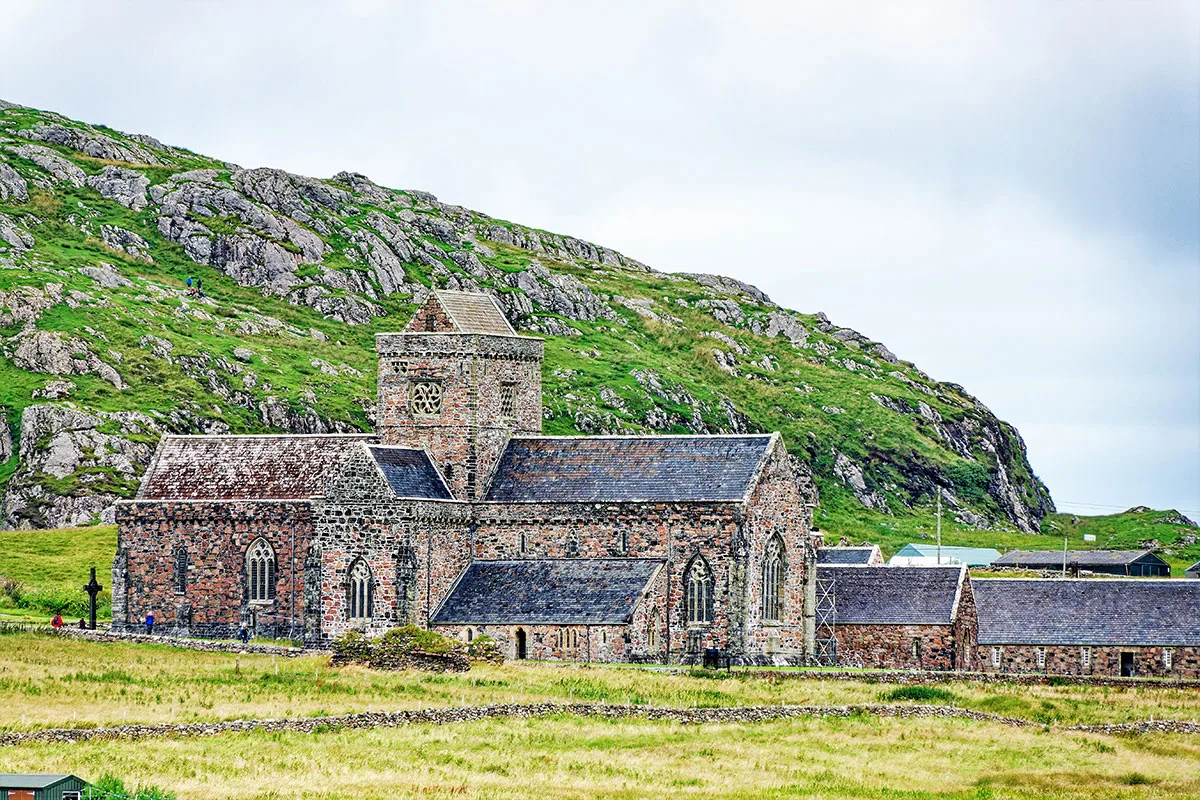
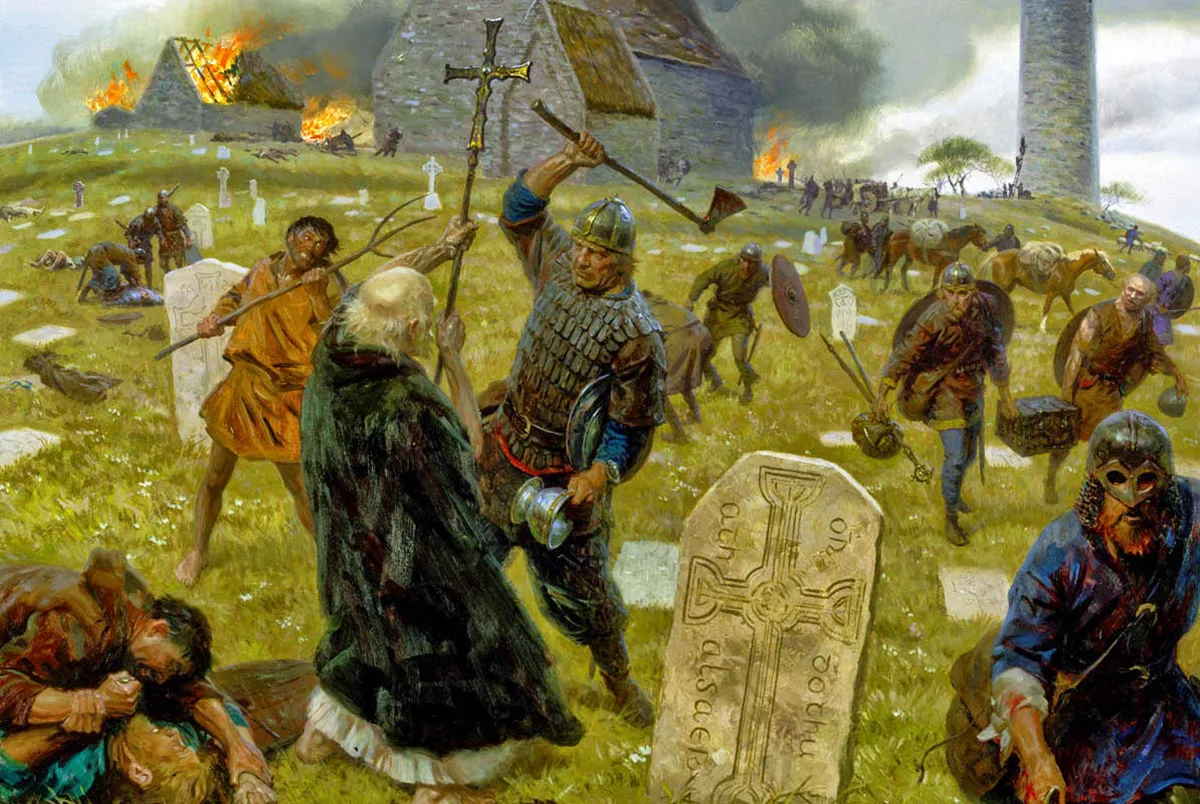
It is still unclear how the book came from the Inner Hebrides to Schaffhausen. When Iona was raided by Vikings in 795 and then repeatedly attacked again over the following decades, many monks moved to the continent and brought their books, as well as their skills in manuscript illumination and Latin scholarship, to the region of Lake Constance, where the Irish monks Gallus and Columbanus (not to be confused with Columba) had already been active 200 years earlier. Presumably, the Vita Sancti Columbae had arrived in this region by the second half of the 9th century.
Visit e-codices.unifr.ch to explore the digital version of the Schaffhausen Vita Sancti Columbae.