Casting light on relief map shading
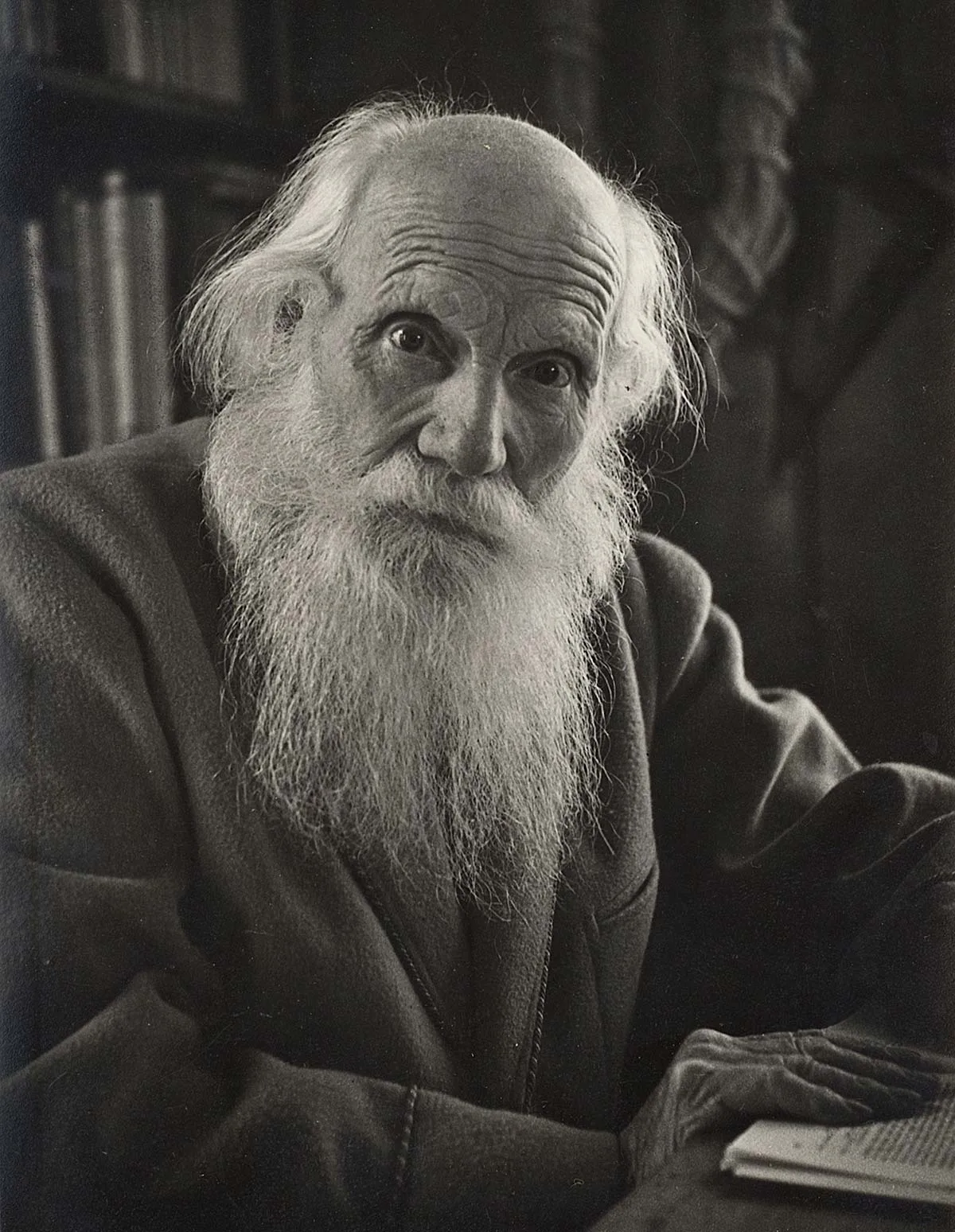
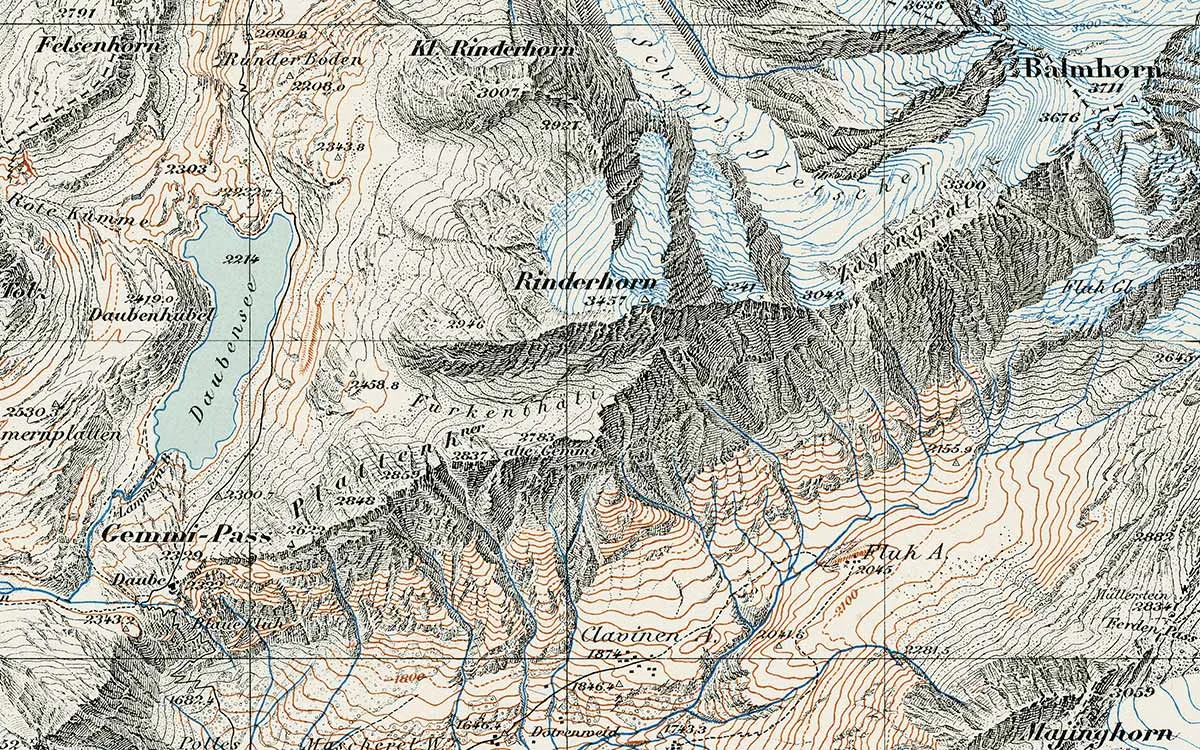
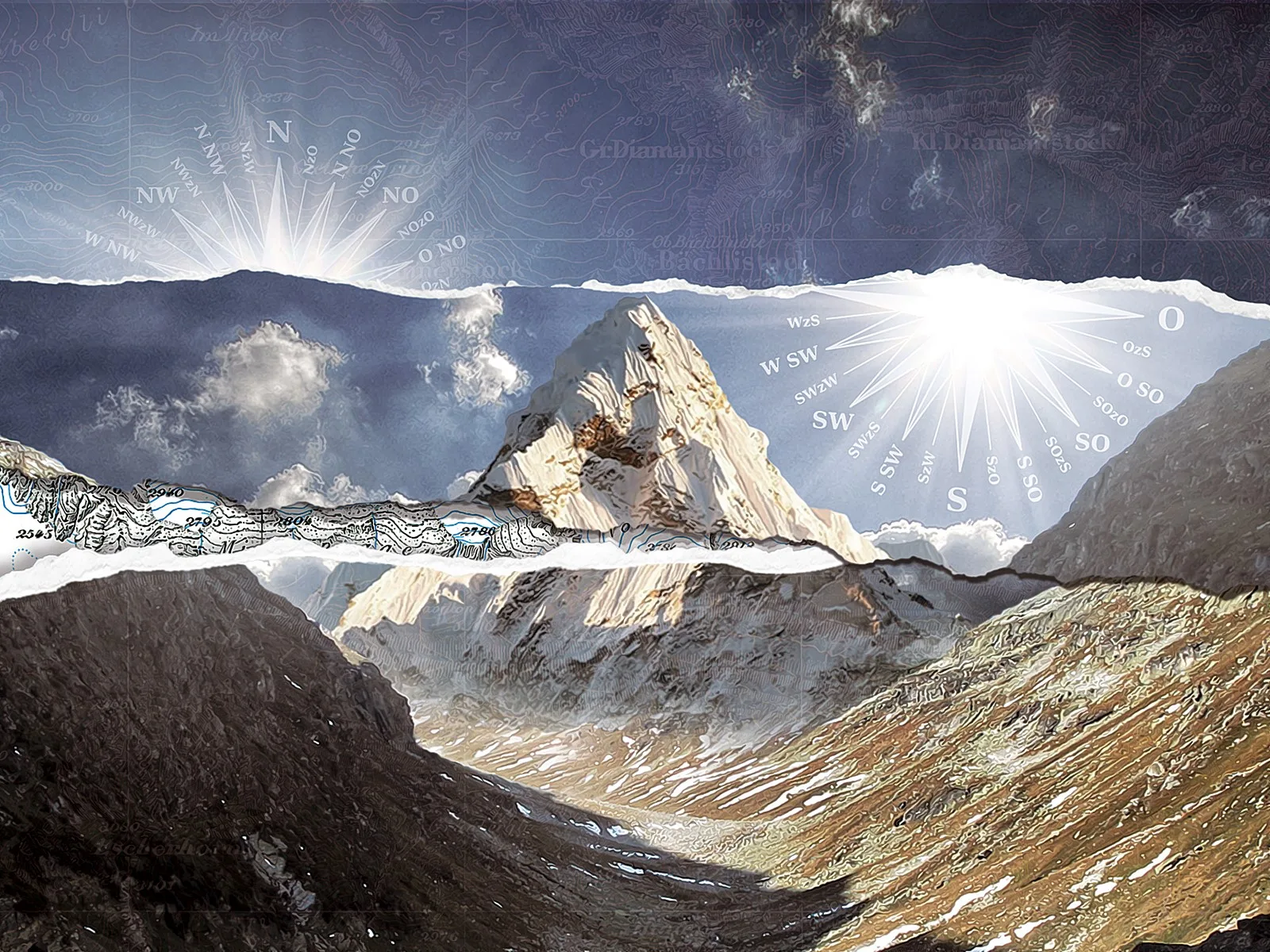
In 1927, geologist Albert Heim clashed with cartographers at the Federal Office of Topography as he was convinced that their relief maps of Switzerland were depicted in the wrong light. Heim believed that the light source on maps should correspond to natural sunshine.
But Heim’s activities were not limited to geology. Whenever an issue was close to his heart, he would argue his case with great tenacity. For example, Heim was a fervent advocate of cremation, which in the 19th century was still far from conventional – Switzerland’s first crematorium at the Friedhof Sihlfeld in Zurich did not open until 1889. The geologist also championed equal rights for women and was involved in the temperance movement, which called for abstinence from alcohol.
It pains me to see the warm vineyards and villages on the sunny side of the main Valais valley on the north side of Lake Geneva and the heavily-farmed sunny slopes of the north side of the Anterior Rhine Valley in the shade, while the wooded slopes on the shady side are bathed in blazing sunlight.
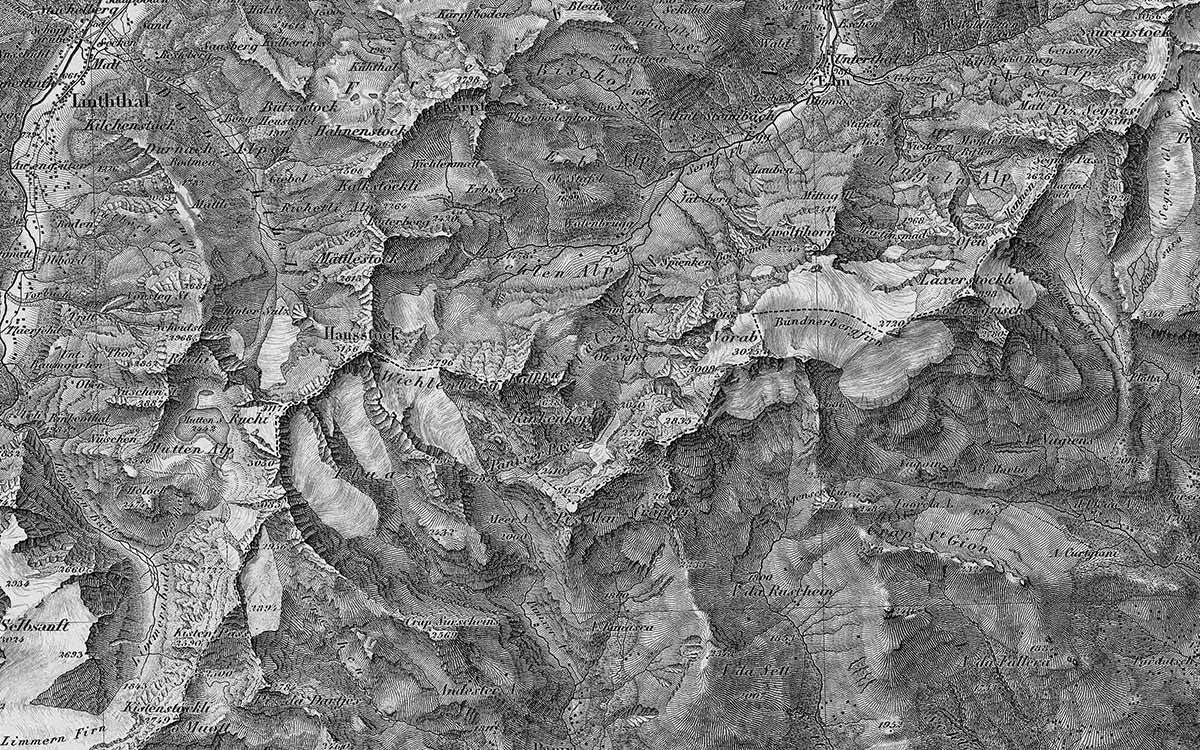
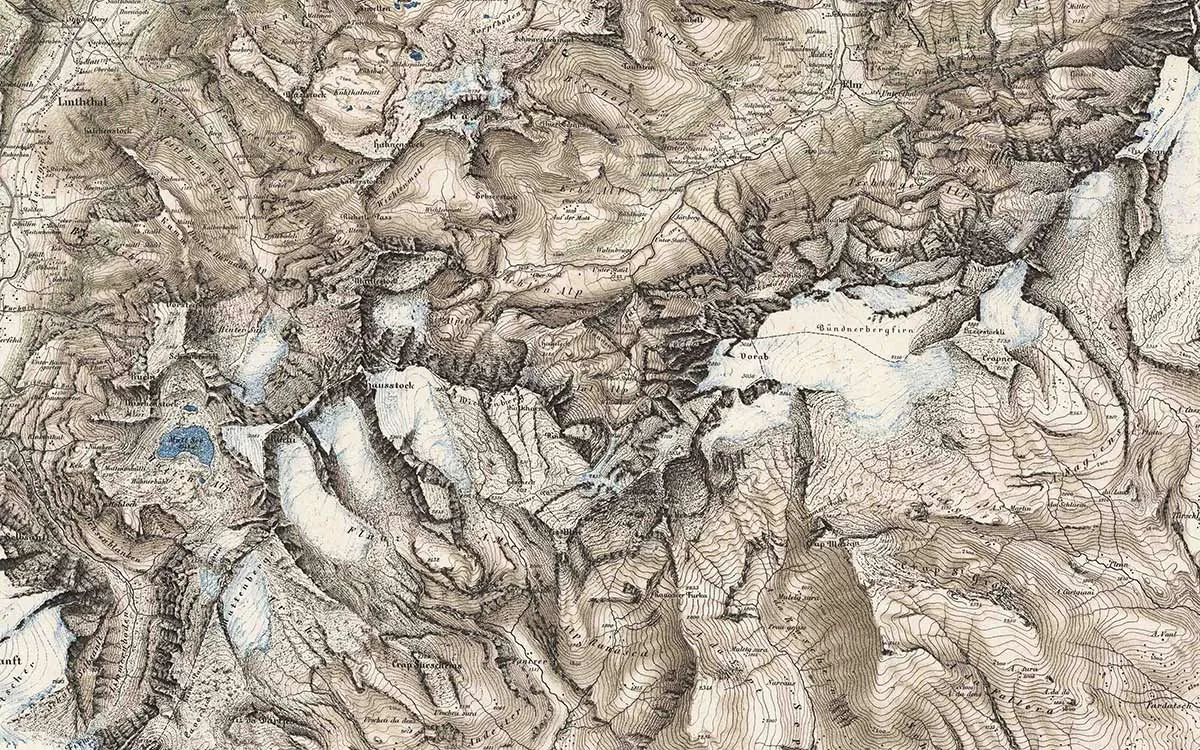
Why are most maps illuminated from the northwest?
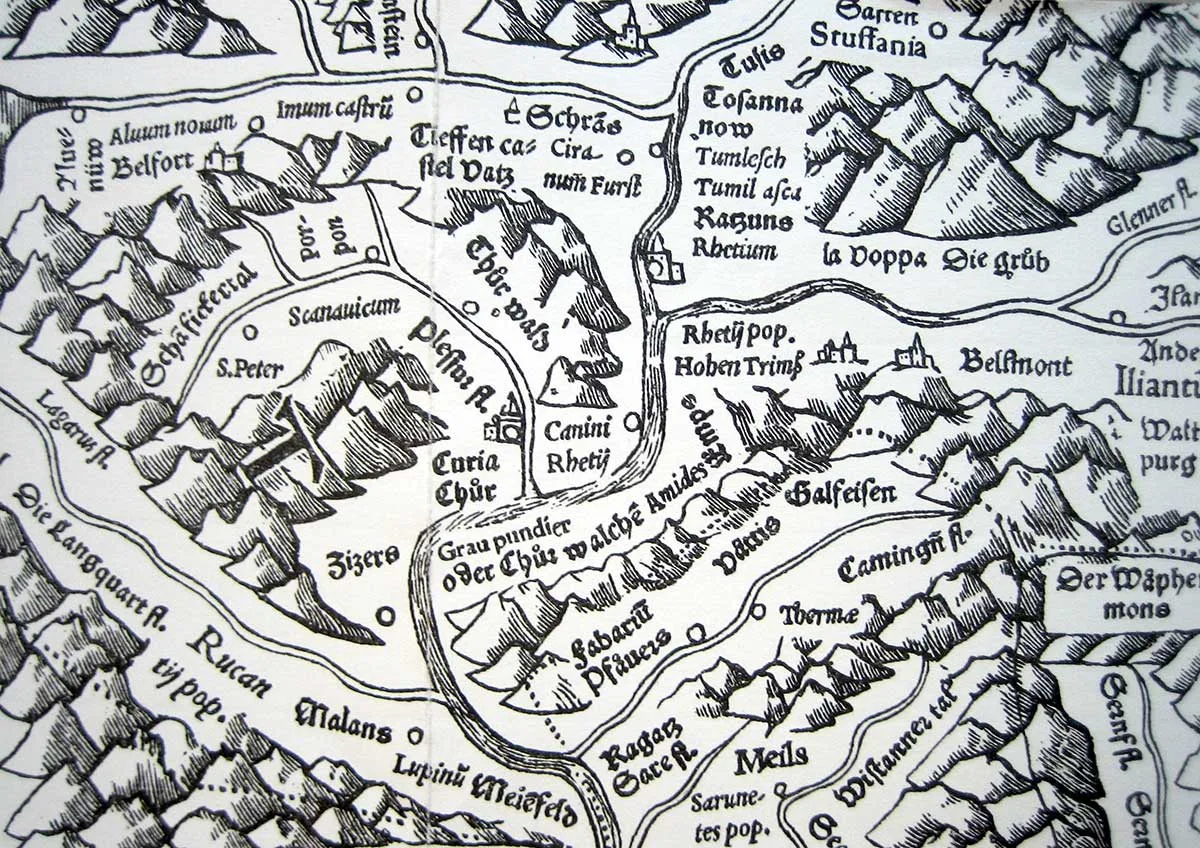
Two explanations that were put forward during the illumination debate in the late 1920s are worth mentioning here. The first, and the one to which Albert Heim himself subscribed, was the working method of the illustrators and engravers who produced the maps. According to this argument, the cartographer drawing with his right hand needs the light source to come from the top left so that his drawing hand doesn’t cast a shadow over his work. However, as illustrators and engravers would frequently rotate their sheets or copper plates back and forth while working, this presumption is not entirely convincing.
The second, emphasised by Zurich professor of cartography Eduard Imhof (1895–1986) in his response to Heim’s polemic paper of 1929, states that illumination from the left was due to the fact that people in Europe write from left to right and that the majority of people draw with their right hand. This is why, he argued, even in Medieval and Early Modern maps, the light falls from left to right. It initially had nothing to do with the orientation of real sunshine: in maps produced in the Medieval and Early Modern periods, east was often on the left and south at the top; there was no standardised approach. Only when the north orientation became established as standard on maps in the 19th century did top left illumination evolve to become illumination from the northwest.
Despite his persistence, Albert Heim was banging his head against a brick wall on the illumination question – even today, nearly all maps everywhere are illuminated from the northwest. In the end, his arguments didn’t stand a chance against visual habits that had become established over centuries. Continuity is an important currency in cartography; a change in the already established north-westerly direction of illumination would have caused too much confusion even almost a 100 years ago.
Space and time
This article was originally published (in German and French) on the “Space and time” website of the Federal Office of Topography (swisstopo), where readers can regularly discover thrilling chapters from the history of Swiss cartography.