War crimes on Switzerland’s doorstep
The Ossola region at Switzerland’s southern border experienced escalating violence between 1943 and 1945. Many war crimes were committed resulting in hundreds of casualties. A look back at what caused this horror.

Raphael Rues
Raphael Rues is a historian and specialises in Ticino and the German-fascist presence in Northern Italy.

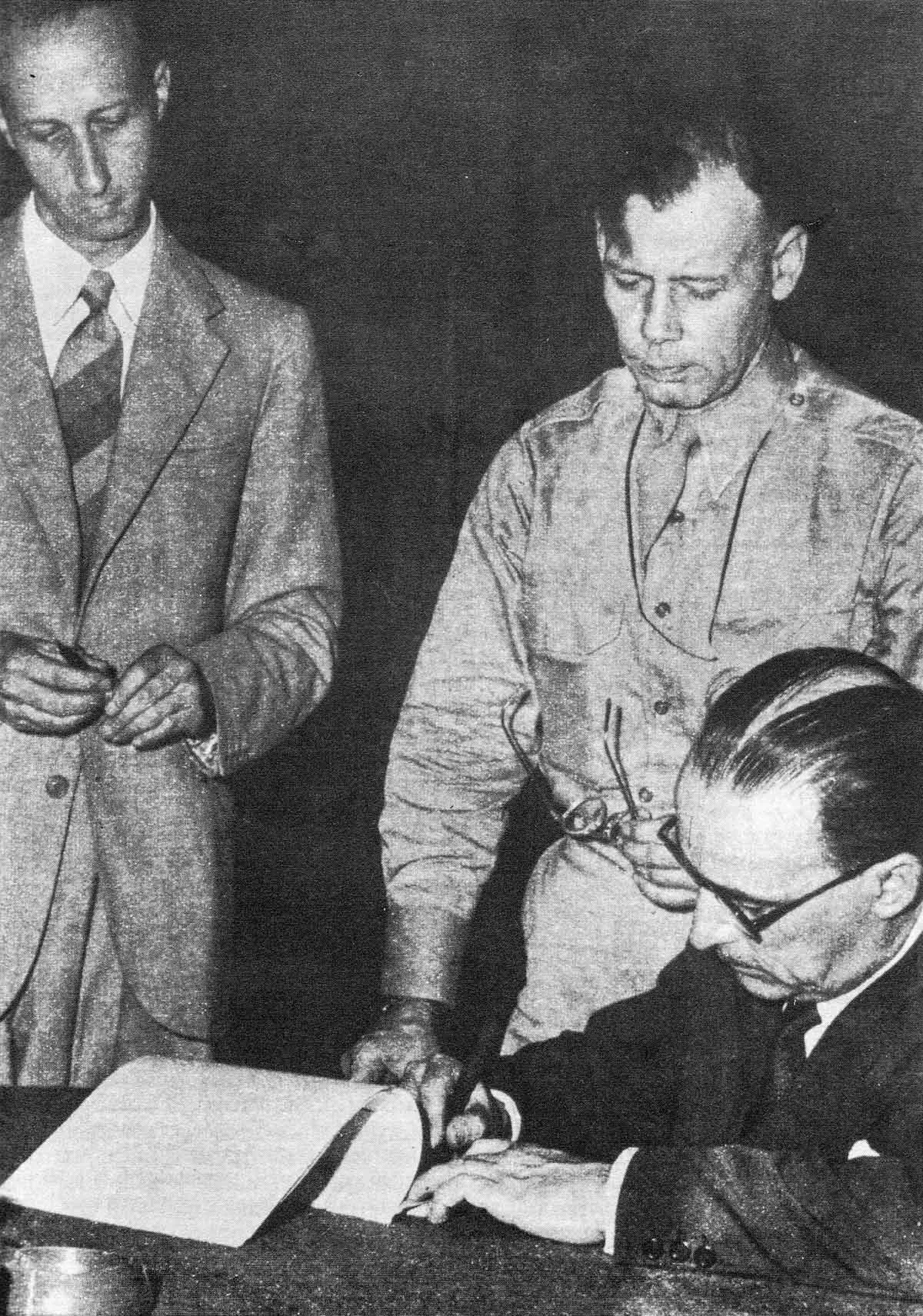
The deposition of Mussolini and the fascists in the summer of 1943 near the Swiss border barely caused a ripple. There were no violent incidents or confrontations with the fascists. However, that changed on 8 September 1943 with the announcement of a ceasefire by General Pietro Badoglio’s military government. This poorly planned ceasefire led to total chaos. About 600,000 soldiers from the Italian army were arrested in the space of a few weeks and the Germans, who considered the ceasefire high treason, immediately deported them to the Reich.
Some officers in the battalion, including Sepp Dietrich, an erstwhile companion of Adolf Hitler, quickly realised that the Jews at Lake Maggiore had a lot of money and went straight into action, killing at least 57 Jews within a few weeks. The bodies were burned in schoolyards (Intra) or thrown into Lake Maggiore. However, this unit’s behaviour soon became common knowledge and the battalion was sent back to the eastern front where the situation was deteriorating.
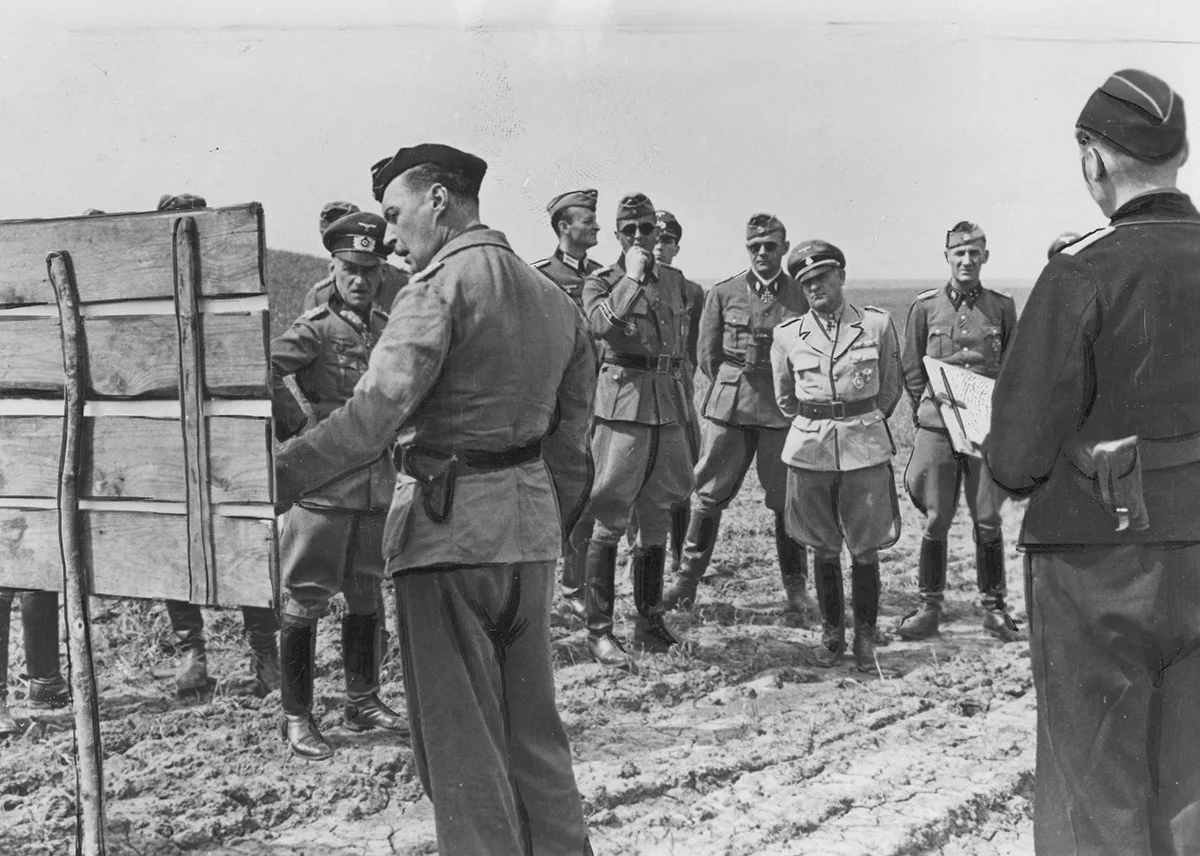
The Germans initially occupied the region with the old custom border guards ‘Zollgrenzschutztruppe’. However, they quickly realised that a better armed unit was needed to take on the partisans. Hence the deployment for the first time of the SS police in January 1944. They were no strangers to savagery having already killed civilians, Jews and, to a lesser extent, Soviet partisans on the eastern front.
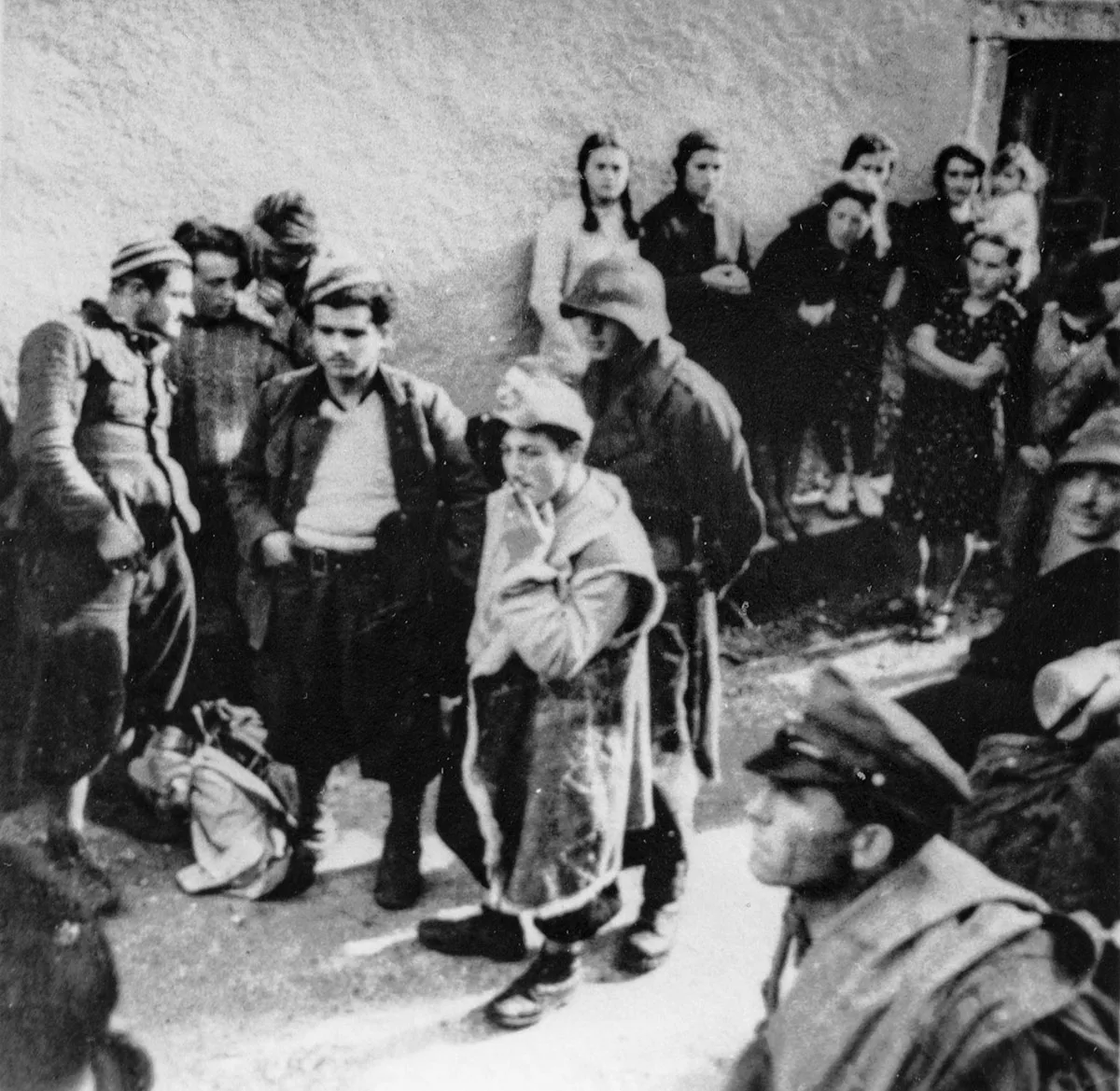
On 11 February 1944, the SS police conducted their first major raid against partisan captain Filippo Beltrami in Megolo (Toce valley). Throughout the spring of 1944 there were several operations against partisans, which always followed the same pattern: killing partisans and rounding up defenceless people and sending the mainly male civilians to the Reich. Even young civilians from the age of 15 were sent to labour camps in Germany.
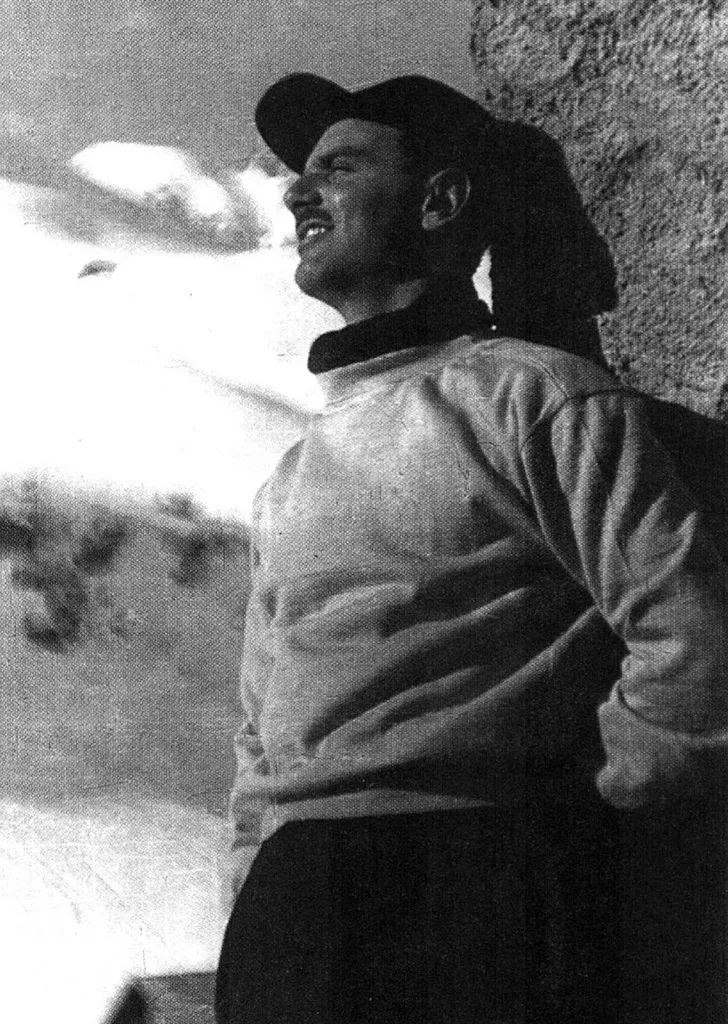
The Germans continued to commit crimes in August. Villages were burned down, people executed in retaliation and even old people were deported to labour camps in Germany.
The Ossola Republic
However, the republic was short-lived. On 10 October 1944, the Germans began to reclaim the Free Zone of Ossola. The partisans were attacked on two sides and lost 200 men within a few days and about 400 were deported to Germany. The Germans, supported by Italian fascists, were brutal and didn’t stop at the Swiss border. There were some controversial incidents. For example in Bagni di Craveggia, on the border with the Onsernone Valley, two partisans who were already on Swiss soil were fatally wounded by fascists.
The Germans behaved differently. They had long since realised the end was coming and tended to stay enclosed in their garrisons in the last months of the war.
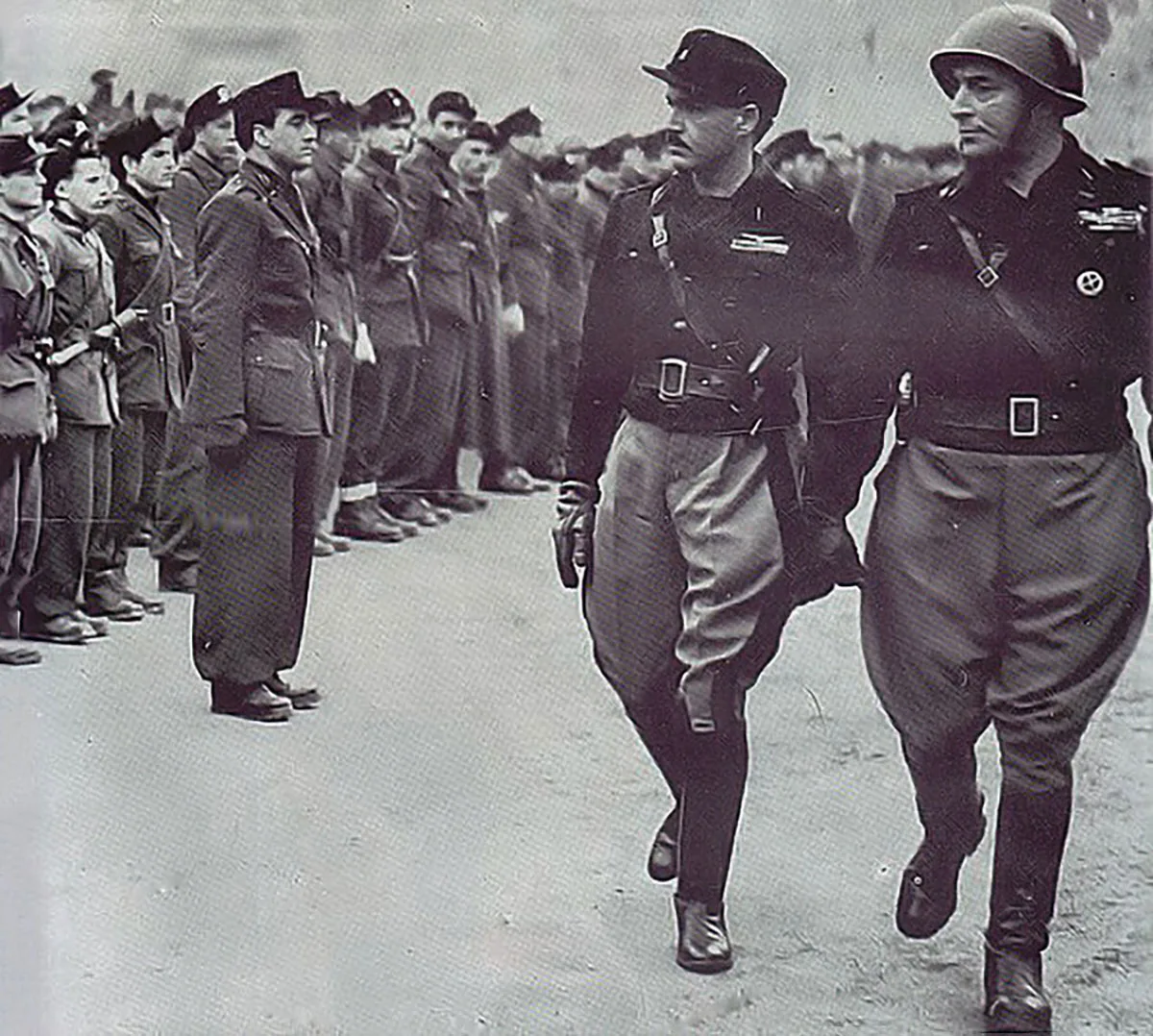
The Ossola-Lake Maggiore regional conflict lasted about 20 months and took a tragic toll: 1,200 dead partisans, 300 murdered civilians and at least 400 deported people. 300 of them returned after the end of the Second World War, usually in very poor physical and mental health. The fascists incurred about 400 casualties. Most of them died towards the end of the Second World War in retaliatory attacks. The number of Germans killed in Ossola is very low according to various archives, amounting to a maximum of 100 soldiers.
The Germans never paid any financial compensation. There were two trials involving Hitler’s bodyguard units Leibstandarte in Germany and Austria, which ended in acquittals for the accused officers and soldiers.