Letters from Amazonia
The 19th century can rightly be described as a ‘century of emigration’ in Switzerland. More than 400,000 people left the country to build new lives elsewhere. Letters from the period offer a glimpse into their day-to-day existence as expatriates.

Reto Bleuer
Reto Bleuer is a volunteer at the Archaeological Service of the Canton of Bern.
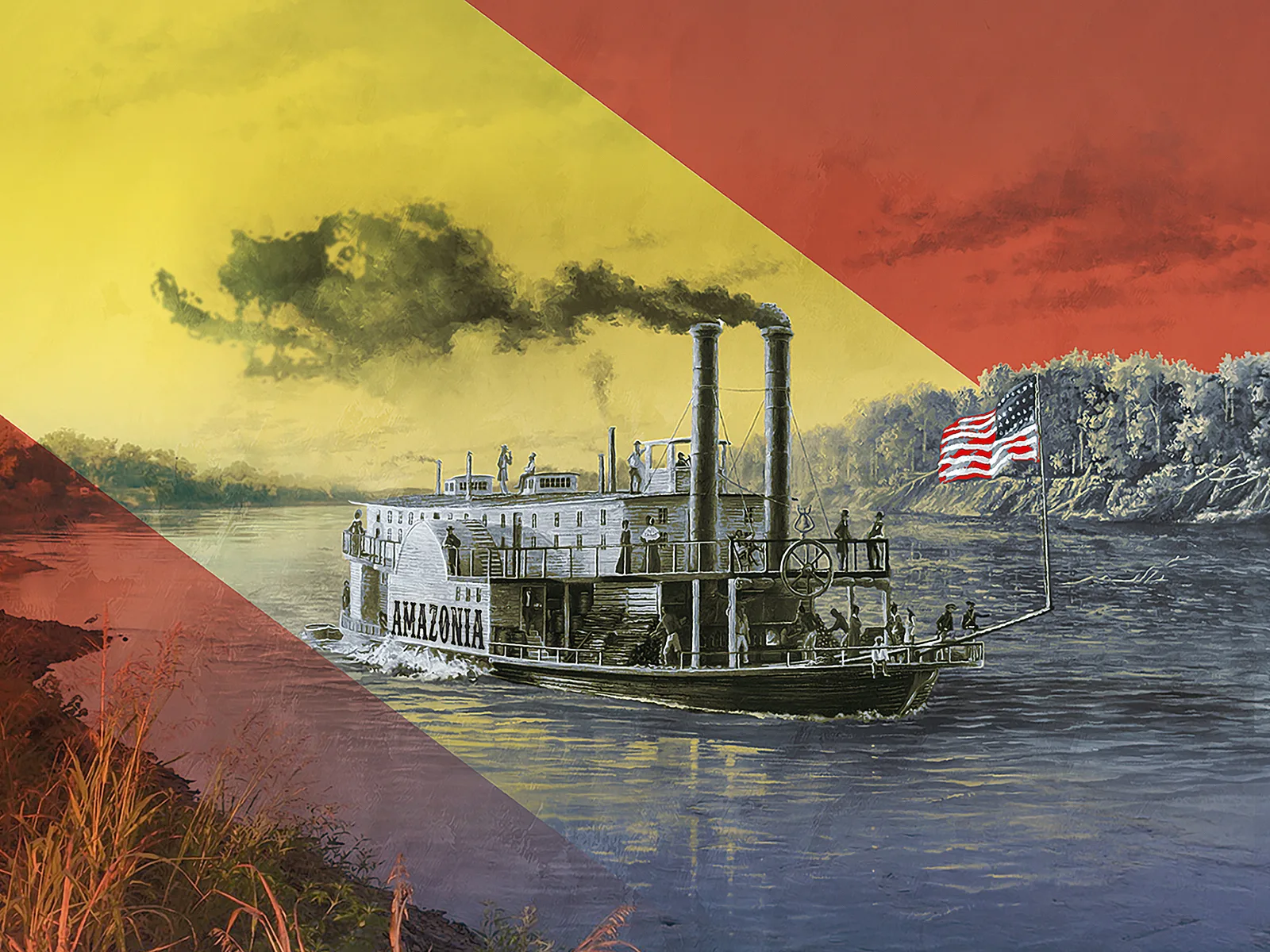
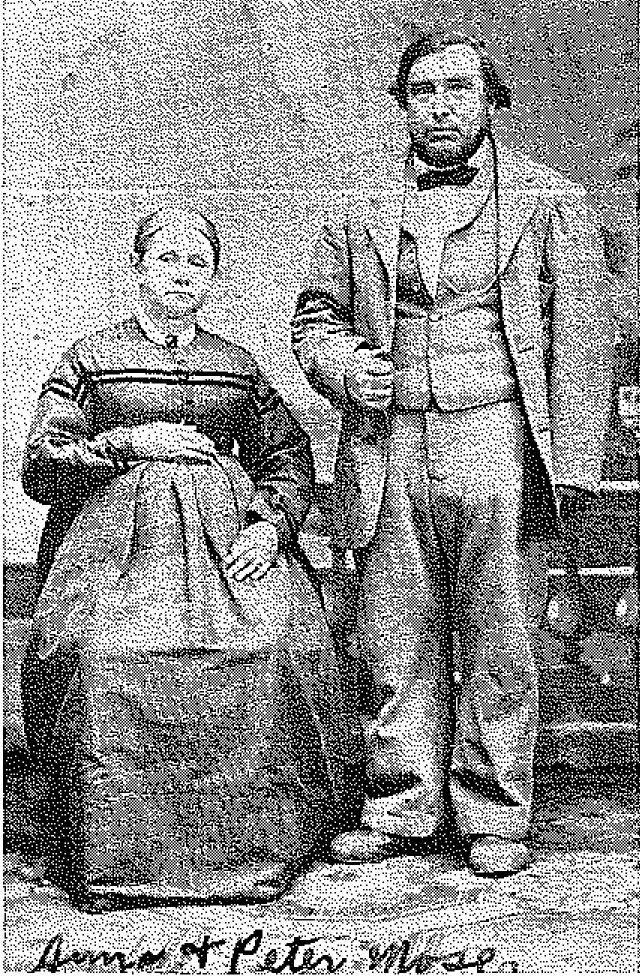
One of these was Peter Moser from Wattenwil in the canton of Bern. Together with his brother Johannes, he set sail for the New World around 1834 and, after much meandering, eventually made his way to the far north-west of Missouri. At that time, the indigenous peoples had already migrated west of the river to Kansas and Nebraska after being driven off their lands. Under the terms of the Platte Purchase deal of 1836, they had agreed to relocate to designated reservations and to cede their land to the state for a paltry sum. This shameful chapter of American history paved the way for settlers to get their hands on new farmland. Peter Moser was among those able to acquire land with the aid of a cheap loan from the state. In June 1857, he banded together with a diverse group of emigrants to purchase a sizeable tract of land in Andrew County. This was divided up into building lots, which were then offered for sale to other new arrivals. The township that sprang up was given the exotic name of Amazonia, supposedly derived from a ship of the same name that had foundered nearby in the Missouri River.
Samuel Egger and his family arrived in Amazonia in the spring of 1881. His first report was published in the local newspaper back home, the Täglicher Anzeiger für Thun und das Berner Oberland, on 18 March 1882 under the heading ‘Aus Amerika’ (From America). He described the situation in Amazonia as follows: “Although pretty close to the Missouri River, the colony is not likely to be flooded as it sits at an elevation above the river, almost like Längenberg above the Aare.”
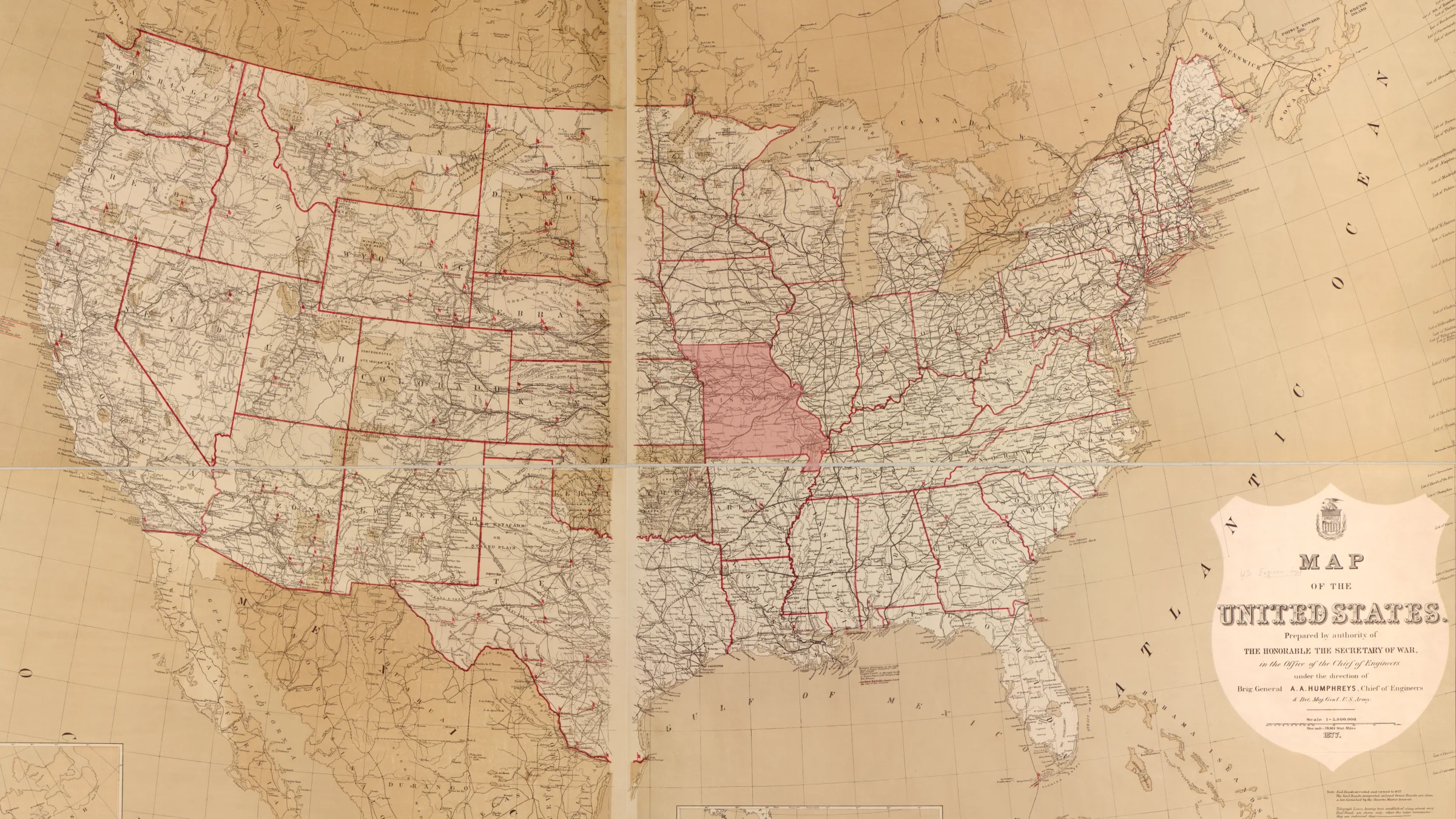
The United States of America, map produced in 1877. The state of Missouri is highlighted in red.
Library of Congress
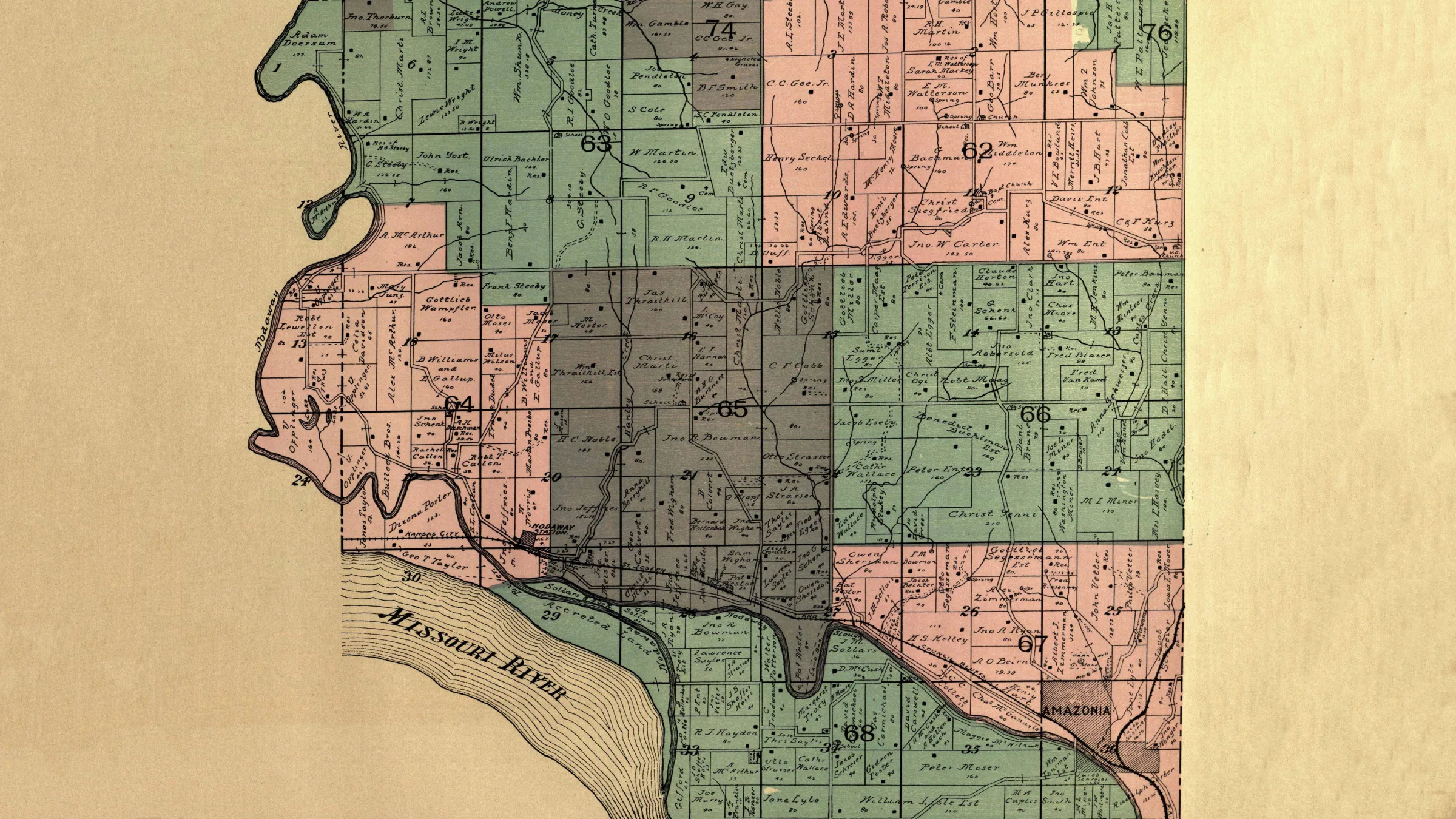
Andrew County and Amazonia lie in the north-western corner of Missouri. Map, 1897.
The State Historical Society of Missouri
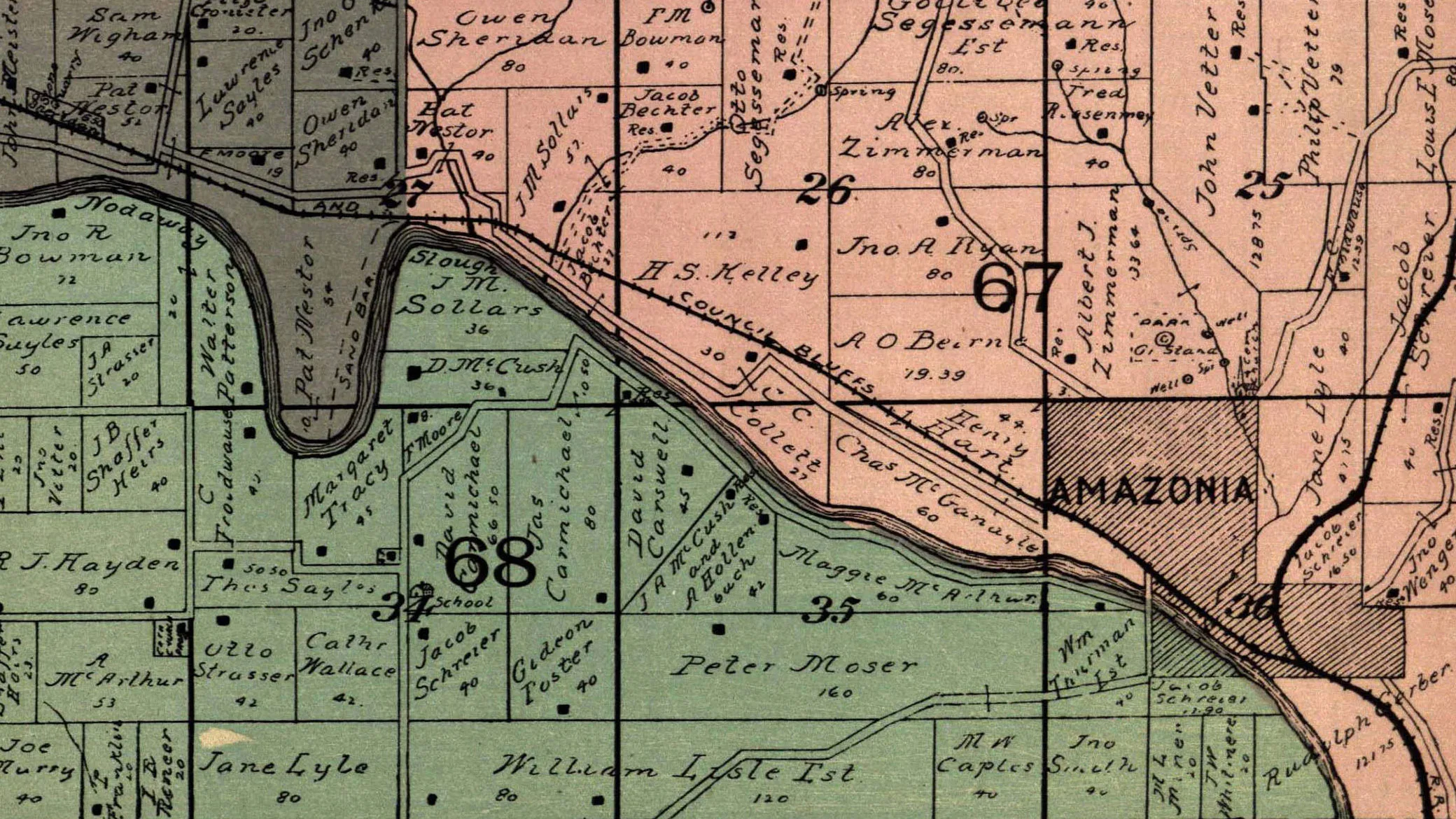
Peter Moser’s land is in the area numbered 35.
The State Historical Society of Missouri
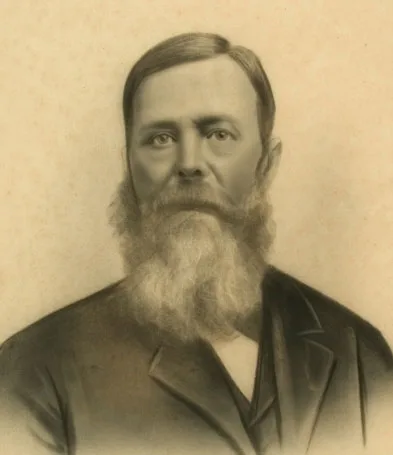
In spite of the difficult conditions, the population of Amazonia continued to grow. Reports of constantly rising farm prices (due to strong demand) and the inauguration of the new church (the old one no longer having enough room to accommodate everyone) illustrated this. From time to time, Egger and Urwyler also provided insights into the stories of individual settler families. We learn, for example, about the penniless Christian Bachmann who, in 1869, at the age of 51, moved from Buchholterberg (north-east of Thun) to Amazonia with his wife and ten children to start a new life. Thirteen years and a lot of hard work later, Bachmann was a big landowner, who proclaimed that: “Everything we own has been paid for and I am free of debt”. A success story that did not befall everyone who emigrated.
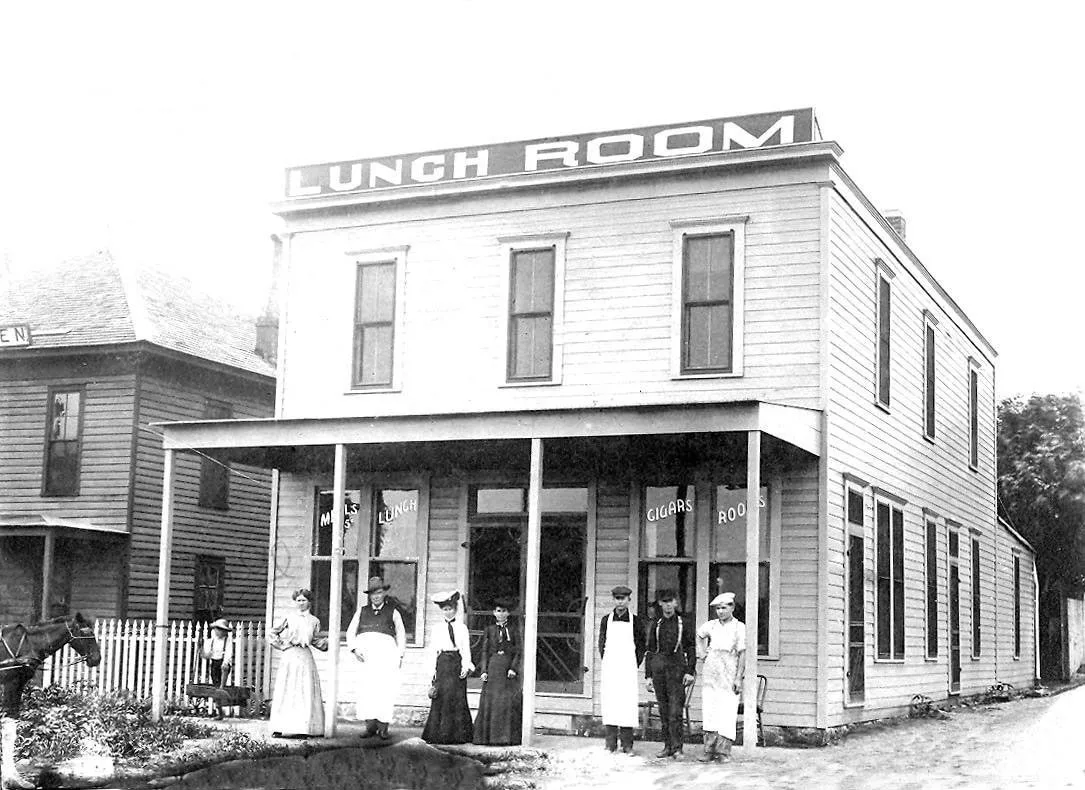
The readership also learned something about the customs and conventions in the New World. Urwyler expressed his annoyance on several occasions with the Sunday laws (no serving of alcohol, no dancing, no playing cards). Difficulties with schooling were also raised, including claims that teachers educated in the United States remained at the same level as a good primary school teacher in Switzerland: “[…] here in America good teachers, i.e. those who actually know something, are rare.”
Reports of celebrations and festivities were more positive. Egger occasionally spoke at such public gatherings, and the Amazonia male voice choir delighted the Swiss settler families with their singing: “The songs of home rang out pure and clear, and melancholy tears rolled down the cheeks of many an old greybeard as he reminisced about Swiss village life.”
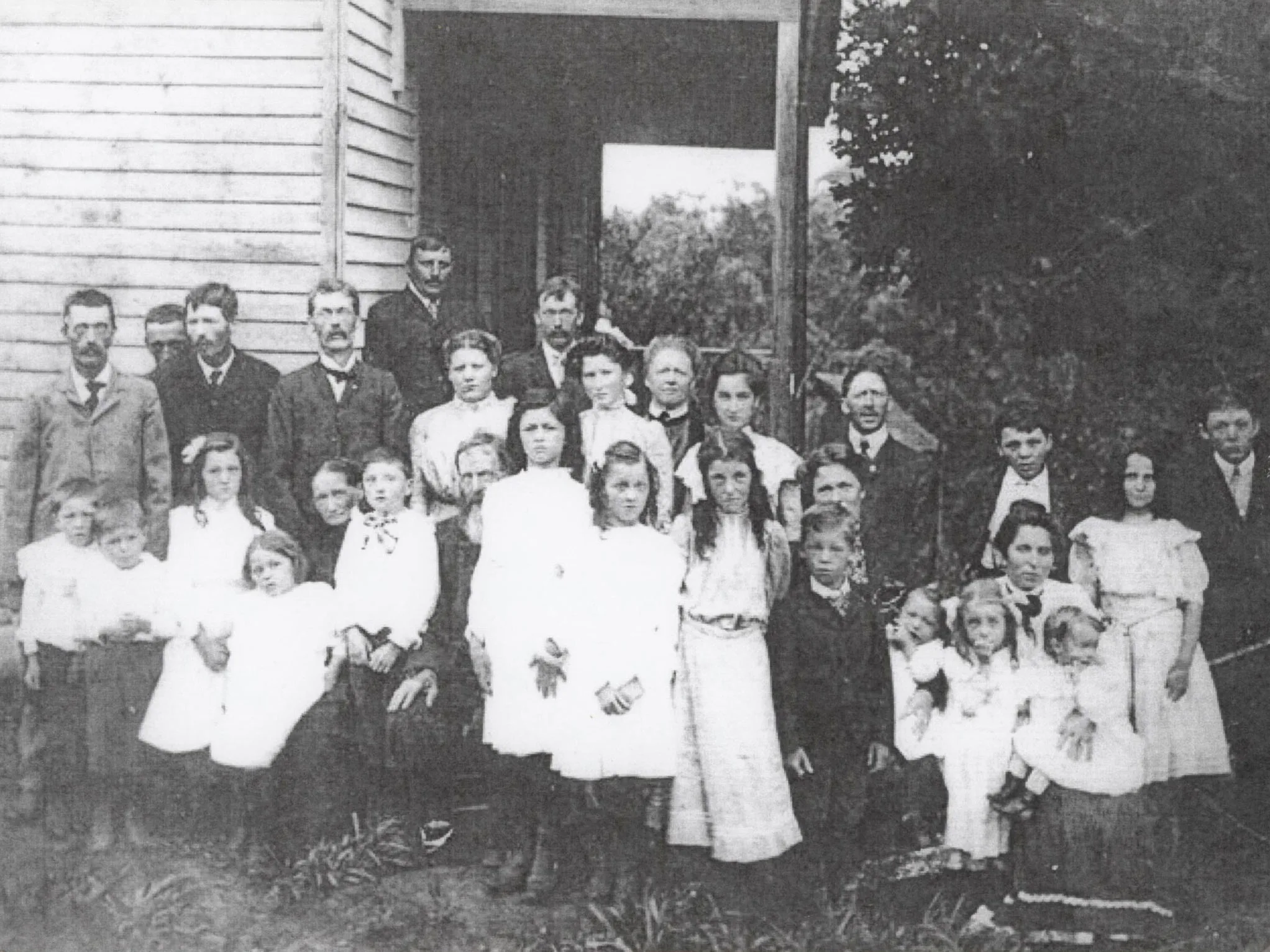
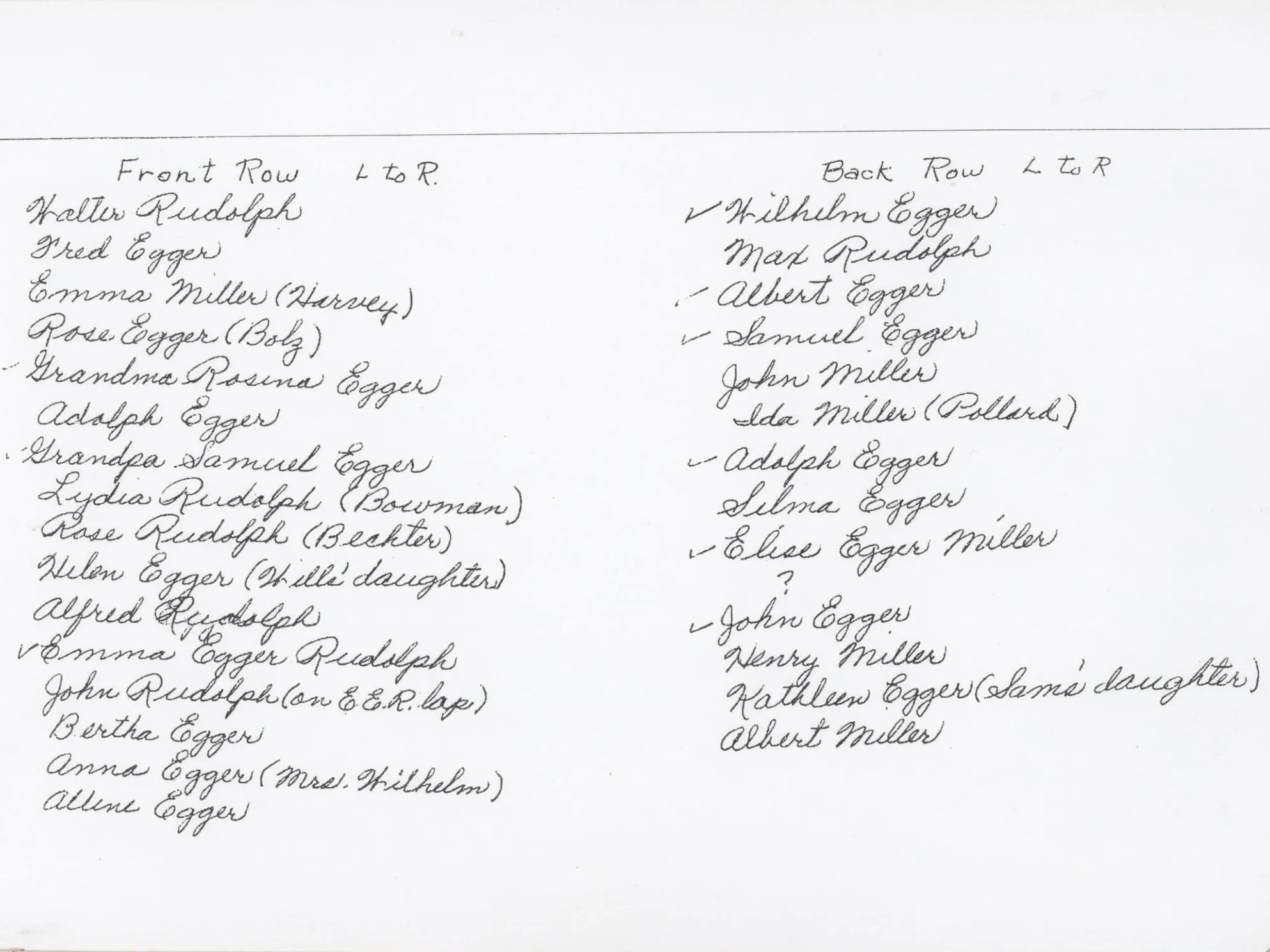
Samuel and Rosina Egger with their children and grandchildren. They had nine children; their oldest daughter stayed behind in Switzerland and another died shortly after birth. Andrew County Museum / Andrew County Museum