The day a king died in Bern
The first King of Iraq died in Bern aged just 48 in September 1933. Who was Faisal I, and how did his early death impact the Hashemite dynasty?

Peter Haenger
Peter Haenger is a historian specialising in social and economic history.
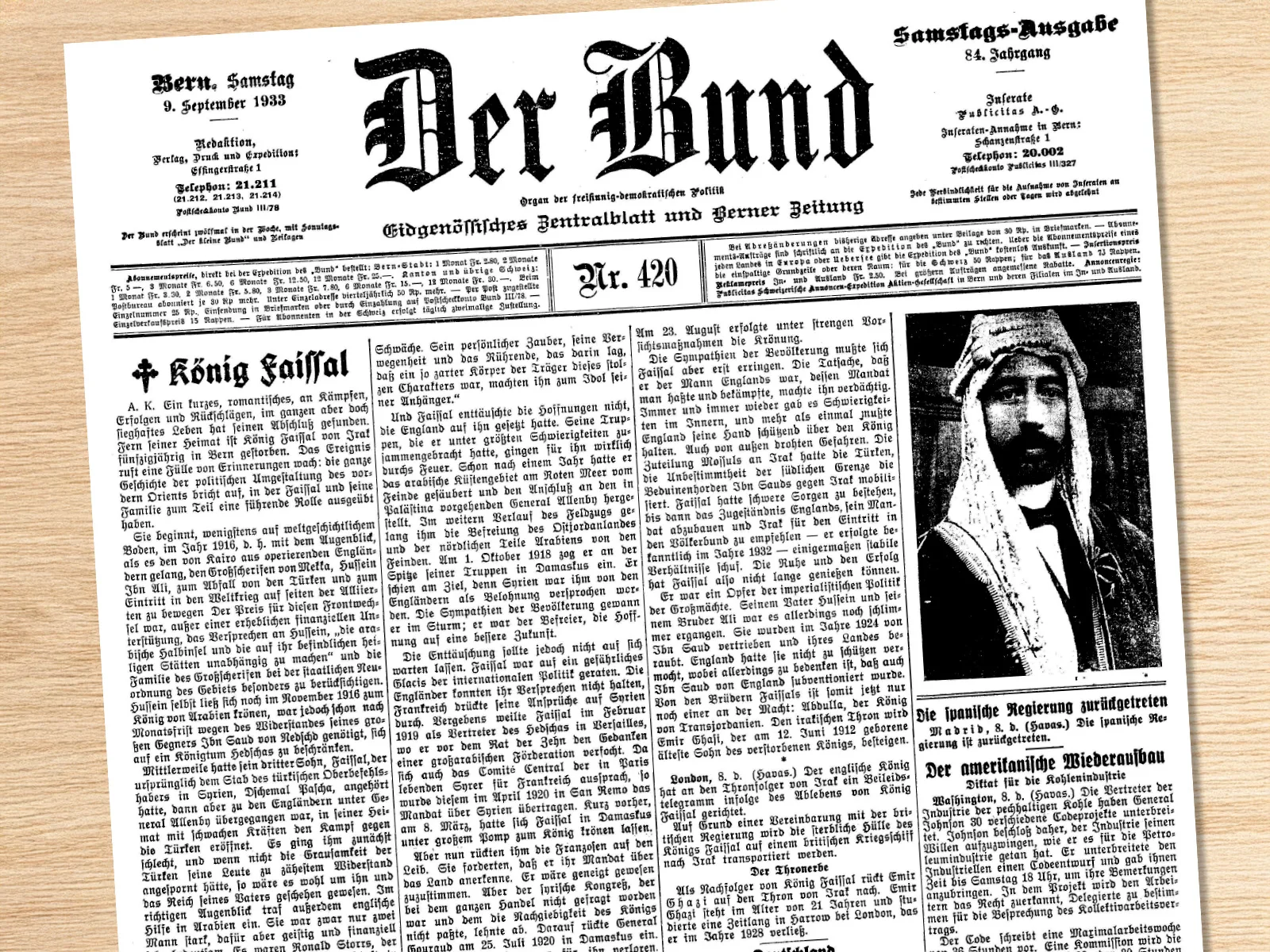
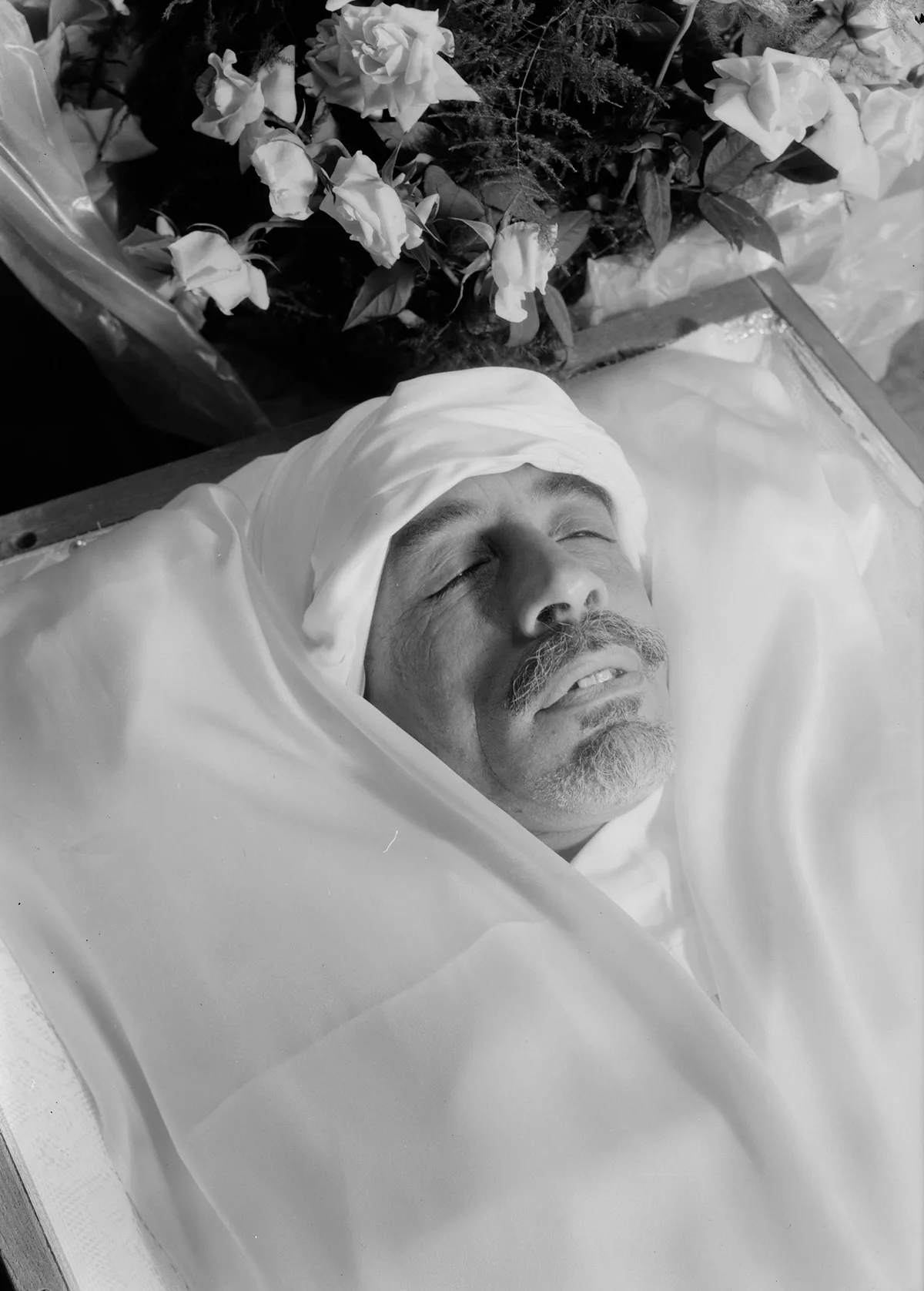
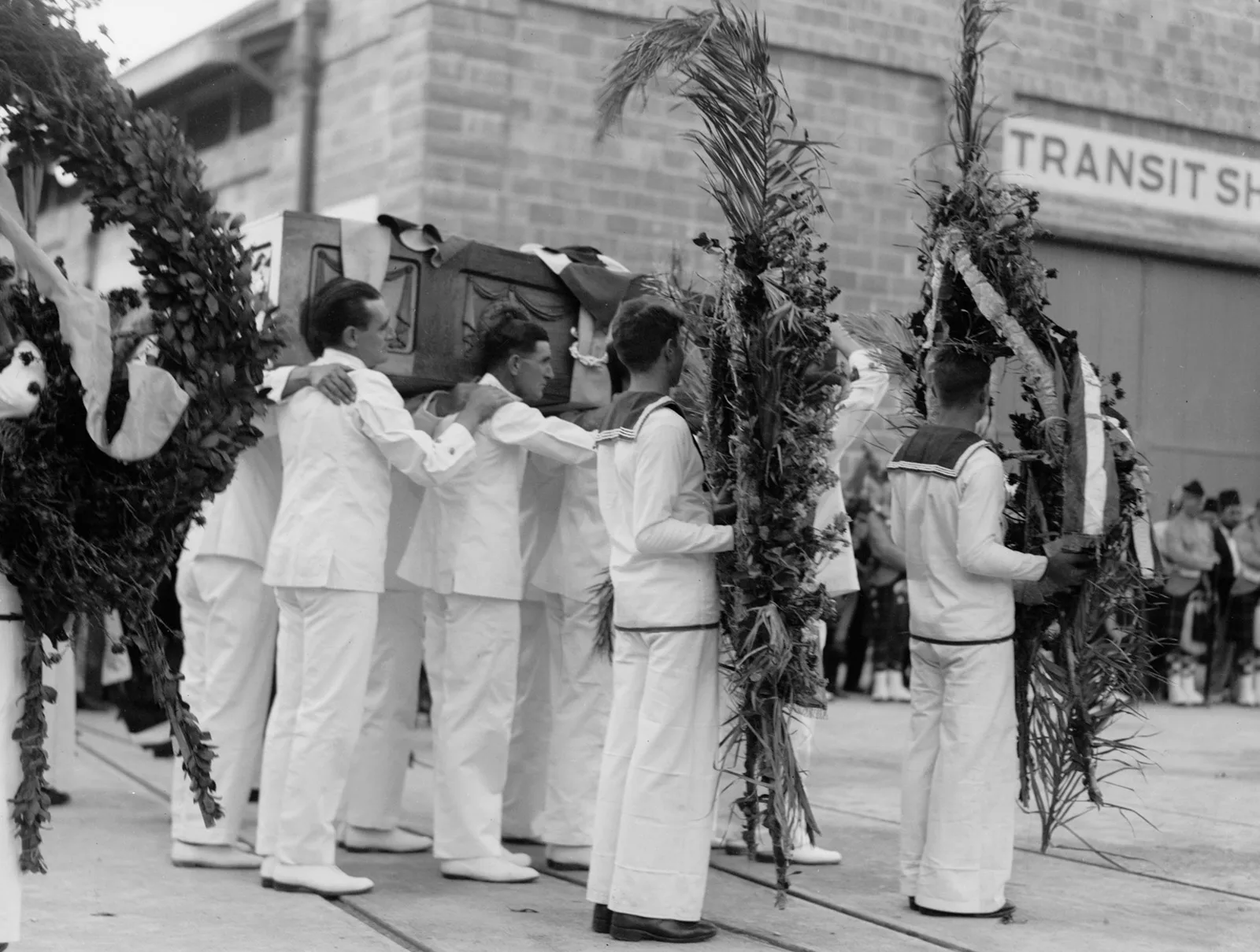
Faisal’s corpse was embalmed on the same day. The well-known Bernese photographer Carl Jost took a photo of the king as he lay in state. On 10 September, a funeral wagon with the coffin was placed on the international fast train, which left Bern at 8:48 am and travelled over the Simplon Pass to Genoa, where Faisal’s remains were placed on board British warship HMS Despatch and transported to Haifa. A military plane then brought the coffin to Baghdad, where the burial took place on 16 September. Faisal’s son, Ghazi, who was 21 at the time, had been proclaimed the new King of Iraq seven days previously.
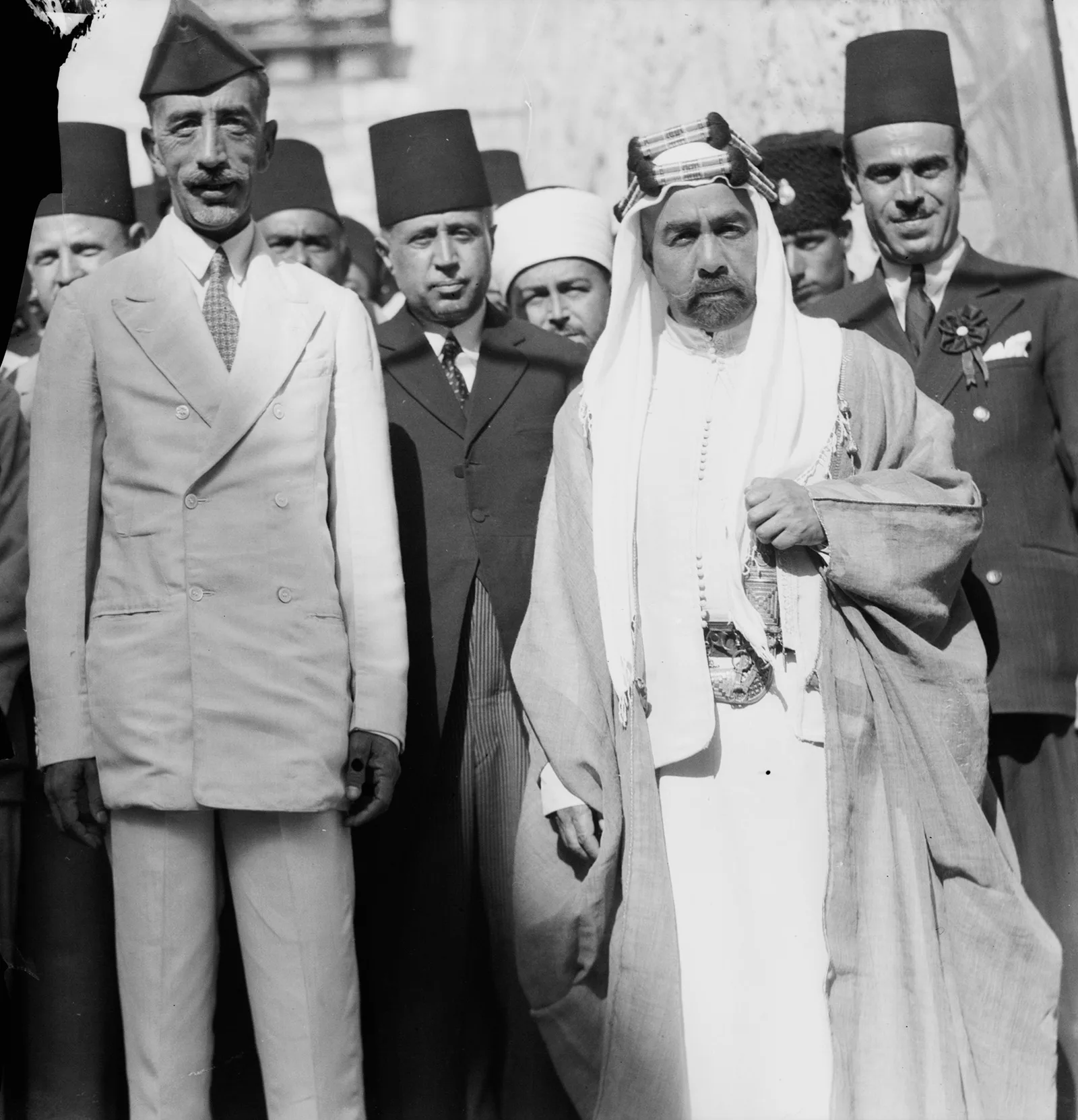
In July 1933, Faisal returned to Switzerland in need of further treatment. English newspaper The Evening News later reported that the monarch often worked about 15 hours a day. However, the timing of this visit to Albert Kocher’s private clinic proved far from ideal, and Faisal had to interrupt his treatment in July and hurry home to deal with the Assyrian affair. Government troops had joined forces with Kurdish guerillas in the north of the country and massacred hundreds of Christian Assyrians under the pretext that they posed a threat to “national unity”. It was late August before Faisal was able to return to Bern and continue his treatment.
A tortured path to the throne
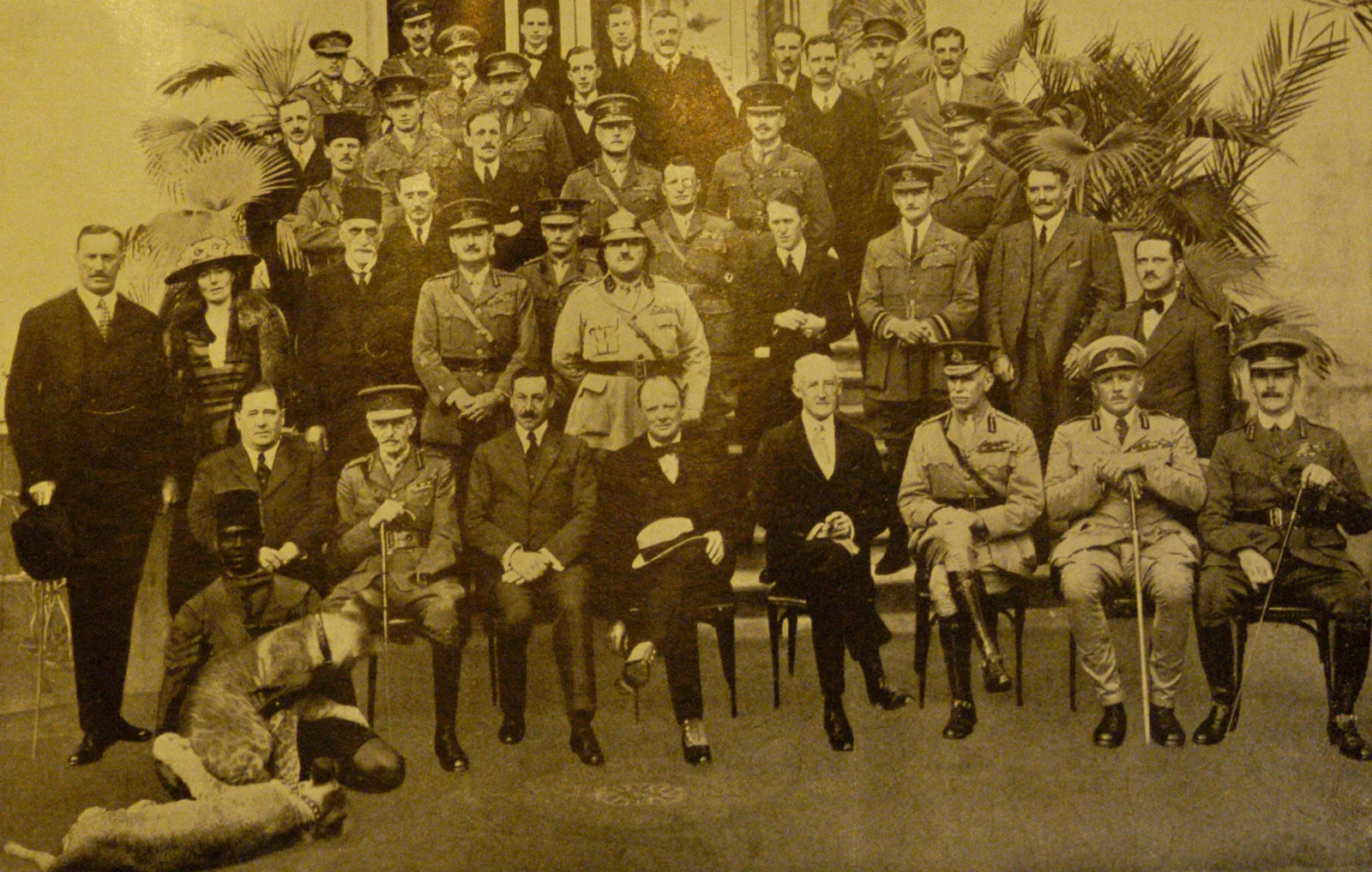
In March 1921, Colonial Secretary Winston Churchill convened a meeting in Cairo of the United Kingdom’s experts on the Middle East to discuss the future of Iraq. Much to Churchill’s amusement, the expert panel, which included Gertrude Bell, the ‘Mother of Iraq’, and the legendary T. E. Lawrence ‘of Arabia’, quickly acquired the nickname ‘the 40 thieves’. The conference confirmed Hashemite prince Faisal bin al-Hussein bin Ali as King of Iraq. Faisal was the third son of Sharif al-Hussein of Mecca from the Hashemite family directly descended from Fatima, daughter of the prophet Muhammad, and her husband Ali.
The Arab campaign against Turkish rule saw Faisal and his British Liaison Officer, T. E. Lawrence, take Damascus in 1918, where Faisal was briefly proclaimed Malik al-Arab, King of the Arabs. In 1920, the French, who had been granted Syria under the Sykes-Picot Agreement, drove him out of Damascus. Faisal had archaeologist Gertrude Bell to thank for being selected by the British as the future King of Iraq. The Hashemite prince was therefore both a victim and a beneficiary of European colonial policy.
Faisal’s reign depended on the British, the big local landowners and, first and foremost, a small group of Iraqi veterans of the Arab uprising against the Turks, who occupied key positions in the state administration, the education system and the officer corps. The general public, especially Kurdish activists and Shiite scholars, were deeply sceptical of the king. As a scion of the Hashemite family, Faisal was seen as a foreign ruler in Iraq and a beneficiary of British largesse. When Iraq became officially independent in 1932, the balance of power remained largely unchanged. The United Kingdom maintained its troops and business interests in the country.
Faisal’s hapless successors
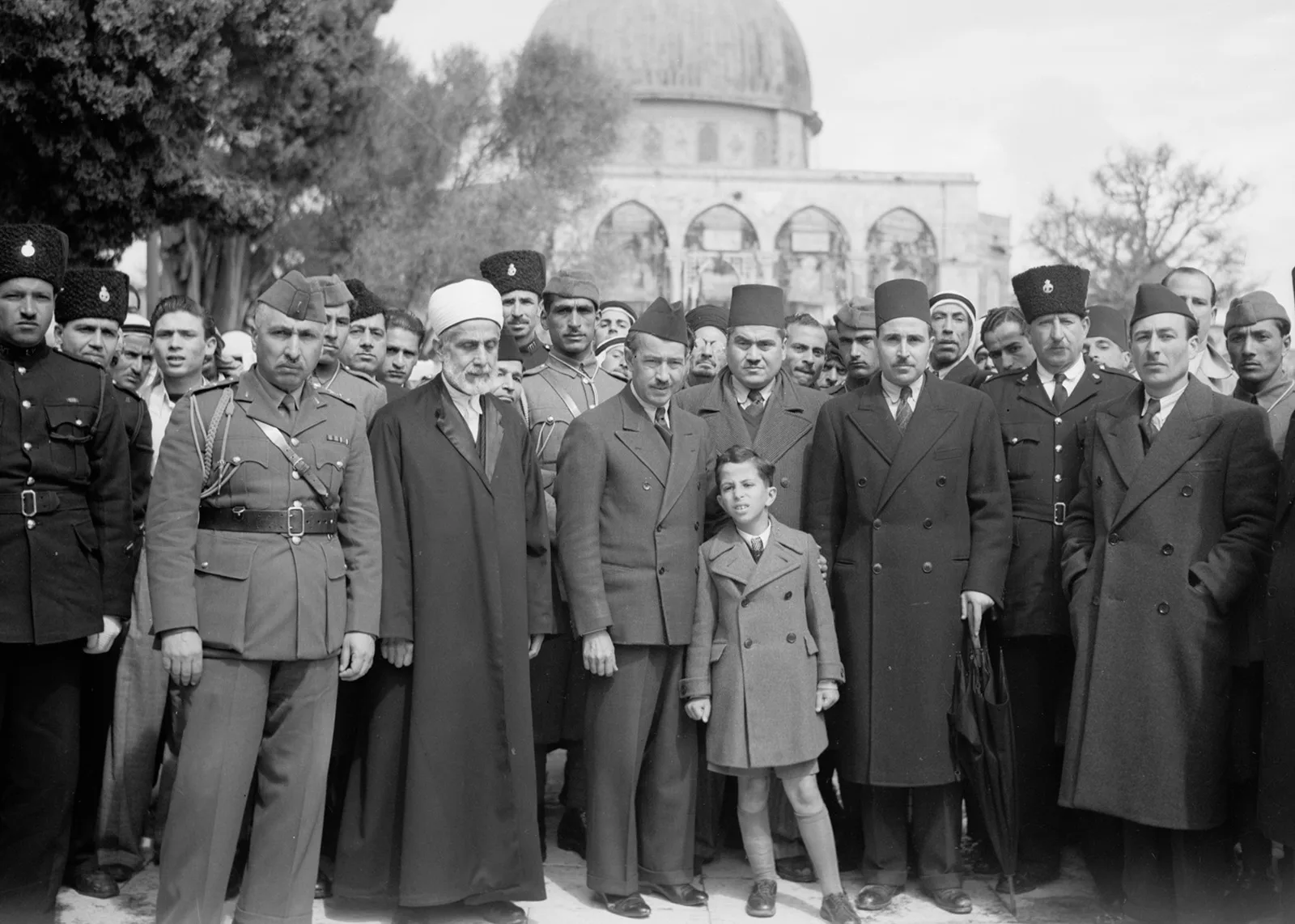
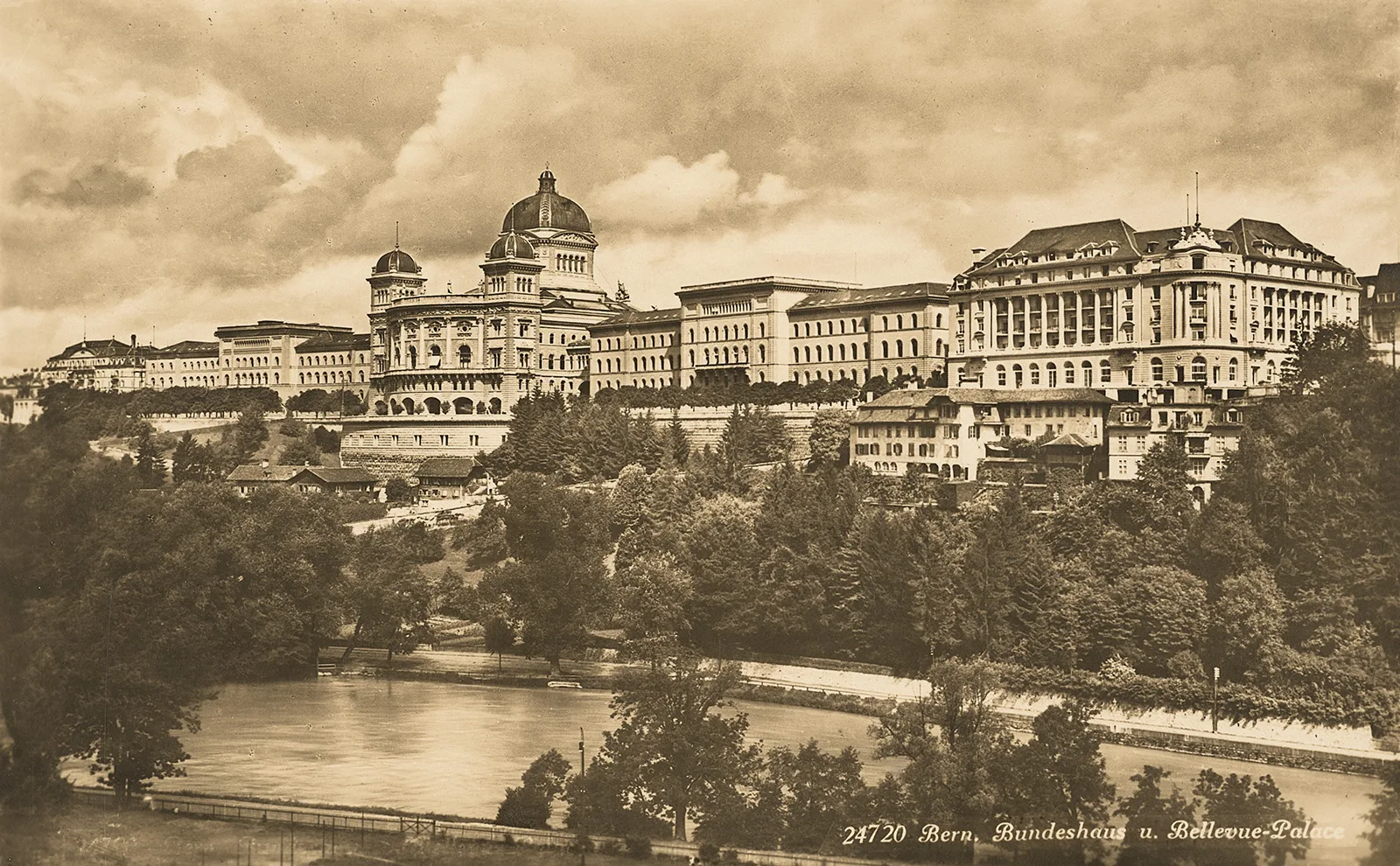
There are two addenda to this story stemming from Swiss society news. Fritz Eggimann, manager of the Bellevue Palace in Bern, died on the same day as Faisal. English-language broadsheets reported that the hotel boss had been one of the first to have found the king dead in his bed. Eggimann allegedly collapsed in shock and died three hours later. The Swiss papers were less sensational in their coverage. The Journal du Jura, for example, reported that Eggimann had also died on 8 September, however the cause had been “bronchial-pneumonia”. Historian Madeleine Herren, meanwhile, wrote in her article “Ein transatlantischer Blick auf die Berner Ärzte”, which translates as ‘Bernese doctors as seen from across the Atlantic’, that the New York Times had published a death notice to mark the passing of university lecturer Albert Kocher in 1941. The notice made explicit reference to his most famous patient: Iraq’s King Faisal I.