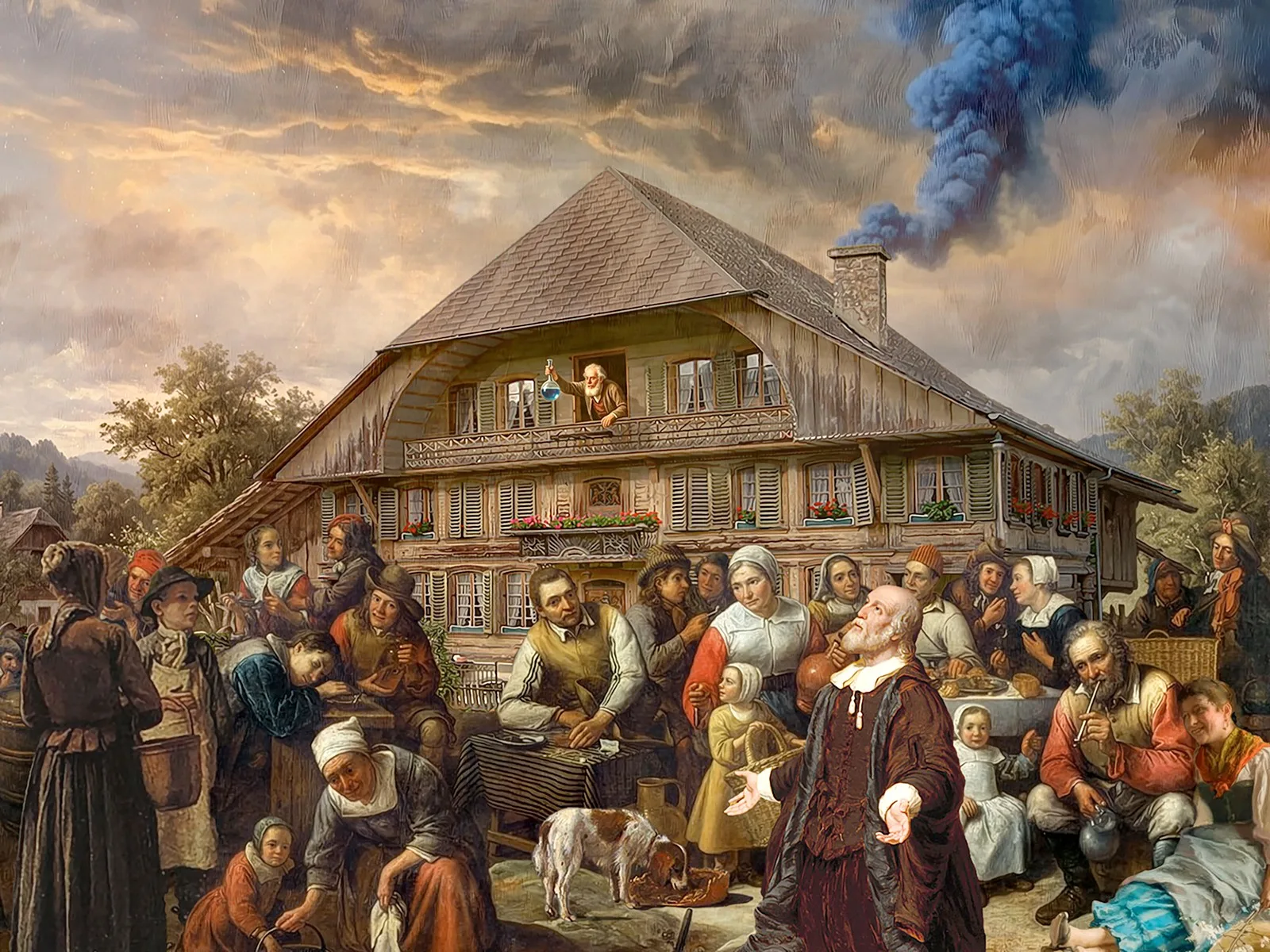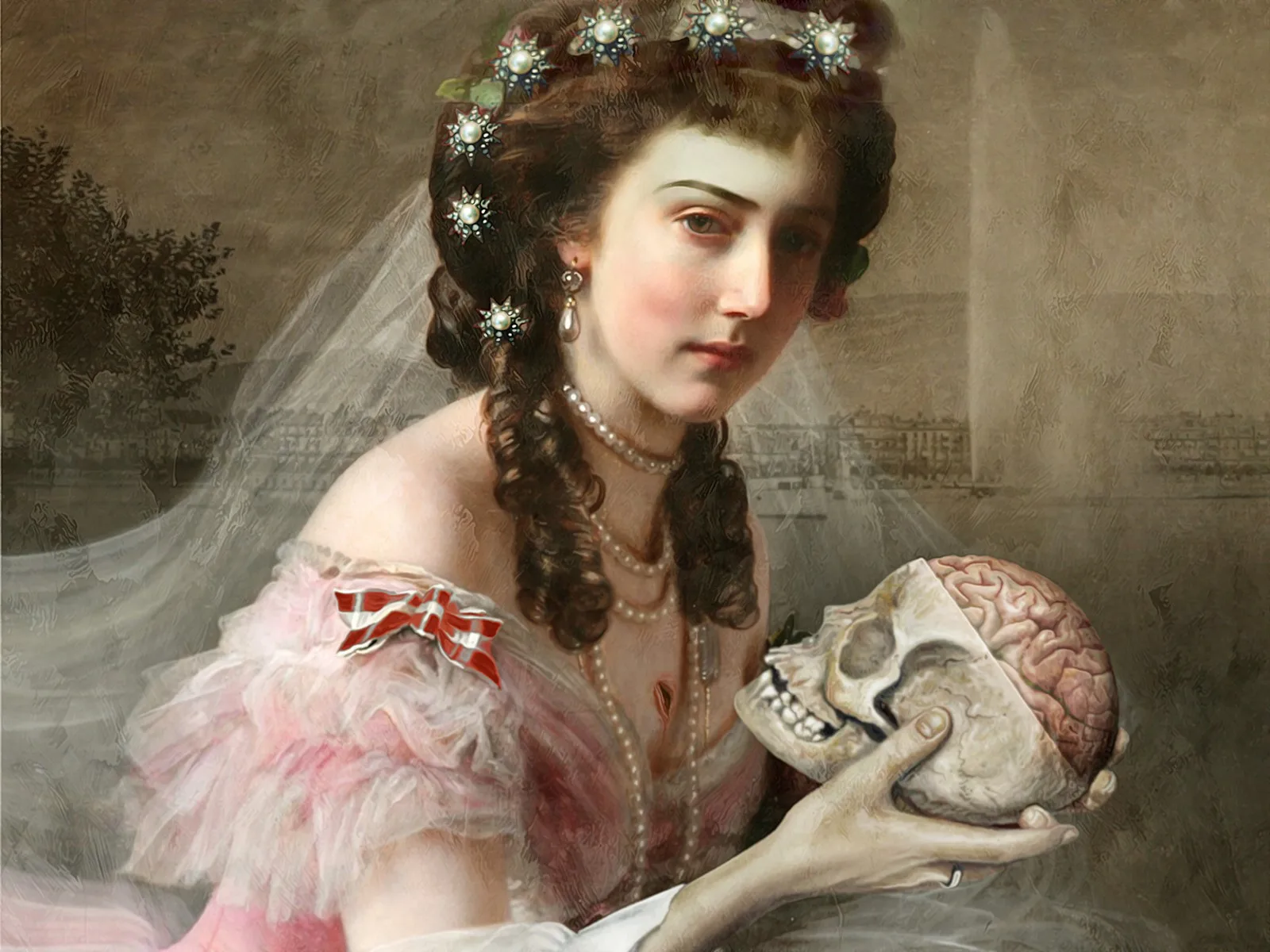
The murder of a ten-year-old girl in Fribourg shocked Switzerland in 1878. Illustration by Marco Heer
The murder of a ten-year-old girl in Fribourg shocked Switzerland in 1878. Illustration by Marco Heer.

A young girl’s death, a mother’s guilt

In October 1878, a mother murdered her ten-year-old daughter in Fribourg. The case of Henriette Ruchat-Berger shook the whole of Switzerland.

Patrik Süess

Patrik Süess

Patrik Süess is a freelance historian.
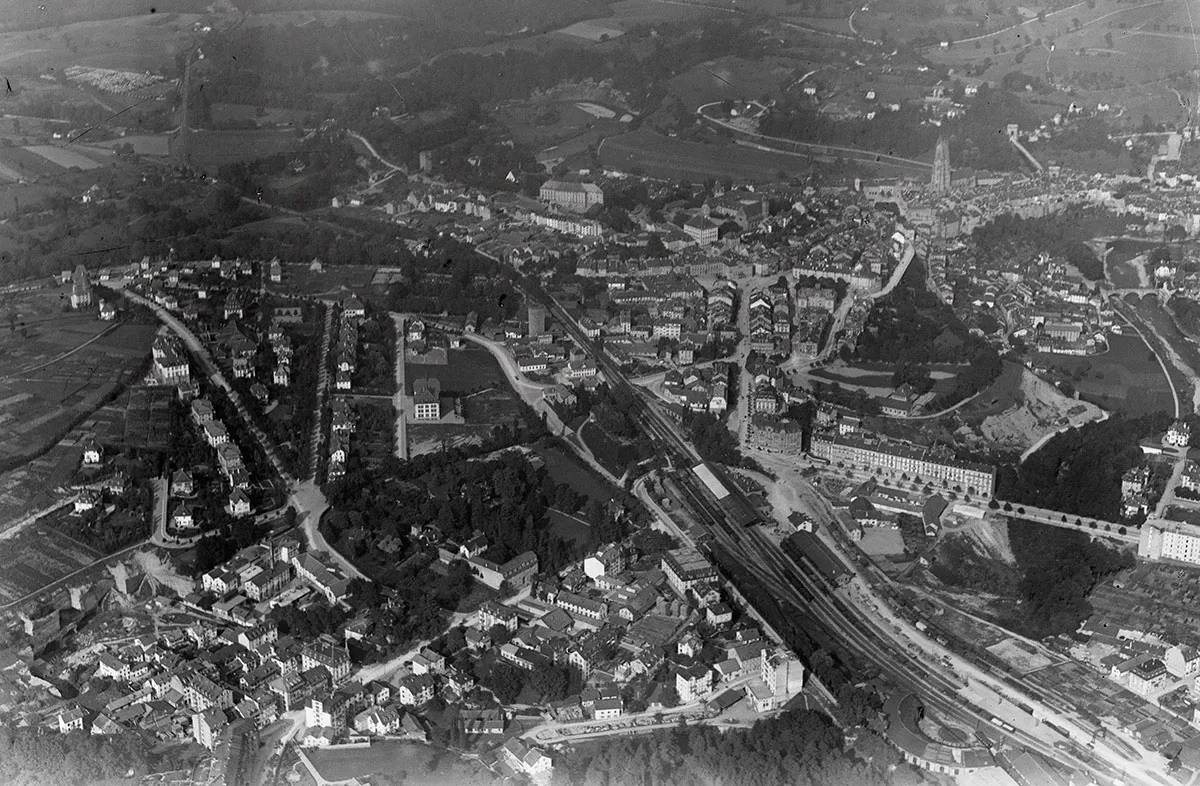
When a railway worker entered the storage shed right next to Fribourg Station in the early hours of 17 October 1878, he made a horrific discovery. Hanging from one of the low crossbeams was a girl of about ten with a thin cord tied around her neck. On the ground not far from the body was a piece of paper bearing the words (in French): “My good people. I stole from my mother and wanted to run away to my grandmother’s. I couldn’t find the way. (…) I was very hungry and thirsty and I didn’t know what to do or where to go. I haven’t got a single centime left and remain your unhappy child. Gertrud.”
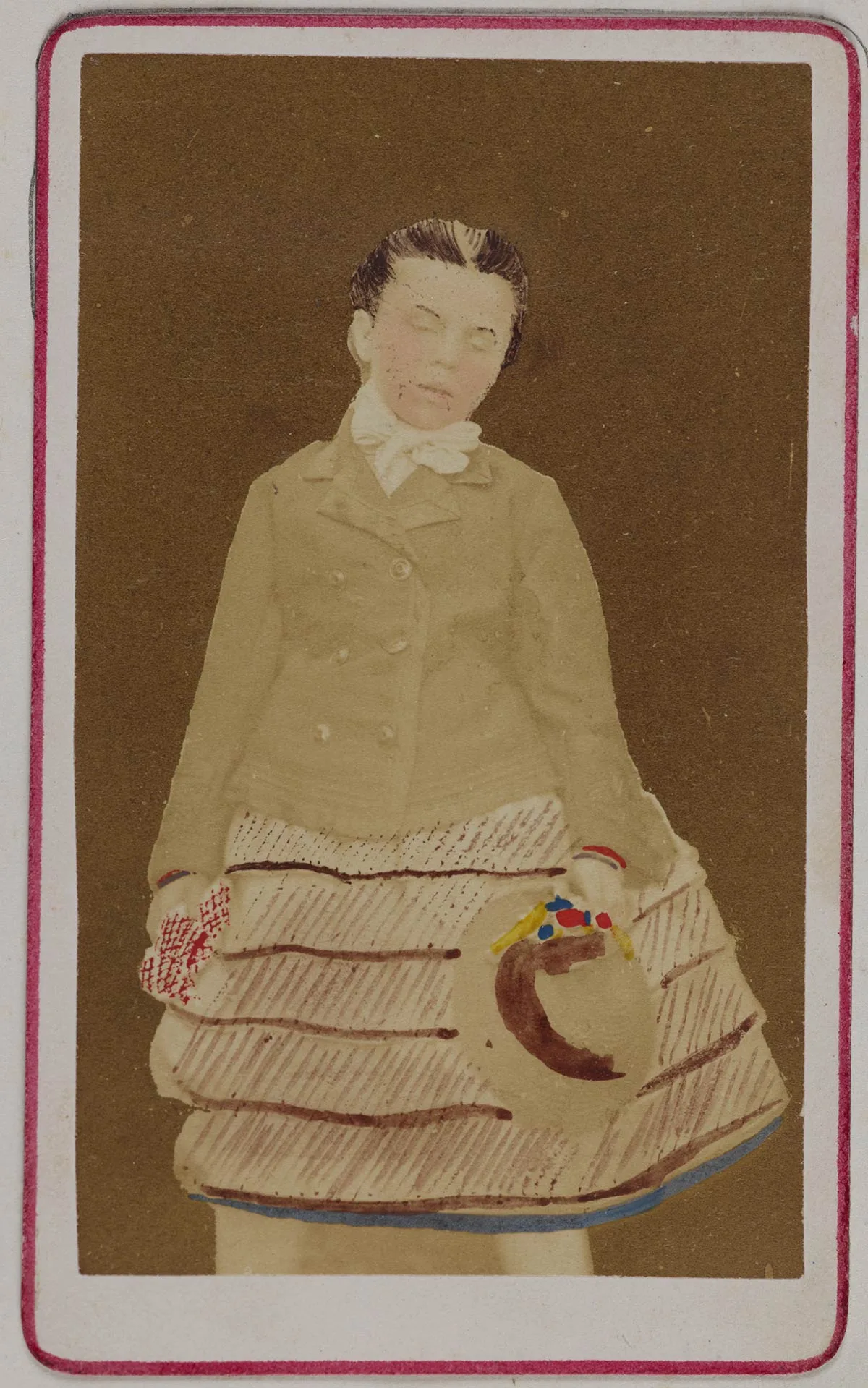
The police soon realised that the suicide note was a fake, evidently placed there to cover up a crime. Not only had the girl eaten potatoes and cheese and drunk wine shortly before her death, the corpse also exhibited signs of pressure on the mouth. Photographs were immediately taken of the girl and laid out for inspection in police stations. The description of the girl’s clothes published in the newspapers suggested she came from a stable home: “Brown straw hat with a brown ribbon, white silk collar, black cashmere overcoat with a purple striped silk lining, grey and brown striped skirt, cotton shirt with lace, and white cotton stockings.”
A chilling discovery was made at the station in Fribourg (clearly visible in the centre of the picture) in 1878. Aerial photo of the town by Walter Mittelholzer, 1919.
A chilling discovery was made at the station in Fribourg (clearly visible in the centre of the picture) in 1878. Aerial photo of the town by Walter Mittelholzer, 1919. e-pics
The longer the girl’s identity and the circumstances surrounding her death remained unknown, the wilder the speculation about the mysterious affair became. Had the girl witnessed a crime and had to be eliminated? Was she getting in the way of somebody’s inheritance? Or had someone simply acted out their “bestial desires”, as suggested with confident conviction by the Zurich Freitagszeitung newspaper? Suspicion initially fell on a group of travelling musicians from Italy, but that turned out to be a red herring.
Some weeks later, Marguerite Berger visited her sister Henriette in Corcelles-près-Payerne in the canton of Vaud. Henriette had recently married. But this was not the only reason for her sister’s visit. Marguerite was worried about her niece Selina, who had disappeared. According to her mother, Selina was living with the Schäffer family in Leipzig, where Henriette herself had worked for nine years as a maid. But the Schäffers knew nothing about it, and Marguerite feared that her sister had sent her daughter out to board in the cheapest place possible. When questioned about Selina, Henriette was evasive, making new and implausible excuses. Marguerite then asked her aunt, who also lived in Corcelles, for advice. The aunt told her about the girl who had been found dead in Fribourg. When Marguerite later looked at the police photo, her worst fears were confirmed: the dead girl was Selina.
The image the police used to try to identify Selina was a coloured photograph.
The image the police used to try to identify Selina was a coloured photograph. Archives de l'Etat de Fribourg, AEF Photos PJ 128-003

Killed by her mother

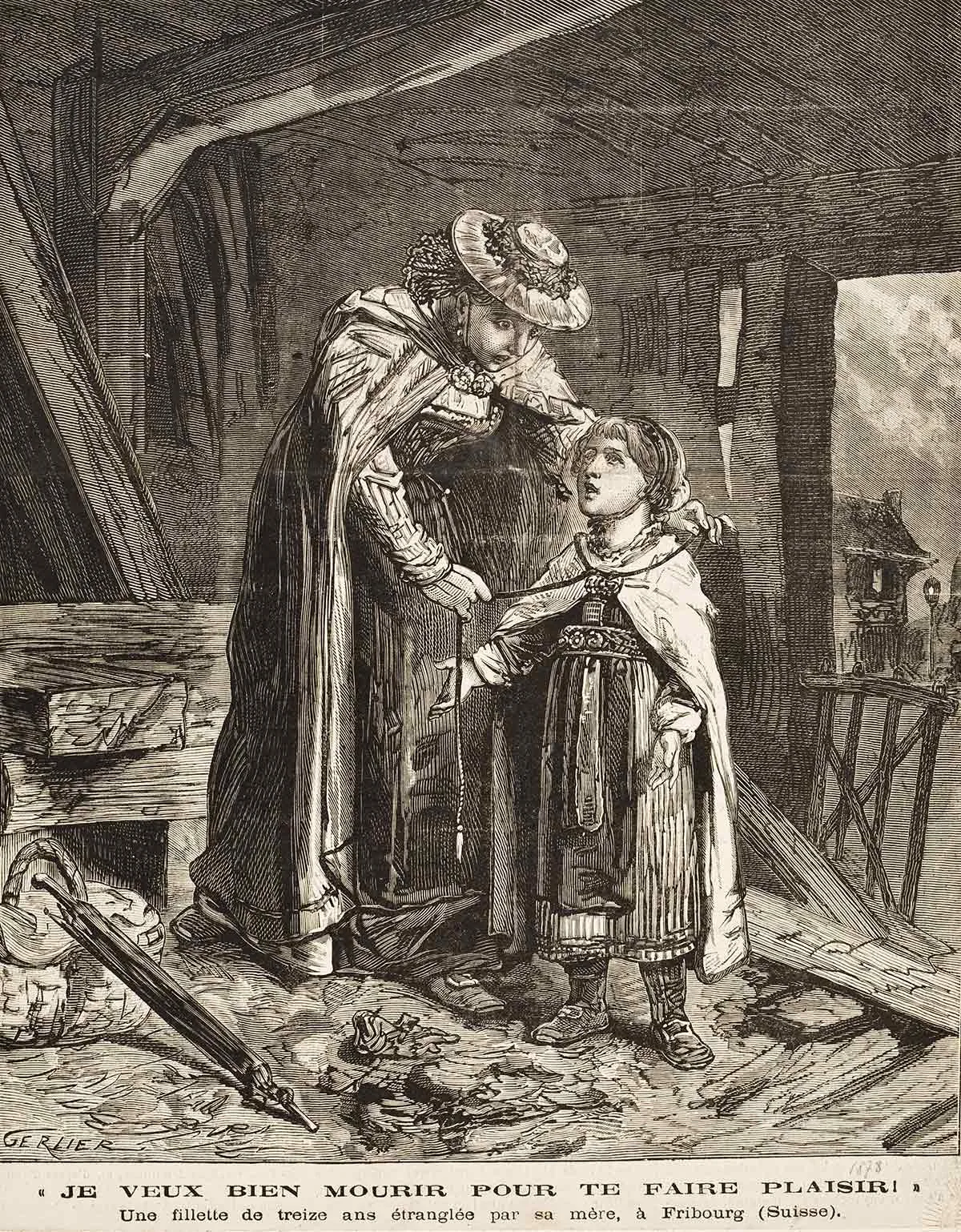
Henriette Berger, who had only married and taken the name Ruchat on 1 November, was arrested just two weeks later. After some hesitation, she confessed to the crime. She said she had travelled from Bern to Fribourg with her daughter on the evening of 16 October and that they had arrived in the dark. She had strangled Selina in a storage shed using a cord she had brought with her. She had written the note while on the train. Explaining her reasons, Henriette claimed that she lived in fear that she would no longer be able to provide for her daughter financially after she got married. The police didn’t believe Henriette’s claim that Selina had put the noose around her own neck and agreed to die after her mother explained her predicament. Henriette then admitted that Selina – despite the bottle of red wine that she had been forced to drink – “screamed loudly three times”, which is why she had had to force her mouth shut.
Illustration of the murder by French illustrator J. Grelier, published in the Journal pour Tous à Paris.
Illustration of the murder by French illustrator J. Grelier, published in the Journal pour Tous à Paris. Musée d’art et d’histoire Fribourg / Primula Bosshard
Who was Henriette Ruchat-Berger? While still a child, Henriette went into service working for an aunt in Avenches in the canton of Vaud. Then, at the age of 17, she moved to Leipzig to work as a maid, spending many years in the employ of the Schäffer family. At 26 she had a child following an affair with a married man, and that child was Selina. The child’s father – a chimney sweep by the name of Brinkmann – offered to take Selina in to live with him and his wife. But Henriette refused. As a domestic worker she was unable to bring her child to live with her, so Henriette put her daughter into a home to be looked after. She visited Selina regularly, but developed a closer relationship with Gertrud Schäffer, the daughter of the family she worked for.
Following the early death of Gertrud, who died in Henriette’s arms, and the subsequent suicide by hanging of Mrs Schäffer, Henriette moved back to Switzerland in the autumn of 1876. She lived with her brother Leonard and his wife Anna in Bern. ‘In memory’ of the dead child, Henriette began calling her own daughter Gertrud. This is also the name she signed on the fake suicide note.
Henriette Berger's servant's book. This document, issued by the authorities, was compulsory for domestic servants.
Henriette Berger's servant's book. This document, issued by the authorities, was compulsory for domestic servants. Archives de l'Etat de Fribourg, AEF, Td SA-dp 1878,1
The trial of Henriette Ruchat-Berger took place on 23 December 1878 in Fribourg and attracted a great deal of public interest. “Many people came along to see what a bad mother looks like,” remarked Henriette. Witnesses described the accused as friendly and hard-working, but also with a tendency towards melancholy. Mr Schäffer, who had travelled from Leipzig especially, reported that Henriette was of a nervous disposition, often talked of suicide, and was someone you feared could be prone to derangement. The witnesses agreed that Henriette had always been hard on her daughter. They claimed that she had beaten the girl and taken her food away as punishment. And once, to stop Selina crying, the mother had pushed her daughter’s face down on the mattress of the bed for so long that she turned blue. The witnesses said that the child was afraid of her mother and had run away several times.
Meanwhile, the accused presented her behaviour as necessary to teach the child a lesson for repeated ‘dishonest’ behaviour and the fact that she had once even been caught stealing. “I did everything for my daughter, lived for her and worked for her,” she said. And yet, she believed her daughter hated her, particularly since the move to Bern. She said that Selina always left the room when she came in, and that in any case Selina loved her aunt Margaret more. When Henriette’s brother Leonard finally accused her of never having loved her child, she retorted angrily: “I was a wretched mother because I killed her. But don’t say I didn’t love my child!”

The mother-child relationship

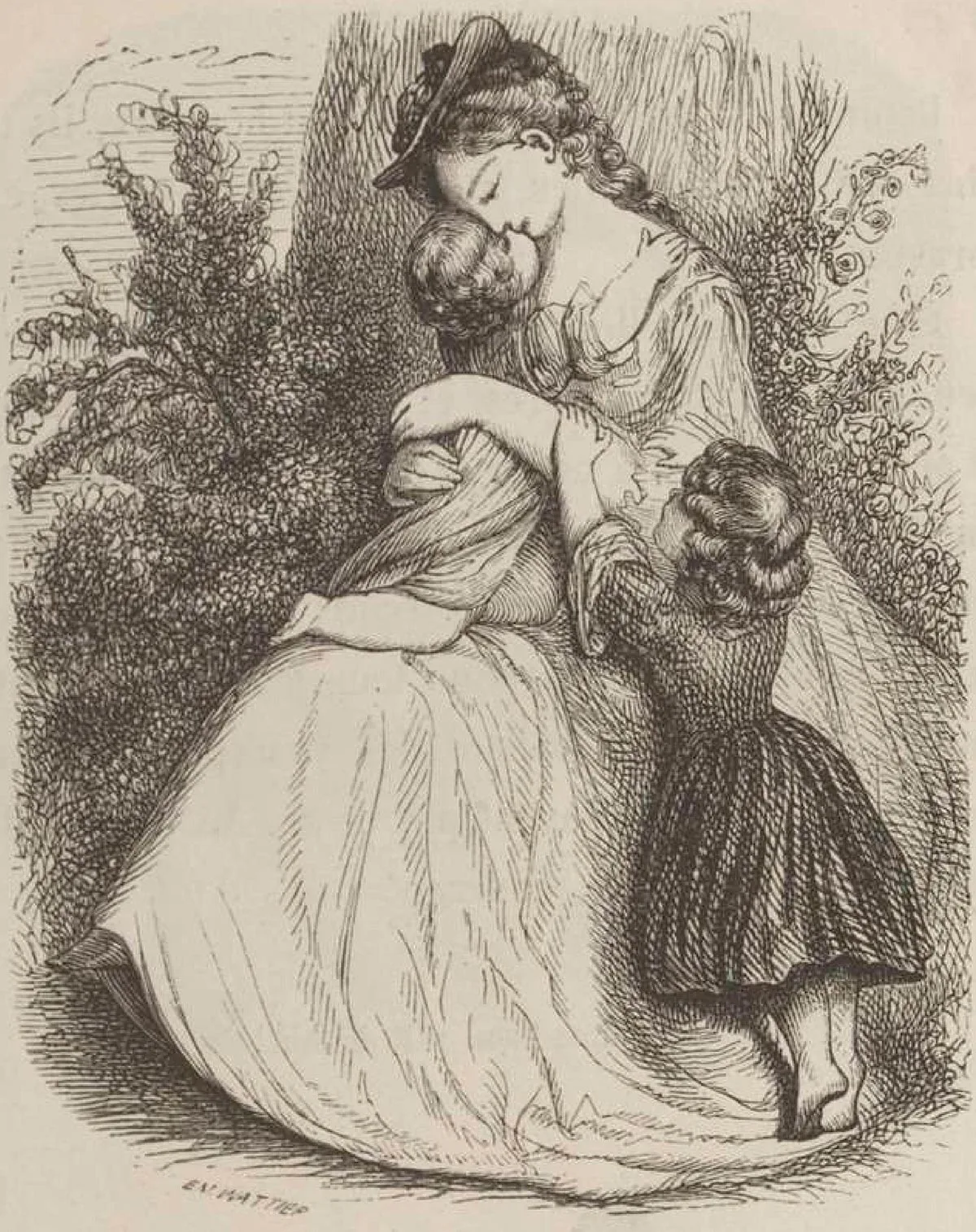
Few things are more disturbing to the public than mothers who kill their own children – not least because such crimes threaten to upend the ideals projected onto the mother figure. These have their own history, dating back to the mid-18th century, when the mother-child relationship became the new standard that defined womanhood. The bourgeois society of the Enlightenment established (at least in theory) a gendered division of labour, which slowly eroded the structure and role of the extended family. While the father’s work took place outside the home and was supposed to be characterised by methodical and rational action, the mother’s task was to provide her family with an emotional counterbalance to the tough and relentless modern world outside.
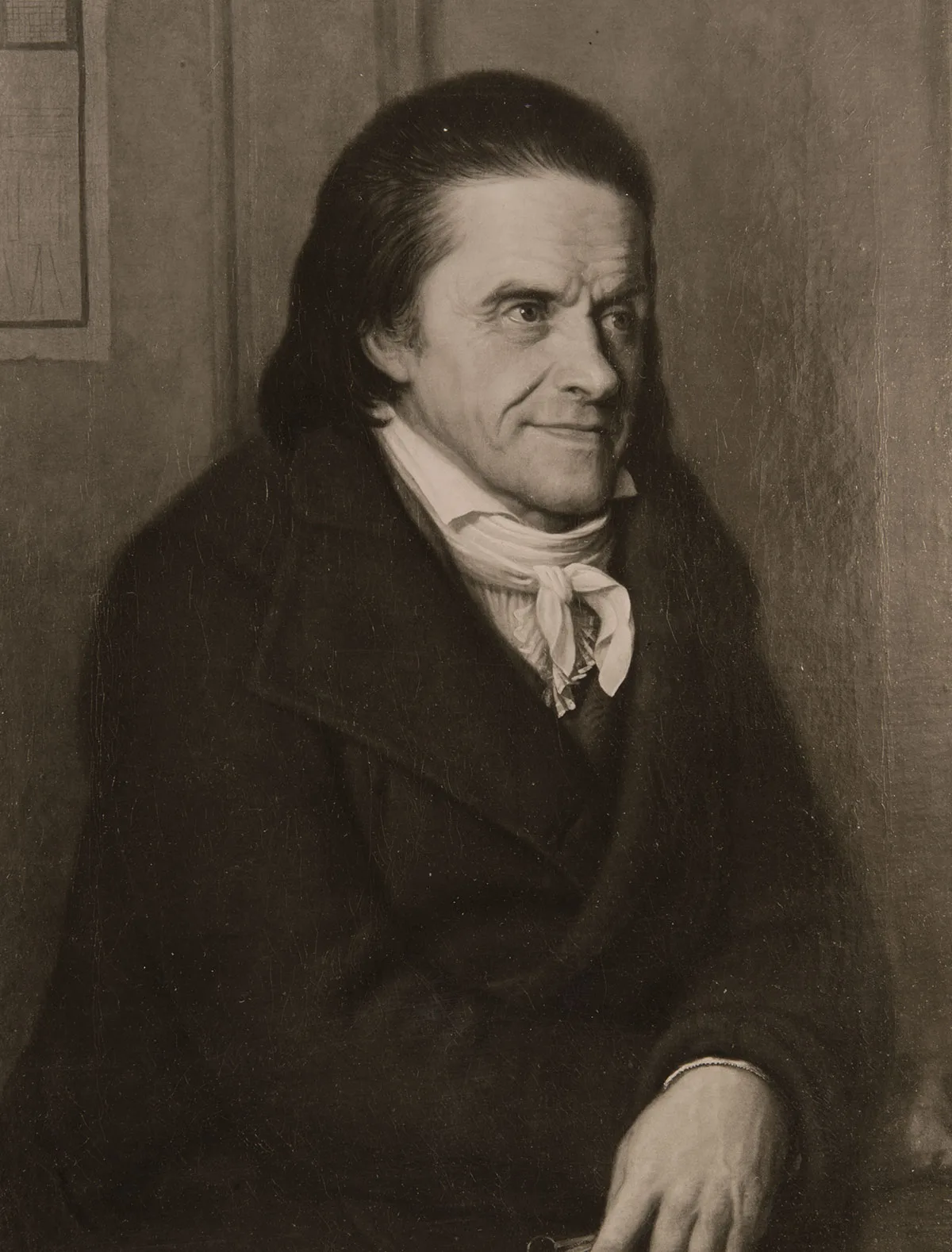
Character traits were soon ascribed to these social positions. While talk had previously been of parental love, from 1760 the focus shifted exclusively to maternal love, the spontaneous love felt by every mother towards her child, as the theory of a maternal instinct emerged. Pestalozzi said: “The mother is qualified, and qualified by her Creator Himself, to become the principal agent in the development of her child. The most ardent desire for good is already implanted in her heart. And what power can be more influential, more stimulative, than maternal love?”
Heinrich Pestalozzi was one of the first to talk about the notion of maternal love.
Heinrich Pestalozzi was one of the first to talk about the notion of maternal love. Swiss National Museum
Maternal love required devotion – and, if necessary, a mother’s self-sacrifice for her child. In the trial of Henriette Ruchat-Berger the counsel for the prosecution therefore argued: “If there wasn’t enough for two, which of the two lives would then have to be sacrificed? No person of noble mind would have hesitated: it wasn’t the daughter’s, but the mother’s, as by giving birth, a mother is duty-bound to support her child.” It was only a small step from the mother’s absolute responsibility for her child’s development and well-being to her absolute guilt for any maternal failure, or as the German theologian Friedrich von Ammon warned in 1827: “Woe to the mother whose heart finds the performance of this duty neither sweet nor easy.”
This presented a paradox: maternal love was an instinct – albeit one that had to be repeatedly pointed out to people. Although the joyful fulfilment of motherly duties was supposed to be embedded in women’s natures, time and again there were women who failed live up to these standards. The solution to this dilemma was to consider mothers who failed to love their children as “inhuman because they have lost what is supposed to distinguish them as women. Half monster, half criminal, such a woman is what one might call a ‘freak of nature’.”
The prosecutor, presuming hatred of the daughter as the motive, declared Henriette Ruchat-Berger a “denatured woman”. For such a mother, he said, society must demand a “terrible punishment” in order to “restore the natural order”. It’s not surprising, then, that Henriette protested so vehemently against her brother’s assertion. She assumed quite rightly that there could be some degree of understanding for a murder committed out of desperation, but never for a lack of maternal love.
The notion of maternal love emerged during the Enlightenment, and some even started to call it maternal instinct. Illustration, 1865.
The notion of maternal love emerged during the Enlightenment, and some even started to call it maternal instinct. Illustration, 1865. Wikimedia
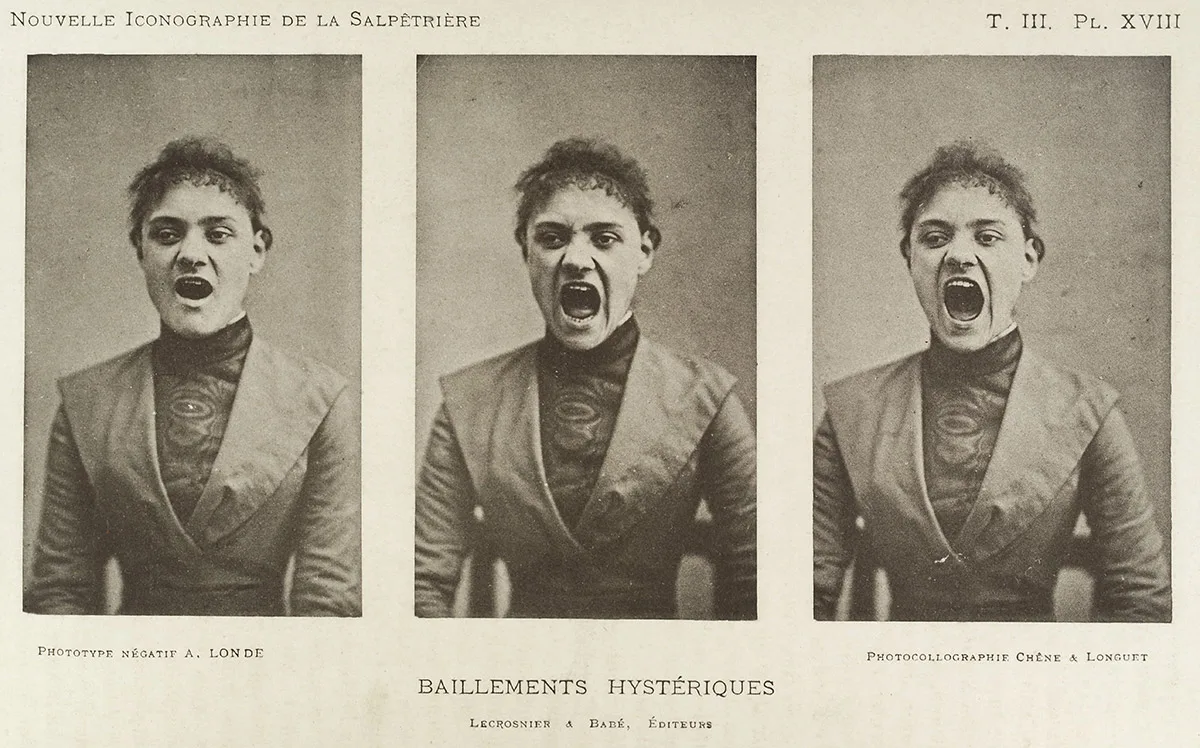
Henriette’s defence counsel then sought to completely disprove this accusation, arguing that the defendant didn’t hate her daughter, as evidenced by the fact that she had provided for her for ten years although she could easily have abandoned her when in Leipzig. As there was thus no truly convincing motive for the murder, the court was forced to conclude that there had been outside influence, specifically a “cerebral disorder” in the form of “hysteria diagnosed (in Henriette) by experts”. After all, the crime could only be explained through this illness, as no one in their right mind could have committed such an act against nature. According to medical and psychiatric experts at the time, hysteria – this “most mysterious of all nervous disorders”, which was mostly attributed to women – made people unhinged and suggestible, even leading to a loss of rational self-control. Particularly in “gentle, deeply sensitive dispositions”, such hysterical episodes could be caused merely by ideas and mental images – and this had been precisely the case in Henriette Ruchat-Berger. According to her defence, she had obsessed about falling into poverty, which had led to nervous overstimulation and ultimately to her committing the crime. When Henriette then realised what she had done, the maternal love kicked in again, making Henriette “the most unhappy of all mothers.”
This woman was thought to exhibit symptoms of hysteria when yawning. Pictures from the Paris Salpêtriere clinic, one of the most famous psychiatric clinics in the 19th century.
This woman was thought to exhibit symptoms of hysteria when yawning. Pictures from the Paris Salpêtriere clinic, one of the most famous psychiatric clinics in the 19th century. Wikimedia / Wellcome collection
A diagnosis of hysteria could sometimes lead to more lenient verdicts in court cases. At any rate, in the Ruchat-Berger case, three of twelve jurors voted for mitigating circumstances due to diminished responsibility allegedly brought on by hysteria during the deed.
Henriette Ruchat-Berger was sentenced to life imprisonment. It was never clear what drove her to murder her daughter. Her new husband Jules Ruchat, who cried throughout the questioning in court, said that he would have gladly taken Henriette’s daughter in to live with them – but Henriette had told him that Selina was her niece. The pair were also evidently planning to start a family of their own as Henriette gave birth in prison to Jules Ruchat’s son, Jules junior, in August 1879.
During the trial, the local paper Der Murtenbieter wrote the following about Henriette: “She was weak, yellow and could barely walk. She seems deeply affected, and we doubt that she will survive the burden of her crime for long.” The newspaper proved to be right: just over two years later, in February 1881, Henriette Ruchat-Berger died of a ‘maladie de poitrine’ (consumption) at the prison in Fribourg at the age of 38.

Further posts