A flight for freedom
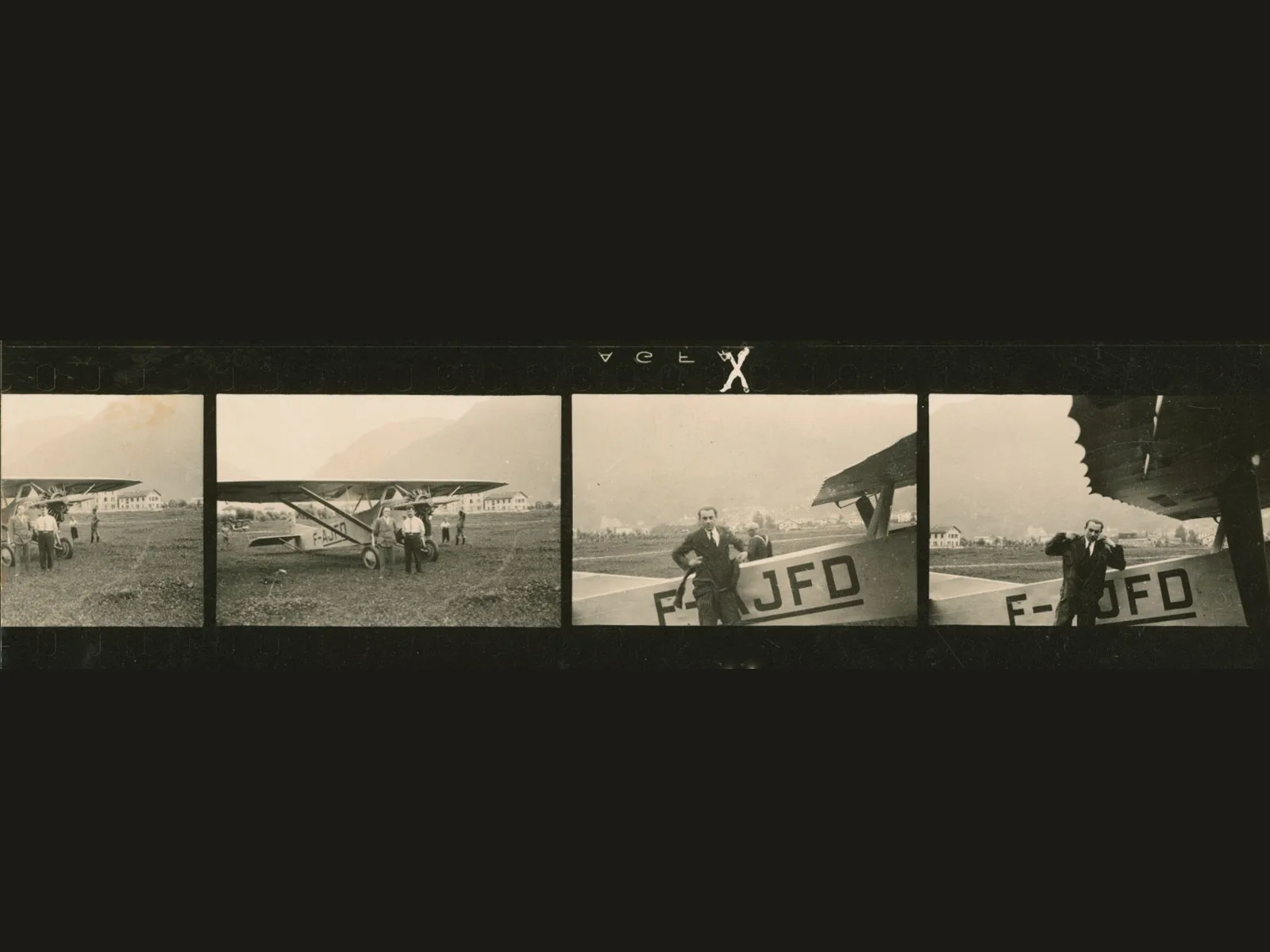
Two Italian anti-fascists scattered leaflets over Milan in the summer of 1930. They had taken off in a small propeller aircraft from Ticino where the pilot returned to make a crash landing shortly afterwards. This audacious escapade placed neutral Switzerland in a political dilemma.

Noëmi Crain Merz
Noëmi Crain Merz is a historian, university lecturer and curator.
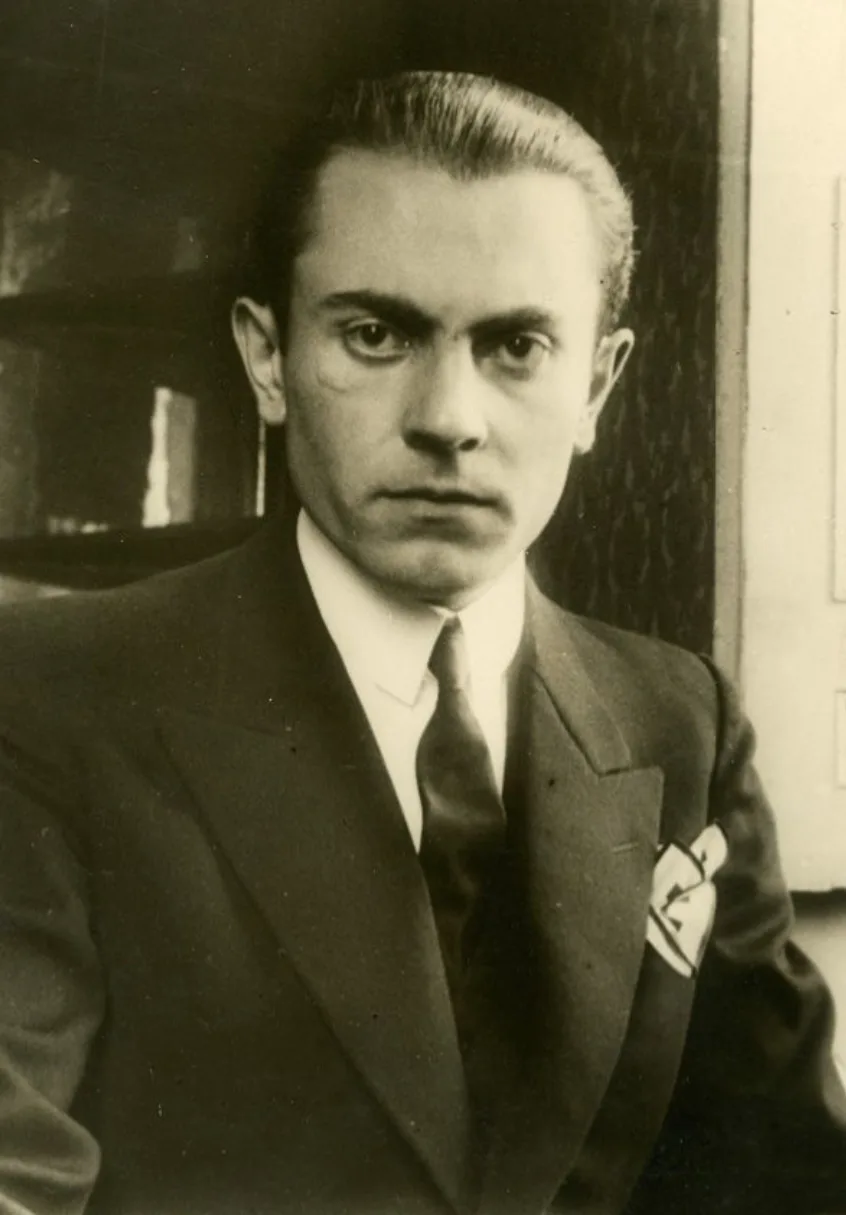
When they caught sight of the imposing cathedral, Dolci dropped leaflets calling for an uprising against Mussolini’s regime down on the city. Bassanesi, the pilot, had learned to fly specifically in order to complete this mission. He was scared of heights but his desire to see his country free and democratic once again was greater than his fear. He circled the regional capital of Lombardy until all 150,000 leaflets had been dropped among the unsuspecting pedestrians. Then he turned around and flew back towards Switzerland. The intrepid pair had already left Italian airspace by the time the fascist government realised what had happened.
At around 1 pm, the propeller plane lands on the field from which it took off two hours earlier. Bassanesi let his passenger alight from the plane before taking to the air again, this time heading north. The fog had become denser, and the wind and rain also hampered visibility. The young anti-fascist aviator who had almost zero flying experience ‒ having gained his licence just under two weeks previously ‒ lost control at the foot of the Gotthard. The aircraft made a crash landing near Airolo. Locals and soldiers, startled by the noise, rushed to the scene and rescued the pilot, who had broken his leg, from the wreckage. Then the police arrived, and Bassanesi’s flight for freedom ended with him in police custody.
No surrender!
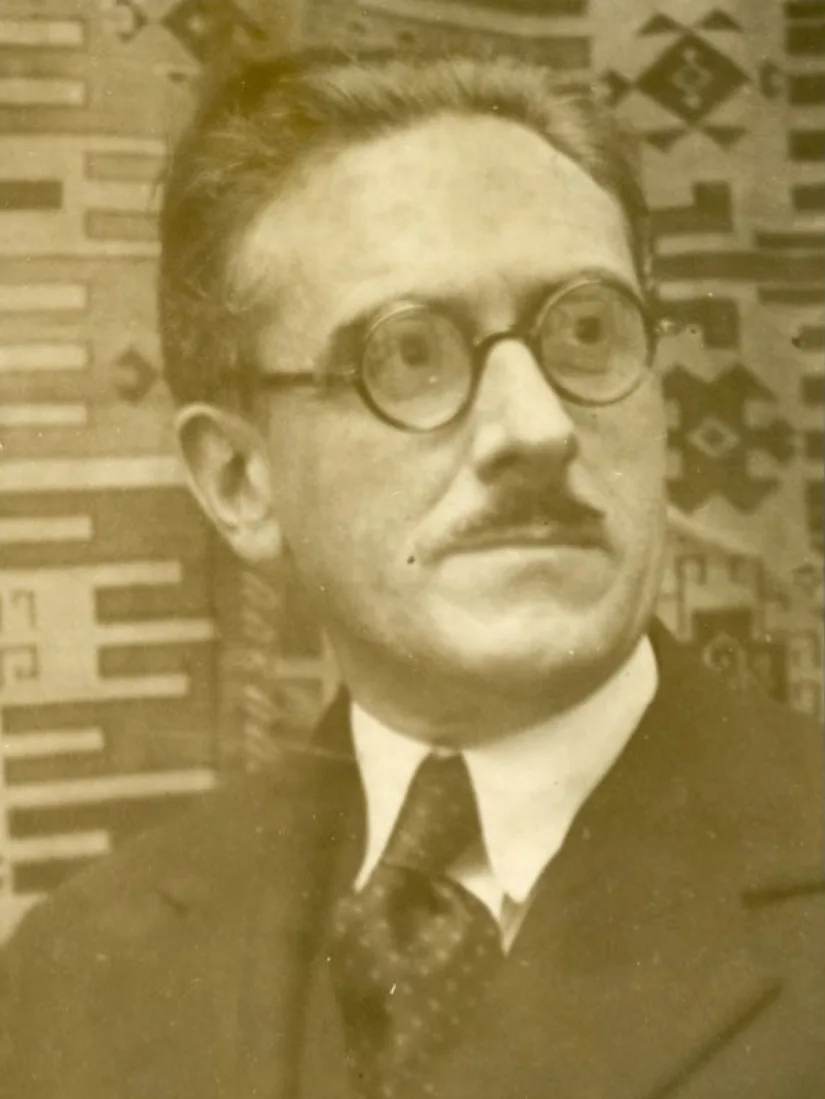
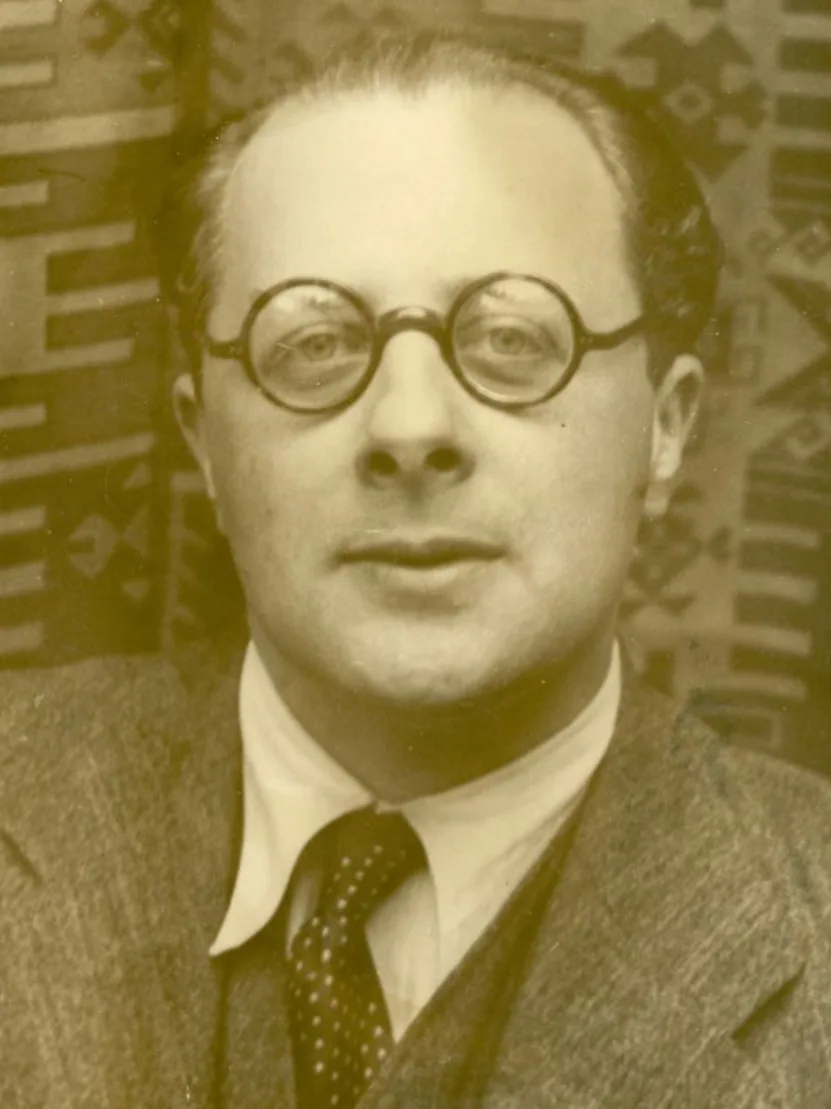
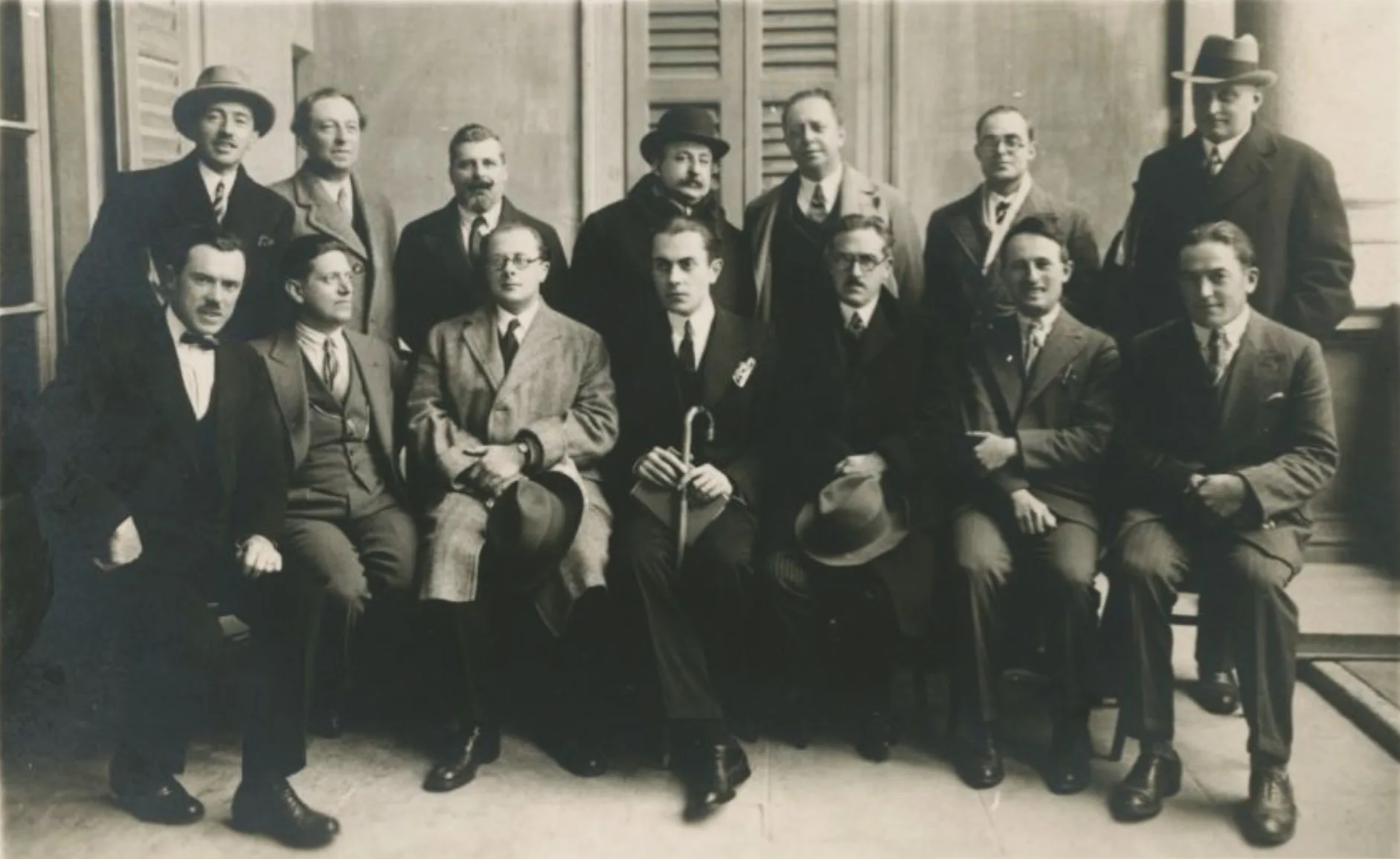
Alberto Tarchiani and Carlo Rosselli headed up the Giustizia e Libertà movement. Memobase, Fondazione Pellegrini Canevascini / Memobase, Fondazione Pellegrini Canevascini
Alberto Tarchiani devised an escape plan enabling Rosselli and two companions to stage a spectacular breakout from the remote and well-guarded island in 1929. The audacious flight of the three anti-fascists to Paris soon became famous throughout Europe when it was recounted in a book translated into English and French. The prisoners swam out to sea under a new moon, where Gioacchino Dolci (the man who would release the leaflets over Milan from Bassanesi’s aircraft the following year) was waiting in a motorboat.
Attack – the best form of defence
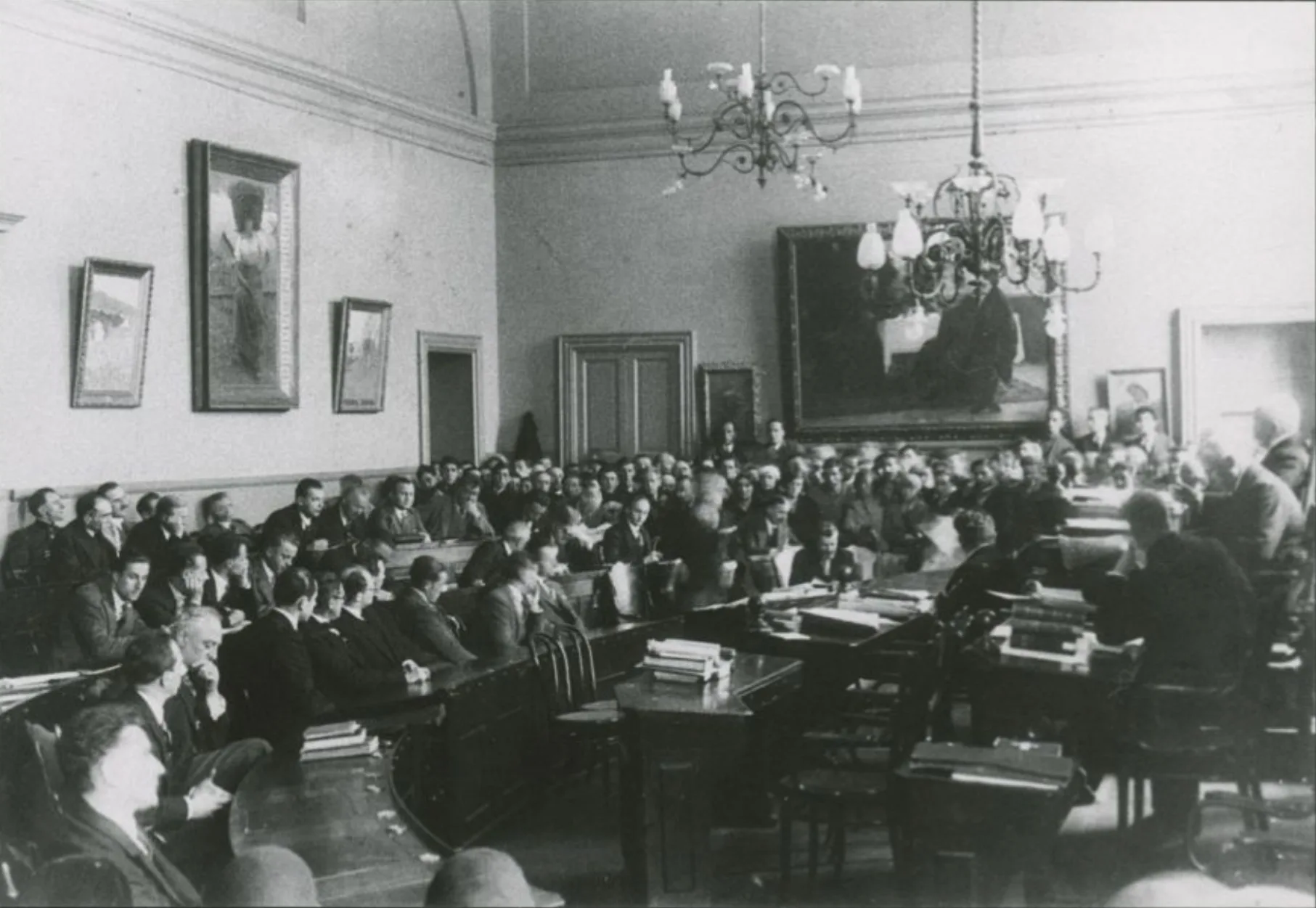
The Federal Council found itself in something of a quandary. Italy started to exert pressure through diplomatic channels, and Bern did not want to jeopardise its good relations with its southern neighbour. But only the judges could pass judgment. Rosselli addressed them and the Swiss public, saying: “The freedom we are fighting for is the freedom you know.” He recounted how Switzerland had taught him ever since childhood to love freedom, take the side of William Tell and despise the tyrant Gessler. “No-one told me that Tell was breaking the rules when he refused to bow to Gessler’s hat, even though he definitely did break them.”
The court sided with the defence. Bassanesi was sentenced to four months in prison – which he had already almost completed on remand. Moreover, his sentence was solely for infringing aviation rules. The accused were cleared of all politically motivated charges.
The rise of fascism
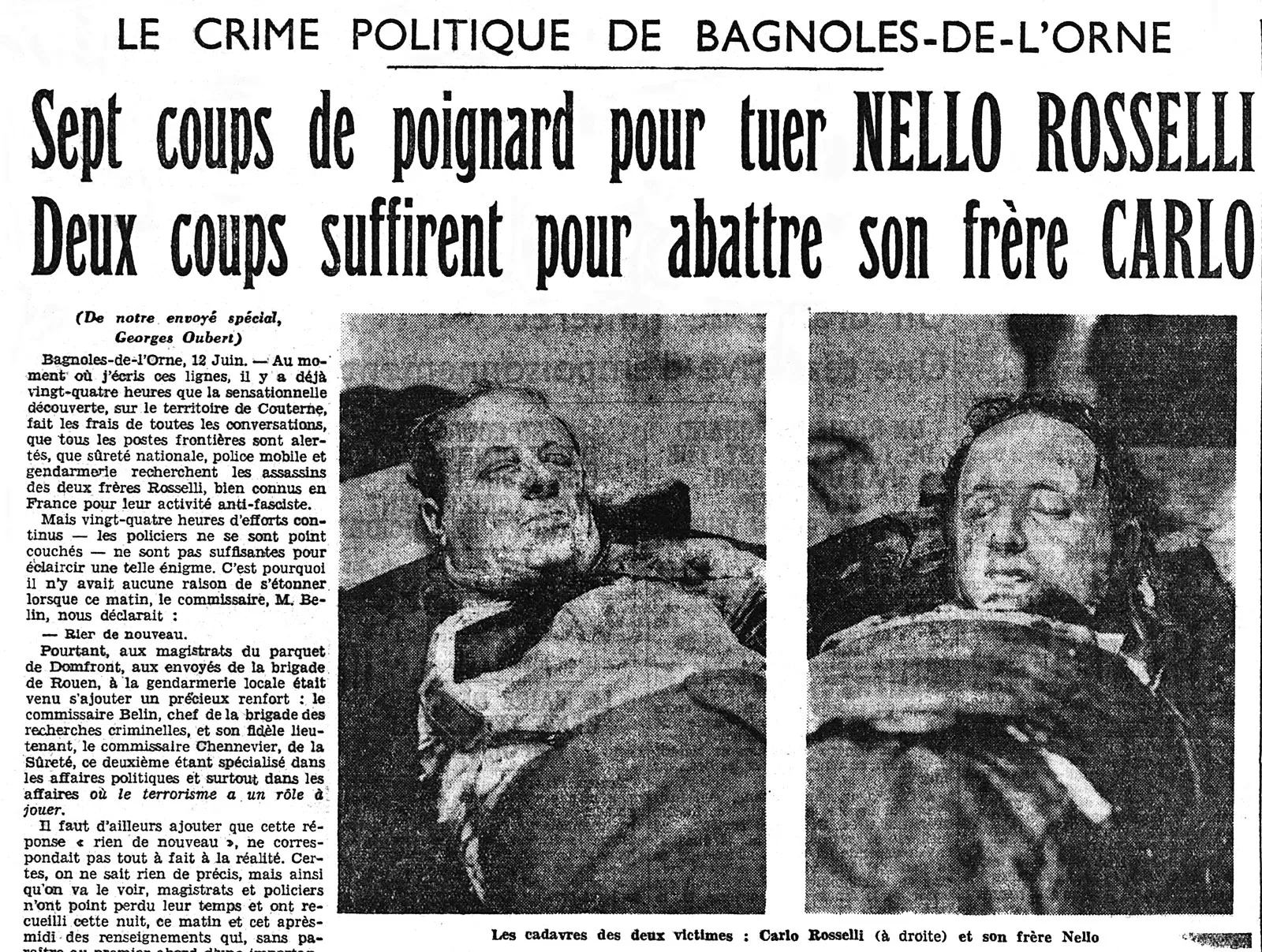
Carlo Rosselli was brutally murdered by French right-wing extremists, acting on behalf of Italian fascists, during his holidays in Normandy the following year. His brother Nello, who had been visiting from Florence, was also killed. The Rosselli brothers’ funeral was one of the last major anti-fascist demonstrations. About 150,000 people attended the funeral service in Paris on 19 June 1937.