Duel in the National Council
In some parliaments things get rough now and then; they even turn violent from time to time. Not in Switzerland. In this country, mutual respect and a spirit of compromise are usually the order of the day. That hasn’t always been the case, though, as an example from 1848 shows.

Andrej Abplanalp
Historian and communications chief of the Swiss National Museum.
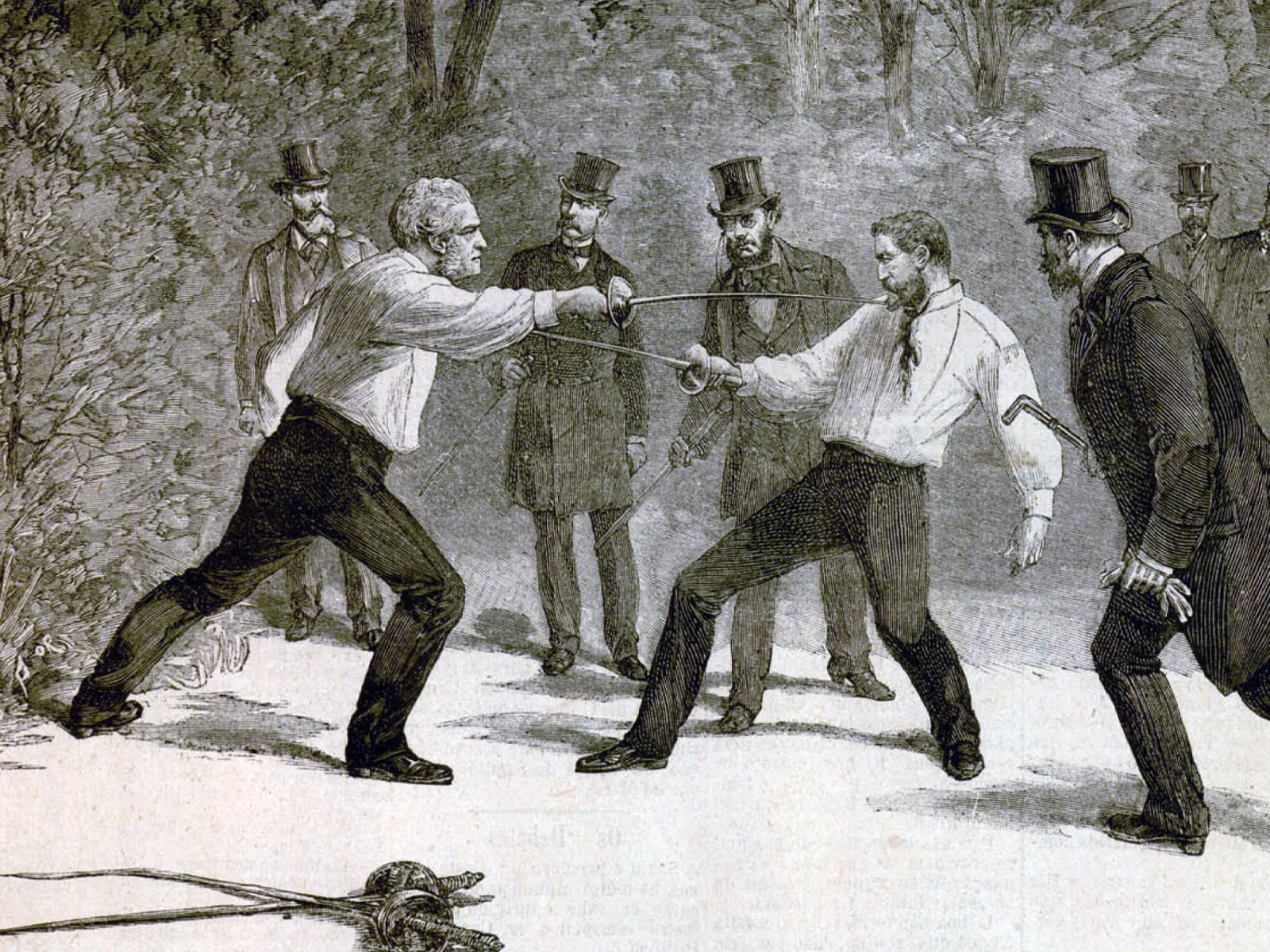
On 29 November, the two adversaries crossed blades. According to the Eidgenössische Zeitung newspaper, the swordfight took place on the parade ground of the cavalry barracks. ‘It was agreed that the combatants would fight until the first blood was drawn’, the newspaper said in its report of 3 December 1848. Rudolf Benz injured his hand in the encounter, but was still able to go home in a carriage the same day.
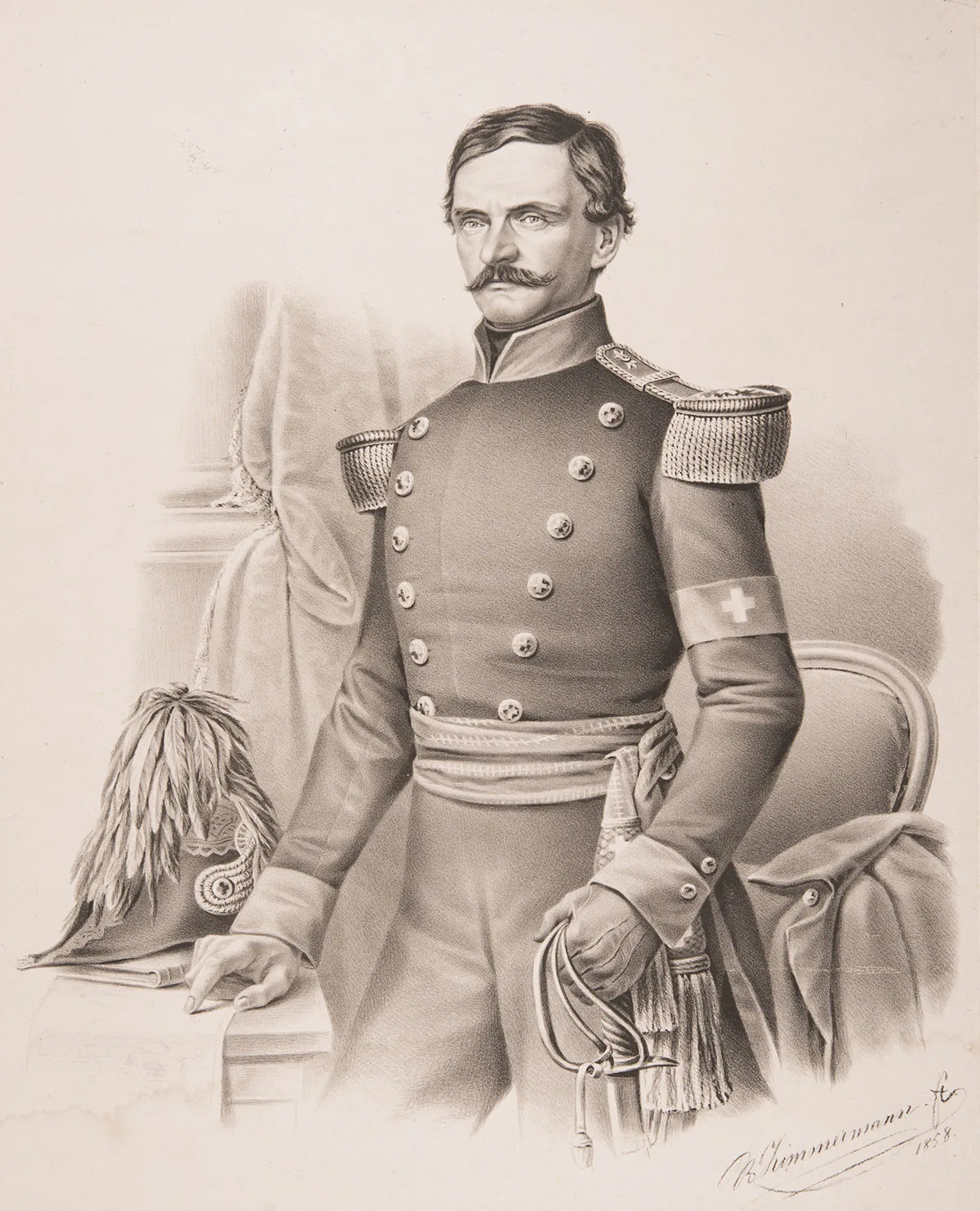
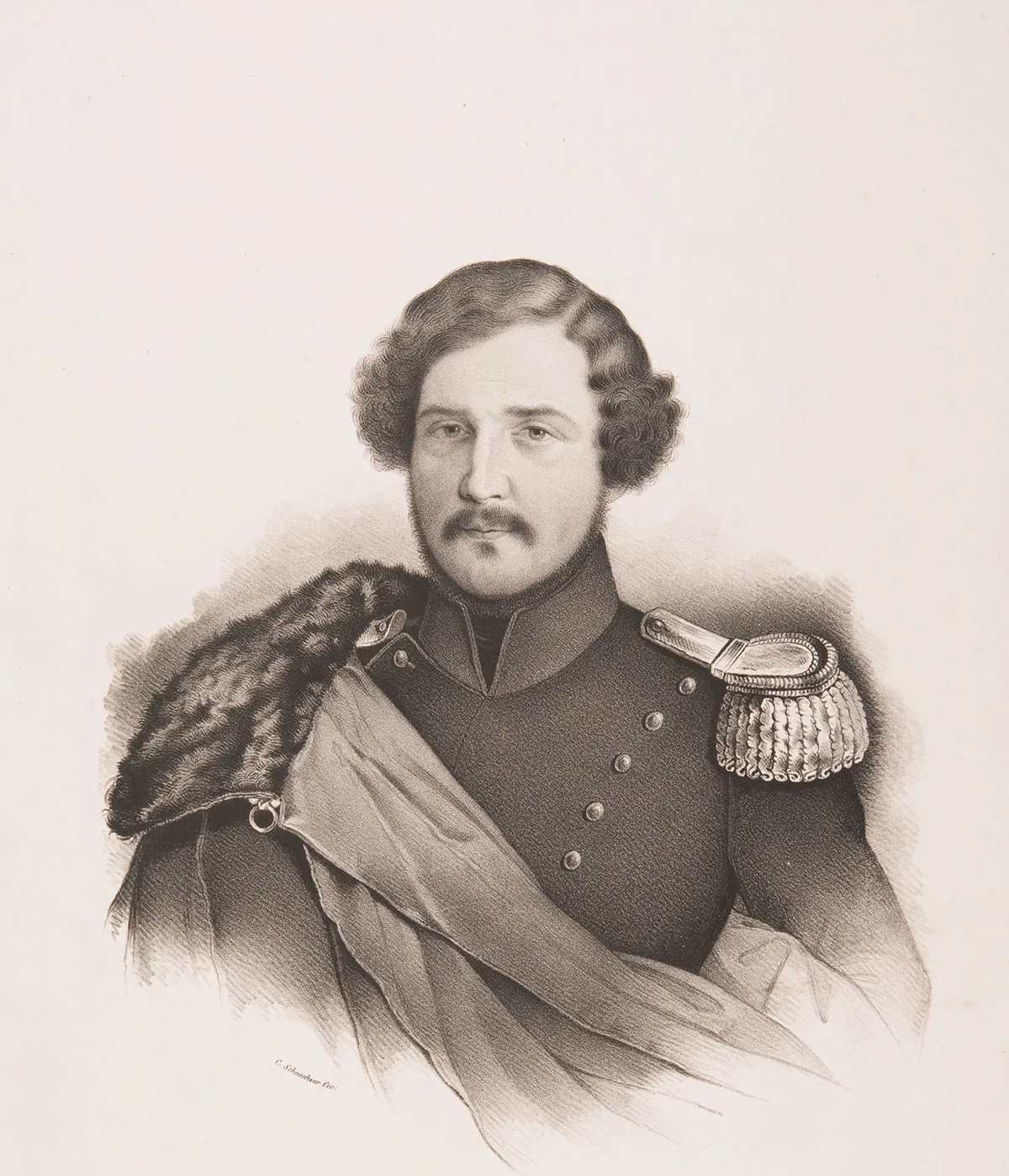
Duelling was common in the 19th century and – to overstate it somewhat – was the manly approach to restoring wounded honour. In military and aristocratic circles, men were quick to take up their weapons to obtain ‘satisfaction’. But even at universities, pistols and sabres were part of everyday life. It wasn’t until 1937, in the first Swiss criminal code (Strafgesetzbuch), that this type of single combat was prohibited nationwide.
Although they continued to sit together on the National Council for many years, Giacomo Luvini and Rudolf Benz were never close friends. Interestingly, the latter was the author of the criminal code for the Canton of Zurich, published in 1871. In this set of rules, the dueller of 1848 made duelling a criminal offence: ‘Single combat (duelling) shall be punished, even if no bodily injury is sustained or if any injuries are only minor in nature, by imprisonment for up to two months, together with a fine, for both the challenger and the opponent.’ The only question now is which hand Benz used to write this article of law…