Why is Ticino part of Switzerland?
Nowadays, the canton of Ticino is considered as Swiss as anywhere else in Switzerland. However, it wasn’t always like that: putsches, revolutions and independence movements once posed serious challenges to the status of the south-lying canton as part of Switzerland. So, how is it that Switzerland’s borders ended up south of the Alps?

Noah Businger
Noah Businger is a historian and a PhD student in Early Modern Swiss History at the University of Bern.
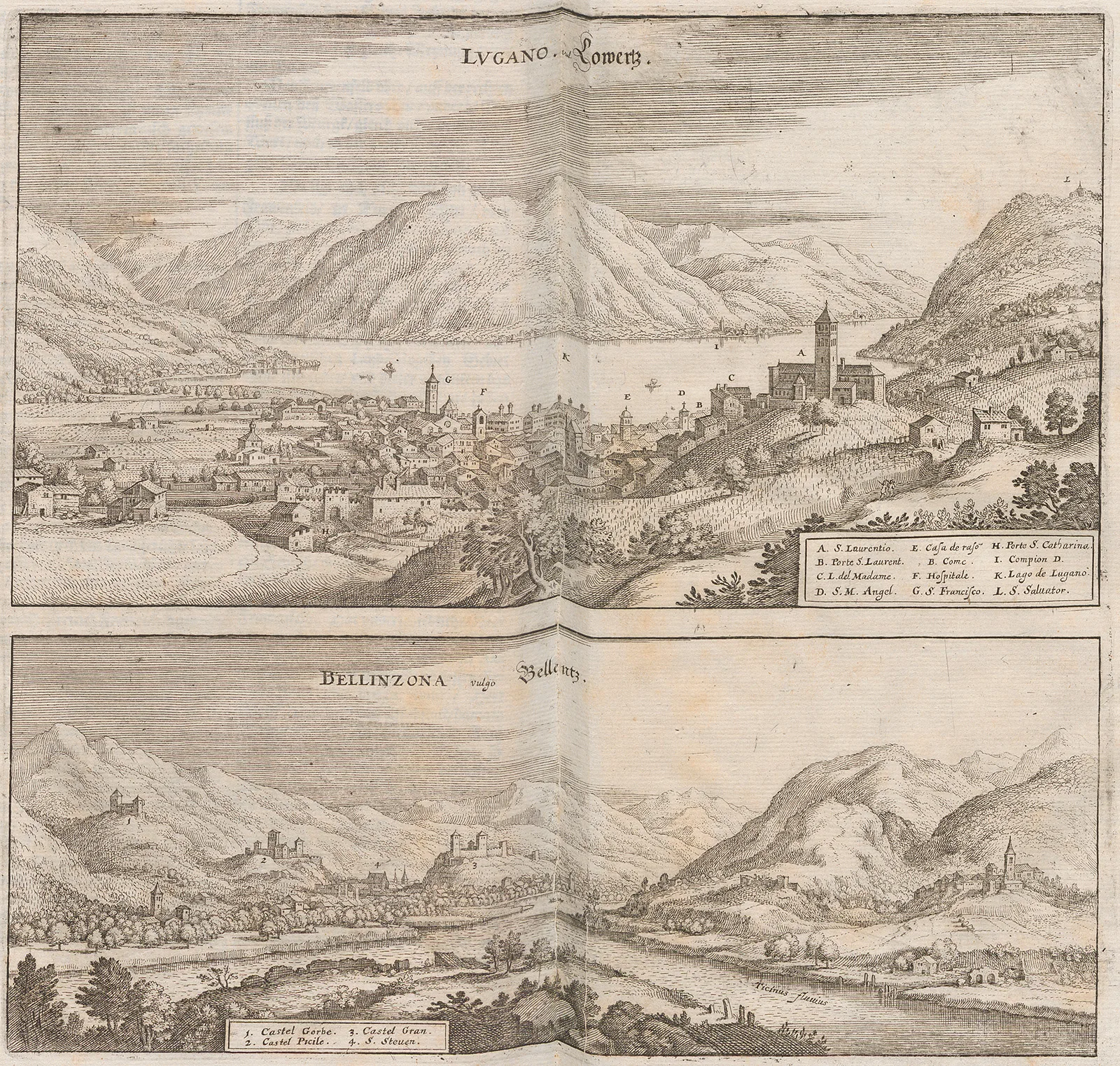
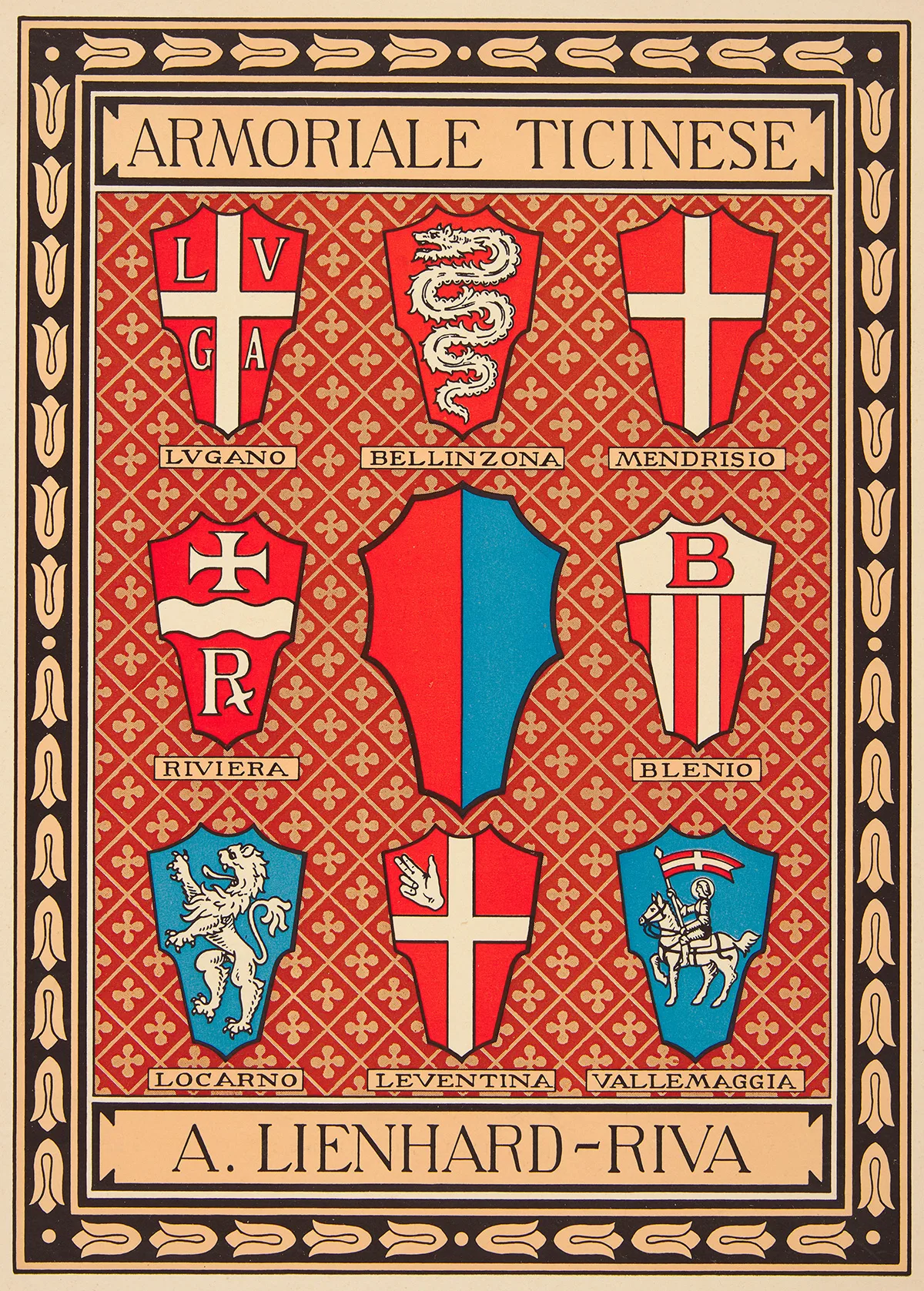
In 1798, what is now Ticino was composed exclusively of federal subject territories. By 1521, the Confederacy had gained control of the area from the Gotthard pass to Chiasso from the Duchy of Milan. But a canton of Ticino was still a distant prospect. Uri ruled the Leventina District alone and established the bailiwicks of Blenio, Riviera and Bellinzona in cooperation with Schwyz and Nidwalden. The other bailiwicks of Locarno, Vallemaggia, Lugano and Mendrisio were governed by the twelve cantons. Each bailiwick had its own federal bailiff. The subject territories had to do military service and pay taxes, tithes for example, to their confederate overlords.
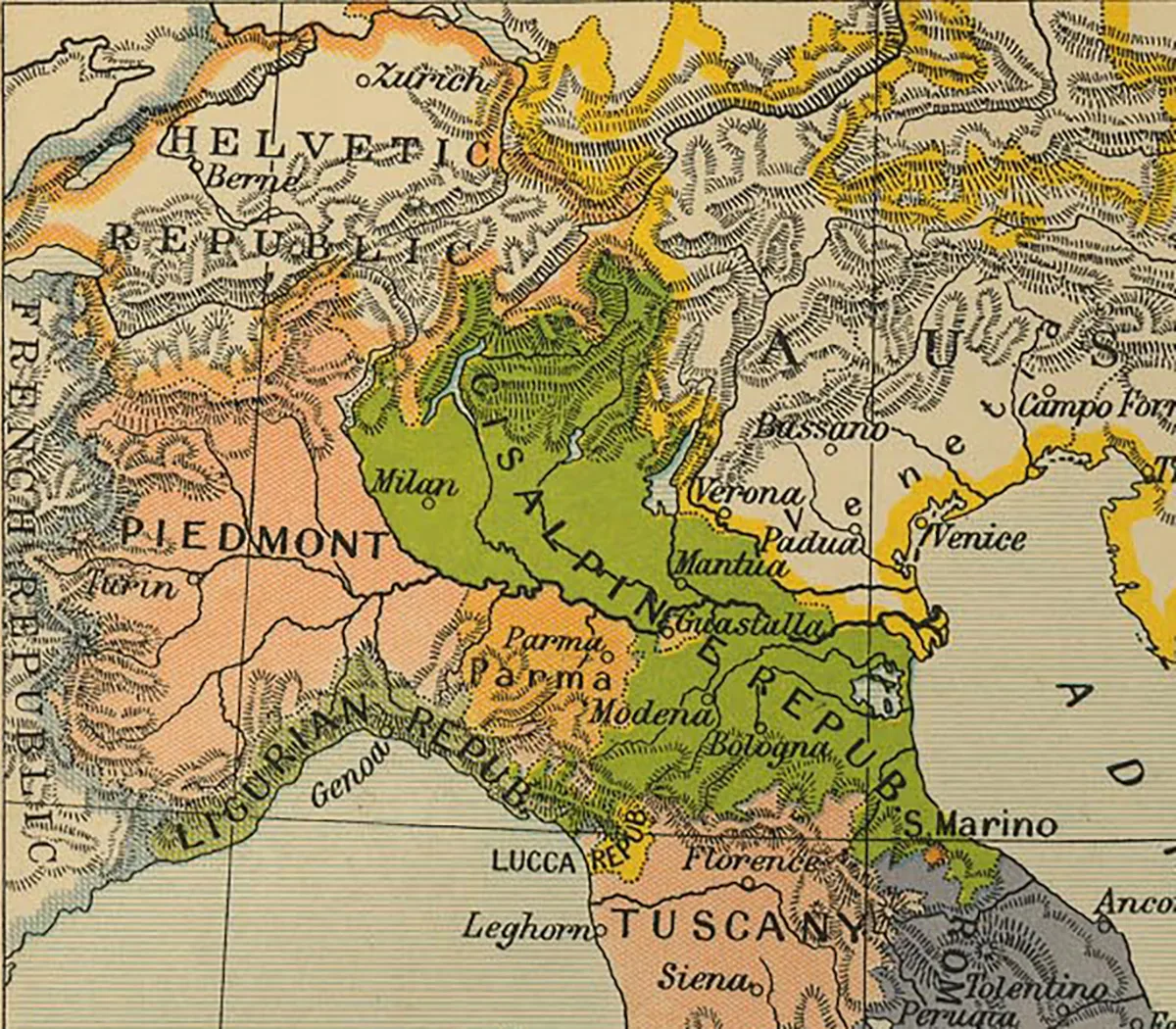
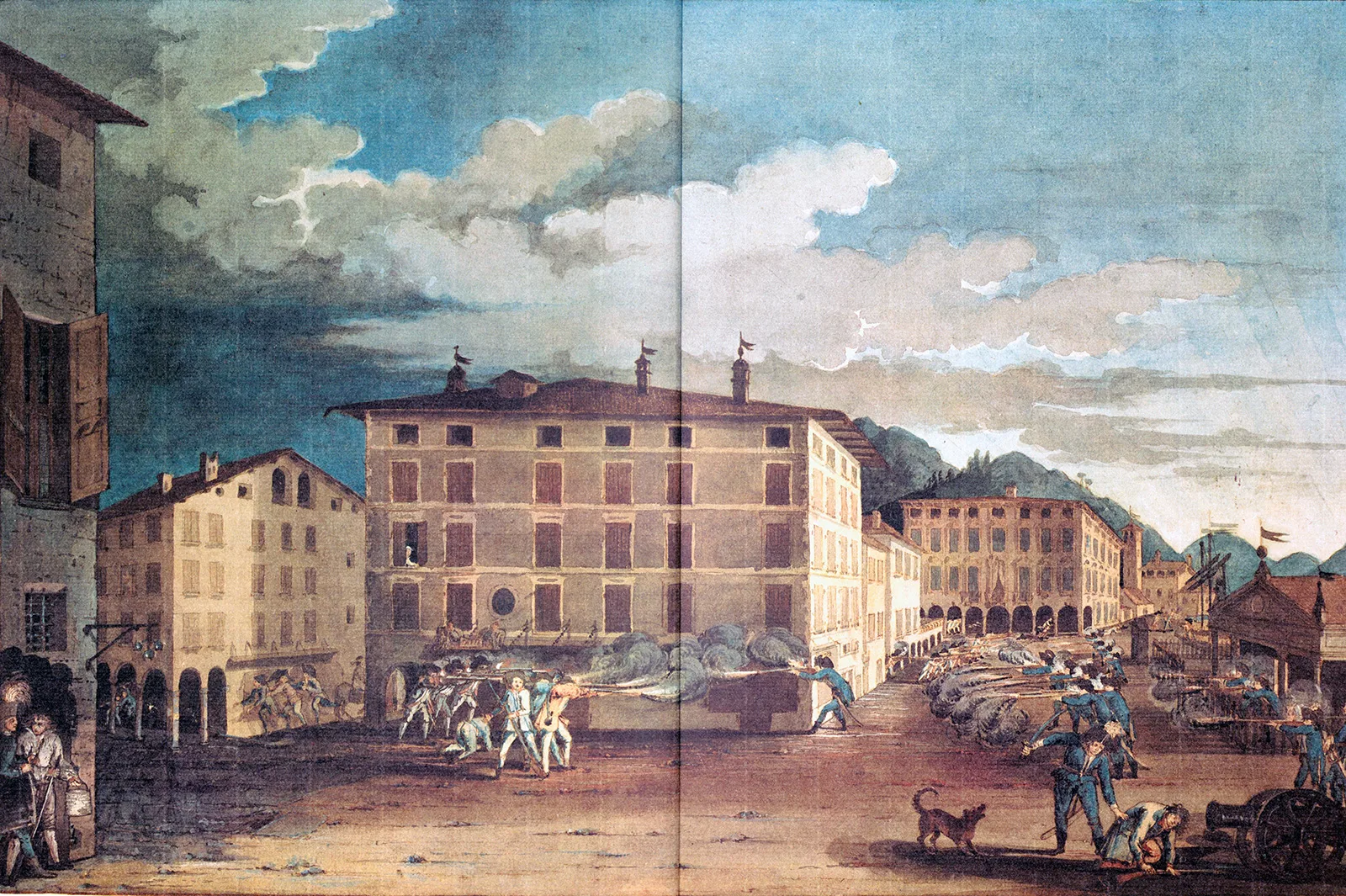
What the former subjects really wanted was to preserve their local autonomy. When ruled by the Confederacy, each commune had been self-governing to a large extent. The vicinanza, which translates loosely as neighbourhood, controlled public assets such as the forests and common land. The vicini (neighbours) governed them together and independently. Autonomous political, legal and economic systems arose from the organisational requirements for using the collective goods and due to the abstention of the confederate rulers.
In 1798, the vicinanze wanted to keep their structures and newly won autonomy. Their form of local self-government resembled that of the corporations and cooperatives in the cantons of the Confederacy. In the Cisalpine Republic, on the other hand, individual communes were converted into pure administrative entities with no political autonomy. The former subject territories thus saw tangible benefits in retaining the confederate structures, so they opted to keep the material, political and cultural status quo.
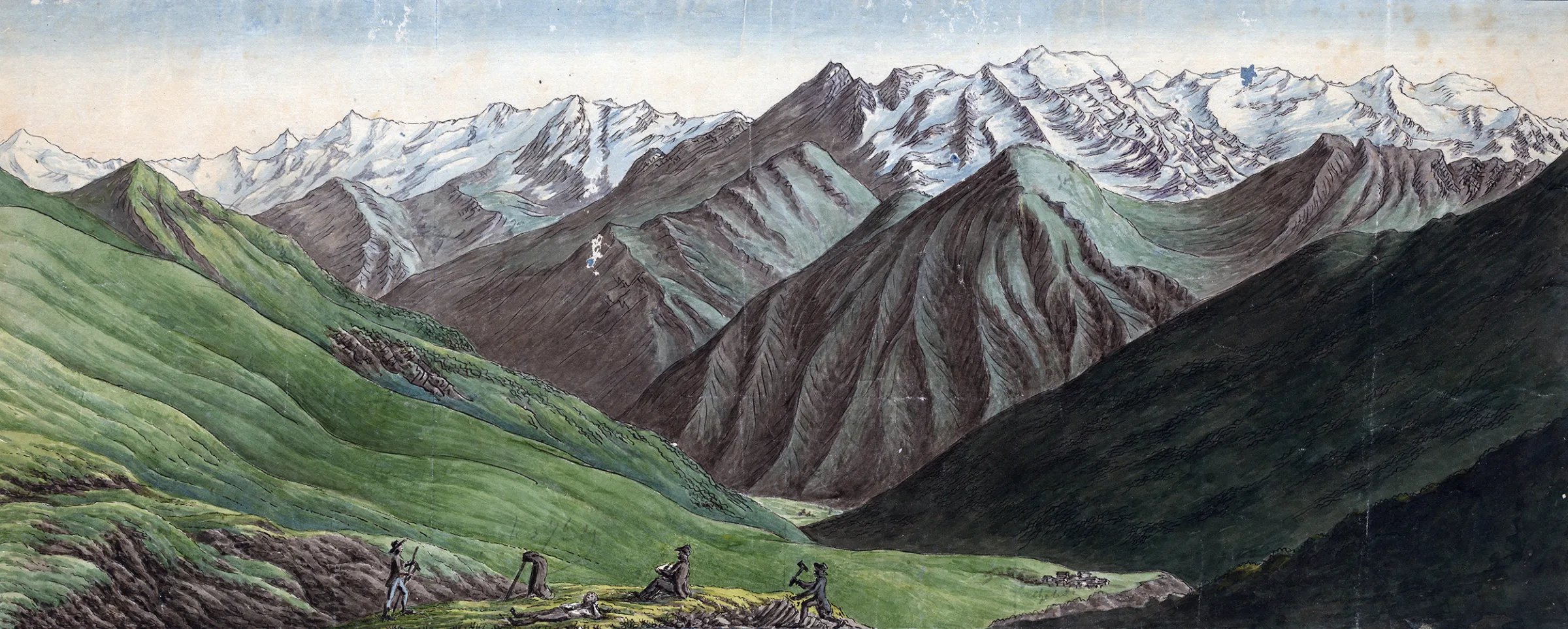
Ticino was founded in the 19th century …
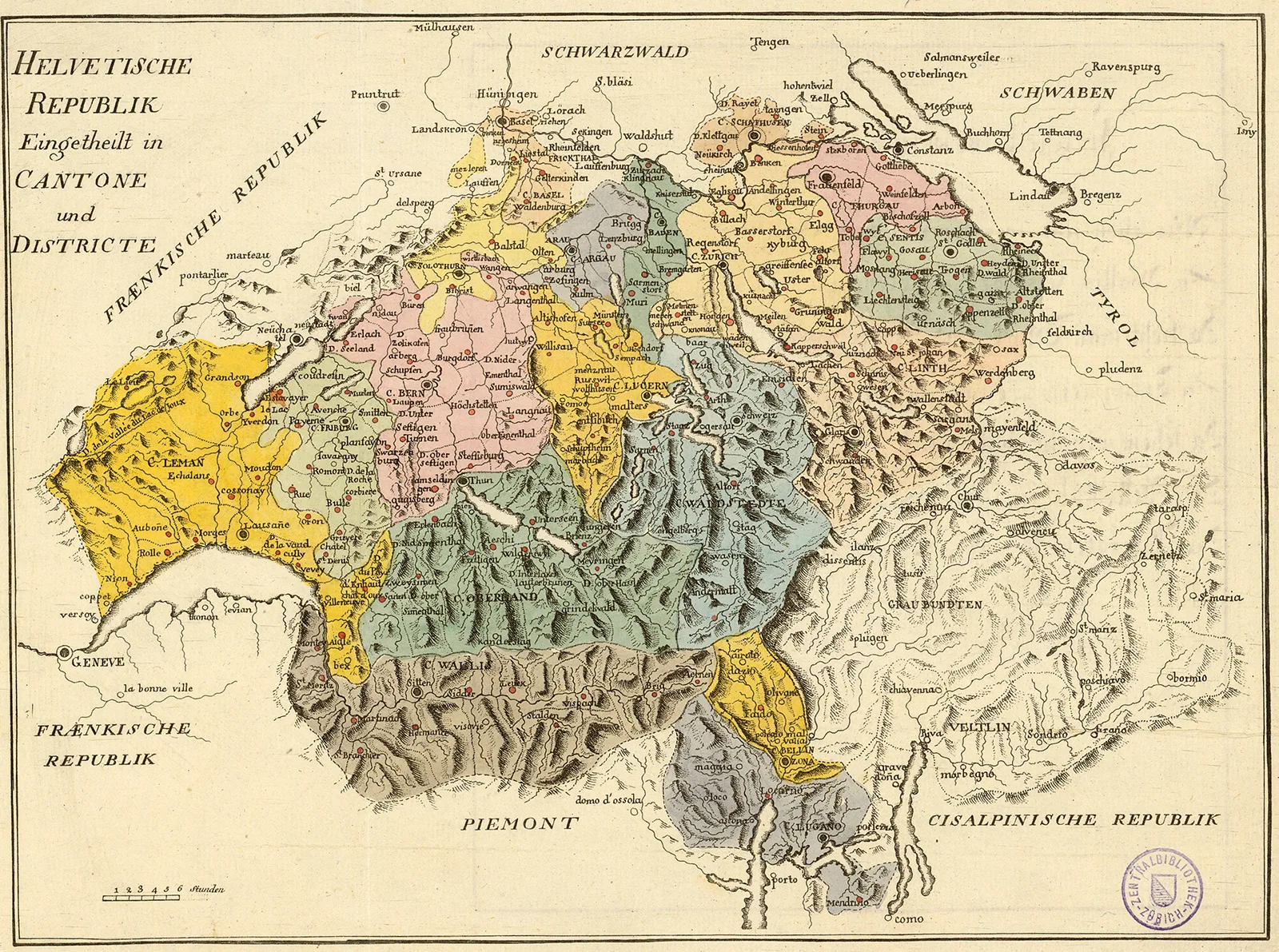
However, the unified canton of Ticino found itself under threat of dissolution shortly afterwards. In 1815, there was an attack on the territorial integrity of Ticino and it originated in Switzerland of all places. After the fall of Napoleon and the establishing of a new European order at the Congress of Vienna, some cantons began to covet their old subject territories. Uri also wanted to reannex the Leventina District. The Ticino government had its back to the wall but ultimately succeeded in refuting the calls to reestablish the pre-1798 subject territory regime. The canton remained intact and was finally incorporated into the Swiss Confederation in 1848.
… and found itself embroiled in the chaos of Italian unification
During the Italian wars of independence in 1848 and 1859, several thousand soldiers fighting to liberate Lombardy from the clutches of Austria found refuge in Ticino. Many Ticinese also fought in these conflicts. When Milan gained independence from Austrian rule after the battle of Solferino in 1859, there was a call for national unification in the north of Italy. Unification was also to include Italian-speaking Ticino. Unsettled by these demands and the sympathy among the Ticinese for the cause of Italian unification, which was strong in some parts of the canton, the Federal Council asked Ticino outright: do you really want to stay Swiss?
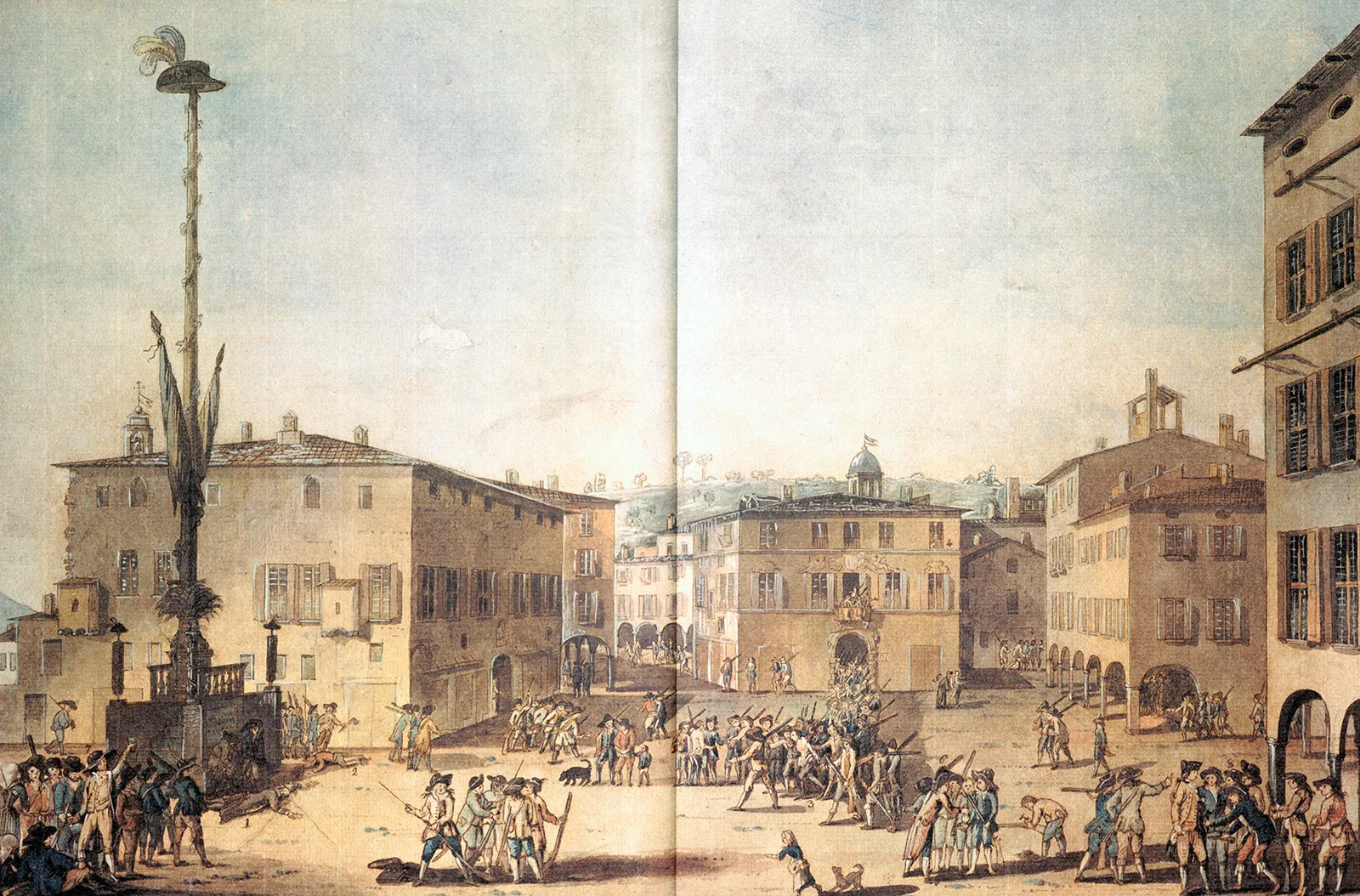
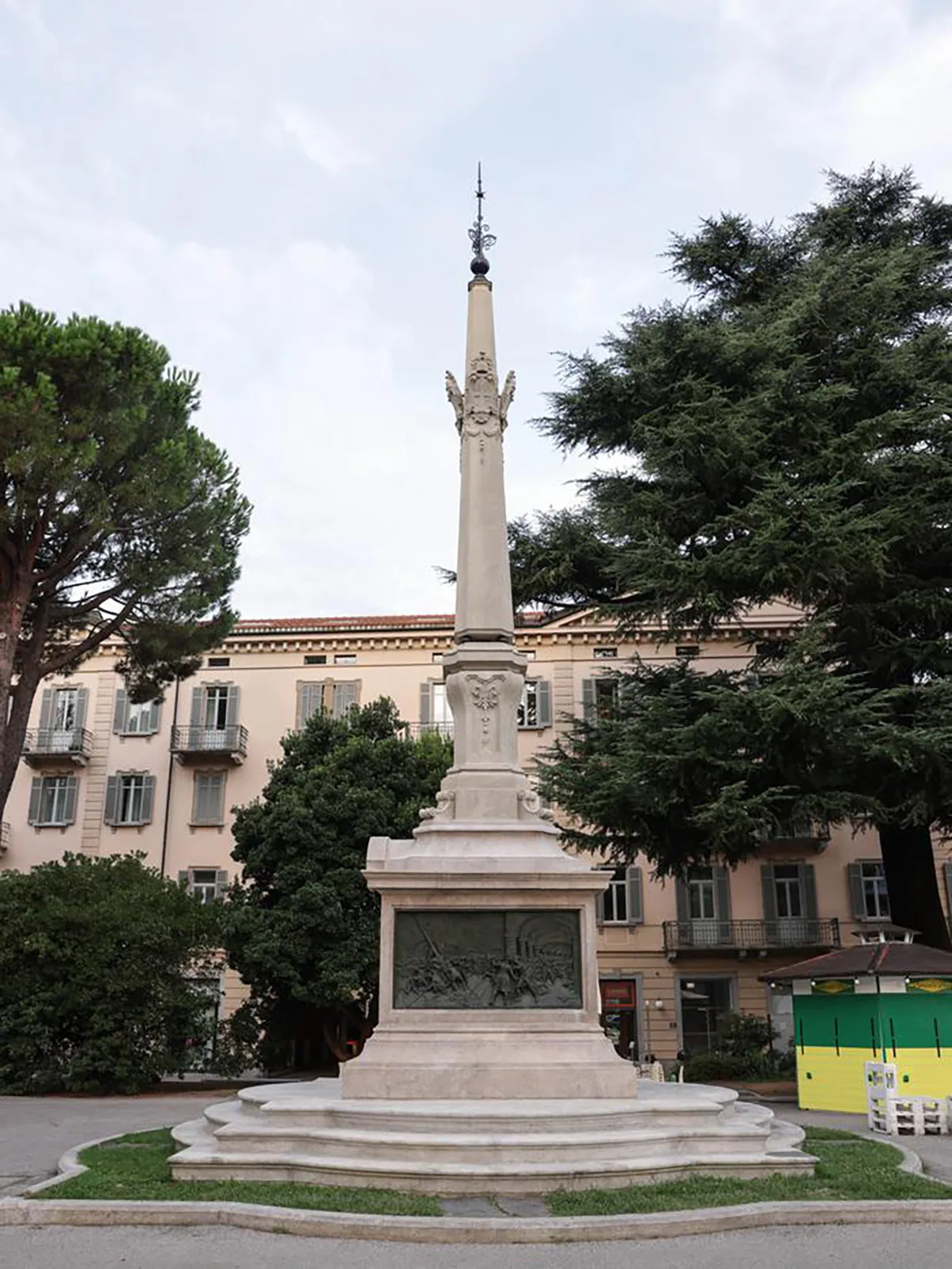
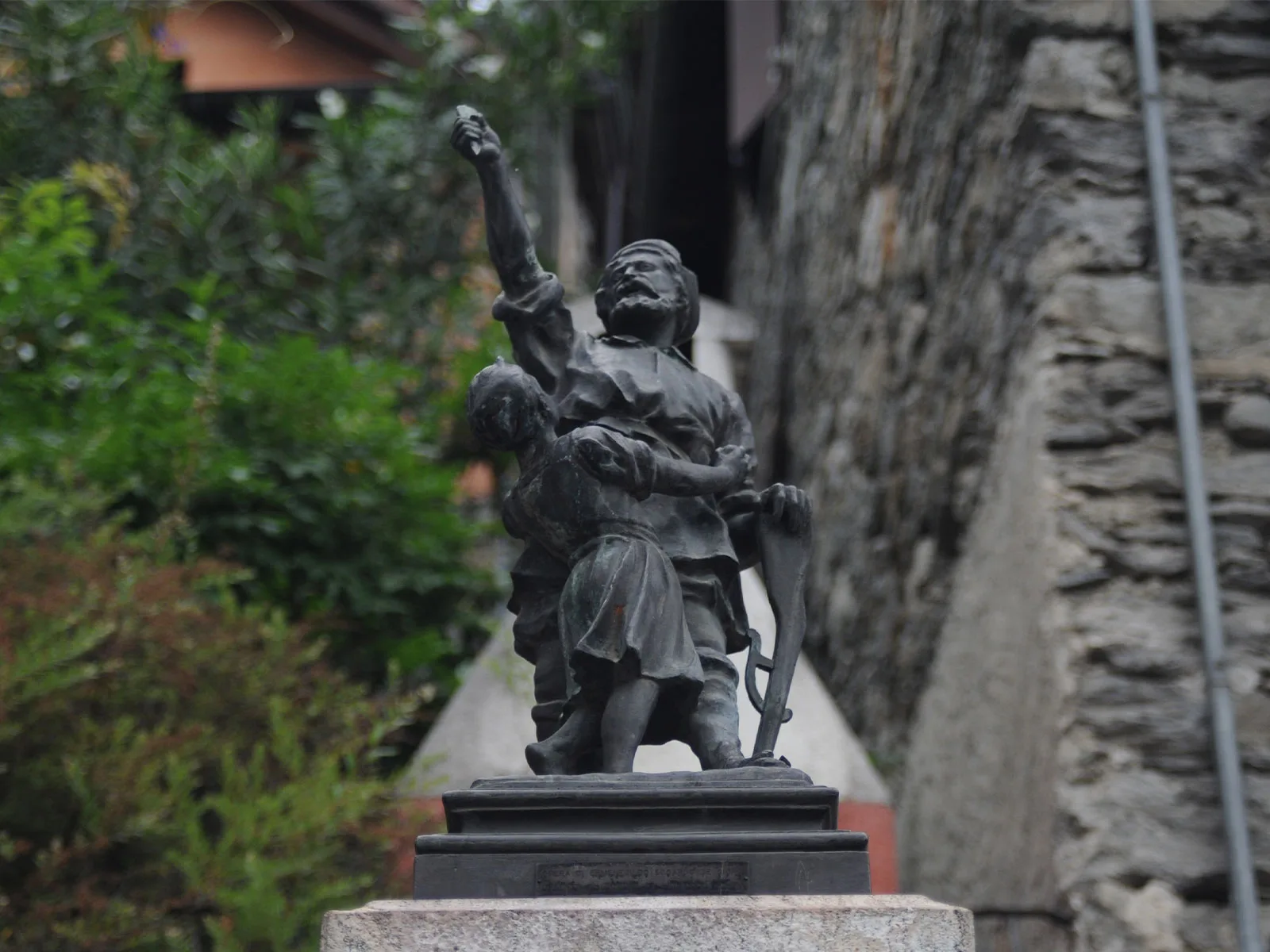
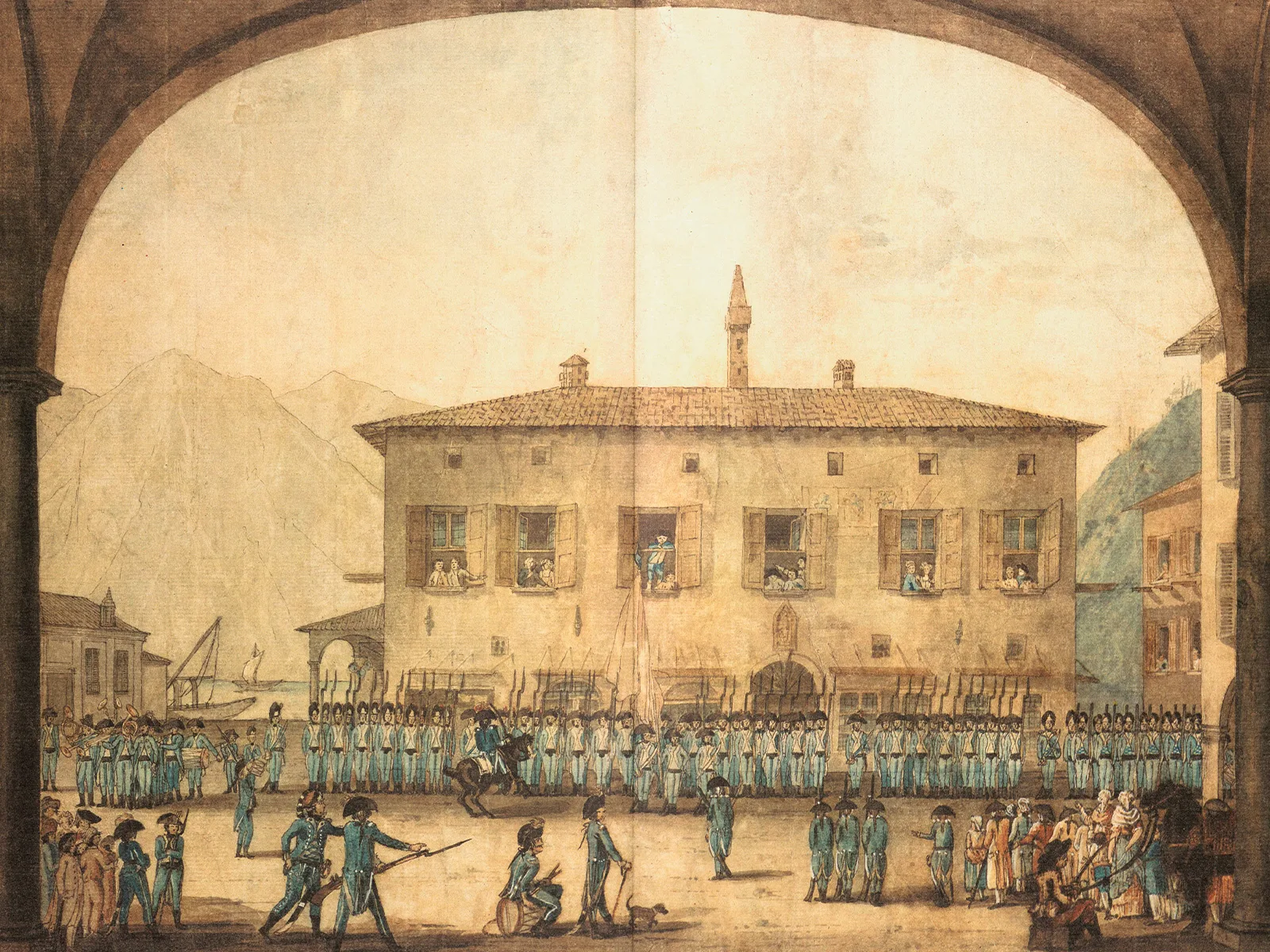
The Ticino government was indignant and vehemently refuted all concerns emanating from Bern as to its loyalty to the Swiss Confederation in a sharply worded letter. To demonstrate its allegiance to Switzerland, the Ticino government reminded the Federal Council of an historic event: 15 February 1798. The government councillors in the canton declared this date as when the canton’s fate was decided. With the Tellenhut on the tree of liberty, the words “liberi e svizzeri” (free and Swiss) and the rejection of the Cisalpine Republic, the canton’s loyalty to the Swiss Confederation had been proved beyond question.