Further into the west
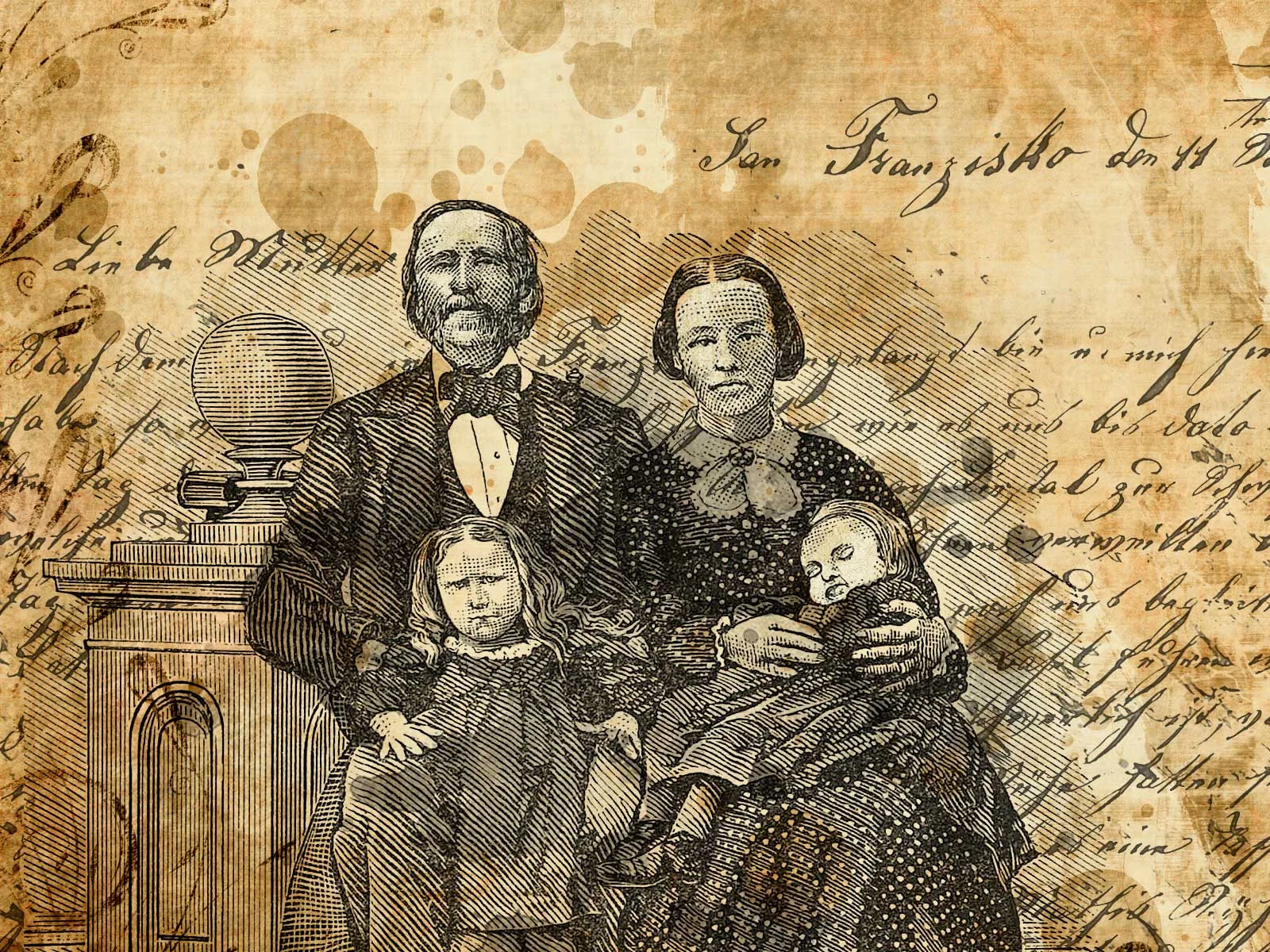
After arriving in America in 1868, Swiss emigrant Rudolf Heer was unable to find work in the east of the country. So he and his family moved further west.

Andrej Abplanalp
Historian and communications chief of the Swiss National Museum.
“The double bottoms in the cases are filled with cigars, because the cases are not inspected very closely and each cigar that costs 5 cents in Glarus costs 10 cents or 1/2 a franc in America.”
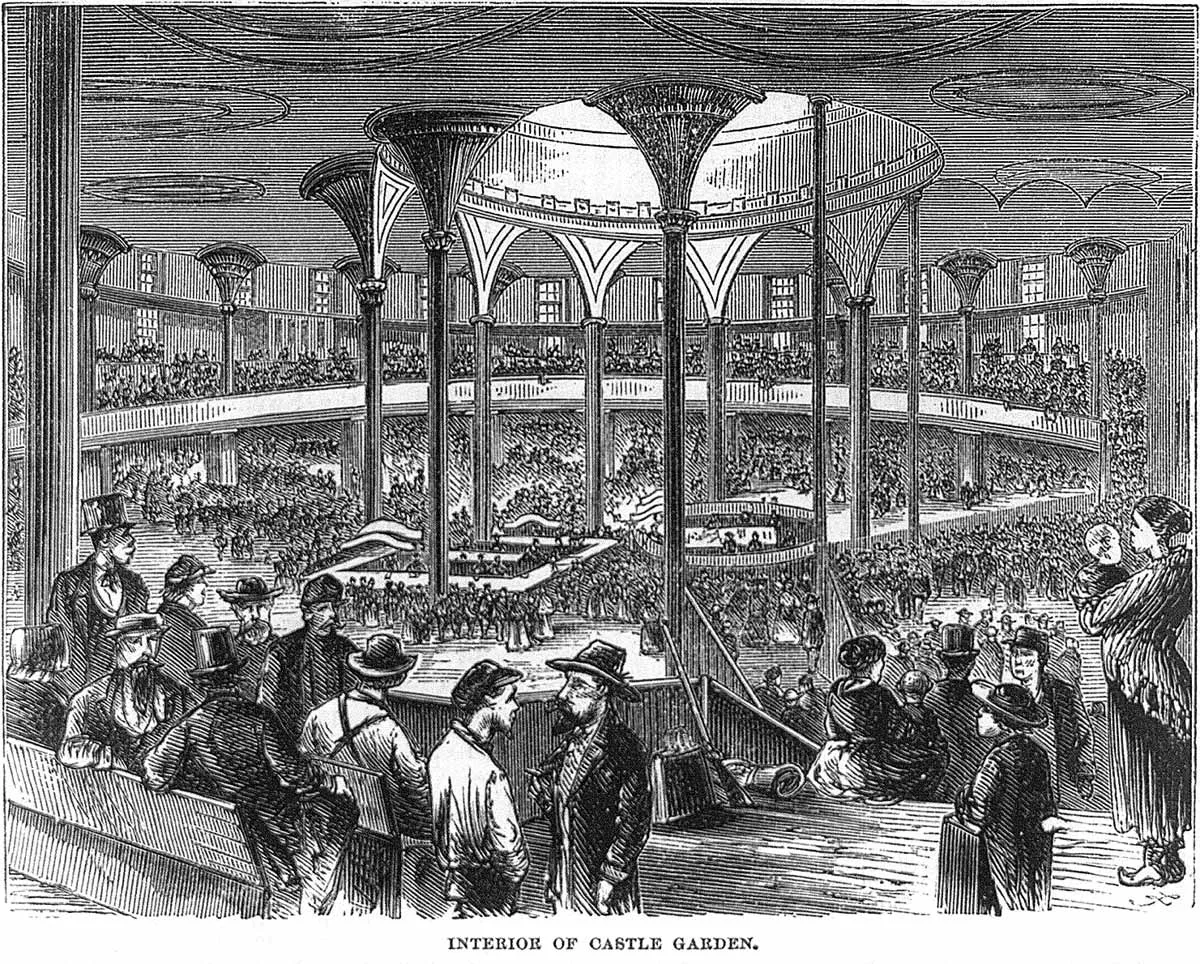
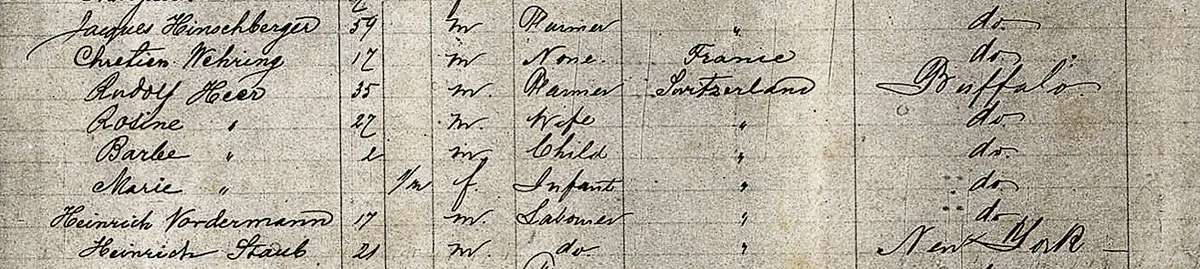
“David came to us in our lodgings and told me I should stay there; he wanted to help me until I got work.”
Letters from the New World
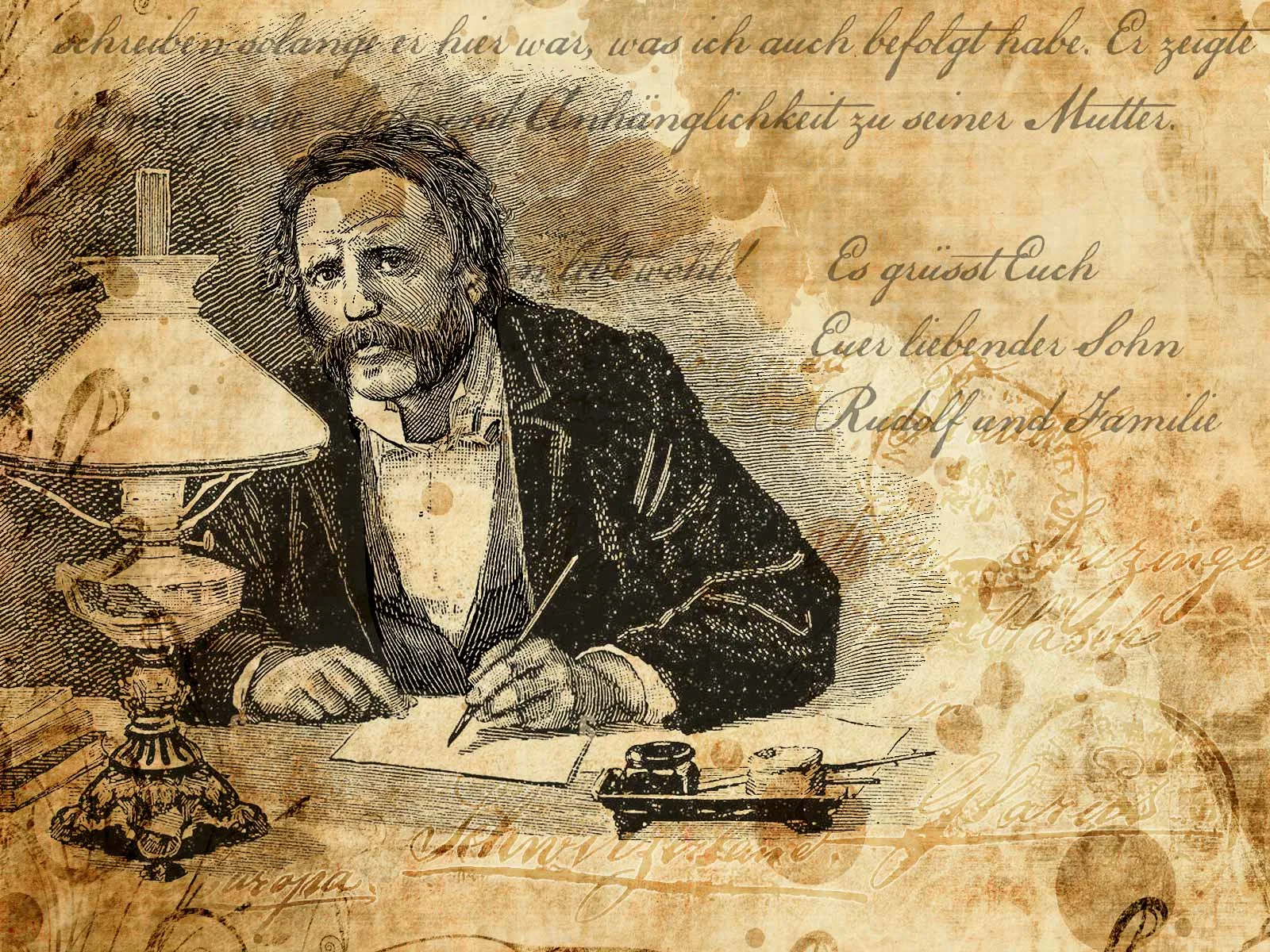
Rudolf Heer emigrated to America from Glarus in the 19th century. Between 1868 and 1872 he sent a total of five letters back to his old homeland. The letters are now in the archives of the Heer family, along with a number of other documents. This article is based on those letters and on research carried out by Fred Heer, a descendant of the Heers who stayed in Glarus.
“Jenni was overcome with remorse that he had left California and he sang that state’s praises in every respect, so I did some reading up about it the following night and in the morning I said to Jenni: If you want, let’s go back to California together.”
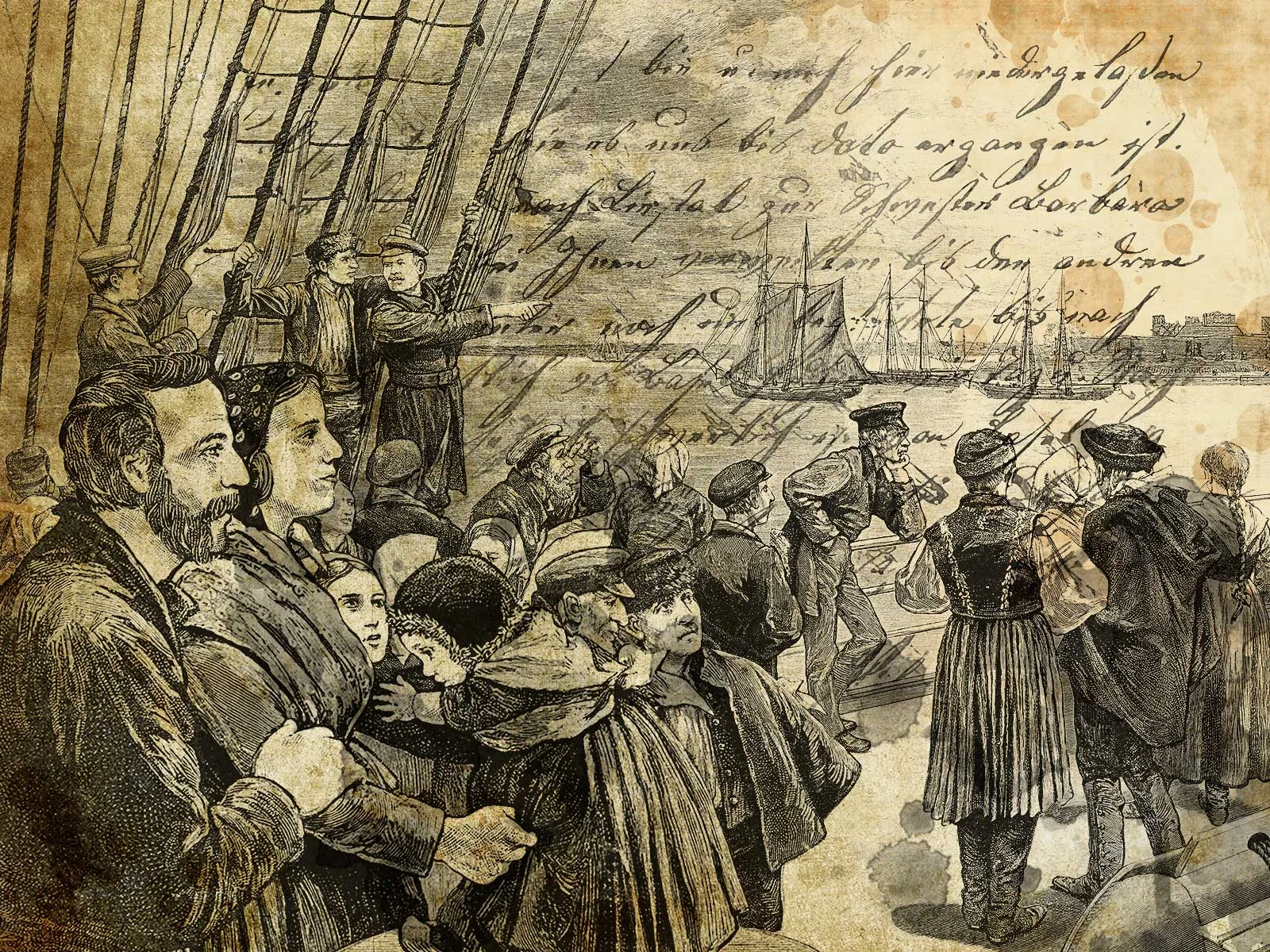
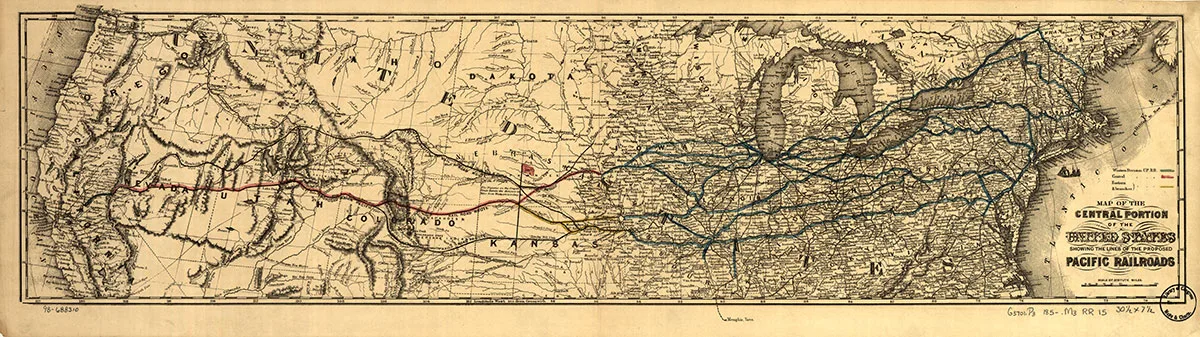
And so the Heer family, together with Kaspar Jenni, set out for California. They opted for the sea route via New York and Panama. Crossing by land would have been possible, but in 1868 the railway line ended in Omaha. It was still several thousand kilometres from there to California. The journey would have taken months and passed through a sparsely populated wilderness.
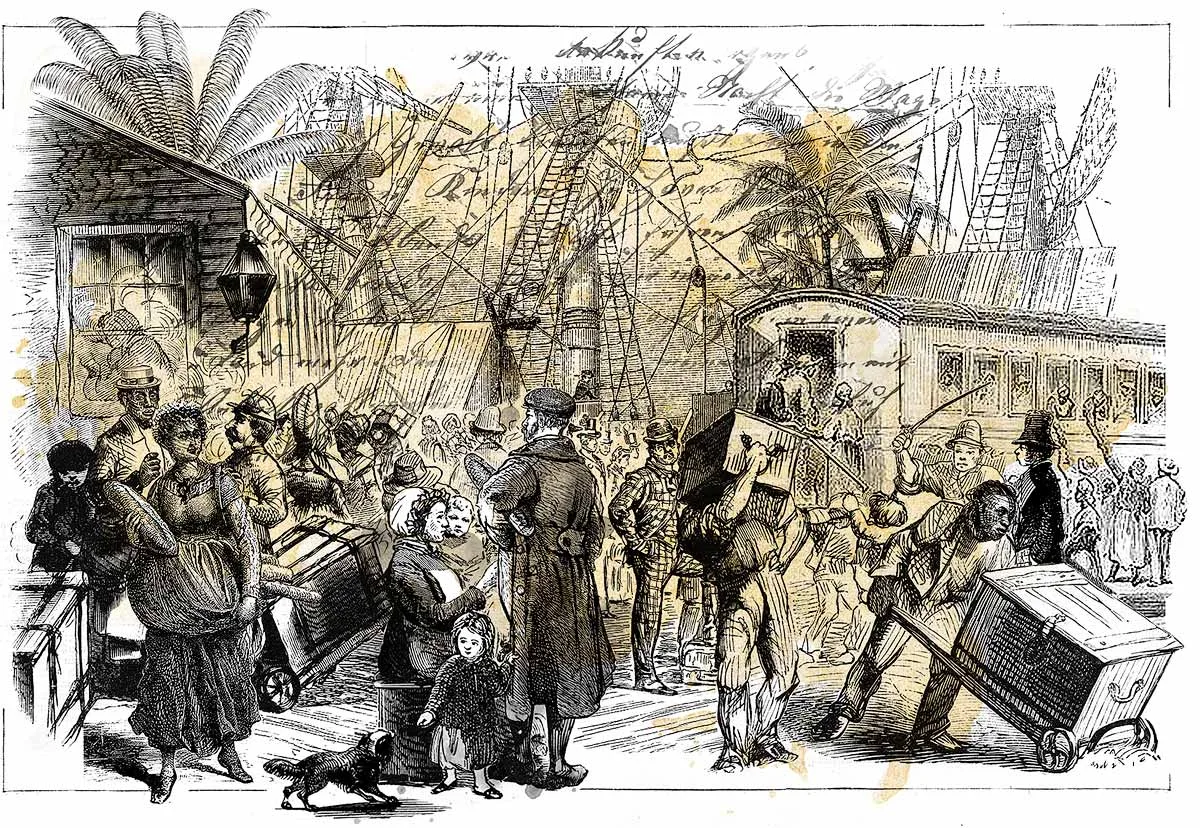
“Aspinwall is a small, dirty town. At the first line of houses there are pavements where the blacks hawk tropical fruits of all sorts, and fleece the passing travellers in a shameful way whenever they can. My means now consisted of just 3 paper thalers, and I have just bought bread here because we’ve been very hungry on this trip and we weren’t given any bread.”
Rudolf Heer’s mother, to whom these lines were addressed, perhaps had great reservations about banknotes or paper money, like many people in those days, and was accustomed to paying in coins. This explains why her son explicitly talks about paper thalers.
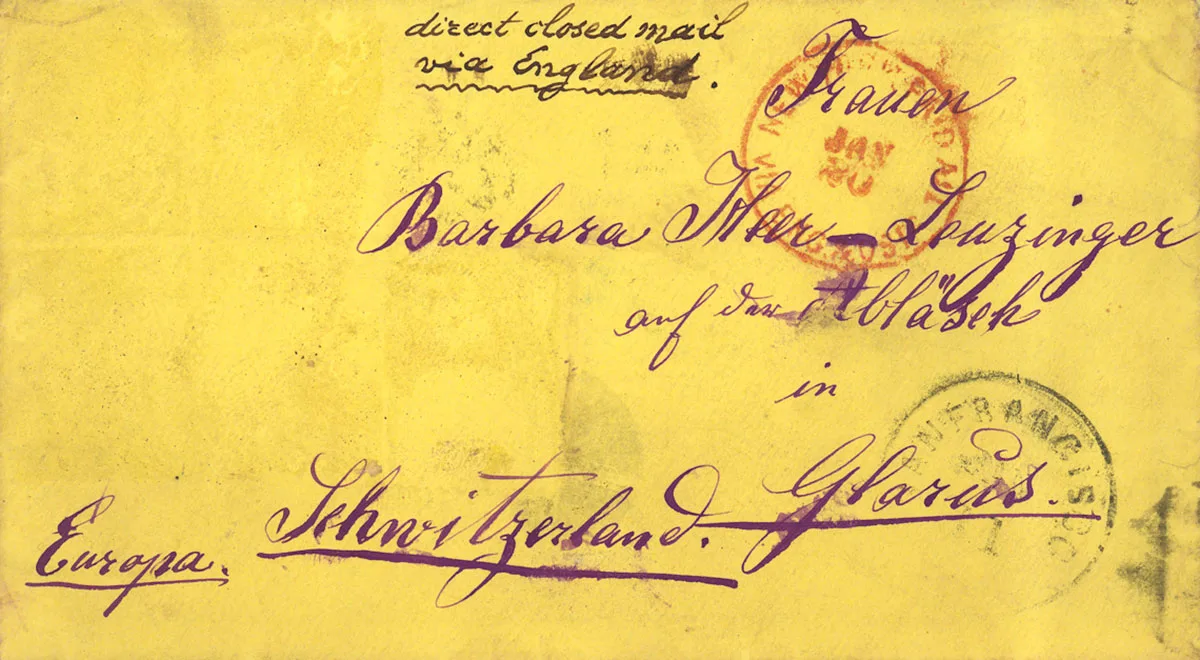
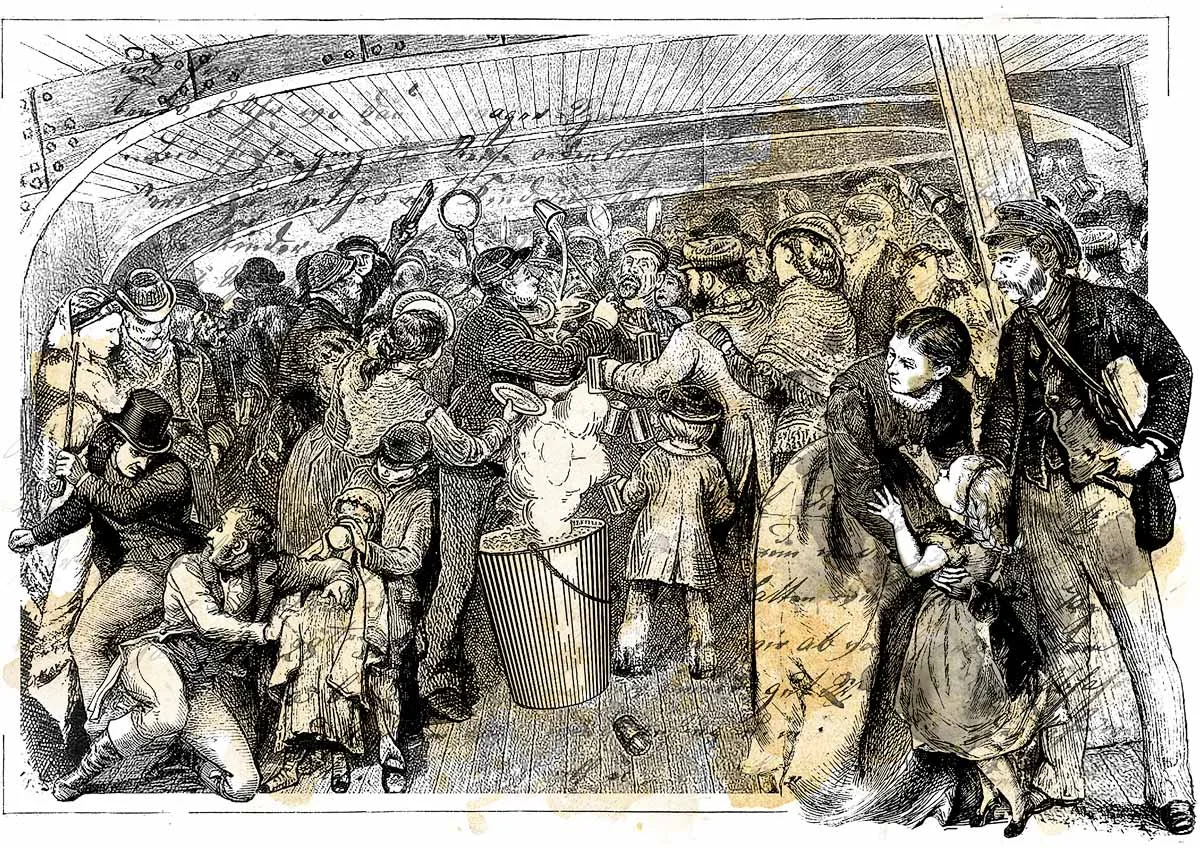
“The journey from Le Havre to New York was a pleasure cruise compared to this one, because from New York to Aspinwall we suffered from great hunger and from Panama to San Francisco it was even worse: there were no potatoes for 10 days, no such thing as bread, nothing but foul-smelling meat, sulphurated rice, Türken (polenta) and rusks and that’s all, and if you wanted to get anything you had to scramble for it.”
The daily battle for the bad food was waged with hands and feet.
“A full hour before the signal is given with a bell, people line up like wolves waiting for their prey, and as soon as the swill is set out in large containers, everyone piles in, everything by hand, and even if it’s still hot they put their hands in it to grab something.”
“I can’t tell you anything yet about the conditions in this country, except that high wages are paid, because a dollar is like a franc in our country.”
Read here, how the Heers’ arrival started with an earthquake, and how Rudolf finally found a job.