Easy come, easy go
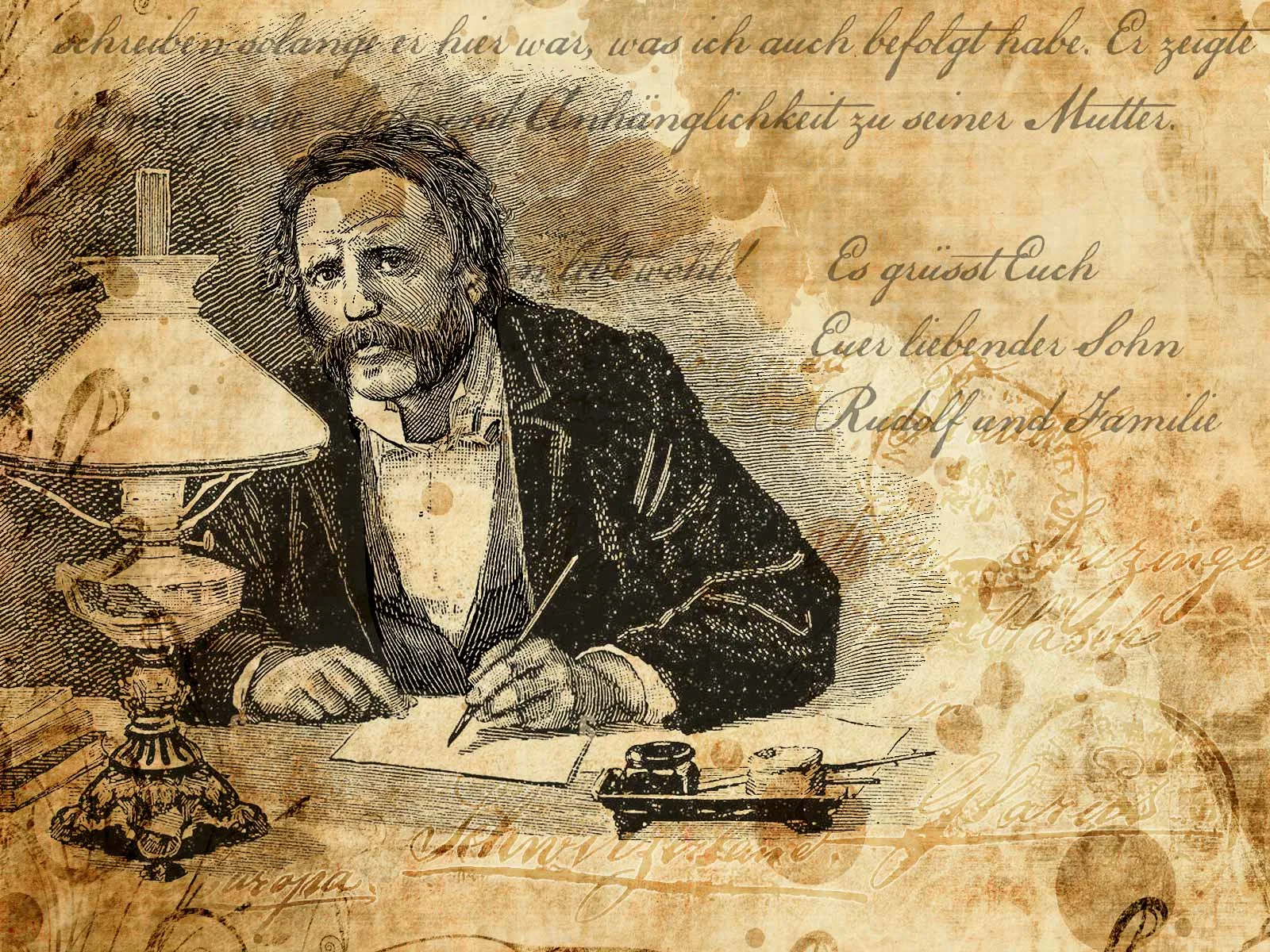
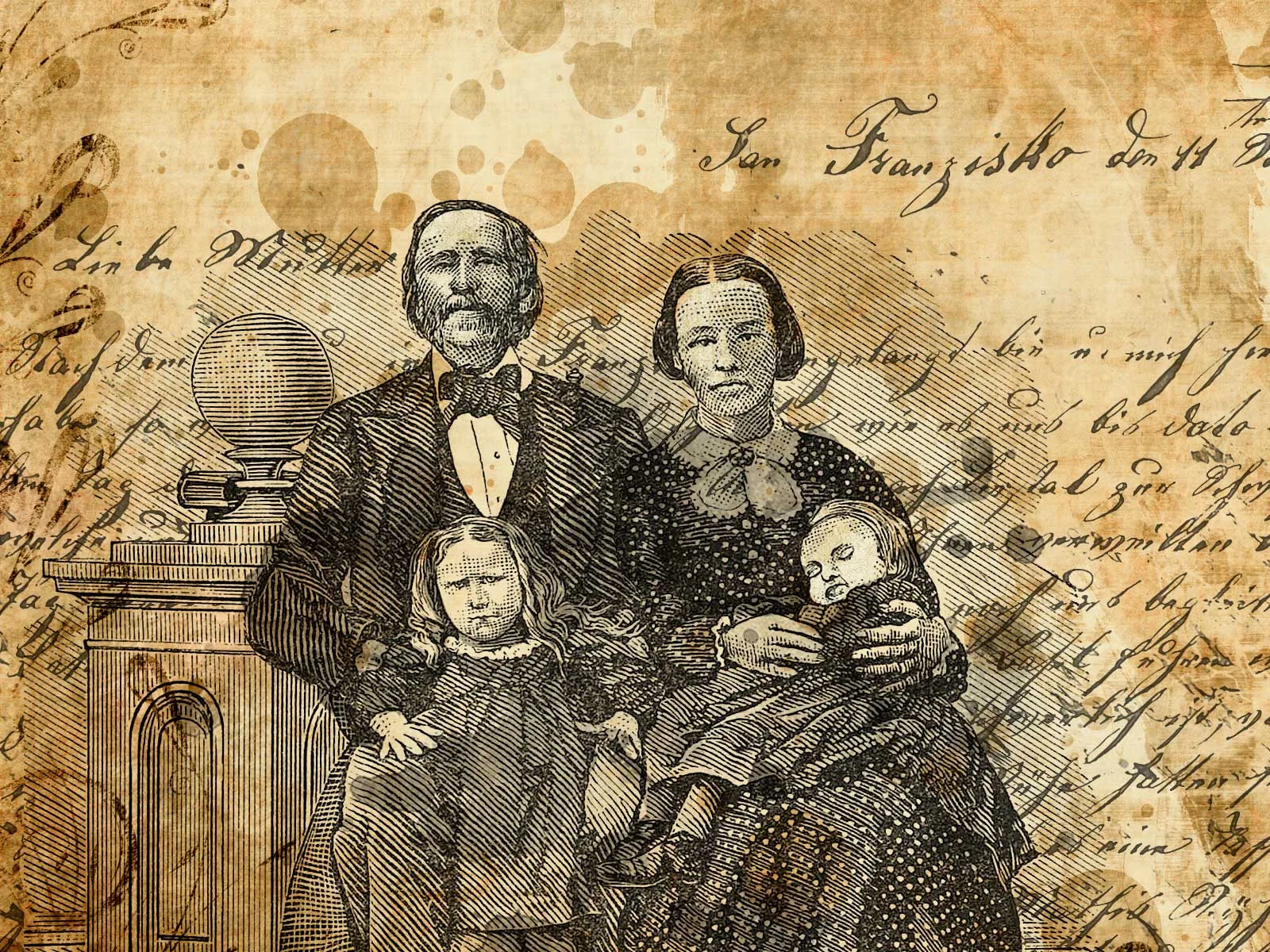
In 1868, Rudolf Heer and his family emigrated to America. In five letters home to his mother he described his life in the New World, allowing us a glimpse into the life of an emigrant.

Andrej Abplanalp
Historian and communications chief of the Swiss National Museum.
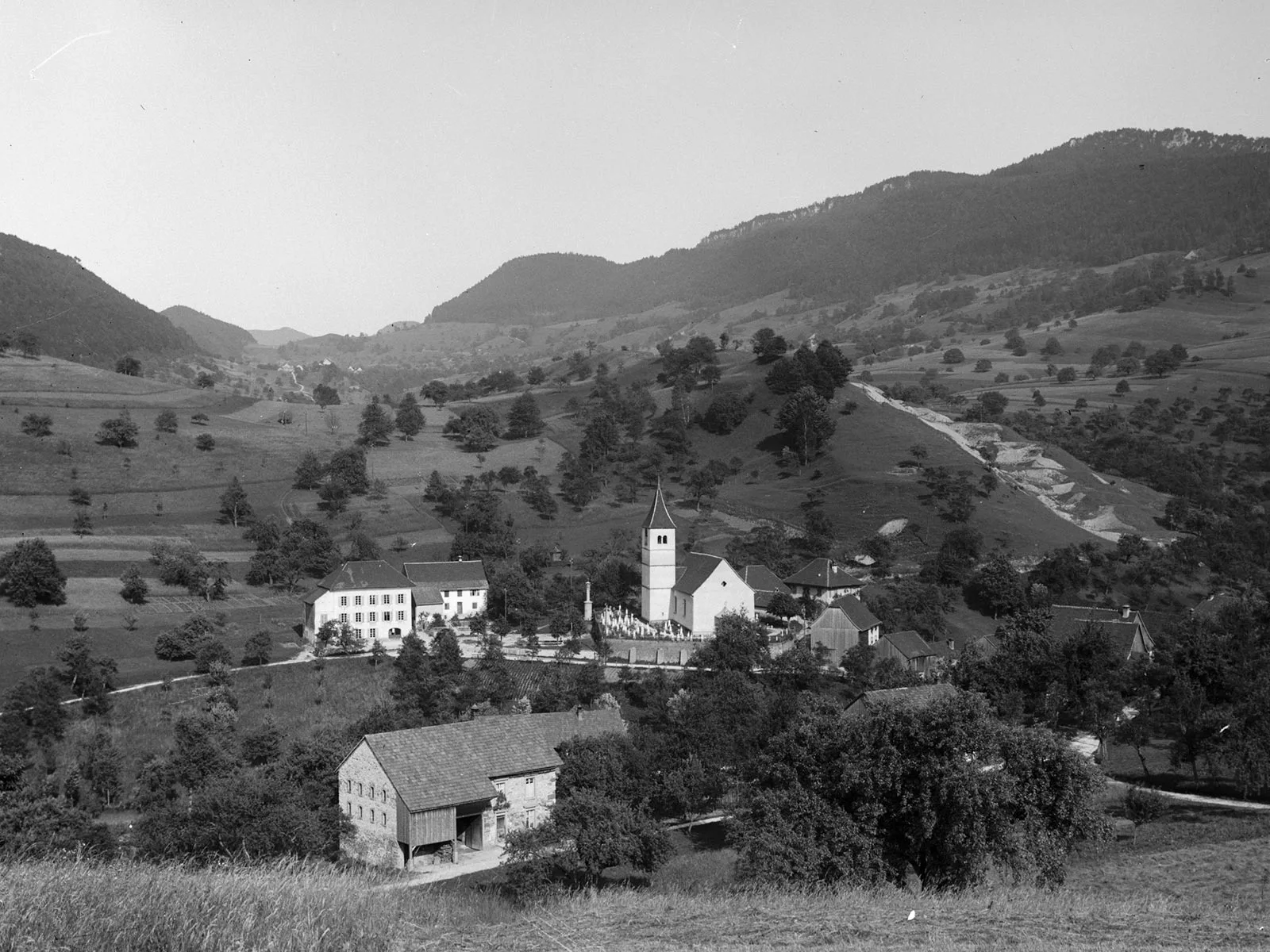
He would have been in an extremely fortunate position. Unlike those of many Glarus residents, Rudolf Heer’s house, the “Stampf”, largely escaped fire damage. Partly because the building had a solid roof of slate slabs, and partly because the mechanic had removed the wooden shutters on the night of the fire, thus preventing the flames from taking hold of the house.
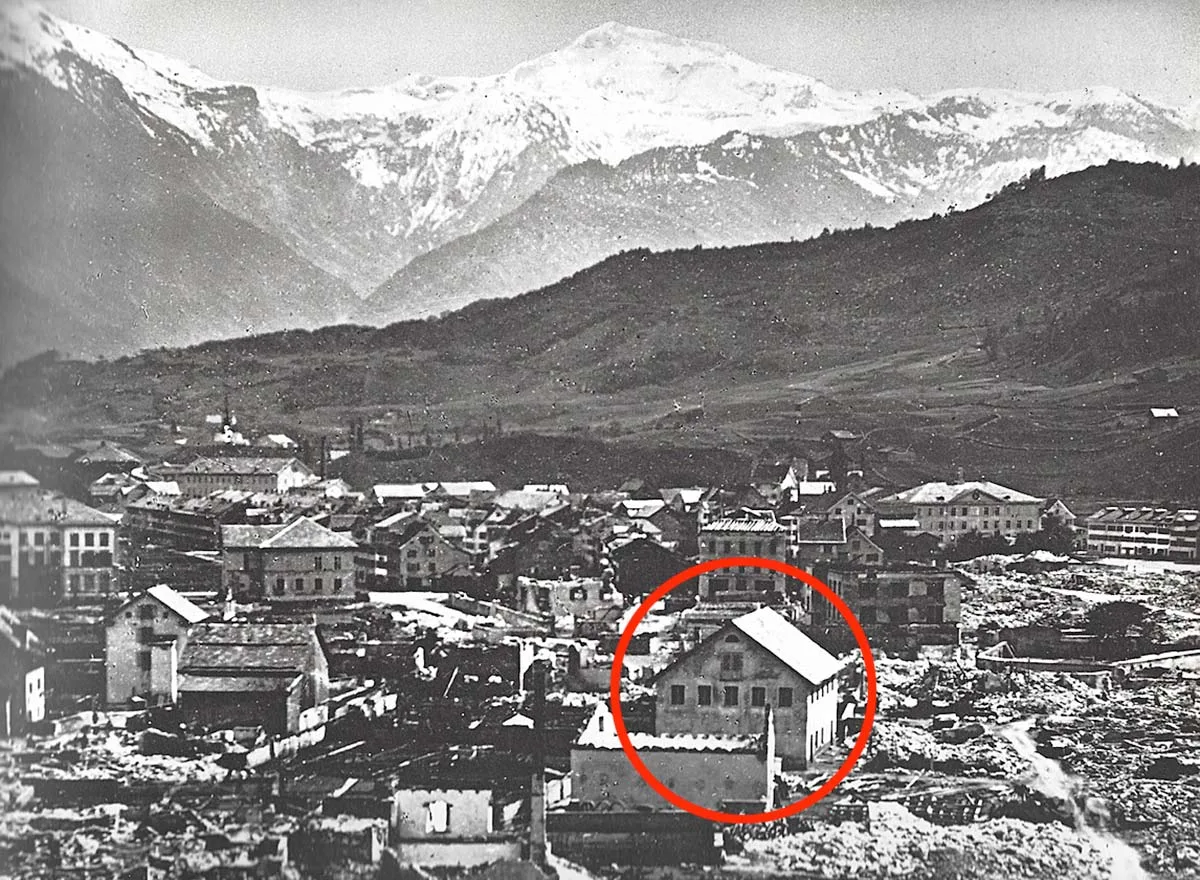
Letters from the New World
Rudolf Heer emigrated to America from Glarus in the 19th century. Between 1868 and 1872 he sent a total of five letters back to his old homeland. The letters are now in the archives of the Heer family, along with a number of other documents. This article is based on those letters and on research carried out by Fred Heer, a descendant of the Heers who stayed in Glarus.
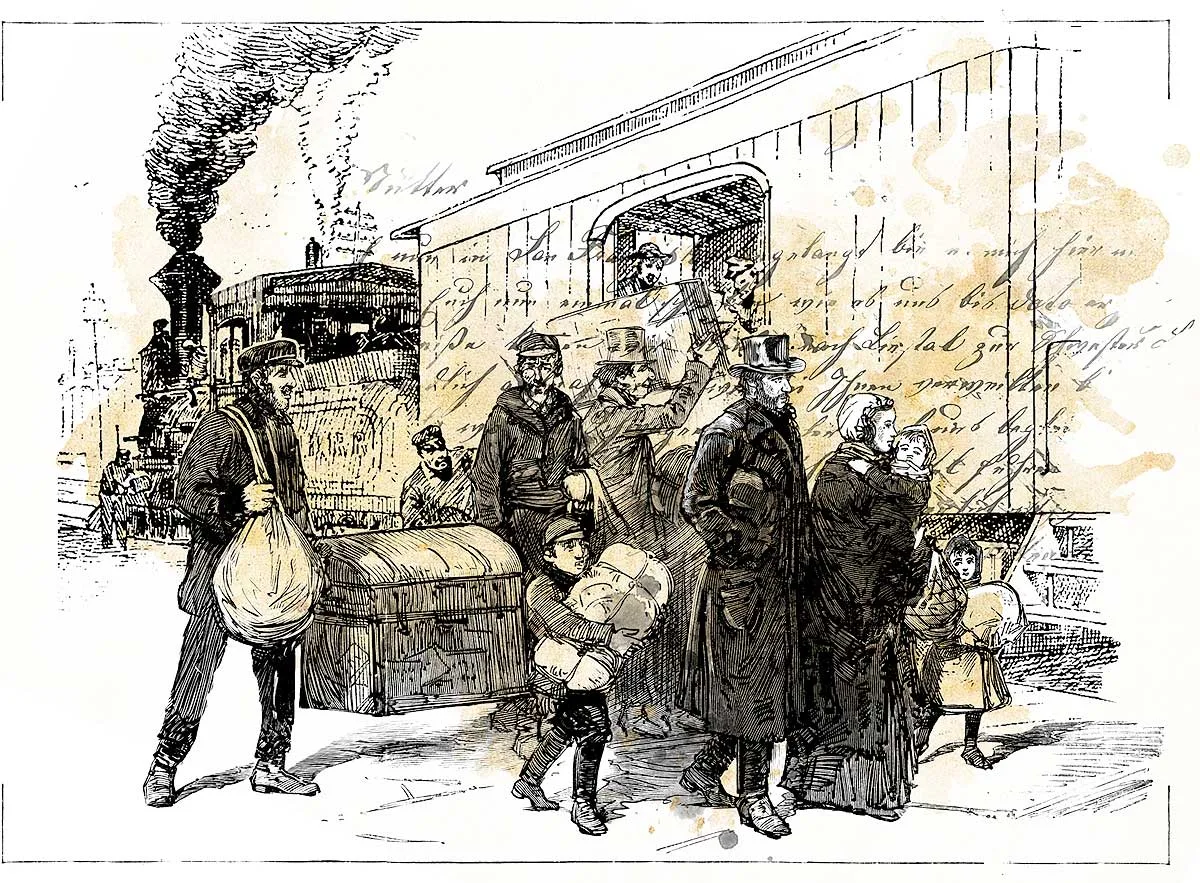
“On the day we left Glarus we got to Liestal in the evening, to my sister Barbara, who welcomed us warmly, and we stayed with her until 5 o’clock the next day, when my brother-in-law Spinnler accompanied us to Basel. So far the journey had gone well. From Basel we travelled for a day and a night to Paris, which is very trying with the children. On the journey onwards from Basel the children were constantly wanting to go home, and we had a lot of trouble soothing them. We arrived in Paris at 4 in the morning. At 12 o'clock in the evening we left Paris for Le Havre. We arrived at 7 a.m. and were very happy because it had been another difficult night. The carriages were crammed so full that I had to use force to get into the same one as my wife and children.”
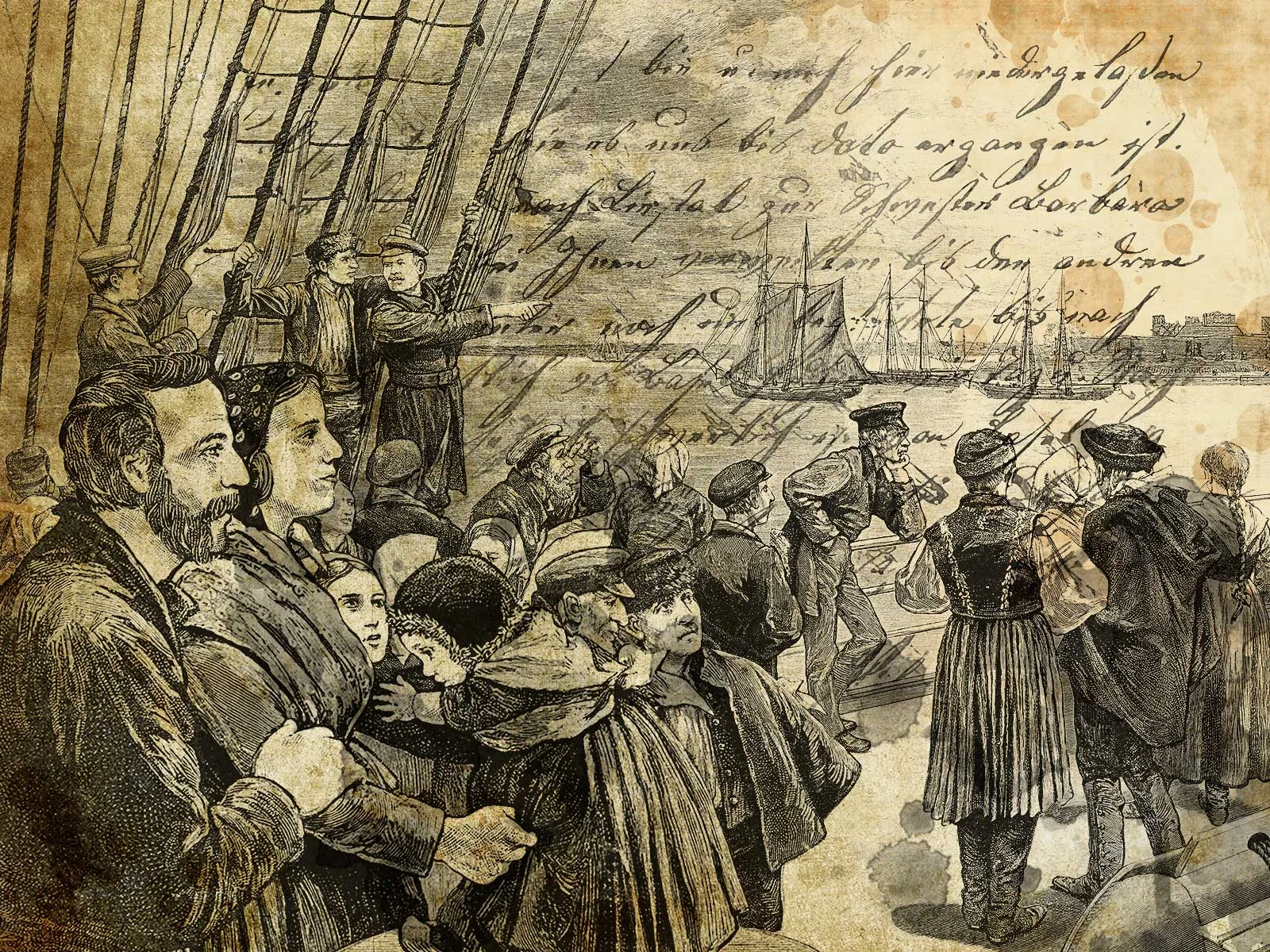
In his first letter from the New World, Rudolf Heer described to his mother the first few days of the journey. They sound stressful and exhausting, and it didn’t get any better. On the ship that was to take the family from Le Havre to New York, conditions were even tougher than in the overcrowded train compartments.
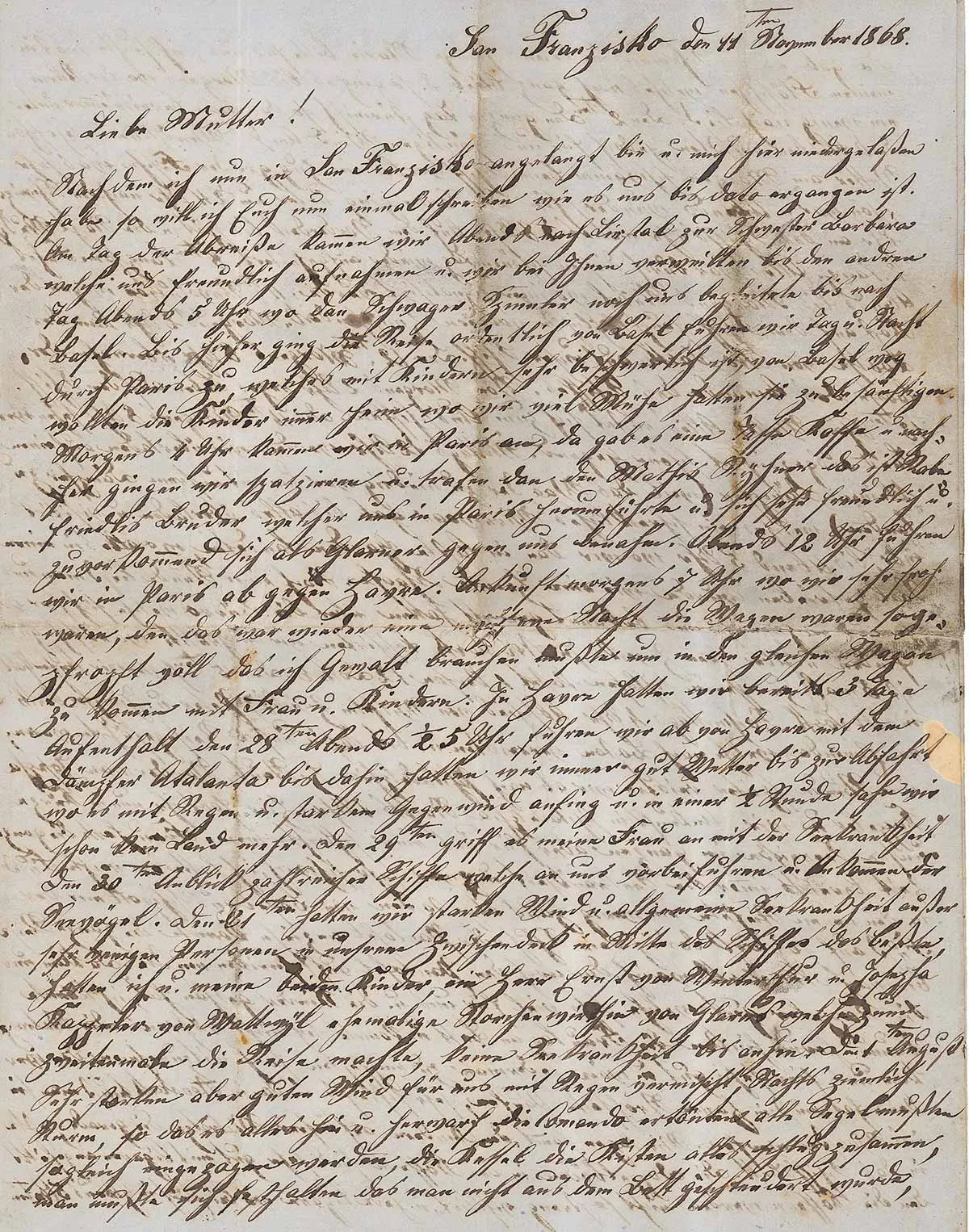
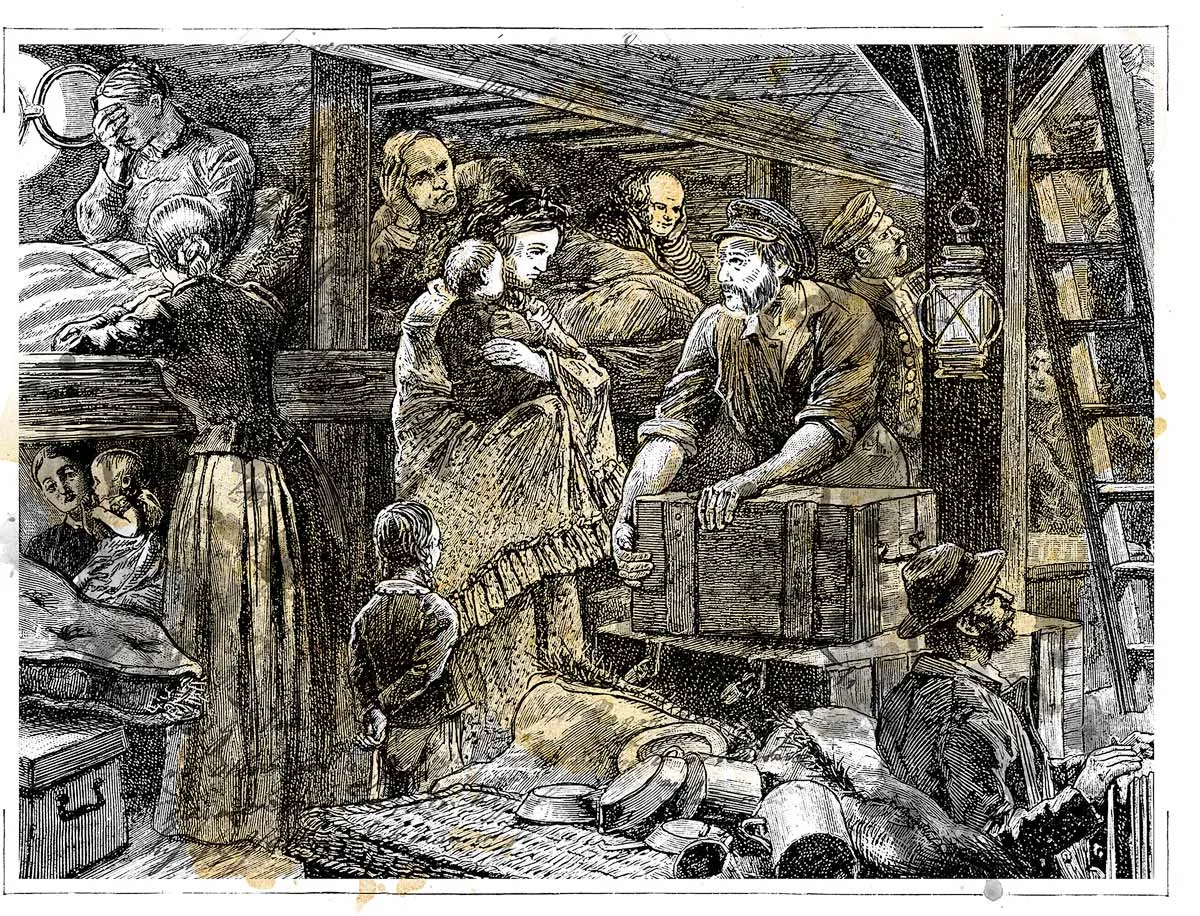
“On the 29th my wife was laid low by seasickness. On the 31st we had strong winds, and general seasickness, except for a handful of people in our steerage section amidships.”
There were also stormy weather conditions, which was very hard on the passengers in steerage:
“There was quite a storm at night, with everything being hurled back and forth, the order was given for all the sails to be lowered at once, the coppers and boxes were all banging together, you had to hold on so that you weren’t thrown out of bed. There was such screaming and praying – Holy Mary, pray for us. I sought solace in my bottle, which was still whole, and so it went until morning, when the storm abated a little.”
“On the 14th (August) at 8 o’clock in the morning we see land, a wonderfully beautiful place.”
Read here, how the Heers set foot on American soil, and soon decided to keep moving westwards.