From “glaring difference” to a system of units
Measuring with the same yardstick: for a long time, this was the exception rather than the rule. Until the end of the 19th century, a dizzying array of different units was used in Switzerland for weighing and measuring. Even the time of day varied from one place to the next.

Guido Balmer
Guido Balmer is the communications officer for the department of regional planning, environment, mobility and infrastruture of the canton of Fribourg and a freelance communications professional.
Unique to the locality
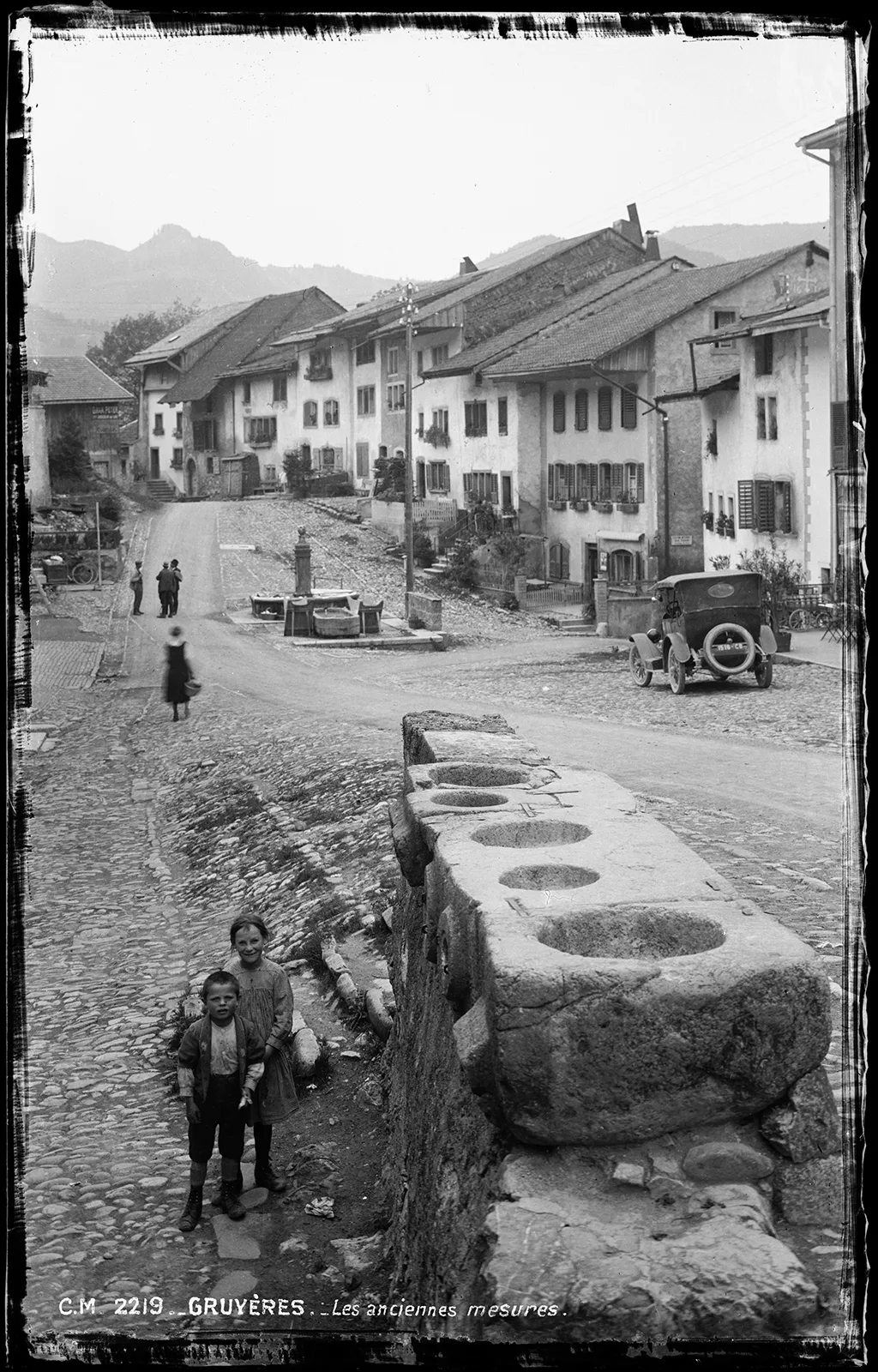
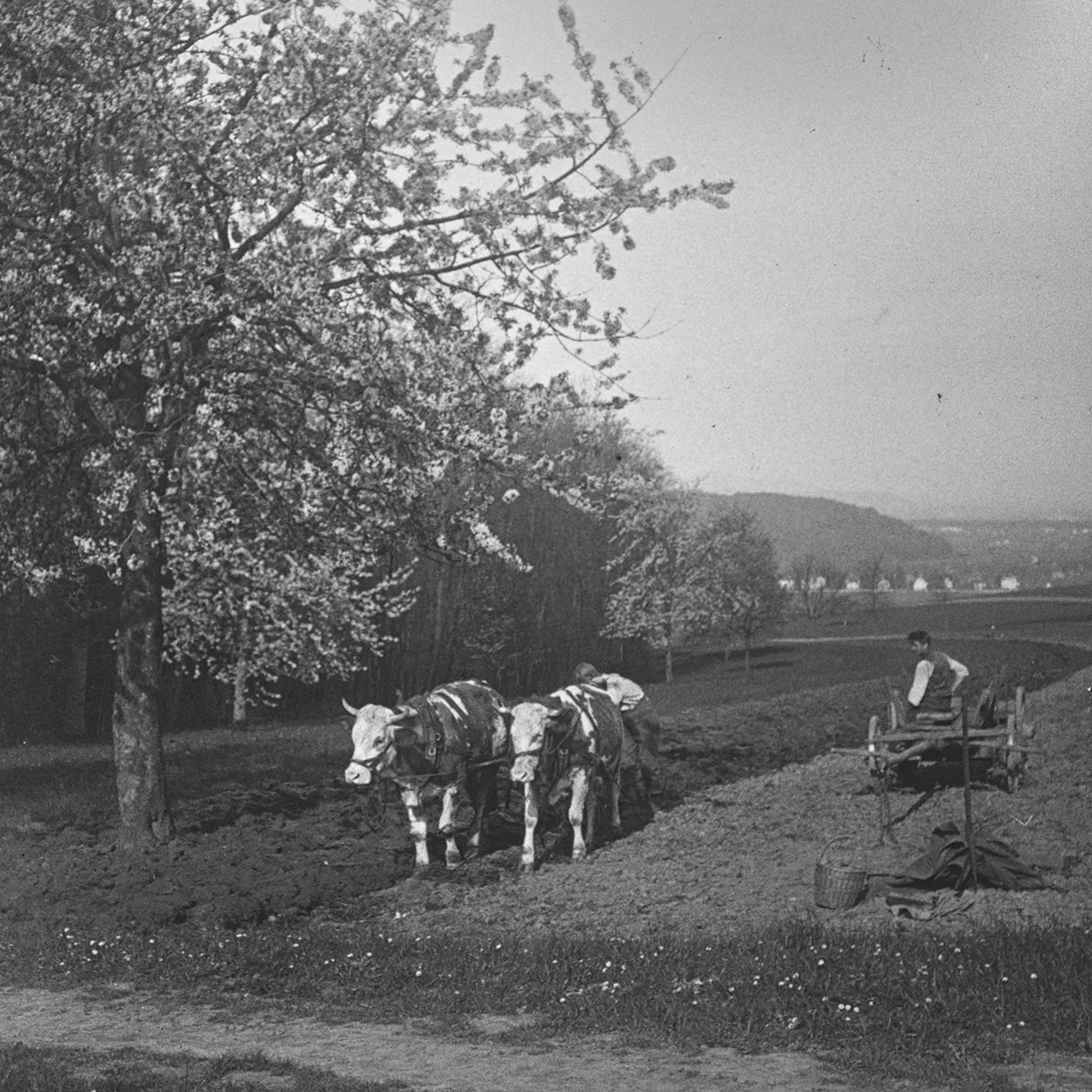
There were also measures for viticulture based on estimating the work performed within a set time period, e.g. a Mannschnitz or ouvrier. And, in the Alpine pastures, in addition to these types of units of area measurement there were also similarly conceived yield measurements: a pasture’s yield capacity was estimated according to the number of cows that could be grazed there in summer.
Measures with different lengths
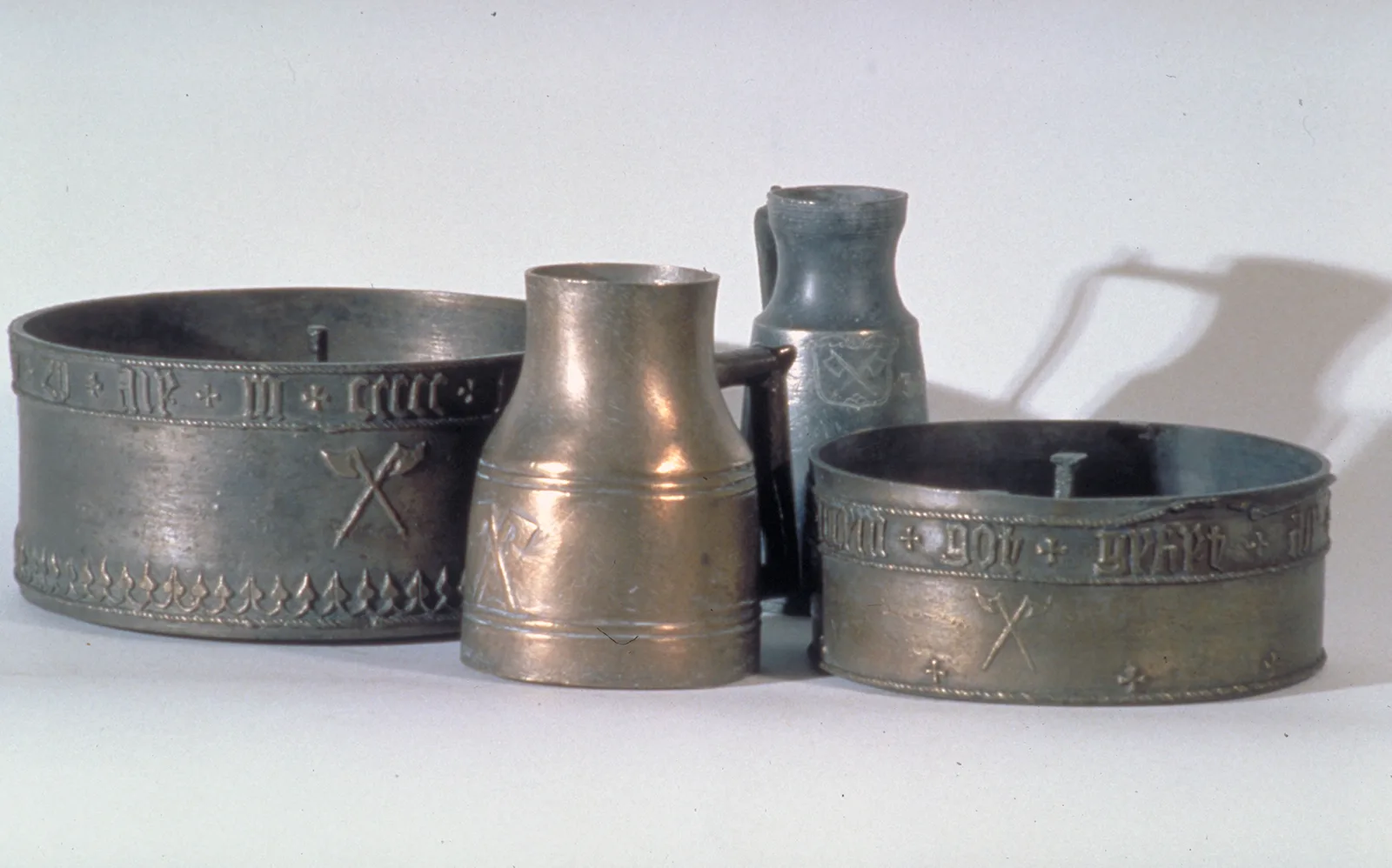
In 1834, the statistician, geographer and historian Franz Kuenlin, member of the scholarly not-for-profit organisation Swiss Society for the Common Good (SGG) and the Academy of Sciences, Humanities and Arts of Lyon, wrote the following in his work ‘Gemälde der Schweiz’ [‘Paintings of Switzerland’]: “It is notable, however, that the various measures are not uniform everywhere.” And: “How necessary it is to ensure that this oft glaring difference disappears sooner rather than later.”
The revolution from France
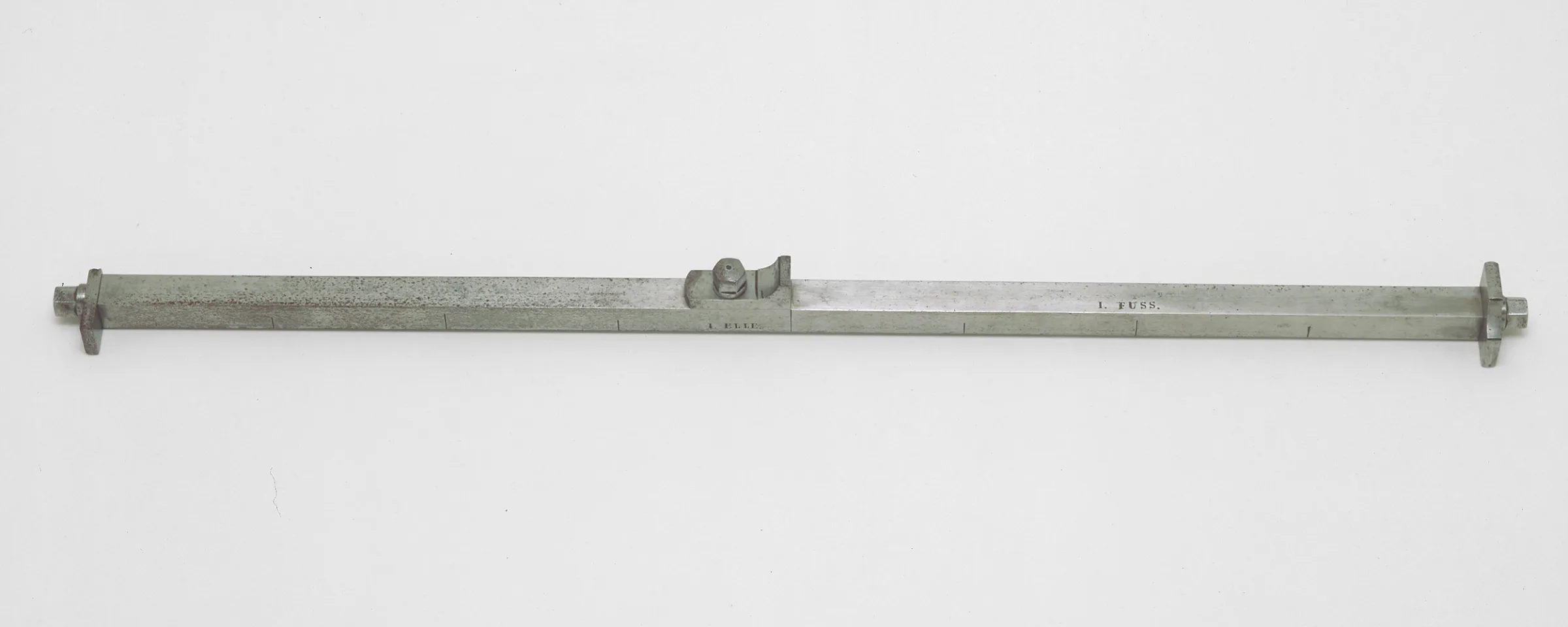
Nonetheless, in 1835 there was a concordat of 12 cantons regarding a “shared set of Swiss rules on measures and weights” that, in 1839, put this law into practice. Furthermore, the Swiss Constitution of 1848 stated: “The Confederation will introduce the same measures and weights across the entire Confederation on the basis of the existing Federal Concordat.”
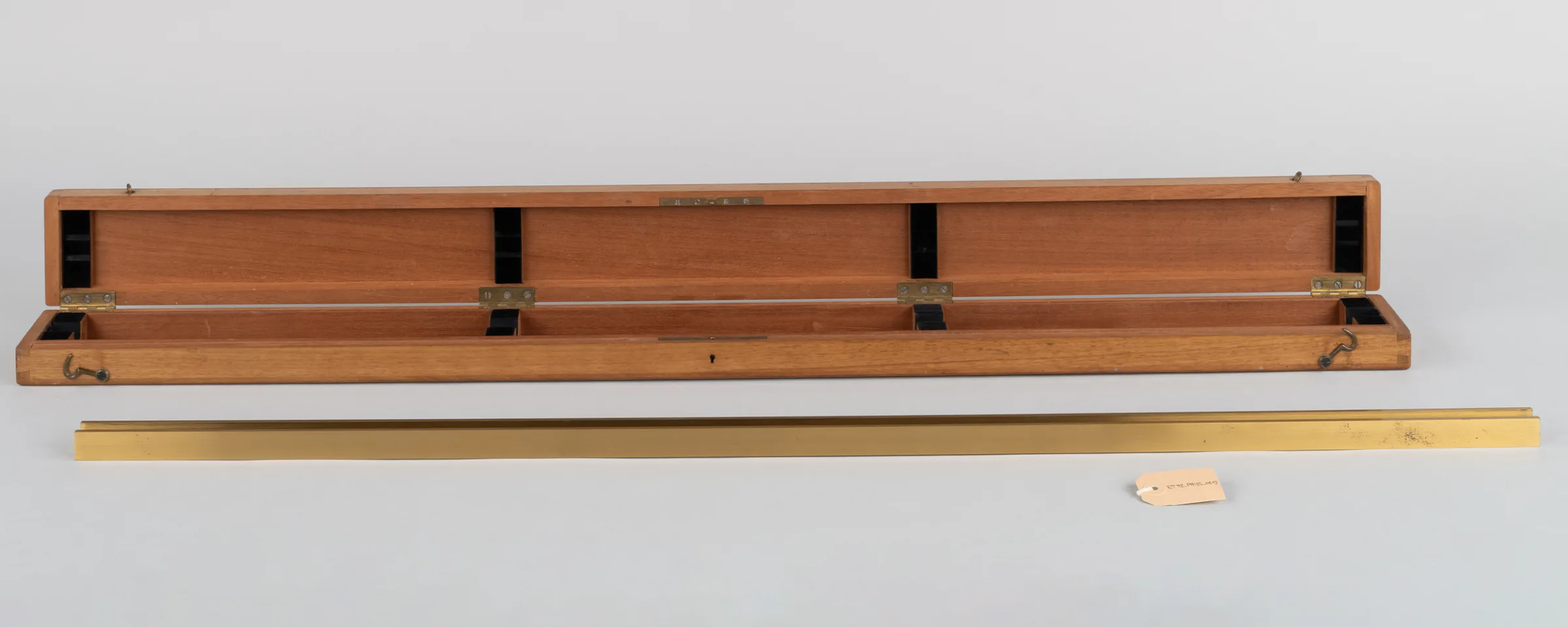
This nevertheless initially remained wishful thinking, because western Switzerland, southern Switzerland and the canton of Uri persisted with their systems. Different systems therefore continued to coexist. It was only in 1875, when Switzerland joined the Metre Convention – the forerunner of the SI – that weights and measures were standardised throughout the country.
Finally, time also fell into step
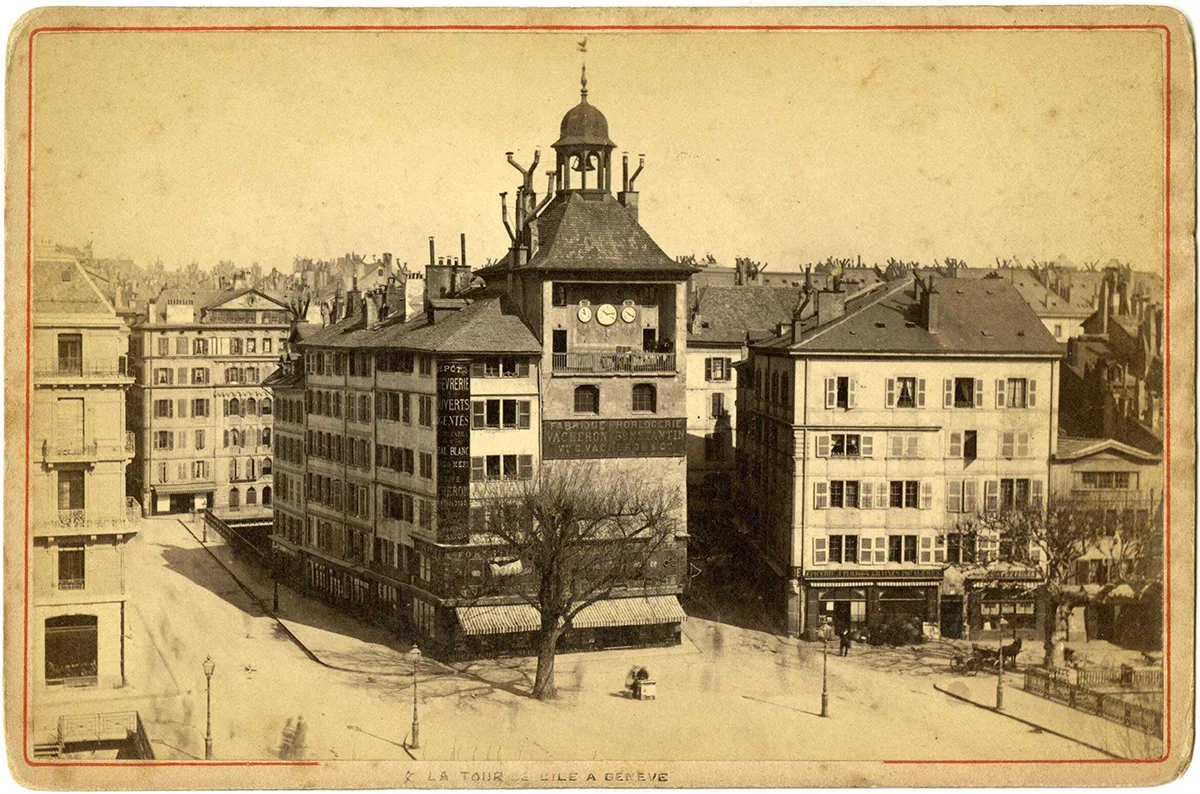
Those who wanted to travel by train from or via Geneva, for example, always had to keep three times in mind: the local time in Geneva; Berne time, which the Swiss trains operated on; and Paris time, which the French trains ran on. The Tour de l’Ile landmark in the centre of Geneva therefore clearly displayed three clocks for everyone to see: Paris time, Geneva time and Berne time.
From the middle of the 19th century, first the USA then the United Kingdom and other countries adopted coordinated time zones based on the Greenwich meridian. On 1 April 1892, the neighbouring countries around Switzerland adjusted to common central European time. In a report to Parliament on 17 June of the same year, the Swiss Federal Council subsequently expressed the view “that the circumstances do not permit making Switzerland into an island in the tumultuous seas of commerce”. Since 1894, Switzerland too has had a standardised system of time in place; since 1978 the International System of Units has applied for all weights and measures.