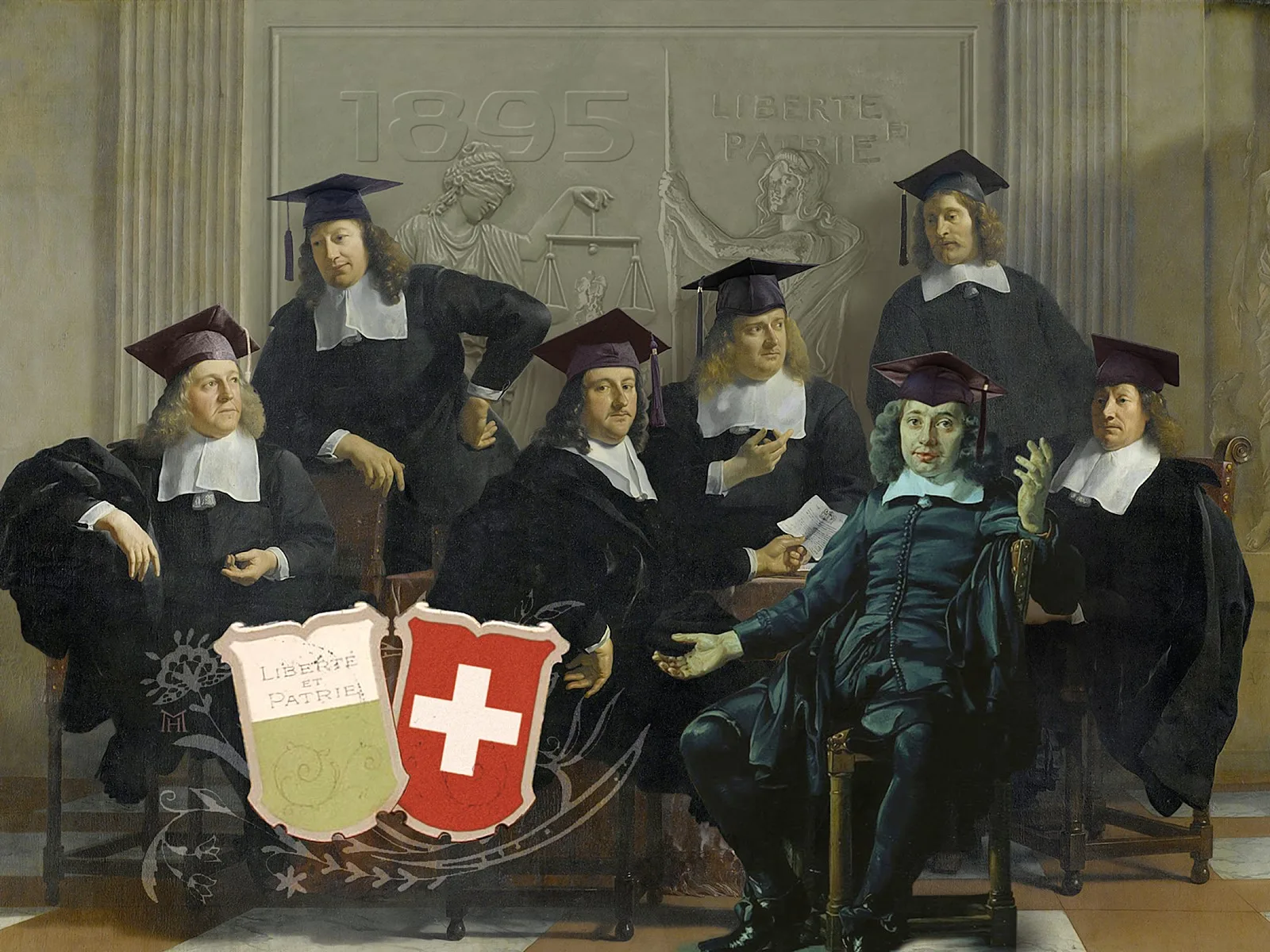
Privacy – a contested fundamental right
The Federal Constitution guarantees the right to privacy. Yet, time and again, this fundamental right has been restricted – in state security, the education system and taxation.

Martin Lengwiler
Prof. Martin Lengwiler is professor of modern history at the University of Basel. His research interests include the history of the welfare state and the economic history of the insurance industry.
Privacy as a fundamental right is a new phenomenon, only being added to the Federal Constitution in 1999. But as a widely-recognised guiding principle, the idea is much older, and harks back to the 19th century. At the time, the right to privacy was closely linked to the idea of the republican citizen. Privacy protected the free citizen from the intervention of a powerful (read: authoritarian, absolutist) state. For example, the 1889 German-language encyclopaedia Meyers Konversationslexikon defined the term ‘private’ as ‘what is contrary to public life’ and the private sector as distinct from the ‘state economy’ or ‘public sector’. Civil liberties, which emerged in response to the growing power of absolutist states, were historically closely linked to the right to privacy.
The history of the modern federal state and the expansion of its powers have consistently clashed with the civil right to privacy. A good example is the taxation system in the Helvetic Republic, in other words before the establishment of the federal state in 1848. The attempt to set up a modern tax and duty system failed in the early 19th century, not least due to a radical notion of civil tax secrecy. In Basel, officials were only allowed to set up a box when collecting taxes, but not to check the amount that taxpayers actually deposited in it. The taxes were handed in in a sealed envelope, without being inspected by the public official. Those who inserted the correct amount of tax were apparently mocked by their fellow citizens. Many counterfeited coins would regularly end up in the box.
It is therefore no coincidence that the 1848 Federal Constitution only had to settle a conflict between the state and privacy in one area – the postal system. The Constitution bolstered the position of private citizens and guaranteed the ‘inviolability of postal secrecy’.
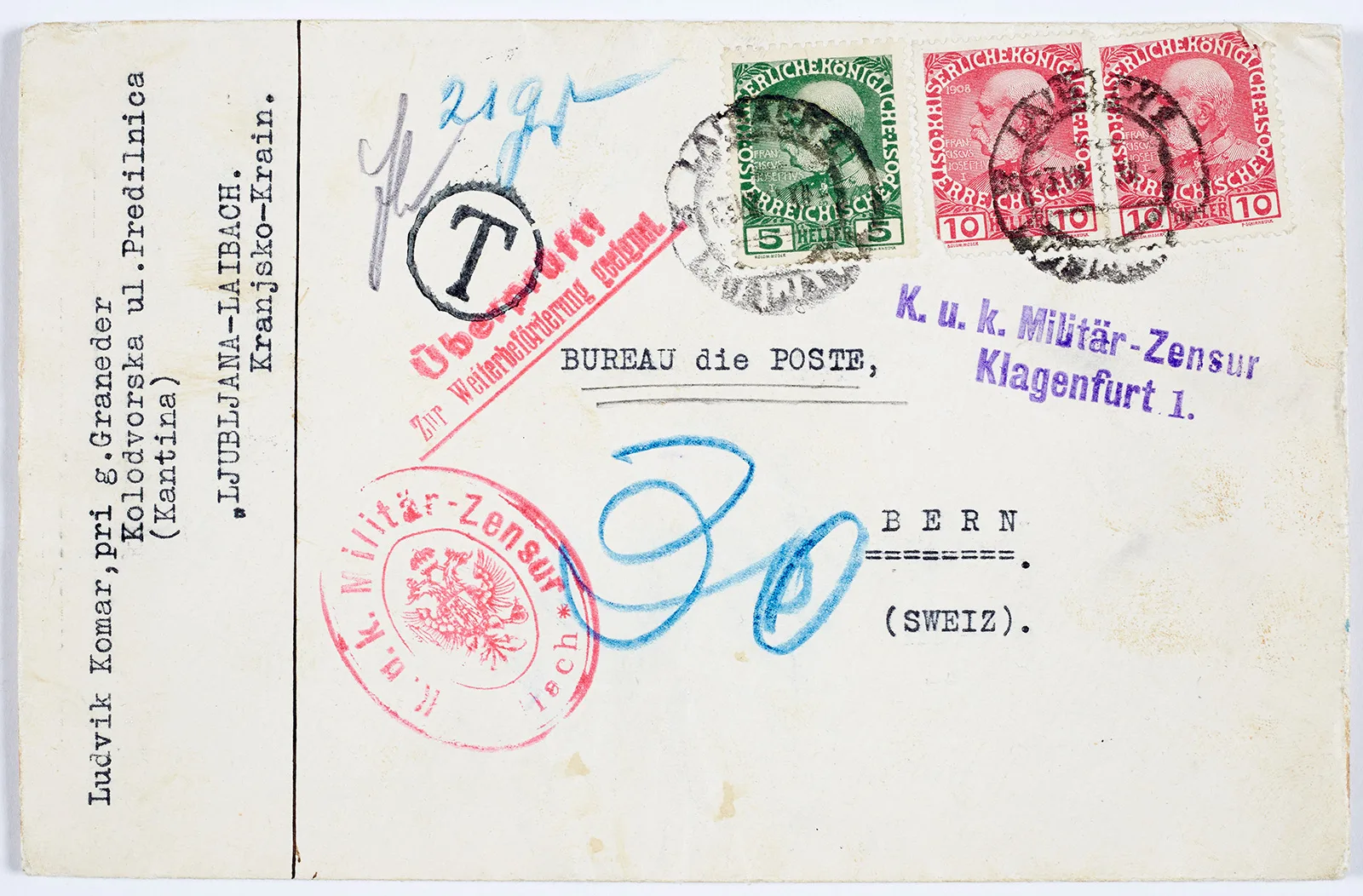
Over the course of the 20th century, the right to privacy has been contested and restricted – at least temporarily – in four areas of state action, ranging from state security to taxation and from education to new technologies.
The national security agency had existed since the establishment of the federal state in 1848 to secure law and order. It targeted individuals and groups who were accused of subversive acts and who therefore had to be monitored using similar methods to those used by the military intelligence service. In the 19th and early 20th centuries, when the federal state was still relatively weak in terms of federalism, state security was a marginal activity. However, from the inter-war years, and particularly during the Cold War, state security activities were significantly stepped up. Foreign and left-wing or radical left-wing groups – almost a million people in total – were systematically placed under surveillance, mostly without their knowledge. When the scale of the spying activity was revealed after the end of the Cold War, culminating in the secret files scandal, the federal government could no longer avoid overhauling state security, subjecting it to greater supervision and thereby reinforcing the privacy of those who were placed under surveillance.


Every person has the right to be protected against the misuse of their personal data.