The human right to be cold
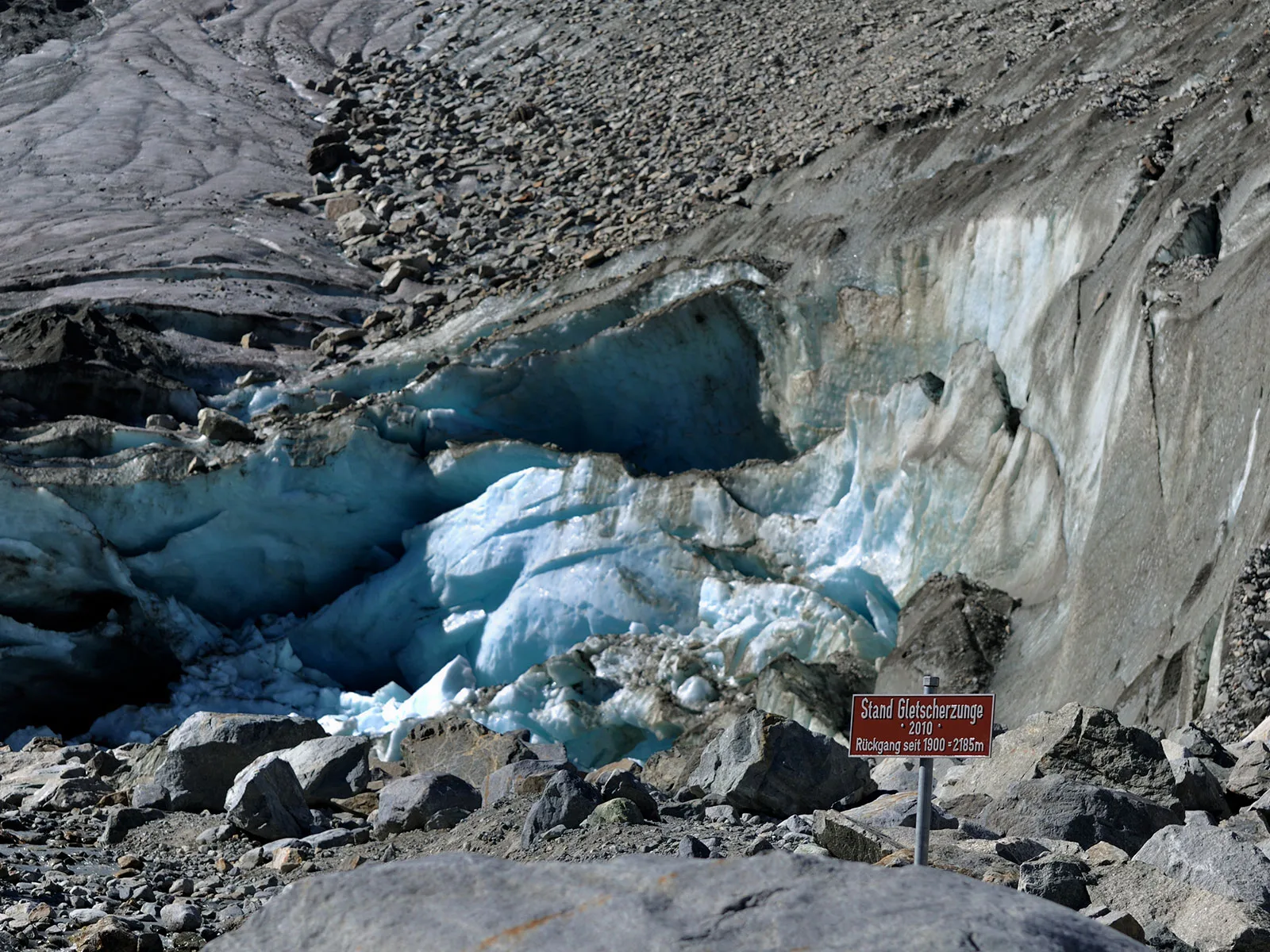
The climate-induced melting of Switzerland’s glaciers is not just an environmental issue, the legal implications are also huge. National sovereignty, the cornerstone of fundamental constitutional rights, is suddenly on thin ice (pardon the pun). Climate change impacts a whole host of international human rights. This raises the question of how we in Switzerland can guarantee the next global generation’s right to be cold irrespective of national borders.

Debjani Bhattacharyya
Prof Debjani Bhattacharyya is a historian and holds the Chair of the History of the Anthropocene at the University of Zurich. Her research focuses on the interface between climate history, legal history and the Anthropocene.
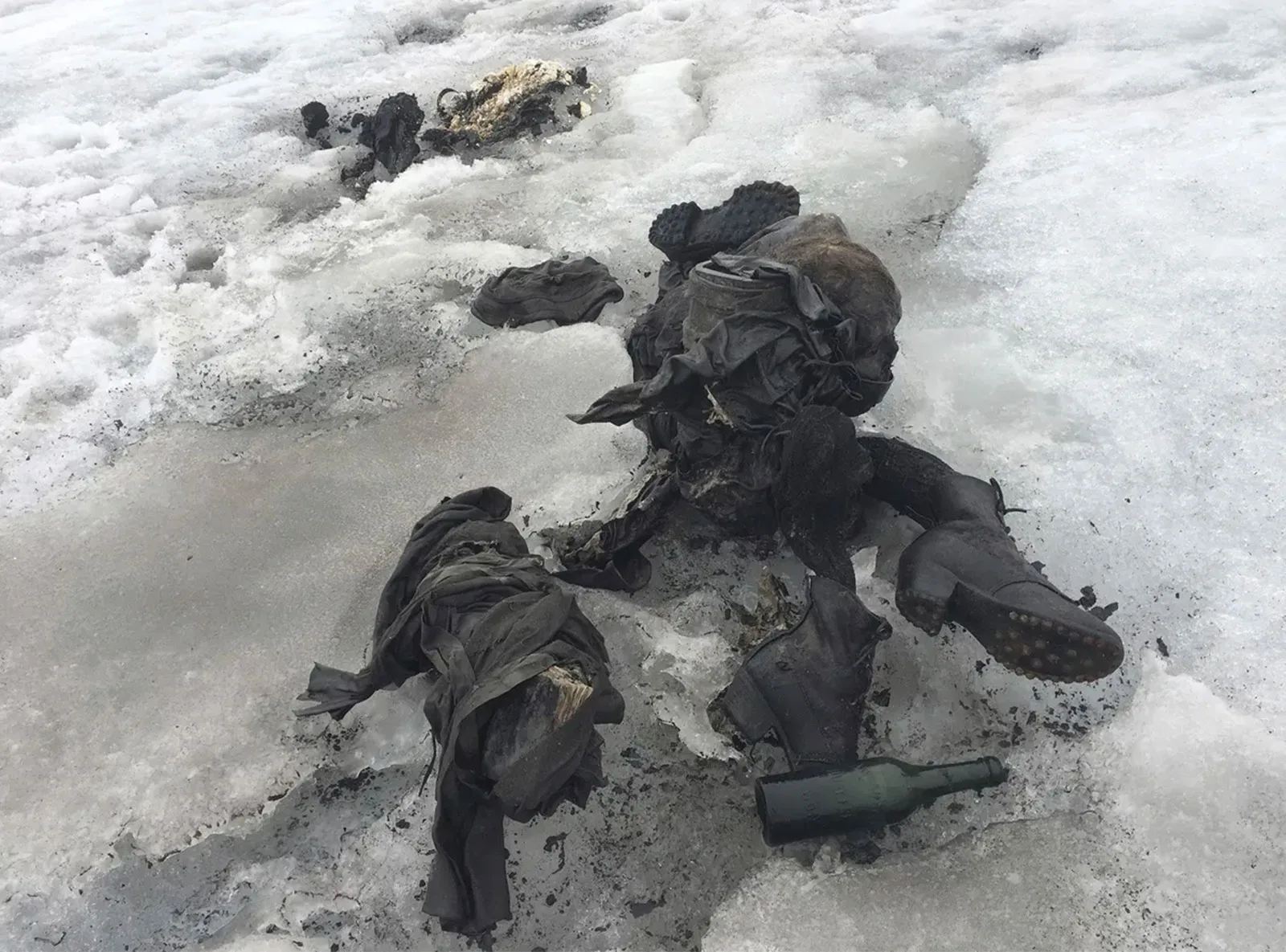
The melting glaciers are the source of this heterogeneous collection: hence the name given to the emerging discipline of “glacier archaeology”.
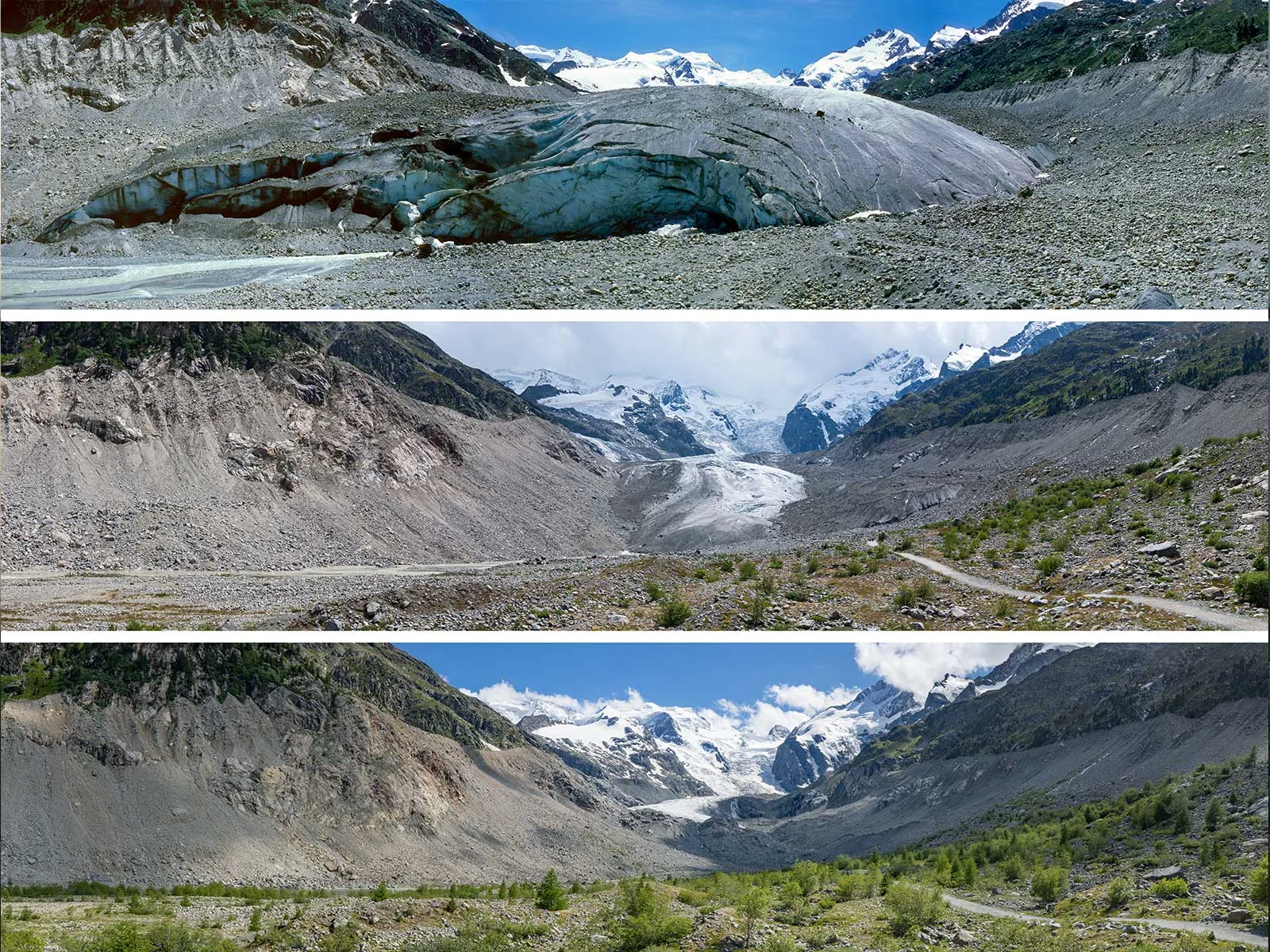
Switzerland’s glaciers lost half of their volume between 1931 and 2016. A contemporary climate model shows that the alpine glaciers may have melted by the end of the century, even if emissions were to quickly come down and temperatures were to immediately stabilise at the levels of the last decade. Covering the glaciers with blankets may extend the usability of the ski slopes, but it also accelerates shrinkage. Hence the plastic covers used can be likened to 'shrouds'.
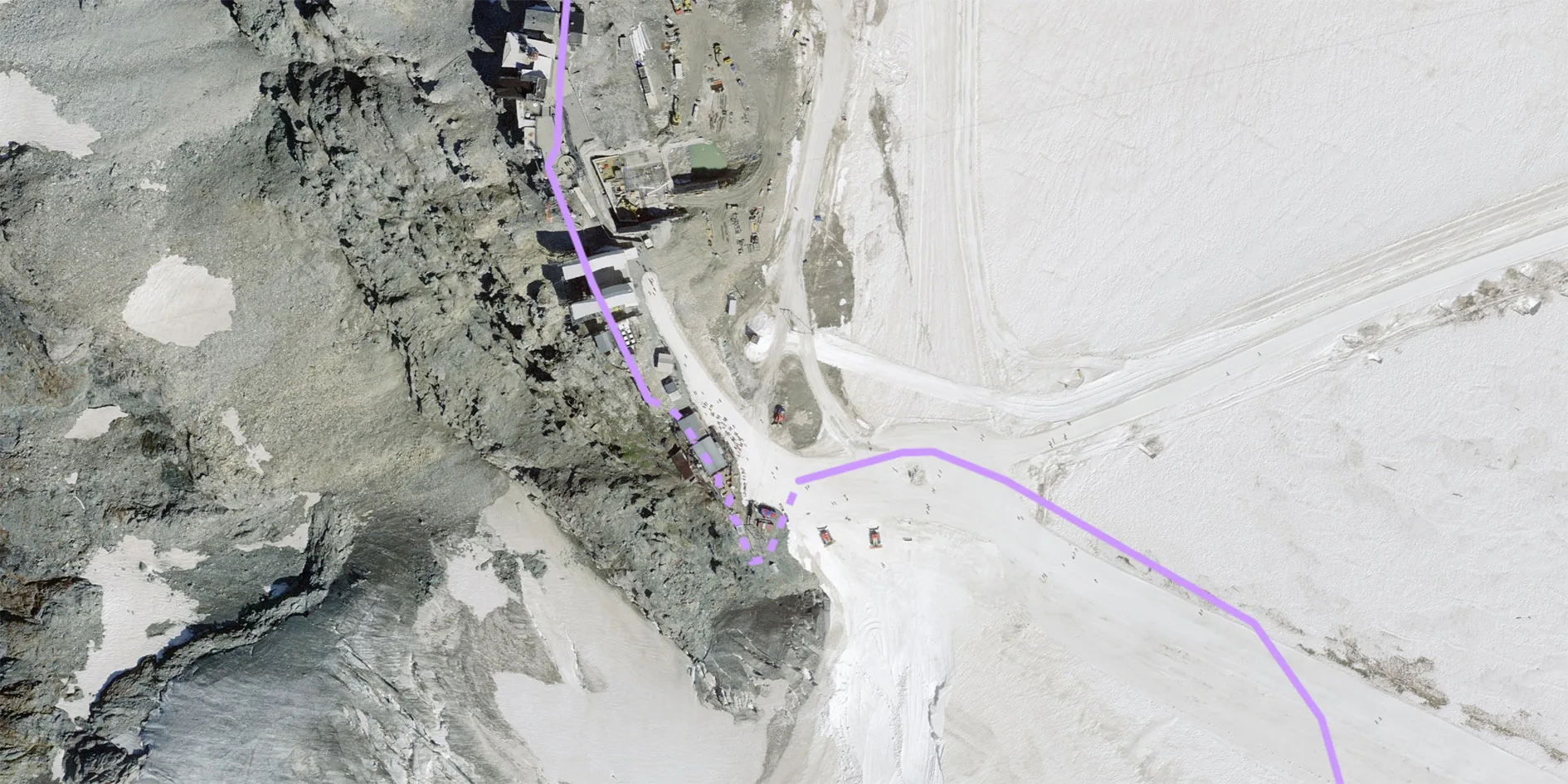
Climate change is altering coastlines and even, as with the Italian-Swiss border issue, raising questions of national sovereignty. As long as the matter remains unresolved, the mountain hut will be shown by a dotted line on swisstopo maps instead of the solid pink band denoting national borders. The fundamental rights of the Swiss people guaranteed by the Federal Constitution are based on sovereign territory, and it is this very territory that is now susceptible to change resulting from receding glaciers. Territorial disputes may be no more than the tip of this melting iceberg.
Meanwhile, there is broad consensus that climate change will directly and indirectly impact a whole host of international human rights, including the right to health, housing, water and food. Those at greatest risk from climate change live on small islands, near water and on low-lying coastal zones, arid regions and at the poles. This raises the question of how we in Switzerland can address a future global fundamental right. This new approach must include both temporal and geographical aspects. The temporal dimension involves thinking about how we can create the necessary conditions to protect the right of future generations to a healthy and fulfilled life on this planet. Whereas the geographical dimension entails envisioning a Swiss fundamental right with global reach. There are precedents for both approaches.
In March 2021, Germany’s Federal Constitutional Court made a historic ruling that the Federal Climate Change Act of 2019 was incompatible with the fundamental rights of future generations, as measures for reducing greenhouse gas emissions by 2050 were inadequate. The plaintiffs, including young climate activists, made the court consider rights across generations. Their argument was that the Federal Climate Change Act contained insufficient measures to reduce CO2 emissions from 2030 to 2050, giving Germany a very narrow window to achieve climate neutrality, thereby drastically curtailing the fundamental rights of the German people and placing a disproportionate burden on future generations. This is an innovative legal position that establishes a basis for a fundamental right in the future while at the same time, especially, justifying it in a way that is also applicable to Switzerland. To uphold this right, we must also address the geographical dimension, i.e. ensure its cross-border legal validity.
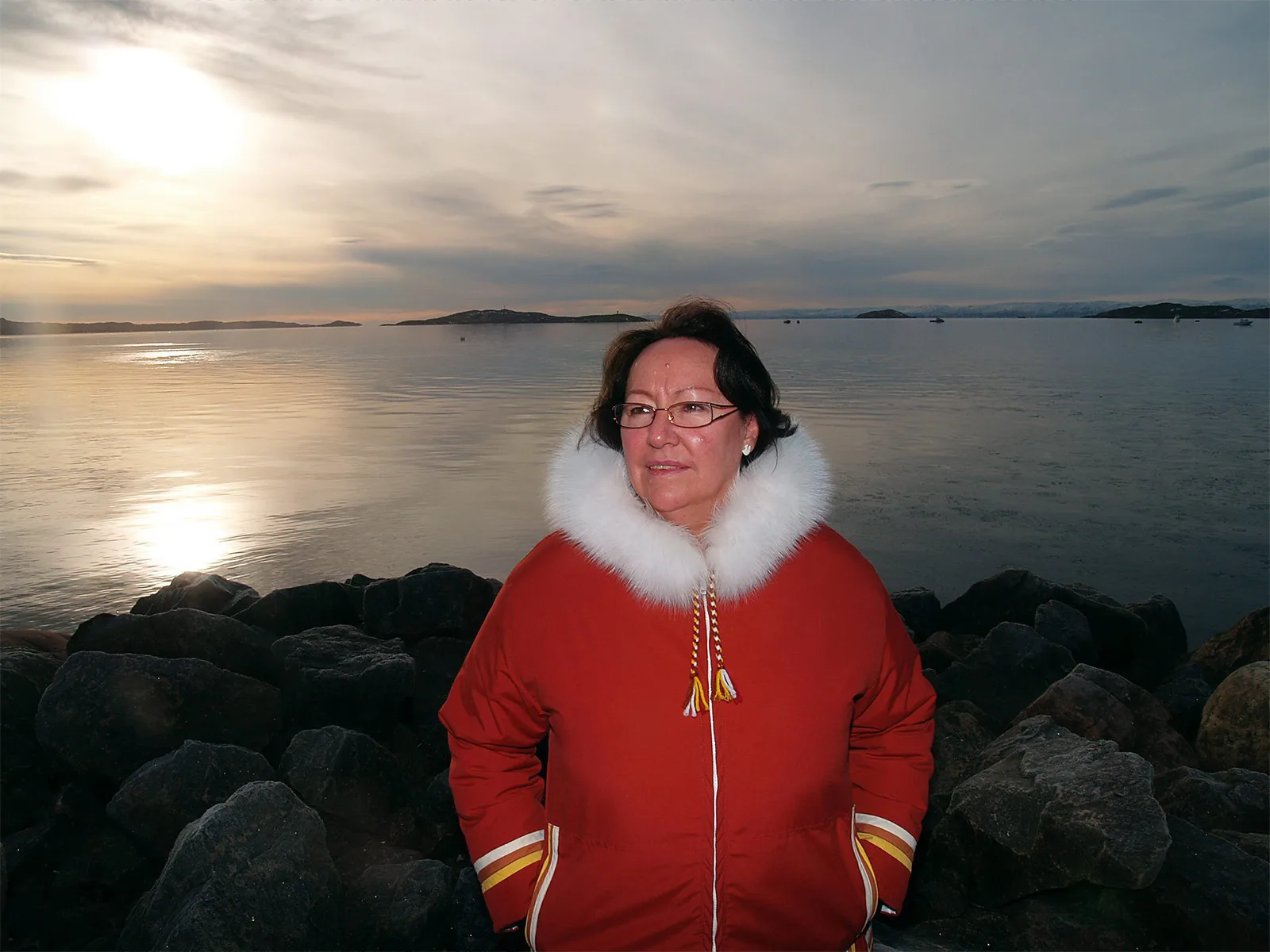
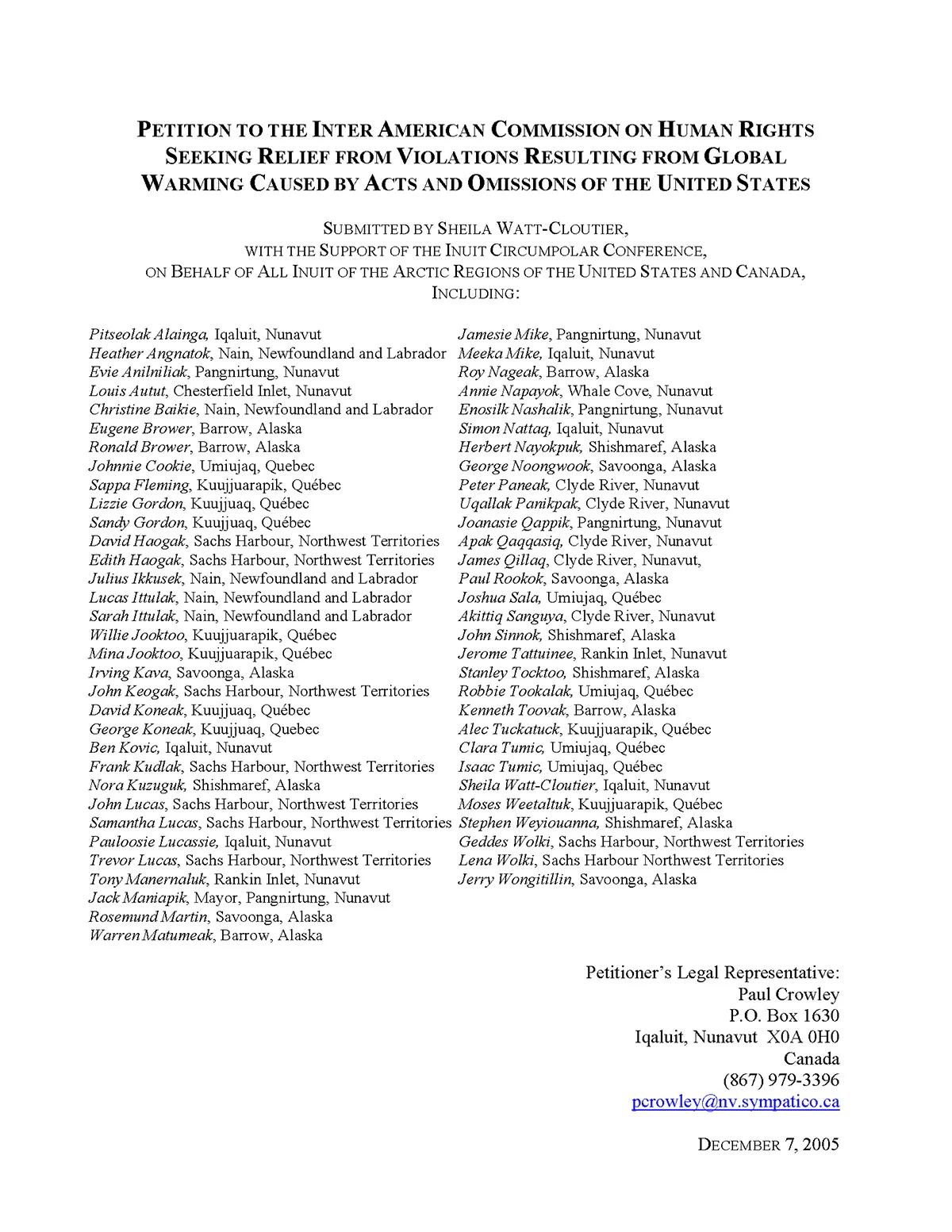
The geographical aspect brings us back to the icy ground on which this journey started. On 7 December 2005, Sheila Watt-Cloutier, a member of the Canadian Inuit community, submitted a 163-page petition to the Inter-American Commission on Human Rights (IACHF) calling on the United States, as one of the biggest emitters of greenhouse gases, to take immediate steps to uphold the Inuit people’s human rights.
The Swiss Confederation is committed to the long term preservation of natural resources.