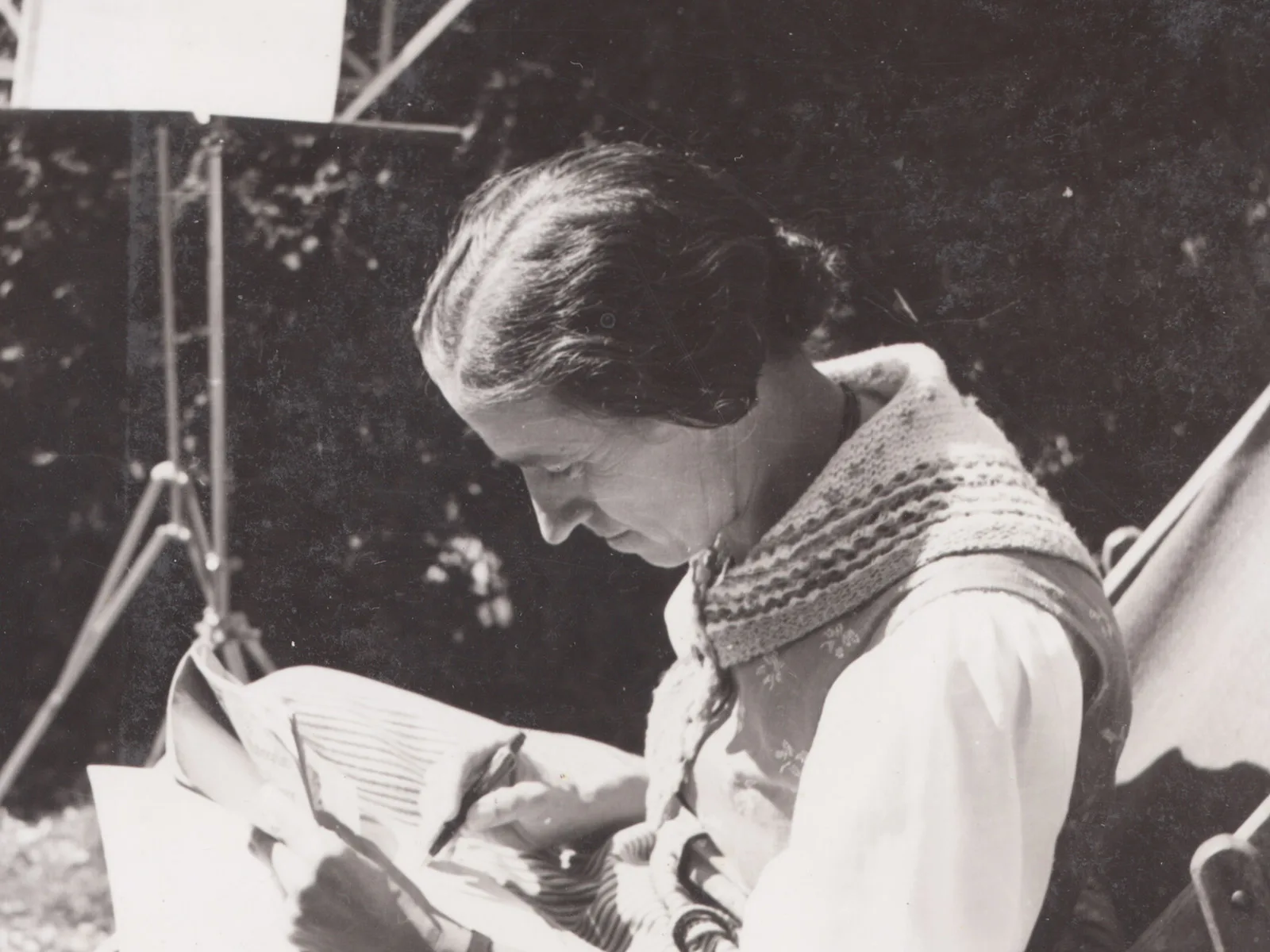
The woman who saved folk music
Armed with a steely resolve and tape recorder, Hanny Christen from Basel-Landschaft preserved folk music during the 1950s, just as it was in danger of dying out.

Rachel Huber
Rachel Huber is a historian and associate researcher at the University of Bern.
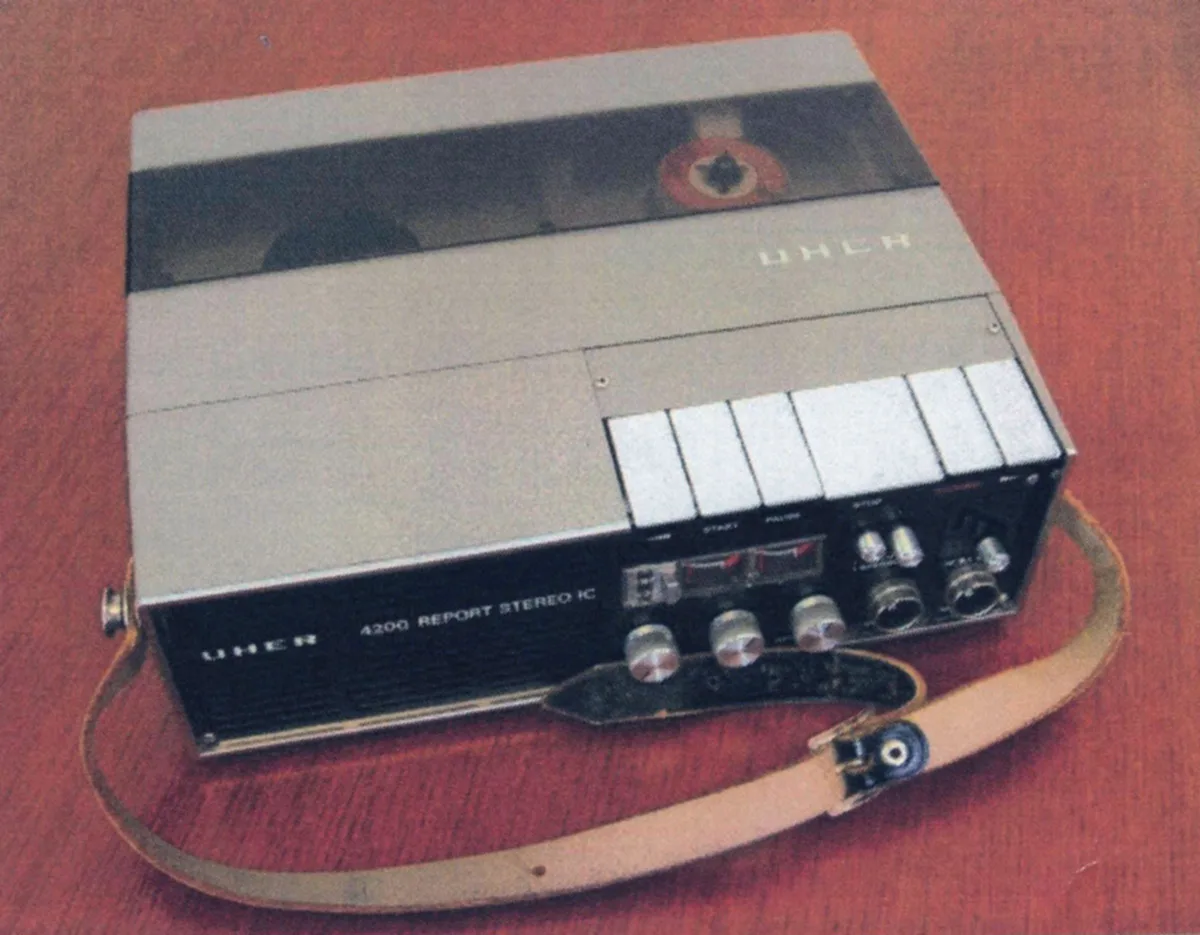
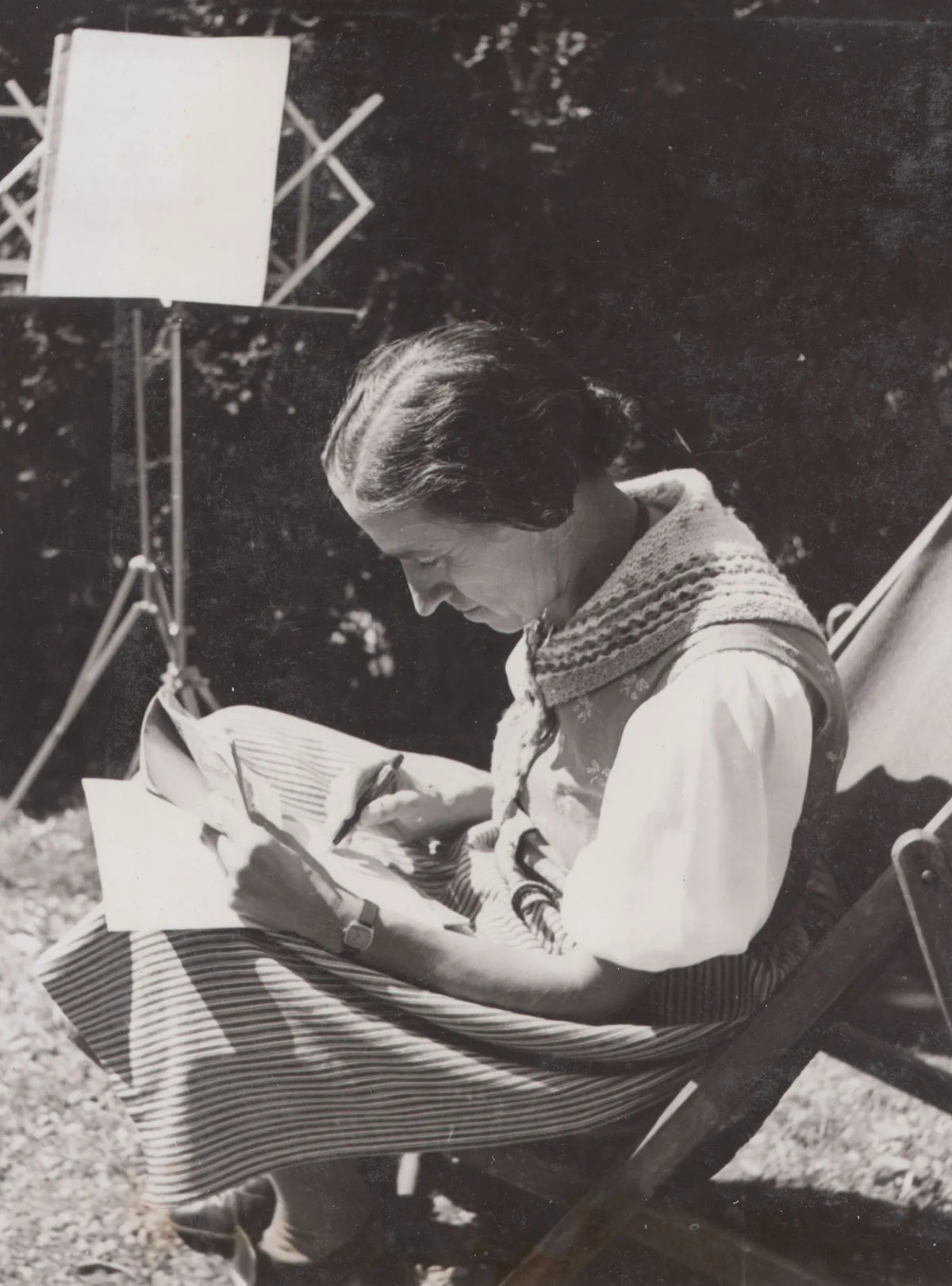
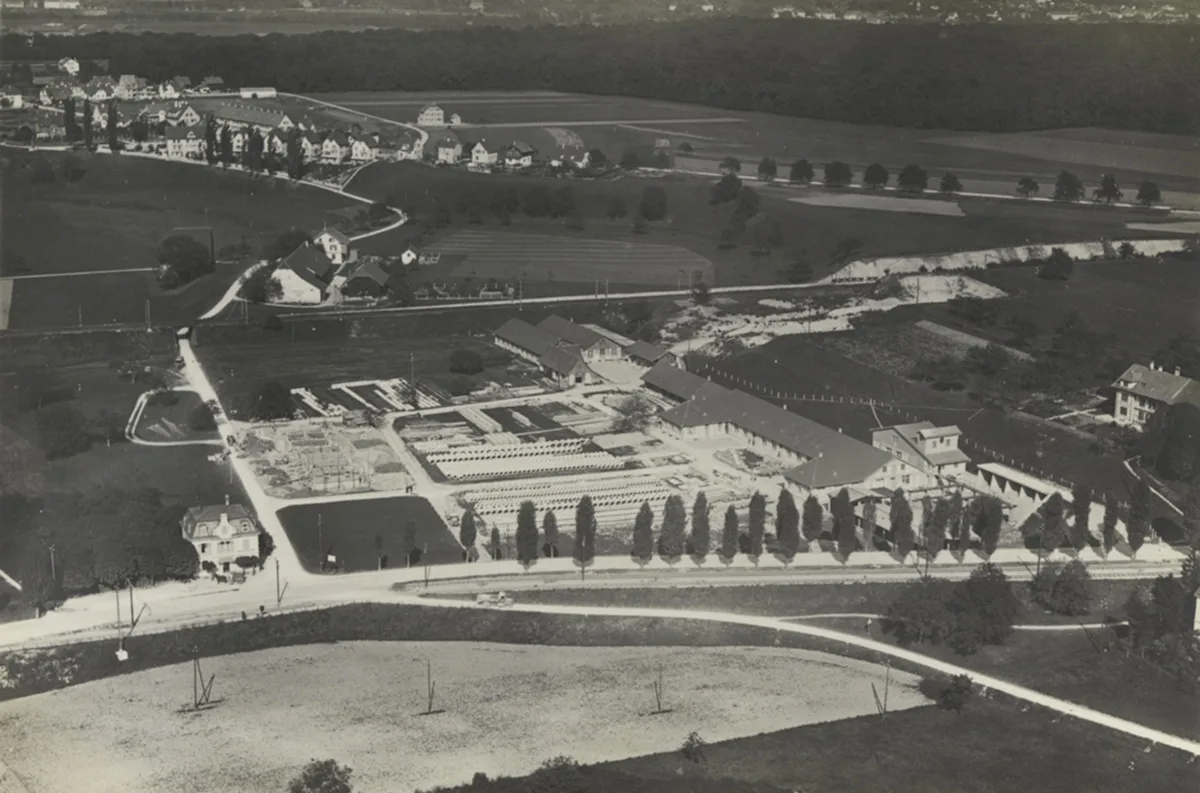
Most music collectors, including Christen, were city dwellers from families of a certain social standing. They collected rural folk music as it stilled their longing for a perfect world with “pure” music. However, Christen’s motivation went further than that: venturing out to the far reaches of the Swiss cantons was an emancipating act for her. Her family wanted their unmarried daughter to look after the household. Her father, who took over the family business “J. J. Christen & Söhne” in 1915, paid Hanny an allowance in return for her promising not to take a job, as work was considered unsuitable for a lady of her social class. Following her father’s death in 1927 (her mother died when she was just 11 years old) Hanny’s brother Walter took over the cement plant and continued paying his sister her allowance, expecting in return that she would conduct herself as befitting her station. By conducting her music research project, Christen escaped from the role imposed on her by her family and society. She was also unmoved by the hostility and criticism levelled at her for doing so.
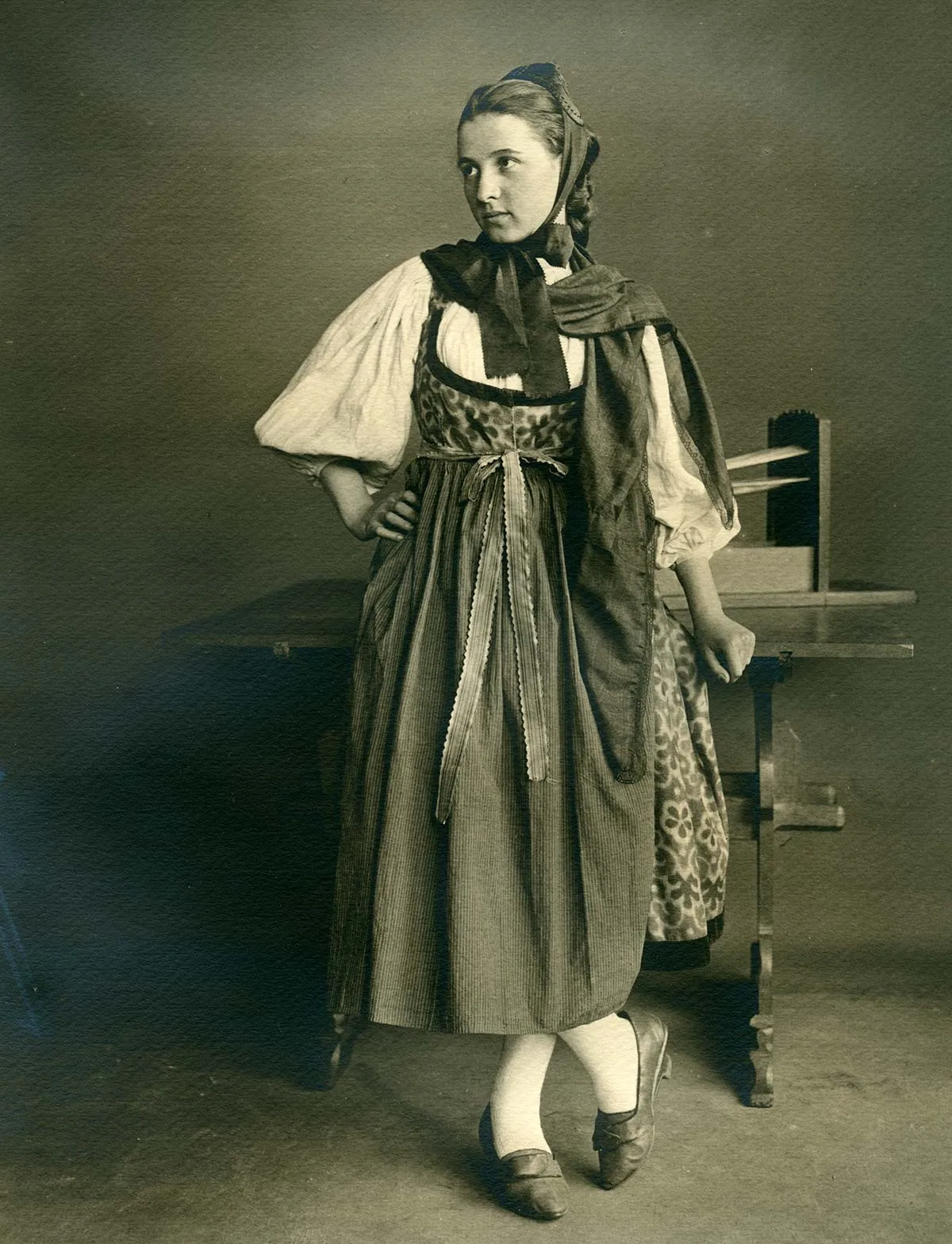
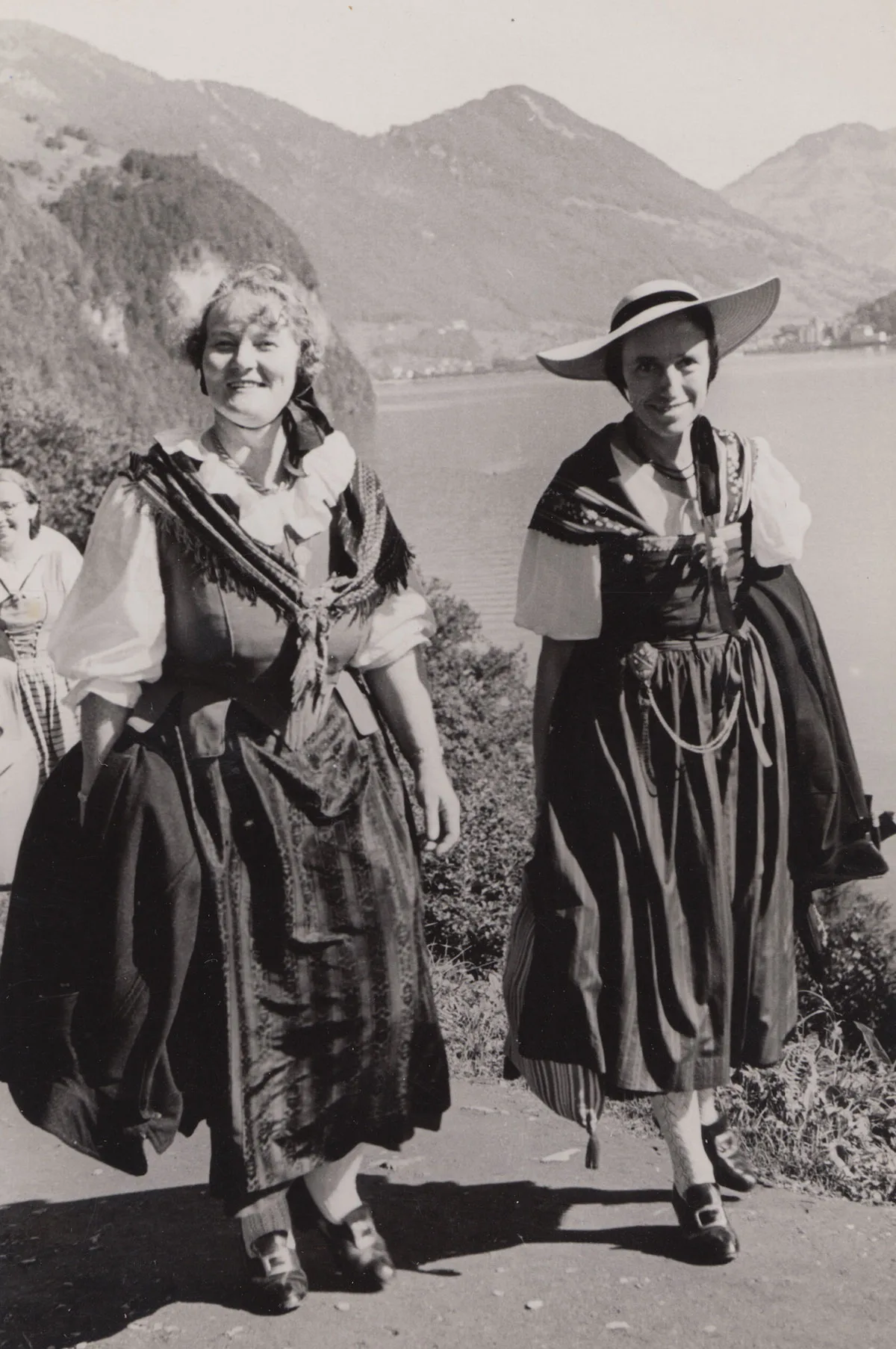
Christen was never a great believer in societal and traditional norms. Although she grew up and lived in the city of Basel, she identified strongly with the surrounding countryside (known as Baselbiet). This was also reflected in the way she spoke with a pronounced rural accent. Hanny was also fond of wearing Baselbiet folk dress, leading to her exclusion from the Basel traditional costume dance group: they were unimpressed at Christen’s insistence on wearing her traditional costume from the Basel-Landschaft area at the folk dress celebration on the Rigi (Rigi-Trachtenfest). This lady of social standing remained a non-conformist throughout her life and began collecting music in 1938.