The dramatic rescue of a composer’s remains
Alberik Zwyssig (1808–1854), the musical monk from Uri who composed the Swiss Psalm, had an unhappy life. And then, after his death, his remains were dug up and reburied during the Second World War.
Michael van Orsouw
Michael van Orsouw has a PhD in history and is a performance poet and author. He regularly publishes historical books.
Website: geschichte-texte.ch
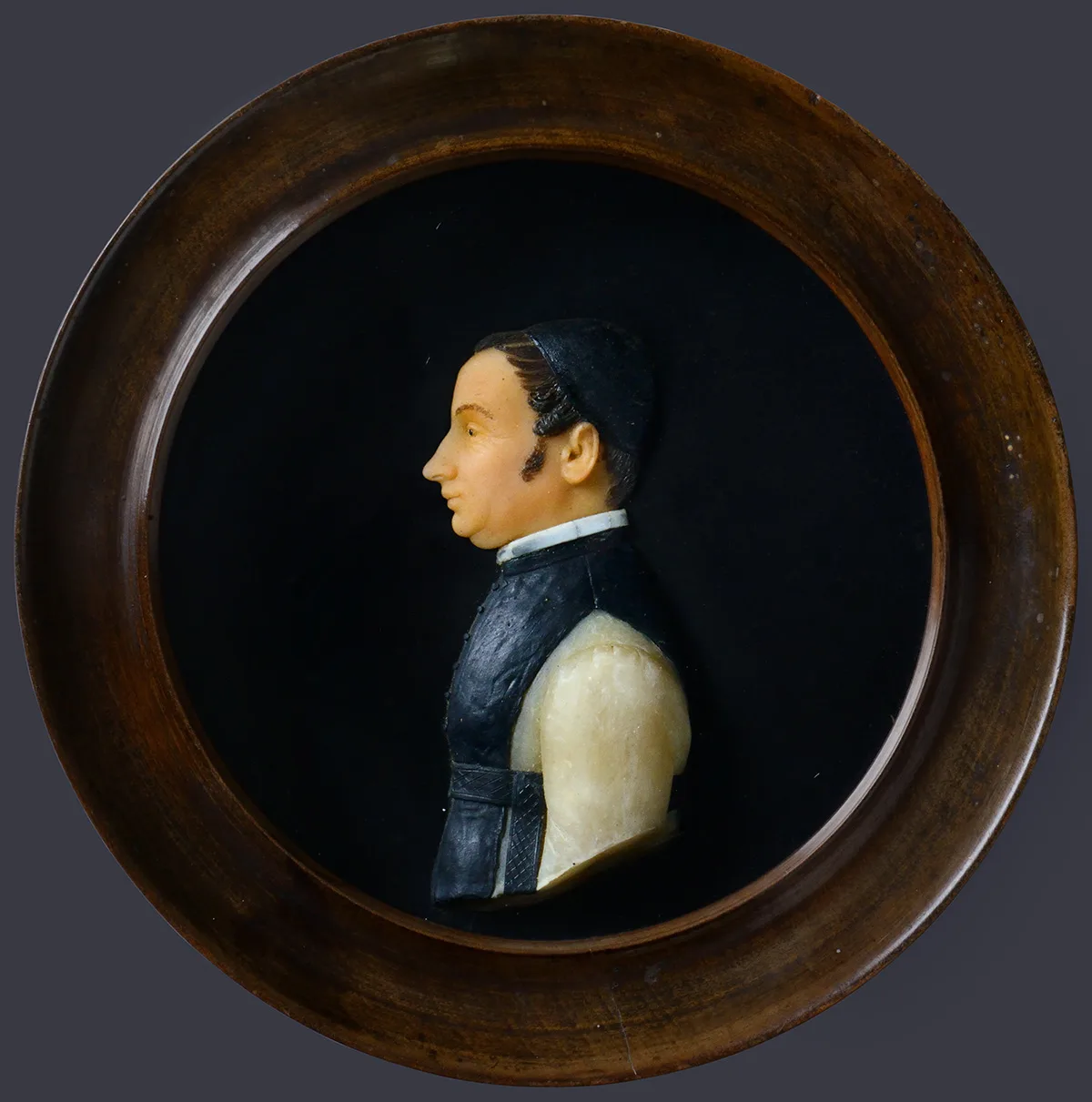
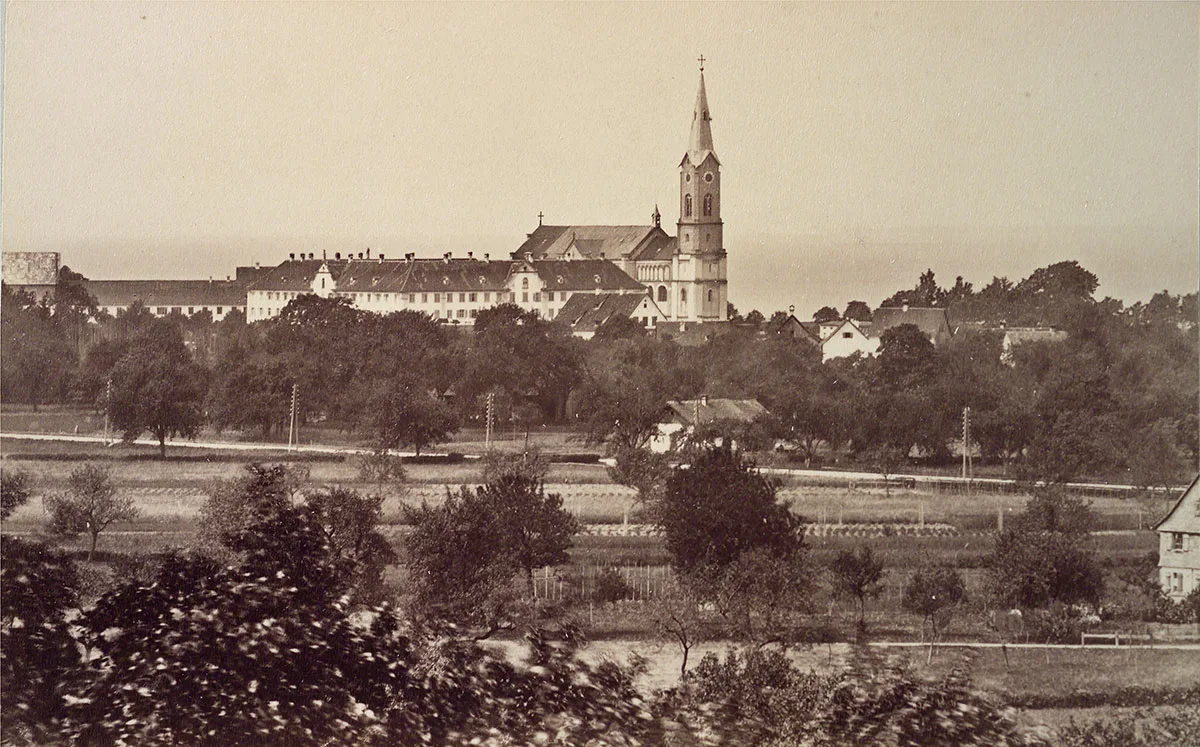
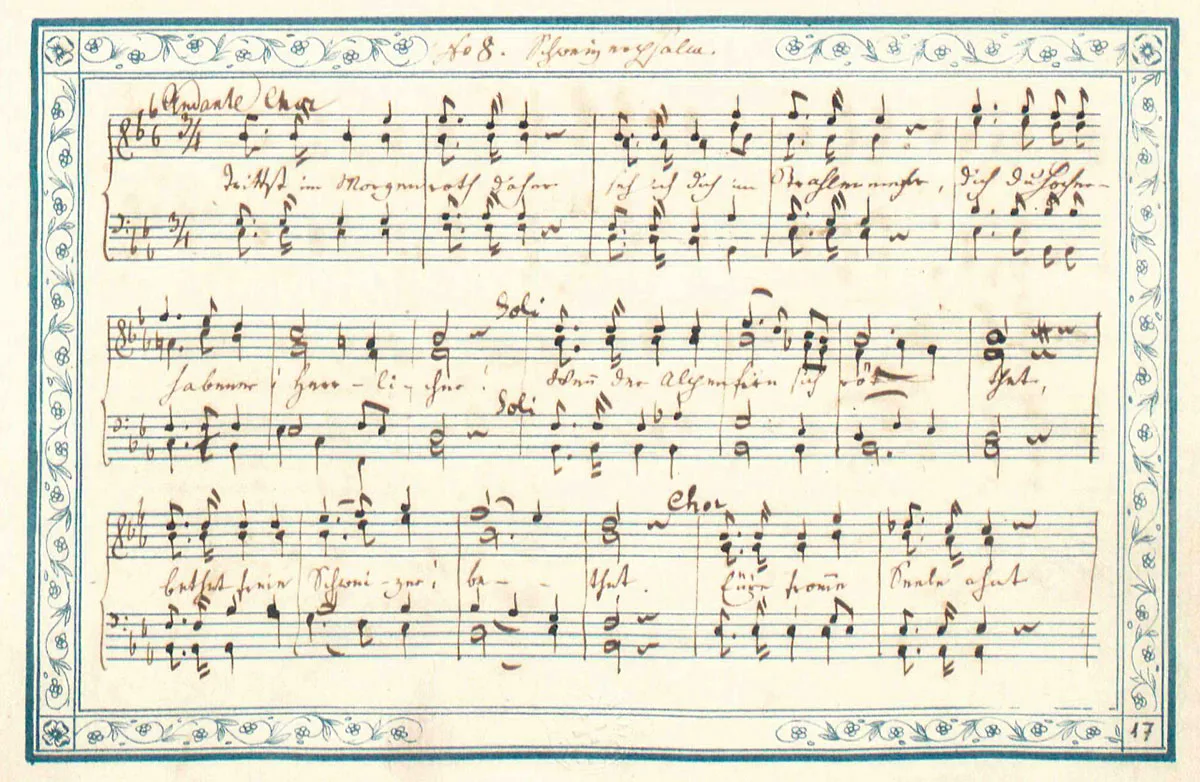
And so little more was heard of Zwyssig and his Swiss Psalm. The musical monk did not hit the headlines again until the Second World War, when two separate incidents coincided to thrust the man and his music back into the spotlight. On the one hand, the Swiss Psalm reached its centenary, an occasion that was celebrated extensively in Zug, where the song had first been performed in public. At a time when the Second World War was in full flow, any reminder of home-grown Swiss culture was more than welcome. And in 1941, Nazi Gestapo and SS soldiers stormed Mehrerau Abbey near Bregenz, where Father Albericus lay buried. A member of the order observed the “uncouth men in leather trousers and everyday civilian clothing, men from the Innsbruck Gestapo and SS men”.
The unfortunate clergyman was subsequently banned from exercising his profession and required to leave the German Reich immediately, as he had allegedly spoken out against the ‘annexation’ of Austria by the National Socialists. Hearing of this, Paul Aschwanden (1911–1984), a lawyer from Zug, feared that the Nazi’s plundering of Mehrerau Abbey would lead to the desecration of the renowned composer’s corpse. He wrote to Federal Councillor Philipp Etter (1891–1977), a fellow citizen of Zug, asking him to do something “to repatriate the mortal remains of this great Swiss to his native land”.
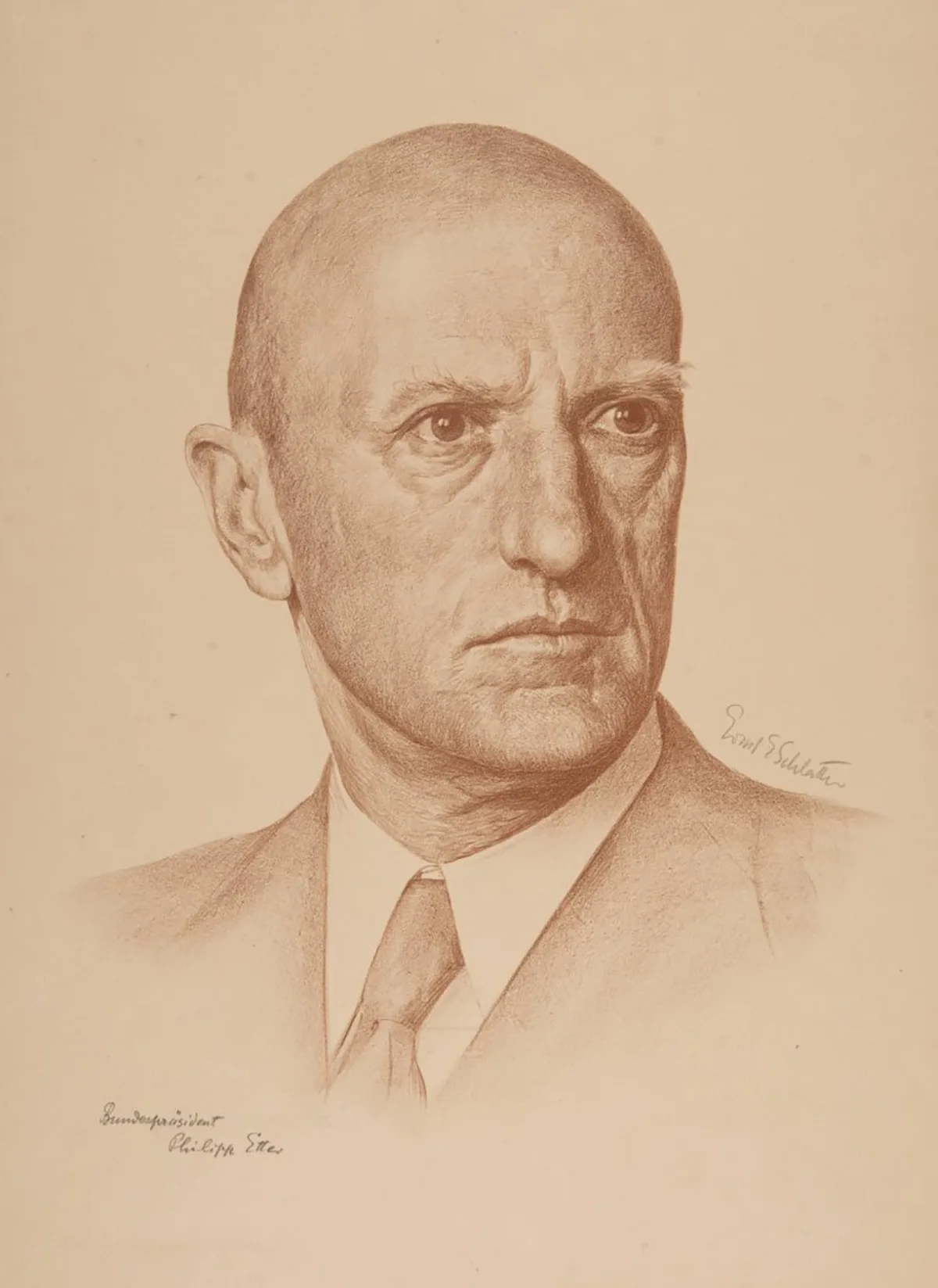
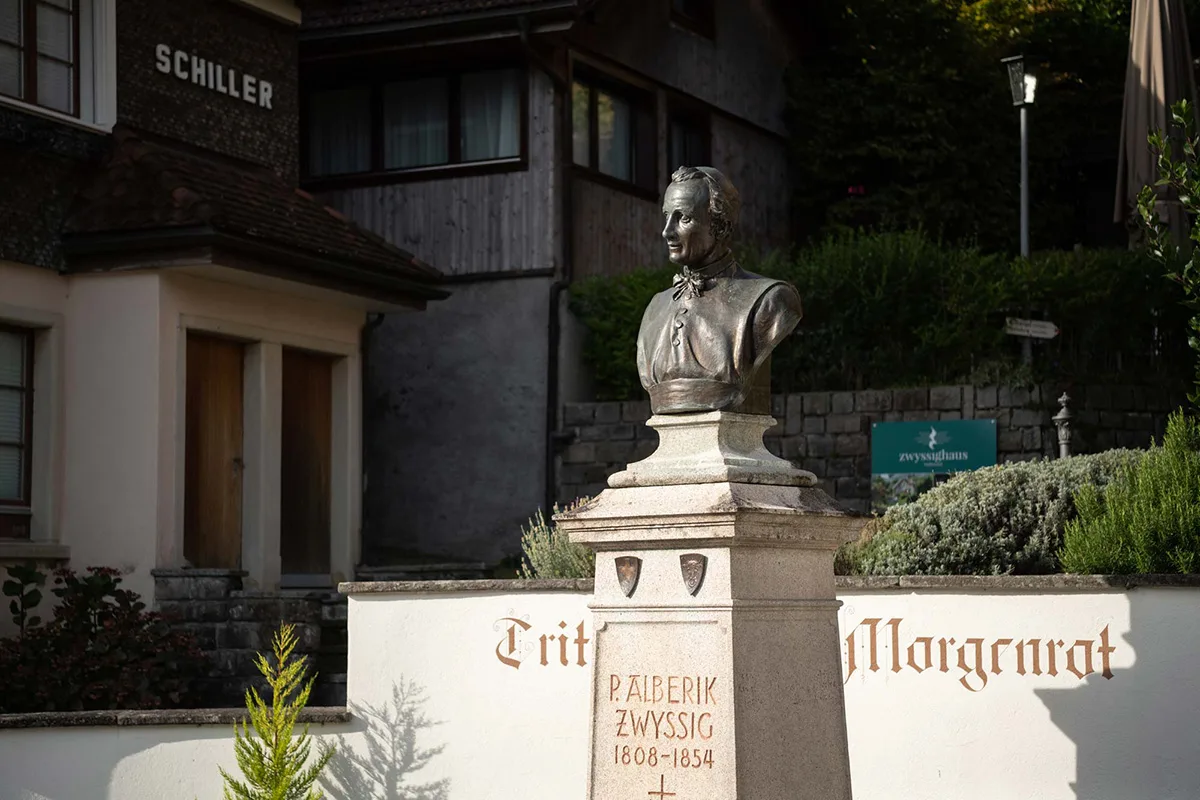
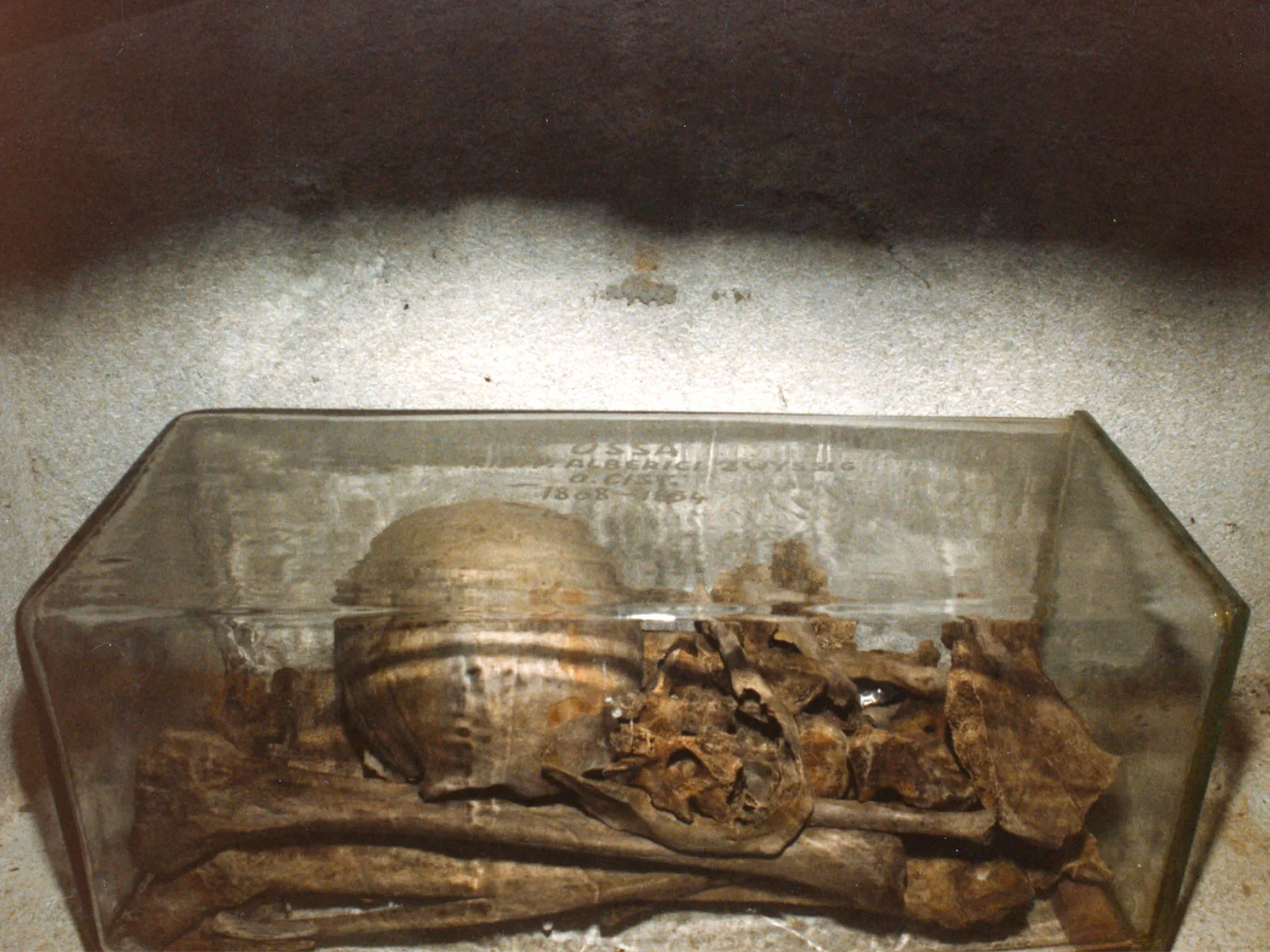
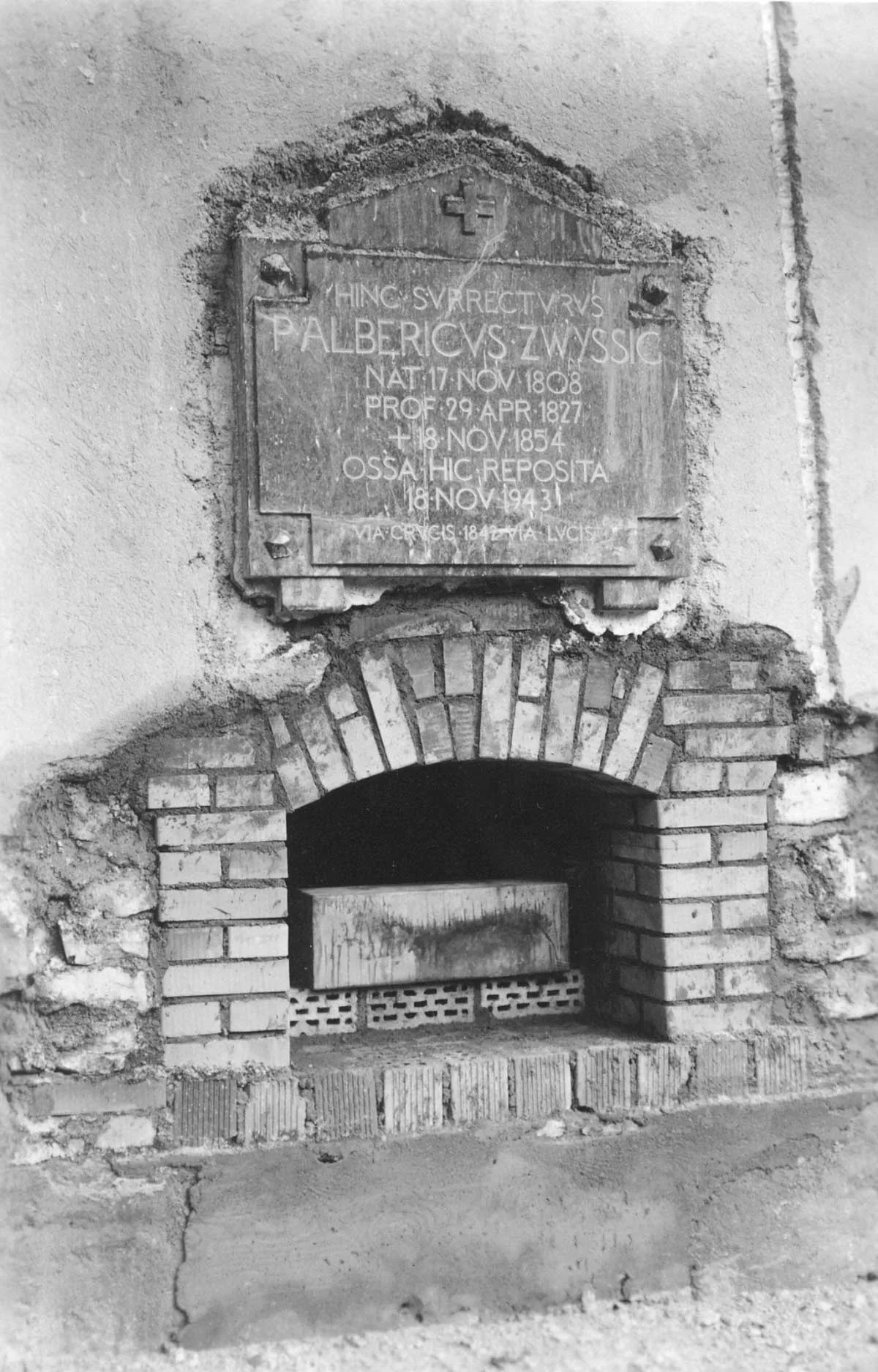
And so it came to be: on Friday, 14 August 1942 at 4 pm, the corpse was disinterred at Mehrerau under the watchful eye of the Bregenz public medical officer and placed in a wooden transport crate. Swiss consul Carl Bitz then drove it himself, in his own car, to Altdorf, where Zwyssig’s remains were placed in the Ölbergkapelle, a tiny chapel adjoining the parish church. They were then transferred to the parsonage at Bauen, Zwyssig’s birth place and place of origin, where he was to be laid to eternal rest.
It was not until 1961 that the Federal Council declared Zwyssig’s Swiss Psalm the national anthem. Even then, it was only for a provisional period of three years, at the end of which twelve cantons voted in favour of the Swiss Psalm, while six rejected it, and seven requested an extension of the trial period. In the end, it took Zwyssig’s song a total of 20 years(!) before it received the ultimate accolade: the Swiss Psalm was finally declared the Swiss national anthem in 1981, exactly 140 years after it was first performed.