A story of resistance and escape
During the Second World War, numerous people attempted to flee persecution across the Italian-Swiss border into Ticino. This included Egone Gruenberger, who only managed to escape to freedom on his second attempt and after a long ordeal.

Raphael Rues
Raphael Rues is a historian and specialises in Ticino and the German-fascist presence in Northern Italy.
One of them was Egone Gruenberger, born in 1920, a young Jewish man who was living with his pregnant wife in Fiume (then Italy, now Rijeka in Croatia) at the time. When the Nazis took control of the country, Egone and four members of his family were increasingly threatened with persecution and deportation.
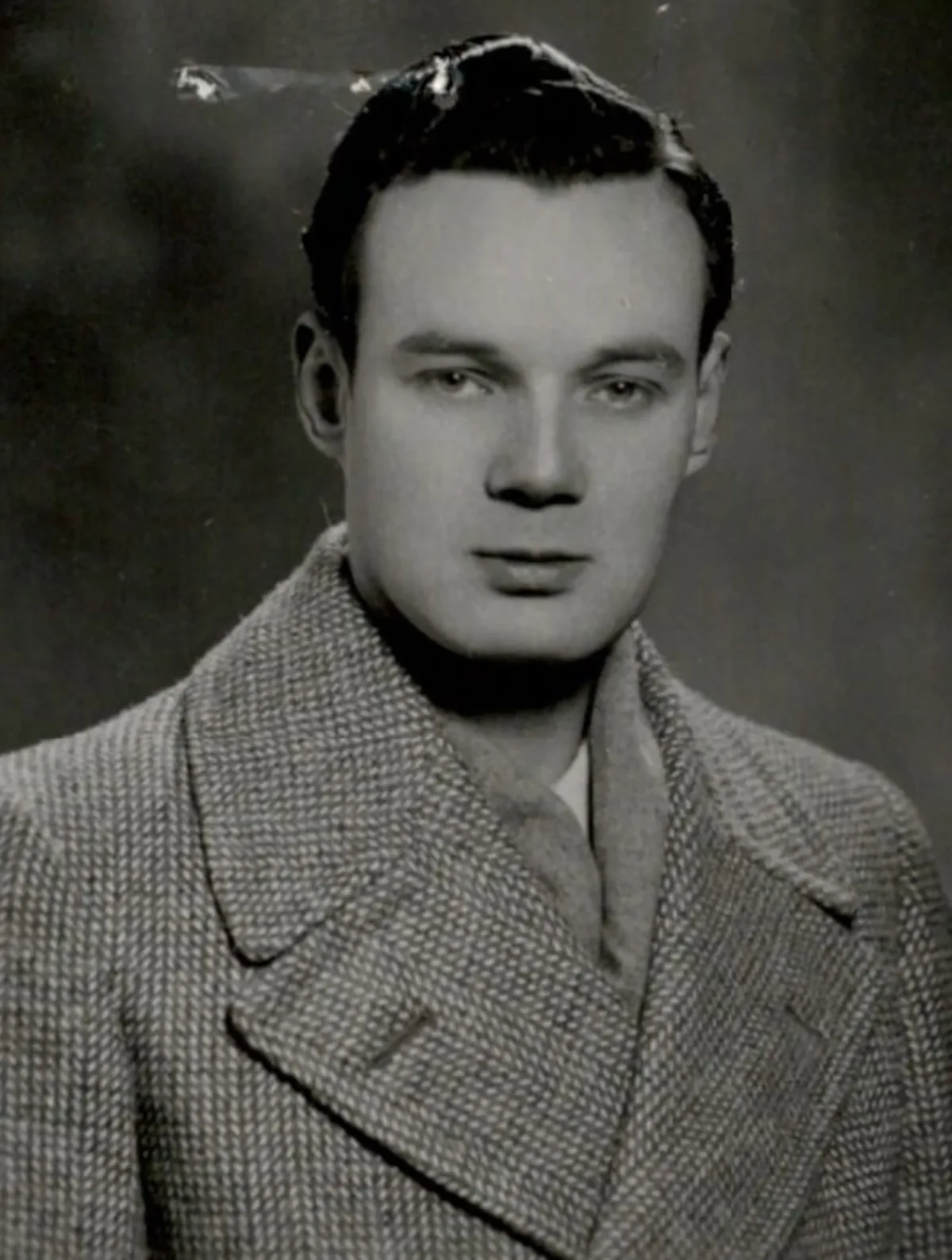
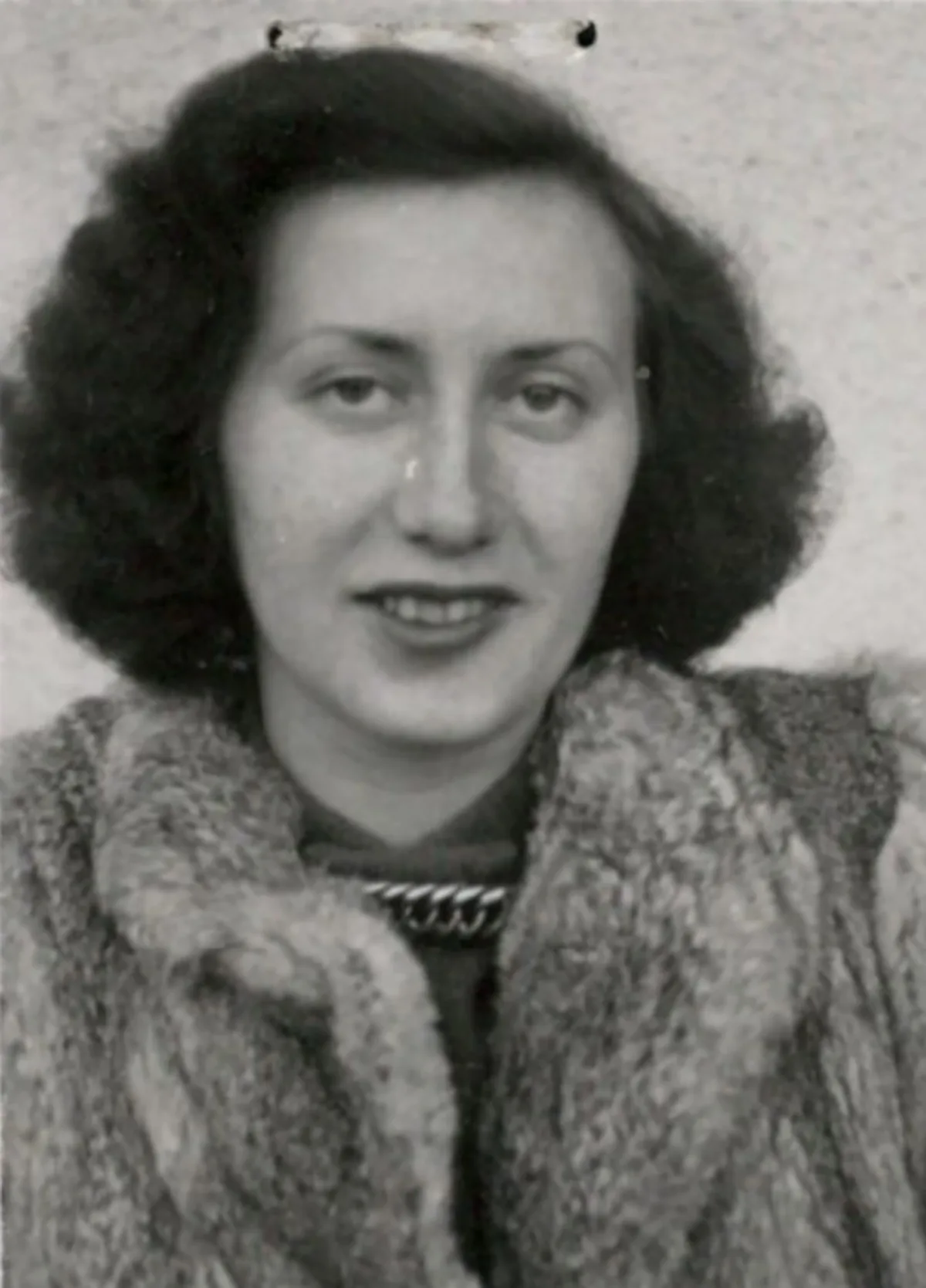
Portraits of Egone and Edith Gruenberger. Swiss Federal Archives / Swiss Federal Archives
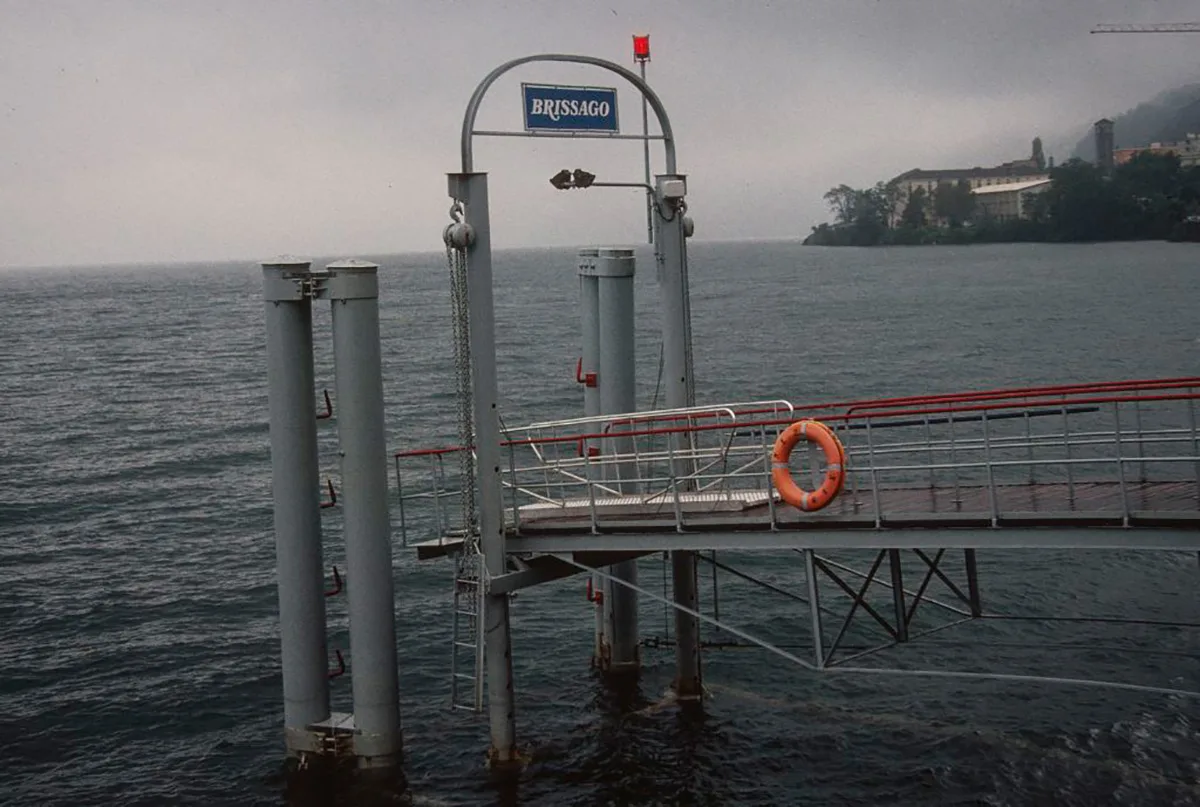
Desperate to escape the clutches of the Nazis, Egone and his family - his pregnant wife Edith, his mother Adele, his aunt Regina and his brother Erico - set off on a dangerous journey via Milan and Cannobio to seek refuge in Switzerland. On 17 December 1943, the Gruenberger family attempted to cross the border at Brissago, not without having paid 55,000 Italian Lira - a considerable sum today - to cross the border secretly. However, their hopes were dashed when they were intercepted by Swiss border guards on the mountainside above Brissago and sent back the next day. As the two older women were no longer up to the rigours of another mountain hike, the Gruenberger family were taken by boat from Brissago to Dirinella, on the other side of Lake Maggiore, where they were taken to the border. Only Egone's wife Edith, who is five months pregnant, is allowed to stay in Switzerland.
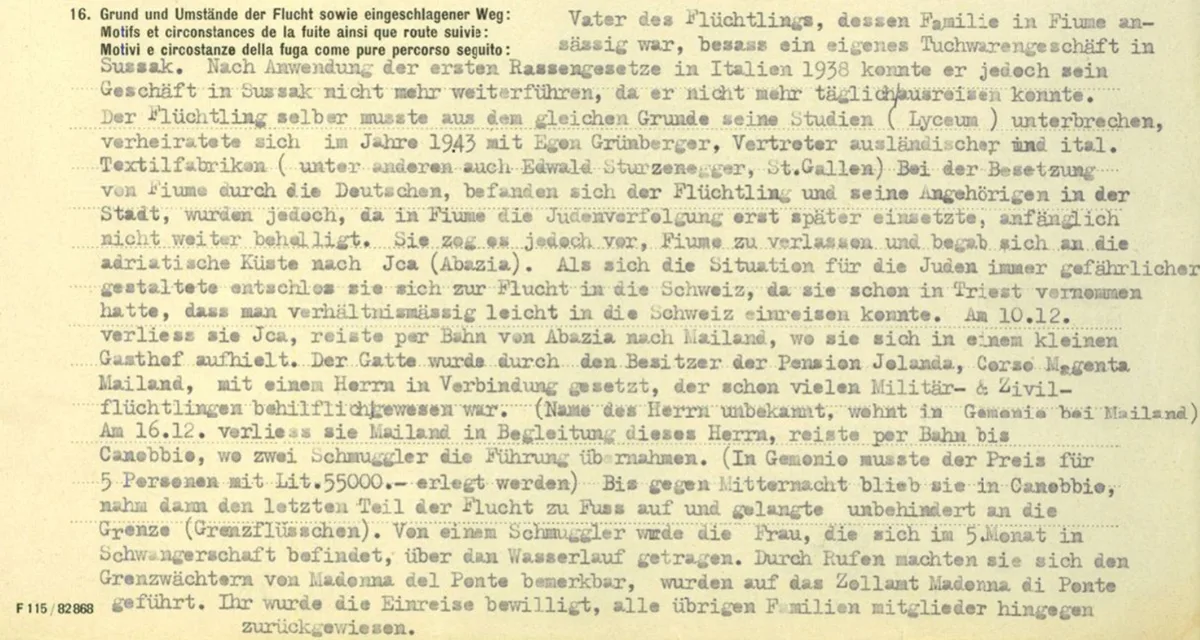
Egone and his family were imprisoned in Varese, where they suffered under harsh conditions and the constant threat of violence. Egone's written testimony, which was quoted for the first time by the Ticino historian Renata Broggini, is unambiguous. It contains the names of several Jews who were caught at the border. It is not possible to determine whether they had all been turned back by the Swiss troops posted at the border or whether they were captured on the way to the border but still on Italian territory.
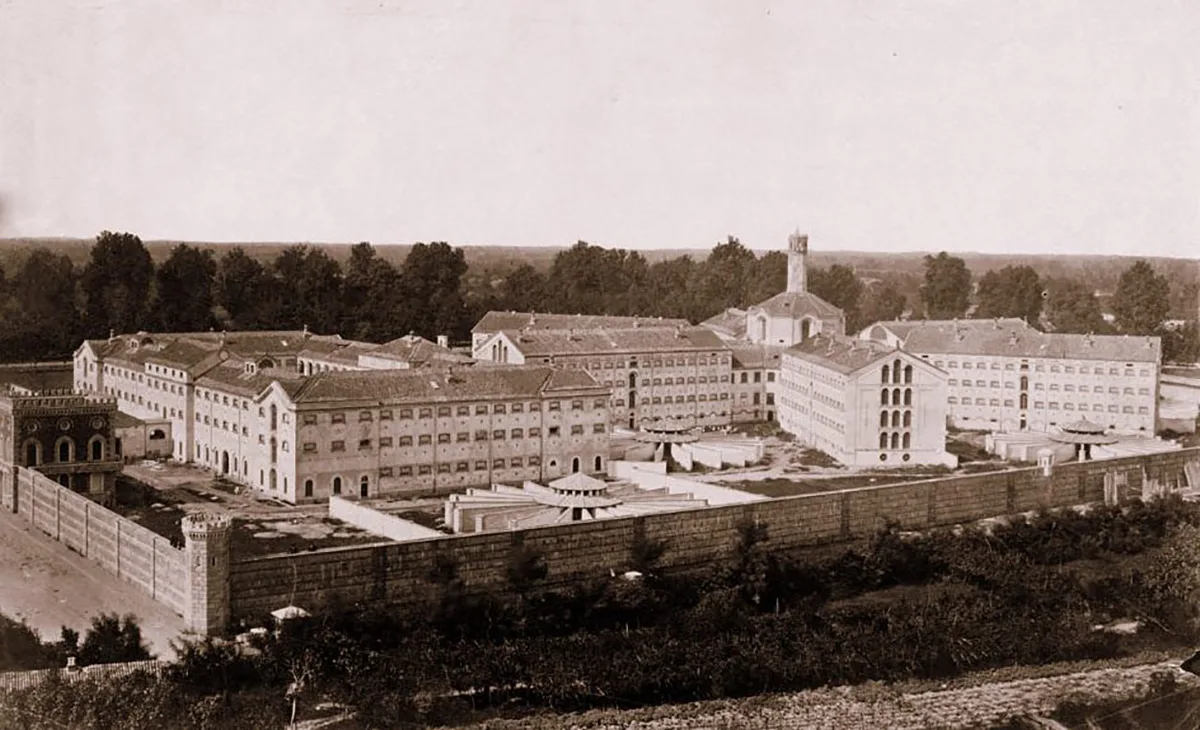
After a few weeks in Varese, Egone is transferred to the San Vittore prison in the centre of Milan, a notorious symbol of oppression and torture. Here he made his first – failed – escape attempt with other Jewish comrades. Egone reports how the imprisonment in Milan is again accompanied by beatings and torture. The Germans have only been occupying northern Italy for a few months and yet the well-oiled machinery of persecution is already running at full swing.
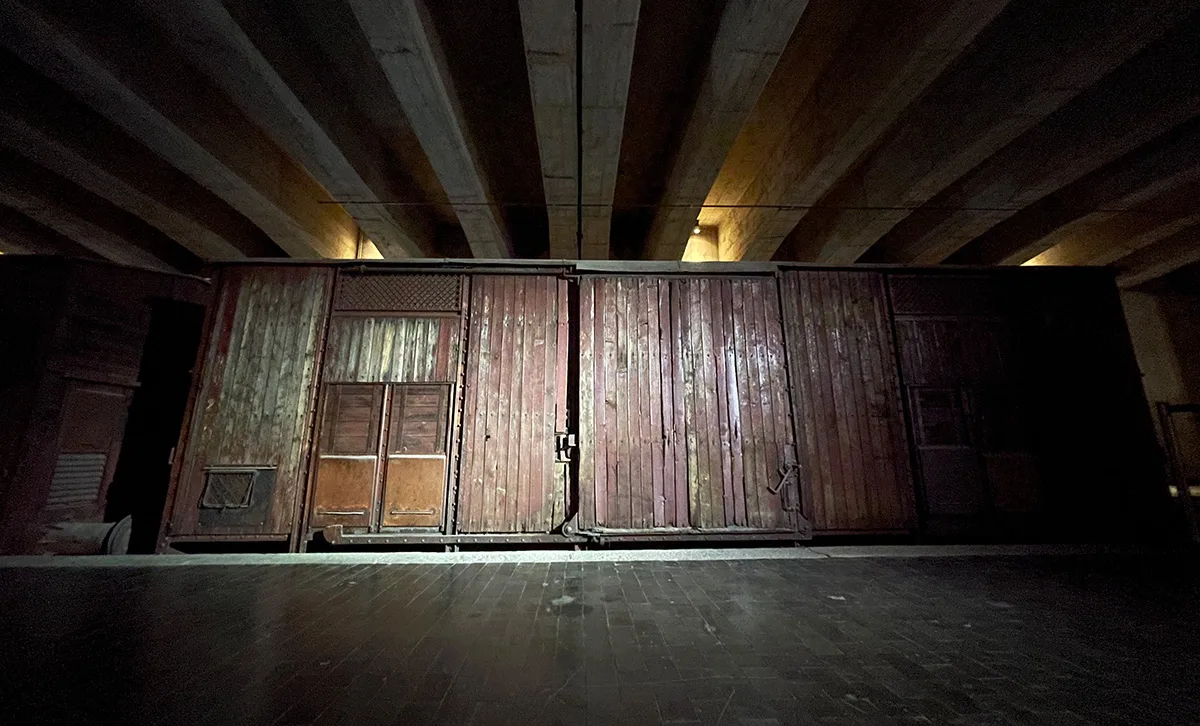
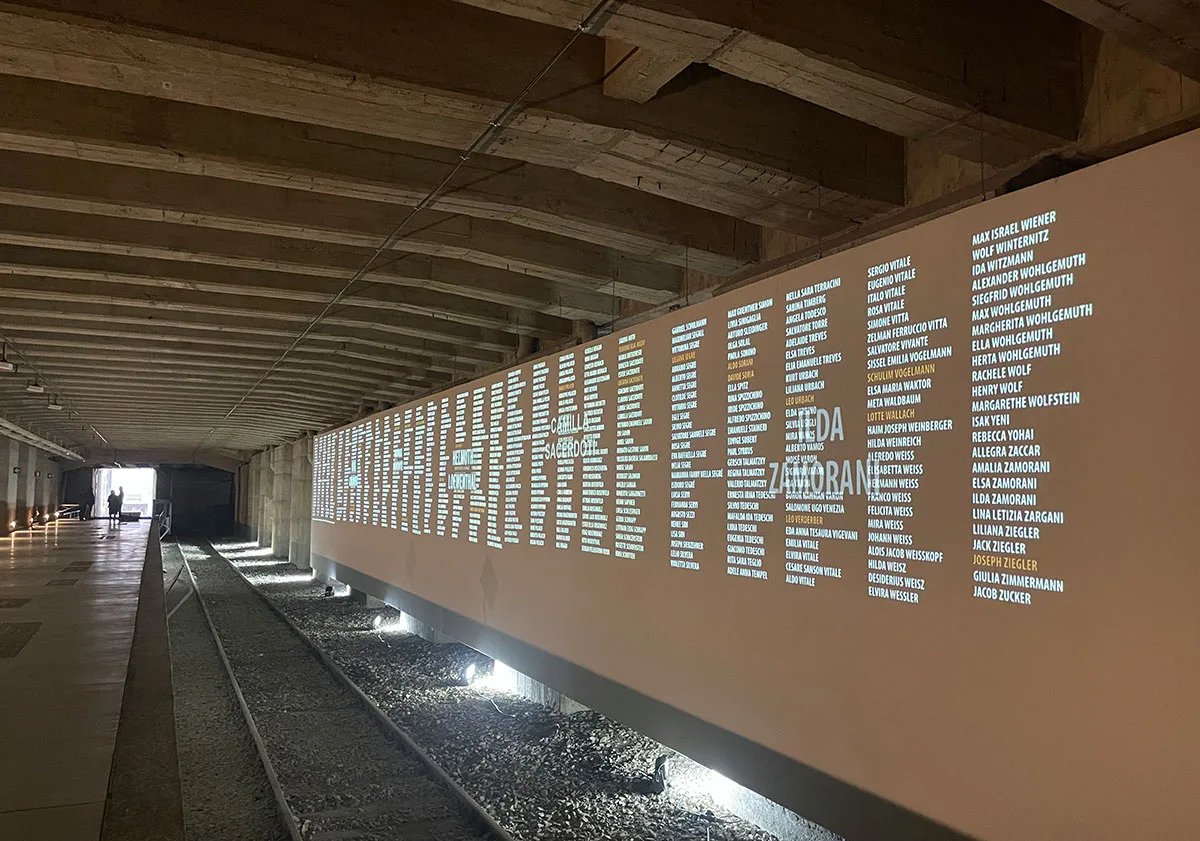
Near Verona, Egone seizes the opportunity to jump off the moving train with two other men and flee. With his heart pounding and his mind sharp, he disappears into the surrounding woods near Cerea, not far from Verona. After finding refuge in a church, he is taken in and cared for by a local family. For the first time in 60 days, he is able to take a bath, change his clothes and eat properly.
A few weeks later, Egone makes his way back to Milan. Exhausted but unharmed, he seeks refuge with a network of resistance fighters who give him a false identity. The sole purpose of the identity card is to enable him to flee back across the border to Switzerland. In the meantime, his wife has been taken to southern Ticino.
Rapid change in refugee policy
After days of gruelling walking, Egone finally reached the Swiss border on 19 February 1944, followed by various interrogations and protocols. How quickly times change is shown by the fact that this time, although he openly identifies himself as a Jew, he is accepted by the Swiss authorities in Onsernone Valley without any problems. The rejections of Jews at the southern border with Italy infact ended in the course of December 1943, and later all Jews were generally accepted. What is special about the Gruenberger case is that, according to the current state of research, it is probably the last documented case of rejection (18 December 1943).
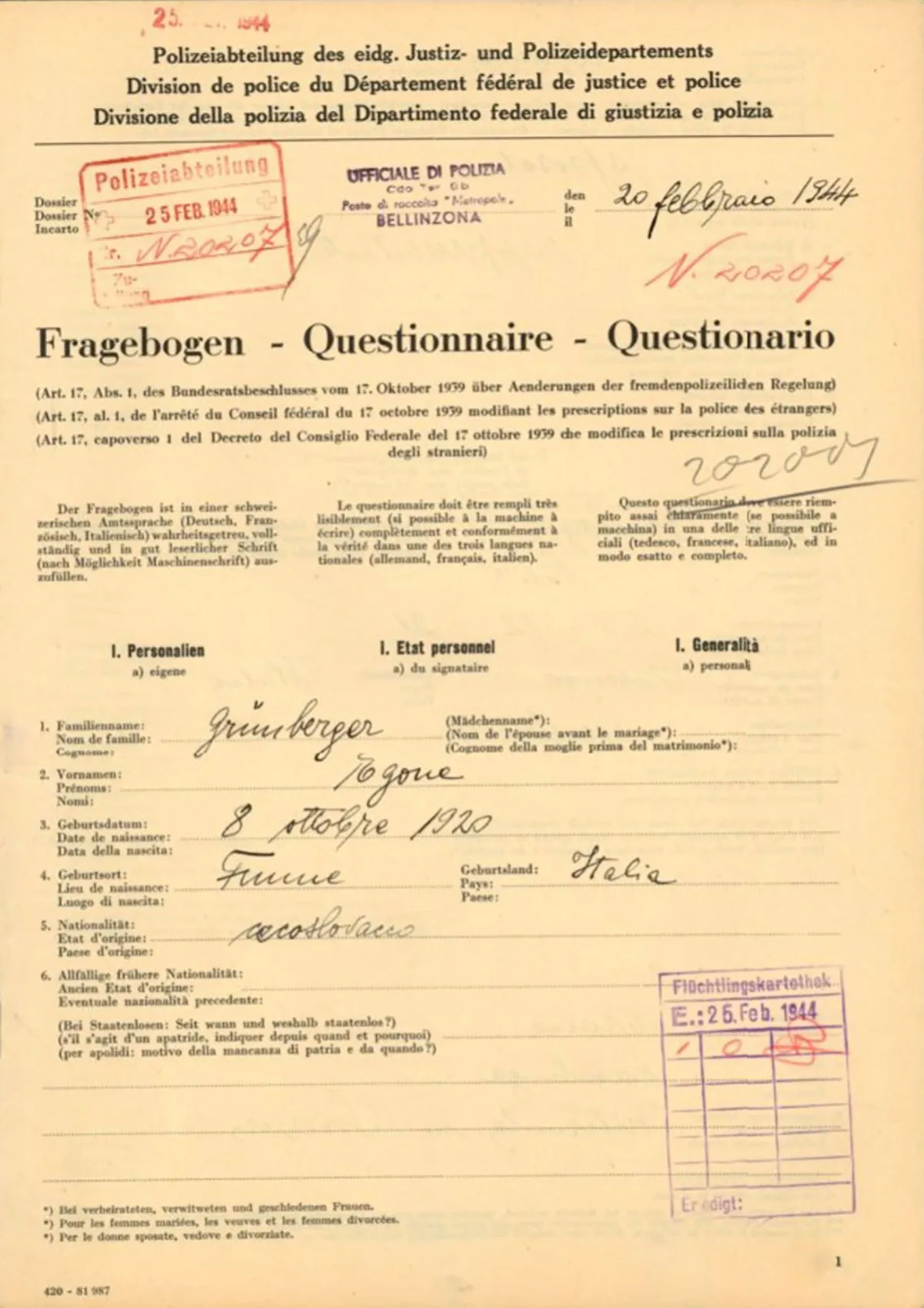
Egone Gruenberger's escape from the clutches of National Socialism ultimately came to a happy end. Others were not so lucky. The convoy on which the rest of his family remained arrived in Auschwitz-Birkenau on 7 February 1944. Of the 600 Jews who were deported from Milan on this transport, only just 22 survived. One of the survivors is the now 93-year-old Italian senator Liliana Segre. She was 13 years old at the time and, together with her father and two older uncles, was turned back by a Fribourg infantry unit in Arzo near Mendrisio at the beginning of December 1943.
In the region between Ascona and Verbania, there is the Percorso della Speranza, which traces the events of this period, while the Insubrica Historica association offers a trek along the routes taken by refugees, partisans and deserters to reach Switzerland.