Switzerland’s very own Stonehenge
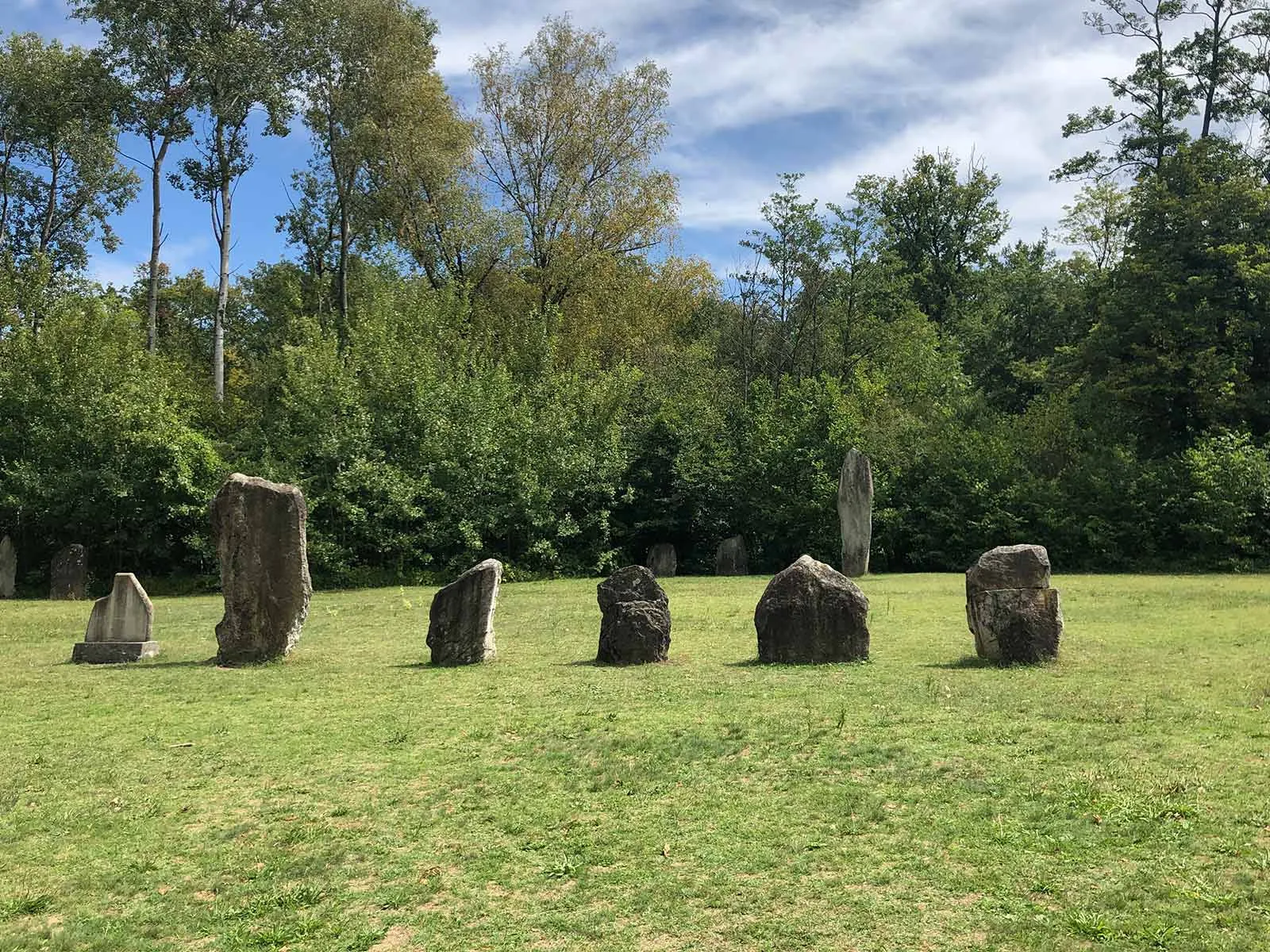
The menhirs of Clendy are impressive remnants of the Stone Age. Both mystical and mysterious, the standing stones on the southern shore of Lake Neuchâtel take us on a journey back in time to a long-forgotten era.

Thomas Weibel
Thomas Weibel is a journalist and professor emeritus of media engineering.
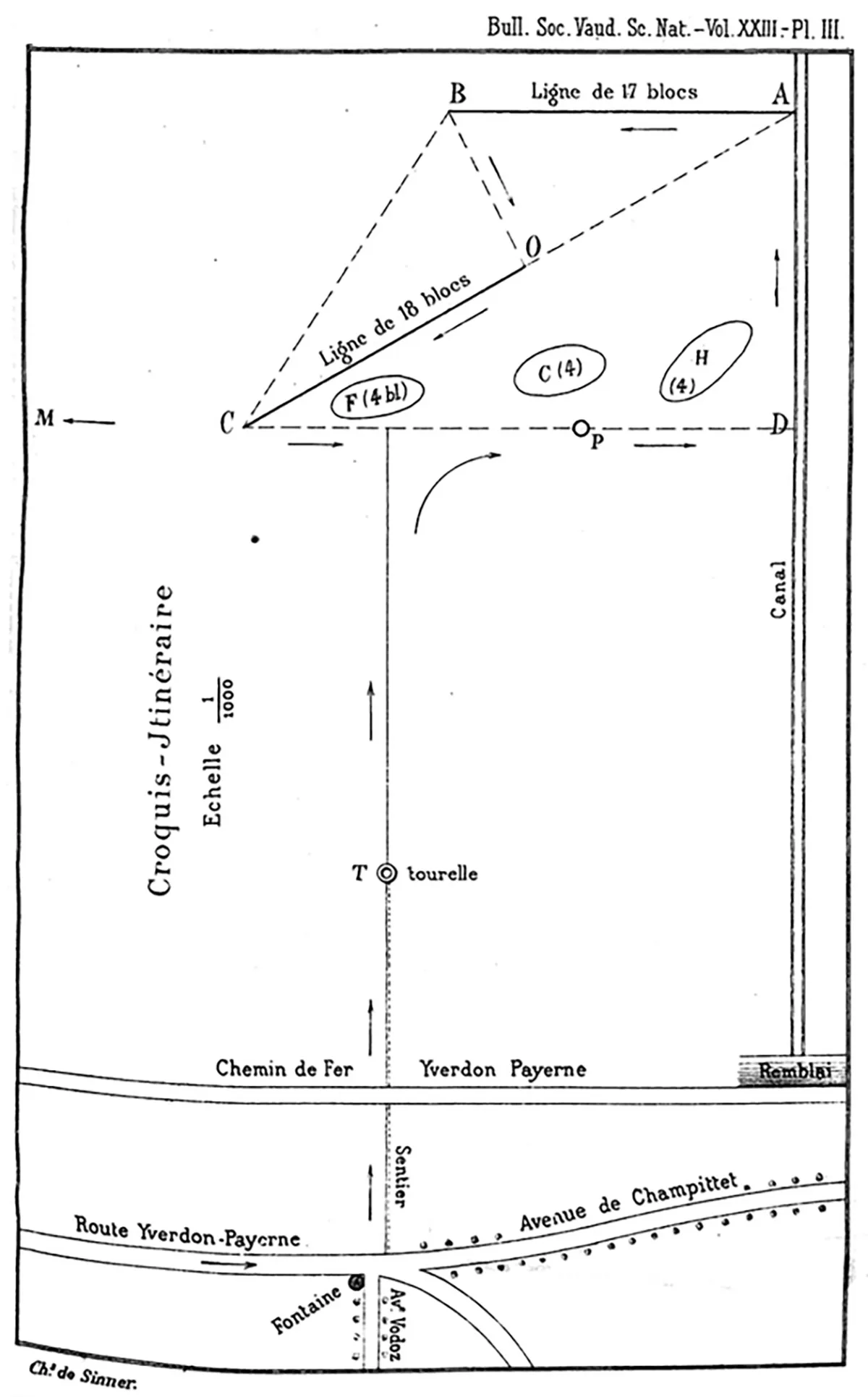
The megalithic site then faded into obscurity again for most of the following century. It was not until 1975 that excavation work unearthed the original postholes in which the large stones had first stood and the wedging stones used to hold them in place. The site was examined thoroughly again in 1981, and precisely charted. To prevent the smallest stones from being stolen, they were replaced by copies made of concrete; the originals are now on display at the museum in Yverdon.
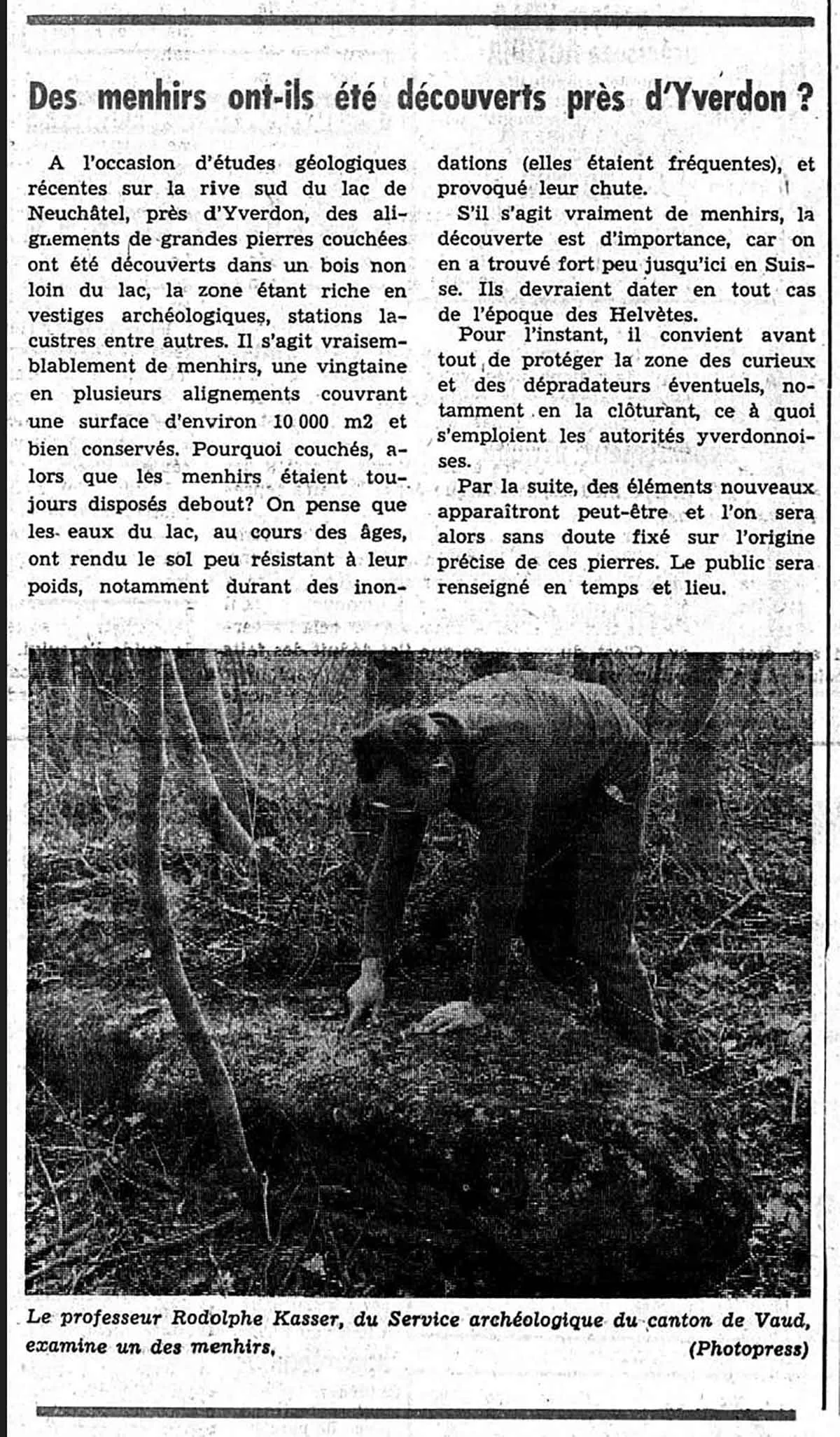
When faced with an unclear meaning and a lack of written records, archaeologists are quick to solve the conundrum by inferring a ‘sacred place’. The site at Clendy may well have been used for ritual activities. But it could also have served as a prehistoric calendar. Knowing the exact positioning and alignment of the stones is crucial to any research. And that is precisely where one of the problems lay: a local construction company had re-erected the stones in 1986, proceeding more on the basis of aesthetic criteria than scientific interest. Fortunately, the data collected in earlier investigations of the site was so exact that it was still possible to reconstruct it in its original form.
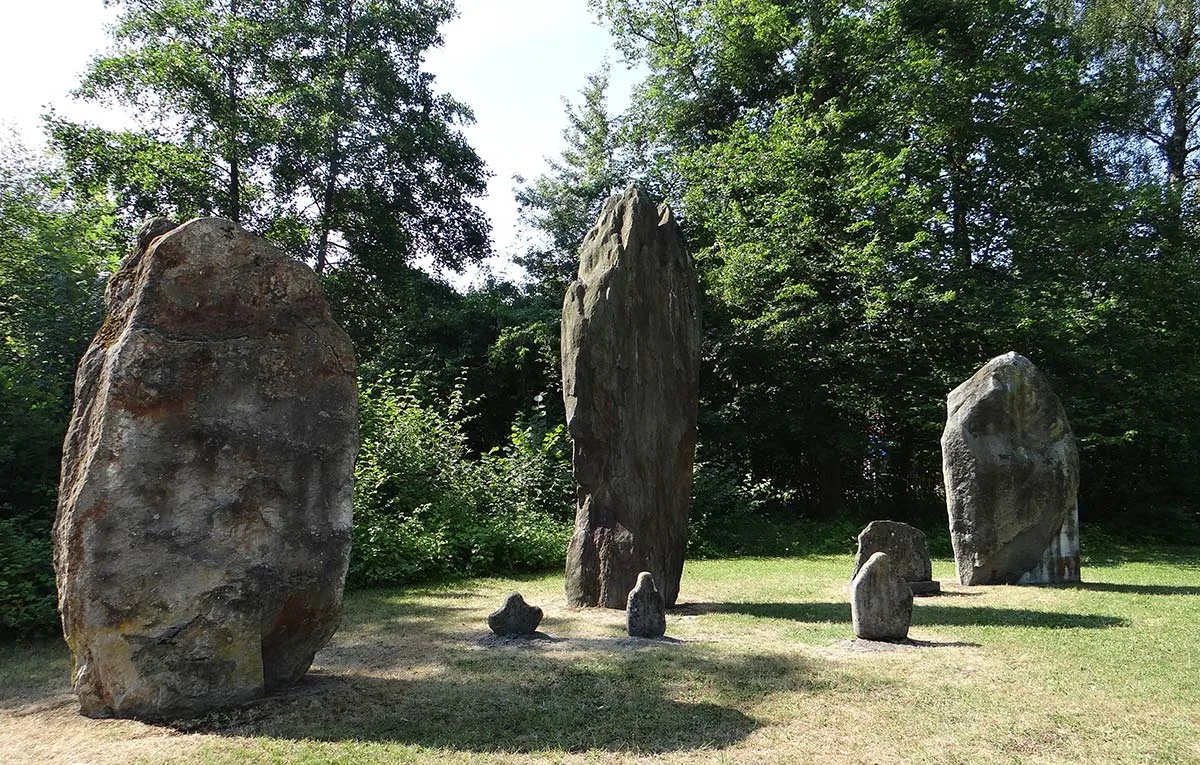

So, does this mean that the megalithic site at Yverdon was a temple? Or a Stone Age observatory? Or both? Whatever it was: watching the moon go down at the alignements de Clendy takes us on a journey into the distant past and the very beginnings of astronomy.