The long journey of the Ekeko
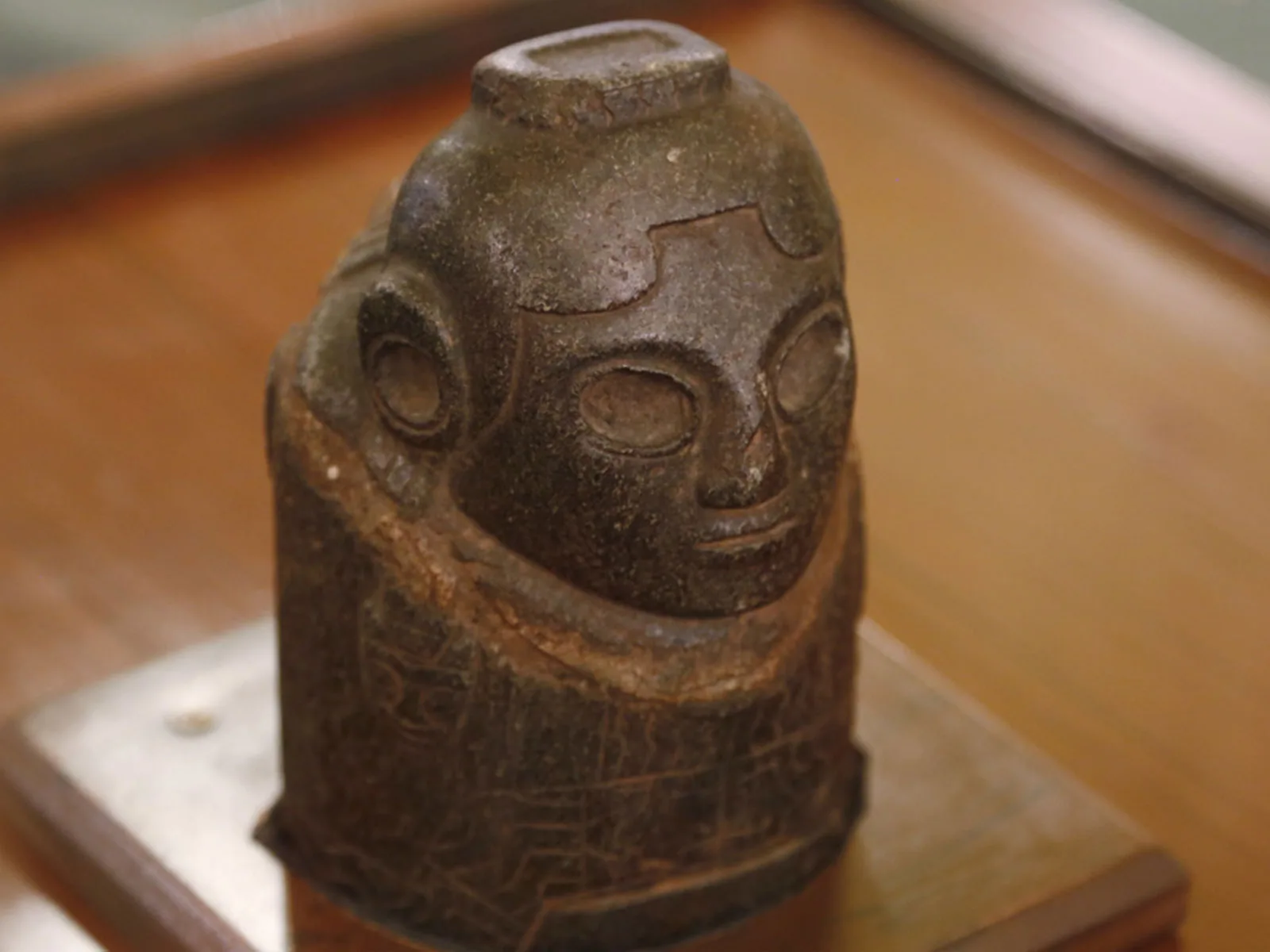
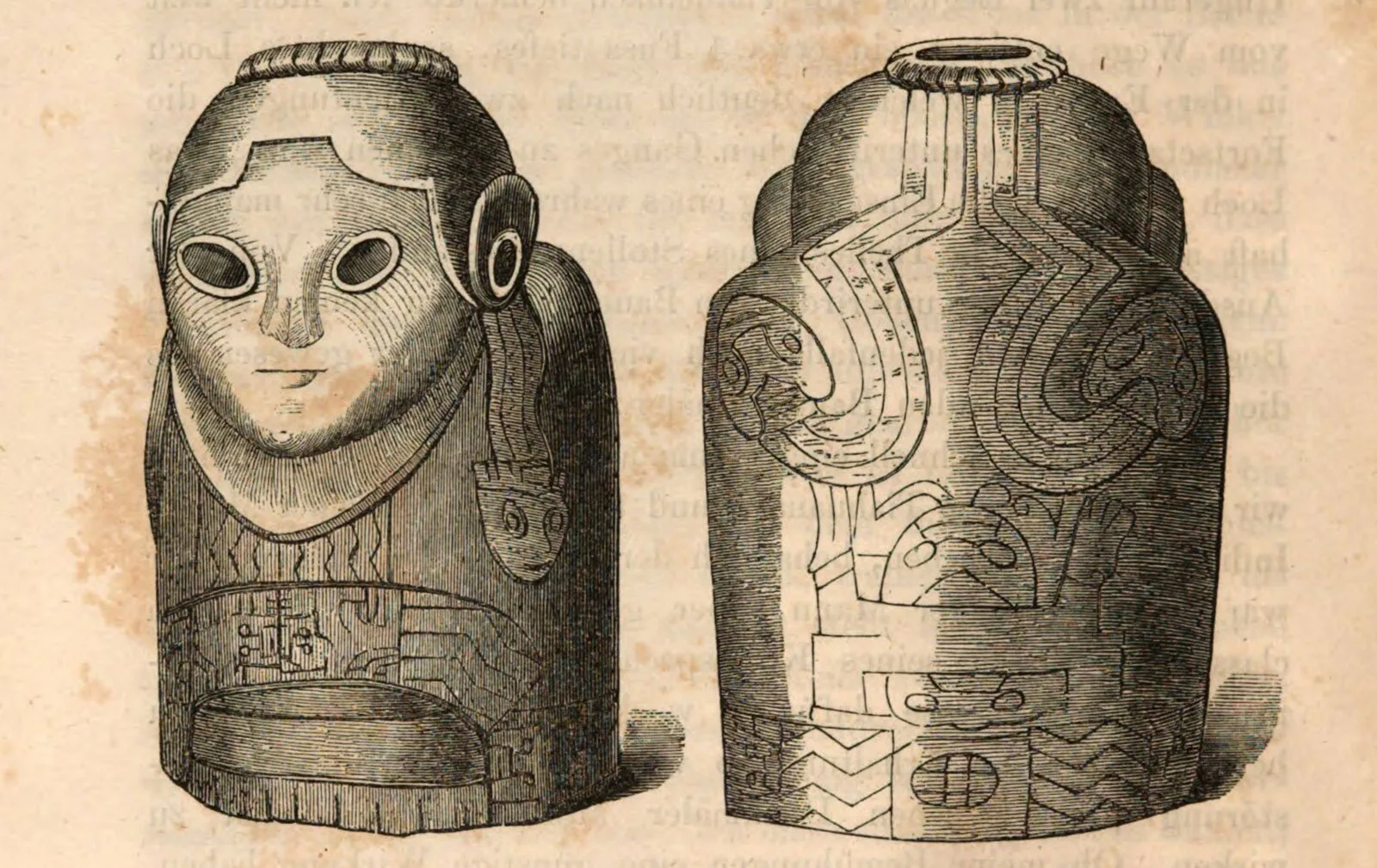
In 1858, Swiss naturalist and diplomat Johann Jakob von Tschudi illegitimately appropriated a Pucara-style figure from the sacred place of Tiwanaku. Some 150 years later, the sculpture was returned to Bolivia, a significant event that reflects Switzerland's approach to its colonial legacy.

Tomás Bartoletti
Tomás Bartoletti is a senior lecturer at the Chair for History of the Modern World of the Swiss Federal Institute of Technology (ETH) in Zurich.
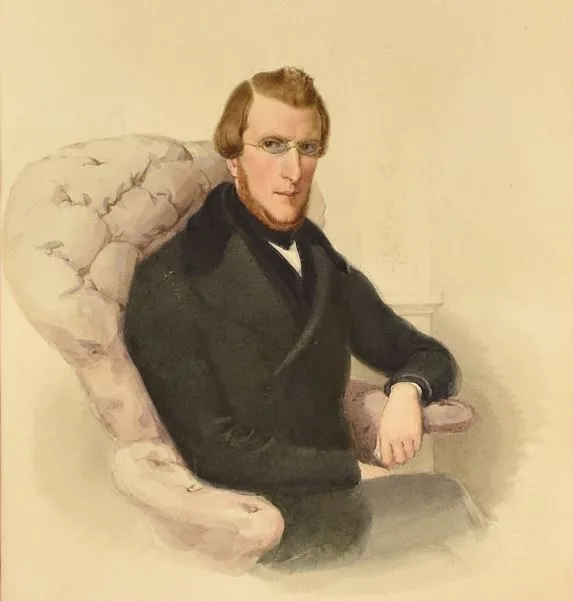
Demystifying the ‘great man of science’
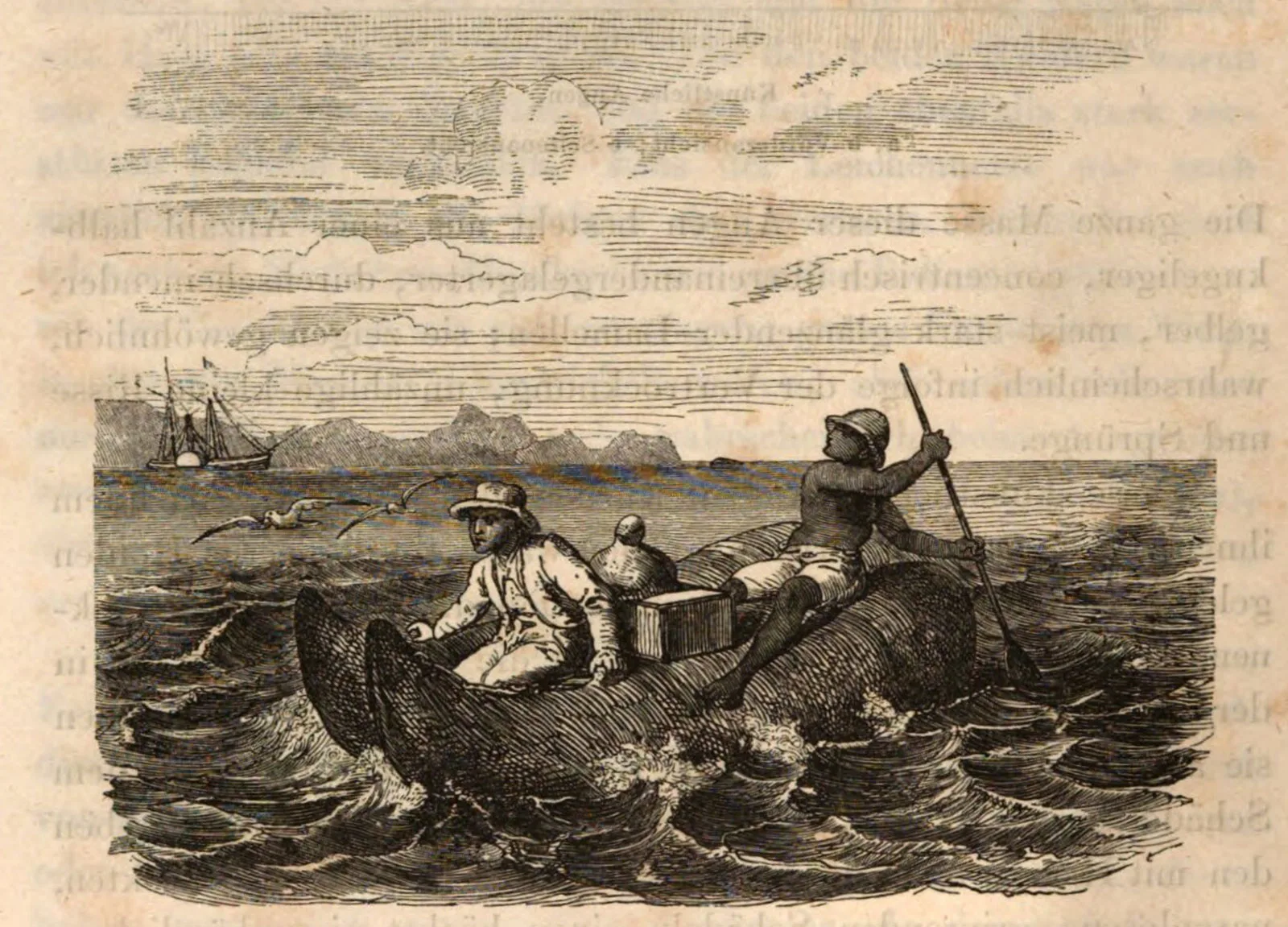
In describing his acquisition of the Ekeko, Tschudi himself acknowledged the sacred value it held for the indigenous people, even likening it to a Catholic saint. He observed how they made regular offerings to the figurine and lit candles in its honour. Recognising the cultural and commercial allure such objects held in Europe, Tschudi expressed an interest in acquiring the sculpture. Reportedly, the indigenous people only reluctantly surrendered the Ekeko under the influence of cognac and the persistent pressure of Tschudi's official escort. After the handover, which apparently took place when Tschudi was already back in the saddle, he and his escort quickly made off. A group of indigenous people chased after them unsuccessfully. This account reveals the distress and alarm Tschudi’s actions caused them.
The controversy over the restitution of the Ekeko
When Salguero Carrillo visited the Historical Museum of Bern in 2012, the thorny questions surrounding the provenance of collections in European museums were not yet as central as they have been in recent years. In Switzerland, the importance of improving provenance research in museums was only formalised in 2020.
Despite the evidence published by von Tschudi himself, the Historical Museum of Bern’s direction at the time was sceptical about the Bolivian claim for restitution. It was argued that the Pucara-style sculpture was not exactly an Ekeko. Only the Western scientific view was considered valid. The Bolivian claim was justified based not only on the fact that Tschudi had explicitly appropriated this piece from a sacred place like Tiwanaku in 1858, but also on the actual cultural value of the piece, which was seen as representing what is popularly known in Bolivia today as the Ekeko. This deity, considered the god of abundance, is honoured during the celebrations of the Alasitas. UNESCO nominated the Alasitas fair as part of the cultural and intangible heritage of humanity in 2011. From the Bolivian perspective, although the sculpture housed in Bern might not actually have depicted the same figure as contemporary Ekekos, it still represents the spirit of the current Ekeko. In that sense, the ancient piece can be seen as representing its predecessor, which gives the figurine great cultural significance.
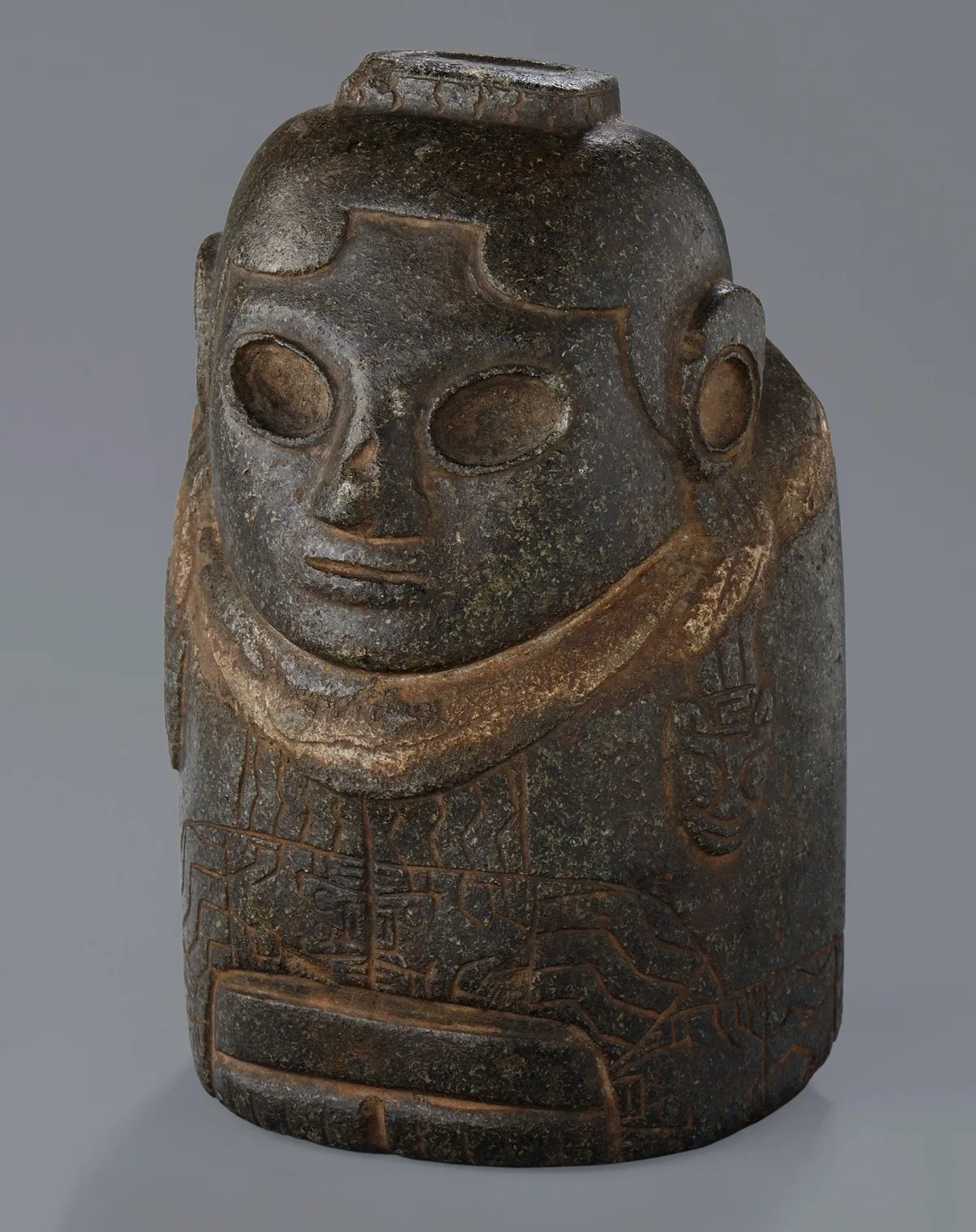
The Historical Museum of Bern continued to attach certain conditions to the restitution. Instead of transferring complete sovereignty over the Ekeko to the Bolivian state, the Historical Museum of Bern offered a ‘shared heritage’ contract, meaning that Bern could potentially recover the sculpture or set special conditions for its restitution and further exhibition in Bolivia. When the Ekeko returned to Bolivia, there was a massive celebration in the Alasitas, and the sculpture travelled across La Paz to be honoured by its people. Contrary to the conditions laid down by the Historical Museum of Bern, the figurine was not kept under the agreed preservation setting. Once again, the museum requested prioritisation of its particular relation to this material object, arguing for the “scientific” preservation of the statue while ignoring the cultural significance and living practices attached to the figurine in Bolivia. Bolivian diplomat Elizabeth Salguero Carrillo responded to the criticism: “For Bolivia, the Ekeko is a sacred piece. We are not only a museum culture. Bolivia is a country of living cultures, for which contact with their sacred objects is fundamental.”