The queen of watercolours
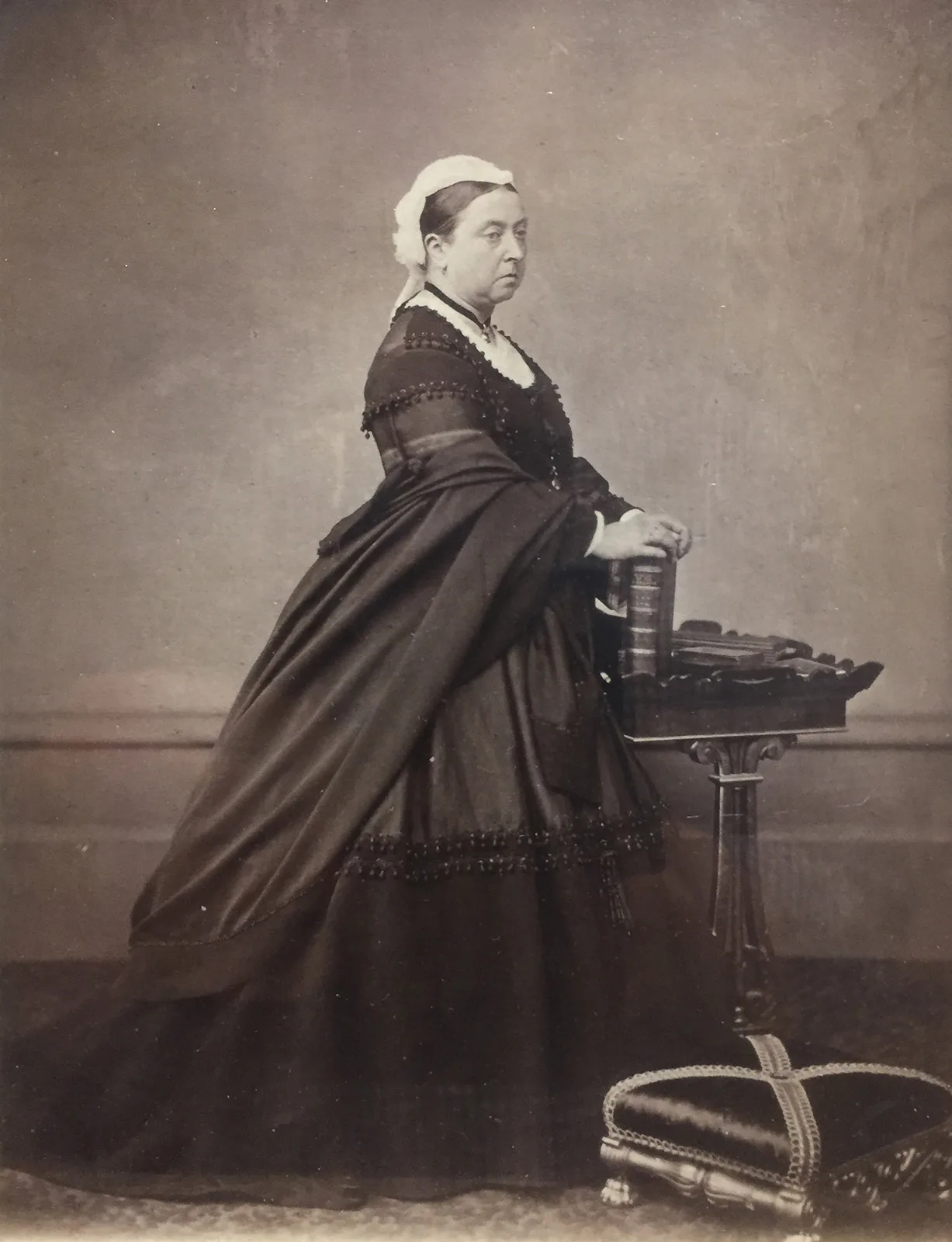
In her day, Queen Victoria was the most powerful woman in the world. She came to Switzerland in 1868 to rest and recuperate, and made numerous sketches and paintings of the Swiss scenery. Many of these watercolours and drawings survive today.

Michael van Orsouw
Michael van Orsouw has a PhD in history and is a performance poet and author. He regularly publishes historical books.
Website: geschichte-texte.ch
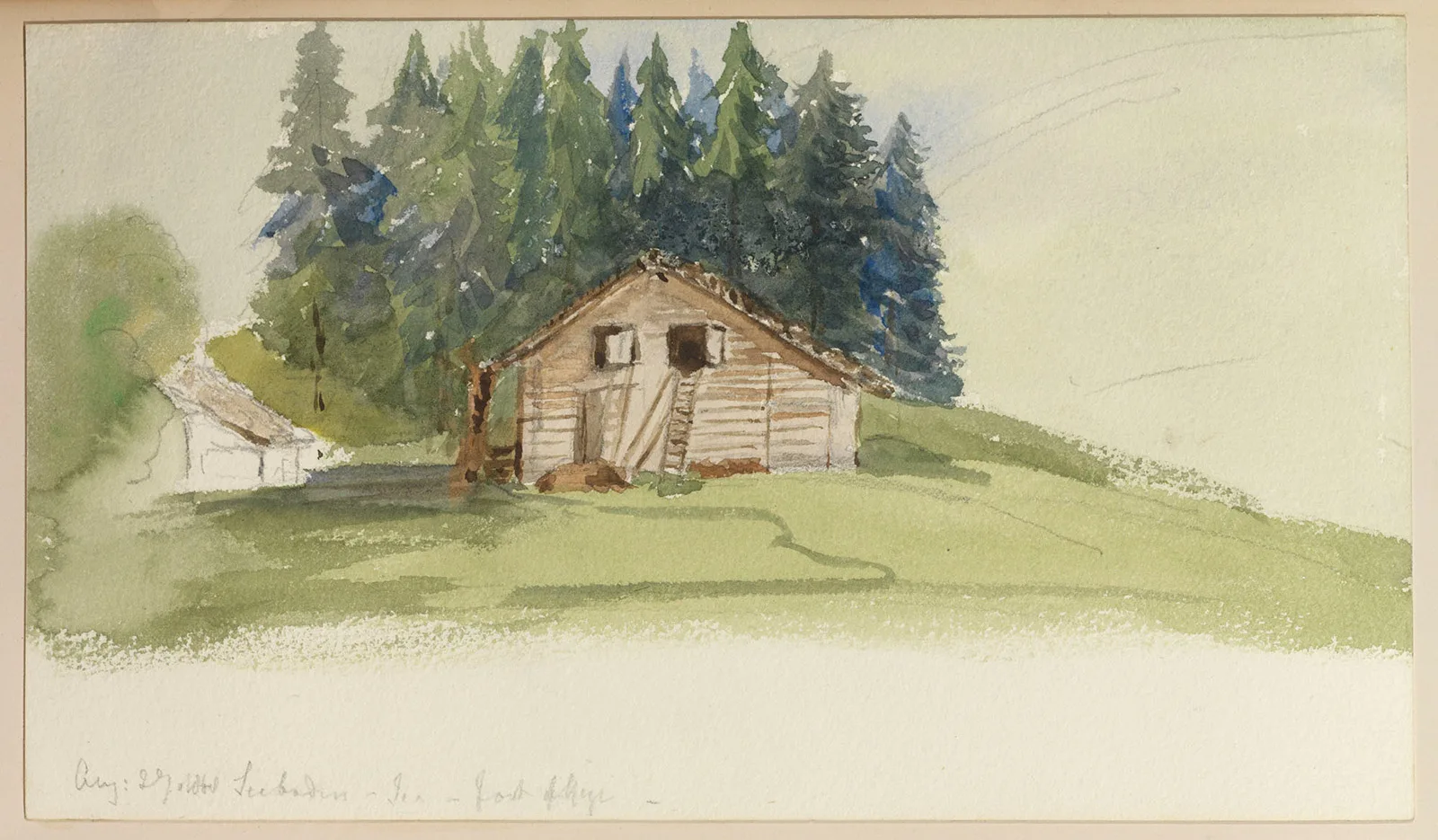
This scene took place on the afternoon of 27 August 1868. After 45 minutes, the happy band packed up their things and continued on their way: “A steep descent on winding paths overhung by endless fruit trees. [...] We had the feeling that today was a very successful day.” The person who had stopped to paint the little mountain hut and who later made this entry in her journal was none other than Queen Victoria, Queen of the United Kingdom of Great Britain and Northern Ireland. At that time, she was considered the most powerful woman in the world. Her empire held sway over 1 billion people, she had 9 children, was implicated in 229 wars and uprisings, survived 7 assassination attempts and outlived 21 cabinets. Her 40 grandchildren and 88 great-grandchildren earned her the soubriquet “grandmother of Europe”, and she gave her name to an entire historical period: the Victorian era. Queen Victoria reigned for 63 years.
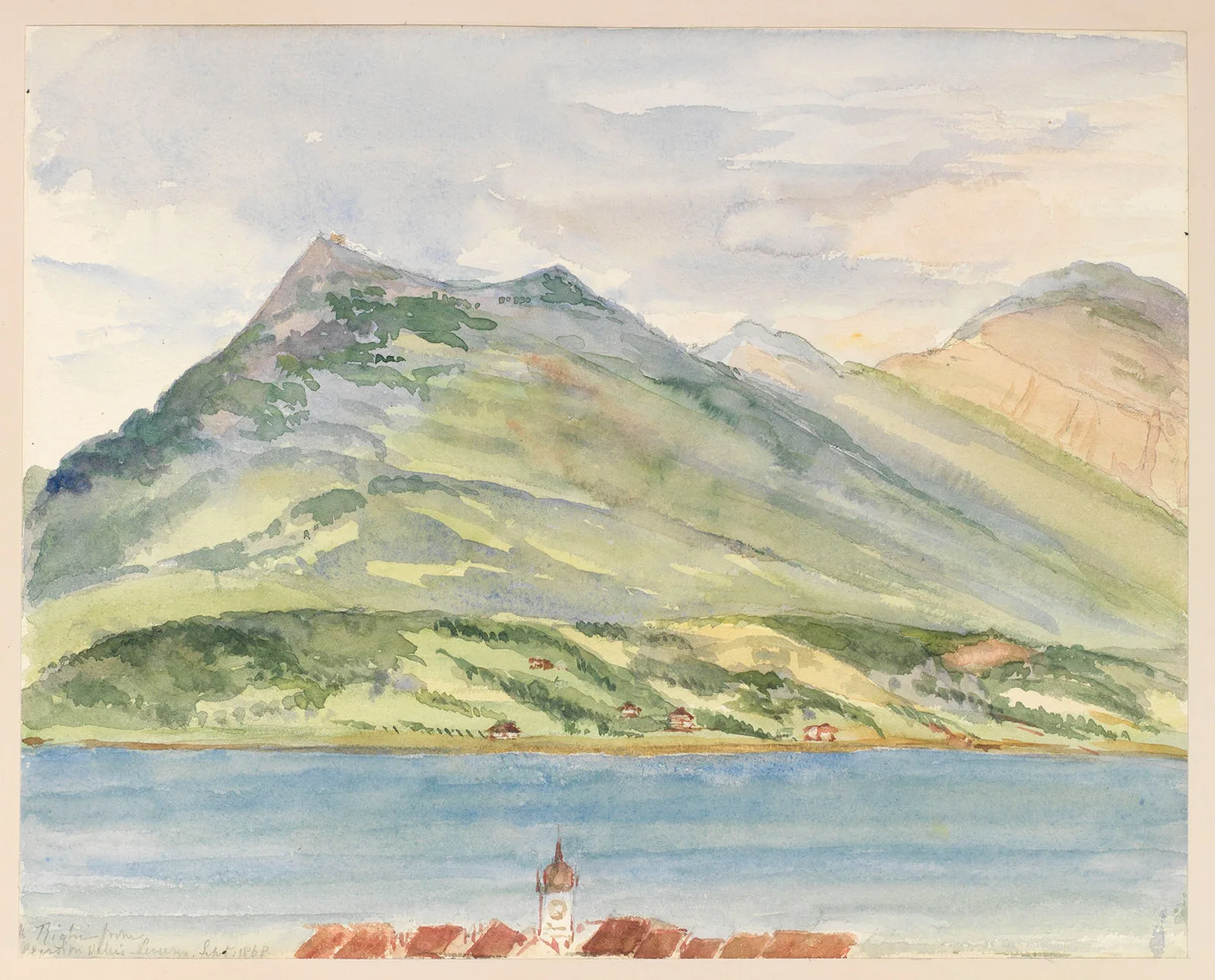
The view … out over the lake with the city spread out before it, surrounded by the most magnificent mountains & vibrant greenery in the foreground, is ideal. It is truly what I dreamed of, but I could hardly believe I was now seeing it with my own eyes!
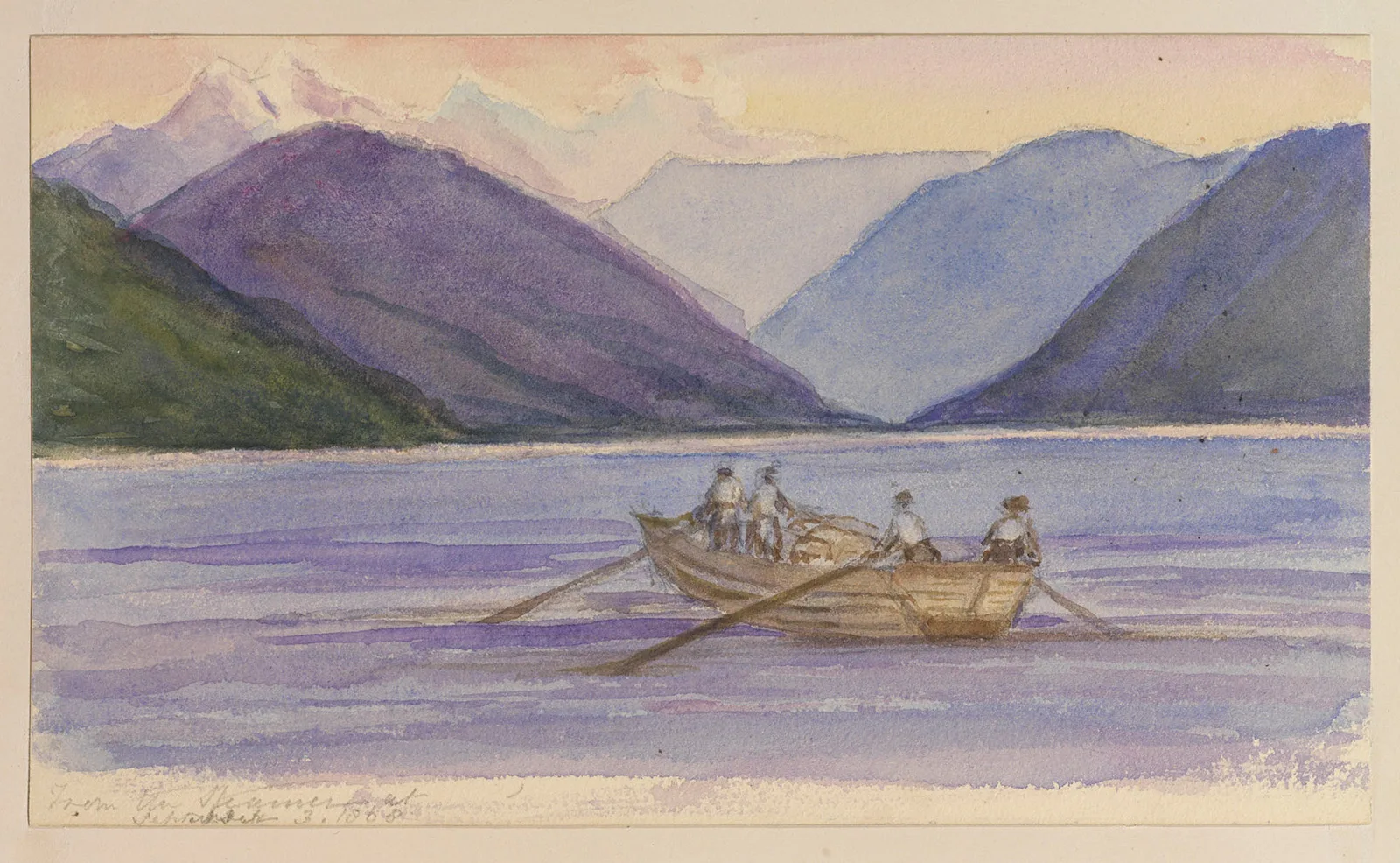
She never once missed afternoon tea…
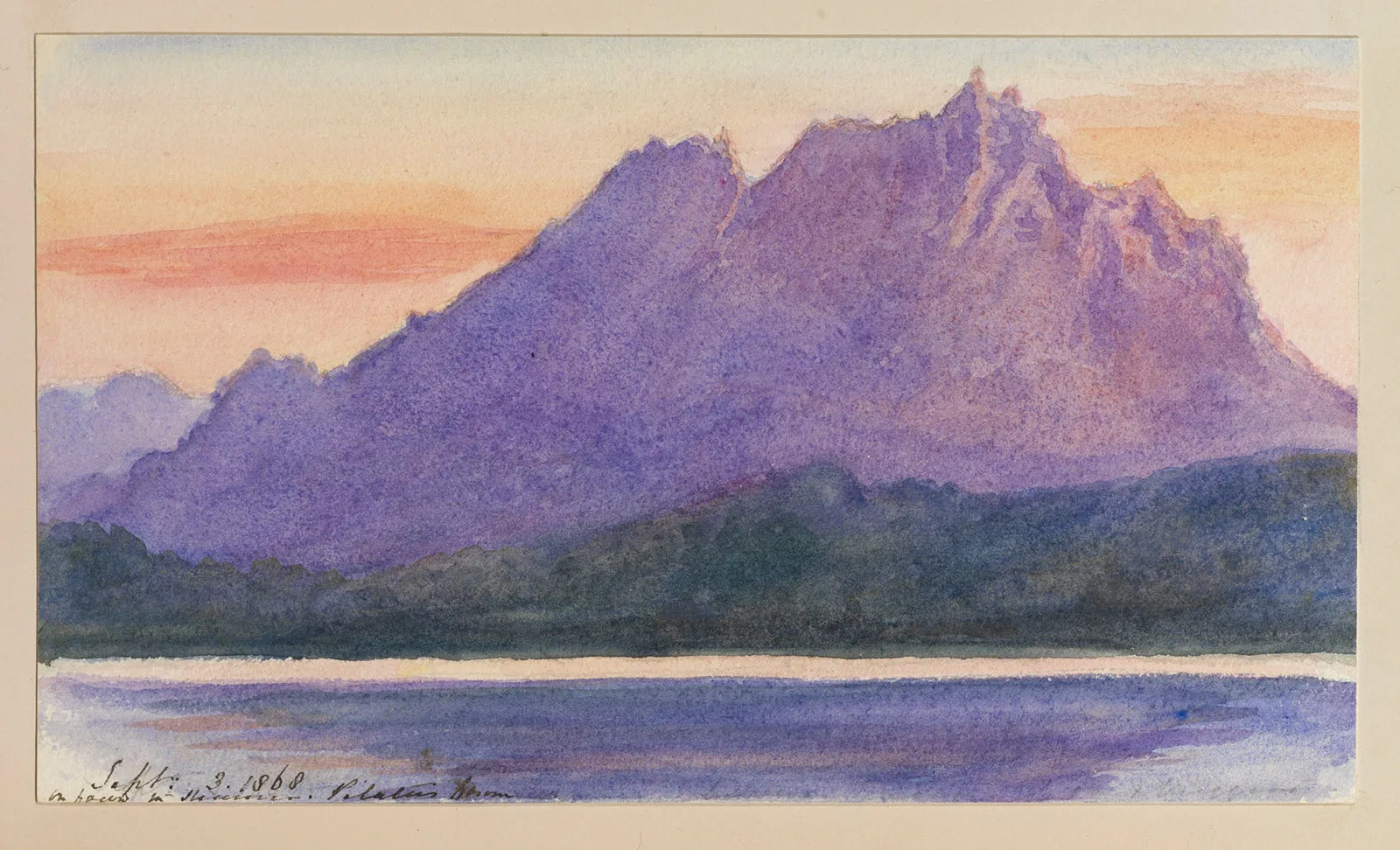
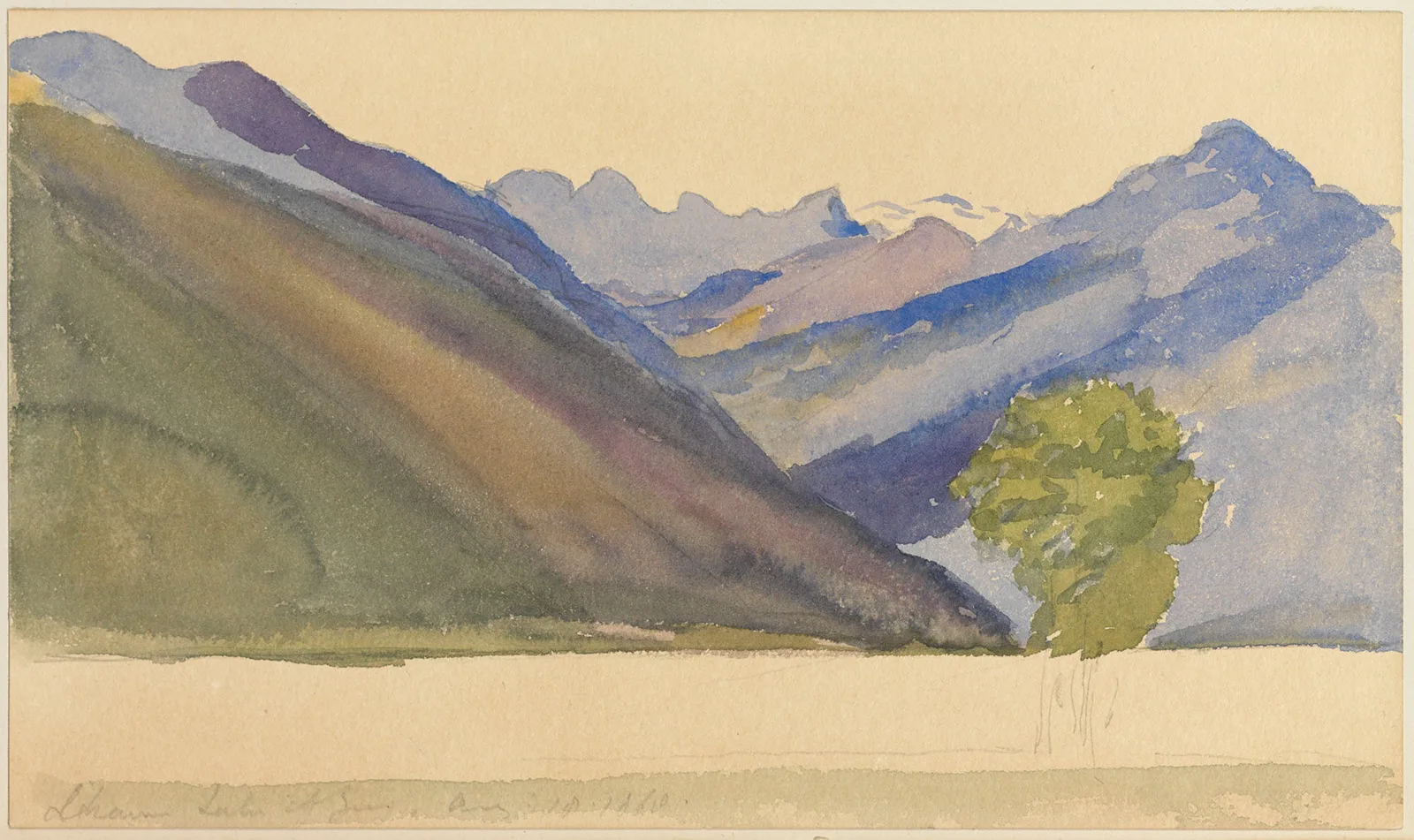
…or went anywhere without an easel
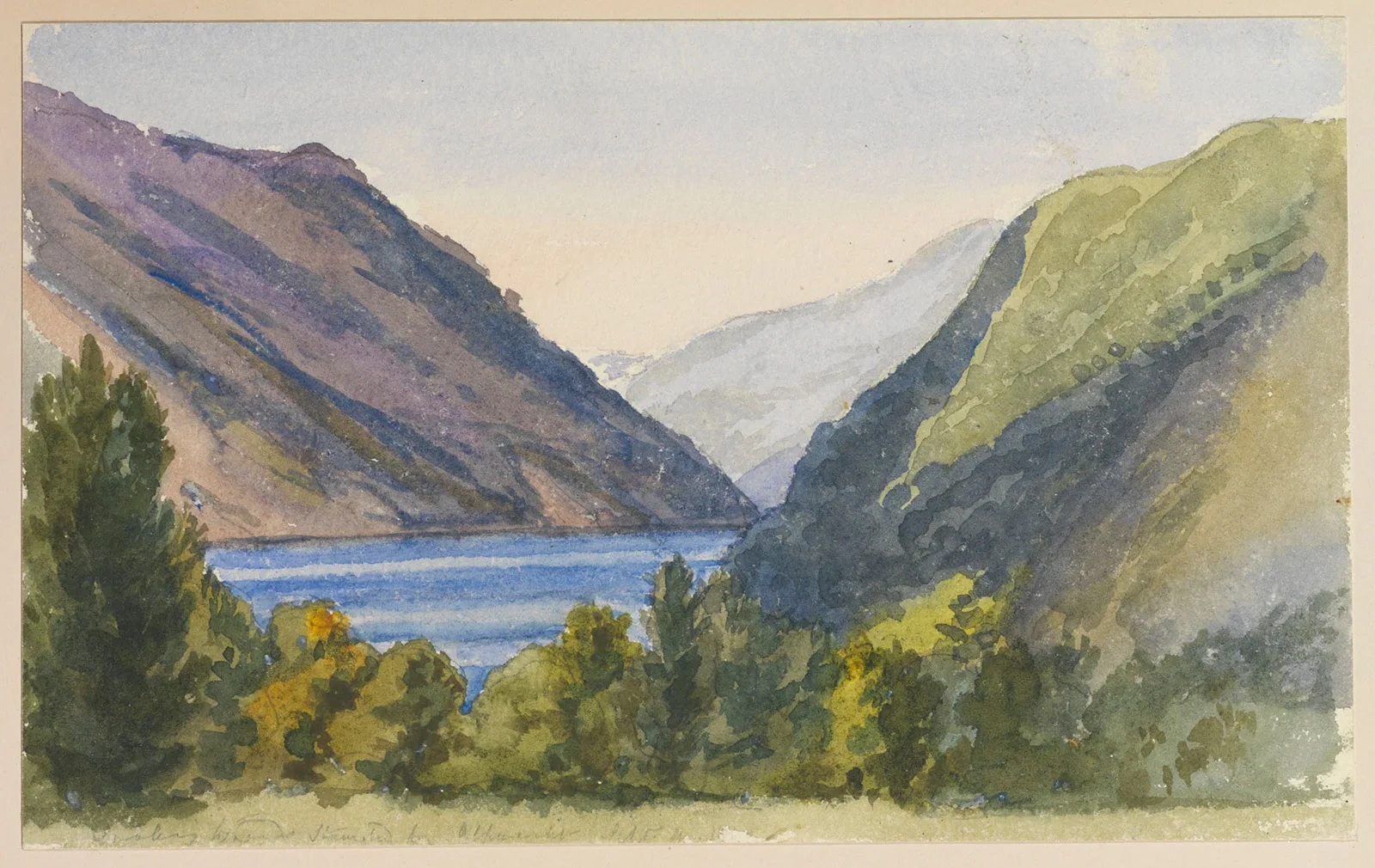
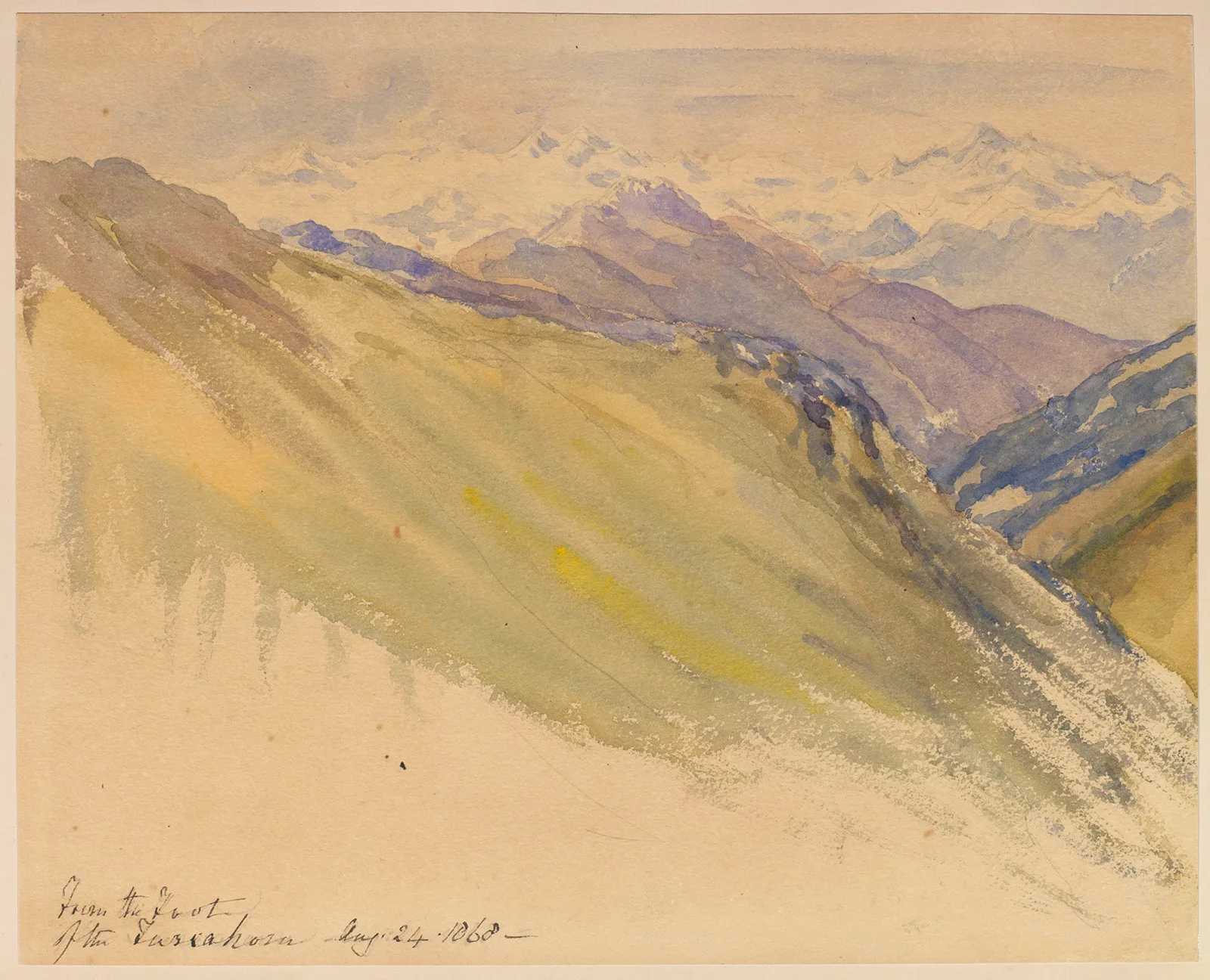
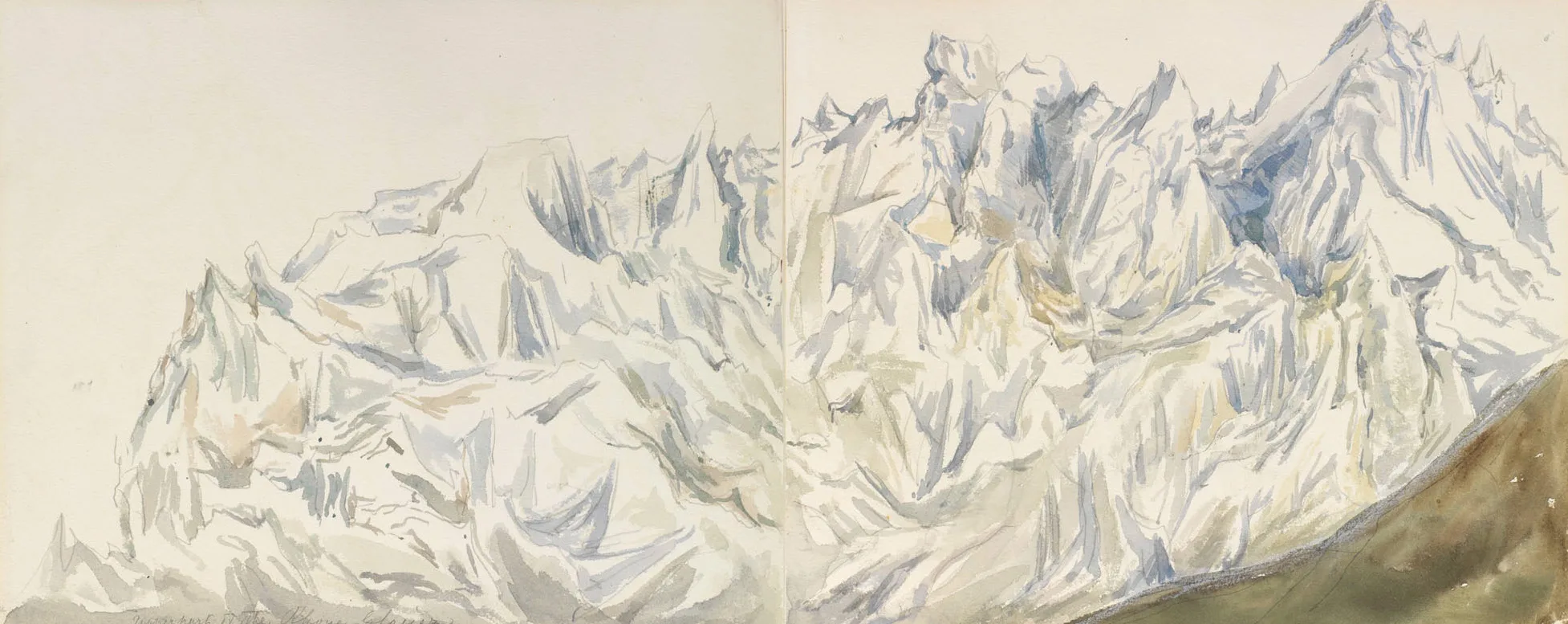
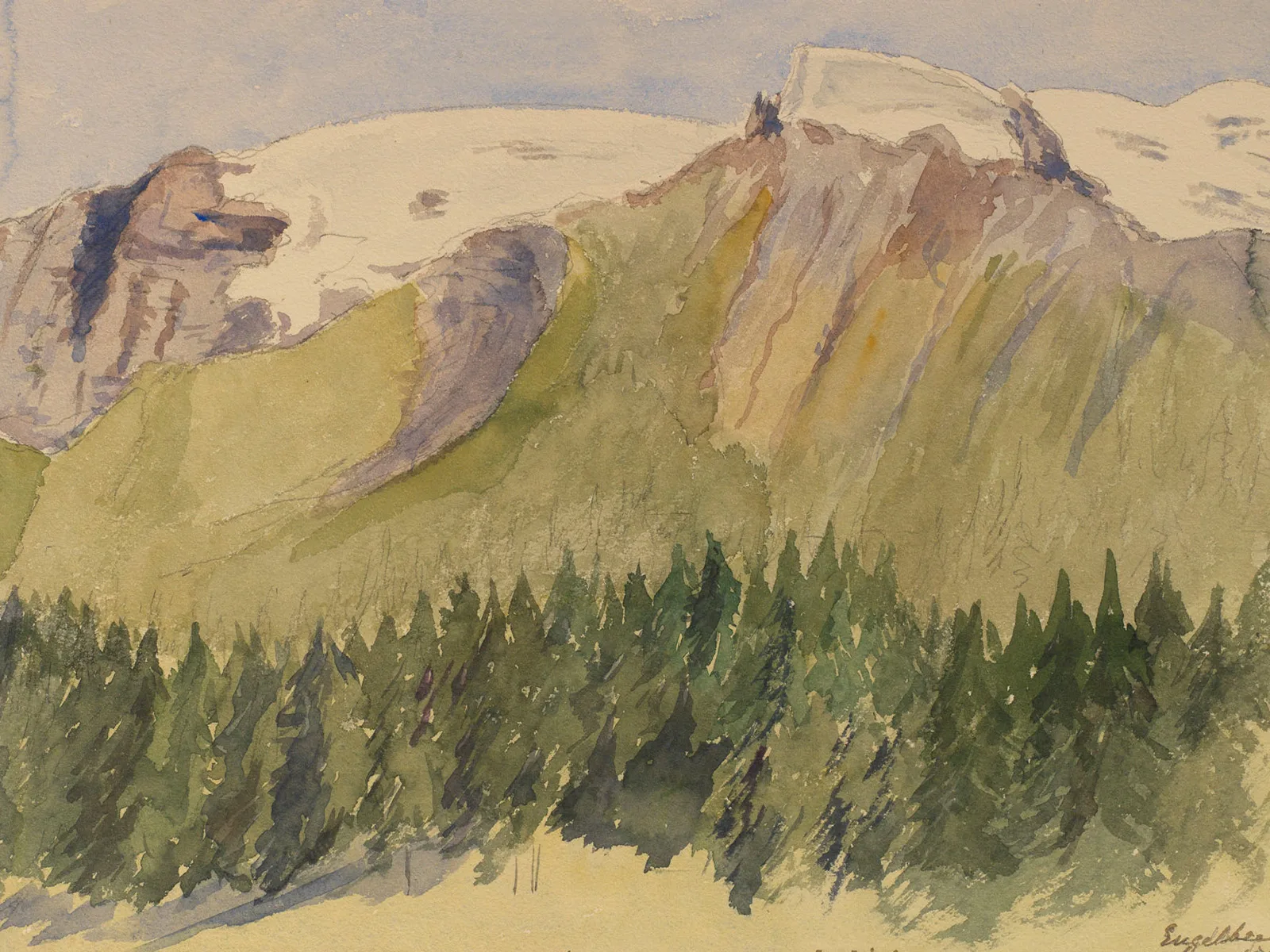
To cool down somewhat, the royal party travelled across Lake Lucerne to Flüelen, then on through Uri and up the Furka Pass, where they stayed at a “small, miserable inn, with tiny, squalid & sparsely furnished rooms”, as the Queen disapprovingly noted. Victoria got more than she bargained for on the Furka Pass, including fog and cooler temperatures than anticipated. She was freezing! There was even some sleet and snow. Then suddenly the sun came out again, revealing an overwhelming spectacle of nature to the English visitors, once again inspiring the Queen to reach for her watercolours. She was also full of enthusiasm for the Rhône Glacier: “One can hardly believe it is real, as it appears almost otherworldly!” She sat down to paint an extra-wide picture of the jagged crevasses in the ice. Naturally, without forgetting to enjoy her usual cup of afternoon tea.