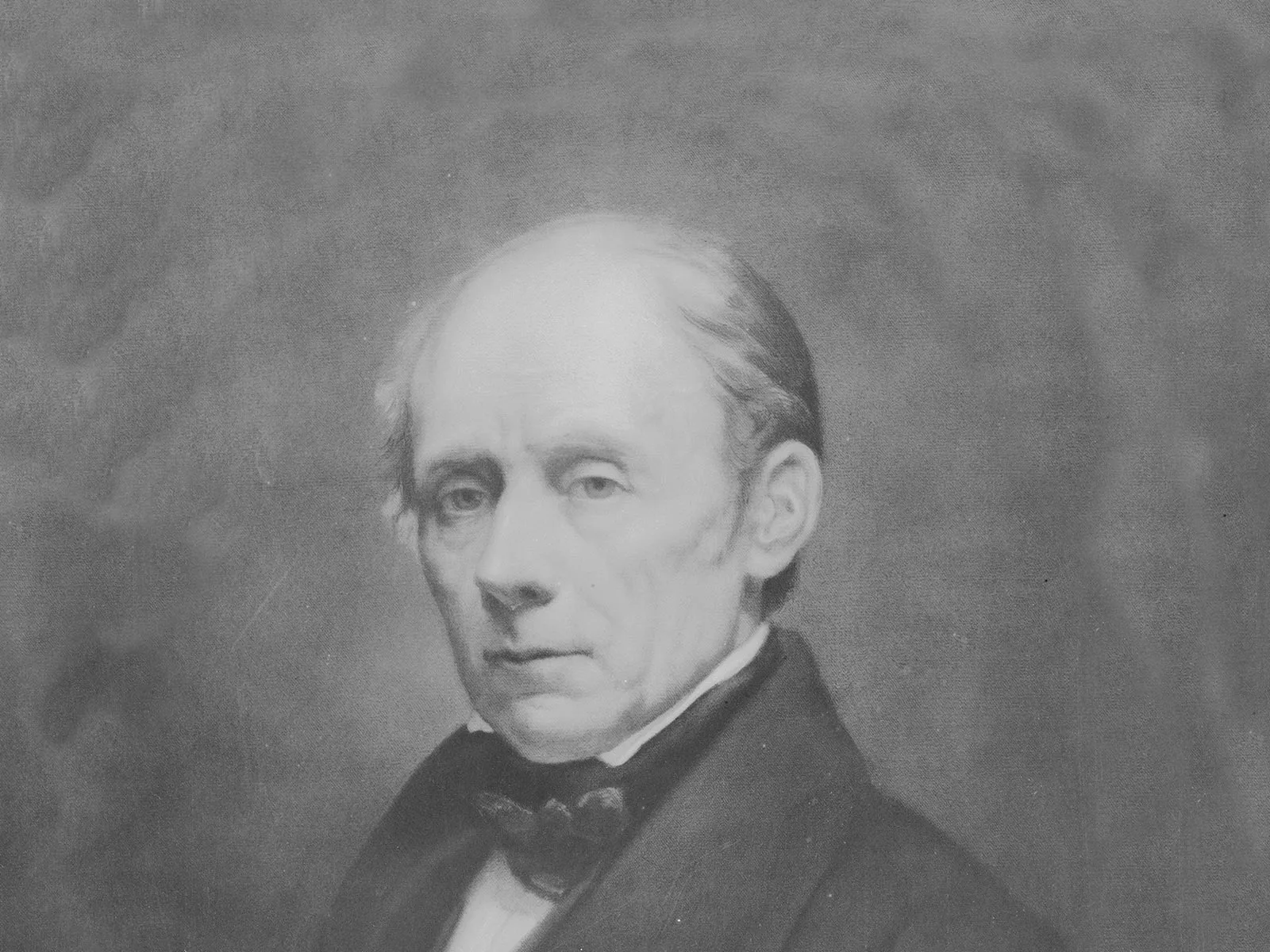
Guillaume Henri Dufour is one of the most prominent figures from Swiss history.
Guillaume Henri Dufour is one of the most prominent figures from Swiss history. Wikimedia / swisstopo

Dufour – a man of many talents

Guillaume Henri Dufour was a humane military general and an innovative cartographer. But he was also a mobility pioneer, a talented engineer and a reluctant politician.

Andrej Abplanalp

Andrej Abplanalp

Historian and communications chief of the Swiss National Museum.
This year marks the 150th anniversary of the death of one of Switzerland’s favourite sons: Guillaume Henri Dufour (1787–1875). The native of Geneva was an ingenious cartographer and an empathetic general. His topographic map was the first complete survey of Switzerland and set the standard internationally. It earned him a gold medal of honour at the World Fair in Paris in 1855, although it wasn’t even complete. With tact and diplomacy Dufour led Switzerland through the Sonderbund War of 1847, the country’s last civil war. He prevented a major escalation and sowed the seeds for rapid reconciliation between the two warring parties. This is why Guillaume Henri Dufour is referred to as the ‘nation’s bridge builder’ to this day.
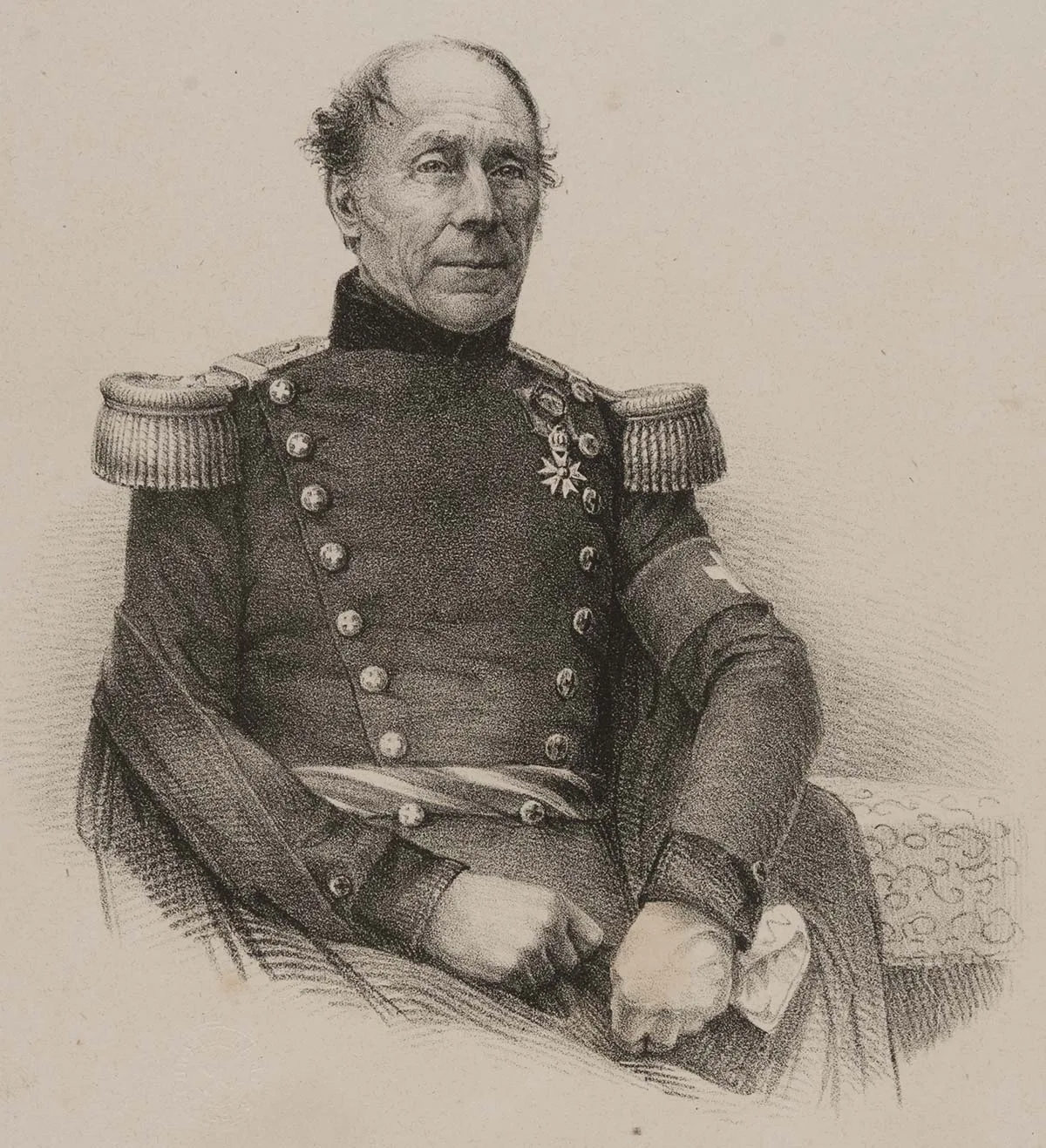
As General leading the Swiss troops, Dufour acted with caution. Print, circa 1856.
As General leading the Swiss troops, Dufour acted with caution. Print, circa 1856. Swiss National Museum

Bridge builder

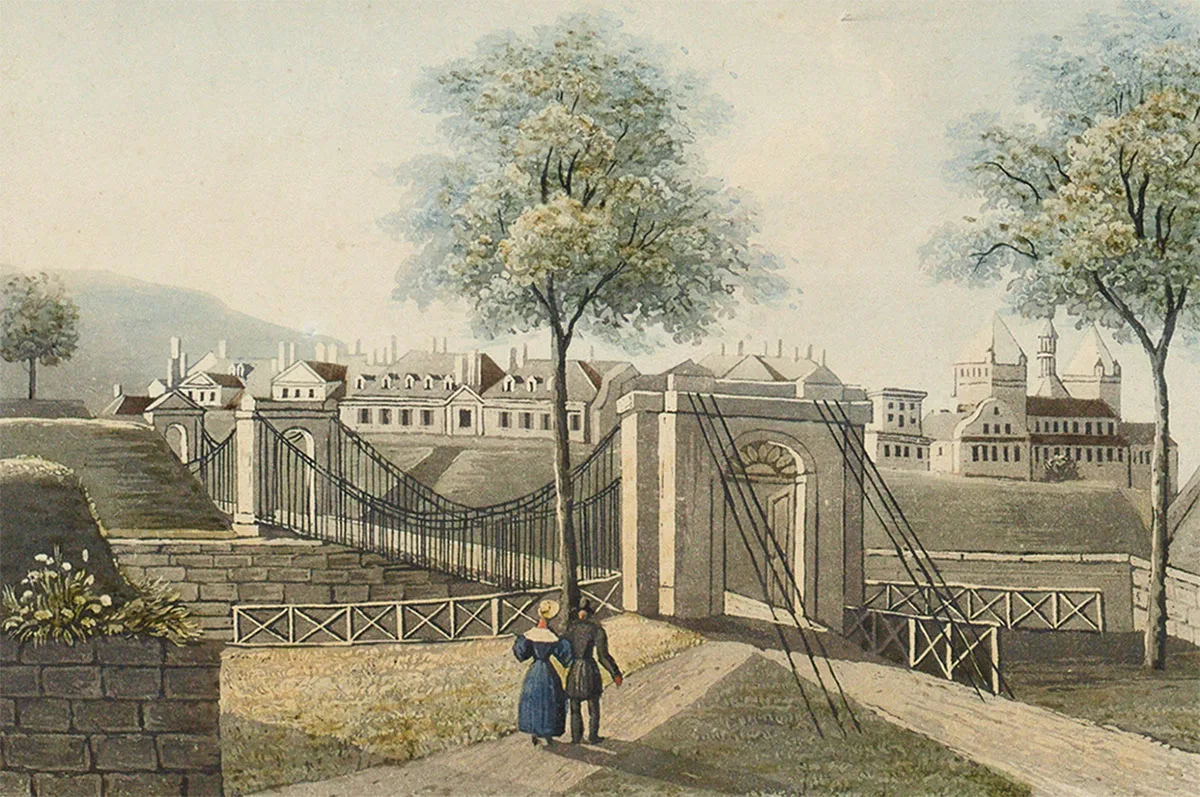
But the all-rounder from Geneva didn’t only build symbolic bridges between hostile camps, he also built bricks-and-mortar structures from one bank to another. As cantonal engineer in Geneva between 1817 and 1850, he was responsible for the construction of several bridges – such as the Pont des Bergues over the Rhône, which became a famous city landmark after it was completed in 1834. A few years previously, in 1823, Guillaume Henri Dufour had built the Passerelle de Saint-Antoine, Europe’s first permanent cable suspension bridge. It connected the centre of Geneva, which at the time was still secured with a massive fortification and only had three access points, with the Quartier Saint-Antoine, located outside of the city.
The Passerelle de Saint-Antoine connected the centre of Geneva with the Quartier Saint-Antoine.
The Passerelle de Saint-Antoine connected the centre of Geneva with the Quartier Saint-Antoine. Wikimedia
This pedestrian bridge made it much easier for people to get about – which mattered greatly to the region as mobility was becoming ever more important in the 19th century. The Industrial Revolution and the expansion of the railways sparked far-reaching changes within society.

Light bringer

People started to be out and about more often and for longer. This had a direct impact on thoroughfares and transport routes, which had to be extended, constantly upgraded, and now also illuminated. While some streets and squares in large European cities had already been lit with oil lamps since the 17th century, two centuries later the subject of street lighting reached a completely new dimension.

People were mobile and going out more at night, which posed fresh challenges for officials in charge of urban infrastructure. To meet the growing demand for light, they started working with gas lamps, which not only produced a much brighter light, but were also connected up with cables. This allowed lighting to be managed centrally, which made many things easier. The city of Bern was quick to recognise this, introducing Switzerland’s first gas lighting in 1843. Guillaume Henri Dufour followed suit and initiated the lighting of Geneva’s streets a year later, which, by December 1844, were lit up with 300 gas lamps. Over the subsequent 16 years, that number rose to some 6,000 lamps. It took several years for cities such as Basel and Zurich to follow their lead, with La Chaux-de-Fonds waiting until 1894, by which time the first Swiss cities had already switched to electric street lighting.
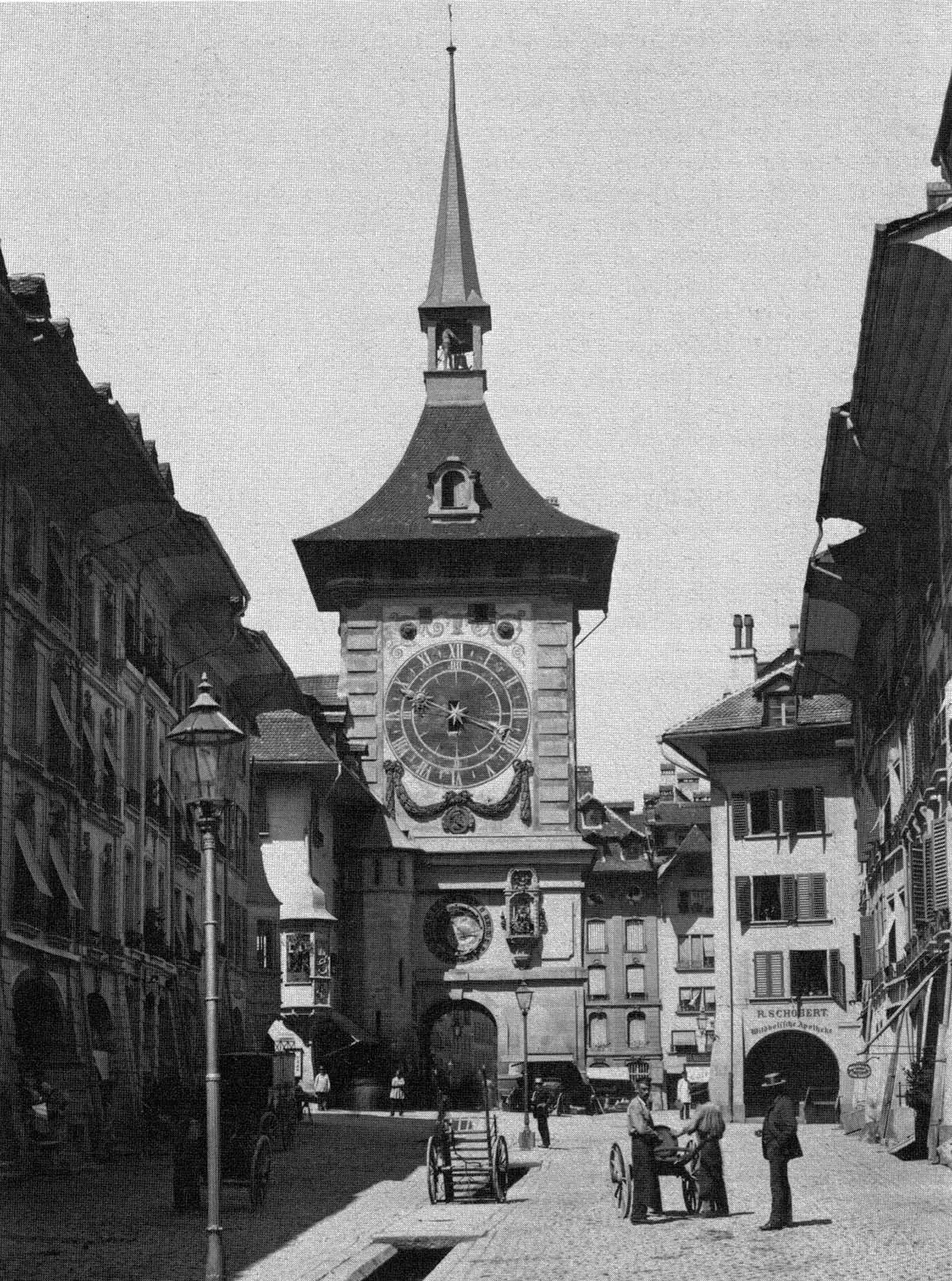
A gas lamp in Bern’s old town, 1865.
A gas lamp in Bern’s old town, 1865. Wikimedia

Mobility pioneer

Dufour was a holistic and foresighted thinker who never lost sight of the bigger picture. As early as the 1820s he recognised society’s growing mobility and the increasing requirements of transportation and transport infrastructure. The cantonal engineer was therefore instrumental in the introduction of the regular steamer line on Lake Geneva, which travelled between Lausanne-Ouchy and Geneva six times a week from 1823.

Guillaume Henri Dufour was also involved in efforts to connect Geneva to the French railway network – starting with the commercial metropolis, Lyon. He campaigned for the project and after his term as cantonal engineer, he was elected to the Board of Directors of the Compagnie de Lyon, which oversaw the construction of the railway line. It’s also thanks to Dufour that there was a regular train service between Geneva and Lyon from 1857 onwards. The city therefore played a pioneering role in rail transport.
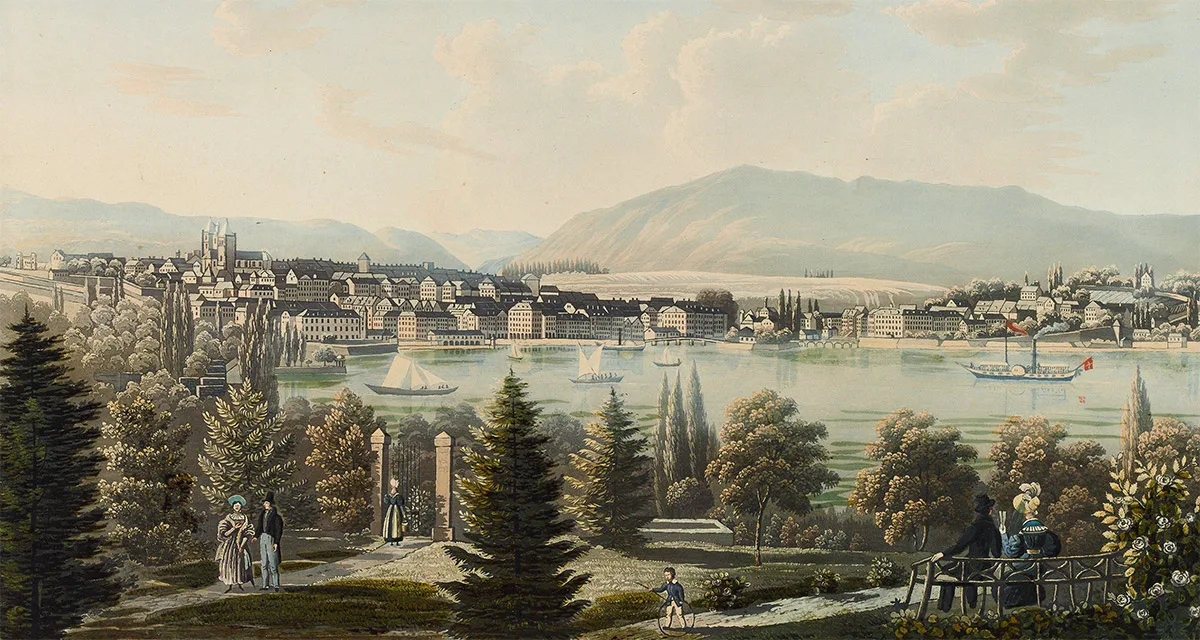
A view of Geneva. On the right is the steamer ‘Guillaume Tell’, which, from 1823, regularly travelled between Geneva and Lausanne-Ouchy.
A view of Geneva. On the right is the steamer ‘Guillaume Tell’, which, from 1823, regularly travelled between Geneva and Lausanne-Ouchy. Wikimedia / Swiss National Library

Reluctant politician

It may seem as though the multi-talented Dufour made a success of everything he put his hand to. That would almost be true – if it weren’t for politics. In this area, the ‘bridge builder’ and ‘light bringer’ was less successful. Dufour was not power hungry. While he had an excellent reputation, a large network, and was hailed as a national hero after the Sonderbund War of 1847, politics was not his passion. He was not a fan of debates, party politics or strategic manoeuvres. Instead, he preferred the role of neutral mediator and non-partisan expert. This attitude earned him a great deal of respect, but rarely any real political clout.

Nonetheless, Guillaume Henri Dufour was involved in politics for almost 50 years. He started off as a representative in the Swiss Federal Diet, and was later elected to the Geneva Cantonal Council. In the 1850s, Dufour was also a member of the National Council for several years.
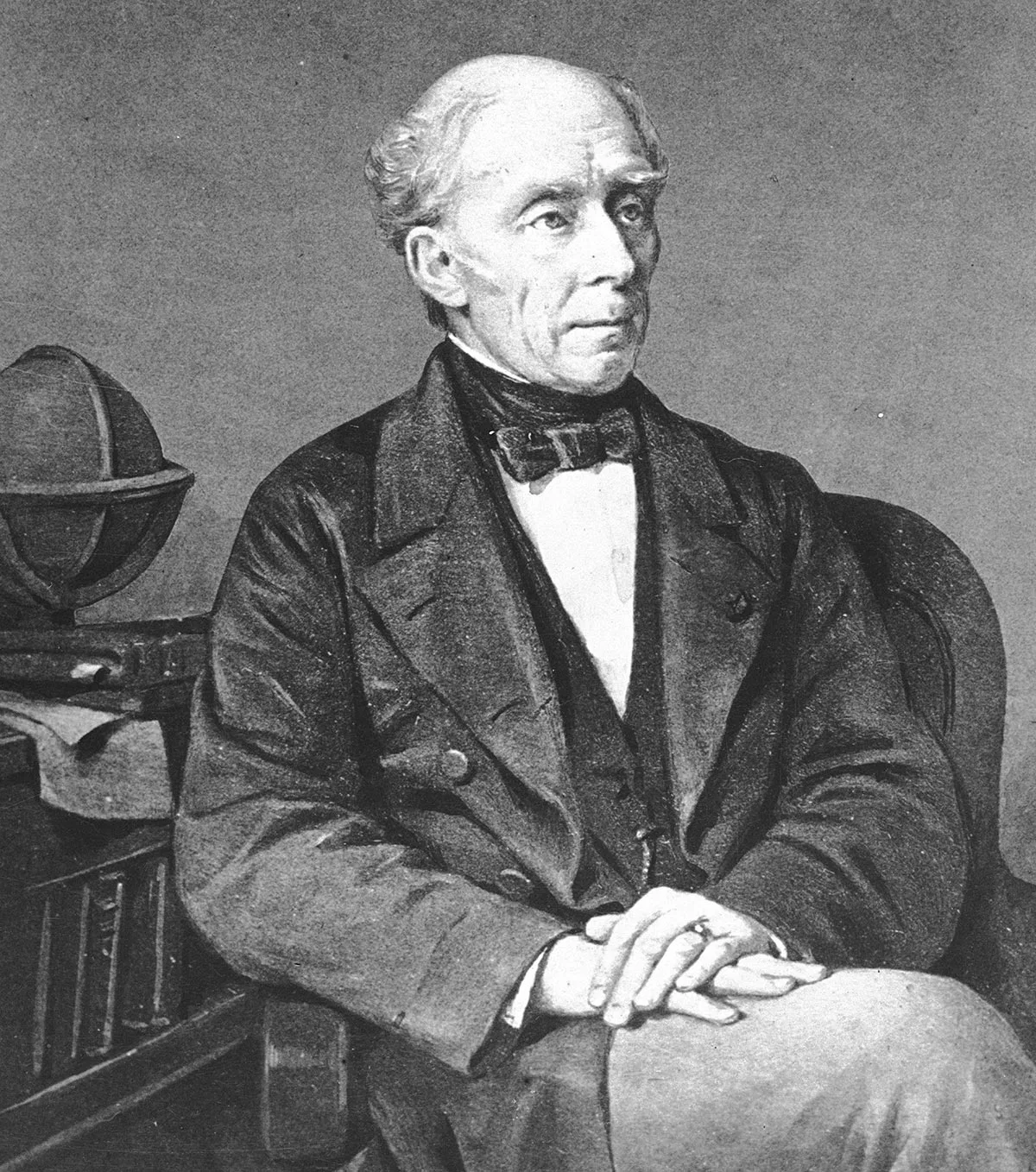
Politics was not Guillaume Henri Dufour’s passion.
Politics was not Guillaume Henri Dufour’s passion. Wikimedia / swisstopo
But politics was never his passion, it was more of a civic duty that had to be fulfilled. On the political stage, Guillaume Henri Dufour was therefore at best a peripheral figure – one who sought compromise and was primarily guided by facts. In fact, maybe those very characteristics that made Dufour a mediocre politician also made him an outstanding engineer, military general and cartographer.

Further posts