Legal era in the canton of Vaud
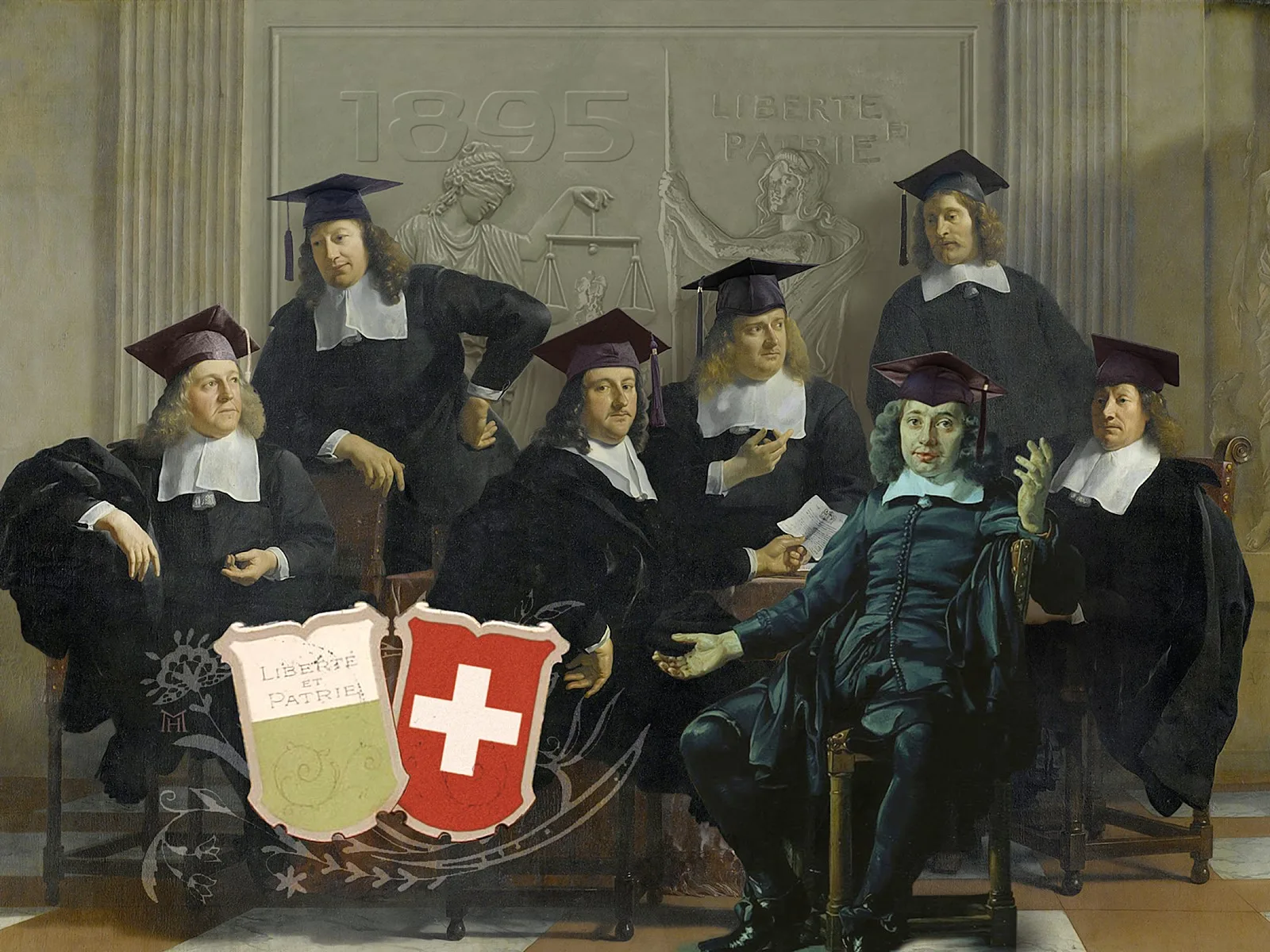
Seven of the first 36 federal councillors came from Vaud. And all of them were lawyers. This is not surprising, as jurisprudence was highly valued in the west of Switzerland.

Christophe Vuilleumier
Christophe Vuilleumier is a historian and board member of the Schweizerische Gesellschaft für Geschichte (Swiss Historical Society). He has published a number of articles on 17th and 20th century Swiss history.
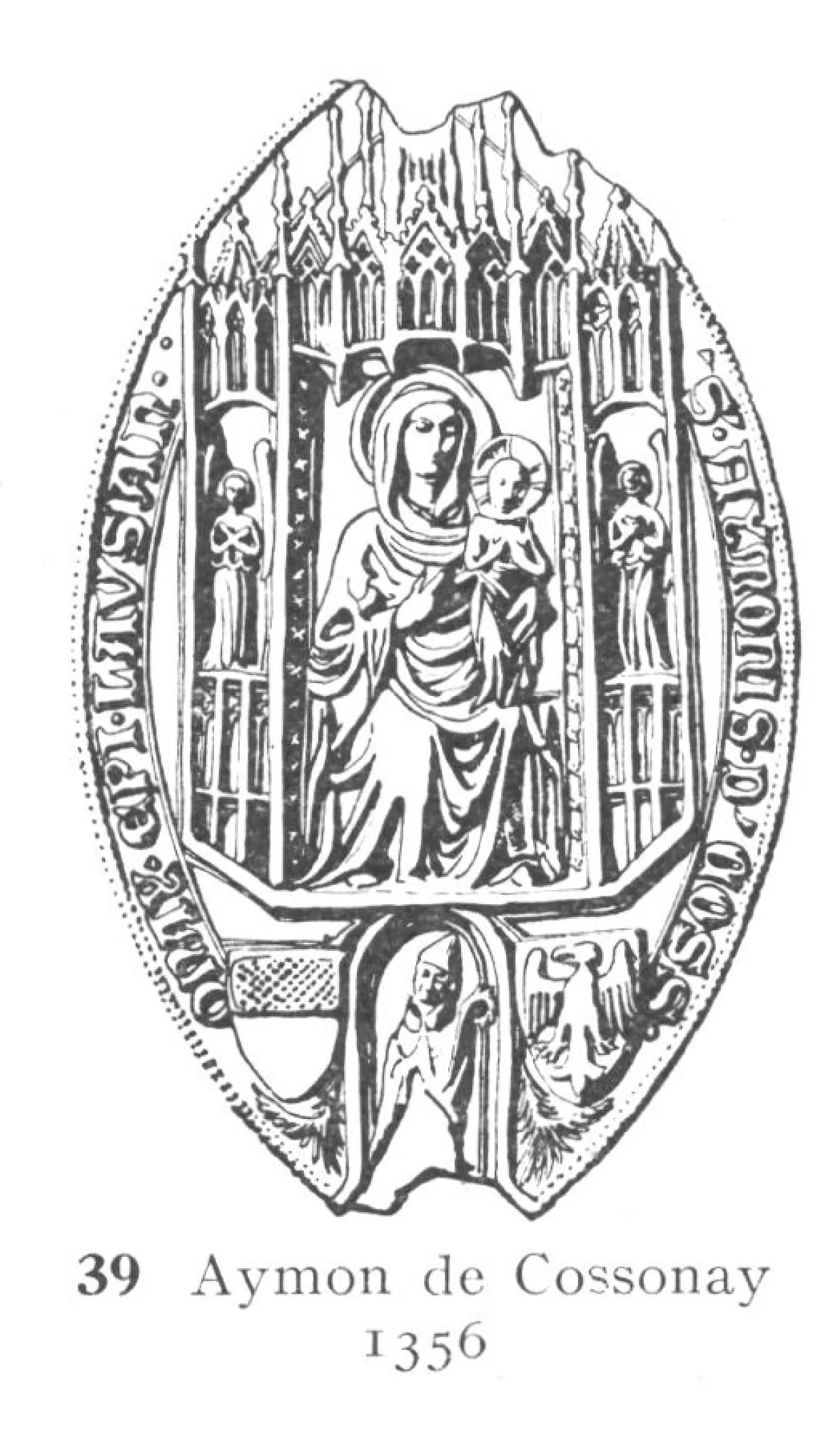
The lawyers, who were still rare during the Savoy period, easily gained prestige during Bernese rule. From 1536 onwards, the representatives of Berne organised the heterogeneous corpus of official documents and customs that had shaped the everyday life of the Vaudois until then. However, it was only with the end of the Ancien Régime and the establishment of the modern state after the Napoleonic era that the legal profession in Vaud gained in importance at both a social and political level.
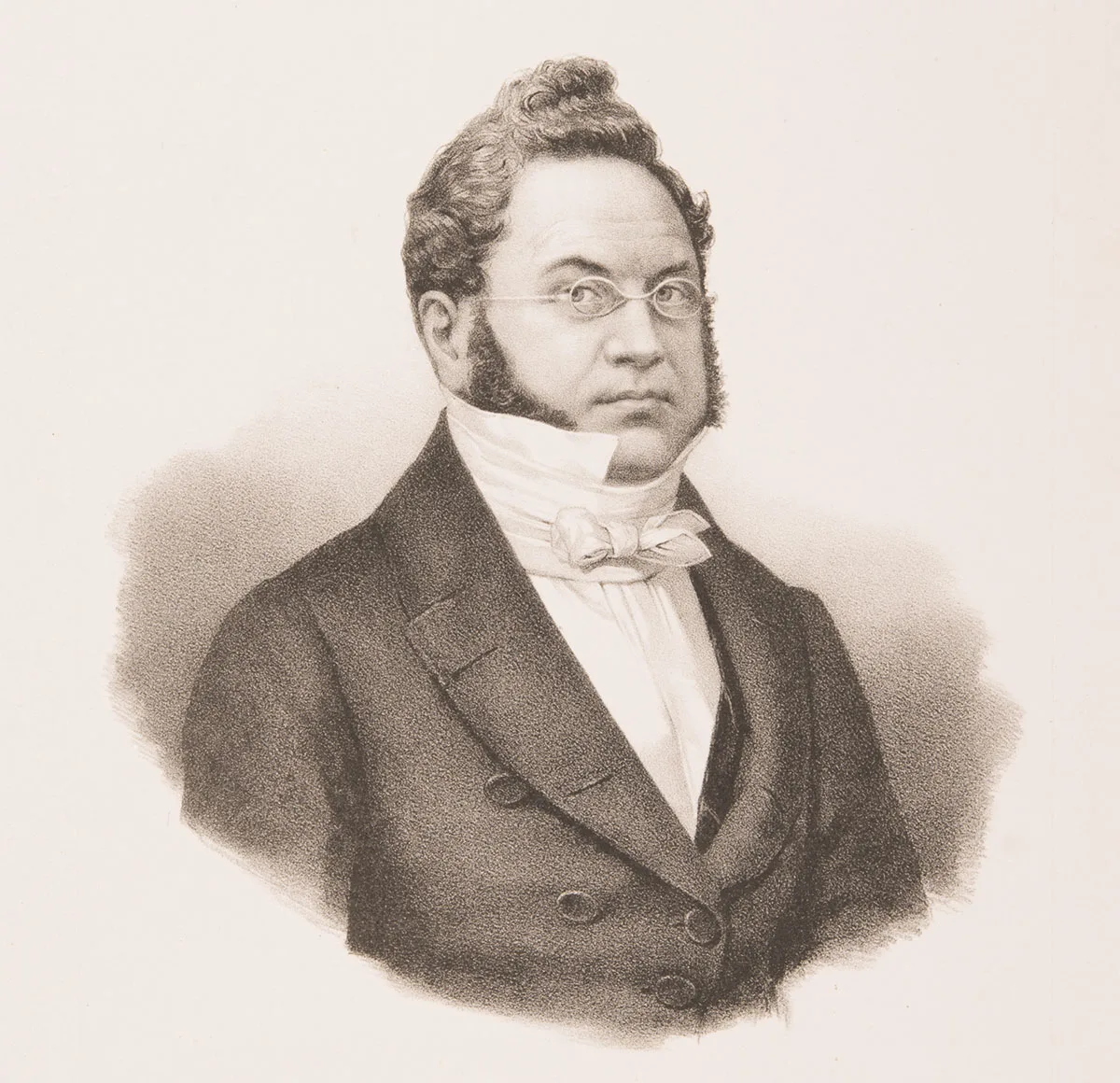
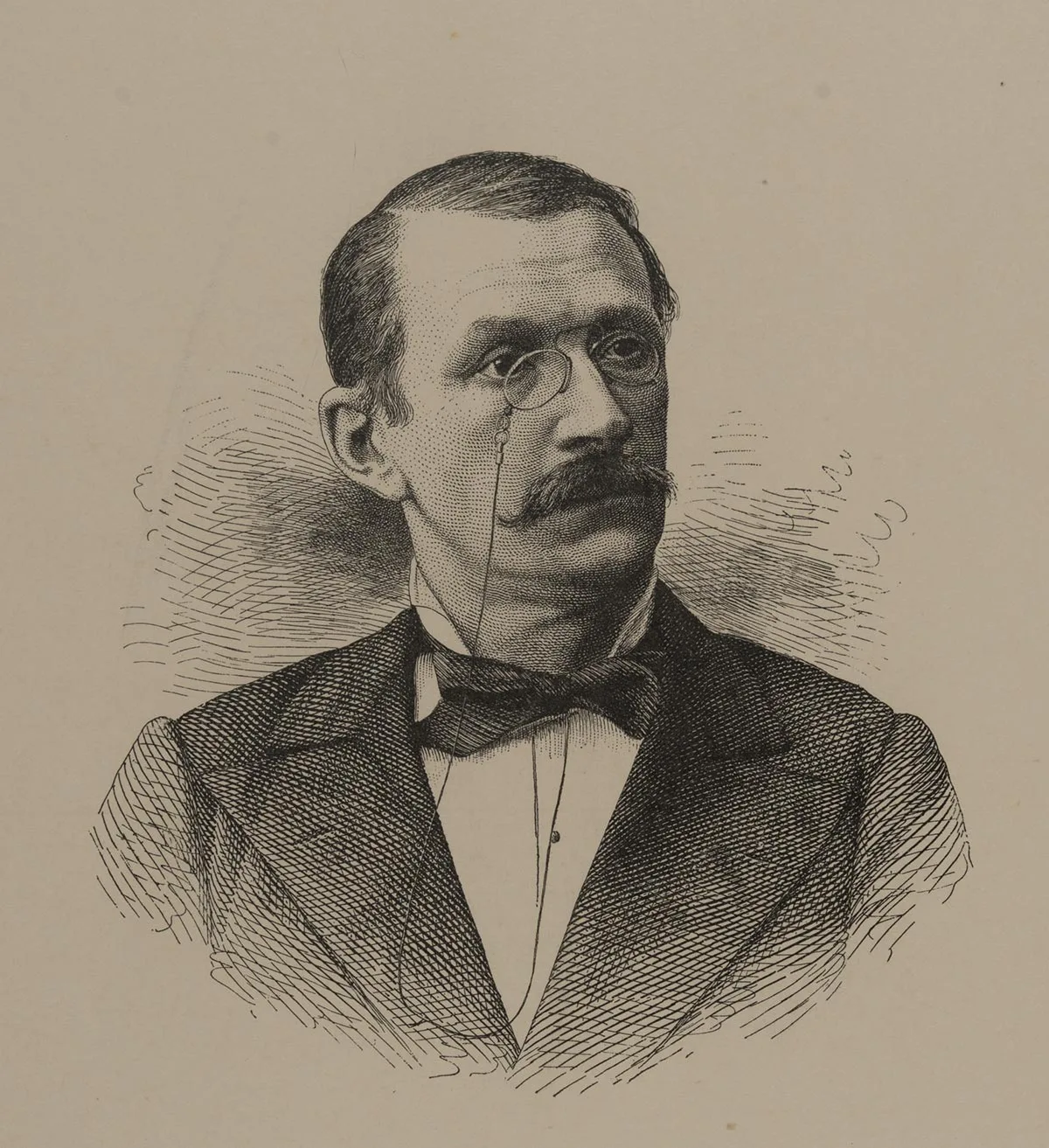
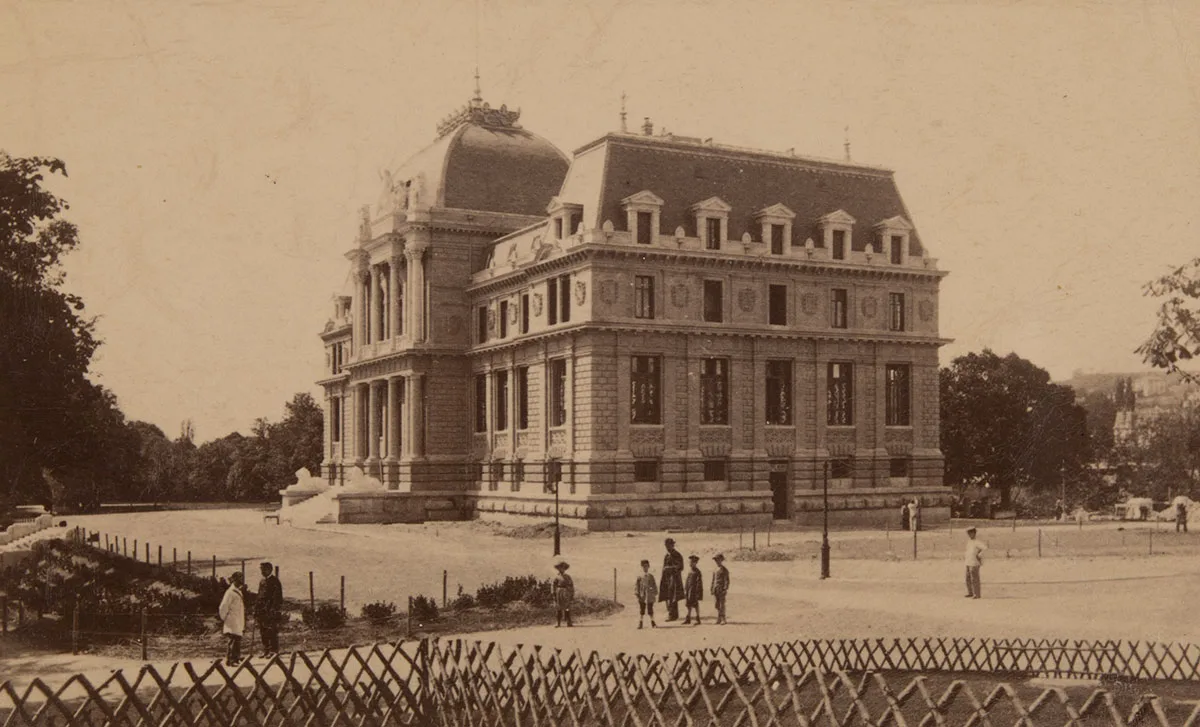
Criminal law, fundamental rights guaranteed by successive constitutions, tax law, land law, commercial law, administrative law - all aspects of the law were repeatedly reconsidered, debated, reaffirmed and contested during the long political duel that liberals and radicals fought for decades. Unsurprisingly, the lawyers were the biggest advocates of the new laws. The symbolic crowning achievement for the Vaudois excellence in the field of law was the establishment of the Federal Court in Lausanne based on the Federal Constitution of 1874.
The fateful year 1898
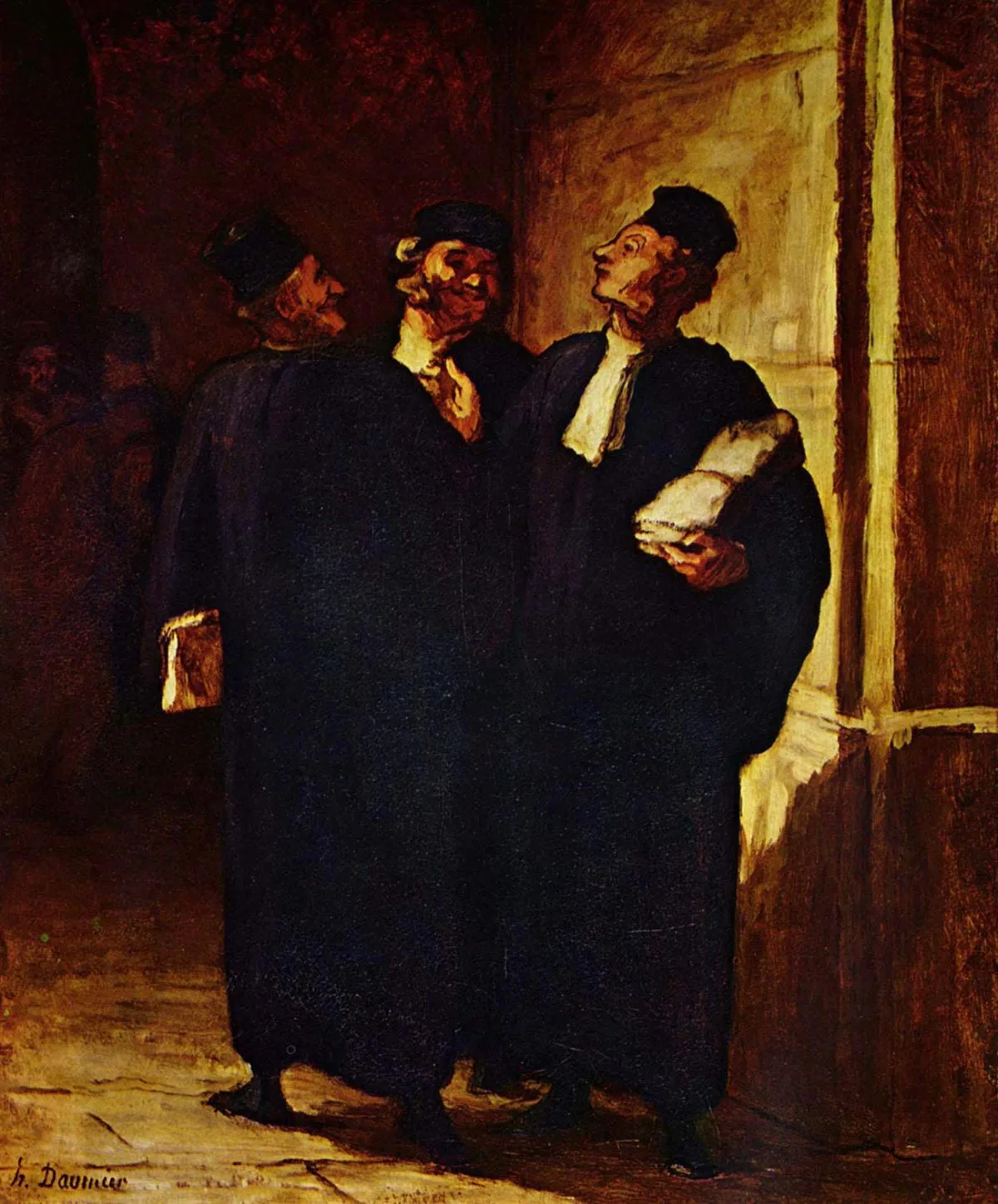
Auguste Dupraz was appointed the first president: President and not Chairman! This had been the wish of the founders, which they had expressed in Article 4 of the Chamber's statutes. They undoubtedly preferred the association terminology to the guild terminology. In the first half of the 20th century, the increasing competition between lawyers and other legal practitioners at both Vaudois and federal level fuelled the feeling of defending the profession, which led to a more elitist attitude on the part of the Chamber. Internal debates thus repeatedly centred on both the title of the presiding judge and the dress code for lawyers during pleadings, as "tradition" was no less important in the 20th century than it had been in previous centuries.
In March 1917, the former chairman Aloïs de Meuron (1854-1934) even spoke out against the deportation of French and Belgian civilians to Germany in the National Council, where he had held a seat since 1899. He gave a fiery speech reminiscent in spirit of André Malraux's in 1964, which deserves to go down in history: "One must know when moral interests are to be placed above material interests. And to those who are afraid of this, we reply that one must never hesitate to fulfil a moral duty of higher conscience, whatever the consequences may be." This spirit was also evident during the Second World War. The Jewish question led to lively debates in the chamber, particularly between Marcel Regamey, the founder of the Renaissance Vaudoise movement, and the former chairman Charles Gorgerat. In the end, the chamber decided in favour of passive resistance to the prejudices that were supported by many people at the time. However, it was careful not to comment on the measures taken by the Vaudois administration.