1 August 1975 – from Bern to Helsinki
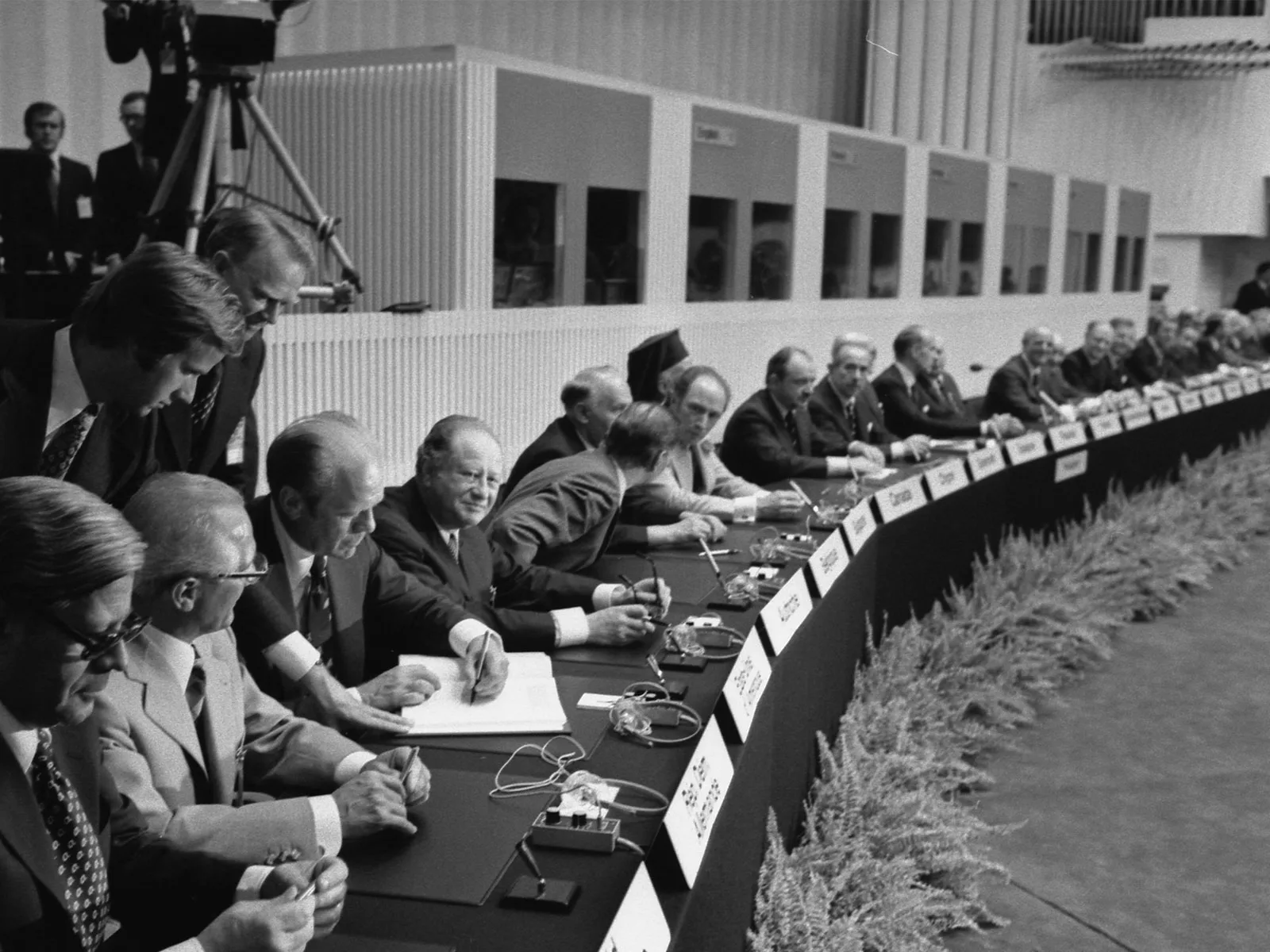
Back in 1975, on Swiss National Day of all days, Switzerland’s president Pierre Graber signed the Helsinki Final Act (also known as the Helsinki Accords), concluding the Conference on Security and Cooperation in Europe in the Finnish capital. It marked an easing of tensions in the midst of the Cold War.

Thomas Bürgisser
Thomas Bürgisser is a historian at the Diplomatic Documents of Switzerland (Dodis) research centre.
The Tribune de Genève dubbed this date ‘one of the best Swiss National Days in ages’ in view of the ceremonial signing of the agreement, which the newspaper interpreted as a signal from the Federal Council of Switzerland’s greater openness to the world and involvement in foreign policy. The Helsinki Final Act is indeed a remarkable document. Getting the representatives of all European countries from East and West – including the Soviet Union and the United States and Canada – to come to the negotiating table, invoke shared values and undertake to adhere to the same rules in the middle of the Cold War was indeed no mean feat.
A foreign affairs working group set up by the Federal Council also suspected that Moscow’s proposal was primarily a propaganda exercise. They believed that Russia wanted to play peacemaker, cement the status quo in Eastern Europe, sow the seeds of discord among its rivals, and counteract an excessive concentration of economic power in the West. “Deep distrust is therefore justified,” warned diplomats. The subsequent months showed that despite all this scepticism, there was an overriding interest in the convening of a conference. Both in the West and in the East, governments hoped that discussing multilateral security issues would improve the situation on the Continent. The members of the European Community, NATO, and the neutral and non-aligned countries therefore put forward sometimes diverging demands, and even the Eastern Bloc appeared less intractable than expected.
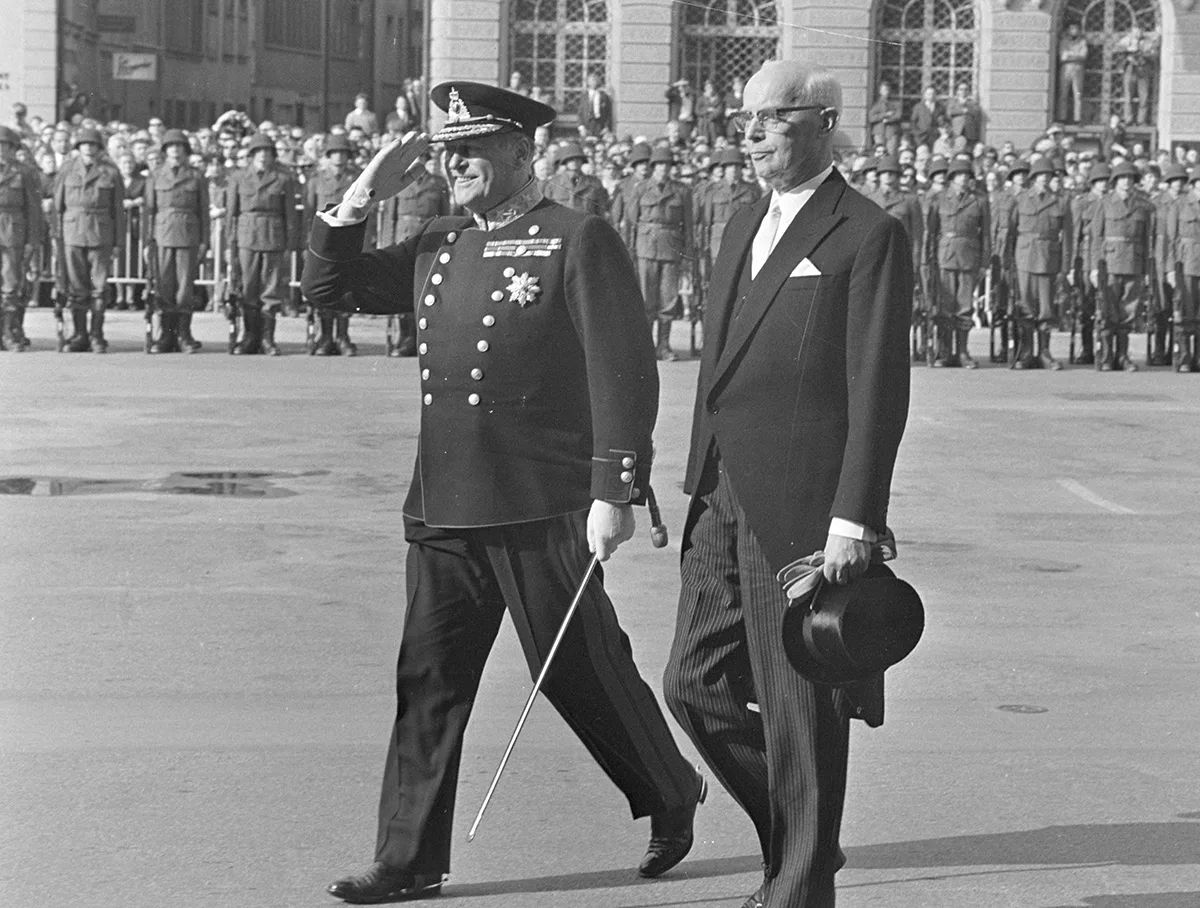
After the initial declarations of intent from capitals across Europe, there followed two years of mutual exploratory talks and consultations spanning the whole continent. The Swiss foreign minister and his chief officials also took part in this round of visits, stepping up receptions of foreign officials in Bern and increasing their trips abroad to an almost unthinkable level by Swiss standards at the time. The most lively discussions took place with the other neutral states – as “views in Sweden and Austria largely align with our own”. But Swiss diplomats even found the novel exchange of ideas with the countries behind the Iron Curtain to be surprisingly fruitful.
Six months to put together a conference agenda
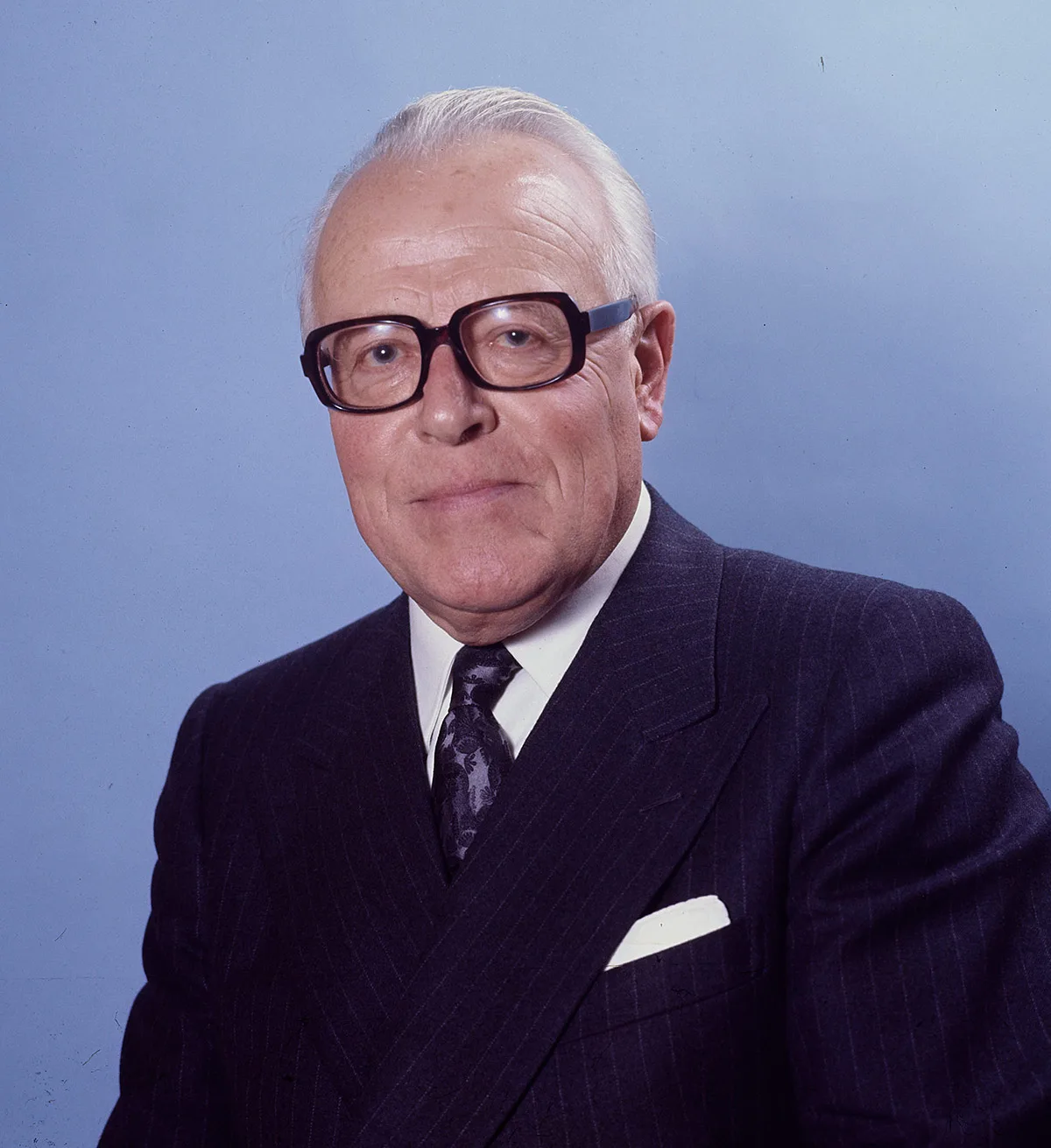
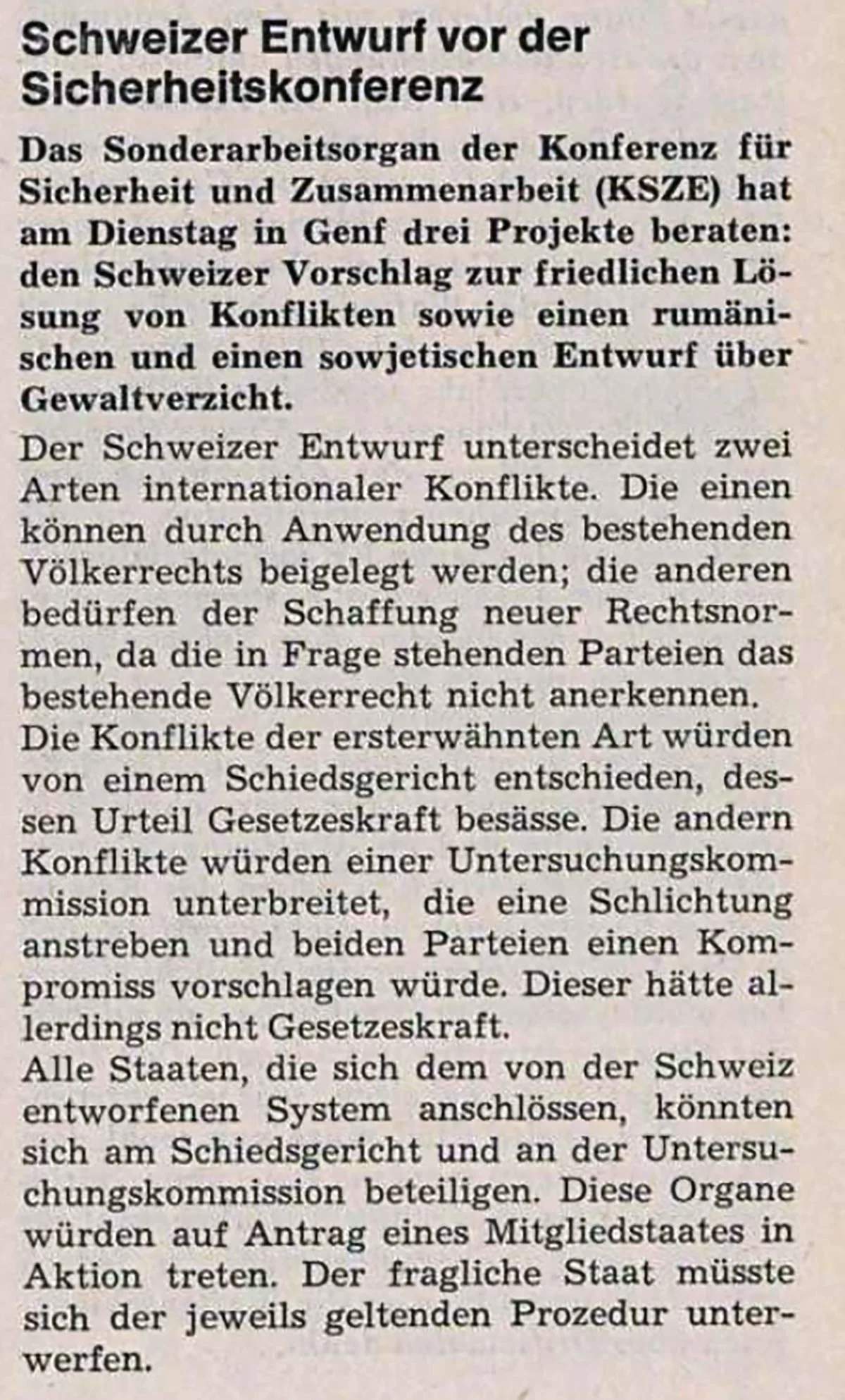
Swiss influence on negotiations
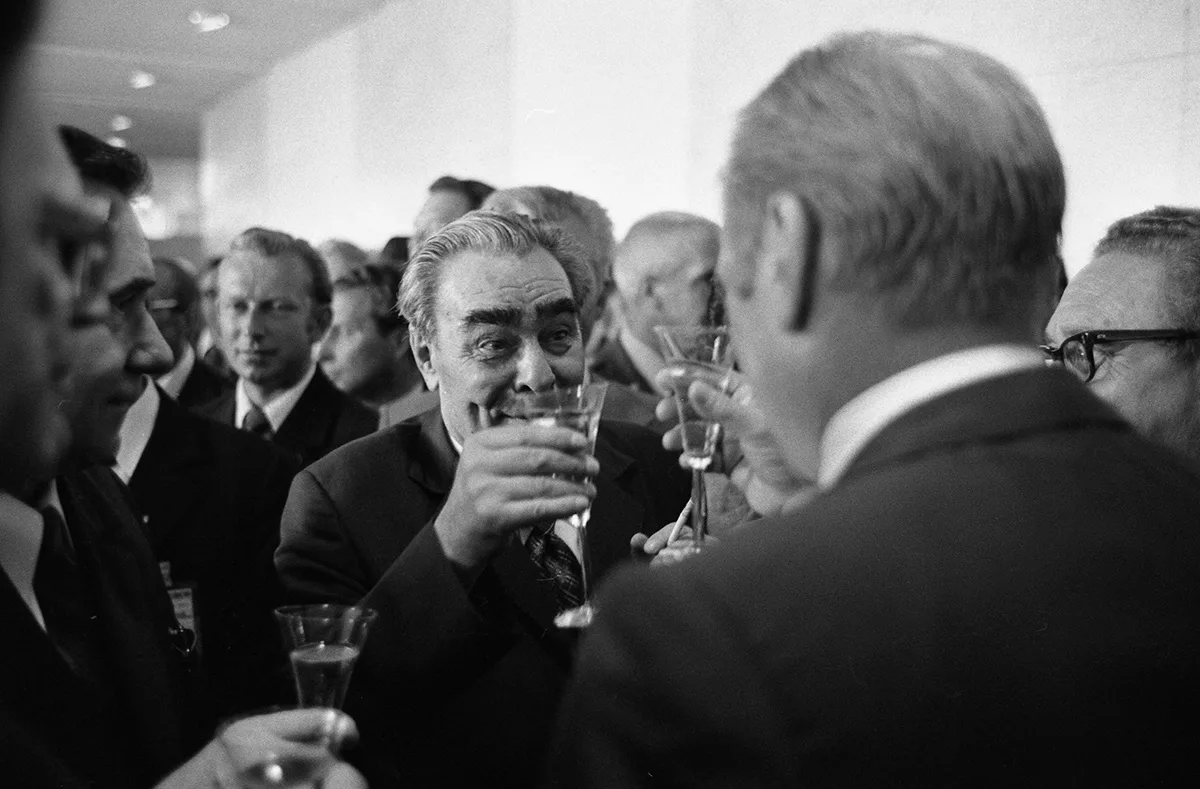
“This really is the first meeting of the heads of all nations in the European family”, exclaimed Swiss President Pierre Graber in his speech to the heads of state and government gathered in the Finlandia Hall on 30 July. He remarked that the results may at first have appeared modest and fallen short of expectations in some respects. “And yet! The mere fact that such sensitive issues can be addressed and discussed openly at diplomatic level between states with different political, economic and social systems, is in itself a positive thing. And the fact that the same countries were able to agree on texts, the very existence of which is no small achievement, is another reason for hope.”
Switzerland, which was not a member of the UN or the European Community, was able to play a part in the CSCE process for the first time as an independent and roundly respected player on key issues, and help shape pan-European policy. The CSCE marked a move away from Swiss exceptionalism and therefore the beginning of a normalisation of Swiss foreign policy. In 1996 and 2014, Switzerland played a key role as OSCE Chair – and it is set to chair the organisation again in 2026.
Maybe one day the OSCE can again become an instrument for a pan-European security policy based on the sovereign equality of all states. In that case, the 1 August 1975 really would have been one of the best Swiss National Days ever.
Joint research

This text is the product of collaboration between the Swiss National Museum and the Diplomatic Documents of Switzerland (Dodis) research centre. Inspired by the 50th anniversary of the CSCE Helsinki Final Act and Switzerland's OSCE Chairmanship in 2026, Dodis is currently conducting research for two publications on the history of the CSCE/OSCE. The documents cited in the text and numerous other files on the subject are available online.