The ‘Trump Affair’
In the summer of 1940, German press attaché Georg Trump attempted to silence critical voices within the Swiss press. Staging a fightback, the country’s newspaper editors found themselves caught between the opposing forces of neutrality and accommodation.

Noëmi Crain Merz
Noëmi Crain Merz is a historian, university lecturer and curator.
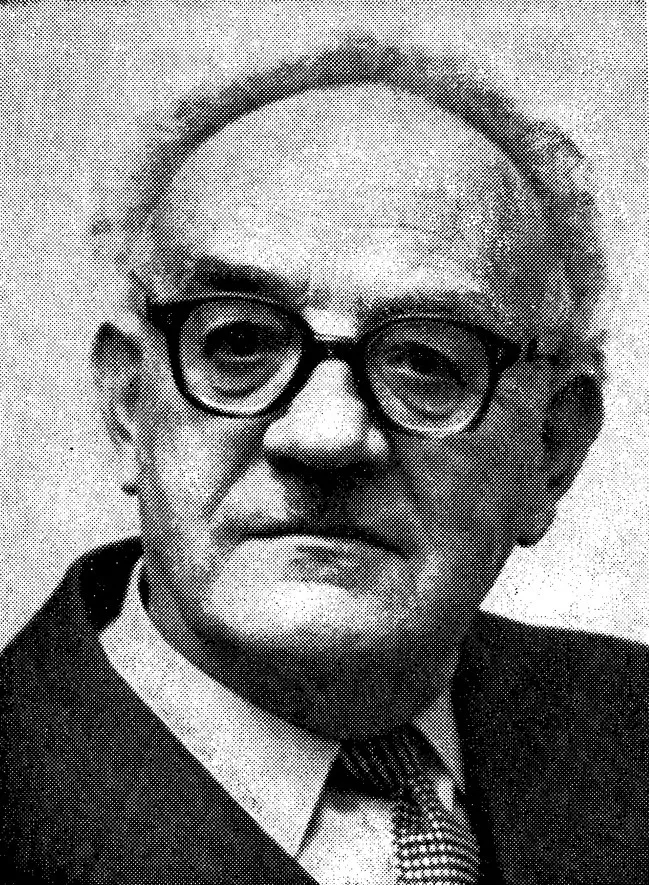
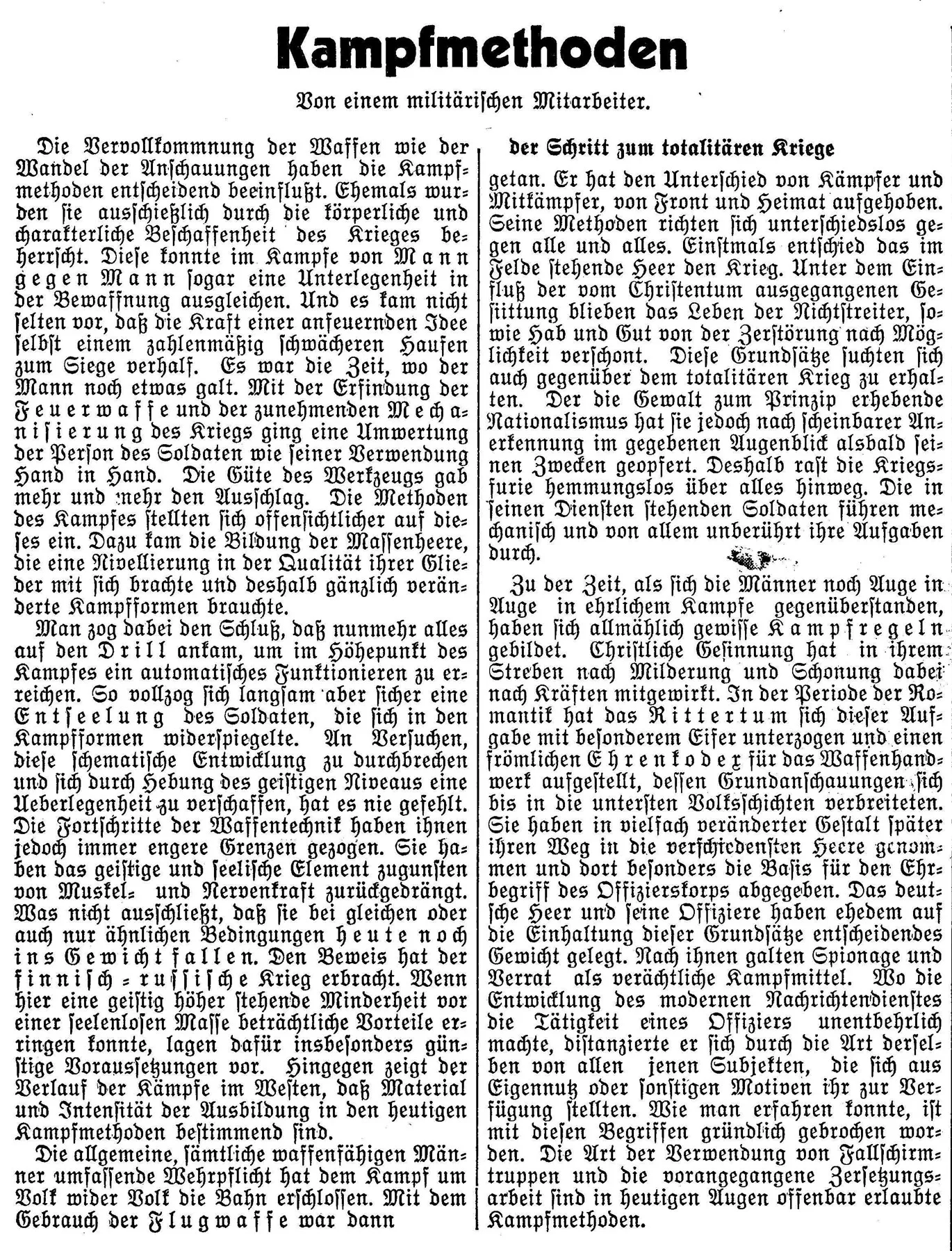
Editor-in-chief Hermann Odermatt never revealed who wrote the article. e-newspaperarchives / e-newspaperarchives
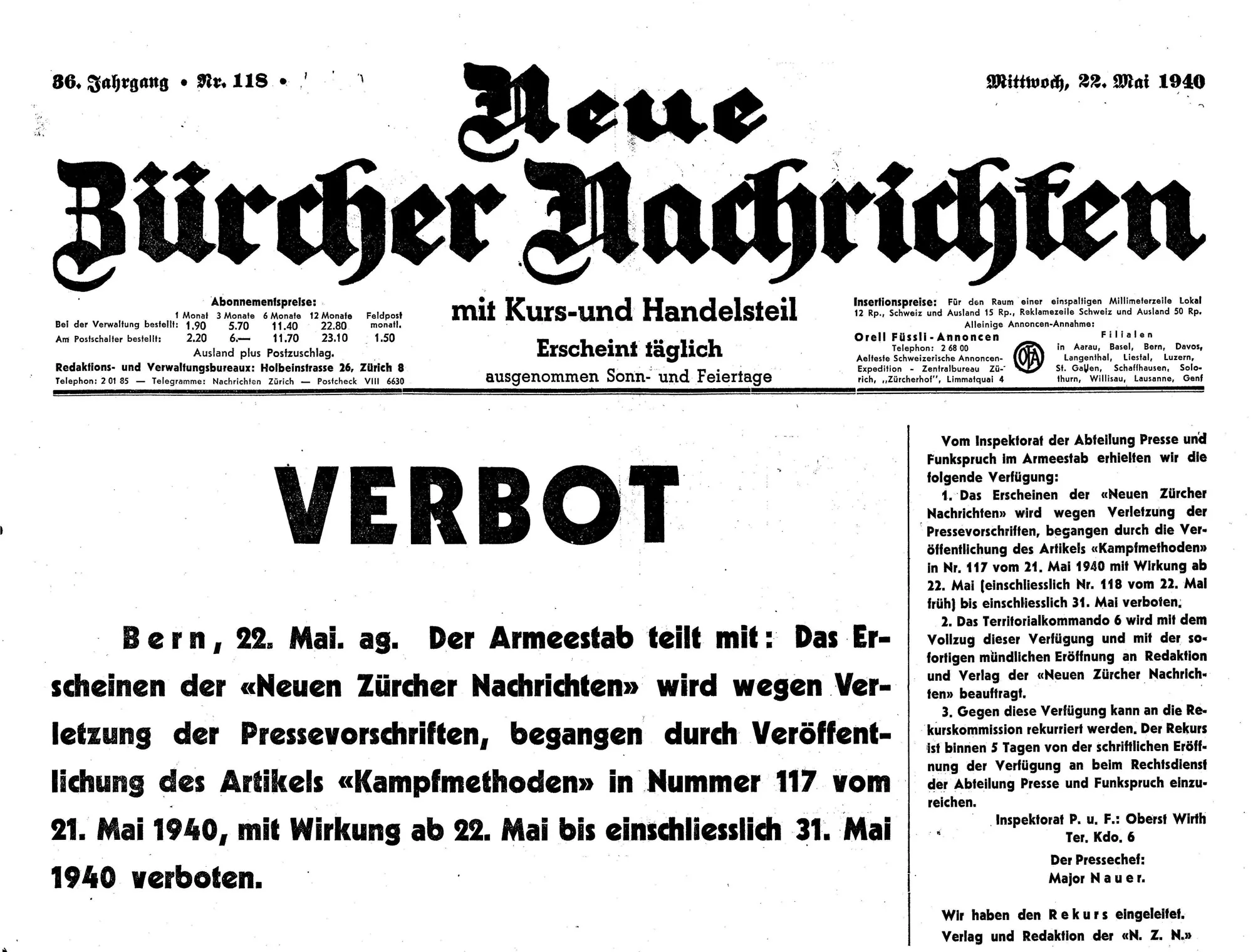
It never came to that. The Abteilung Presse und Funkspruch (APF), the Press and Radio Division responsible for censorship in Switzerland during the Second World War, suspended publication of the Neue Zürcher Nachrichten for ten days. The APF was officially authorised to step in whenever it felt that relations with any of the neighbouring countries might be jeopardised. The president of the Swiss Confederation, Marcel Pilet-Golaz, was also at pains to point out that attacks on a foreign army, like that published by the Catholic newspaper with Conservative leanings, were not permitted in Switzerland.
The action against the daily paper was among the most drastic ever taken. But it was by no means a one-off. Keen to avoid any diplomatic upsets, the APF was already in the habit of cracking down on newspapers even before German officials began voicing complaints. Switzerland hoped to pacify its larger neighbour ‒ which, bolstered by its military successes, was taking a more and more aggressive stance ‒ by telling it that the publications in question had already been reprimanded. But in doing so, the Swiss authorities also gave the impression that these complaints were justified. Germany’s leaders took the view that a neutral country should have ‘neutral’ reporting. Although it contravened the Swiss notion of freedom of the press, articles critical of Germany were regularly subject to censorship. When, in November 1939, following the conquest of Poland, the Basel-based National-Zeitung described a potential peace settlement as “tantamount to the recognition of a policy of violence that shows a brutal disregard for treaties and international law”, making it “nothing short of catastrophic”, the head of the APF accused it of being a propaganda mouthpiece for the Western powers and of expressing views that placed Switzerland in a dangerous position. Unless this changed, he told the newspaper, measures would have to be considered and even an outright ban on publication could not be ruled out.
Switzerland’s editors refused to back down
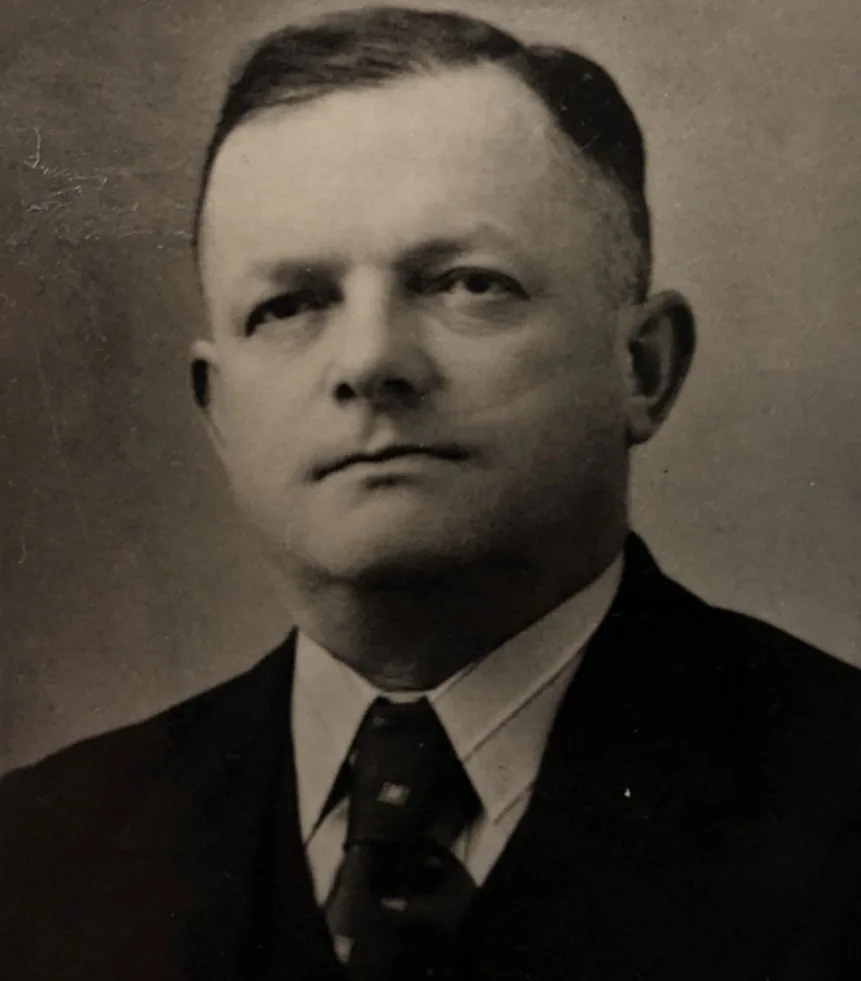
For Trump, the Bund was the easiest of all the major liberal-leaning dailies on which to exert an influence. After all, the company that published it had just one owner that needed to be persuaded, and that owner was Pochon. The German attaché had also set his sights on the principal editors of the NZZ and Basler Nachrichten newspapers, but their ownership structure was more complicated. One thing was clear: following the capitulation of France, the National Socialists were keen to silence any journalists who had written negatively about them in the preceding months; Trump referred to them as “editors heavily stained by the past”.
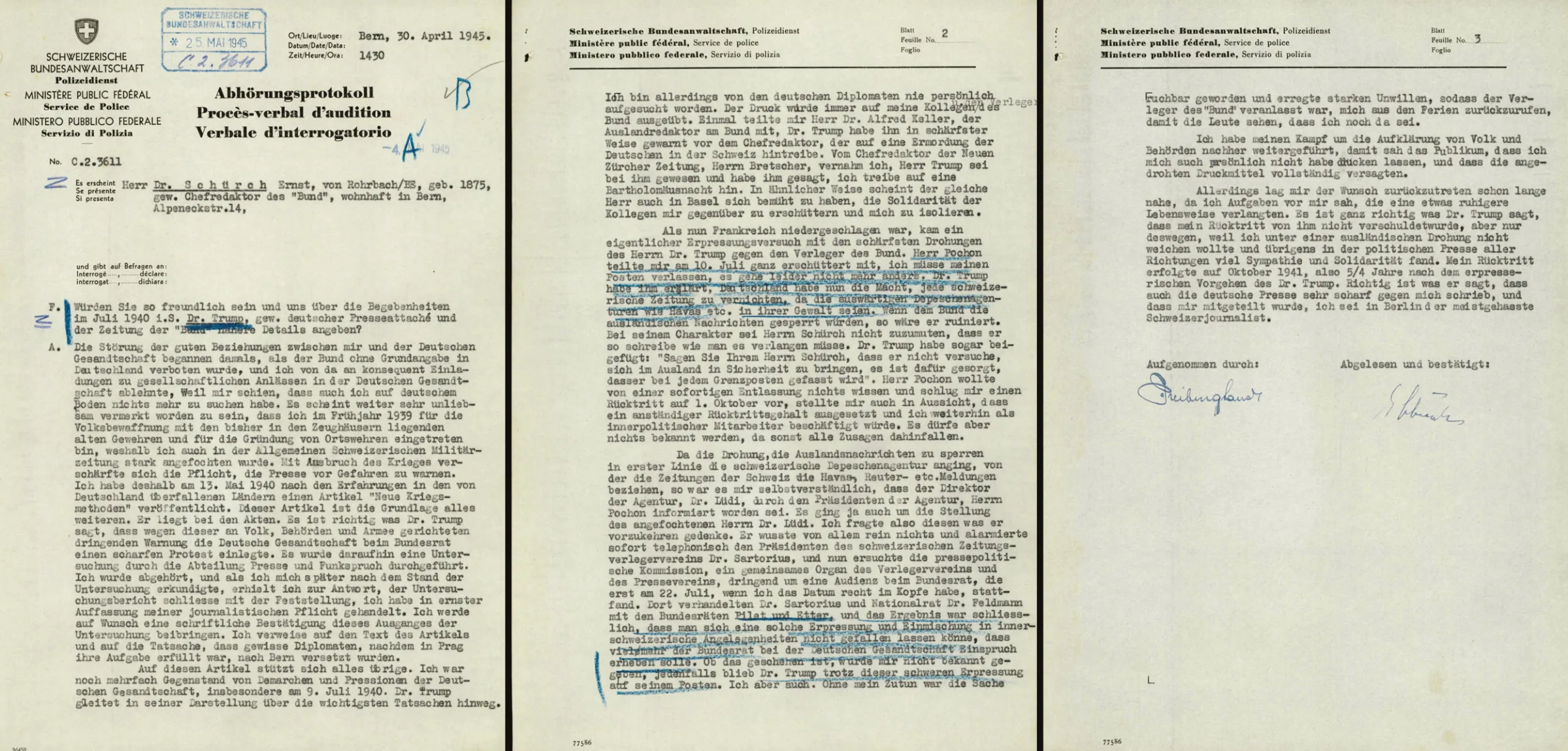
Schürch was outraged at Trump’s interference, calling it “the worst kind of foreign coercion”. Much to Pochon’s annoyance, he informed Rudolf Lüdi, the director of the national press agency, where Trump had also demanded that personnel changes be made. Lüdi in turn told Karl Sartorius, the publisher of the Basler Nachrichten and president of the Schweizerische Zeitungsverlegerverband (the Swiss Newspaper Publishers Association). Sartorius then consulted editors Theodor Gut and Markus Feldmann, who were also National Councillors in Bern. They all agreed that the real issue here went far beyond intolerable meddling in internal affairs. Fundamental matters of principle, including those affecting the press and national policy, were at stake. Feldmann, who would later become a member of the Federal Council, noted in his diary that: “The battle for the key aspects of our national freedom is beginning.”
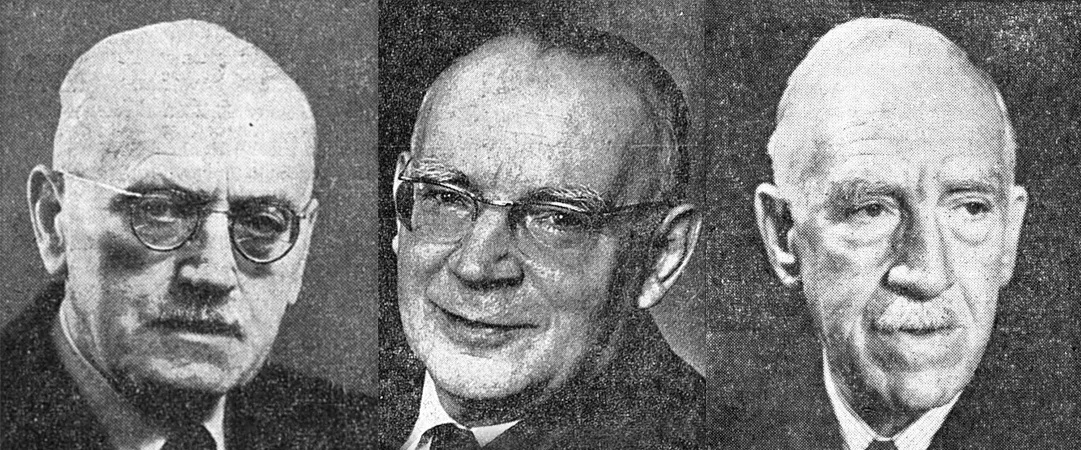
Rumours that Schürch was to be replaced as editor-in-chief spread like wildfire and took on new dimensions. The word on the street was that the Germans had also set their sights on Willy Bretscher at the NZZ and Albert Oeri at Basler Nachrichten. Sartorius categorically demanded that the Federal Council step in to protect the Swiss press. Schürch, Oeri and Bretscher met to discuss the matter, and on 24 July Oeri wrote a five-page letter to Swiss president Pilet-Golaz, with copies sent to every member of the Federal Council, in which he vehemently championed freedom of the press and denounced the authorities’ clampdown on public opinion in Switzerland.
Independence, neutrality and accommodation
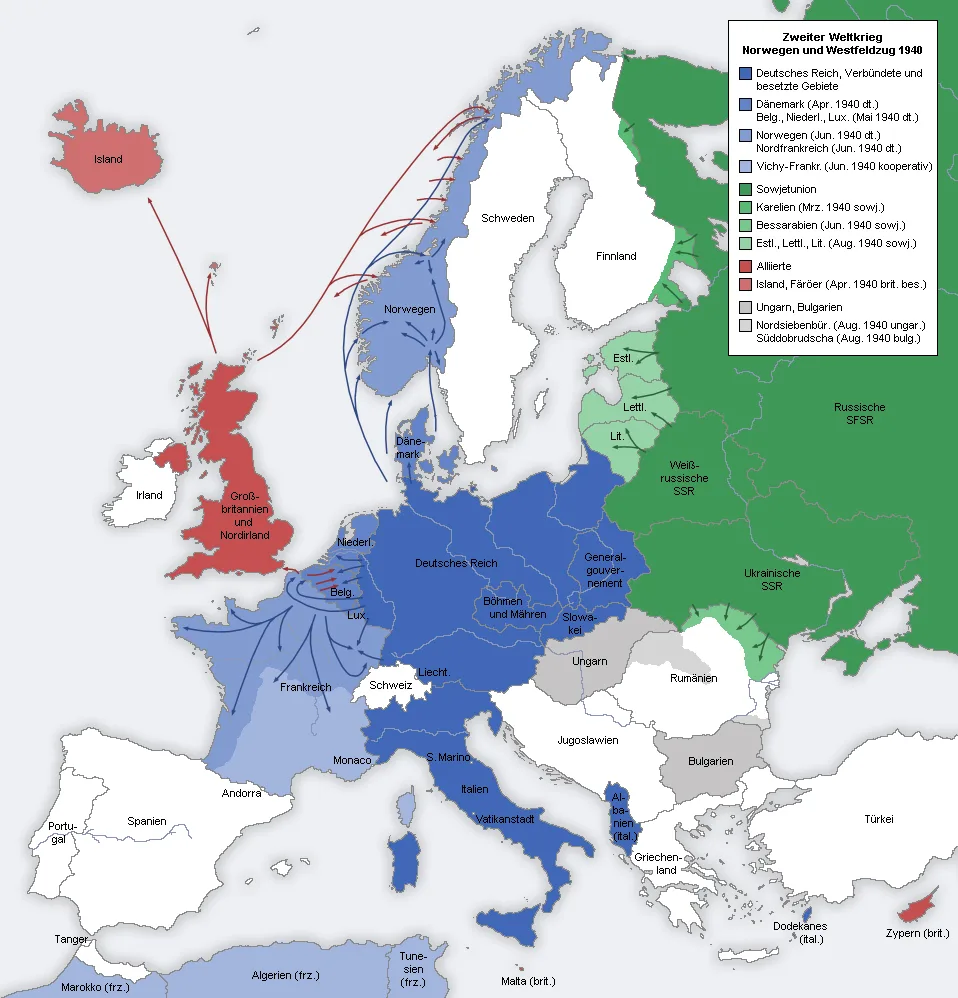
The threat facing Switzerland in the summer of 1940 was very real. The Germans were expected to invade at any time. Oeri, who lived in Riehen right next to the border with Germany, would have been among the first to feel the National Socialists’ vengeance. Bretscher and Schürch would have been equally unlikely to escape reprisals. The German embassy in Bern had branded Schürch the “greatest rabble-rouser in Switzerland”, and Trump had previously intimated that Schürch needn’t try and flee abroad as arrangements had already been made to arrest him at the border.
The Petition of the 200
In 1973, historian Georg Kreis painstakingly reconstructed the events surrounding the ‘Trump affair’. He concluded that for those involved with Trump, regardless of whether they stood up to him or allowed themselves to be intimidated by him, he was more than simply an official who had grown too big for his boots: “With his visions of the future, his proposals for shaking up the press and his threats, he was also the very embodiment of the danger facing the country at the time.”
The fact that there were people in Switzerland in 1940 who remained unwavering in their support of freedom of the press and who resisted any accommodation of fascism was soon widely seen as something that created a sense of national identity. “Your voice was the voice of reason, a voice that the world listened to.” These words were said of Albert Oeri shortly after the end of the war when he was awarded an honorary doctorate by the University of Basel. “And so, we often had you to thank for the fact that the voice of Switzerland was heard in the rest of the world as the voice of rightness.” In the postwar period it was quickly and conveniently forgotten just how many political decision-makers had tried to silence the voices of Oeri, Bretscher, Schürch and others.